- Car
- Glas (16 offers)
Glas Classic Cars for Sale
Glas vehicles represent some of Germany's most fascinating post-war automotive engineering, spanning from minimalist microcars to Italian-inspired GT coupes. Their rarity, diverse model range, and the support of active owner communities make them an engaging choice for classic car enthusiasts.
Search results

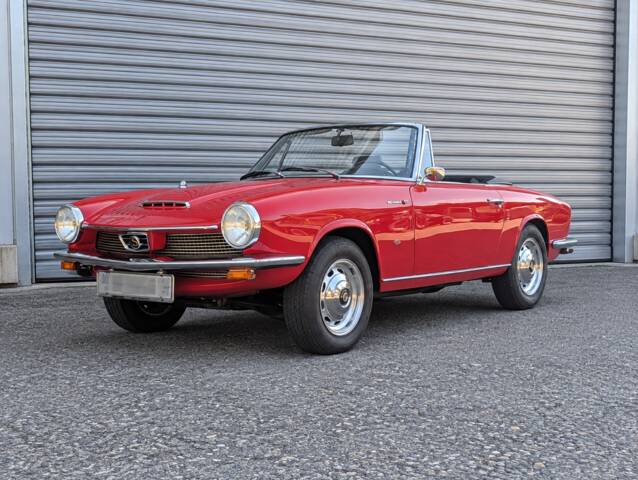
1965 | Glas 1700 GT
GLAS 1700 GT Cabriolet | 1965 | besondere Historie | Sammlerfahrzeug

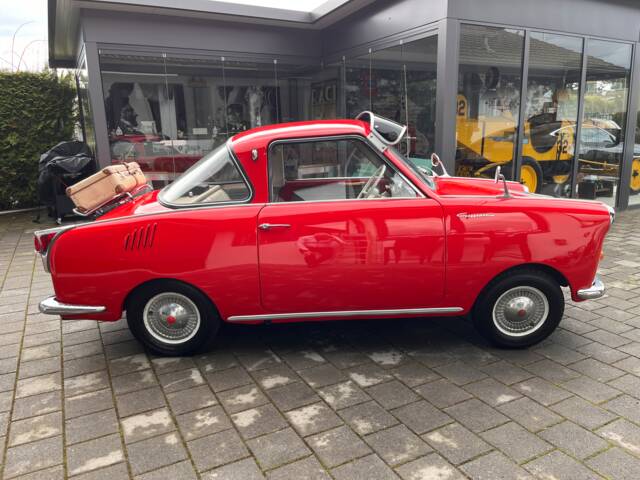
1965 | Glas Goggomobil TS 250
Sehr schönes Glas-Goggomobil Coupè

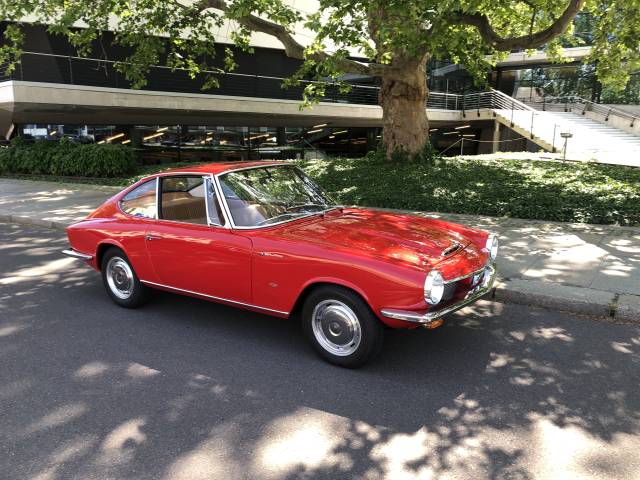
1966 | Glas 1300
TOP ANGEBOT
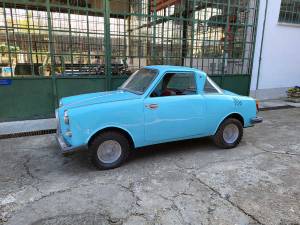
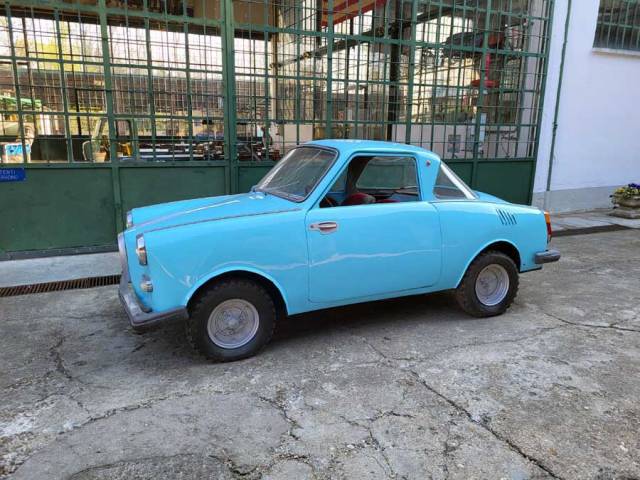
1964 | Glas Goggomobil TS 250
Glas Goggomobil TS250 – 1964

Newsletter
The best Glas listings, straight to your inbox
Get hand-picked Glas listings, plus the best of cars, motorbikes, and auctions on Classic Trader — all in one place.

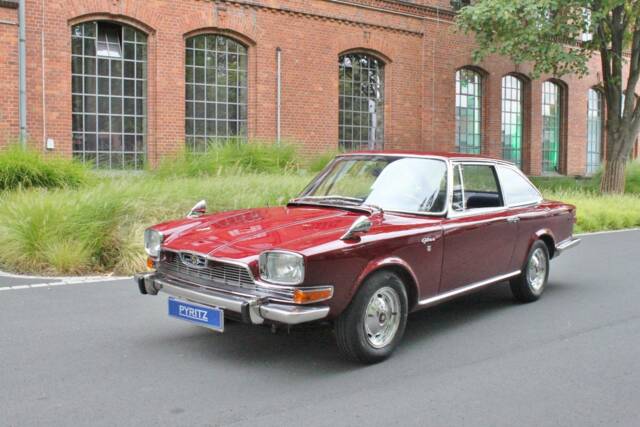

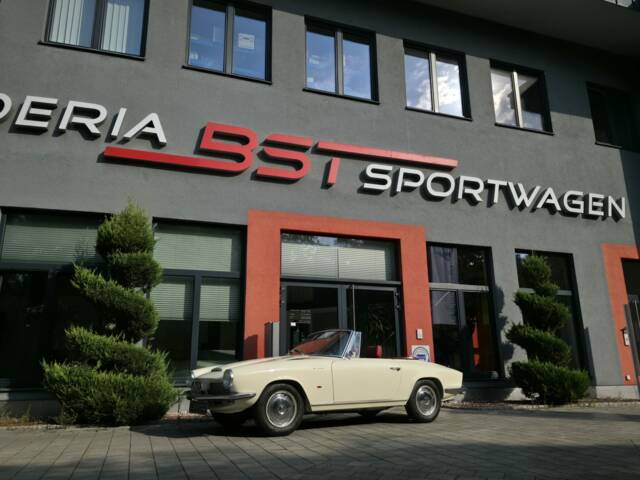
1967 | Glas 1300
Seltenes Fahrzeug aus Privatsammlung

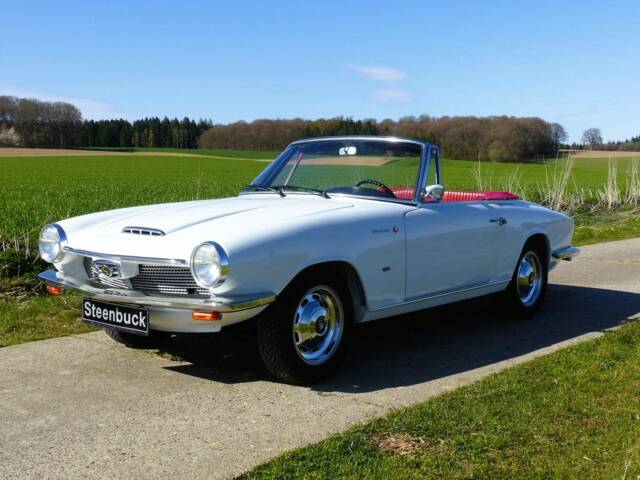
1966 | Glas 1300
A piece of German motoring history, very rare!

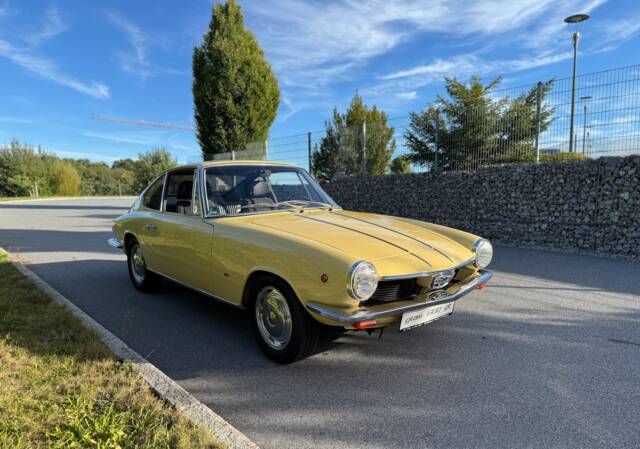

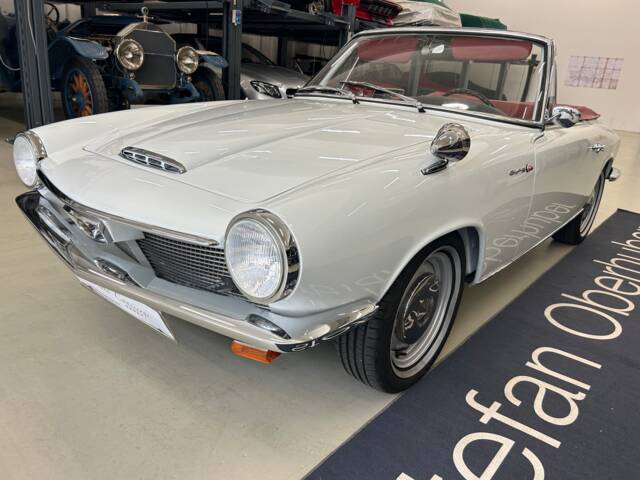
1966 | Glas 1700 GT
top restauriert


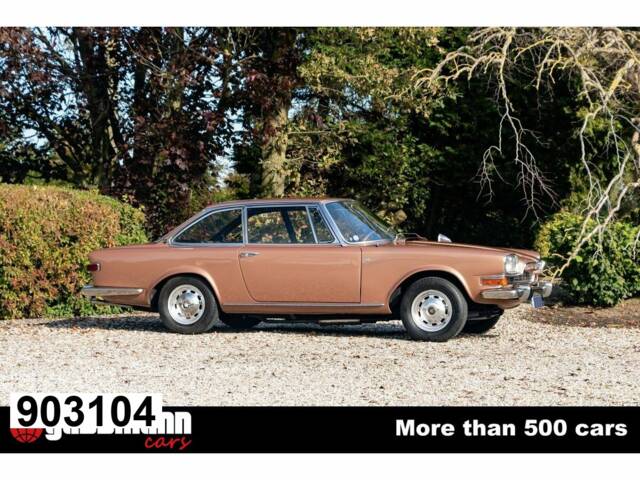
1966 | Glas 2600 V8
602 2600 V8 Coupe

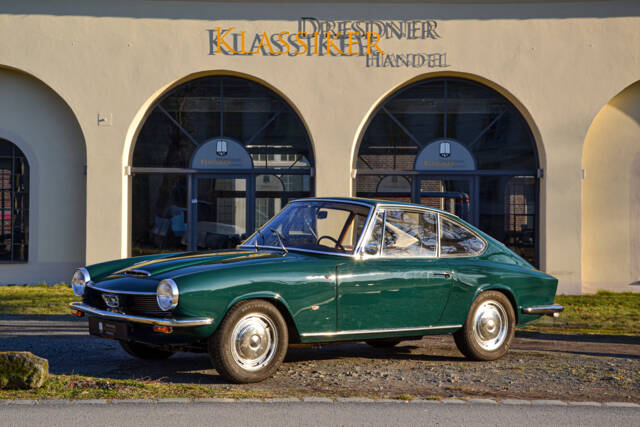
1967 | Glas 1300
Restauriert, Top-Zustand

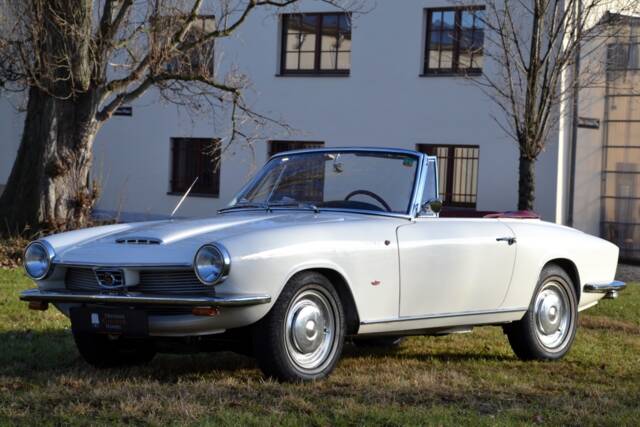
1967 | Glas 1300
Historie, Restauriert, Top-Zustand

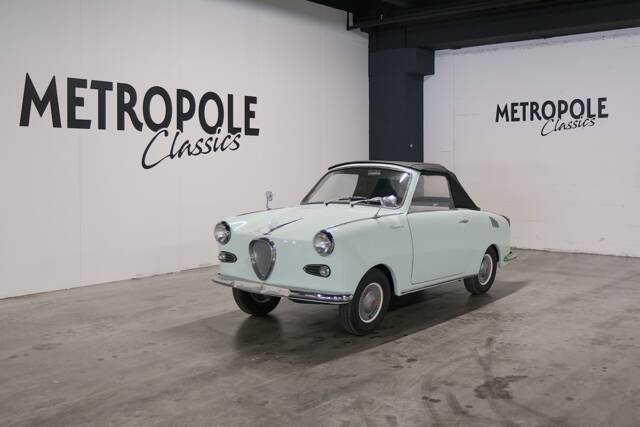
1969 | Glas Goggomobil TS 250
Goggomobil TS250 M0336


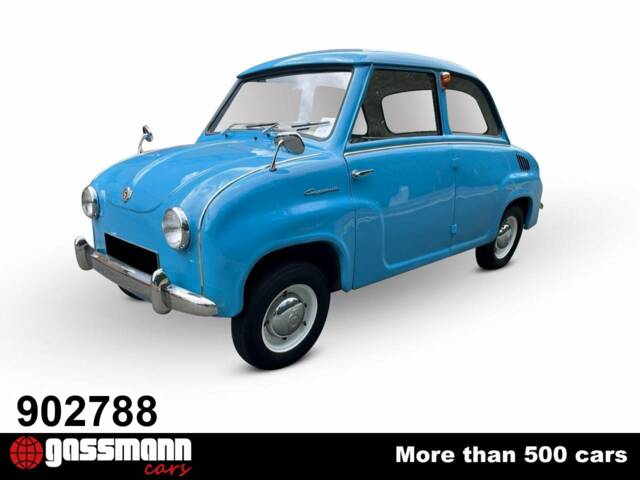
1958 | Glas Goggomobil TS 300
Goggomobil TS 300 Limousine

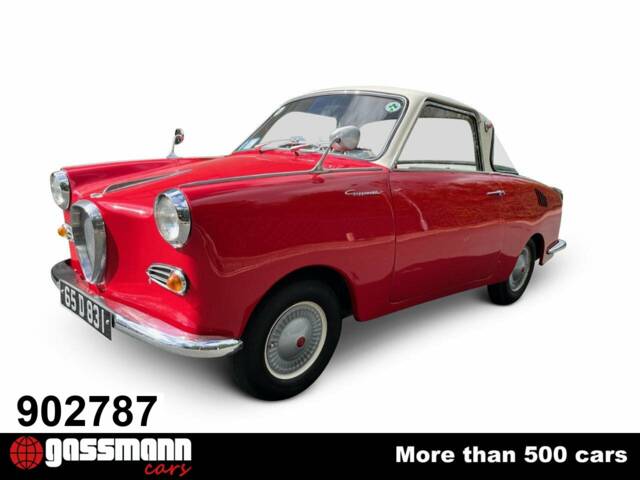
1965 | Glas Goggomobil TS 250
Goggomobil TS 250 Coupe
History of Glas
Founded in 1883 as 'Isaria', Glas began as an agricultural machinery company. After a decline in the 1940s, the company pivoted to producing motor scooters inspired by the Italian Vespa, which set the foundation for their car production. In 1955, Glas launched the Goggomobil, a response to the growing demand for affordable mobility during the German Wirtschaftswunder. Their expansion into larger and sportier vehicles in the 1960s was ambitious but financially risky, leading to the company's acquisition by BMW by the end of that decade. Glas vehicles were known for their innovative engineering, such as being the first to introduce a timing belt with an overhead camshaft in a production car.
Model History
Glas's first vehicles included the Goggoscooter (1951–1956), followed by the Goggomobil microcars (1955–1969), which were available as a saloon, coupé (TS), transporter (TL), and even the Dart sports roadster in Australia. The compact Isar followed in 1958, then the 1004, 1204, and 1304 as family cars. The 1300 and 1700 GT models, styled by Pietro Frua, marked Glas's foray into sporty coupes and convertibles, and the 2600 V8 (sometimes dubbed 'Glaserati') signified their boldest engineering effort. After BMW's takeover, some Glas models briefly carried the BMW badge before production ceased.
Highlights and Statistics
The Goggomobil is the most recognisable Glas, serving markets in 36 countries and offering surprising space for four in a compact footprint. Revolutionary features for their class included a second windscreen wiper and pre-selective electric transmission. The GT models are admired for Italian design influences by Pietro Frua, luxurious interior instrumentation, and a unique blend of elegance and driving engagement. The rare Glas 1700 GT Cabriolet saw only 122 examples built. Club culture and parts availability remain strong for these vehicles, ensuring ongoing support for owners.
Technical Data
Special Editions and Collectible Models
While many Glas variants are rare by virtue of their low production figures, particular attention is due to the Goggomobil Dart (approximately 700 built in Australia), the 1700 GT Cabriolet (just 122 made), and the 2600 V8 with its unique Frua design. There are bespoke configurations such as the TL Transporter, which found service with the German postal system, and club-documented factory specials that are prized by collectors for their provenance.
Maintenance and Weak Spots
No specific weak spots are noted. However, enthusiastic restoration efforts mean that well-kept Goggomobil and GT models benefit from extensive club-led parts supply, workshop manuals, and active communities. High restoration standards are typical and resources for technical literature and component sourcing are readily accessible. Depending on model, some restoration challenges can arise due to unique bodywork (especially GT/convertible panels) and mechanical originality.
Engine, Handling and Driving Dynamics
Performance varied widely: The Goggomobil prioritised economical running—small two-stroke engines, basic equipment, and light weight set the tone for predictable, easy city driving. The GT 1300/1700 models raised the bar: with 1.3- or 1.7-litre four-cylinder engines powering stylish coupes and cabriolets, drivers enjoyed increased power and improved handling. The final 2600 V8 brought refined, near-luxury touring to the Glas stable. - Goggomobil TS Coupé (1957–1969): 2+2 sports coupé, panoramic rear glass, 250/300/400 cc engines.
- Glas 1300 GT/1700 GT: Frua-designed coupe/cabriolet, up to 100 PS from a 1.7L engine; exquisite dashboard, Italian-German blend of style and technology.
- Glas 2600 V8: 2.6-litre V8, limited numbers, shares visual cues with Maserati, known as 'Glaserati'.
Interior, Comfort, Exterior, and Design
Design was a point of pride across all Glas models. Early Goggomobile interiors were minimalist, with limited trim and essential instruments. From 1957, improvements like a second wiper and wind-up windows became available. The TS coupés elevated the formula with panoramic rear glass, distinctive two-tone paintwork, and compact 2+2 seating. The GT range benefitted from Italian stylist Pietro Frua's hand, offering striking lines and a cockpit with chrome-ringed VDO gauges and refined materials. Accessories and club-supplied extras (including classic sliding roofs and period colour schemes) remain available for restoration or personalisation.
Other Features
Glas vehicles have historically enjoyed tax exemptions and classic registration privileges in certain countries. Dedicated documentation and literature, including factory service manuals and parts catalogues, are collectable items. Owners benefit from active clubs offering magazines and online portals. The continued availability of replica or remanufactured components ensures practical usability and preserves originality.
Summary
Glas stands out for its ability to combine practical innovation, individual charm, and design ambition into small-batch production vehicles. The variety, from the Goggomobil microcar to the GT and V8 models, appeals to a spectrum of collectors. Active clubs, a strong community, and secure parts access support long-term enjoyment for Glas classic owners.