- Car
- Frazer Nash
- Frazer Nash 320 (1 offer)
Frazer Nash 320 Classic Cars for Sale
The Frazer Nash 320 stands out as one of the rarest entries from the renowned British manufacturer, blending motorsport DNA with individual engineering solutions. This model is especially notable for its unique construction and niche presence among pre-war and early post-war vehicles. Enthusiasts value the 320 for its distinct mechanical layout and exclusive history—discover more about its origins, technical features, and what sets it apart in the classic car world.
Search results
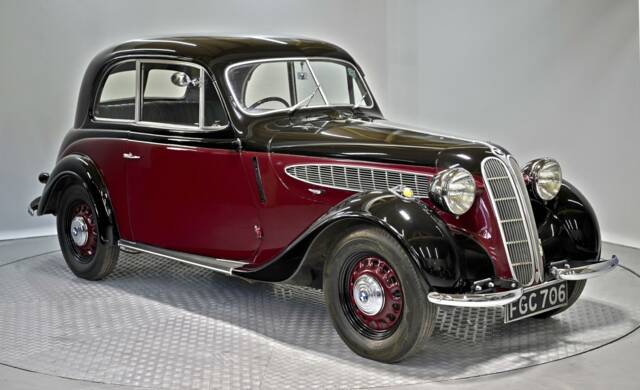

Frazer Nash 320 listing references from Classic Trader
Below you will find listings related to your search that are no longer available on Classic Trader. Use this information to gain insight into availability, value trends, and current pricing for a "Frazer Nash 320" to make a more informed purchasing decision.
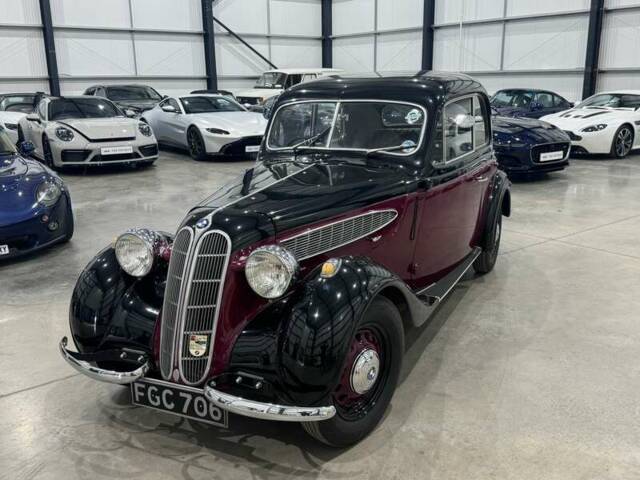
1938 | Frazer Nash BMW 320
1938 Frazer-Nash BMW 320
Frazer Nash 320 Classic Cars: Prices & Market Values
History of the Frazer Nash 320
Frazer Nash earned a reputation for innovative, driver-focused cars throughout the early and mid-20th century. The 320 model is a compelling example of this approach, marking a period where the brand favoured hand-built chassis and unconventional engineering, such as chain-driven transmission systems. Built in limited numbers, the 320 encapsulated the company’s racing heritage and their emphasis on lightweight construction and pure driving experience. The brand’s commitment to motorsport can be traced through numerous participations in international competitions, with the 320 drawing from these experiences.
Model history
Within the Frazer Nash lineup, the 320 does not affiliate with high-volume production or mass-market strategies. Instead, its production run was notably small, existing alongside other highly individualistic models of the brand. The direct predecessor to the 320 bore similar engineering philosophies, especially regarding chassis dynamics and drivetrain solutions. Subsequent Frazer Nash vehicles would continue the tradition of bespoke, enthusiast-targeted cars, but none matched the 320’s precise blend of rarity and specification.
Highlights of the Frazer Nash 320
Unique to the Frazer Nash 320 is the application of chain-driven transmission, reflecting pure engineering intent and a desire for mechanical simplicity combined with performance flexibility. The handmade quality of each car meant no two were exactly alike, further boosting its exclusivity among British classic cars. Particularly desirable are original examples with period-correct mechanicals and documentation.
Technical Data
Special Editions and Collectible Models
Specific ‘special editions’ per se are rarely recorded for the Frazer Nash 320, as each example could be considered unique due to the hand-built nature and customer-driven specifications. Notably, models ordered for privateer racing efforts or with factory modifications for competition purposes are particularly distinguished amongst collectors.
Weak Spots and Common Issues
Given the age and specialised construction of the Frazer Nash 320, mechanical upkeep is best reserved for knowledgeable workshops or owners familiar with veteran engineering. The chain-drive transmission system, while robust in skilled hands, requires regular maintenance and precise adjustment for reliable operation. Bodies and chassis need careful inspection for corrosion, as replacement components are extremely rare. Documentation and historical records are critical for verifying authenticity, given the small build numbers and individual histories.
Engine and Performance, Transmission and Handling
The Frazer Nash 320 is celebrated among purists for its direct mechanical feel and responsive handling, a result of its lightweight construction and unique drivetrain. With the chain-driven rear axle, drivers can adjust the final drive ratio for various track or road conditions. The inherent simplicity of the platform, combined with its minimal bodywork, promotes sharp feedback and intimate control. Mechanical drum brakes demand experienced driving technique, especially in wet or downhill scenarios. Highlight models include those prepared for motorsport applications, incorporating engine upgrades and bespoke gear ratios, offering a tailored driving experience and reflecting the 320’s performance character.
Interior, Comfort, Exterior and Design
The Frazer Nash 320’s appearance is shaped by pragmatic motorsport requirements—open cockpit designs, slim bodywork, and a focus on weight reduction. Interiors are stripped back, featuring basic instruments and controls oriented toward the driver. Custom options from original owners led to variations in trim, instrumentation, and sometimes the presence of period upgrades such as specialised seating or competition accessories. Original paint and custom coachwork, when preserved, significantly contribute to the vehicle’s value and appeal to specialists.
Other relevant features
Owning a Frazer Nash 320 is as much about community and provenance as it is about the vehicle itself. Participation in historic motoring events, such as classic rallies or period racing, adds rich context to each car’s narrative. Additionally, many 320s are accompanied by extensive documentation and continuity of ownership records, factors which are particularly valued due to the scarcity of the model.
Summary
The Frazer Nash 320 exemplifies specialist engineering, niche appeal, and the craftsmanship associated with early British sports cars. It offers a unique ownership experience rooted in raw mechanical engagement and true historical significance. Supply and demand indicators confirm the 320 as the focal point for Frazer Nash appreciation in the current classic market.