Ferrari 375 classic cars for sale
The Ferrari 375 series, spanning masterpieces like the 375 MM, 375 Plus and 375 America, stands as one of the purest examples of Italian racing tradition meeting road-going exclusivity. Developed in the early 1950s for both world-class endurance races and select private customers, these V12-powered vehicles embody unrivalled technical refinement and extreme rarity.
Search results
Currently, there are no matching listings for your search.
Create search alert
Let yourself be notified as soon as a listing is published that matches your search filters.
Create listing
Do you have a Ferrari 375 that you want to sell? Then create a listing now.
Create listingFerrari 375 listing references from Classic Trader
Below you will find listings related to your search that are no longer available on Classic Trader. Use this information to gain insight into availability, value trends, and current pricing for a "Ferrari 375" to make a more informed purchasing decision.
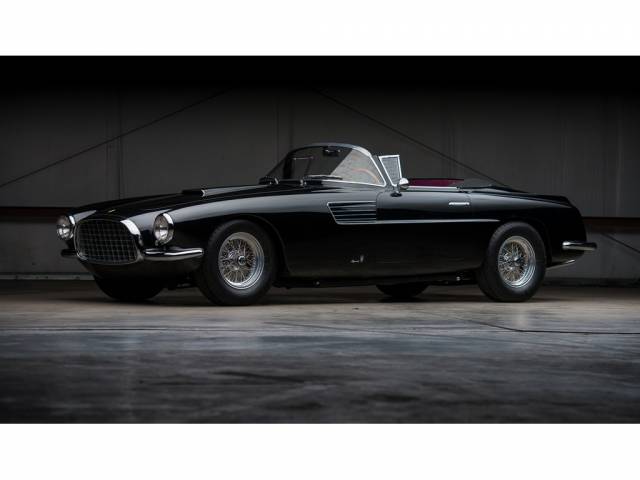
1954 | Ferrari 375 America Vignale
1954 Ferrari 375 America Vignale Cabriolet
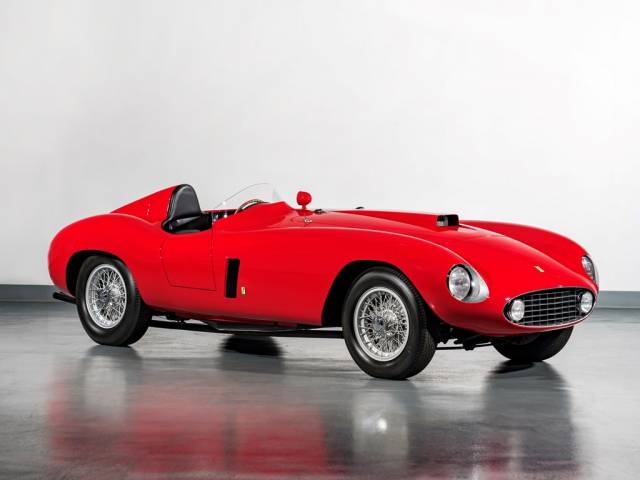
1953 | Ferrari 375 MM Scaglietti Spider
1953 Ferrari 375 MM Spider by Scaglietti
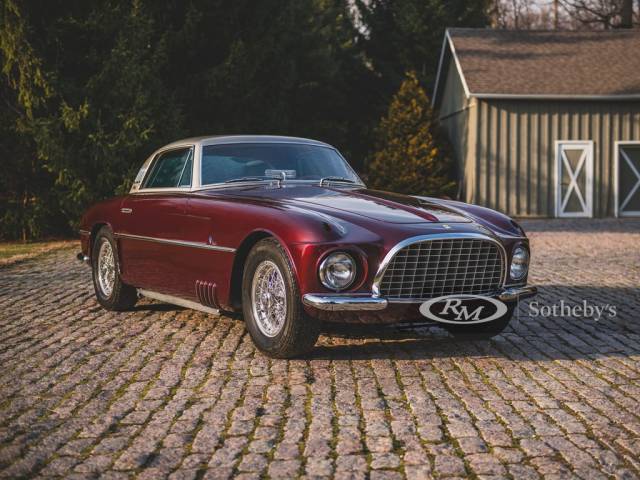
1954 | Ferrari 375 America Vignale
1954 Ferrari 375 America Coupe by Vignale
Create search alert
Let yourself be notified as soon as a listing is published that matches your search filters.
Create listing
Do you have a Ferrari 375 that you want to sell? Then create a listing now.
Create listingFerrari 375 Classic Cars: Prices & Market Values
History of the Ferrari 375 Series
Between 1952 and 1955, the Ferrari 375 was developed as an answer to increasing competition both on the Formula One grid and the endurance racing circuit. Originally designed for high-level racing events, most notably the Mille Miglia, Le Mans and Spa-Francorchamps, the lineage includes models like the 375 F1, 375 MM and 375 Plus. Born from the powerful Lampredi-engine line, the 375 cars achieved international success and brought Ferrari further into the championship spotlight. The model’s production included very few factory prototypes and a small number of privateer cars, many of which shifted into the hands of wealthy clientele demanding a distinct blend of performance and style. Today, these models appear not only at top-tier concours events but also in the most prominent automotive museums.
Model History
The direct predecessor to the Ferrari 375 MM was the 340 MM, featuring a shorter wheelbase and less displacement. The evolution from the 340 to the 375 included not just an increase in engine size and performance but also the introduction of longer wheelbases and substantial chassis upgrades. After the 375 MM, Ferrari proceeded with the 375 Plus, targeted again at endurance racing with even greater displacement and power output. The 375 America, positioned as a grand tourer, provided road-going luxury using the same robust Lampredi V12 as its racing siblings. Bodystyles varied from Pinin Farina Spiders and Berlinettas to rare Vignale cabriolets, with special commissions like the unique Scaglietti coupe satisfying exacting high-end buyers.
Highlights of the Ferrari 375 Series
- Race-bred V12 power and world-class competition history
- Highly limited production numbers: Only 26 Ferrari 375 MM built, 10 original 375 America units plus conversions, with surviving examples in international collections
- Major wins at Le Mans, Mille Miglia, and other endurance classics in the 1950s
- Coachbuilt artistry: Pinin Farina, Vignale, and Scaglietti bodies, often unique to individual chassis
- Luxurious specification, with advanced chassis for their era
- Prominent appearances at concours and historic events
Technical Data
Special Editions and Collectible Models
- Scaglietti-bodied 375 MM (one-off)
- 375 MM Coupé designed for Ingrid Bergman
- 375 America by Vignale and Pinin Farina—ultra-low production, bespoke finishes Each of these stands out for their unique bodywork or exclusive commissions, rendering them highly desirable and widely acknowledged at international concours events.
Weak Spots and Common Issues
While direct weak spot data is unavailable, Ferrari 375 models share the usual caveats of 1950s exotic racing thoroughbreds: regular attention to the Lampredi V12’s timing and ignition systems is required, carburettor synchronisation and fuel delivery should be checked frequently due to race-derived hardware, and hand-built bodies from Pinin Farina or Scaglietti can have individual quirks or corrosion traps needing expert care.
Engine and Performance, Transmission and Handling
The Lampredi V12 defines the 375’s driving experience, delivering between 340 and 330 PS depending on variant, with strong torque and a soundtrack unmistakably associated with 1950s Ferrari racing machines. The four-speed manual is robust yet requires deliberate operation; longer-wheelbase versions provide more high-speed stability while still offering responsive handling thanks to the low-slung body and well-matched suspension setup. Drum brakes demand anticipatory driving. Noteworthy is the ease with which these cars transition between high-performance road use and vintage competitive driving, a function of their original endurance racing focus. - 375 MM Spider by Pinin Farina: Lightest and best-handling, suitable for historic racing
- 375 MM Berlinetta: Versatile, with distinctive coupe lines
- 375 America: Grand tourer, combines performance with long-distance comfort
- 375 Plus: Heaviest hitter, with largest capacity and most power
Interior, Comfort, Exterior and Design
Bodied almost entirely by Pinin Farina (with occasional Vignale and Scaglietti models), the 375 series is renowned for long, flowing fenders, a low, sweeping waistline and subtle yet striking detailing—a hallmark of early Ferrari design. Interiors are race-inspired but can feature bespoke finishes such as high-grade leather upholstery and handmade dials. Unique special commissions, like the 375 MM Coupe for Ingrid Bergman, brought additional individualised features and colour schemes. Options for unique accessories and trims were possible even in the 1950s, with each car essentially a bespoke product. Distinguishing features often include the broad front grille, pronounced hood scoops, and the unmistakable prancing horse badge.
Other Notes
The Ferrari 375 series not only advanced Ferrari’s race and road engineering but today underpins some of the most significant collections and enjoys eligibility for historic driving events worldwide. Models regularly feature at major concours contests, either as complete cars or the focus of restoration and preservation showcases.
Summary
The Ferrari 375 range, encompassing the dominant MM, Plus and America variants, exemplifies technical innovation and hand-built artistry from Maranello’s formative years. Persistent racing success, extreme rarity, and association with top-class designers such as Pinin Farina ensure these models have left a unique mark on both Ferrari’s story and the ongoing fascination with post-war sports prototypes.