Ferrari 212 classic cars for sale
The Ferrari 212, produced from 1951 to 1952, bridges road-going elegance with GT racing prowess. With its Colombo V12 and bespoke coachwork by names like Touring and Vignale, the 212 stands as a raw testimony to Ferrari’s early engineering philosophy and stylistic experimentation.
Search results
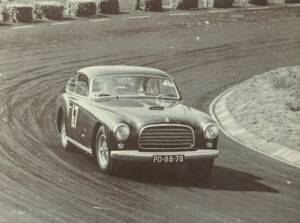
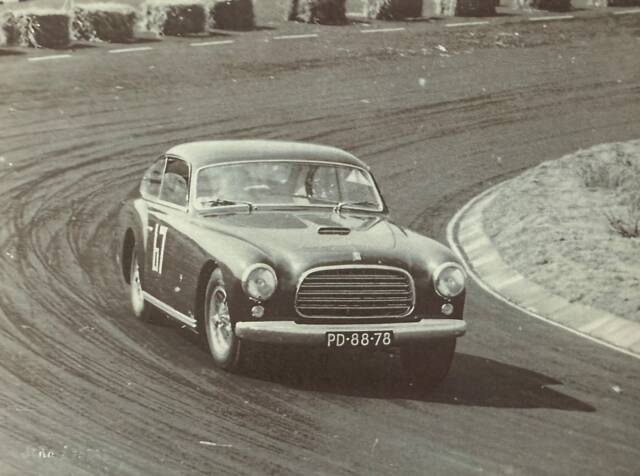
1952 | Ferrari 212 Inter
1952 Ferrari 212 Inter Export, Coachwork by Ghia of Turin, the very first Ferrari delivered to the Netherlands

Ferrari 212 listing references from Classic Trader
Below you will find listings related to your search that are no longer available on Classic Trader. Use this information to gain insight into availability, value trends, and current pricing for a "Ferrari 212" to make a more informed purchasing decision.
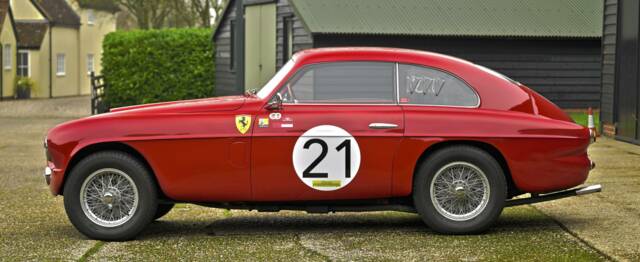
1952 | Ferrari 212 Inter

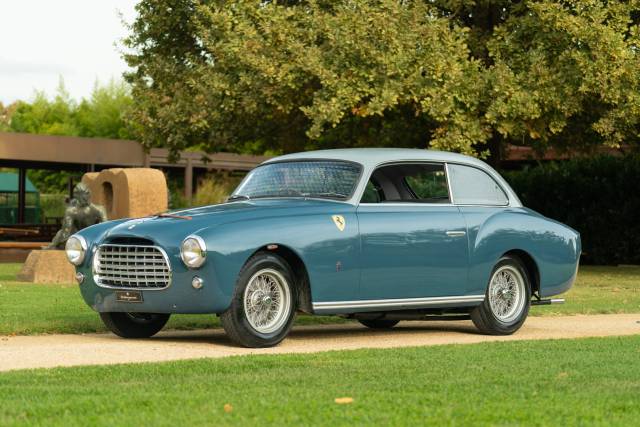
1952 | Ferrari 212 Inter
<p>PRESENTE PAD. 26 - FIERA BOLOGNA - 26-29 OTTOBRE</p>
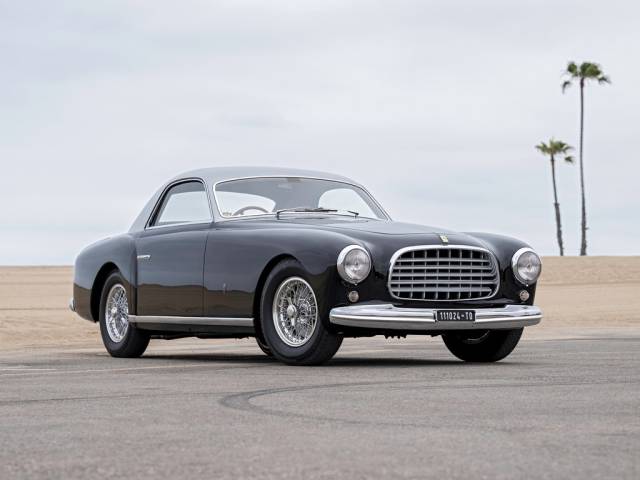
1951 | Ferrari 212 Inter
1951 Ferrari 212 Inter 'Supergioiello' Coupe by Ghia
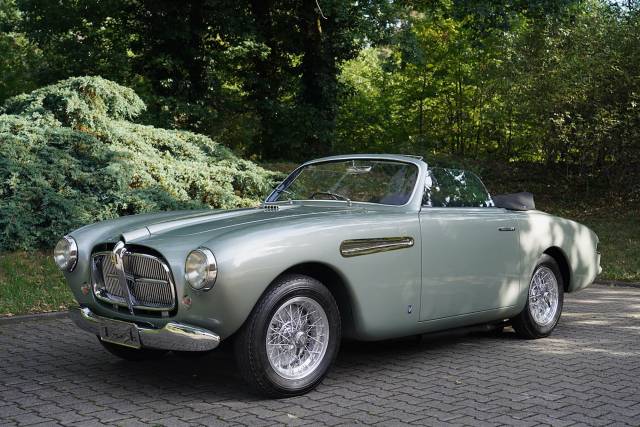
1951 | Ferrari 212 Inter
1951 Ferrari 212 Inter Vignale Cabriolet
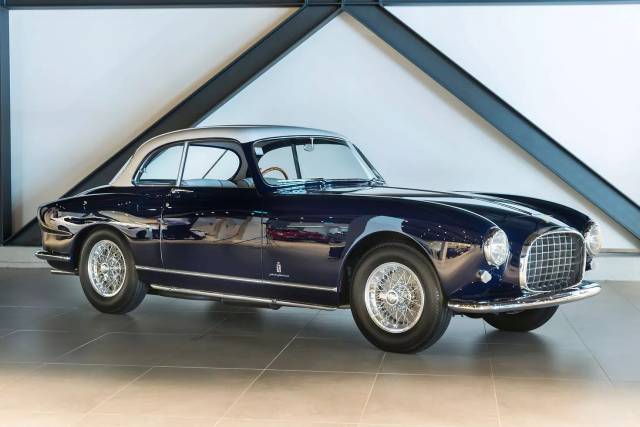
1952 | Ferrari 212 Inter
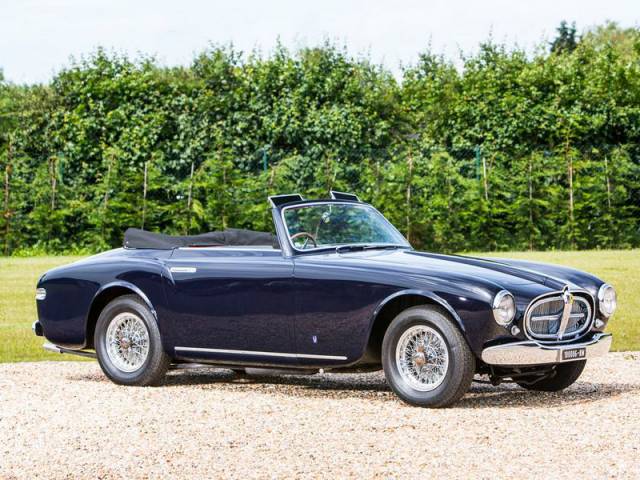
1952 | Ferrari 212 Inter
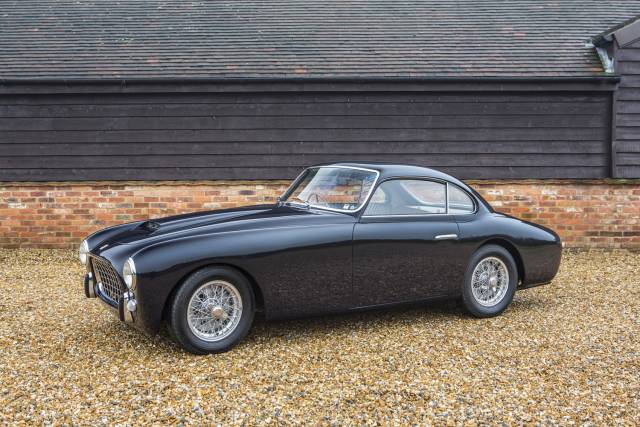
1951 | Ferrari 212 Inter
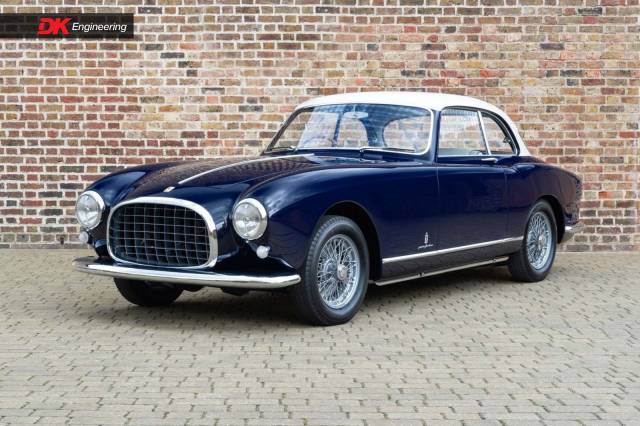
1952 | Ferrari 212 Inter
Ferrari 212 Inter Pinin Farina [DK987]
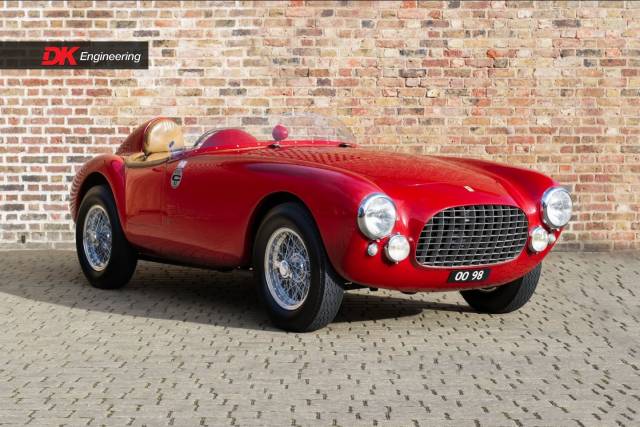
1951 | Ferrari 212 Export
Ferrari 212 Export Vignale Barchetta [DK967]
Ferrari 212 Classic Cars: Prices & Market Values
History of the Ferrari 212
Ferrari built the 212 as a development of the Ferrari 195, with its designation referencing the displacement per cylinder. The model employed an enlarged 2.6-litre Colombo V12 featuring overhead camshafts and a proven box frame chassis. Ferrari kept the double wishbone front suspension and live rear axle architecture from the previous generation, creating a link between pre- and post-war Italian sports car design. The 212 was offered as both the Inter (road variant) and Sport (racing variant), targeting different clientele but always showcasing advances in Ferrari’s powertrain and chassis solutions.
Model history of the Ferrari 212
The 212 Sport, built exclusively in 1951 and 1952, succeeded the Ferrari 195 Sport as a GT racing competitor, retaining much of its predecessor’s layout while enlarging engine capacity to 2,562 cc. Production totalled only about 24 units and included unique coachbuilt body styles, among them Spiders by Motto and several Barchettas. Alongside the racing version, the 212 Inter targeted the road market and saw roughly 84 cars delivered, with bespoke bodies by Ghia, Vignale, and Pininfarina. The series was eventually replaced by the Ferrari 250 from 1953 onward, marking the next step in Ferrari’s evolution.
Highlights of the Ferrari 212
The Ferrari 212 distinguished itself with its Colombo-designed V12 engine, which was offered in both road (Inter) and sport (GT competition) configurations. The 212’s chassis gave coachbuilders broad freedom; as a result, no two cars are exactly alike. Bodywork from Ghia, Vignale, Pininfarina and other storied names remains a fascinating study in early 1950s automotive design. Only about 24 212 Sport and 84 212 Inter models were built, making each survivor a rarity.
Technical data of the Ferrari 212
Special Editions and Collectible Models
Among the few 212 Sports produced, standout variants include the Spider with Motto body, two Touring coupés, and several Barchettas, each individually commissioned, making each one a piece of 1950s Italian craftsmanship. The Inter too is highly varied, as bodies were supplied by several top design houses, reflecting individual customer tastes more than standardised models.
Engine and Performance, Transmission and Handling
At the heart of every 212 lies the 2.6-litre Colombo V12. The Inter’s SOHC 2,562 cc engine develops 130 hp in standard form, with later three-carburettor versions reaching up to 170 hp. The Sport variant, tuned for racing with a similar engine, manages 160 hp. Handling benefited from Ferrari’s experience in chassis and suspension set-up, using a front double wishbone and a live rear axle. These Ferraris are known for their mechanical honesty; however, the difference between road and sport set-up is significant—racing versions were stripped-out, purpose-built machines, while the Inter provided a more refined drive suitable for period grand touring. - 212 Sport: Focused on competition with limited builds, various bespoke bodies, approx. 24 units produced.
- 212 Inter: Road-oriented, with up to 84 handbuilt cars, multiple coachbuilders, increased scope for customisation.
Interior, Comfort, Exterior and Design
Each 212 is unique, with exteriors reflecting the skills of Pininfarina, Ghia, Vignale, Touring and Motto. Barchettas, coupés and spiders differ in silhouette, ornamentation and detailing, shaped by the customer’s brief. Interiors feature 1950s period finishes, hand-stitched upholstery and instrumentation tailored by the coachbuilder. Paint shades and exterior ornamentation varied widely—customisation by Italian standards of the time meant every 212 is an individual artwork. Special accessories and design details, such as unique grille shapes or trimming, tie each car to its period and its patron's personality.
Summary
The Ferrari 212, built for just two years, captures the essence of early 1950s coachbuilt sports cars—offering a blend of handcrafted individuality, V12 performance and historic Italian engineering. Both the racing Sport and the touring Inter exemplify Ferrari’s flexibility and the era’s close interplay between engineering and design, ensuring the 212 stands out even amongst its Maranello peers.