- Car
- Duesenberg
- Duesenberg Model J(1 offer)
Duesenberg Model J Classic Cars for Sale
The Duesenberg Model J, produced from 1928, stands as a technical and aesthetic marvel of American automotive history. Famous for its remarkable power, advanced engineering and bespoke coachwork, the Model J defined an era when luxury automobiles were true statements of technical mastery and design excellence.
Search results
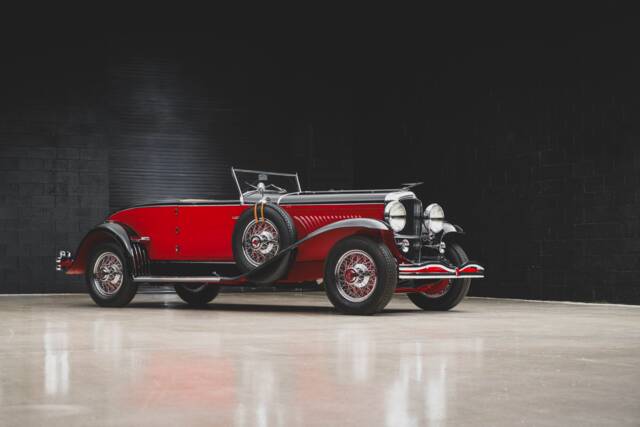

Duesenberg Model J listing references from Classic Trader
Below you will find listings related to your search that are no longer available on Classic Trader. Use this information to gain insight into availability, value trends, and current pricing for a "Duesenberg Model J" to make a more informed purchasing decision.
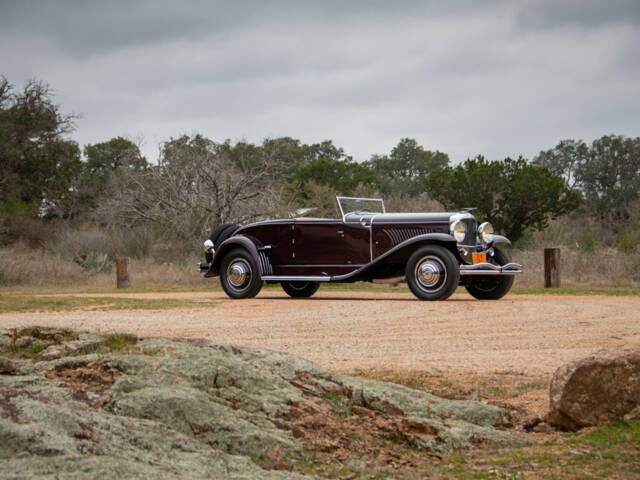
1930 | Duesenberg Model J Murphy
1930 Duesenberg Model J 'Disappearing Top' Convertible Coupe by Murphy

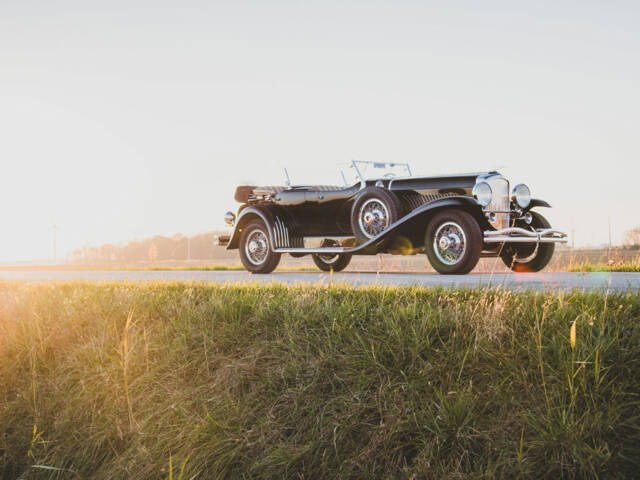
1929 | Duesenberg Model J
1929 Duesenberg Model J 'Sweep Panel' Dual-Cowl Phaeton by LeBaron
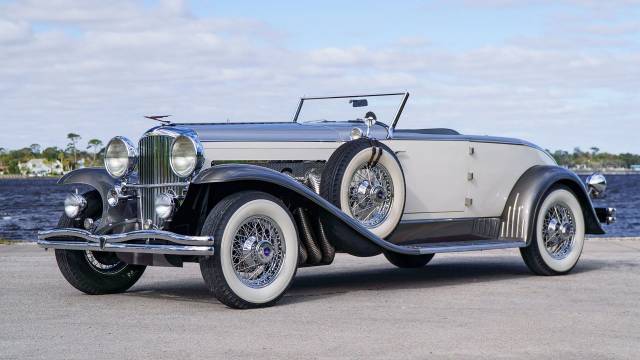
1937 | Duesenberg Model J
1987 Duesenberg II "Disappearing Top Murphy" Roadster
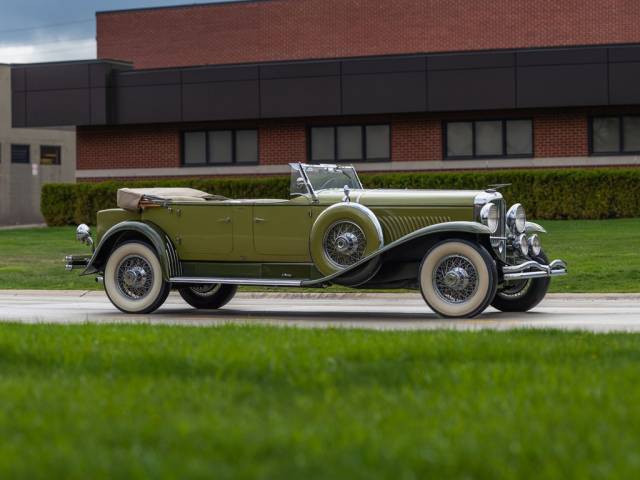
1931 | Duesenberg Model J
1931 Duesenberg Model J Tourster by Derham
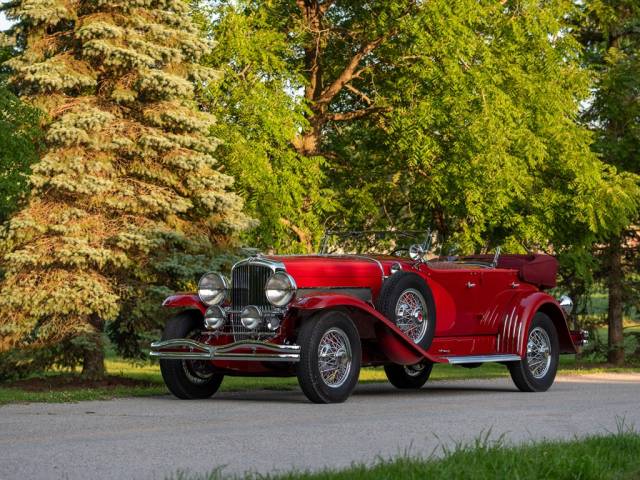
1935 | Duesenberg Model SJ
1935 Duesenberg Model SJ 'Sweep Panel' Dual-Cowl Phaeton by LaGrande
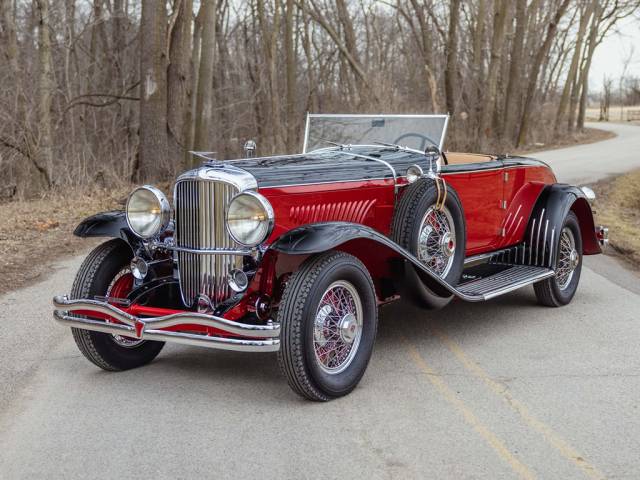
1931 | Duesenberg Model J Murphy
1931 Duesenberg Model J 'Disappearing Top' Convertible Coupe by Murphy
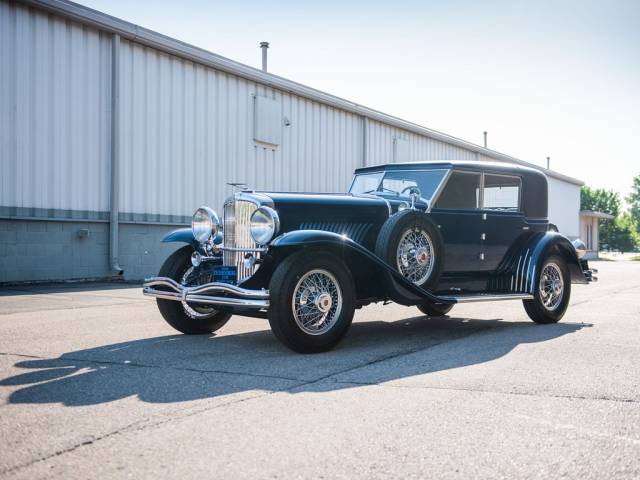
1929 | Duesenberg Model J Murphy
1929 Duesenberg Model J Sport Sedan by Murphy
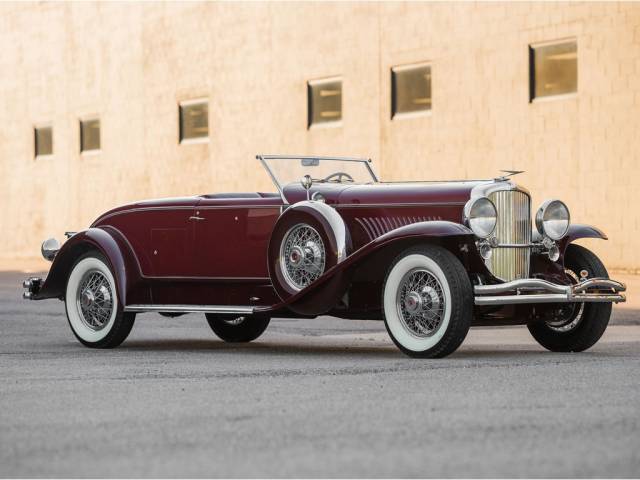
1935 | Duesenberg Model J Rollston
1935 Duesenberg Model J Convertible Coupe by Rollston
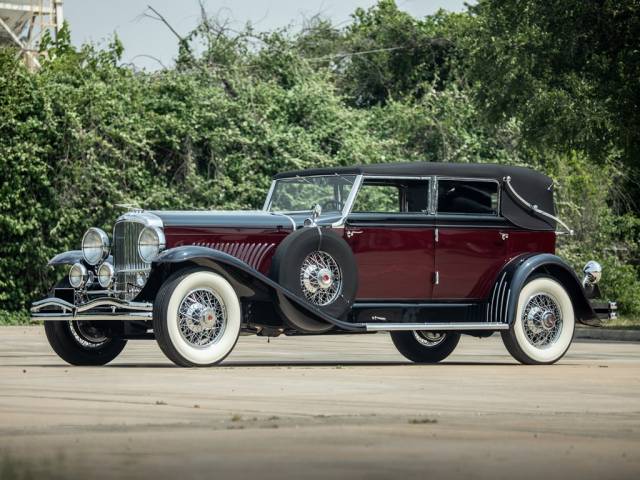
1930 | Duesenberg Model J LeBaron
1930 Duesenberg Model J Convertible Berline by LeBaron
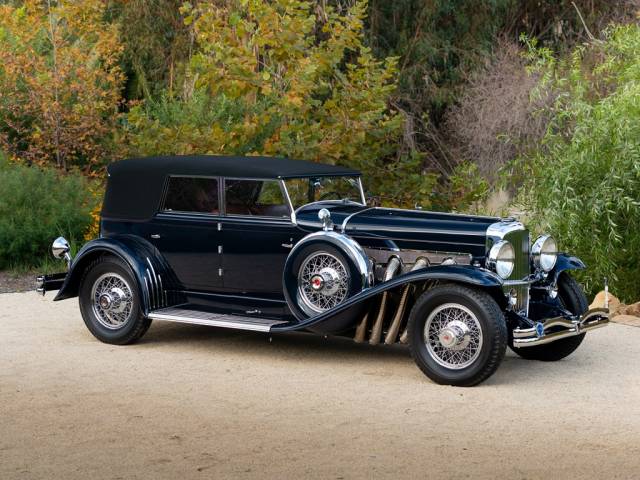
1930 | Duesenberg Model J
1930 Duesenberg Model J Convertible Sedan by Murphy
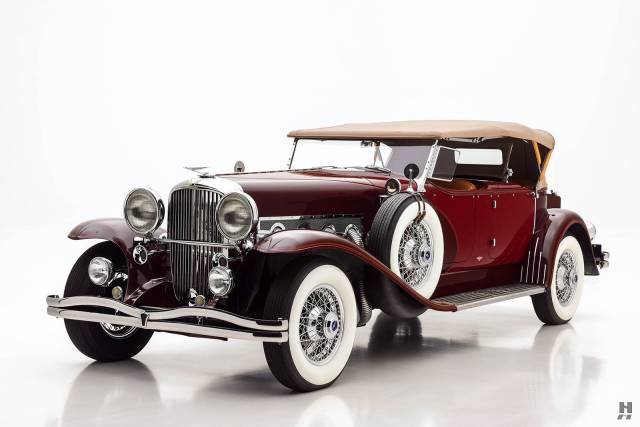
1982 | Duesenberg Model J
Duesenberg II
Duesenberg Model J Classic Cars: Prices & Market Values
History of the Duesenberg Model J
The Duesenberg Model J debuted at the 1928 New York Car Show, immediately establishing itself as the peak of automotive ambition in the United States. Developed by the Duesenberg brothers—Friedrich and August—the Model J was powered by their expertise in innovative engineering, gained from producing advanced four- and straight-eight cylinder engines. Model J frames and engines were supplied by Duesenberg, while custom coachbuilders such as Murphy, LeBaron, and Derham crafted unique bodies for each car. The Model J became a symbol of bespoke luxury and technical progress during the final years before the Great Depression. Following Frederick Duesenberg’s fatal accident in 1932, production continued until Duesenberg Motors became insolvent in 1937.
Model History of the Duesenberg Model J
The Duesenberg Model J’s predecessor, the Model A, had already established the brand’s reputation with its supercharged powertrains. In 1932, the Model SJ followed, featuring a centrifugal supercharger and boosting output to 320 hp with top speeds reaching 243 km/h. The Model SJ quickly surpassed the non-supercharged J and became one of the world’s most powerful production cars of its time. Bodywork was always extravagant and varied greatly, with combinations of long- and short-wheelbase chassis and custom specifications for each client. Today, the Model J stands as the most recognisable Duesenberg, immediately succeeded by the even rarer SJ.
Highlights of the Duesenberg Model J
Bespoke design and supreme engineering defined the Duesenberg Model J. The vehicle featured a double overhead camshaft, 420 cubic inch (6.9L) straight-eight engine producing 265 hp, allowing for a maximum speed around 180 km/h—unmatched among its contemporaries. Renowned coachbuilders such as Murphy and Derham delivered truly unique designs, including the 'Disappearing Top' Murphy Convertible Coupe and the five-seat Tourster. Prominent features included large, chromed wire wheels, dual-cowl phaeton bodywork, and elaborate dashboard instrumentation. The Model J was intended for prominent personalities; each example was a unique masterpiece, often certified by classic car authorities such as the ACD and CCCA. Duesenberg’s only supply comes from the Model J, making its presence in classic car markets both exclusive and definitive for the brand.
Technical Data
Special Editions and Collectible Models
The supercharged Model J, known as the Model SJ, stands out for its 320 hp output and extraordinary acceleration, making it the most powerful American production car until the end of the 1950s. Only 36 superchargers were delivered, with fewer factory-original SJs still in existence. Special coachbuilt versions such as the Murphy 'Disappearing Top' Convertible Coupe—limited to around 25 examples—and the Derham Tourster are particularly notable. Modern-day Duesenberg II models replicate the originals using classic bodywork with contemporary technology, preserving the look while enhancing comfort and usability.
Weak Spots and Common Issues
With no information provided about mechanical weaknesses, it is generally known among specialists that maintenance and restoration of a Duesenberg Model J requires deep technical knowledge and access to period-correct parts. Vehicles are often restored by experts, and numbers-matching examples—where chassis, engine, and body are original—are particularly sought after. High standards and specialist support are essential for owning and maintaining these vehicles.
Engine and Performance, Transmission and Handling
The Model J’s 6.9-litre straight-eight engine with dual overhead cams was advanced even by modern standards, delivering 265 hp and a proven top speed around 180 km/h. The supercharged SJ could accelerate from 3 mph to 100 mph in only 20 seconds and reach a top speed over 200 km/h. Transmission was typically a three-speed manual, and the Model J was highly regarded for its robust chassis, durable suspension, and assured high-speed handling. Drum brakes provided stopping power consistent with luxury cars of the 1920s and 1930s, though modern standards require careful driving. - Duesenberg Model J (base): 6.9 L straight-eight, 265 hp, ~180 km/h top speed.
- Duesenberg Model SJ (supercharged): 320 hp, ~209 km/h top speed, unique acceleration.
- Murphy 'Disappearing Top' Convertible Coupe: especially valued for its design.
- Derham Tourster: rare, with distinctive coachwork and comfort features.
Interior, Comfort, Exterior and Design
The Model J partnered mechanical prowess with unique, custom-tailored exterior and interior design. Notable designers included Gordon Buehrig, who developed the renowned Tourster body. Materials ranged from fine leathers to exotic woods, complemented by dashboards featuring oversized dials and aluminium panels. Special accessories like dual side-mount spares, sweep panel dual-cowl phaeton configurations, and chromed wire wheels enhanced both style and function. Paint colours and trims were selected by clients, resulting in virtually no two Model Js being alike. Among the most desirable features were Murphy's 'Disappearing Top' cabriolets, elaborate luggage racks, and integrated windshields for rear passengers.
Other Notable Features
Many Model J owners participate in Auburn Cord Duesenberg and classic car events, such as Concours d’Elegance. Full certification by classic car clubs and evidence of 'numbers-matching' originality add to the vehicle’s historical documentation and desirability. Highly detailed instrument panels and period-correct accessories reveal the Model J’s standing as a status symbol of American luxury.
Summary
The Duesenberg Model J remains the most prominent American pre-war luxury car, renowned for its benchmark-setting engineering, exquisite coachwork, and exclusive clientele. With every listing and demand for Duesenberg classics relating directly to the Model J, this model encapsulates the essence of bespoke motoring from the era—whether as prized originals, restored examples, or faithful modern replicas.