Dodge WC Series classic cars for sale
Originally developed for the US Army, the Dodge WC Series stands out as a purpose-built military utility vehicle from the 1940s. With robust four-wheel drive technology, rugged suspension, and a reputation for dependability—even with low-grade fuel—these trucks strike a balance between durability and military engineering. Interested in a classic that pairs history and function?
Search results
Currently, there are no matching listings for your search.
Create search alert
Let yourself be notified as soon as a listing is published that matches your search filters.
Create listing
Do you have a Dodge WC Series that you want to sell? Then create a listing now.
Create listingDodge WC Series listing references from Classic Trader
Below you will find listings related to your search that are no longer available on Classic Trader. Use this information to gain insight into availability, value trends, and current pricing for a "Dodge WC Series" to make a more informed purchasing decision.
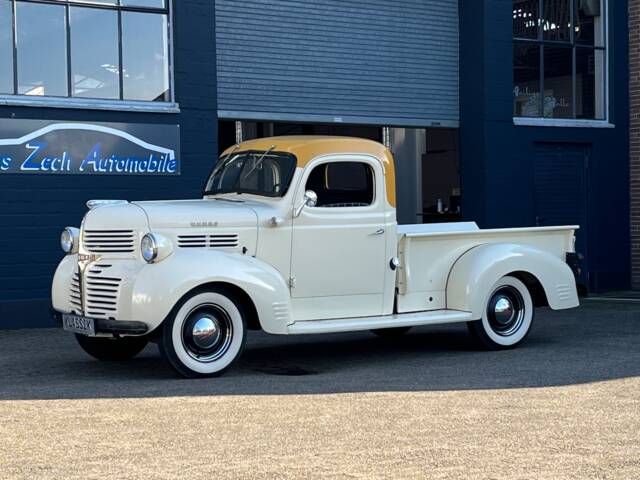
1946 | Dodge WC52
1/2 Ton Pickup / H- Kennzeichen / Sofort Einsatzbereit

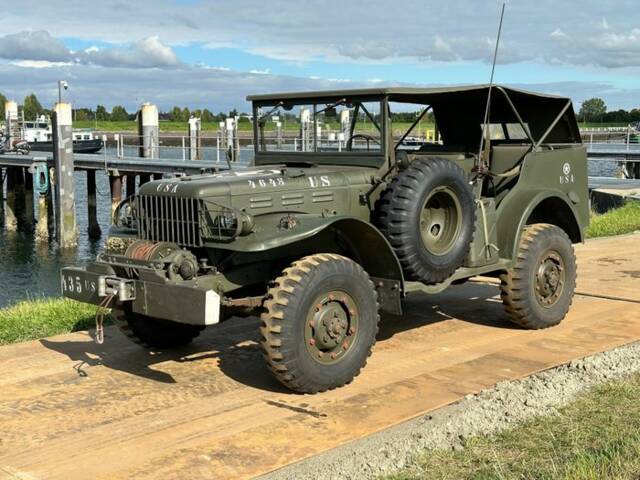
1942 | Dodge WC57
Dodge - WC57 Command Car - 1942

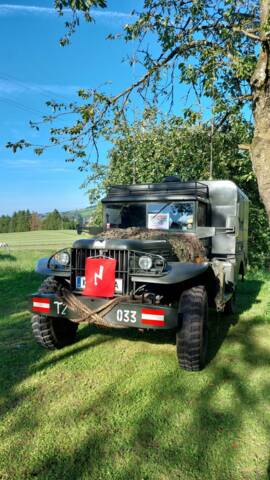
1944 | Dodge WC 51
Dodge mit Lohner-Aufbau

1942 | Dodge WC57
Dodge - WC57 Command Car - 1942
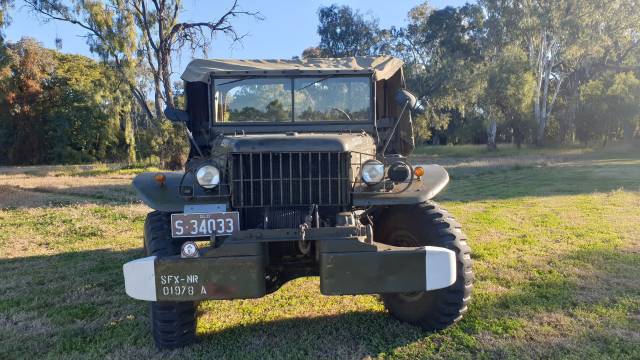
1943 | Dodge WC52
The Dodge WC-52 - Unmodified surplus from World War 2
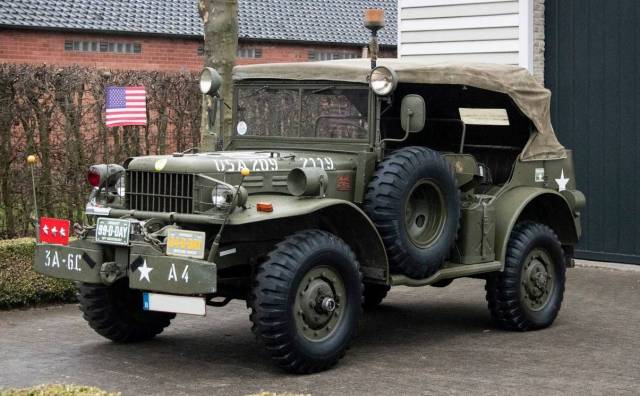
1942 | Dodge WC57
Lovely Condition - Ready for Action!

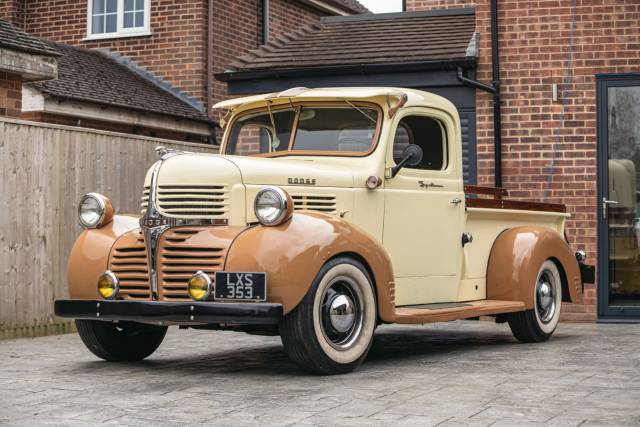
1941 | Dodge WC37
1941 Dodge WC V8 ½-Ton Pick Up (Restomod)

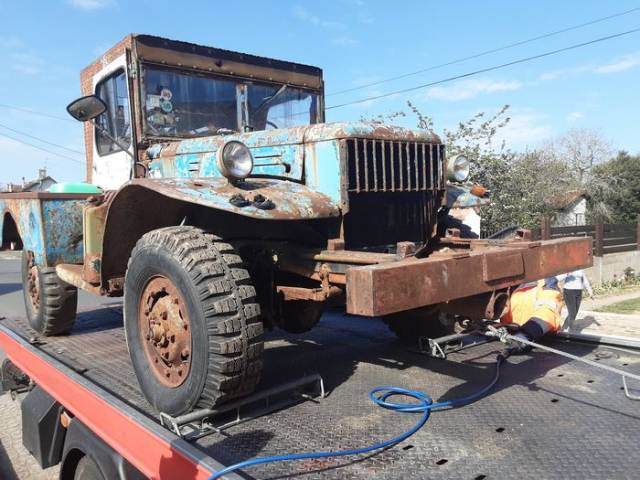
1942 | Dodge WC37
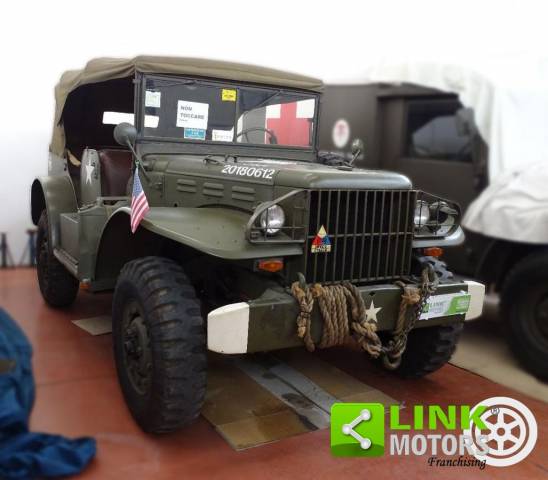
1943 | Dodge WC57
DODGE T 214 WC 57 ANNO 1943

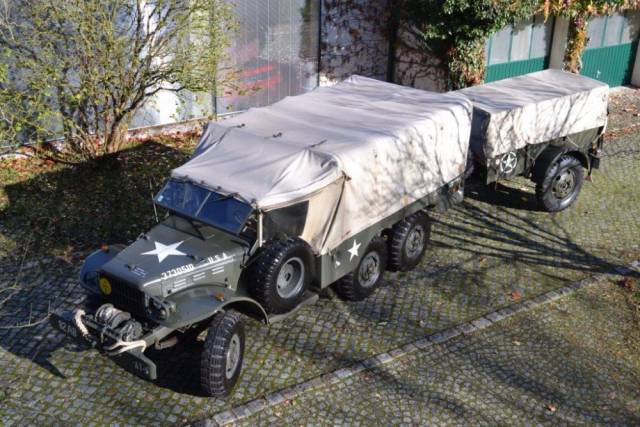
1943 | Dodge WC63
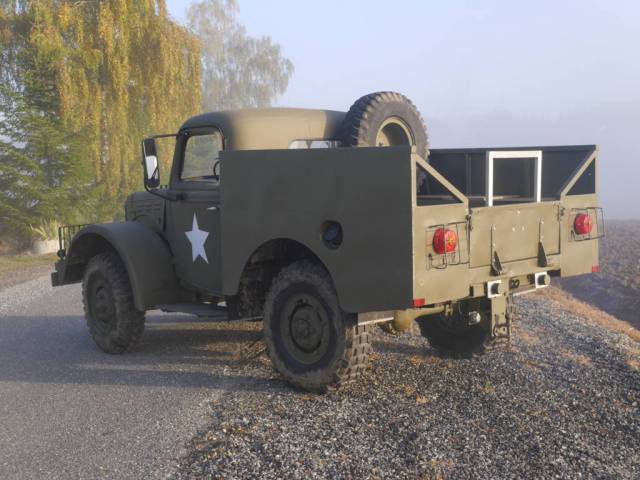
1962 | Dodge WC52
Dodge Militärfahrzeug Oldtimer komplett restauriert
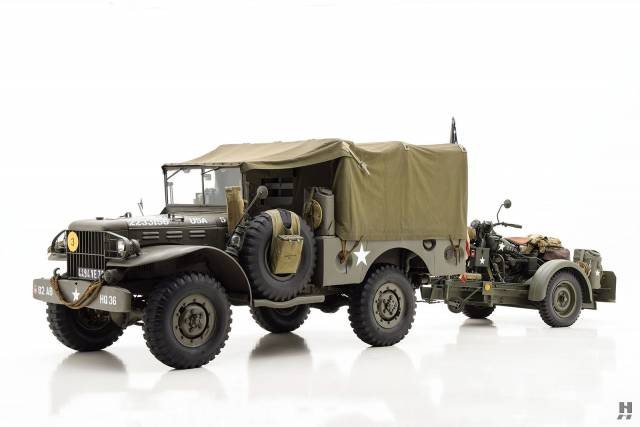
1943 | Dodge WC 51
Dodge WC51
Create search alert
Let yourself be notified as soon as a listing is published that matches your search filters.
Create listing
Do you have a Dodge WC Series that you want to sell? Then create a listing now.
Create listingDodge WC Series Classic Cars: Prices & Market Values
History of the Dodge WC Series
The Dodge WC Series emerged in 1941 as a dedicated military workhorse for the US Army, following the initial VC Series built on civilian frames. The WC trucks quickly advanced beyond their predecessors, evolving into a multi-purpose vehicle pivotal to Allied operations during World War II. They were supplied in large numbers globally and operated in every major theatre. The design focus was on reliability and utility, making use of a chassis and motor specifically chosen for reliability and cross-country mobility in challenging terrain.
Model History
Preceded by the VC Series in 1940, itself adapted from civilian designs, the WC models marked Dodge’s shift to designing vehicles expressly for military application. The series encompassed various iterations, starting with the half-ton models (WC1 - WC50), each adapted for roles such as personnel carriers and weapons platforms. In 1943, the design matured to feature a sturdier body for easier access, upgraded axles and improved load capacity to ¾ tons. The WC51 became standard, powered by a 230 cubic inch flathead inline-six. Post-war, many surviving vehicles transitioned into civilian service, appreciated for their versatility and resilience.
Highlights of the Dodge WC Series
- Developed as a versatile, all-terrain military utility vehicle for the US Army
- Built on rugged frames with off-road drivetrain and four-wheel drive
- Flexible body configurations for different military roles (troop transport, weapons carrier, staff vehicle)
- Robust six-cylinder engine known for longevity and the ability to run on poor quality fuel
- Minimalist, easy-to-maintain interiors
- Features like removable canvas roofs, storage racks for tools and gear, and bench seating in the cargo area
- After WWII, adapted for numerous civilian purposes due to their practicality and durability.
Technical Data
Special Editions and Collectible Models
Within the WC Series, various roles and body variants were produced (WC51 weapons carrier, WC54 ambulance, WC56 command car, among others), each with distinct utility. Certain subtypes such as the WC56 staff cars are particularly valued by enthusiasts due to their styling and historical association with high command units.
Engine and Performance, Transmission and Handling
Powered by Dodge’s near-indestructible 230 cu in flathead-six, the WC trucks delivered rugged torque for heavy loads on poor terrain. A four-speed manual and selectable four-wheel drive allowed the Dodge to master mud, snow, and rough roads without struggle, regardless of cargo. Suspension upgrades during the life of the series improved their handling and increased payloads from ½ to ¾ ton. Quick gear ratios made for slow highway speeds but outstanding crawl capability off-road. Standout variants include the WC51 cargo/troop carrier (230cu in, 4x4), and the WC56 staff car, prized for its distinctive design and role in field command.
Interior, Comfort, Exterior and Design
Interiors were deliberately sparse, with canvas-padded seats, basic instrumentation, and few comfort features—everything optimised for rapid cleaning and maintenance in the field. The hallmark was the versatile cargo area, often fitted with foldable benches and canvas rooftops. Externally, the WC Series is defined by functional forms, with flat panels, high ground clearance, and body provisions for essential military equipment. Distinctive add-ons included mounts for tools, fuel cans, and weapons crates. Accessories depended on mission: spotlights, blackout lights, or camouflage gear were not uncommon.
Other features
Many WC Series trucks found second lives in civilian applications post-war—converted for agricultural, utility, or emergency service roles thanks to their adaptability and mechanical simplicity.
Summary
The Dodge WC Series represents a unique chapter in military and automotive history: an entire truck family engineered to excel in the harshest conditions and subsequently repurposed for peace. With every Dodge-branded classic in this sector tracing its lineage to the WC, buyers connect not just with mechanical reliability, but also a direct link to pivotal moments in the 20th century. Robust, practical, and unmistakably military in spirit, the WC Series is a favourite for enthusiasts who prioritise authenticity and usability.