Dodge Model 30 classic cars for sale
The Dodge Model 30, built from 1917 to 1922, marked Dodge's move into mass automobile production, boasting robust four-cylinder engineering, innovative features for its time, and a variety of body styles for early American motorists.
Search results
Currently, there are no matching listings for your search.
Create search alert
Let yourself be notified as soon as a listing is published that matches your search filters.
Create listing
Do you have a Dodge Model 30 that you want to sell? Then create a listing now.
Create listingDodge Model 30 listing references from Classic Trader
Below you will find listings related to your search that are no longer available on Classic Trader. Use this information to gain insight into availability, value trends, and current pricing for a "Dodge Model 30" to make a more informed purchasing decision.
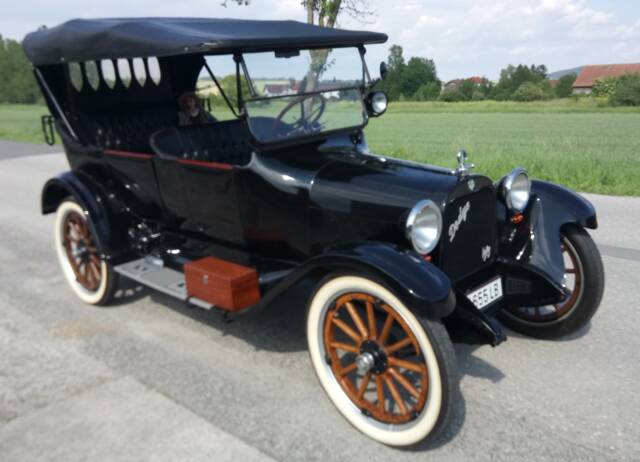
1919 | Dodge Model 30
Dodge Brother 30 Baujahr 1919

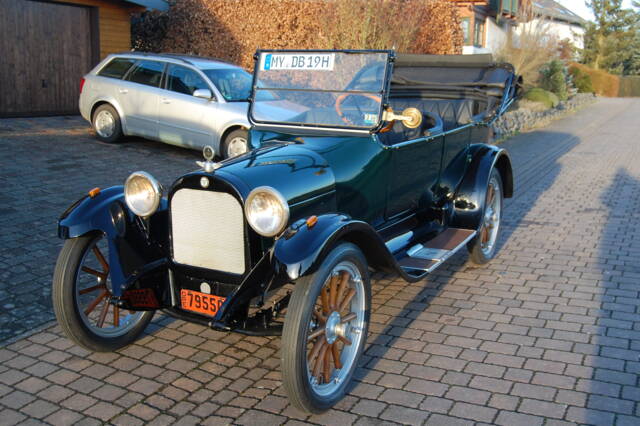
1919 | Dodge Model 30
Einzigartiges Traum- "Automobil"

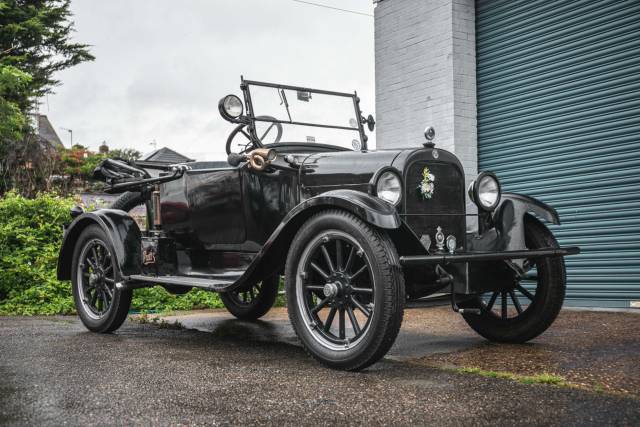
1922 | Dodge Model 30
1922 Dodge Brothers Four Model 30 Boat-Tailed Special

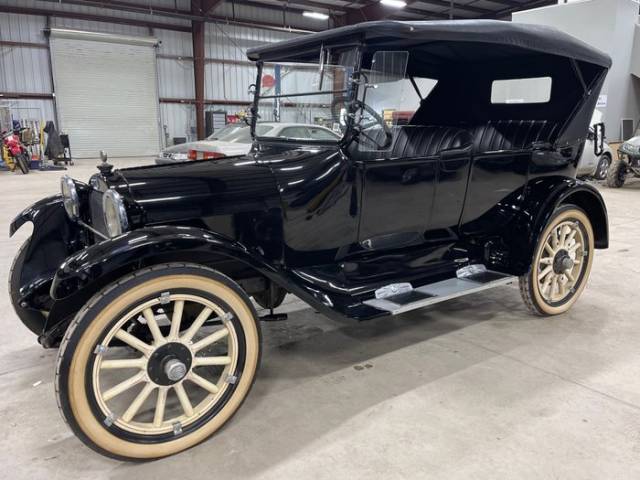
1922 | Dodge Model 30

Create search alert
Let yourself be notified as soon as a listing is published that matches your search filters.
Create listing
Do you have a Dodge Model 30 that you want to sell? Then create a listing now.
Create listingDodge Model 30 Classic Cars: Prices & Market Values
Introduction and history of Dodge Model 30
The Dodge Model 30 emerged in 1917 as an evolution of Dodge's earliest car, the Model 30-35. Built in Detroit, it was shaped by the demands of a rapidly growing American automotive market in the late 1910s. First shown in the summer of 1916, the Model 30 was Dodge's answer to the era's need for reliable, accessible, and technically advanced vehicles, adopting an enlarged chassis and various innovative touches to improve on its predecessor. Over its six-year production run, more than 630,000 examples left the factory, helping cement Dodge's reputation as a manufacturer of robust family cars.
Model history
The Model 30 replaced the Model 30-35 and carried forward its 3.5-litre four-cylinder engine with around 35 hp, but received a number of mechanical updates including a new multi-plate dry clutch rather than a cone clutch, and improved rear axle braking. Initially offered in several body styles—four-door tourer, two-door roadster, limousine, and coupe—the range expanded to include a four-door limousine and a six-seat taxi variant from 1919. Notably, Rex Manufacturing produced plug-in windows for tourers and roadsters, transforming them into closed cars. In 1918, an electric starter and tachometer became standard. Subsequent updates included the option of wire wheels and, from 1921, an available interior heater. Production ended in 1922 with the introduction of the Dodge 116.
Highlights of Dodge Model 30
The Model 30's strengths included its 3.5-litre four-cylinder engine with 35 hp at a time when such output was remarkable for a mid-market car. A longer wheelbase and robust underpinnings set it apart from many contemporaries, as did its early adoption of electric interior lighting as standard. Popular body configurations and the ability to convert open models made it exceptionally versatile. From 1918 onwards, an electric starter added modern convenience. The Model 30 constituted the whole of Dodge's output during this period, with all listed Dodge classics of this era on the market today belonging to this series.
Technical data
Special Editions and Collectible Models
Variants with Rex Manufacturing plug-in window systems offered increased usability, while the six-seat taxi version introduced from 1919 provided a rare and distinctive body configuration. The availability of wire wheels and an optional interior heater in the later years offered a customisation element that was less common in America's mass-market cars of the time.
Engine and Performance, Transmission and Handling
The Dodge Model 30 was renowned for its reliable 3.5-litre OHV four-cylinder engine, delivering enough power for urban and rural motoring of its time. The three-speed gearbox and rear-wheel drive layout were standard, contributing to the car's solid road manners and straightforward operation. Mechanical brakes operated on the rear axle provided sufficient stopping power by the standards of the 1910s. Though primitive compared to postwar developments, the Model 30 was practical and dependable in period use. - Tourer and roadster versions equipped with Rex plug-in windows.
- Four-door limousine, especially post-1919 models with wire wheels and electric starter.
- Six-seat taxi variant, valued for rarity and passenger capacity.
Interior, Comfort, Exterior and Design
With its extended wheelbase, the Model 30 offered improved cabin space compared to its predecessor. Early versions featured artillery-spoke wheels, with later limousines available with wire wheels for a refined appearance. The inclusion of electric interior lighting as standard set a new benchmark for comfort. Optional equipment grew over the production run, integrating features like an interior heater from 1921 onwards. Convertible features such as the Rex Manufacturing removable windows allowed an open body to be transformed into a weather-tight ride. Body shapes ranged from two-door roadsters and coupes to practical four-door limousines and utility-minded taxis, reflecting a design focus on versatility. The slanted windscreen introduced in 1920 was a notable visual update.
Summary
The Dodge Model 30 embodies early American automotive mass production, combining engineering advancements, adaptability across a range of body styles, and modern features such as electric starters and interior lighting. Its dominant representation in historic Dodge classifieds reflects its significance for collectors and enthusiasts seeking a prewar classic with technical substance and multiple body options.