Dodge Fast Four – Classic Car Buying
The Dodge Fast Four, produced between 1927 and 1928, represents an important chapter of American automotive history. This mid-size model is recognised for its blend of practical engineering, advanced features for its era, and distinctive design language. Explore the rare opportunity to purchase a genuine piece of Dodge’s four-cylinder legacy.
Search results
Currently, there are no matching listings for your search.
Create search alert
Let yourself be notified as soon as a listing is published that matches your search filters.
Create listing
Do you have a Dodge Fast Four that you want to sell? Then create a listing now.
Create listingDodge Fast Four listing references from Classic Trader
Below you will find listings related to your search that are no longer available on Classic Trader. Use this information to gain insight into availability, value trends, and current pricing for a "Dodge Fast Four" to make a more informed purchasing decision.
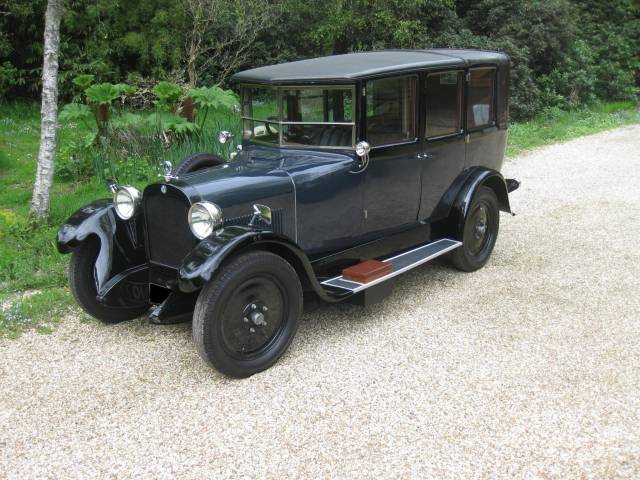
1928 | Dodge Fast Four
LANDAULETTE; Coachwork by H J Mulliner
Create search alert
Let yourself be notified as soon as a listing is published that matches your search filters.
Create listing
Do you have a Dodge Fast Four that you want to sell? Then create a listing now.
Create listingDodge Fast Four Classic Cars: Prices & Market Values
The history of the Dodge Fast Four
The Dodge Fast Four was developed in the late 1920s as Dodge’s bid to offer a competitive mid-range model. Built between 1927 and 1928, the Fast Four replaced earlier four-cylinder Dodges, differentiating itself with a more curvaceous silhouette and updates aligning with contemporary consumer preferences. Under the stewardship of Dodge Brothers and subsequently Chrysler, this vehicle aimed to bridge the gap between affordable transport and higher-end comfort. Its reputation for reliability stemmed from solid construction and simplicity, which appealed to American buyers navigating the economic and social changes of the Roaring Twenties.
Model history
The Fast Four debuted in two main versions, the Series 128 and 129, with a short-lived Series 124 also available. Preceded by Dodge’s earlier four-cylinder cars, the Fast Four was ultimately succeeded by the Dodge Wayfarer. The main engineering evolution occurred between the Series 128, with two-wheel steel mechanical brakes, and the Series 129, which introduced four-wheel hydraulic brakes—an upgrade that reflected burgeoning advancements in automotive safety and performance. With production starting in mid-1927 and extending into late 1928, these models underscored Dodge’s commitment to incremental technical improvement rather than dramatic redesigns.
Highlights of the Dodge Fast Four
Buyers could select Standard, Special, or Deluxe versions, each boasting a host of standard features like a tool kit, headlight dimmer, ammeter, and speedometer—elements not universally adopted by rival manufacturers at this price point in the 1920s. The Fast Four also gave buyers the ability to specify optional features such as heaters, windscreen wipers, rear bumpers, and a Motometer. The elegant vertical hood louvers improved engine airflow, and the lowered chassis with a 108-inch wheelbase provided both aesthetic and driving benefits. Steeldraulic brakes on the Series 128 and hydraulic four-wheel brakes on the Series 129 set the Fast Four apart for braking innovation amongst its contemporaries.
Technical data
Special Editions and Collectible Models
Multiple trim levels—Standard, Special, and Deluxe—served as the main factory variants. The more advanced Series 129, though not a limited edition, stands out for its adoption of hydraulic four-wheel brakes, a detail that frequently garners attention from collectors interested in automotive safety developments of the late 1920s. No formally documented special or anniversary editions are known for the Dodge Fast Four.
Weak Spots and Common Issues
Due to the lack of detailed listings of weak spots, buyers inspecting a Dodge Fast Four should focus on typical challenges for vehicles built in the 1920s, such as wood deterioration in spoke wheels, potential wiring ageing, cooling system inefficiency, and the condition of mechanical or hydraulic brake systems. Verification of period-correct equipment and intact period features, such as the headlight dimmer or Motometer, also remains essential.
Engine and Performance, Transmission and Handling
The L-head four-cylinder engine provided adequate performance for its day. The Fast Four was most enjoyable at moderate speeds, with the engine and suspension tuned for comfort rather than high-speed exploits. The transition from steeldraulic to four-wheel hydraulic brakes was particularly relevant for improving stopping distances and brake modulation compared to earlier-generation models. The three-speed sliding transmission, though robust, requires careful handling by modern drivers accustomed to synchromesh gearboxes. Within the Fast Four lineage, the Series 129 with its four-wheel hydraulic brakes is worth highlighting due to its early adoption of more sophisticated braking technology.
Interior, Comfort, Exterior and Design
The Fast Four wore the evolving Dodge house style of the late 1920s, with notably rounded rear fenders and a lower-slung chassis compared to previous models. Varnished wood spoke wheels and detailed body mouldings enhanced its appeal. Vertical hood louvers were as much a visual hallmark as a functional feature for under-bonnet ventilation. Inside, instrument placement and available extras like speedometer and ammeter displayed the brand’s focus on usable technology. Accessories such as heater and windscreen wipers, available as period extras, expanded comfort for those who opted in.
Other relevant features
The presence of comprehensive standard equipment, including a full tool kit, reflects Dodge's attention to the practicality of the time. The availability of period-correct Motometers for coolant temperature, though now difficult to source, highlights the Fast Four’s heritage as an engineer’s car.
Summary
The Dodge Fast Four stands as a classic example of American automotive ingenuity during the late 1920s. With a spectrum of well-appointed trim levels, important advancements in braking safety, and a characteristically robust four-cylinder engine, the Fast Four offers modern collectors a genuine window into the era’s design, comfort, and driving experience. Maintaining and enjoying this vehicle rewards enthusiasts seeking originality and a direct link to historic motoring developments.