Daihatsu Fourtrak classic cars for sale
The Daihatsu Fourtrak stands out as a genuine workhorse among classic 4x4s, praised especially in the UK for its robustness, adaptability and authentic off-road abilities. Whether soft top or hardtop, petrol or diesel, the Fourtrak bridges utilitarian construction and Japanese reliability. Famed for its rare petrol versions, notable towing capacity, and myriad upgrade possibilities, this model is appreciated by enthusiasts seeking both practicality and classic style.
Search results
Currently, there are no matching listings for your search.
Create search alert
Let yourself be notified as soon as a listing is published that matches your search filters.
Create listing
Do you have a Daihatsu Fourtrak that you want to sell? Then create a listing now.
Create listingDaihatsu Fourtrak listing references from Classic Trader
Below you will find listings related to your search that are no longer available on Classic Trader. Use this information to gain insight into availability, value trends, and current pricing for a "Daihatsu Fourtrak" to make a more informed purchasing decision.
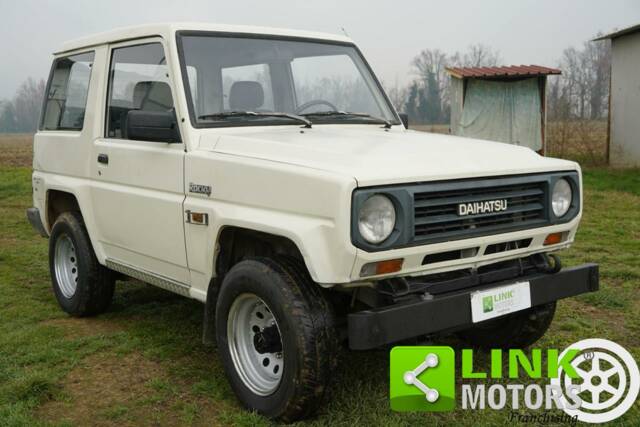
1987 | Daihatsu Fourtrak 2.8 TD
DAIHATSU Rocky 2.8 D Furgone Corto - 1987 - GANCIO TRAINO

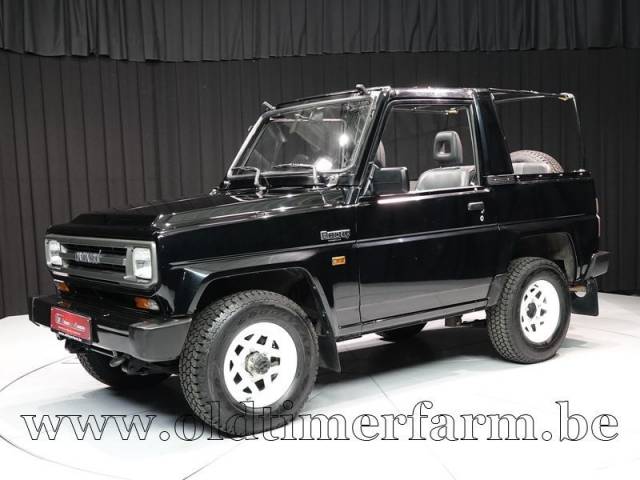
1988 | Daihatsu Rocky 2.0
1988 Daihatsu Rocky '88

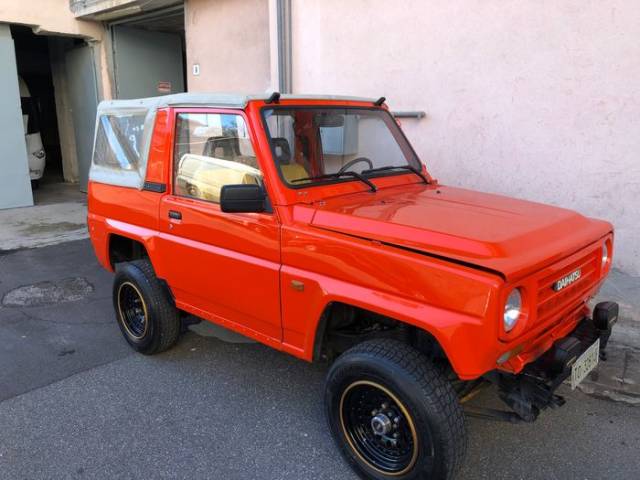
1988 | Daihatsu Rocky 2.0

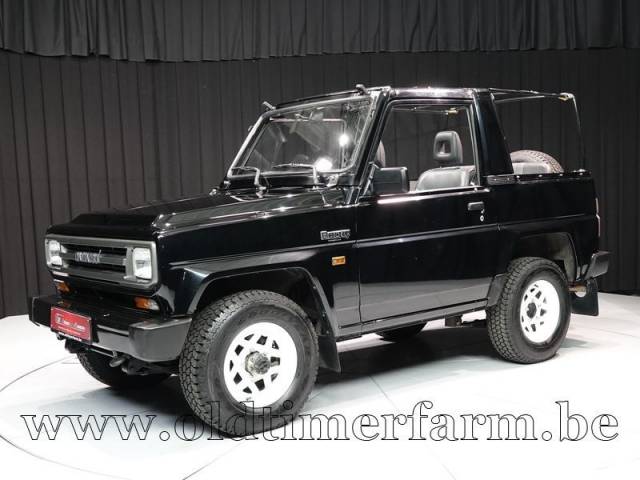
1988 | Daihatsu Fourtrak 2.8 TD
1988 Daihatsu Rocky '88
Create search alert
Let yourself be notified as soon as a listing is published that matches your search filters.
Create listing
Do you have a Daihatsu Fourtrak that you want to sell? Then create a listing now.
Create listingDaihatsu Fourtrak Classic Cars: Prices & Market Values
History of the Daihatsu Fourtrak
The Daihatsu Fourtrak, marketed between 1984 and 2002, grew out of Daihatsu’s ambition to offer an all-terrain solution tailored for the European market. Known in other regions as the Daihatsu Rocky or Rugger, the Fourtrak found particular favour in the UK thanks to a blend of rugged off-road styling and reliable engineering. Early models drew inspiration from classic Jeep designs but quickly established their own identity with better rust resistance and Japanese build quality. The model’s versatility made it popular for everything from agricultural work to leisure use—reflecting its robust reputation.
Model range and development
The Fourtrak’s lineage spans several key iterations. The F70 and F80 series are most prominent in the UK market. Predecessors were compact 4x4s from Daihatsu, but the Fourtrak refined that formula with increased payload, improved driveability and multiple roof configurations (including convertible soft tops). Petrol-powered variants—especially the 2.5-litre 3Y Toyota engine—are rare sights, as most UK imports featured diesels. A major facelift in the 1990s introduced new comfort features and wider bodies. No direct successor followed the Fourtrak; Daihatsu eventually ended its classic 4x4 production, making surviving Fourtraks increasingly rare.
Highlights and unique features
The Fourtrak excels with its utilitarian design, adaptable roof options (full soft top, hardtop, and removable panels), and remarkable ability to tow up to 2.5 tonnes—features seldom found at this price point among classics. Enthusiasts value its mechanical simplicity, making repairs and upgrades straightforward: electric windows, heated seats and even cruise control can often be retrofitted using genuine parts. Notably, the model offers selectable four-wheel drive with lockable free-wheeling hubs and rugged axles. Practicalities also extend to replaceable interior trims and sound systems. Its strong reputation among farmers, hunters and outdoor adventurers is no accident—durable build and proven capability underpin its appeal.
Technical data
Special editions and rare variants
Special variant highlights include the rare F80 3Y petrol soft-top, notable for its scarcity and sought-after status among collectors, especially in original trim. Diesel-powered versions commonly featured standard power steering and sometimes additional off-road equipment like reinforced roll bars. Unique upholstery and certain dealer-fitted extras—such as stereo upgrades or rare colours—enhance collectibility further. These stand-alone configurations are infrequently seen and command attention due to their singularity.
Weak spots and common issues
While renowned for reliability, the Fourtrak still demands thorough maintenance. Common issues include corrosion in body panels, especially the sills, doors and rear arches, though they benefit from better rust protection compared to rival 4x4s of the period. Watch for worn suspension bushings and tired steering components on hard-used examples. Electrical upgrades (such as electric windows or central locking) are feasible but must be carried out carefully using correct parts. Engine ancillaries—water pumps, belts, and distributor elements—often require replacement after decades. Most parts are available through specialist suppliers or importers, so repairs are typically straightforward if approached methodically.
Engine, transmission and driving characteristics
The Fourtrak delivers reliable off-road capabilities with moderate on-road performance. Its non-sporting nature is clear—it favours steady progress and torque over high-speed antics. Early petrol versions use the Toyota-sourced 2.5-litre 3Y four-cylinder engine, smooth and dependable but thirsty, while diesel models offer better fuel economy and more low-end torque, ideal for towing. The manual gearbox is durable; power steering is standard on most diesels and optional or retrofitted on some petrols. Mechanical four-wheel drive engagement, free-wheeling hubs, and high clearance enhance rough terrain prowess. Owners frequently use these vehicles for heavy-duty utility, from towing horse trailers to navigating woodland tracks. The F70 is especially noteworthy, combining solid supply and demand figures with good spare parts support, making it a prime candidate for classic 4x4 enthusiasts interested in usability and durability.
Interior, comfort and exterior design
The Fourtrak’s interior is all about durability and modularity—easily refreshed with new upholstery, seat padding, or full retrims. Electric windows and heated seats can be retrofitted with original equipment, and sound system upgrades (six-speaker systems) are possible thanks to available blanks and stock wiring. Externally, factory colour codes remain popular for restorations, often topped with modern clearcoats. The utilitarian dash and controls, original mechanical window winders, and optional accessories (like sunroofs and off-road lights) show the vehicle’s practical roots. Accessories like roll bars, alloy wheels, extra lighting, and roof racks are commonly added among UK enthusiasts. Factory and aftermarket weather seals, bumpers and guard plates ensure long-lasting protection, even in harsh conditions.
Other noteworthy features
Retrofit security upgrades—mechanical gear locks, rear seatbelts, and detachable roll bars—can be found on meticulously maintained examples. Fourtraks often feature unique documentation: original handbooks and service booklets are sometimes found with UK vehicles. Its ability to meet urban emission restrictions, unlike many vintage diesels, provides added usability. Strong supply of replacement doors, panels, and trim pieces sustains long-term use.
Summary
The Daihatsu Fourtrak stands alone in the classic 4x4 market for its blend of practicality, reliability, and adaptability. Practical owners and enthusiasts appreciate the model’s rare petrol configurations, strong towing capacity, and comprehensive upgrade paths. With solid supply and high user demand for F70 and F80 variants, the Fourtrak is particularly suited to those needing classic utility with a dash of Japanese quality—be it for rural work, adventure, or as a distinctive addition to any collection.