- Car
- Daihatsu (1 offer)
Daihatsu Classic Cars for Sale
Daihatsu made a name for itself with robust small cars, nimble hot hatches, and rugged off-roaders like the Taft and Feroza. Hard-to-find drop-tops and turbocharged icons from the 1980s and 1990s attract those who appreciate rare, characterful Japanese engineering. With collaboration roots in Toyota and a variety of technically unique models, Daihatsu classics have carved their own space in the automotive landscape.
Search results
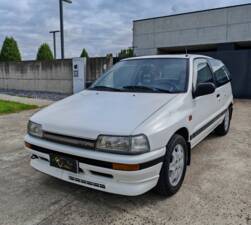
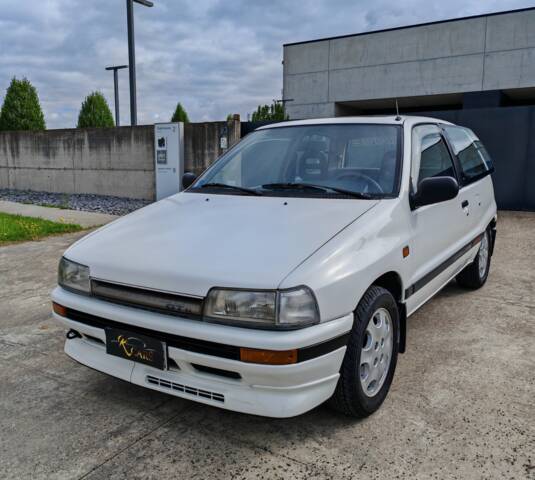

Daihatsu listing references from Classic Trader
Below you will find listings related to your search that are no longer available on Classic Trader. Use this information to gain insight into availability, value trends, and current pricing for a "Daihatsu" to make a more informed purchasing decision.
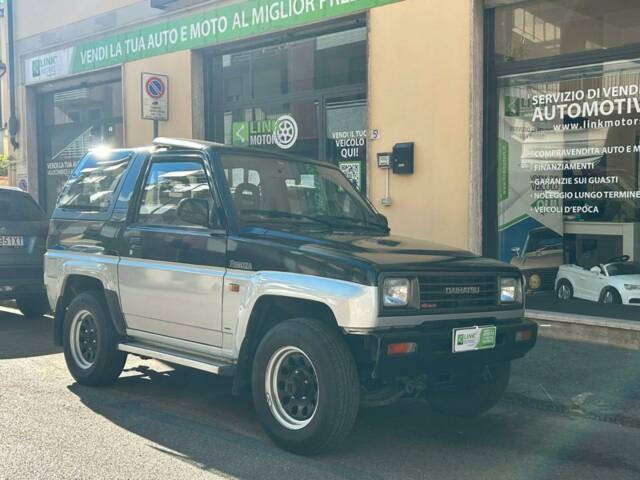
1991 | Daihatsu Feroza 1.6i Special Hard-top

2006 | Daihatsu Copen 1.3-16v
Daihatsu Copen 1.3-16V

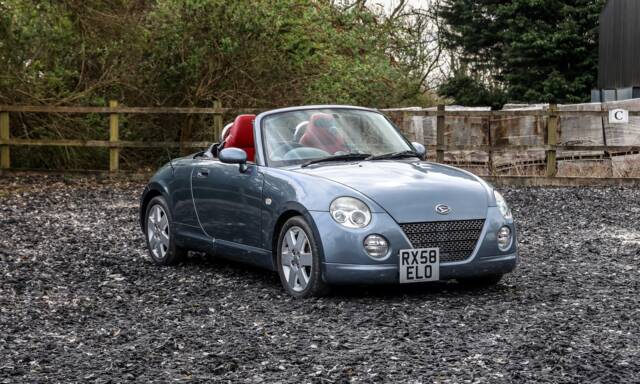
2008 | Daihatsu Copen 1.3-16v
2008 Daihatsu Copen

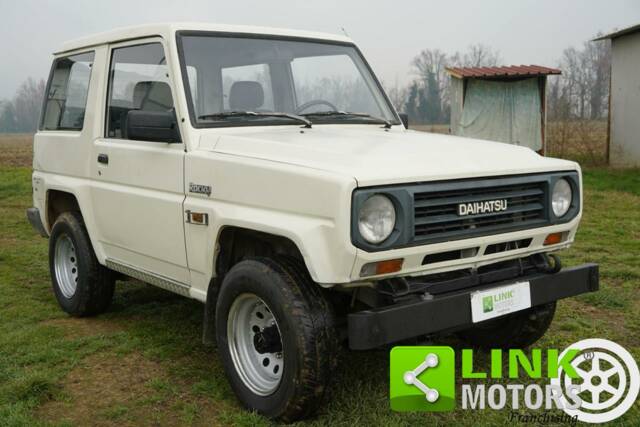
1987 | Daihatsu Fourtrak 2.8 TD
DAIHATSU Rocky 2.8 D Furgone Corto - 1987 - GANCIO TRAINO
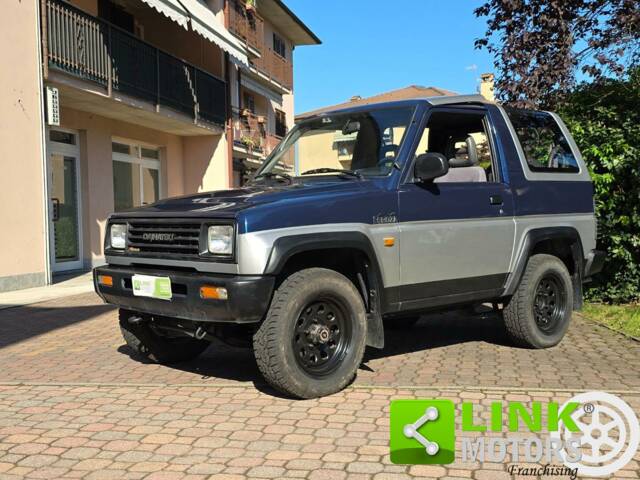
1990 | Daihatsu Feroza 1.6i Special Hard-top
DAIHATSU Feroza 1.6 i 16V 95 CV Part Time GPL
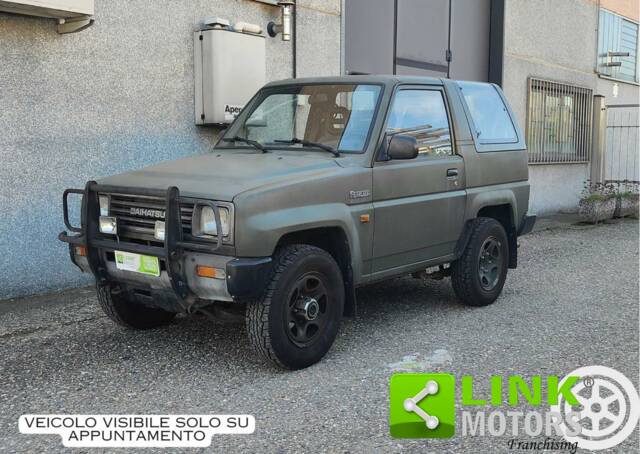
1990 | Daihatsu Feroza 1.6i Special Hard-top
DAIHATSU Feroza 1.6 i 16V 95 CV EL II
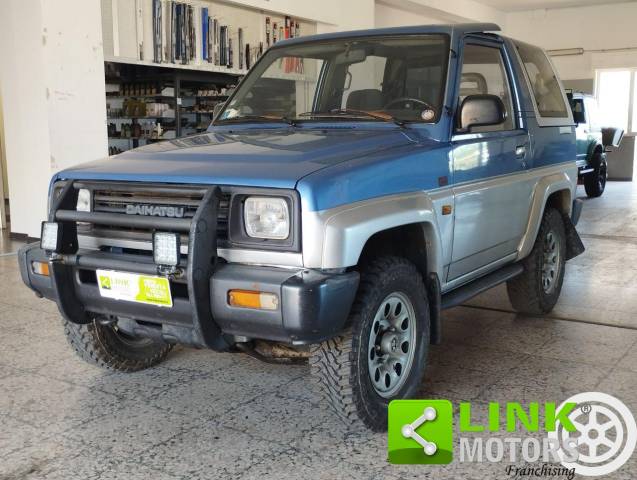
1992 | Daihatsu Feroza 1.6i Special Hard-top
DAIHATSU Feroza 1.6i cat Soft-top ISCRITTA ASI
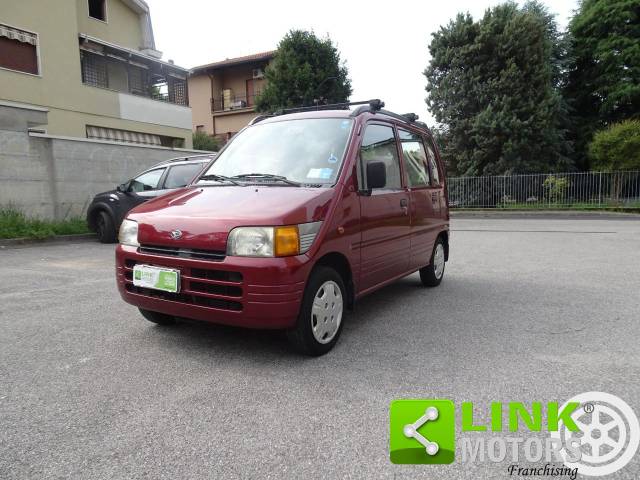
2000 | Daihatsu Move 850
DAIHATSU Move 0.8 42 CV
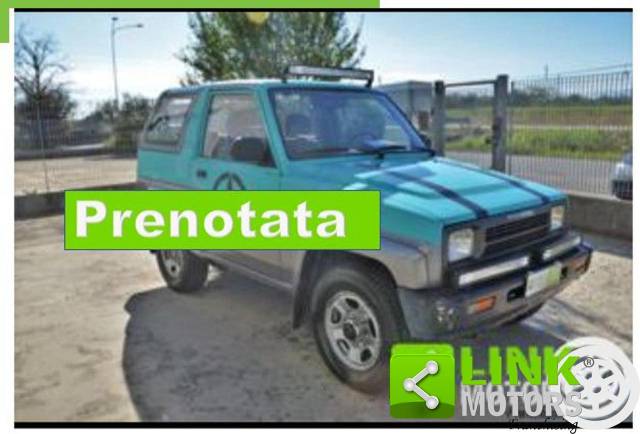
1995 | Daihatsu Feroza 1.6i Special Hard-top
DAIHATSU Feroza 1.6i cat Resin-top
History of Daihatsu
Founded in 1907 as Hatsudoki Seizo Company, Daihatsu is among the world’s oldest car manufacturers. Early production focused on gas engines and three-wheeled commercial vehicles like the Type HA. By the 1930s, Daihatsu entered the passenger car segment with the three-wheeled Daihatsu GO, and by 1937, small four-wheeled vans joined the lineup. After World War II, production resumed and the company floated on the stock market in 1949. The firm began producing its first passenger cars in 1951 and became Daihatsu Motor Company, quickly becoming known for innovative, compact vehicles. The economic boom of the 1950s saw Daihatsu manufacturing 38,000 cars in 1958, and by the 1960s, its diverse lineup and partnership with Toyota (starting in 1967) broadened its reach. The 1980s brought international expansion, with models like the Charade and Rocky breaking into Europe and the USA, supported by Toyota’s distribution network from 1992 onward. By 1998, Daihatsu had produced 20 million vehicles, many of which have become sought-after classics.
Model History
Daihatsu’s roots in compact engineering are clear from the earliest models: the three-wheeled Bee (1951), a taxi-oriented microcar powered by a 540cc engine, and the Compagno (1963–1970) that arrived as sedan, pick-up, convertible, and van. The Charmant (1974–1987) shared its chassis with Toyota’s Corolla, evolving towards boxier lines and European influences by the 1980s. Classic off-roaders like the Taft (from 1974), Fourtrak/Rocky (F70/F80), and the Feroza stood out for their rugged reliability and practical four-wheel drive layouts. Compact hatches and saloon cars, such as the Charade GTti and Applause, showcased how performance and efficiency could co-exist in a sub-1,000kg package, with the Charade GTti in particular earning hot hatch status thanks to its turbocharged, lightweight nature.
Highlights and Distinctive Features
Daihatsu vehicles are prized for their compactness, mechanical simplicity, and everyday reliability. Standouts include ultralight hot hatches like the Charade GTti with its turbo engine and sub-800kg kerbweight, and the Feroza and Taft—off-roaders built for tough rural work with selectable four-wheel drive, removeable roofs, and robust benzine engines. Soft-top versions and 1980s cabriolets are rare in Europe, and many classic Daihatsus on the market have undergone full restorations due to their scarcity. Several variants offer features like hard/soft tops, electrics, heated seats, and safety add-ons depending on era and trim. The brand’s strong technical ties with Toyota boosted reliability, notably with the Rocky using Toyota’s proven 2.5L petrol unit.
According to supply data, the Feroza (29.7%) and Copen (24.3%) are the most frequently listed Daihatsu models, while demand data highlights that the Taft generates the strongest interest at 30.5%, with the Charade close behind at 22.7%. This underlines a lively collector market for certain Daihatsu classics, especially capable off-road and unique hatchback variants.
Technical Data
Special Editions and Collector Models
Models such as the Charade GTti (turbocharged hot hatch), Feroza (early 1990s 4x4 cabrio), and rare European-imported soft- and hard-top Taft and Copen cabriolets are especially sought after in well-preserved or restored condition. Production numbers for some, like the Daihatsu Bee, were extremely low and originals are exceptionally rare. Collector attention also centres on models with sporting or motorsport credentials, such as the Charade’s Monte Carlo and Safari Rally entries.
Weak Spots and Common Issues
Daihatsu classics were engineered for longevity and robust use, which is evident in the large number of vehicles still on the road. Soft-top models may suffer from fabric and mechanism wear, and some early vehicles may exhibit corrosion around structural points if not maintained. Import cabriolets and hard-worked off-roaders should be checked for past restoration quality, frame integrity, and the condition of drive-train seals and joints. Parts for rare or out-of-production models may require sourcing from specialists or importing from Japan. Interior comfort features and electrics in later models may need checks due to age-related wear.
Engine, Performance, Transmission and Handling
Daihatsu classics demonstrate a broad performance spectrum. The Charade GTti (late 1980s) stands out as a sharp-handling, turbocharged hot hatch with a high-rev engine and very light curb weight, prioritising driver engagement. The Feroza and Taft, both with 4WD and robust underpinnings, excel on rough terrain thanks to selectable hubs and simple, durable transmissions. On-road, models like the Copen provide nimble, light-footed handling with efficient engines, while the Charmant delivers classic rear-drive saloon characteristics. Many vehicles have a short to medium wheelbase supporting good manoeuvrability, and Daihatsu’s compact vans and utes maximise payload without compromising practicality. - Charade GTti: ~800kg, turbo, 0-100 km/h in under 9s
- Feroza: 4WD, hard/soft top versatility, capable off-road
- Taft F20: 1600cc petrol, famed for ruggedness
- Rocky (Fourtrak): shares Toyota powerplants, renowned durability
- Copen: small, lightweight, open-top, modern classic
Interior, Comfort, Exterior and Design
Daihatsu design is defined by functional, distinctive touches—such as the early Bee’s fibreglass two-door body and the multi-variant Compagno (including estate and convertible). Compactness is a theme: hatches and saloons prioritise lightness and city manoeuvrability, with three- and five-door layouts bridging hatch and wagon functionality. Off-roaders like the Feroza feature removable hardtops, minimal overhangs, and upright, utilitarian lines, while the later Copen is a compact convertible with clever packaging and an eccentric appearance. Trim levels sometimes featured powered windows, optional seat heaters, roll bars, and additional safety equipment in later years. Daihatsu’s elongated "D" logo references both origin and speed, while collaborations with Toyota contributed to interior material and feature upgrades, especially in later models.
Other Noteworthy Features
Daihatsu’s rare models, such as the Bee microcar or the Compagno convertible, stand out for their limited production and particularity in design philosophy. A subculture of enthusiasts values Daihatsu’s left-field alternatives to mainstream Japanese classics, especially in regions with low original import numbers. Used in period as taxis, commercial vans, and rally vehicles, the brand’s legacy is tied not only to city efficiency but also to playful experimentation—the Copen micro-roadster being a prime example. Notably, Daihatsu’s positions in historic rallies (Monte Carlo 1981, Safari Rally 1993) underline its capability well beyond stereotypical city car credentials.
Summary
Daihatsu classics command attention for their rare blend of mechanical simplicity, ingenious packaging, and robust design—ranging from three-wheeled microcars to turbocharged hatchbacks and utilitarian off-road vehicles. Enthusiasts prize the Charade GTti, Taft, Feroza, and Rocky for their strong engineering roots and notable motorsport touchpoints. Models like the Copen offer unique open-top motoring at a scale rarely matched elsewhere. Whether restored for show, retained for off-road use, or enjoyed as quirky urban classics, Daihatsu vehicles showcase the breadth and inventiveness of Japanese small car engineering.