- Car
- Commer (0 offers)
Buy Commer
Commer made Britain’s working vans, ice cream trucks and haulage legends from 1905 to 1979. Find the right classic Commer for the road, the show field or the next careful restoration.
Search results
Currently, there are no matching listings for your search.
Create search alert
Let yourself be notified as soon as a listing is published that matches your search filters.
Commer listing references from Classic Trader
Below you will find listings related to your search that are no longer available on Classic Trader. Use this information to gain insight into availability, value trends, and current pricing for a "Commer" to make a more informed purchasing decision.
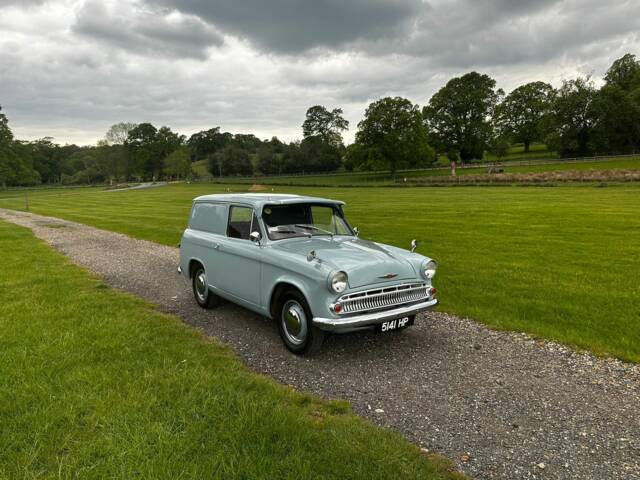
1960 | Commer Cob
1960 Commer Cob Mark 2

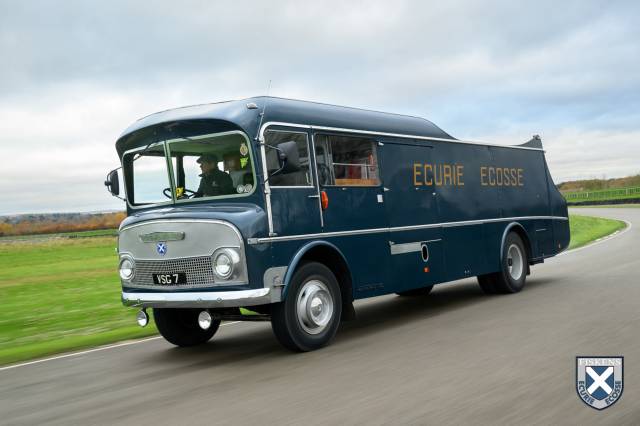
1960 | Commer TS3
Create search alert
Let yourself be notified as soon as a listing is published that matches your search filters.
History
Commer is a true British home-market marque. The company began in 1905 as Commercial Cars Ltd and soon found its base in Luton, where it would remain a major force in British commercial vehicle production for decades. That Luton connection matters for buyers today: it links Commer directly to the country’s transport history, to the fleets that filled British streets, and to the workshops that kept local trade moving.
The marque’s early success came from straightforward, durable vehicles for businesses that needed dependable transport rather than image. By the interwar years Commer had become firmly established, and the Superpoise series gave the brand a serious position in the medium and heavy commercial sector. Wartime demand reinforced that reputation, while the post-war years pushed the company towards lighter vans and specialist bodies.
This is where the models that matter most to collectors appear. The Cob answered the need for a compact, practical van in the 1950s. The BF became a favourite base for ice cream vans and other specialist bodies. The FC, PB and SpaceVan carried Commer into the 1960s and 1970s with a forward-control design that became familiar across Britain. The Walk-Thru served the same working world with a simpler, more utilitarian idea. Together they map out the everyday transport life of Britain for more than half a century.
There is also a technical reason Commer attracts enthusiasts: Rootes engineering. Many models shared parts with Hillman and Humber cars, which helped keep maintenance manageable and gave the vans a familiar mechanical character. Later, the very unusual Rootes TS3 engine gave some heavier Commers a sound and identity no other British vehicle quite matched.
The brand faded under Chrysler ownership and later Peugeot-Citroën control, but the vehicles never really disappeared. They stayed on British roads as fleet survivors, campers, ice cream vans and show vehicles. That long afterlife is why Commer still feels current in the UK classic scene.
Highlights
Commer’s strength is breadth. Few classic commercial makes offer such a wide spread of personalities, from modest van to heavy truck, while still feeling part of the same family.
The Commer Cob is the easiest point of entry. Small, simple and closely tied to Rootes car components, it suits buyers who want a manageable classic with less space hunger than a big commercial. A good Cob is charming without trying too hard, and on British roads it still looks right.
The Commer BF is the romantic one. In the UK, it is deeply linked to the ice cream trade, seaside nostalgia and the sound of a familiar tune on a summer street. When restored properly, it becomes a rolling piece of British memory, and that emotional pull matters strongly at auction.
The FC/PB/SpaceVan family is the key market model. These are the Commers most people remember from childhood, whether in postal yellow, telecom livery or as camper conversions. Their forward-control layout makes them instantly recognisable, and their long production run means there are many body variants to search for.
The Superpoise represents the heavier end of the marque. It is less common, more workmanlike and more attractive to collectors who want military, haulage or special-purpose history. Its charm lies in its honesty.
The Walk-Thru is a cult favourite. It does not shout for attention, but it offers a distinct solution for deliveries and urban use. Buyers who like unusual commercial design often end up here.
Together these models capture British road culture: the market van, the service fleet, the municipal truck, the ice cream van, the camper and the small town workhorse.
Technical Data
The engineering story behind Commer is less about peak output and more about practical solutions. The marque’s best-known technical curiosity is the Rootes TS3 opposed-piston diesel. Its unusual layout made it compact for its output and gave heavy Commers a signature sound that enthusiasts still call the Commer Knocker. It is one of the most distinctive diesel engines ever fitted to a British commercial vehicle.
For buyers, those numbers matter less than condition, originality and documentation. These vehicles were designed for work, so many lived hard lives. A correct-looking but tired van can still be a big project; a modest but solid one is often the smarter buy.
Market Overview & Buying Tips
The Commer market in the UK is active, niche and still relatively accessible. Because Commer is a British make, home-market buyers have the advantage: better paperwork, better local knowledge, better parts access and a stronger club network. That makes Britain the easiest place to buy with confidence.
Price picture
Real UK auction and marketplace results from 2024-2025 show a wide but sensible spread:
- Cob: project vehicles often sit around £2,000-£5,000; better usable examples are commonly £6,000-£12,000.
- BF: incomplete or rough vans usually trade around £4,000-£10,000; restored ice cream vans and special bodies can reach £15,000-£25,000+.
- FC/PB/SpaceVan: honest survivors often land around £3,500-£9,000; good campers and presentation vehicles can climb higher.
- Superpoise: generally £5,000-£15,000, with rarer or military examples above that depending on originality.
- Walk-Thru: commonly £4,000-£10,000 depending on shell condition, use history and completeness.
Recent UK results have included sales through Bonhams, H&H Auctioneers, Anglia Car Auctions, WB & Sons, Mathewsons and Car & Classic. The overall pattern is clear: originality, provenance and body style matter more than shiny paint alone. A correct BF ice cream van or a well-known fleet survivor is often stronger than a generic restored panel van.
What to check
Rust is the main issue. Inspect floors, lower cab structure, wheel arches, seams, door bottoms, sills, chassis rails and the front end carefully. On SpaceVans and FCs, look hard at the lower body sections and front cab corners. On a BF, the bodywork and custom fittings can be expensive if missing or rotten. On a Cob, the smaller shell can still hide serious corrosion in the usual British places.
Paperwork matters just as much. A clean V5C helps enormously, especially on a vehicle that may have had fleet life, body changes or a long period off the road. Old MOT records, invoices, registration history and period photos add confidence.
Identity should be checked against the chassis plate, the V5C and the visible vehicle. Commercials are often repainted or converted, so make sure the story holds together.
Running gear is generally simple, but age is age. Expect brake work, fuel-system attention, steering play and tired suspension components on many survivors. The Rootes-derived petrol engines are usually rebuildable; the Perkins diesels are durable but slow and noisy by modern standards.
Parts support is better than the niche reputation suggests. The Commer Van Fan community is active and helpful, and UK specialists still handle mechanical items, trim advice and some bodywork. Harder-to-find panels and model-specific fittings remain the challenge, so buy as complete a vehicle as you can.
Buying with UK rules in mind
This is Commer’s home market, which makes the legal side easier too. Vehicles over 40 years old can qualify for the UK’s Historic Vehicle class and MOT exemption, provided they have not been substantially changed in the last 30 years. That helps reduce running costs, but it does not remove the need for roadworthy condition.
To apply for historic tax status, the V5C is the key document. The change is normally handled through a Post Office that deals with vehicle tax, and the vehicle must still be safe and usable on the road. For buyers of older Commers, that combination of historic status and club knowledge is a real advantage.
Driving Feel
A Commer is not meant to feel slick. It feels honest, mechanical and slightly slowed down, which is exactly why enthusiasts love them.
The Cob is the most car-like. It is compact, light and easy to place on narrow British roads. The steering is old-school and the gearbox asks for proper technique, but the van feels approachable. It suits local use, events and short runs where charm matters more than pace.
The BF is all about atmosphere. Whether carrying ice cream kit or preserved as a show vehicle, it turns every journey into a small performance. The driving experience is unhurried and noisy in the best possible way. On a summer day it makes perfect sense.
The FC/PB/SpaceVan is the most distinctive behind the wheel. Sitting forward, with the cab short and the engine close by, gives a very specific commercial feel. It is not fast, but it is surprisingly easy to live with when sorted. On the right road it has a relaxed rhythm that suits the vehicle’s personality.
The Walk-Thru feels purposeful and workmanlike. It is a van you operate rather than a van you merely drive, and that is part of its appeal. The side access and practical layout make it a clever city delivery tool even today.
The Superpoise is the one that feels most like a period working machine. It has more weight, more presence and a stronger sense of serious transport duty. For some buyers, that is the most rewarding experience of all.
In every case, the appeal is slow-burn. A Commer does not flatter you with performance. It gives you period texture, road presence and the kind of mechanical honesty that modern vehicles lack.
Design
Commer design was always driven by use, but the results are still memorable. That is especially true in Britain, where the marque became woven into everyday visual culture.
The Superpoise is the most traditional shape in the line-up. Its pre-war and post-war forms have the upright confidence of a working truck that does not need styling tricks. It looks like what it is: a vehicle built to earn its keep.
The Cob is compact and friendly, with a shape that feels almost domesticated next to larger commercials. Its proportions give it a lightness that makes it attractive as a collector’s van.
The BF is the design star for many buyers. As an ice cream van it became one of the most recognisable commercial silhouettes in Britain. The serving hatches, bright colours and specialist bodywork give it a nostalgic presence that no modern van can replicate.
The FC/PB/SpaceVan family is the most visually important. Its forward-control body, rounded nose and broad side panels created a form that was practical but not dull. In postal or telecom livery, it looks especially right. That is one reason these vans still feel so strongly British.
The Walk-Thru is simpler, but its side-access solution and utilitarian proportions make it quietly clever. It is not trying to impress; it is trying to work. That restraint has aged well.
Because Commer worked with coachbuilders and body specialists, the design language extends far beyond the factory shell. Ice cream bodies, camper conversions, mobile shops and municipal builds all add variety. For collectors, that means one make, but many stories.
Other
Commer’s place in British culture is unusually strong for a commercial make. It is the badge on the ice cream van that children remember. It is the telecom van that shaped roadside memory. It is the delivery truck parked outside the corner shop, the municipal vehicle in town, the camper at the coast.
The club and forum scene is a major reason these vehicles survive. The Commer Van Fan community provides technical help, parts leads, documentation and a lively social network for owners. In a niche classic-commercial world, that kind of support is invaluable.
Events keep the marque visible. Classic & Vintage Commercials Show at Gaydon is a natural home for Commer vehicles, and Goodwood Revival often suits the lighter, more nostalgic side of the brand, especially ice cream vans and fleet survivors. Those events help buyers understand how much period charm a Commer still brings.
Parts availability is decent by classic-commercial standards. Mechanical items are often manageable through Rootes and specialist suppliers, while trim and body parts are the harder side of ownership. The good news is that the UK market has the knowledge base to keep many cars and vans on the road without drama.
There is also a deeper collector appeal here: Commer feels authentic. It does not need to be reinterpreted to matter. A preserved British commercial in original colours can be more interesting than a polished recreation, especially when the paperwork and history are intact.
Summary
Commer is one of Britain’s most characterful classic commercial makes. It offers a genuine home-market story, a strong club network, useful parts support and a wide spread of collectable models, from the compact Cob to the nostalgic BF, the practical FC/PB/SpaceVan, the workmanlike Walk-Thru and the heavy-duty Superpoise.
For buyers, the best advice is simple: choose the straightest shell, verify the paperwork, and favour originality over flash. In the UK, that approach works especially well because the brand’s history, community and parts base are all close at hand.
If you want a classic that feels unmistakably British, Commer is a smart and rewarding place to look. Find the right one, buy with care, and enjoy a vehicle with real road-side character.