Chrysler Six classic cars for sale
The Chrysler Six series represented a turning point for American car manufacturing, introducing robust engineering with the renowned Straight Six engine and making an impact on both road and racetrack. As a foundation for modern Chrysler vehicles, the Six series offers a glimpse into the automotive innovation of the 1920s.
Search results
Currently, there are no matching listings for your search.
Create search alert
Let yourself be notified as soon as a listing is published that matches your search filters.
Create listing
Do you have a Chrysler Six that you want to sell? Then create a listing now.
Create listingChrysler Six listing references from Classic Trader
Below you will find listings related to your search that are no longer available on Classic Trader. Use this information to gain insight into availability, value trends, and current pricing for a "Chrysler Six" to make a more informed purchasing decision.
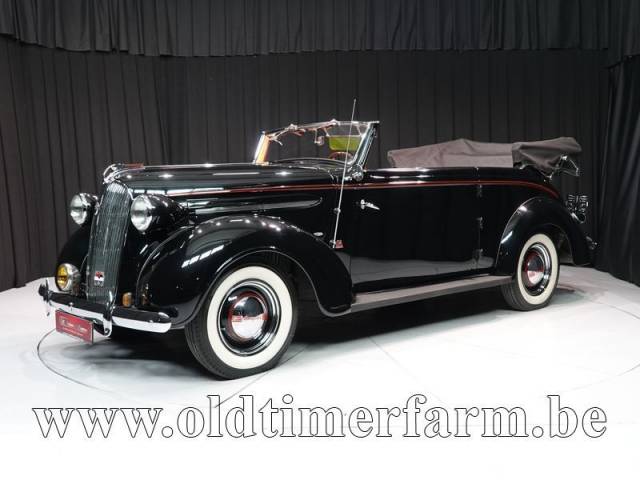
1937 | Chrysler Six Tüscher
1937 Chrysler Royal Six Convertible By Tuscher '37

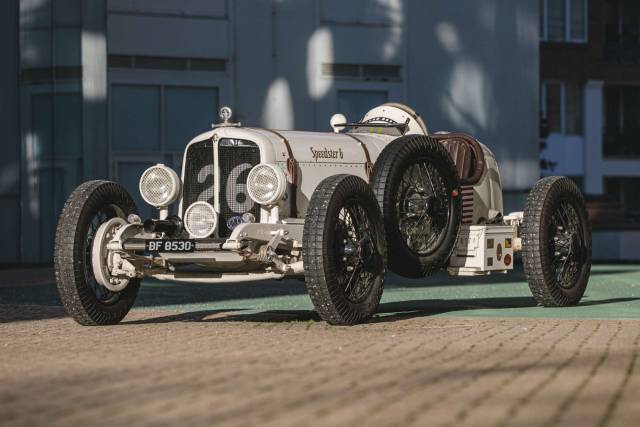
1930 | Chrysler Six Special
1930 Chrysler Speedster Special - FIVA

Create search alert
Let yourself be notified as soon as a listing is published that matches your search filters.
Create listing
Do you have a Chrysler Six that you want to sell? Then create a listing now.
Create listingChrysler Six Classic Cars: Prices & Market Values
History of the Chrysler Six
The Chrysler Six emerged in 1924 when Chrysler took over Maxwell Automobile Company, followed by Chalmers Automobile Company in 1926. From the outset, Chrysler’s vision was to set the new standard for advanced engines and reliable, sustained speed. Unlike its predecessors, the Six series didn’t just receive a new badge—the upgrade to the Chrysler Straight Six brought notable leaps in technical performance and efficiency for its era. This commitment to progress was soon demonstrated on the international stage, with the Six entering the 24 Hours of Le Mans multiple times throughout the 1920s.
Model history of the Chrysler Six
The Chrysler Six started as a collection of models before the series adopted a numerical system denoting the top speed achievable by each car, a progressive touch for the time. Every new model year, the series number increased, often coinciding with enhancements in design and mechanical features. Predecessors to the Six can be traced back to Maxwell's earlier designs, but these models set themselves apart with a far more advanced approach to engine specification and vehicle dynamics. Successive iterations of the Six kept evolving until further generations continued Chrysler's trajectory into more complex engineering feats.
Unique features and statistics of the Chrysler Six
Chrysler Six cars distinguished themselves with their technically advanced Straight Six engine—an innovation in the 1920s due to its durability, power delivery, and the company's focus on sustained high-speed capability. The Six’s entry into endurance racing, including Le Mans in 1925, 1928, and 1929, underscored its reliability and advanced design. Body style variety added more appeal, catering to a broad range of buyers in its day.
Technical Data
Special Editions and Collectible Models
Throughout its production, the Chrysler Six was available in several body styles with options that were rare for the period, including differences in coachwork and equipment. Factory entries prepared for Le Mans represent the rarest and most collectible iterations; these models often featured unique racing modifications and identification, making them especially significant for collectors.
Engine, Performance, Transmission and Handling
The hallmark of the Chrysler Six was its engine: a Straight Six, engineered for consistent performance and sturdy power output over long distances. This engine was among the reasons Chrysler was able to compete at Le Mans, as few American manufacturers of the period prioritised durability and high-speed reliability in this way. Transmission systems evolved annually alongside incremental chassis improvements for smoother rides and better control compared to the competition of the time. Notable examples include early series models, which showcased the brand's transition from Maxwell heritage to true Chrysler engineering, and race-prepared Sixes, which combined weight-saving bodywork with engine upgrades for endurance events.
Interior, Comfort, Exterior and Design
Chrysler Six models featured a functional yet elegant cabin, focused on the decade’s comfort standards. The exteriors displayed clean, flowing lines typical of late 1920s American cars, with thoughtful detailing around the grille and bodywork. Colour options were tailored to the buyer, and materials in both body and interior were chosen for both luxury and endurance, unusual for mass-market automobiles of the period. Coachwork for special body versions could be selected from several stylists, incorporating specific details, accessories, and trim on request.
Summary
The Chrysler Six series played a crucial role in setting new standards for 1920s American cars, blending technological innovation with practical performance and appealing design. With its strong supply and demand presence among Chrysler classics, the Six continues to attract enthusiasts who appreciate originality, mechanical depth, and a direct link to the dawn of the modern American automobile.