Chrysler Series 65 Classic Car for Sale
The Chrysler Series 65 delivers a distinctive experience of American pre-war automotive engineering. Built between 1929 and 1931, this mid-size six-cylinder stands out as Chrysler's compact entry from that era, featuring diverse body styles and technical advancements like hydraulic brakes and a keyed ignition system.
Search results
Currently, there are no matching listings for your search.
Create search alert
Let yourself be notified as soon as a listing is published that matches your search filters.
Create listing
Do you have a Chrysler Series 65 that you want to sell? Then create a listing now.
Create listingChrysler Series 65 listing references from Classic Trader
Below you will find listings related to your search that are no longer available on Classic Trader. Use this information to gain insight into availability, value trends, and current pricing for a "Chrysler Series 65" to make a more informed purchasing decision.
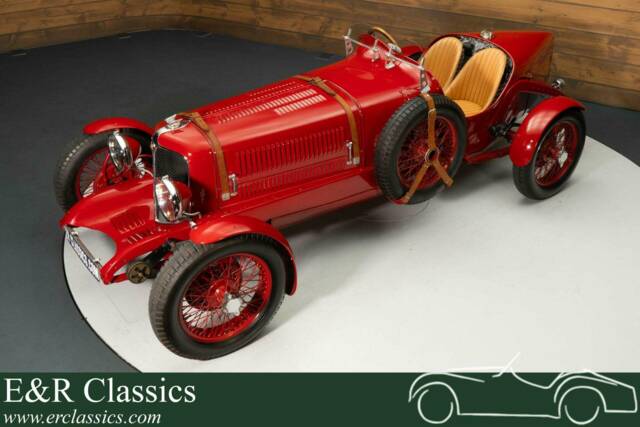
1929 | Chrysler Series 65 Special
Chrysler Baguet Special Cabriolet

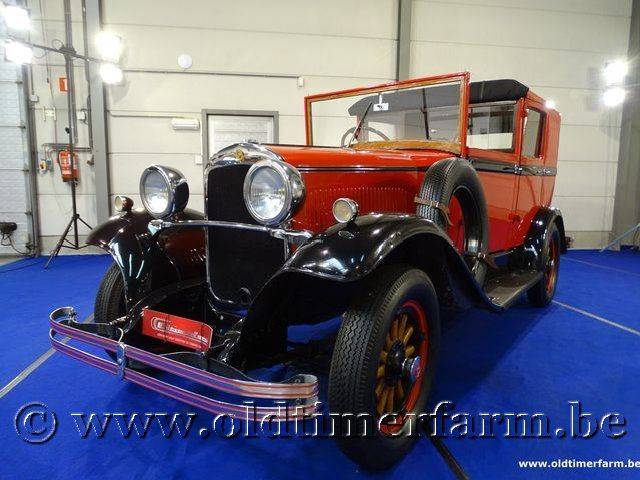
1929 | Chrysler Series 65
1929 Chrysler 65 Saloon '29

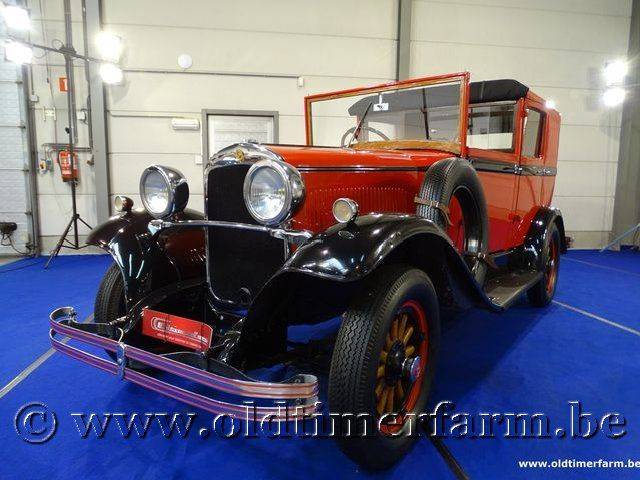
1929 | Chrysler Series 65
1929 Chrysler 65 Saloon '29
Create search alert
Let yourself be notified as soon as a listing is published that matches your search filters.
Create listing
Do you have a Chrysler Series 65 that you want to sell? Then create a listing now.
Create listingChrysler Series 65 Classic Cars: Prices & Market Values
History and Development of the Chrysler Series 65
Chrysler introduced the Series 65 in 1929, shortly after the company's expansion through the acquisition of Maxwell Motor Company and Dodge Brothers Inc. Placed below larger eight-cylinder models, the Series 65 replaced the previous Series 62 as Chrysler’s smallest model range after the discontinuation of four-cylinder models. Production took place at the Detroit, Michigan, plant, positioning the Series 65 as an accessible yet solidly engineered American saloon during a period when car ownership was still far from universal. The car’s technical layout featured a side-valve straight-six engine and a raft of features that set a benchmark in the medium price-class at the time.
Model Series Evolution
The Series 65 followed the outgoing Series 62 and became the entry-level six-cylinder for Chrysler. It was offered in a wide range of bodies: roadster, touring car, saloon, landaulet, and coupé, with each variant reflecting the styling trends of late 1920s America. While main mechanicals remained consistent, cosmetic updates like a tighter radiator frame distinguished it from predecessors. The Series 65 was succeeded by the Series 66 in 1930, which brought incremental improvements and a new, more powerful engine. The production run for the Series 65 resulted in 116,487 units, far outpacing its successor, underlining its critical role within Chrysler's model portfolio.
Key Features and Market Presence
The Chrysler Series 65 introduced several technical refinements for its day. Hydraulic drum brakes on all four wheels distinguished it from much of the competition, elevating safety standards. The introduction of a keyed ignition system replaced the older starter button, enhancing both convenience and security. A further highlight is the diversity of body styles available, including the rare and prestigious landaulet configuration. The model's robust straight-six engine and three-speed gearbox provided reliable performance with contemporary mid-range pricing.
Technical Data
Special Editions and Collectible Variants
Among various versions, the landaulet stands out as an especially prestigious and seldom-seen configuration, featuring a fixed roof over the front seats and a folding rear section – a nod to traditional carriage designs. The diversity in body styles, from the widely chosen torpedo to the more exclusive coupé and landaulet, allowed buyers to tailor their car, though no factory-designated 'special edition' runs are documented.
Weak Spots and Typical Issues
No factory-specific weak points are widely noted in contemporary sources. Like most cars of the era, corrosion around structural body panels, aged brake hydraulics, and wear on mechanical linkages are possible concerns for surviving examples. Given the simplicity of the Series 65's engineering, mechanical overhauls are generally manageable for vintage car specialists.
Engine Performance, Transmission and Handling
The Series 65’s 3.2-litre inline-six delivers 65 horsepower, offering robust yet flexible power delivery typical of late 1920s American engines. With power sent to the rear wheels via a three-speed manual gearbox and a single-plate dry clutch, driving engagement is direct. Hydraulic drum brakes enhance stopping power compared to cable controls of contemporaries. Suspension is conventional for its time, focused more on resilience and simplicity than modern ride comfort.
Popular models within the Series 65 include the roadster and landaulet, with the latter sought after for its unique roof design and cabriolet functionality. Technical highlights include the side-valve configuration and the adoption of hydraulic braking, setting a benchmark for the segment. undefined
Design, Interior and Materials
The Series 65 is unmistakable for its period styling: bold vertical radiator grille, rounded fenders, and purposeful stance. Notable updates include the tighter radiator surround and transitional bodywork. Interiors range from utilitarian to plush, often featuring wood inlays and varied upholstery tailored to the chosen body style. Open-top torpedo and landaulet models bring additional flair; the latter’s split roof is a distinguishing design element inherited from carriage construction. Exterior colours span elegant navy blues, beiges, deep greens, and black, with factory and dealer-applied hues reflecting 1920s-1930s tastes. Accessories such as wooden-rim steering wheels and art-deco instrumentation complete the aesthetic, while optional extras included shaped bumpers and auxiliary lights.
Other Noteworthy Features
Modern features for the era, like ignition key starting and a diverse palette of interior and exterior finishes, underline the Series 65’s advanced engineering for its class. Its large production figure reflects strong market appeal for the time. Surviving cars today represent a slice of interwar automotive innovation, with the landaulet body providing a rare link to early 20th-century coachwork traditions.
Summary
The Chrysler Series 65 encapsulates the essence of American medium-class cars from the late 1920s and early 1930s, offering technical finesse, a host of body variants including rarities like the landaulet, and engineering that helped shape Chrysler's reputation. It remains the most visible and sought-after Chrysler on the historic car market, both in terms of supply and demand. For enthusiasts interested in robust, mechanically straightforward classics with true period character, the Series 65 is an outstanding representative of its era.