AC 2 Litre classic cars for sale
The AC 2 Litre, produced by AC Cars between 1947 and 1956, stands out for its innovative engineering paired with traditional British coachbuilding. Featuring an aluminium body over a wood frame and a robust 2-litre straight-six, it’s a rare sight with only 1,284 units built. Enthusiasts value its blend of 1940s elegance and engineering progress, especially hydraulic dampers and improved performance during its production run.
Search results
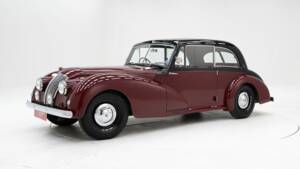
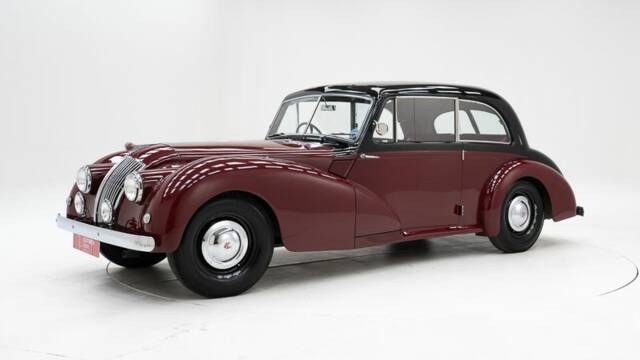
1952 | AC 2 Litre
1952 AC 2 liter Saloon '52

AC 2 Litre listing references from Classic Trader
Below you will find listings related to your search that are no longer available on Classic Trader. Use this information to gain insight into availability, value trends, and current pricing for a "AC 2 Litre" to make a more informed purchasing decision.
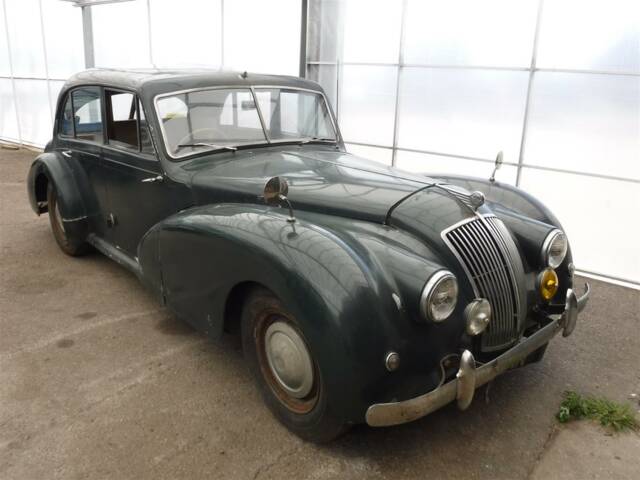
1954 | AC 2 Litre
AC-RHD 2046

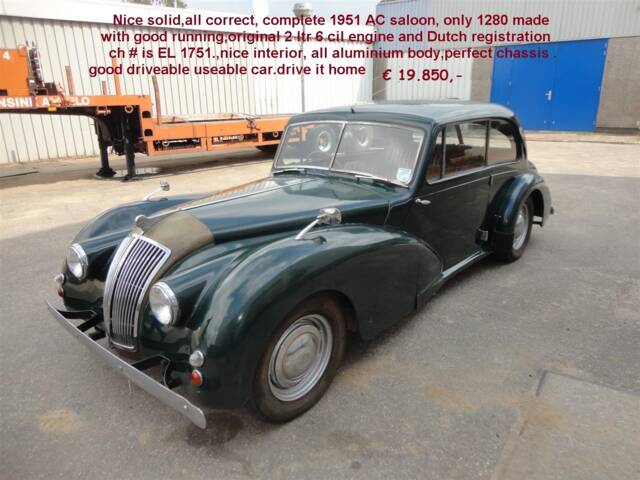
1951 | AC 2 Litre
AC-coupe RHD 1751
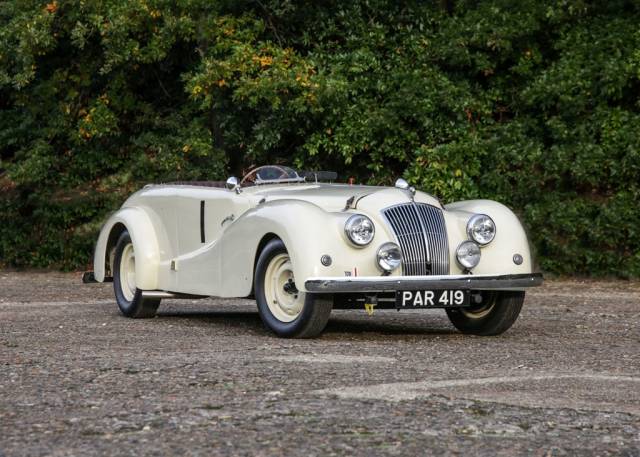
1953 | AC 2 Litre "Buckland"
Auction 23rd November 2019, Estimate: £36,000 - £42,000 Lot 188

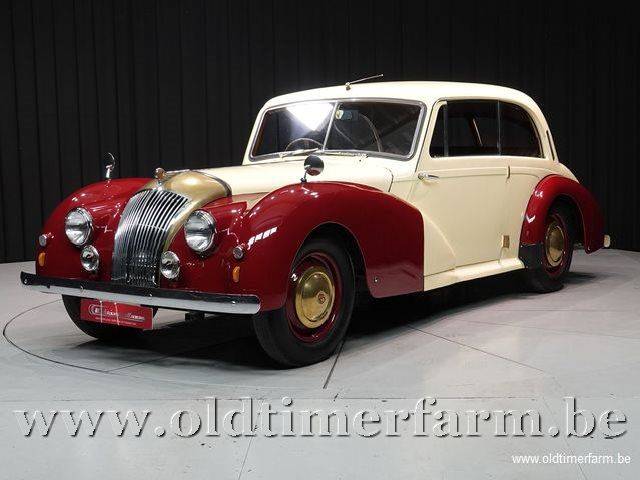
1948 | AC 2 Litre Barchetta
1948 AC Two Litre '48
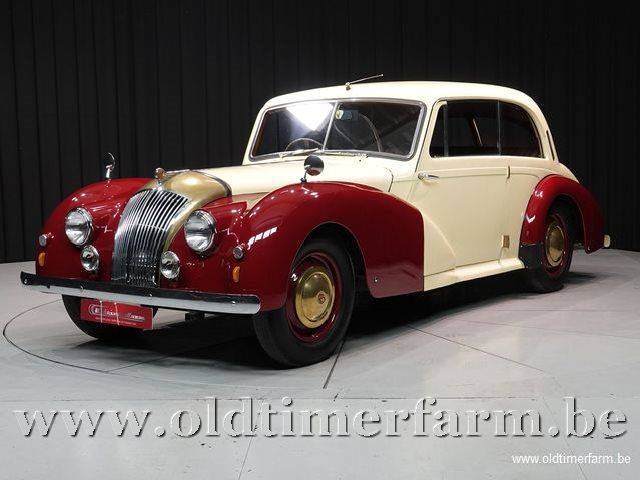
1948 | AC 2 Litre Barchetta
1948 AC Two Litre '48
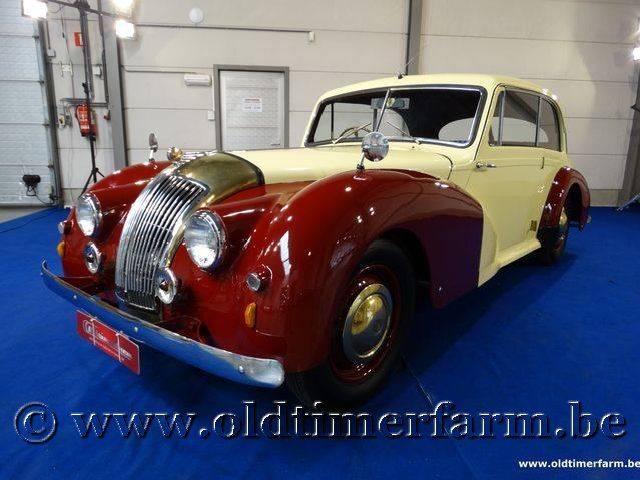
1948 | AC 2 Litre Barchetta
1948 AC Two Litre '48
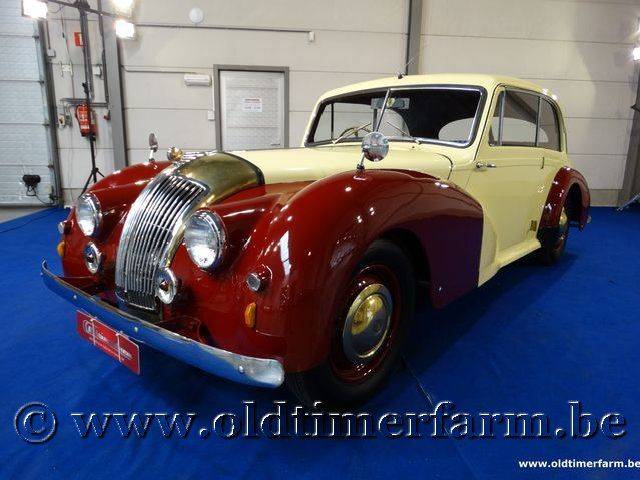
1948 | AC 2 Litre Barchetta
1948 AC Two Litre '48
AC 2 Litre Classic Cars: Prices & Market Values
History of the AC 2 Litre
AC Cars launched the 2 Litre in 1947 as a new direction following the end of the Second World War, with no direct predecessor. Initially offered as a two-door saloon, additional variants such as a four-door version and limited-run convertible and Buckland tourers were introduced by 1952 and 1949, respectively. Its aluminium body relied on a wooden frame, itself mounted to a steel chassis with two solid axles and semi-elliptical leaf springs. Noteworthy, AC integrated hydraulic dampers for the first time in one of their vehicles. Only minor modifications marked its decade-long production, which ended in 1956 without a direct replacement.
Model History
The AC 2 Litre entered production in 1947, debuting with a two-door saloon. By 1949, bespoke convertibles and Buckland tourers offered more exclusivity. The four-door saloon joined the line-up in 1952. Over its ten years, the model saw incremental technical upgrades, most notably to engine tuning, brakes, and wheel size. Its engine - AC's own 2-litre inline-six - was continually updated from its 1922 roots. The 2 Litre's total output stood at 1,284 cars by the end of production in 1956. Notably, this model did not have a direct successor within AC’s portfolio.
Highlights and Unique Features
The AC 2 Litre is instantly recognisable for its aluminium coachwork and wood-framed body, a combination that distinguishes it among postwar British saloons. It features hydraulic dampers—a significant innovation for AC at the time. Its 2-litre straight-six, upgraded repeatedly, brought progressively increased performance and efficiency. The unique blend of luxury and compact European proportions gives this saloon a market niche of its own.
Technical Data
Special Editions and Collectible Models
The AC 2 Litre range included several limited-production variants, notably the Buckland tourers and a small series of convertibles, both catering to buyers seeking open-top motoring and distinctive styling. These versions were often commissioned privately and produced in very small numbers, making them particularly desirable among collectors.
Weak Spots and Common Issues
While the AC 2 Litre's mechanical components were robust for their era, attention should be paid to the wood frame for signs of rot or degradation—a consequence of age and exposure. The hybrid braking system (hydraulic front, cable rear) demands careful adjustment and maintenance for consistent performance. Early examples may also feature aging electrical systems and aluminium bodywork susceptible to corrosion or previous repairs. Originality of SU carburettors and proper engine spec are further points for inspection.
Engine, Performance, Transmission and Handling
The 2 Litre’s straight-six engine is notable for its durability and adaptability via upgrades through its life cycle, culminating in 85 PS output. Early acceleration to 100 km/h in about 20 seconds and a top speed of 128 km/h were competitive for a British saloon of the late 1940s and early 1950s. The leaf-sprung solid axles, hydraulic dampers and relatively lightweight construction provided an engaging, if firm, ride. Transmission remained traditional, with a four-speed manual managing power delivery. • Two-door saloon: Marks the majority of production and original configuration. • Buckland tourer: Limited-run, open-air driving and distinctive character. • Convertible: Very rare; valued for exclusivity and style.
Interior, Comfort, Exterior and Design
The AC 2 Litre combines flowing external lines and rounded contours with an overall reserved British aesthetic. The aluminium body ensures lightness and resistance to minor dings, while wooden frame construction adds an artisanal touch. Interior materials leaned towards high-quality cloth or leather, with wood trim visible on the dash and doors. Optional extras, such as bespoke paint colours or enhanced trim, catered to individual customer tastes during limited private commissions. The 2 Litre's comparatively modest length and proportions provided a balance of visual presence and practical dimensions.
Other Noteworthy Features
Fuel efficiency for the AC 2 Litre, given its size and era, was notable with a consumption rate around 12 litres per 100 km. The price point, at around £1,277 in the late 1940s, positioned it as a premium vehicle—yet still more accessible than large continental rivals. Some cabin features, such as heater or radio, were optional rather than standard, reflecting customer preferences at the time.
Summary
With only 1,284 units built over a decade, the AC 2 Litre is a distinctive British classic, valued for its blend of innovative technology, coachbuilding heritage, and subtly luxurious design. Most remaining examples are saloons, while rare tourers and convertibles draw attention for their bespoke nature. Attention to structural integrity, especially the wood frame and hybrid braking system, is essential for prospective owners.