Pontiac Firebird classic cars for sale
The Pontiac Firebird is arguably the most famous US pony car outside the Mustang, celebrated across four generations for its bold V8s, dramatic styling, and motorsport ambitions. Today, the Firebird – whether as a rare convertible, brawny Trans Am, or a WS6 special – remains a cultural phenomenon, equally at home on the open road or among dedicated enthusiasts.
Search results
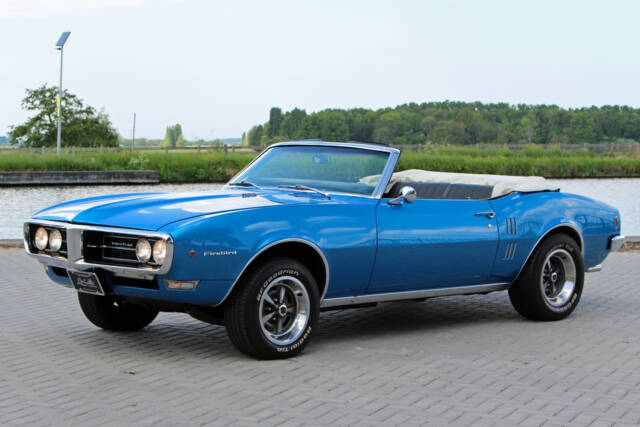
1968 | Pontiac Firebird Convertible
Compleet gerestaureerd

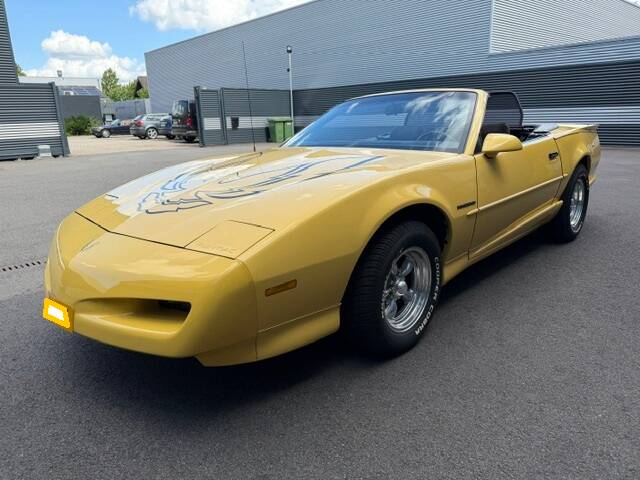
1992 | Pontiac Firebird TransAm
Pontiac FIREBIRD V8 Cabriolet
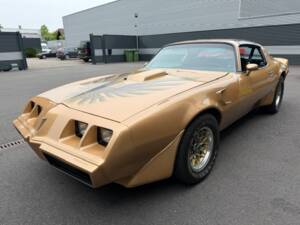
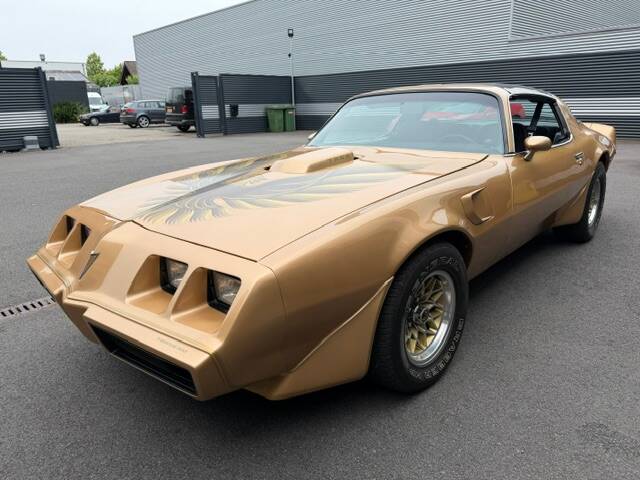
1979 | Pontiac Firebird TransAm
1979 Pontiac Firebird Trans Am
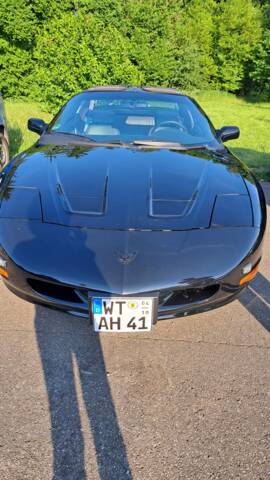
1997 | Pontiac Firebird
3,8l aus der letzten Lieferung in D

Newsletter
The best Pontiac listings, straight to your inbox
Get hand-picked Pontiac listings, plus the best of cars, motorbikes, and auctions on Classic Trader — all in one place.
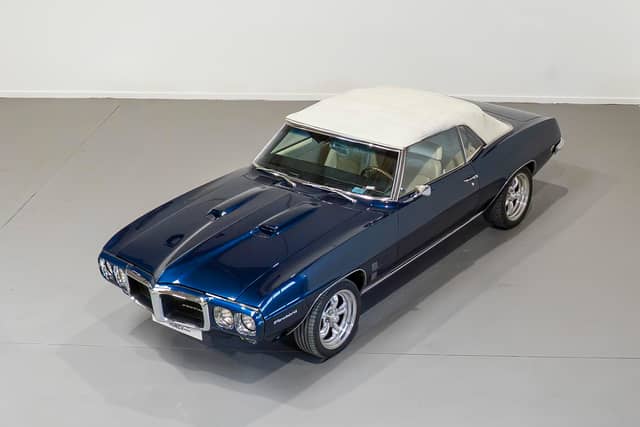
1969 | Pontiac Firebird
Schönes Pontiac Firebird Cabrio mit 330 PS!
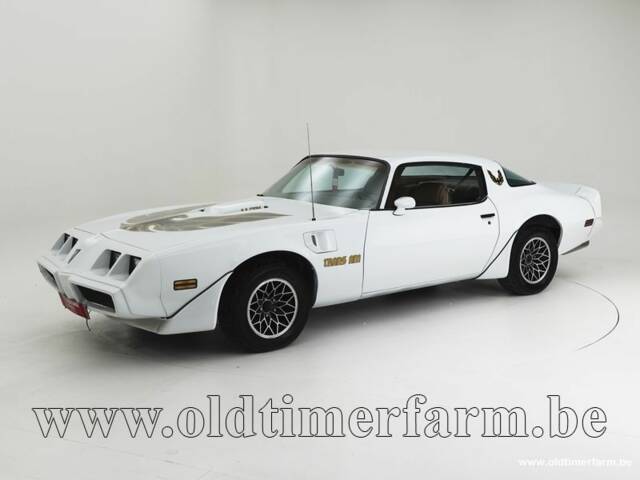
1981 | Pontiac Firebird Turbo TransAm
1981 Pontiac Firebird II Trans AM '81

Pontiac Firebird listing references from Classic Trader
Below you will find listings related to your search that are no longer available on Classic Trader. Use this information to gain insight into availability, value trends, and current pricing for a "Pontiac Firebird" to make a more informed purchasing decision.
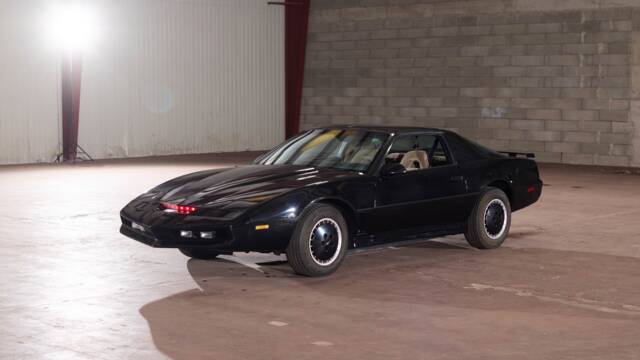
1984 | Pontiac Firebird TransAm
1984 Pontiac Firebird Trans Am as an extensively equipped K.I.T.T. replica

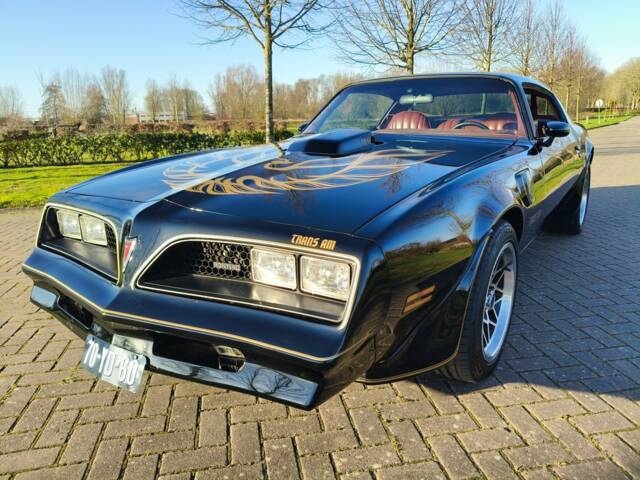
1977 | Pontiac Firebird TransAm
Pontiac Firebird Trans Am | 1977 | Route 66 Auctions - For sale by auction. Estimate 32500 EUR
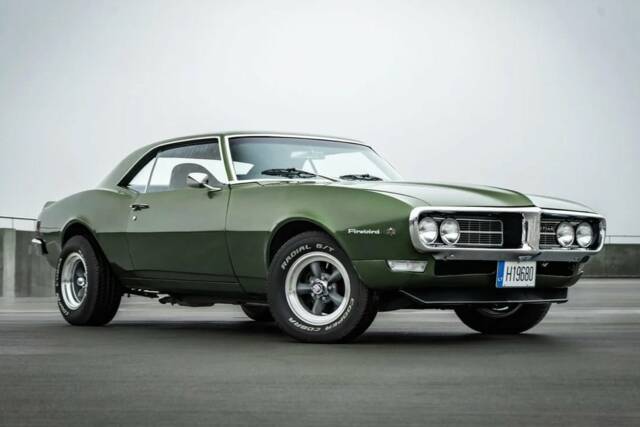
1968 | Pontiac Firebird
Pontiac Firebird | 1968 | Route 66 Auctions - For sale by auction. Estimate 21500 EUR
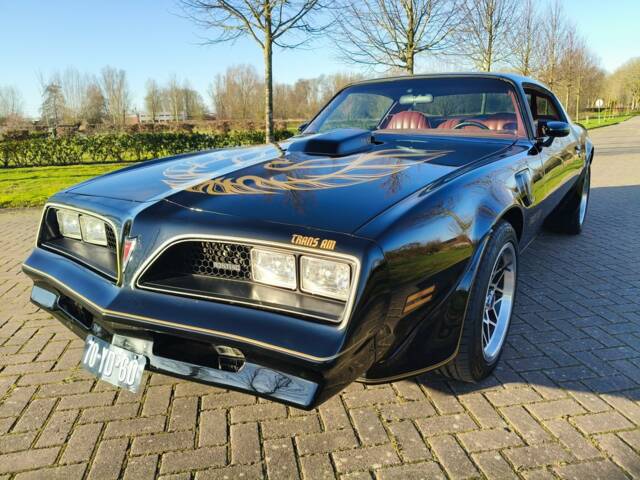
1977 | Pontiac Firebird TransAm
Pontiac Firebird Trans Am | 1977 | Route 66 Auctions - For sale by auction. Estimate 32500 EUR
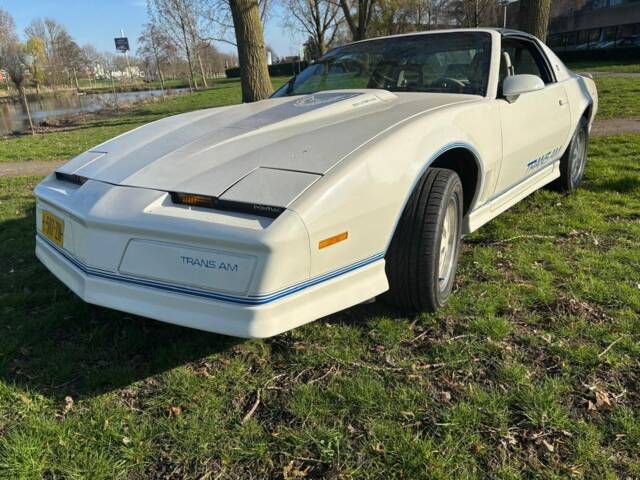
1984 | Pontiac Firebird TransAm
Pontiac Firebird Trans Am | 1984 | Route 66 Auctions - For sale by auction. Estimate 10500 EUR
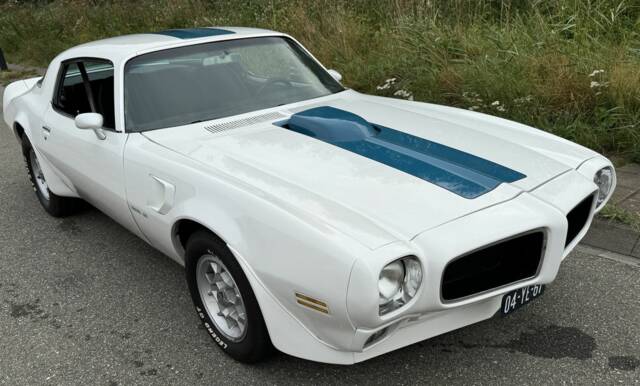
1977 | Pontiac Firebird TransAm
Pontiac Firebird Trans Am Coupe | 1977 | Route 66 Auctions - For sale by auction. Estimate 16500 EUR
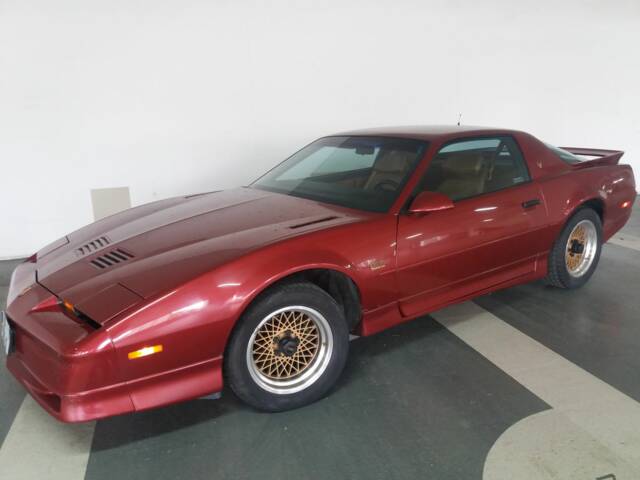
1990 | Pontiac Firebird TransAm
Pontiac Firebird Coupe | 1990 | Route 66 Auctions - For sale by auction. Estimate 13500 EUR
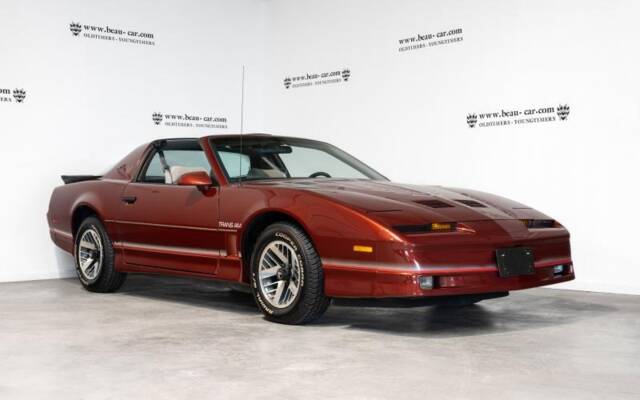
1986 | Pontiac Firebird TransAm
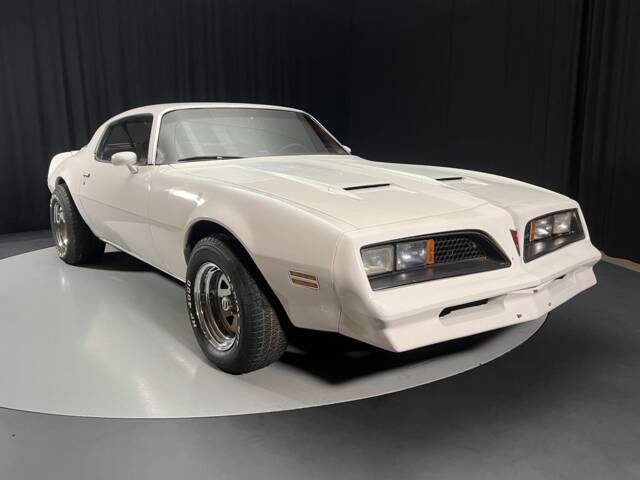
1977 | Pontiac Firebird Formula
Pontiac Firebird | 1977 | Route 66 Auctions - For sale by auction. Estimate 7500 EUR
Pontiac Firebird Classic Cars: Prices & Market Values
The market value of Pontiac Firebird classic cars is primarily determined by the specific manufacturer code and variant, as well as technical condition, originality and mileage. Additional factors include rarity, history and documentation. A well-maintained, largely original vehicle with low, verifiable mileage and complete history including appraisals and documentation typically achieves significantly higher prices than a comparable vehicle with deferred maintenance, many modifications or unclear provenance.
Pontiac Firebird: Market Prices & Value Trends
Based on sales data from the Classic Trader marketplace, the Pontiac Firebird market in Europe has remained broadly stable over the period from January 2021 to January 2026, with values mainly driven by generation, spec and originality rather than a simple year-on-year uplift. Most recent adverts cluster in the mid-market: typical asking prices for usable, correctly presented cars sit around €15,000–€40,000, covering many 1970s Firebird/Esprit models and 1980s–early 1990s Trans Am examples. Cheaper entry points do appear (rougher late cars around €7,000–€13,000), but these are less representative of well-sorted vehicles. At the top end, early first-generation cars (1967–1969), especially convertibles and higher-spec engines, frequently sit in the €45,000–€70,000 bracket, reflecting collector demand and lower supply; occasional extreme outliers (for example a six-figure Trans Am) should be treated cautiously. Regionally, many listings come from Germany, the Netherlands, Italy and Belgium, suggesting healthy cross-border demand for iconic US muscle styling and period-correct performance.
History of the Pontiac Firebird
Launched in February 1967, the Pontiac Firebird entered a rapidly developing US pony car scene. Conceived as Pontiac’s answer to the Ford Mustang and Chevrolet Camaro, the Firebird was initially available as coupe and convertible. The early cars already combined luxury options with aggressive powertrains. Over four model generations (1967–2002), the Firebird closely mirrored US society’s tastes: from striking muscle car power in the ‘60s and early ‘70s, through design and technical adaptation in the oil crisis years, to the wedge-shaped, pop-up headlight look of the 1980s and the modernised, aero-focused models of the 1990s. Cars like the Firebird Esprit and Formula joined the line-up, but the Trans Am edition, with its motorsport-inspired upgrades, soon became the best-known variant. The Firebird lived through regulatory upheavals, fuel crises, and economic challenges, but remained a symbol of US car culture until production ceased in 2002.
Model History and Generations
The Firebird’s four-generation lifespan started with the 1967–1969 models – the classic pony car look, available as coupe and convertible, powered by inline sixes or V8s. Second generation cars (1970–1981) were sleeker, dispensing with convertibles but adding new styling cues, stronger engines (up to 7.5 litres), and – from 1969 – the legendary Trans Am variant. The 1982–1992 third generation adopted sharp aero styling, pop-up headlights, and smaller, more efficient engines in line with economic reality, but the performance focus lived on, especially in Trans Am guise. The final fourth generation (1993–2002) offered a blend of ‘90s comfort and ‘classic’ muscle character, and closed the line with collector’s models such as the 2002 Trans Am WS6. Each model family responded to changing market needs, with equipment, engine, and body style options evolving rapidly.
Highlights and Unique Features
From the outset, the Firebird stood apart for its bold styling and range of powerful V8 engines, some exceeding 400 or even 455 cubic inches. The Trans Am editions brought motorsport-inspired features such as firmer suspension (WS6), functional hood scoops, and the now-famous flaming bird ‘Screaming Chicken’ bonnet decal. The T-top roof design, introduced in the late 1970s, offered drivers the open-air feel without full convertibility. Pop-culture appearances – notably the black-and-gold 1977–79 Trans Am SE in 'Smokey and the Bandit' and the high-tech KITT in 'Knight Rider' (1982) – cemented the Firebird’s status among enthusiasts in Europe and the US. Later editions included four-wheel disc brakes, upgraded sound systems, and a wide array of comfort and technology options.
Technical Data
Special Editions and Collectible Models
Numerous limited editions and high-profile collector models punctuate Firebird history. The Trans Am (from 1969) became a performance flagship, loaded with features such as upgraded engines and suspension. Especially sought-after: the 1977–79 Trans Am SE with black paint and gold detailing as in 'Smokey and the Bandit', the 10th Anniversary Edition (1979, silver, special trim), and, in the modern era, the 1993–97 Firehawk (Formula-based, SLP-tuned) and the 2002 Collector’s Edition Trans Am WS6 (yellow T-top/cabrio, stripes, alloys). Rare convertible conversions (NCE 1979) and factory T-top models are prized for their scarcity and specification.
Engine, Transmission and Handling
Firebird engines ranged from robust inline sixes and V6s for basic models to high-displacement V8s with significant torque. Early V8s peaked with the 455 cui Super Duty, while 1980s downsizing brought turbo V6 and four-cylinder options, with the best performance reserved for Trans Am models (WS6 suspension, four-wheel discs, stiffer springs). All Firebirds are rear-wheel drive, contributing to classic handling balance and predictable dynamics. Later models featured electronic carburation, improved braking (dual piston calipers, aluminium driveshaft from late models), and steady advances in suspension for safer, more enjoyable fast driving. - 1977–79 Trans Am SE: 6.6-litre V8, automatic/manual, T-top, gold-on-black finish (as seen in 'Smokey and the Bandit').
- 1970–73 Trans Am SD-455: 7.5-litre Super Duty V8, special cam and block strengthening.
- 1982–92 Trans Am: pop-up headlights, V8 or V6, iconic K.I.T.T. styling.
- 2002 Trans Am WS6: LS1 V8, 325 hp, four-wheel disc brakes, standout yellow Collector’s Edition.
Interior, Comfort, Exterior and Design
Firebird design is defined by dramatic bodywork: coke-bottle curves, split grilles, quad headlights (from 1977), flared wheel arches, and (from the second generation) prominent shaker hoods and spoilers. Trans Am models are instantly recognised by their aggressive graphics, deep chin spoilers, and the flaming bird motif by Norm Inouye. Interiors varied from basic to sumptuously trimmed: leather or velour seats, digital dashes, three-instrument pods, and overhead consoles appeared on later models. Equipment highlights include power windows, cruise control, air conditioning, tinted glass, and custom sound systems (including Delco stereos and seven-band graphic equalisers in the 1990s). Optional T-Top glass roofs were a desirable feature for open-air driving. Accessories such as Rally II wheels (classic) and WS6 alloys (later models) added a personalised finish.
Summary
The Pontiac Firebird remains a quintessential American sports coupe, spanning four generations of design and engineering evolution. Its reputation was shaped by thunderous V8s, rebellious styling, and standout appearance in film and TV. Collectors value its diversity – from pared-down base models to flamboyant Trans Ams and ultra-rare special editions. Demand is strongest for the second generation, underlining its classic car credentials. Its mixture of show, go, and authentic cultural status means the Firebird is still an anchor of the American and international classic car scene.