Toyota MR2 classic cars for sale
The Toyota MR2 stands as the first Japanese rear-mid-engine, rear-wheel-drive sports car, produced from 1984 to 2007 in three distinct generations. This compact two-seater offers agile handling, low maintenance costs, and mechanical simplicity, all in a package designed for driver engagement and everyday usability. Whether as a coupé or roadster, the MR2 has left its mark on sports car history.
Search results
Currently, there are no matching listings for your search.
Create search alert
Let yourself be notified as soon as a listing is published that matches your search filters.
Create listing
Do you have a Toyota MR2 that you want to sell? Then create a listing now.
Create listingToyota MR2 listing references from Classic Trader
Below you will find listings related to your search that are no longer available on Classic Trader. Use this information to gain insight into availability, value trends, and current pricing for a "Toyota MR2" to make a more informed purchasing decision.
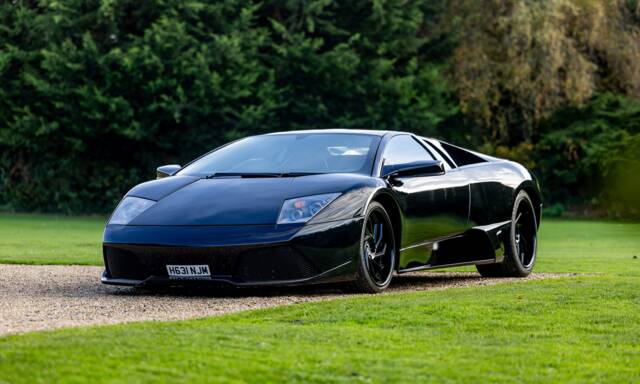
1990 | Toyota MR2
1990 Murcielago Evocation
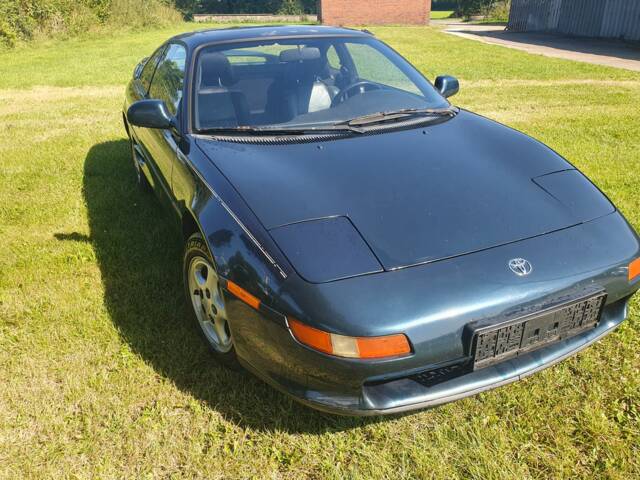
1992 | Toyota MR2 2.0 Turbo
Toyota MR2 W2 | 1992 | Route 66 Auctions - For sale by auction. Estimate 5500 EUR
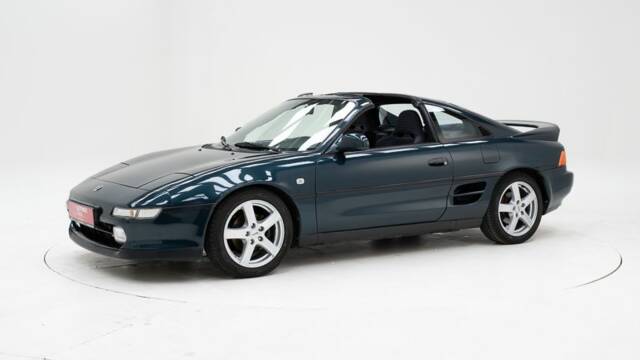
1992 | Toyota MR2
1992 Toyota MR '92
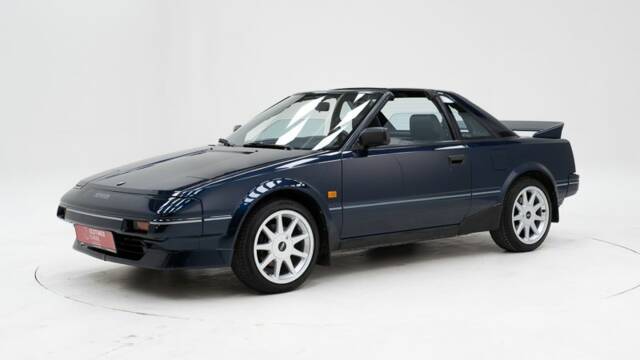
1989 | Toyota MR2
1989 Toyota MR '89
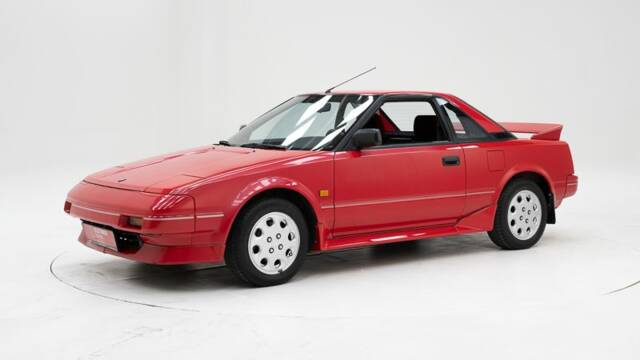
1986 | Toyota MR2
1986 Toyota MR '86
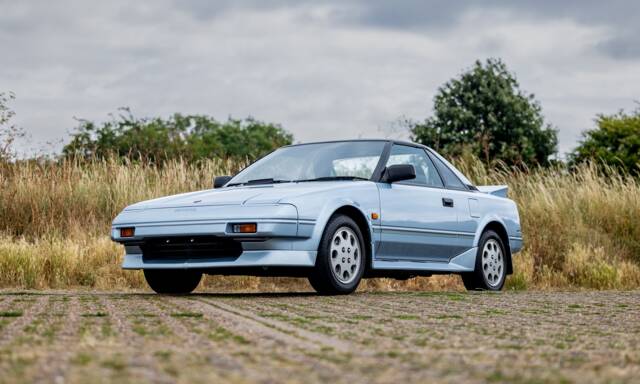
1989 | Toyota MR2
1989 Toyota MR2
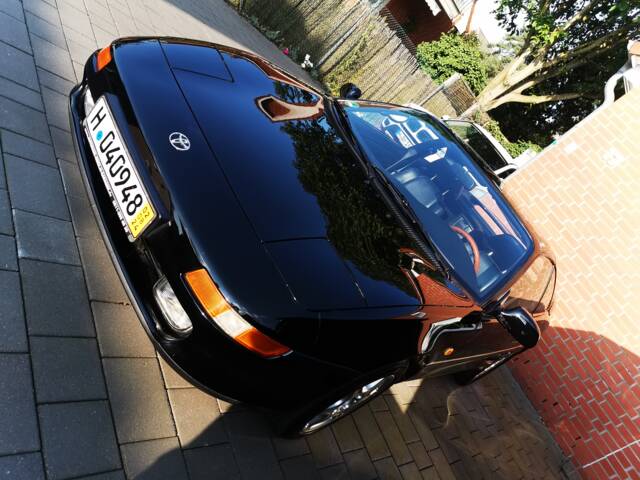
1990 | Toyota MR2
Original und unverbastelt
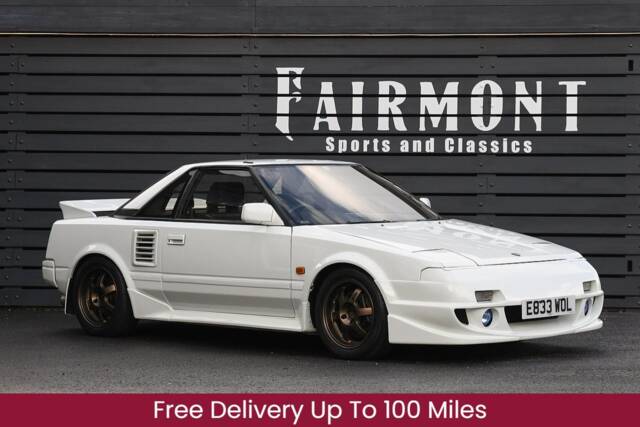
1987 | Toyota MR2
Factory Built Supercharger - Driver's Car
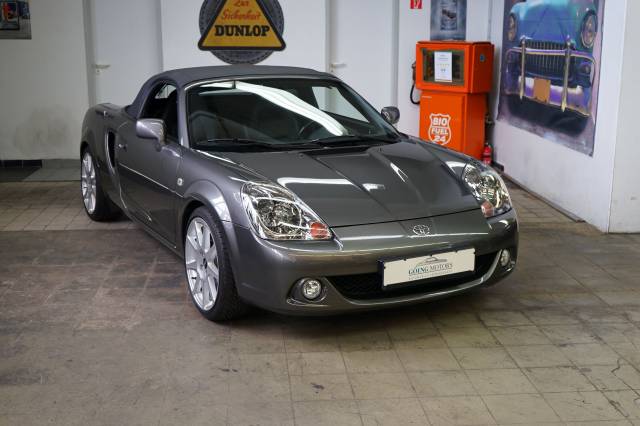
2005 | Toyota MR2 "Edition S"
Sammlerfahrzeug Edition S Nummer 32/100 original 15.160km
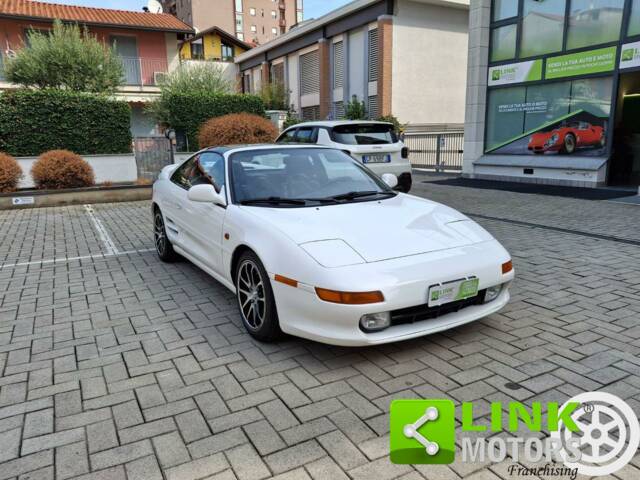
1992 | Toyota MR2 2.0 Turbo
TOYOTA MR 2 TURBO 2.0 16v 200cv
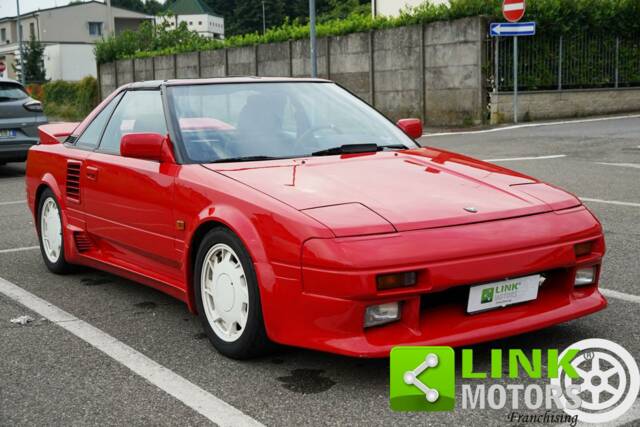
1987 | Toyota MR2
TOYOTA MR 2 AW11 1.6 16V 1987 - ISCRITTA ASI
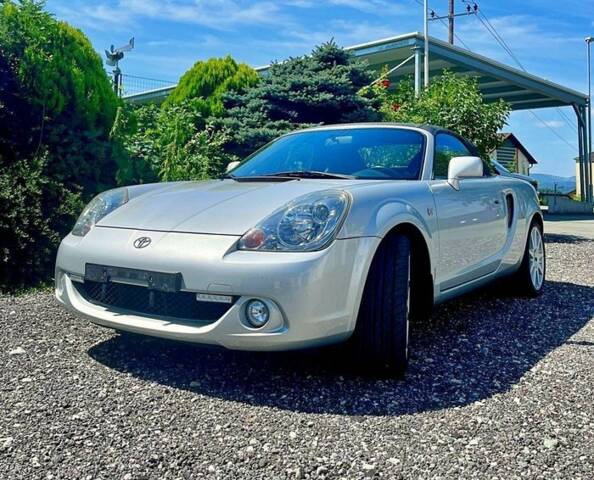
2004 | Toyota MR2
Toyota - MR2 - 2004
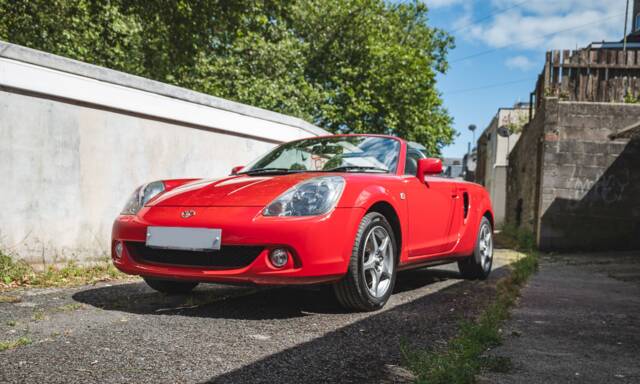
2004 | Toyota MR2
2004 Toyota MR2(No Reserve)
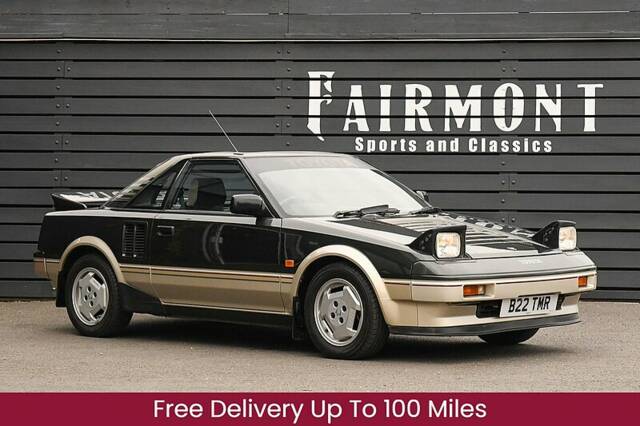
1985 | Toyota MR2
1985 | Toyota MR2
Create search alert
Let yourself be notified as soon as a listing is published that matches your search filters.
Create listing
Do you have a Toyota MR2 that you want to sell? Then create a listing now.
Create listingToyota MR2 Classic Cars: Prices & Market Values
History of the Toyota MR2
Toyota introduced the MR2 in 1984, targeting enthusiasts looking for an engaging mid-engine sports coupé with accessible running costs and Japanese engineering reliability. Born from the prototype "SA-X" and developed in cooperation with prominent names like Dan Gurney on track, the MR2 quickly gained a reputation for nimble handling and surprising performance. Influenced by period contemporaries like the Fiat X1/9 and Pontiac Fiero, Toyota's approach prioritised lightness, mid-engine balance, and practicality—features later echoing through three generations (W10, W20, W30) until the MR2's production ended in 2007.
Model history
The inaugural MR2 (AW10/AW11) was launched in 1984, running until 1989. It featured a 1.6-litre 16V DOHC engine, wedge-shaped body, and pop-up headlights—a distinct design of its era. From 1990, the second generation (SW20) arrived: a more refined, larger coupé, powered mostly by a 2.0-litre engine and offering innovations such as T-Bar roofs and luxurious interiors. In 1999, Toyota shifted to the third generation (W30), known in Europe as the MR2 Roadster. This iteration shed weight and included a 1.8-litre engine, manual soft-top roof, and the sharpest handling yet. The MR2 was discontinued in 2007, having become synonymous with light, mid-engined driving engagement.
Highlights and unique features of the MR2
The MR2’s mid-engine, rear-wheel-drive layout was unique for its class and era amongst Japanese cars. Lightweight construction, direct steering, and well-balanced chassis made all generations famously agile. The Mk1 (AW11) offered space-efficient luggage options front and rear, while the Mk2 (SW20) introduced T-Bar roofs for semi-open driving experiences. MR2s are often dubbed 'Baby Ferraris', especially in vivid shades like 'Super Red' with black accents. Reliable, robust, and easy to work on, the MR2 remains popular both with purists and those entering the world of classic sports cars.
Technical data
Special editions and sought-after versions
Several MR2s acquired notable status through limited editions and equipment packages. The Mk2 T-Bar with removable glass roof stands out for its rarer semi-open driving concept. Certain Mk2 models offered special interiors with Alcantara or leather, while unique paint colours like 'Super Red' hold cult status—often linked to the 'Baby Ferrari' moniker. Original accessories, including Targa roof bags and period-correct toolkits, further distinguish collectible examples. Japanese and US markets saw models labelled MR-S and MR2 Spyder, respectively, sometimes with market-specific features or emissions specifications.
Engine, transmission and handling
All MR2 generations are engineered for driver feedback and precise control. The mid-engined, rear-wheel drive layout delivers superior weight distribution, allowing planted cornering and quick direction changes. The Mk1 and Mk3 prioritise agility through low mass, while Mk2 models add more power and refinement. Notably, Mk2 GTi models achieve 0–100 km/h in 7.5–8 seconds, topping out around 225 km/h. The Mk3 Roadster enhances chassis sharpness further, with a featherweight build and lively 1.8-litre engine. - Mk1 (AW11): 1.6L, 124–130 PS, wedge design, pop-up headlights
- Mk2 (SW20): 2.0L, up to 156 PS, T-Bar option, improved luxury
- Mk3 (W30): 1.8L, 140 PS, 950 kg, soft-top roadster
Interior, comfort, exterior and design
Every MR2 generation brings distinct design elements. The Mk1’s wedge-shaped exterior and pop-up headlights are era-defining. The Mk2, with its more angular presence, offered features like the rare T-Bar roof and integrated spoilers. Inside, materials grew progressively higher in quality, from early sports seats and compact dashboards to later models with Alcantara trim, leather, and advanced equipment such as air conditioning and electric windows. The Mk3 transitions to a pure roadster with simple, focused cabin, enhanced seat support, and two-seat-only layout. Classic paint colours (especially 'Super Red') and unique accessories (e.g., targa bags, factory stereo systems) are highly valued among enthusiasts.
Other relevant features
The MR2 was conceived with global appeal but remains a niche favourite in Japan, Europe, and the USA. It was subjected to continuous technical upgrades across its lifespan, benefiting from late-generation safety and emissions improvements. The initial design was track-tested and tuned by figures from international motorsport, contributing to its rewarding driving feel.
Summary
The Toyota MR2 stands out as a rare example of reliable, affordable, and technically sophisticated mid-engine sports car engineering. Spanning three generations, it caters for every taste—from the sharp Mk1 coupé to the featherweight Mk3 Roadster. Its engaging dynamics, distinctive appearance, and robust simplicity have earned it a dedicated enthusiast following.