Rover Mini classic cars for sale
The Rover Mini unites British engineering ingenuity with genuine urban practicality. Built from 1959 to 2000, the classic Mini sets benchmarks in clever packaging and unmistakable design, making it a favourite for enthusiasts and collectors alike.
Search results
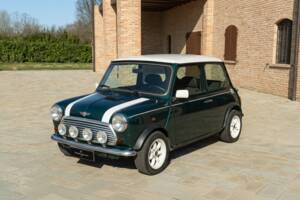
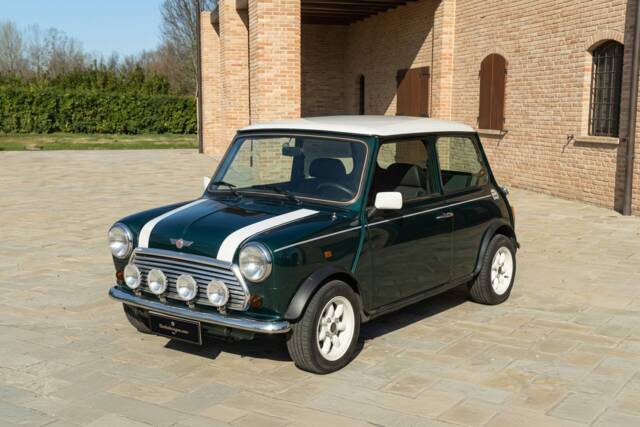
1994 | Rover Mini Cooper 1,3i
Mini Cooper 1.3

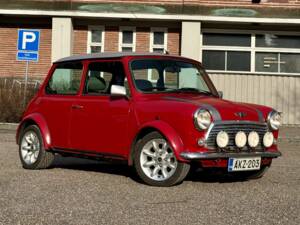
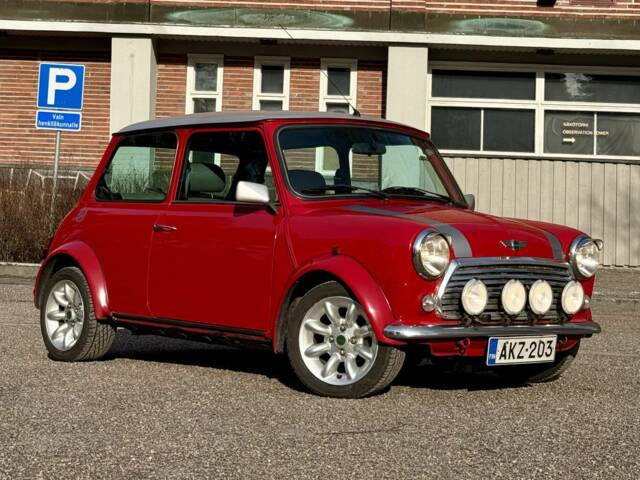
2000 | Rover Mini Cooper Sport
Rover Mini Cooper Sport | 2000 | Route 66 Auctions - For sale by auction. Estimate 10800 EUR

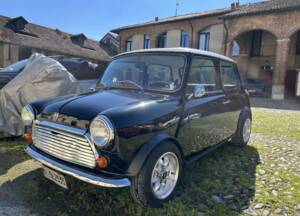
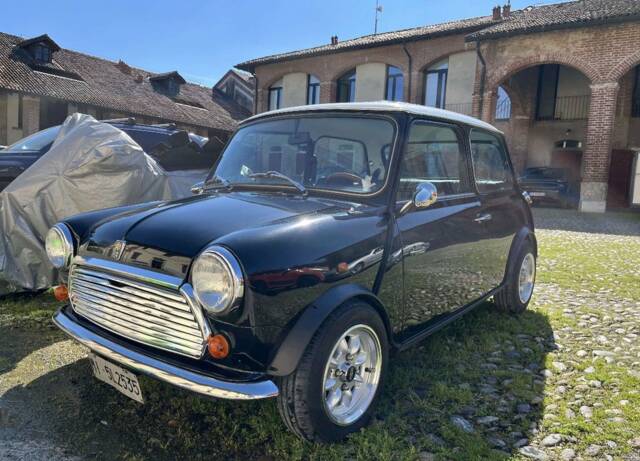
1989 | Rover Mini Mayfair
Rover Mini Mayfair | 1989 | Route 66 Auctions - For sale by auction. Estimate 6000 EUR
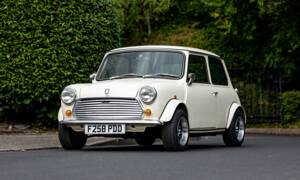
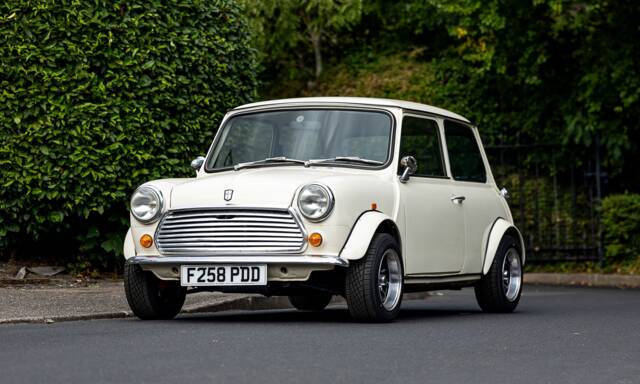
1988 | Rover Mini Mayfair
1988 Mini Mayfair

Newsletter
The best Rover listings, straight to your inbox
Get hand-picked Rover listings, plus the best of cars, motorbikes, and auctions on Classic Trader — all in one place.
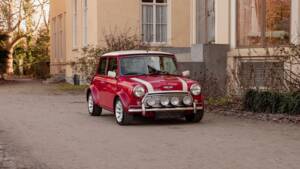
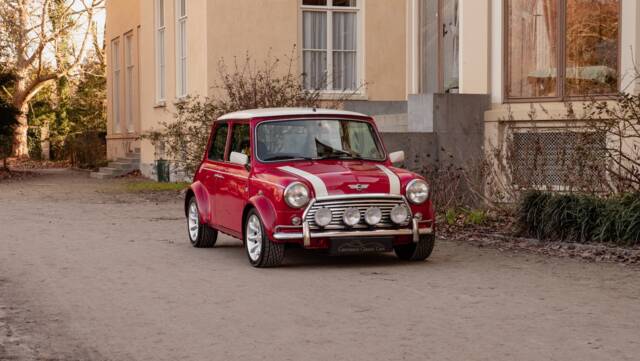
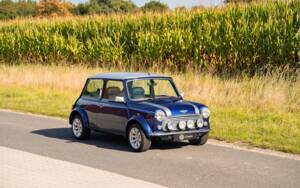
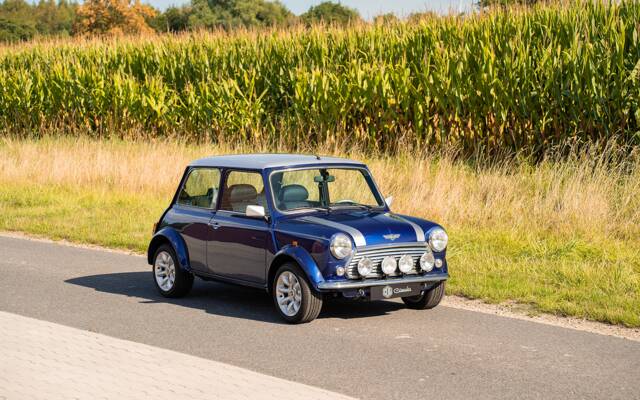

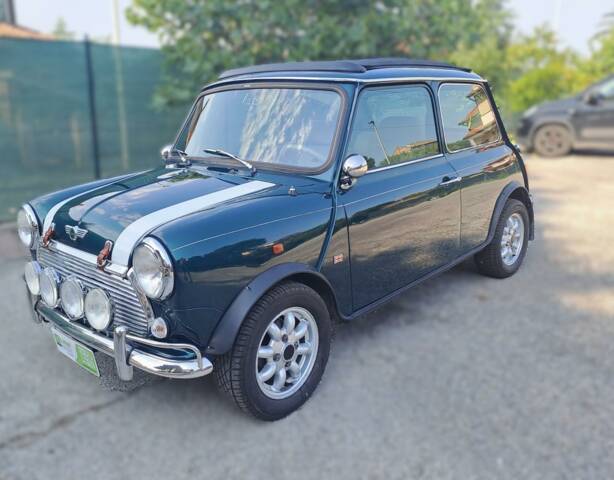
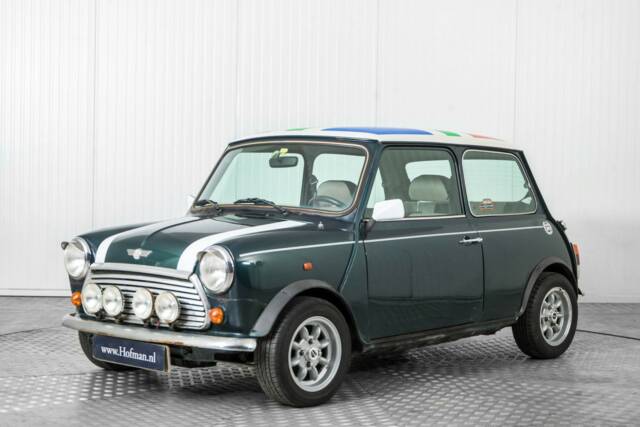
1996 | Rover Mini Cooper 1,3i
Rover Mini 1.3 Cooper injectie
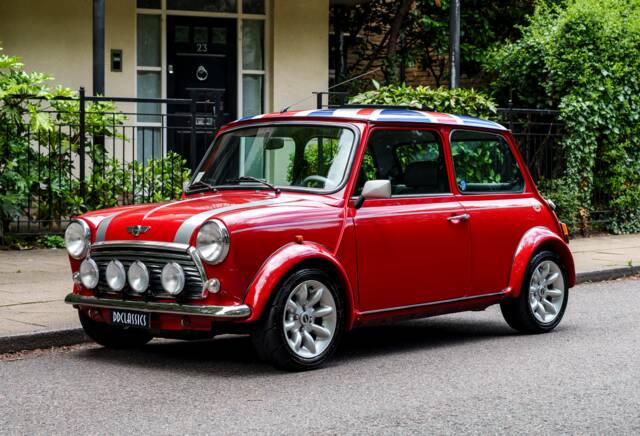
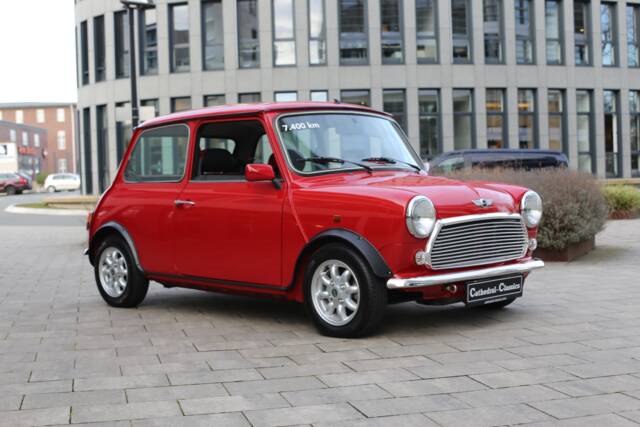
2001 | Rover Mini Seven 2000
Rover MINI Classic – se7en - Final Edition with 7323 km's
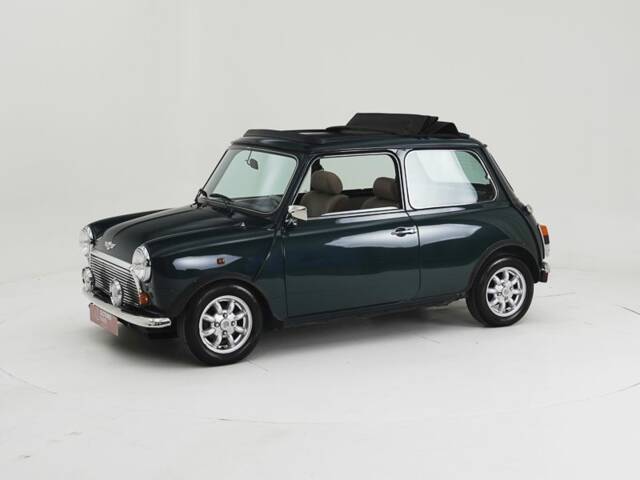
1996 | Rover Mini British Open Classic
1996 Mini British Open '96

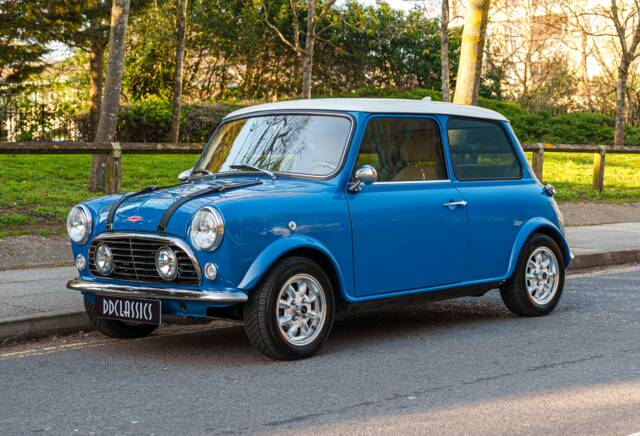
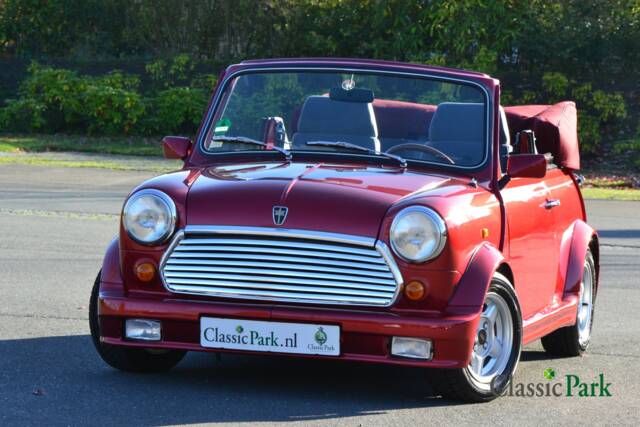
1995 | Rover Mini Cabriolet
Rover Mini Cabriolet
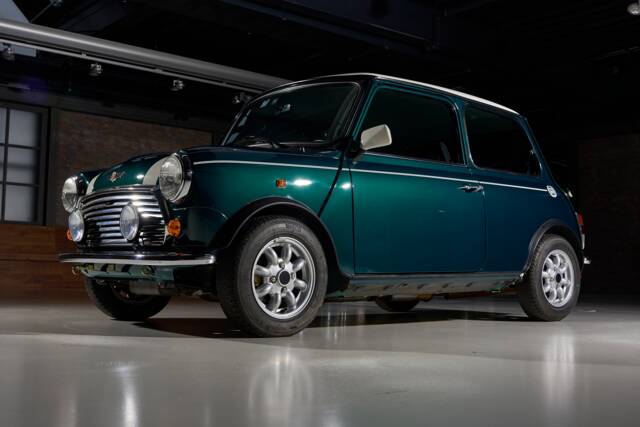
1993 | Rover Mini Cooper 1,3i
Nur 80 Kilometer mit einer Tageszulassung 1993 - Perfekter Sammlerzustand - Zeitkapsel!!
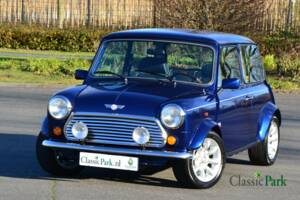
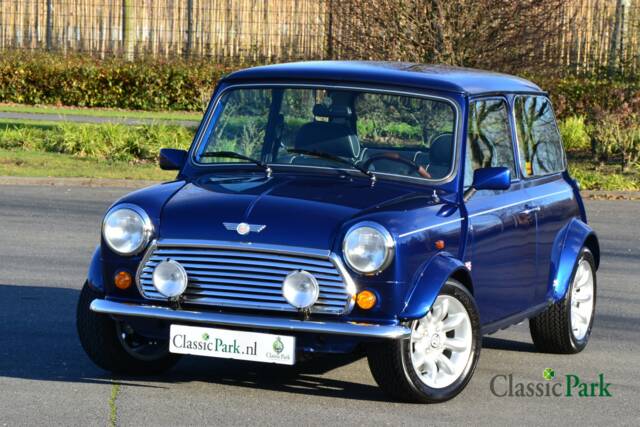
1996 | Rover Mini Cooper 1,3i
Rover Mini Cooper 1.3i "Blue Star"
Rover Mini Classic Cars: Prices & Market Values
The market value of Rover Mini classic cars is primarily determined by the specific manufacturer code and variant, as well as technical condition, originality and mileage. Additional factors include rarity, history and documentation. A well-maintained, largely original vehicle with low, verifiable mileage and complete history including appraisals and documentation typically achieves significantly higher prices than a comparable vehicle with deferred maintenance, many modifications or unclear provenance.
Rover Mini: Market Prices & Value Trends
Based on sales data from the Classic Trader marketplace, the Rover Mini market shows broadly stable pricing with a slight firming at the top end over the period January 2021 to January 2026. Most activity centres on late-era cars from the early 1990s to early 2000s (such as the Mini Cooper 1.3i, British Open Classic, Cooper Sport and Knightsbridge), where condition, originality and documented restoration work drive the biggest value swings. Across Europe, a realistic mainstream market range sits at roughly €8,000 to €25,000 for sound, usable examples, with entry-level cars (often Mayfair and standard 1.3i models) commonly appearing in the €5,000–€12,000 bracket. Limited editions and well-presented Cooper variants tend to transact higher, frequently around €15,000–€30,000. Convertible “Cabriolet” Minis are priced as niche collector cars and can command significantly more than the average, so they should be treated as specialist outliers rather than the benchmark. For buyers, this suggests a mature, resilient market where the best cars still attract a premium.
History of the Rover Mini
Conceived by Alec Issigonis during the late 1950s, the Mini arose from the aftermath of the Suez crisis, when demand grew for economical, compact cars. Issigonis sketched the initial design on a napkin, giving birth to one of Britain's most recognised cars. Originally produced by the British Motor Corporation (BMC), the Mini was marketed under Austin and Morris brands, later becoming a standalone marque. Production crossed multiple manufacturers—BMC, Leyland, Rover—and factories in many countries. By the time production ended in 2000, more than 5.38 million units had been built, making it the UK’s best-selling vehicle ever. Its transverse engine and space-saving innovations maximised interior room, setting new standards for front-wheel-drive hatchbacks. The Mini outlived many of its intended successors and continues to thrive in popular culture, thanks to films, celebrities, and motorsport success.
Model history of the Mini under Rover
The Mini evolved substantially over four decades but retained its core structure and front-wheel-drive layout throughout. Initially launched as the Austin Seven and Morris Mini, the line was unified under the 'Mini' brand from 1969. Under Rover's stewardship from 1990, technical updates were introduced, including electronic fuel injection (first Single Point, then Multi Point) and emissions improvements, particularly in the Cooper models. Comfort and safety were enhanced in the final years with airbag integration and structural reinforcements. Numerous limited and luxury editions were launched during the 1990s. The last classic Mini, the so-called Final Edition, rolled off the line in 2000. Subsequent MINI models (capitalised, no longer a Rover product) were produced under BMW, marking the end of the original era.
Highlights and statistics of the Rover Mini
The Rover Mini delivers a rare mix of dynamic charm and straightforward mechanical design. Its short wheelbase, upright seating, and advanced-for-the-time space efficiency are standouts. Externally, models are identifiable via details like round headlights, compact overhangs, and the signature floating roof. Standout colours include British Racing Green, Tartan Red, Tahiti Blue, and contrasting white or black roofs. Special editions, such as the British Open and Paul Smith, showcase unique trims and badges. The interior ranges from simple, wipe-clean surfaces to high-spec leather and burl wood dashboards in luxury editions. Equipment can include sunroofs, sporty Minilite-style alloys, rally spotlights, and more. The enormous parts and tuning scene, plus great club support and documentation, ensure strong enthusiasm across all variants.
Technical data of the Rover Mini
Special editions and rare models
Numerous special editions were produced, especially in the 1990s, often in limited runs with specific paintwork, badging, and equipment. Popular examples include the British Open Classic (with panoramic sunroof), Mayfair (upmarket interior), Cooper 35th Anniversary (in honour of Mini’s history, only 200 built), Knightsbridge (luxury trim), Paul Smith Edition (exclusive blue paint and details), and Final Edition (last of the line). Cabriolet and limited sport edition variants such as the Sportpack further diversify the range. These models are recognised for their collectible status, refined interiors, or bespoke colour palettes.
Weak spots and maintenance of the Rover Mini
Buyers should inspect all bodywork for rust, especially in structural zones like the sills, windscreen frame, rear valance, and wheel arches. Mini subframes are known rust points, so check thoroughly underneath. Drainage from sunroofs and water ingress can accelerate corrosion. Running gear and steering are robust but can wear—look for slop in the rack and bushings. Later electronic injection systems are more reliable but may suffer from sensor faults; earlier carburettor models require regular tuning. Regular servicing, especially oil changes given the shared engine/gearbox oil, is crucial to longevity. Parts supply is excellent and most repairs are straightforward.
Performance and driving experience
The Mini’s front-mounted engine and front-wheel drive give a direct and agile driving experience. Suspension uses rubber cones—a unique solution that delivers a surprisingly sporty ride and go-kart-like feedback. Later Coopers and MPI models with up to 63 bhp can reach speeds near 148 km/h, accelerating from 0–100 km/h in as little as 11.2 seconds (model-dependent). With a low centre of gravity, minimal mass, and fast-reacting steering, the Mini is nimble on twisty roads and well-suited to city conditions. Brake and clutch are simple but effective; the four-speed gearbox is light but can wear synchros over time. - MK VI and MK VII (most common and sought-after)
- Cooper (especially 1991 onward, strong performance)
- Mayfair and anniversary editions for luxury/trims
- Sportpack for aggressive stance and handling improvements
- Cabriolet and special runs like 'Final Edition' for rarity and style
Interior and exterior design, comfort and options
Design-wise, the Mini is instantly recognisable with its compact stance, round headlights, chromed grille, and stubby body. Paint schemes range widely, with British Racing Green, Old English White, Tahiti Blue, and Italian Job replicas standing out. In later Rovers, interiors received luxury upgrades—walnut dash panels, quality leather seats (sometimes with piping), and designer touches in limited models (e.g., Paul Smith’s signature blue interior). Sunroofs—some electric or large folding types—appear on several editions. Comfort equipment stepped up through the 1990s, introducing airbag, improved soundproofing, updated switches, alarm/immobiliser systems, and optional air conditioning. Alloy wheels, rally-style spot lamps, and Union Jack motifs contribute to a vibrant aftermarket and enthusiast scene.
Other features and facts
The Mini is highly customisable—factory and aftermarket options abound, from Hi-Lo adjustable suspension kits to full rally or touring car conversions. Electronics are simple but functional; late models gained H4 halogen lights, heated rear screen, central locking, and, in rare cases, power windows. The parts network is vast, maintenance is affordable, and nearly every trim or accessory is documentable. Club support and event participation is also exceptional, with specialist expertise readily available throughout the UK and Europe.
Summary
A Rover Mini offers a distinctive British driving experience with enduring charm, clever packaging, and unmatched city agility. Enthusiast networks, strong parts supply, and a vast scene for tuning and restoration make it a practical classic. Though build quirks and rust risks are present, late Minis, especially MK VI and MK VII, reward attentive owners with reliability and enjoyment. Numerous rare and limited editions further broaden the appeal for collectors and fans.