Rover 3 Litre – Classic Cars for Sale
The Rover 3 Litre, produced from 1958 to 1973, was renowned as an executive car, often preferred by government officials and even reportedly by Queen Elizabeth II. Distinguished for its sophisticated British design, smooth six-cylinder engine, and both saloon and unique four-door coupé options, it set new standards for comfort and engineering among its contemporaries.
Résultats de la recherche
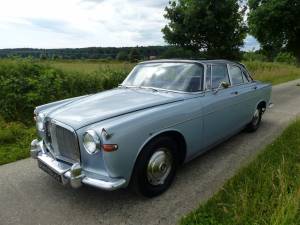
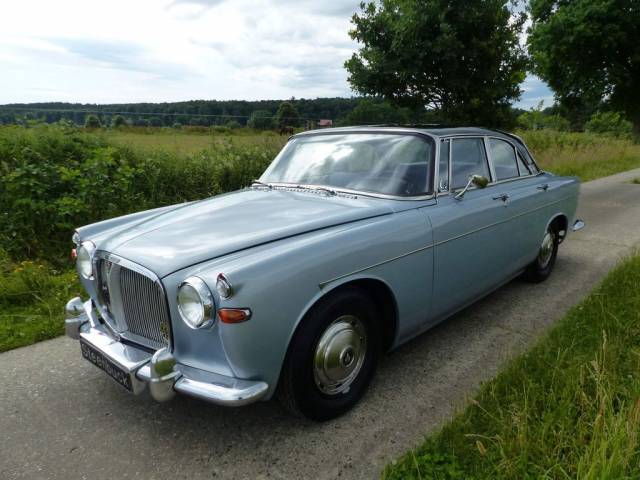
1964 | Rover 3 Litre Mk II
Rare classic

Rover 3 Litre listing references from Classic Trader
Below you will find listings related to your search that are no longer available on Classic Trader. Use this information to gain insight into availability, value trends, and current pricing for a "Rover 3 Litre" to make a more informed purchasing decision.
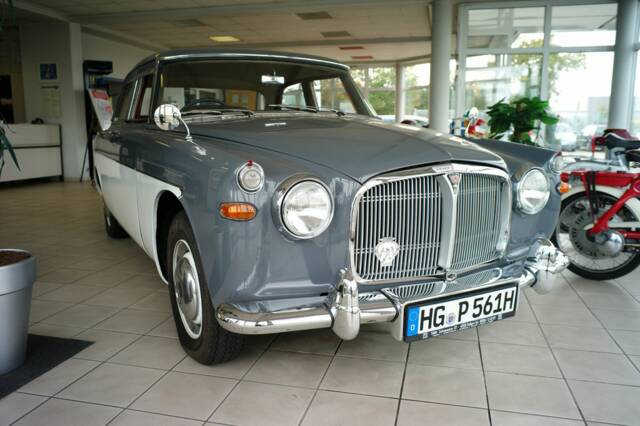
1961 | Rover 3 Litre Mk IA
Rover Mk I Saloon | 1961 | Route 66 Auctions - For sale by auction. Estimate 11500 EUR

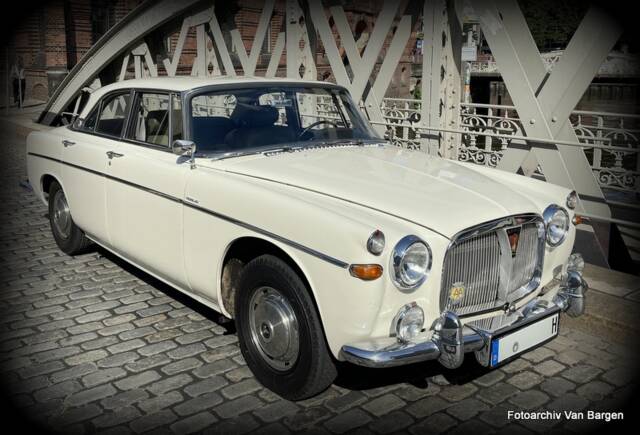
1966 | Rover 3 Litre Mk III
Originaler Linkslenker mit Europäischer Erstzulassumg
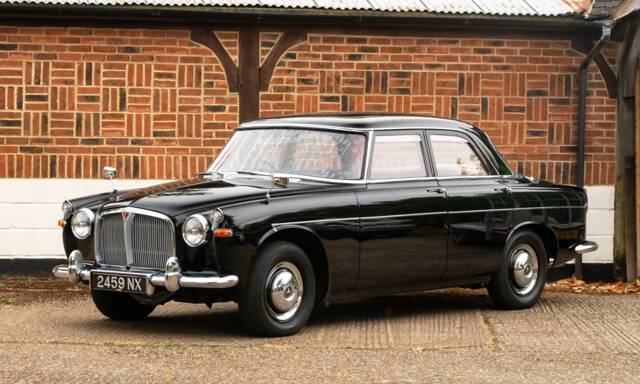
1959 | Rover 3 Litre Mk I
1959 Rover P5 Saloon (3.0 Litre)

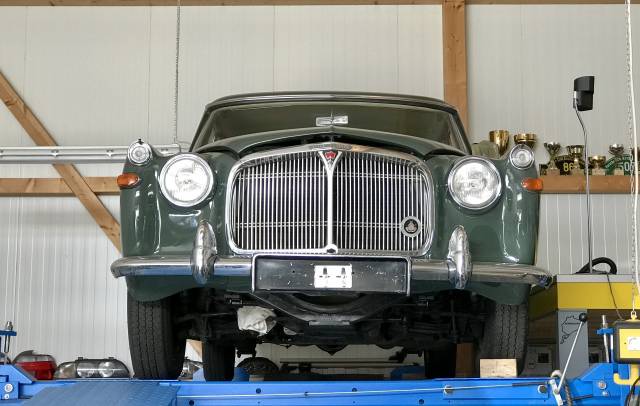
1962 | Rover 3 Litre Mk IA
Swiss delivery
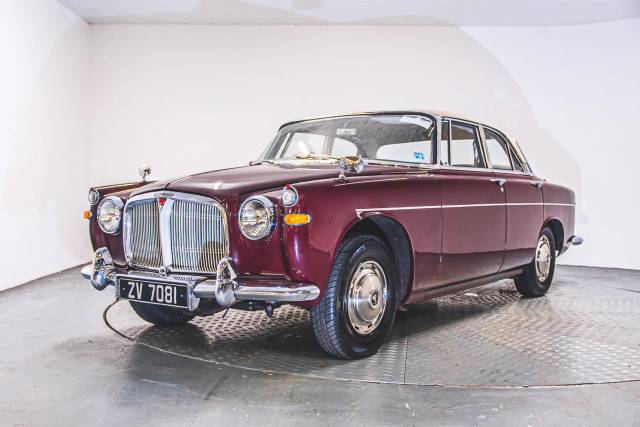
1964 | Rover 3 Litre Mk II
Iconic British Motoring - Dry Stored
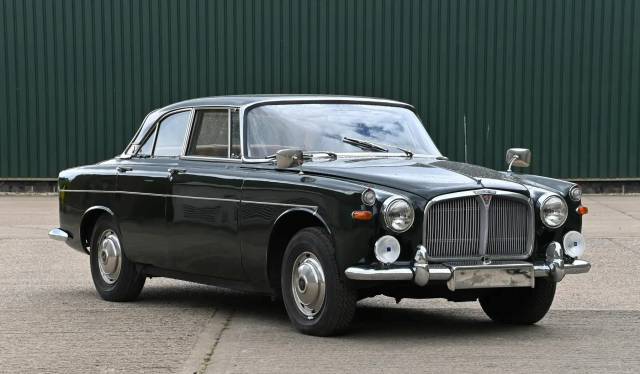
1965 | Rover 3 Litre Mk II
Low Miles - Rare Brit Classic - Project
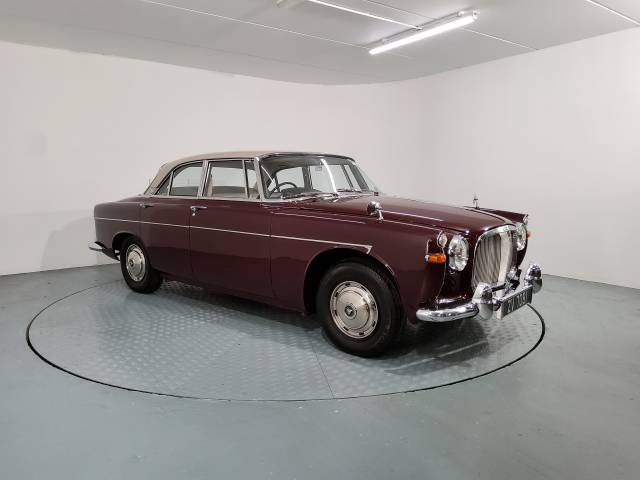
1964 | Rover 3 Litre Mk II
1964 Rover Coupe P5
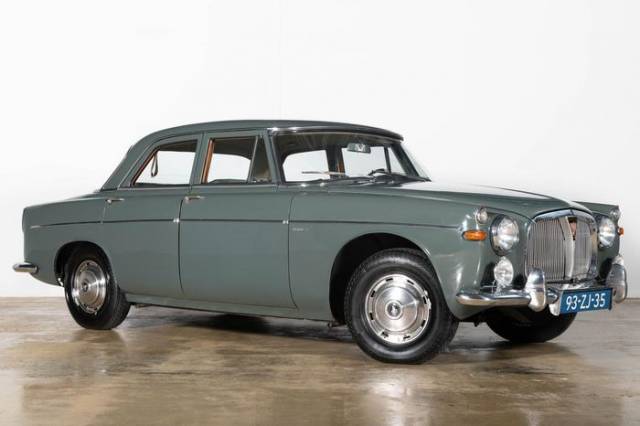
1966 | Rover 3 Litre Mk III
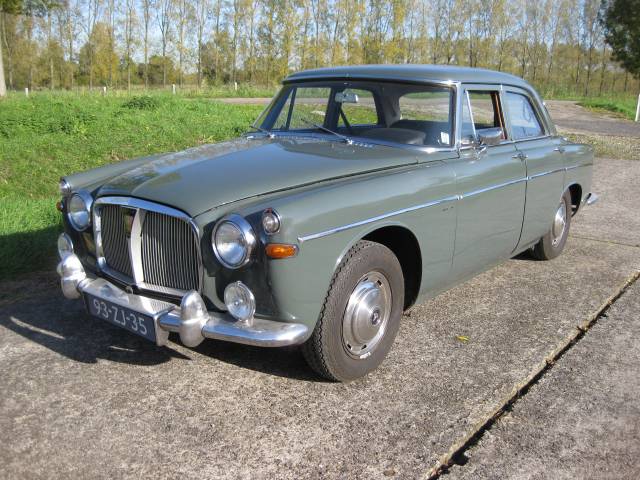
1966 | Rover 3 Litre Mk III
Zeer mooie auto compleet in orde, roest en schade vrij
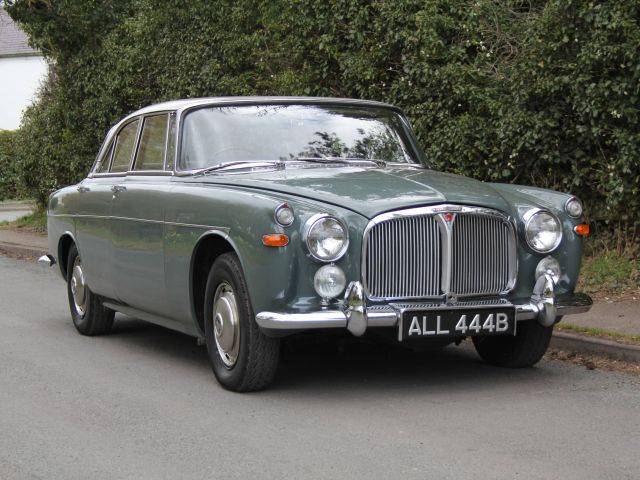
1964 | Rover 3 Litre Mk II
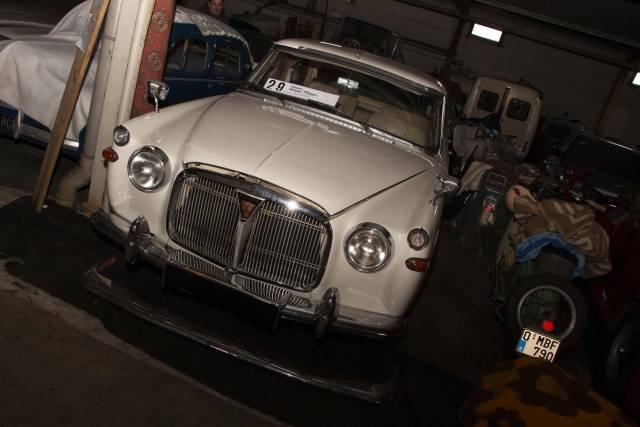
1966 | Rover 3 Litre Mk IA
Rover P5 3.0 1966

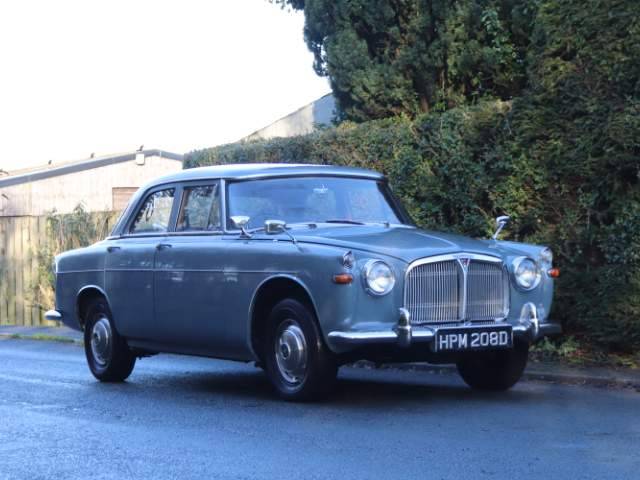
1966 | Rover 3 Litre Mk III
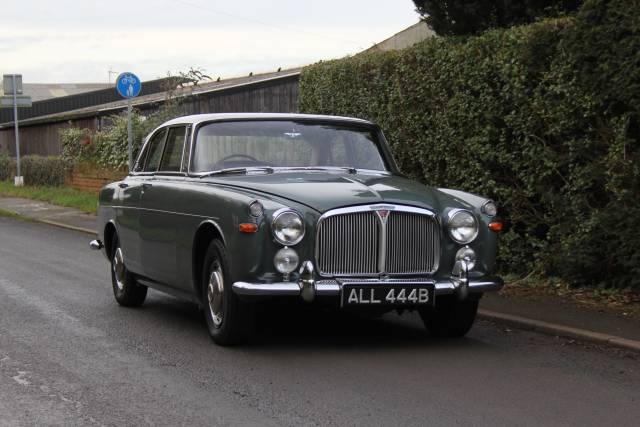
1964 | Rover 3 Litre Mk II
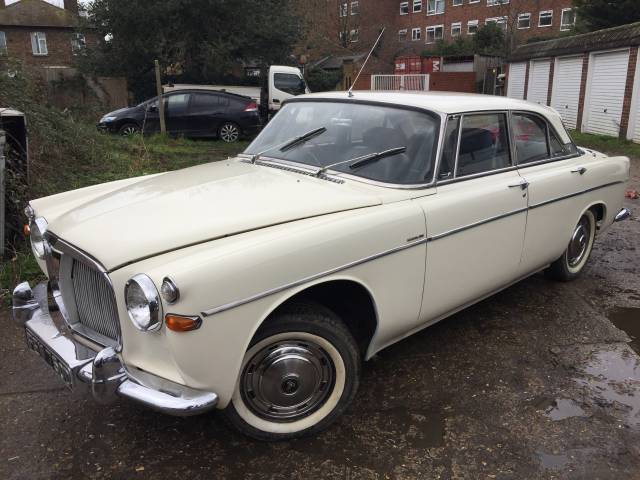
1966 | Rover 3 Litre Mk III
One previous owner from new 55000 miles
Rover 3 Litre Classic Cars: Prices & Market Values
History of the Rover 3 Litre
The Rover 3 Litre emerged in 1958 as part of the P5 series, marking Rover’s move into the upper mid-range segment. Succeeding the smaller P4, the 3 Litre became a favourite among British state officials and entered popular culture as the car of the establishment. Notably, the car offered technical sophistication for its era, such as the IOE six-cylinder engine and available features like automatic transmission, power steering, and disc brakes. Over its lifespan, the P5 series received several updates, culminating in over 10,000 units of the later models being built up to 1973.
Model History
The first Rover 3 Litre (P5 Mark I) launched in 1958, fitted with a 2.995 cc inline six-cylinder engine outputting 115 bhp. Mark I production was relatively limited before being succeeded in 1962 by the Mark II, which offered minor power increases and improved suspension for better handling. Crucially, a distinctive four-door coupé variant debuted, boasting a lower roofline for a sleeker profile. The Mark III arrived in 1965 with further power refinements, producing up to 134 bhp and expanded comfort features. In 1967, the final version, initially called 'Rover 3 Litre' in some markets but often known as the 3.5 Litre, received the significant upgrade to Rover’s robust V8 engine, holding production until 1973. During these phases, both saloon and coupé forms were kept, with each update reflecting advancements in luxury, mechanics, and elegance.
Highlights and Distinct Features
The defining feature of the Rover 3 Litre was its blend of dignified design and technical superiority. The model was offered in both classic saloon and the unique four-door coupé body, the latter with its lowered roof setting new styling trends that were later adopted by other manufacturers. Inside, British craftsmanship was evident in materials used and build quality. Options included an automatic transmission, overdrive, Burman power steering, and—later—Hydrosteer power steering as standard for the coupé. The six-cylinder engine’s innovative IOE design was carried over from the P4, and the car’s ride was praised for its comfort, aided by its suspension and sound insulation.
From our data, listings and interest for the Rover 3 Litre (manufacturer code P5) constitute 100% of Rover P5 models on our marketplace. This underscores how sought after and unique the 3 Litre variant is within the classic Rover lineup.
Technical Data
Special Editions and Noteworthy Variants
The most notable special variant within the 3 Litre range was the four-door coupé, introduced in 1962 with the Mark II and further refined with each subsequent update. Its sleek roofline and hardtop look distinguished it sharply from the saloon. Optional extras, such as factory-fitted black roofs, additional mirrors, radios, safety belts, and overdrives, added further exclusivity. These rare configurations, especially right-hand and left-hand drive coupés with unique colour combinations or factory options, are especially regarded by collectors.
Engine, Performance, Transmission and Handling
Early 3 Litre models offered a refined, torque-rich driving experience, with the six-cylinder engine providing up to 217 Nm at low revs for relaxed, effortless cruising. The manual 4-speed gearbox with overdrive or automatic transmission options allowed buyers to tailor performance to their taste. The Mark III, with its uprated 134 bhp engine, boosted top speed to around 174 km/h, a notable figure for a luxury saloon of its time. The introduction of front disc brakes and continuous improvements to the suspension provided the 3 Litre with a secure, composed ride typical of large, well-engineered British cars. When the V8-engined 3.5 Litre arrived, performance and driving dynamics took a significant leap, making this version especially sought by enthusiasts who appreciate a balance of luxury and power. Among the most highlighted P5 models are:
- Mark II Coupé (noted for its rare four-door layout, lowered roof, Hydrosteer power steering, and improved handling)
- Mark III Saloon (for increased power, comfort features)
- 3.5 Litre V8 (for significantly enhanced performance and modernisation within the model family). Key technical specifications for these are covered in the section above.
Interior, Comfort, Exterior and Design Features
The Rover 3 Litre’s design language was unmistakably reserved yet upmarket, with subtle chrome accents, classic British coachwork proportions, and stately lines. The coupé, with its lower roof and frameless windows, created a hardtop-like presence. Interiors boasted wood veneers, leather seats, and a clear, user-friendly instrument layout. British sensibilities dominated the trim, with understated piping, rich carpets, and options such as push-button radios and safety belts. Unique elements like the optional black roof gave further individual expression. Both saloon and coupé variants were available as left- or right-hand drive from the factory, suitable for diverse export markets. Rare colour packages and interior trims remain of special interest.
Further Noteworthy Features
Accessories from the factory included radios, overdrive transmissions, safety features such as seat belts, and exterior mirror options. Notably, the 3 Litre pioneered the four-door coupé concept in the British market—decades before similar styling arrived in models from Mercedes-Benz and others.
Summary
The Rover 3 Litre, an influential model of post-war British luxury motoring, combined forward-thinking engineering, a distinguished presence, and robust build quality. Whether in saloon or coupé form, it stands out among classic Rovers for its technical refinement, sophisticated comfort, and unique place in British motoring history—qualities reflected by its continued strong market presence and demand among classic car aficionados.