1946 | Rolls-Royce Silver Wraith
£450,000
1 / 50

1946 | Rolls-Royce Silver Wraith
£450,000
1946 | Rolls-Royce Silver Wraith
£450,000
🇬🇧
Dealer
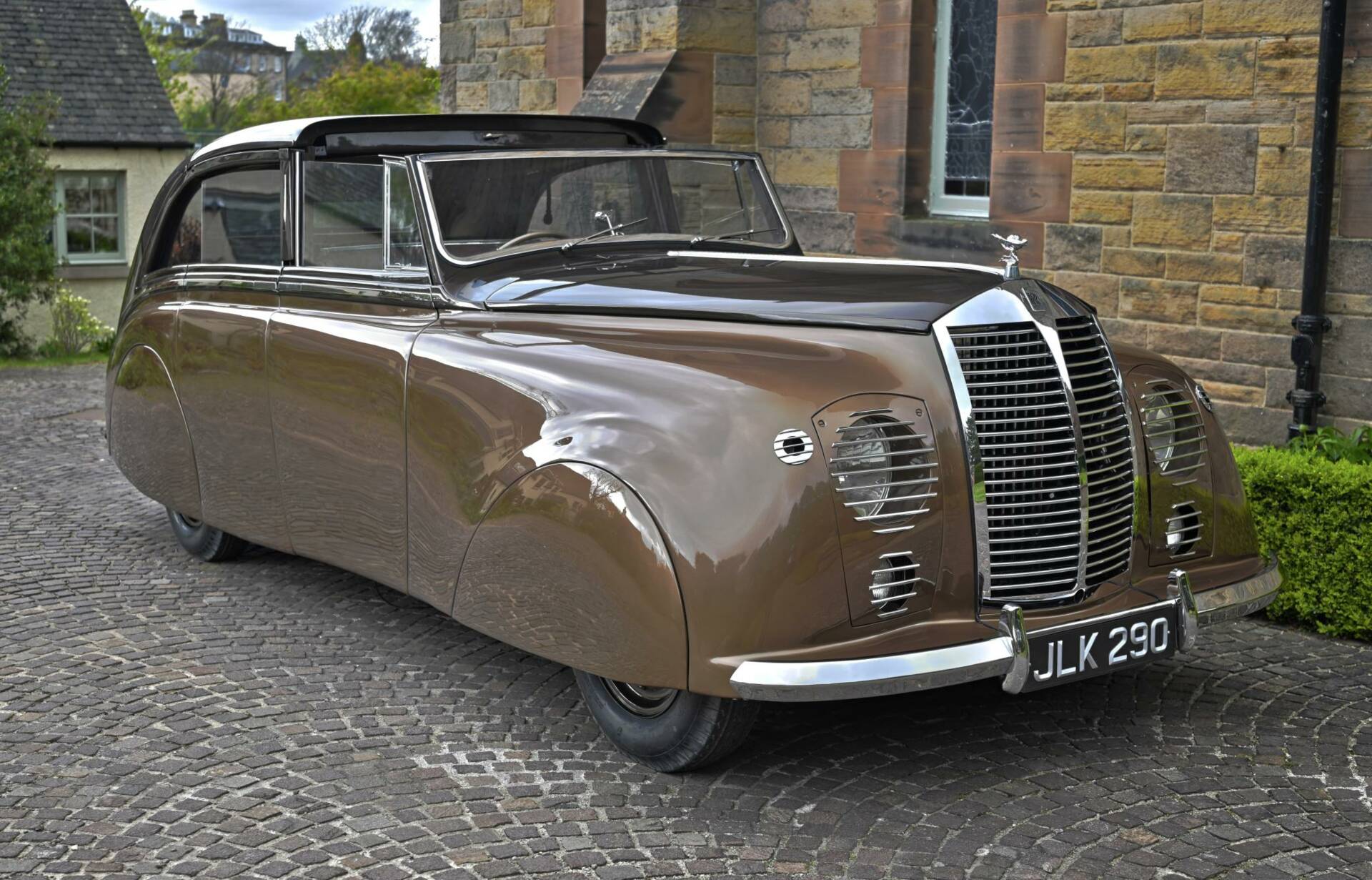
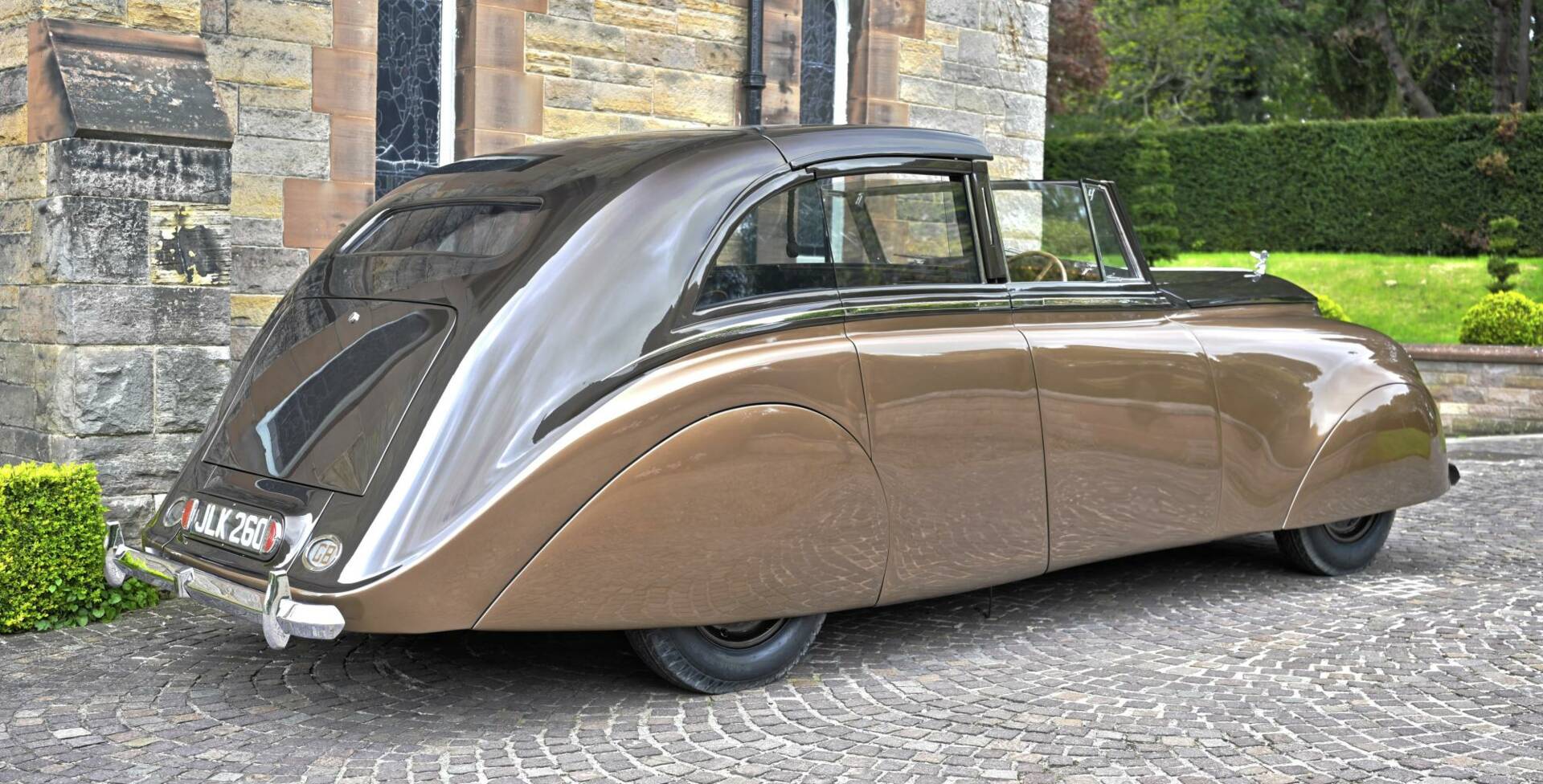
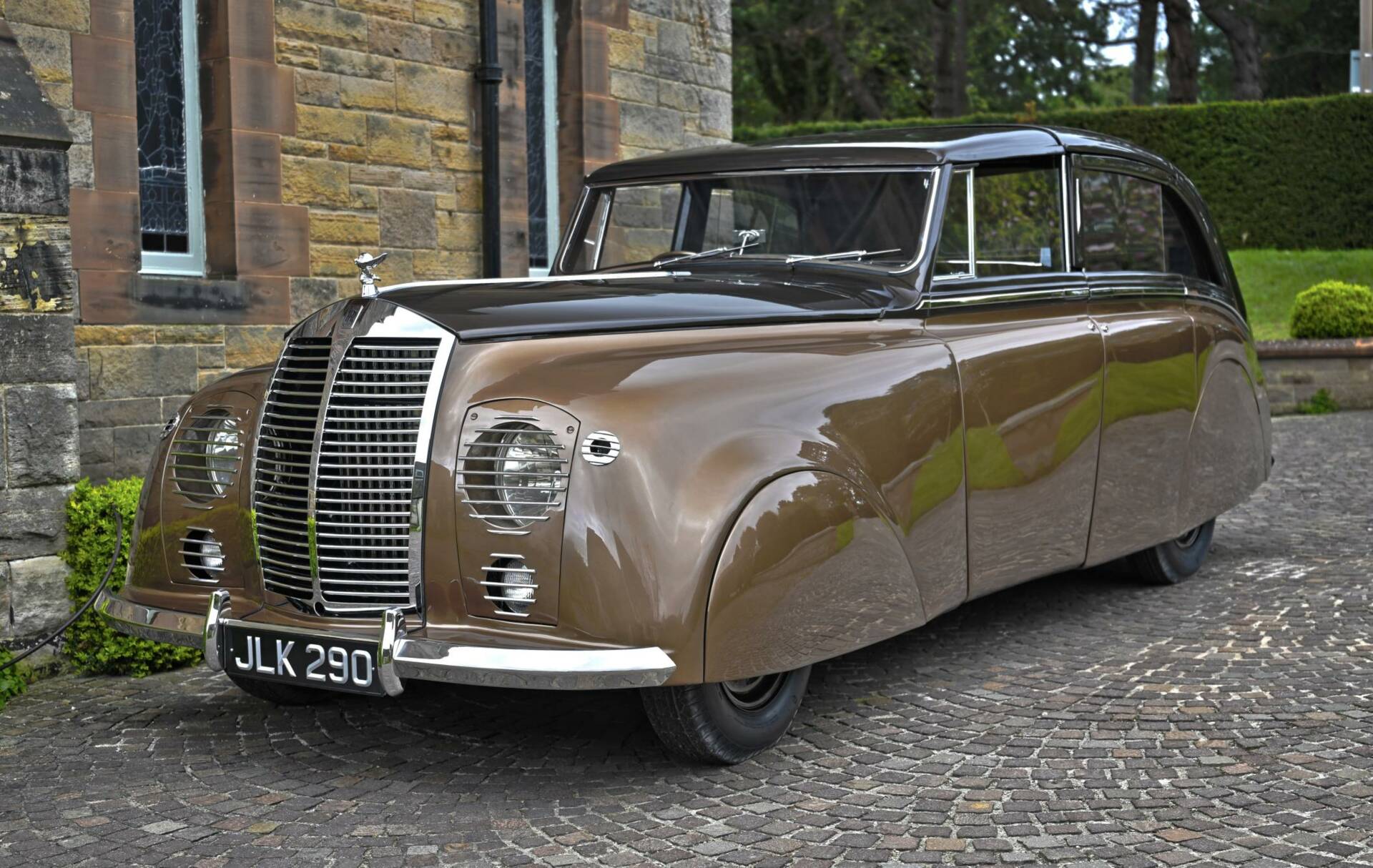
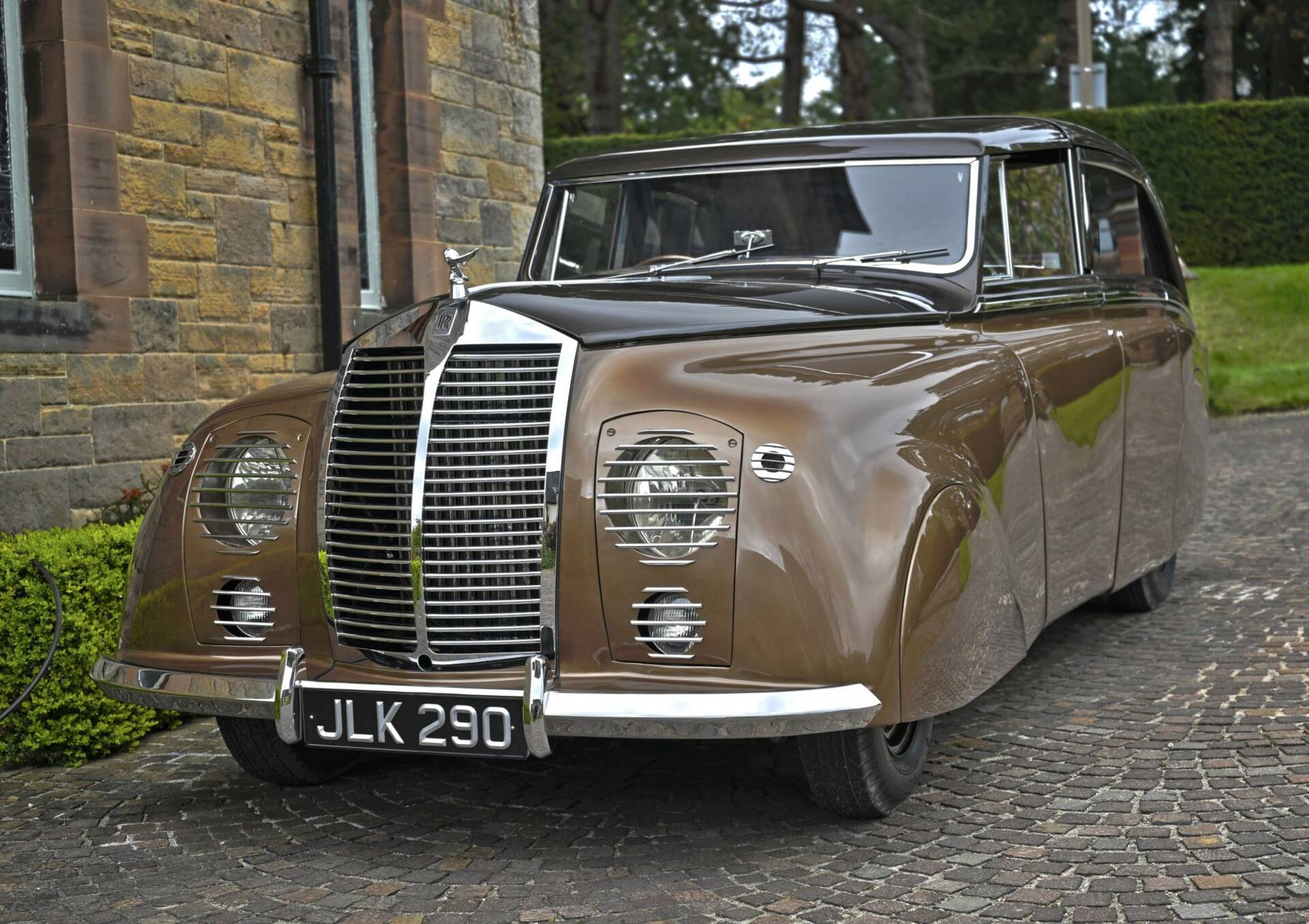
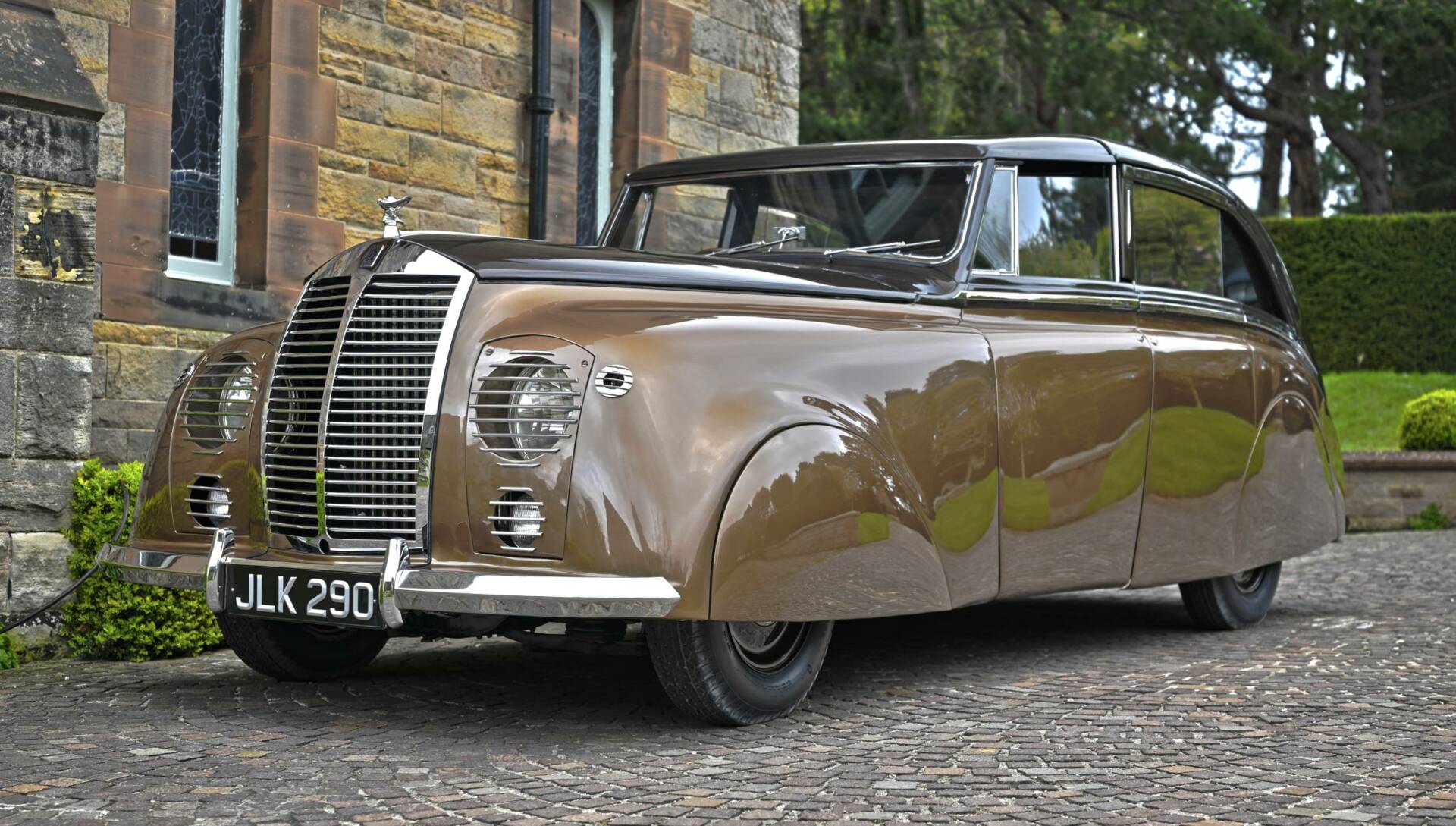
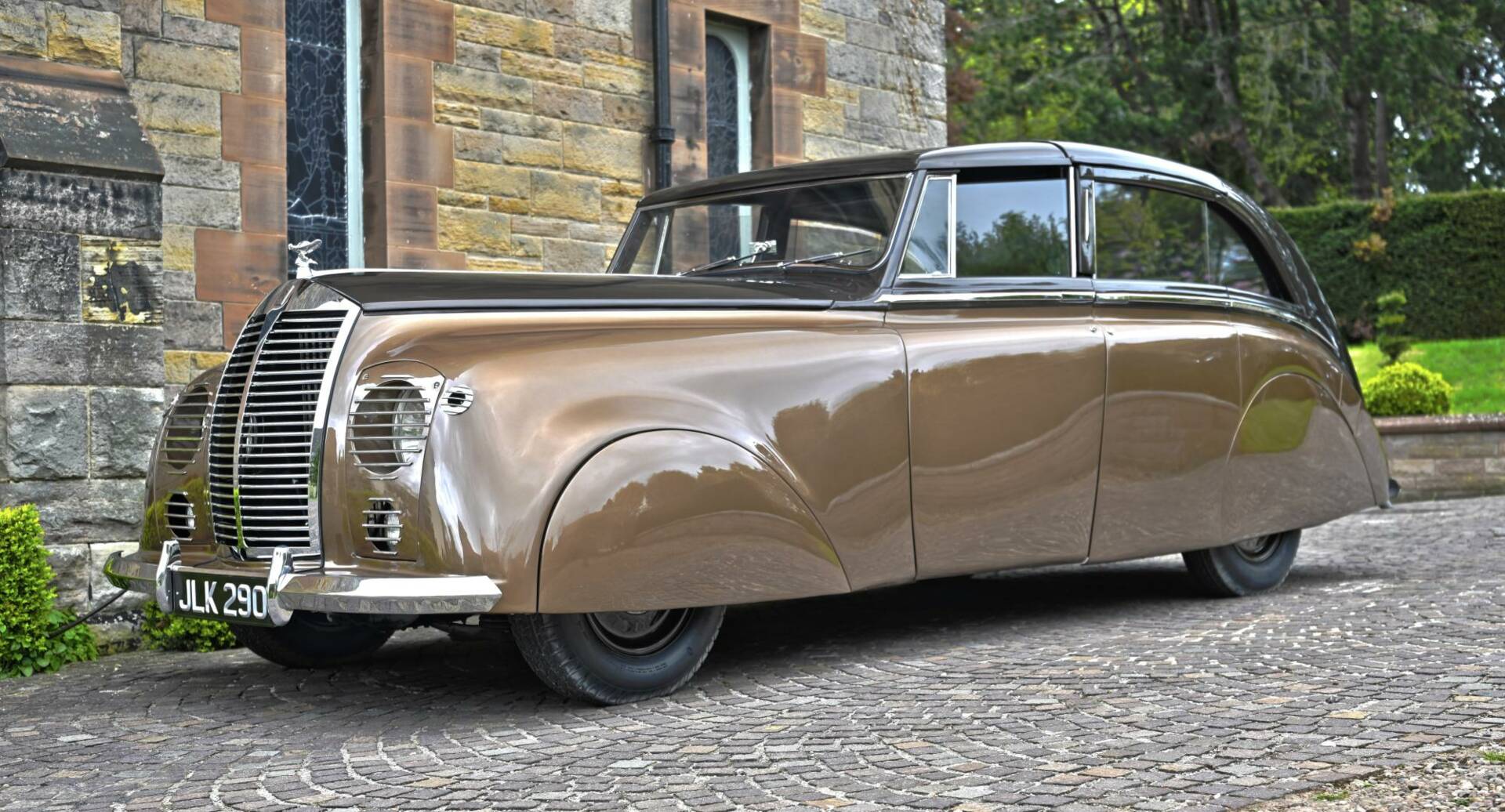
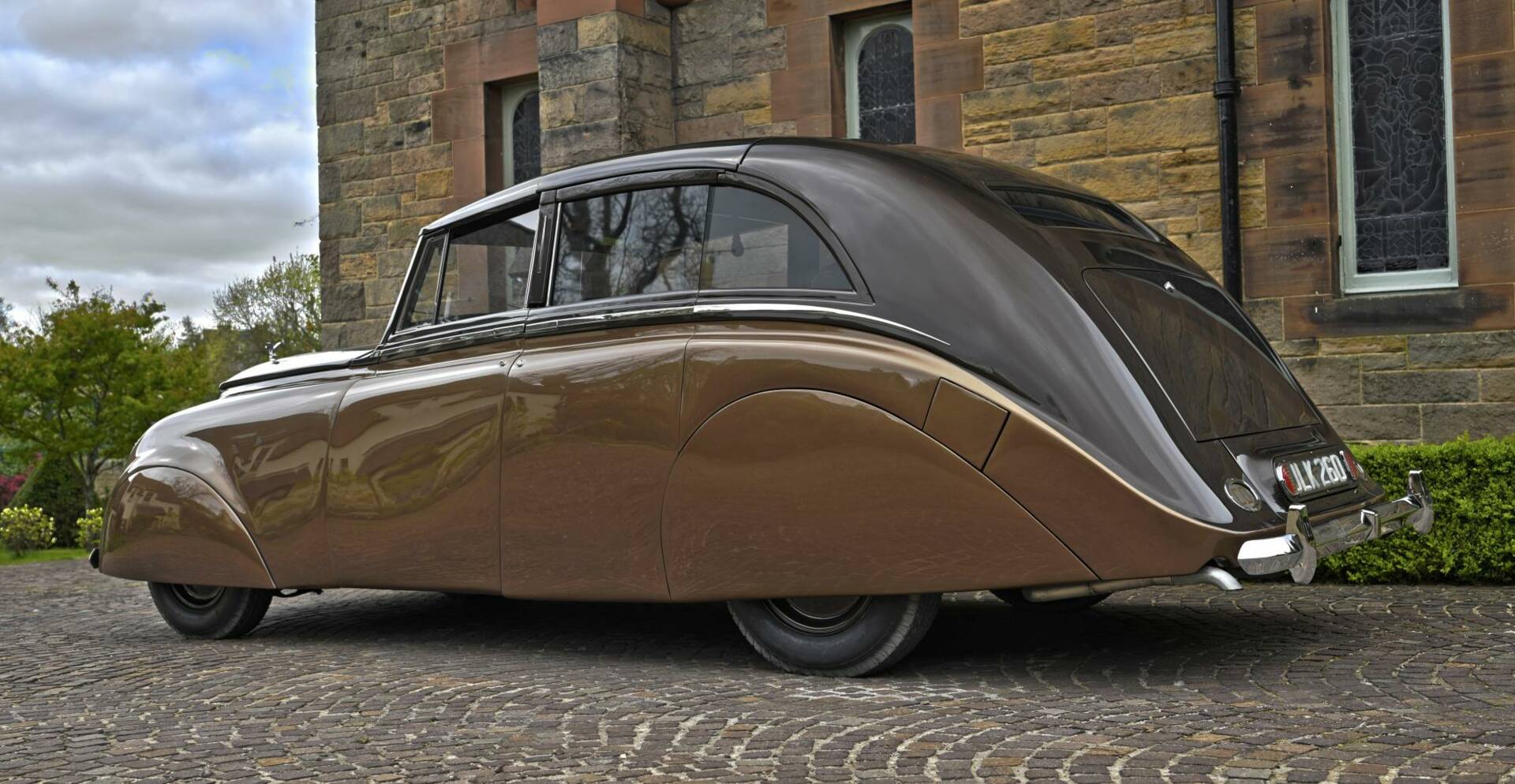
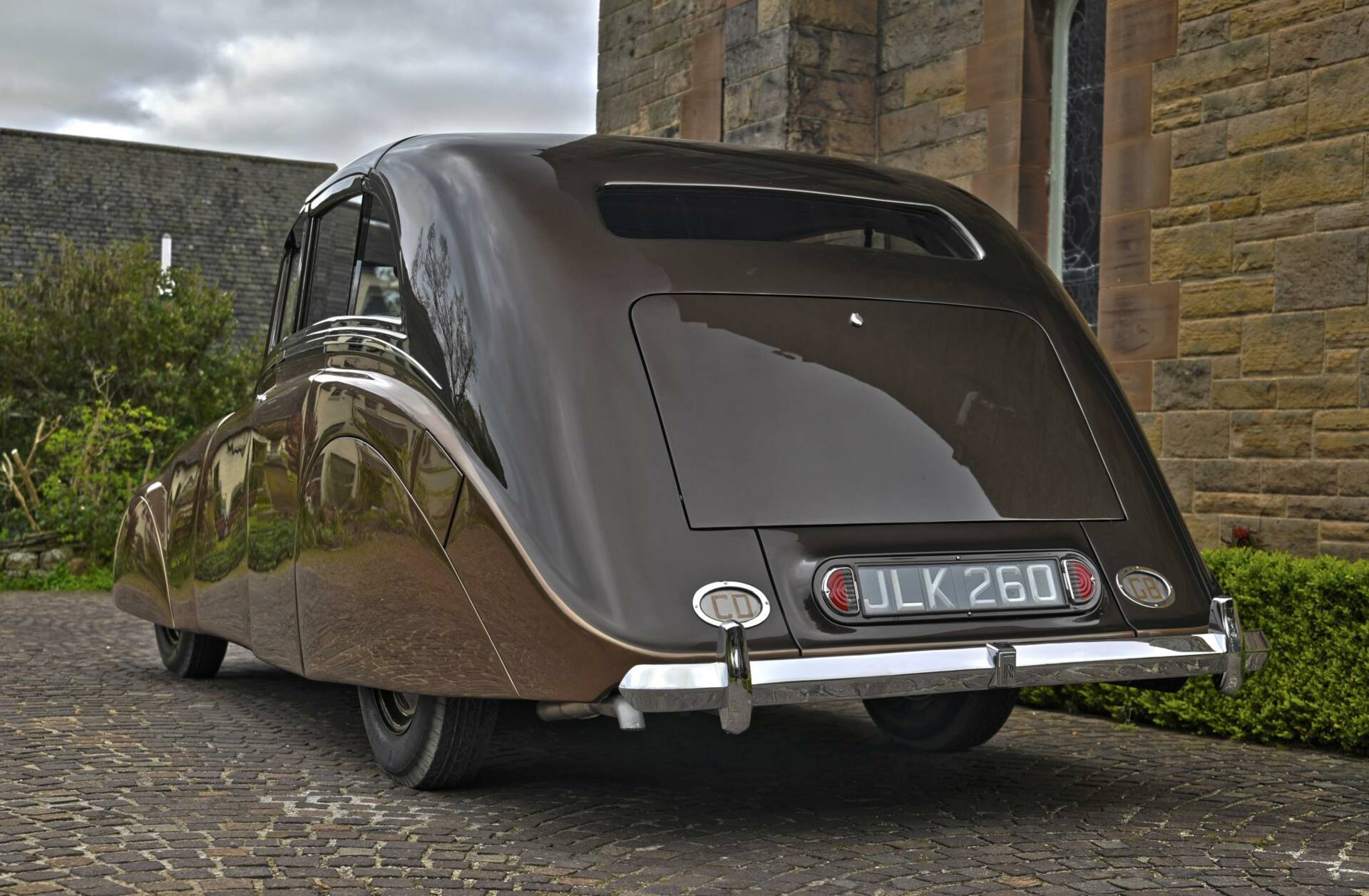
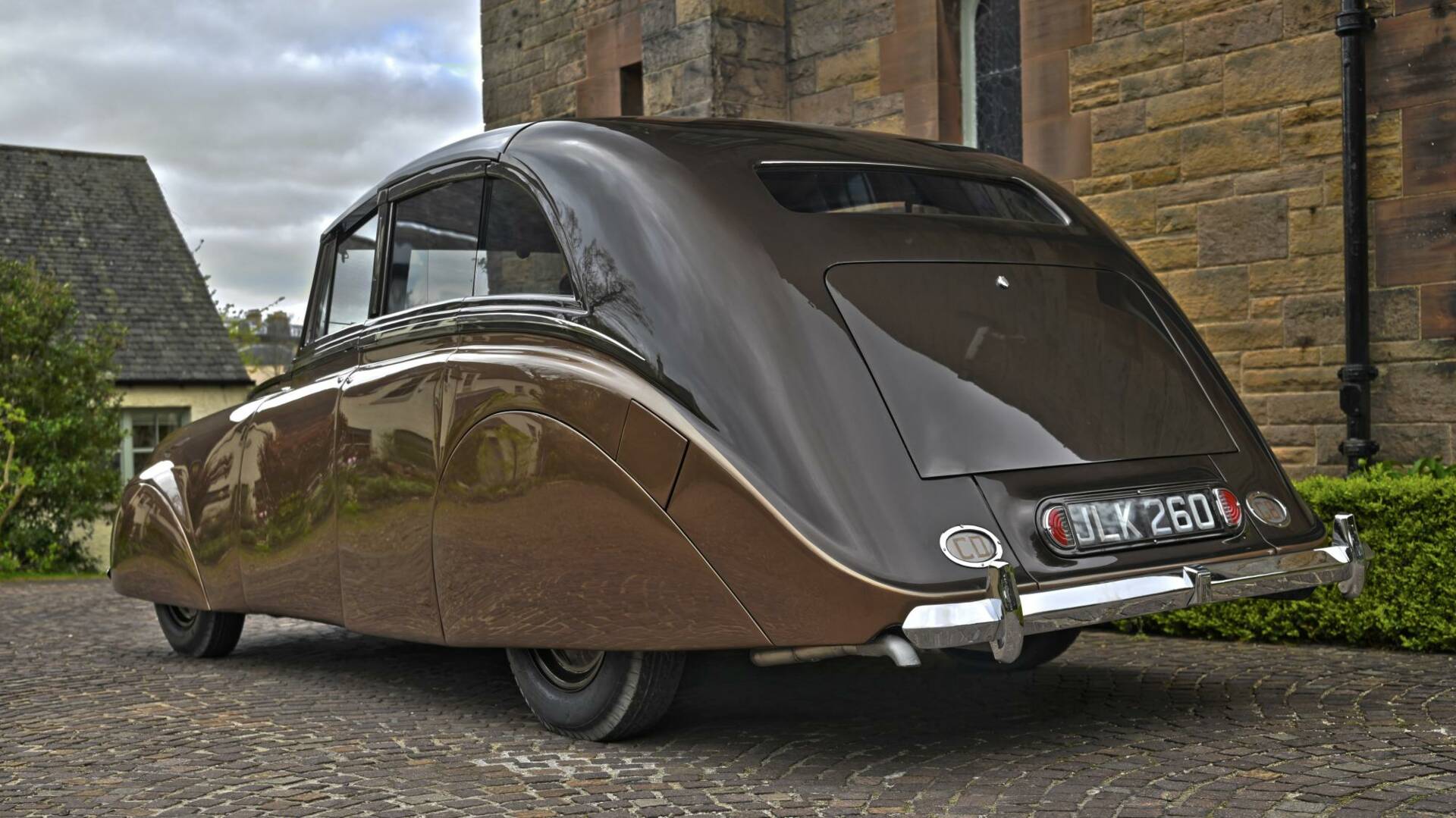
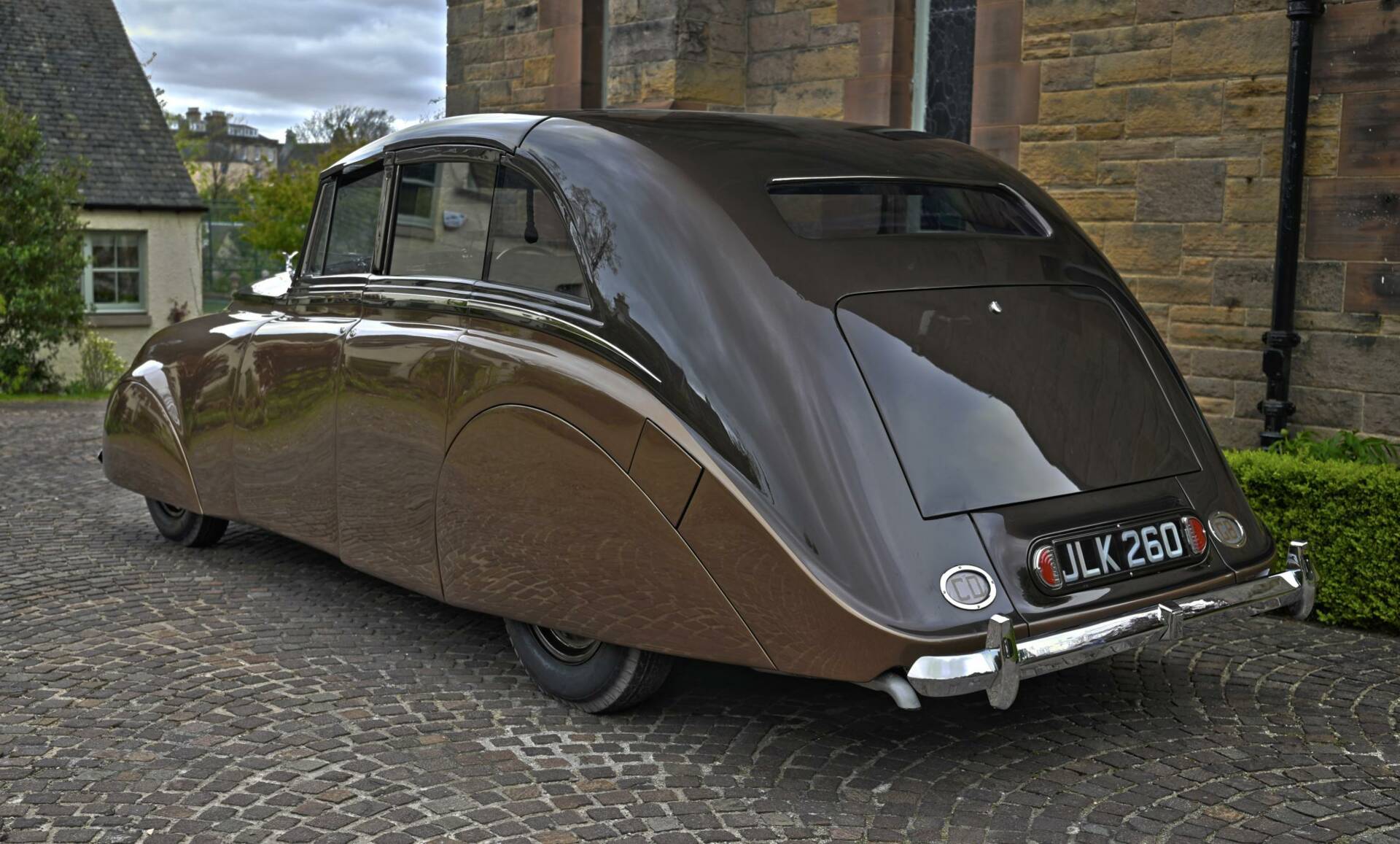
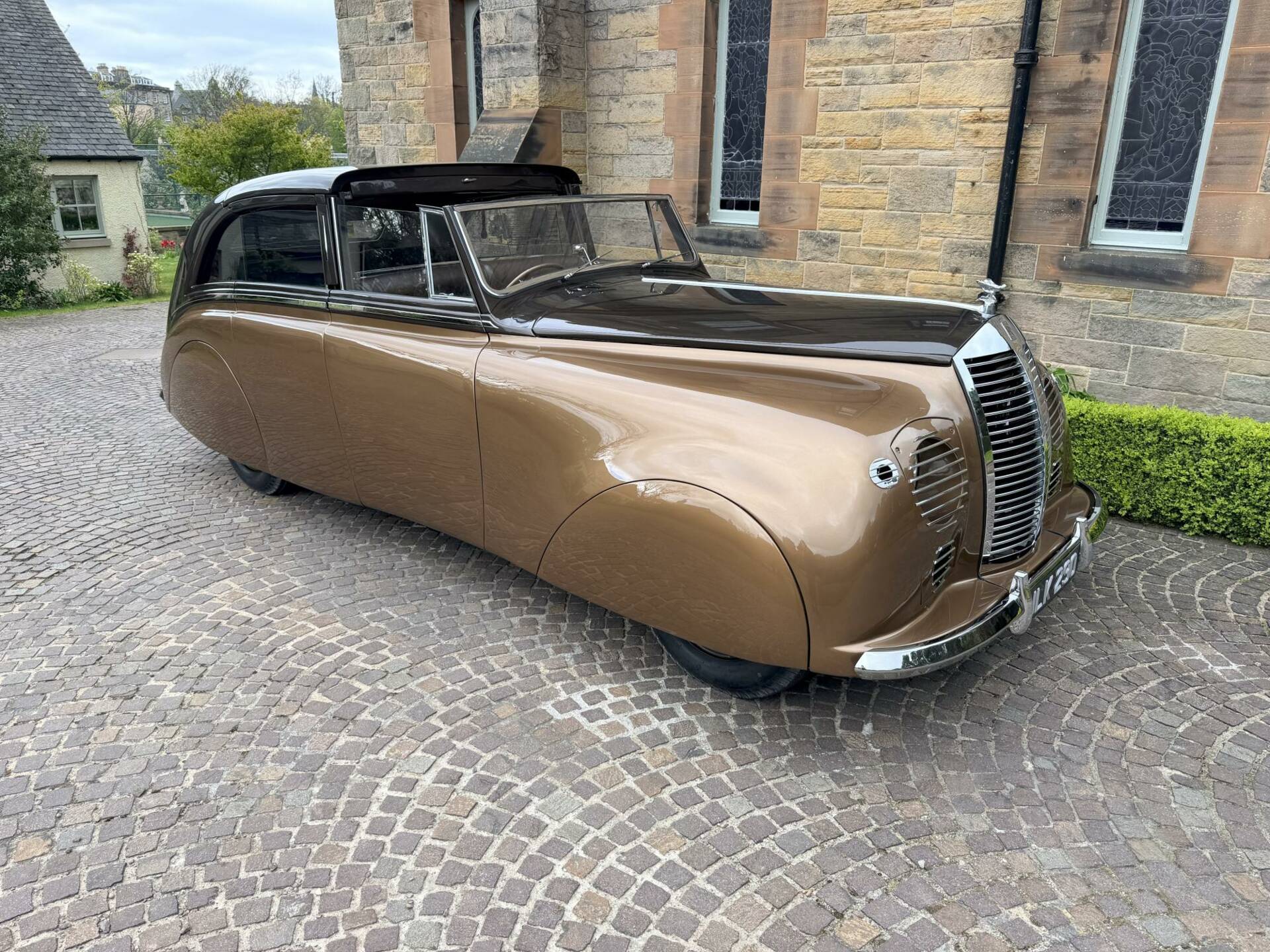
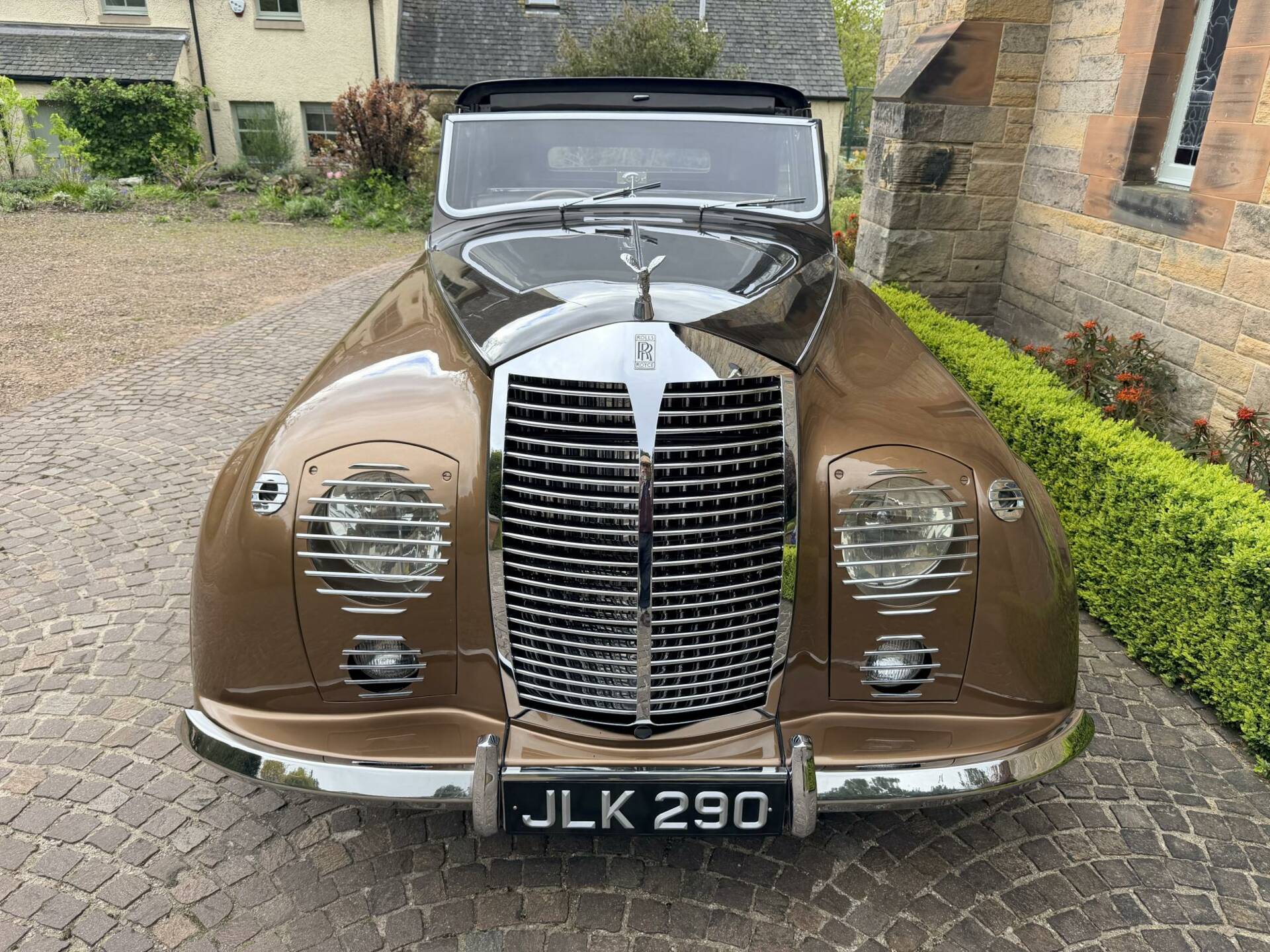
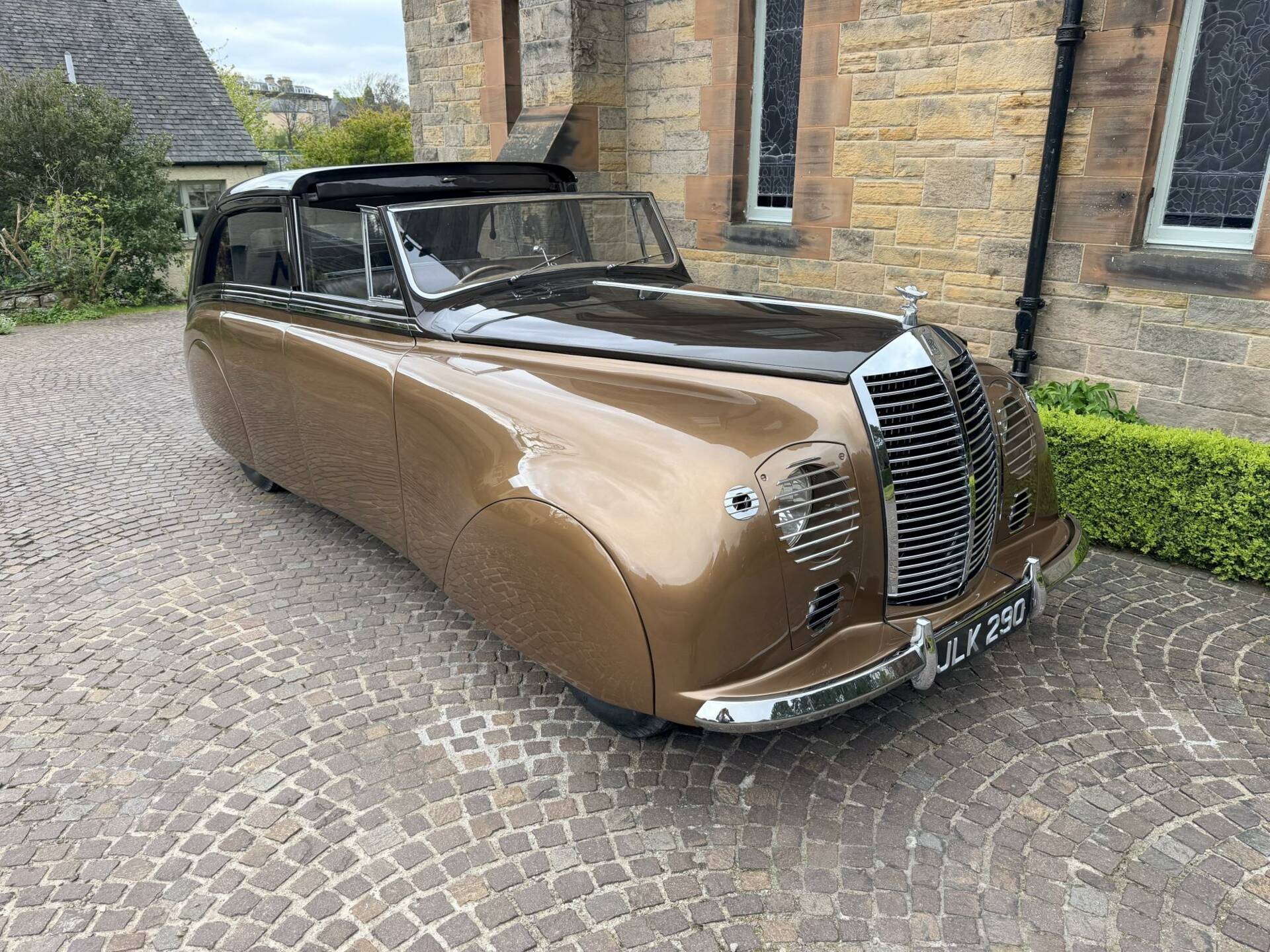
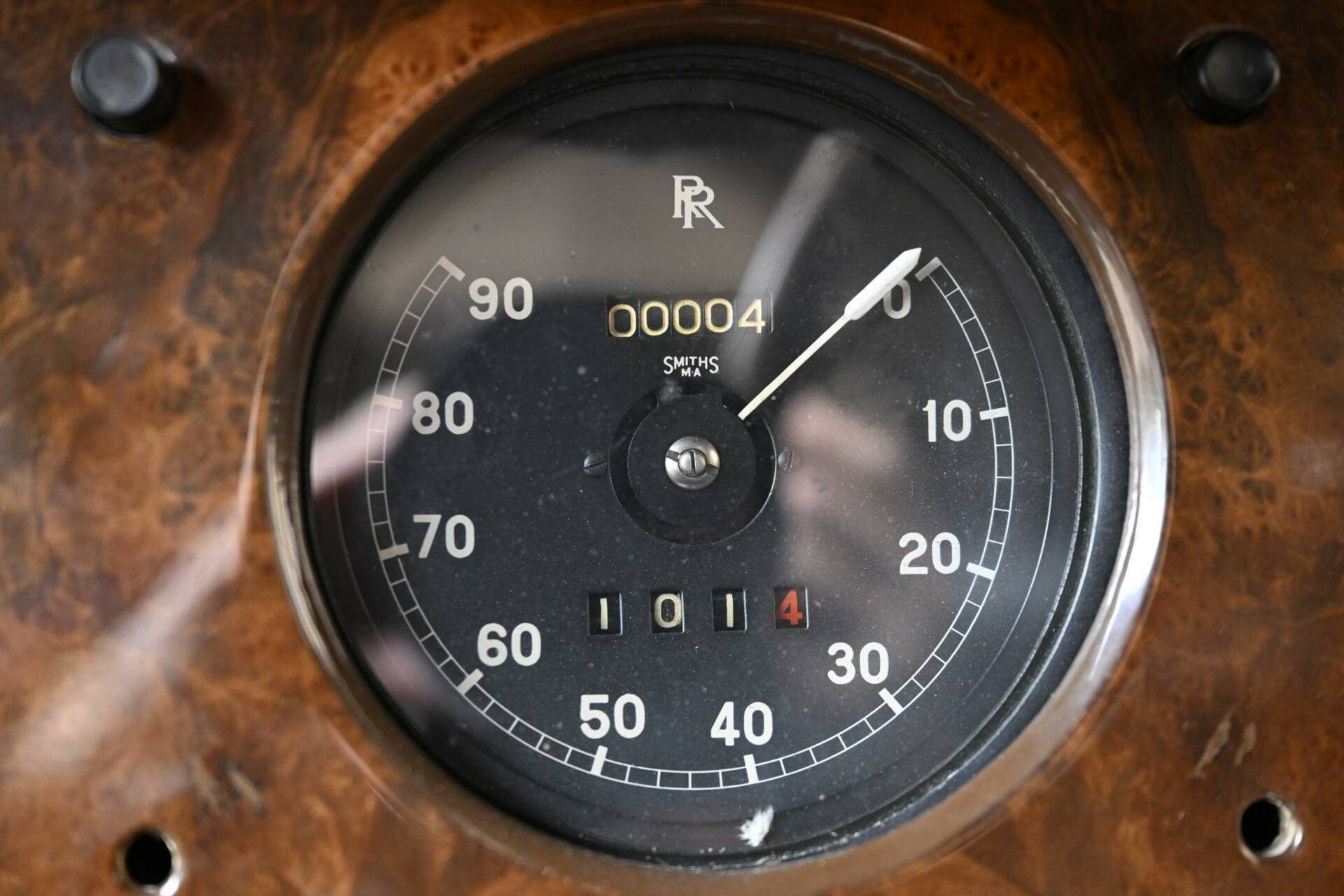
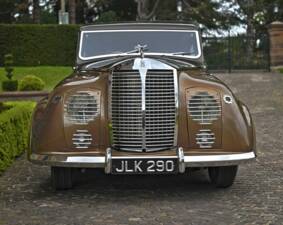
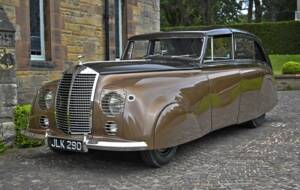
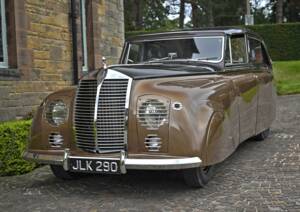
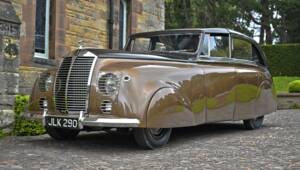
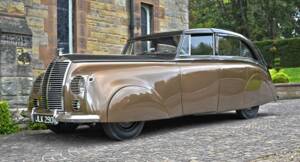
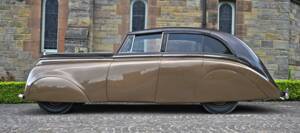
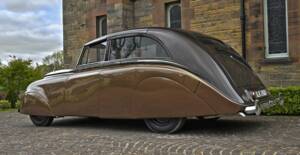
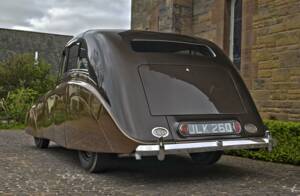
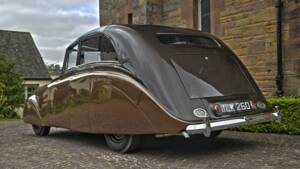
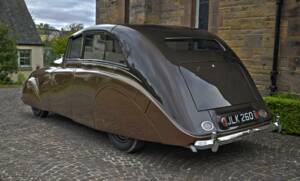
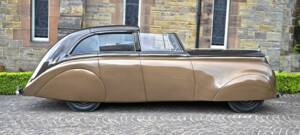
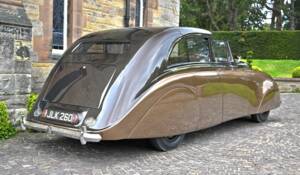
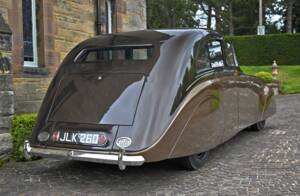
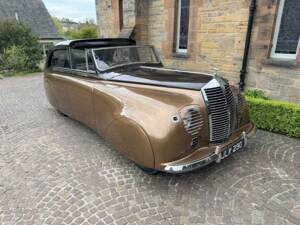
1947 Rolls Royce Silver Wraith Hooper Gulbenkian Sedanca.
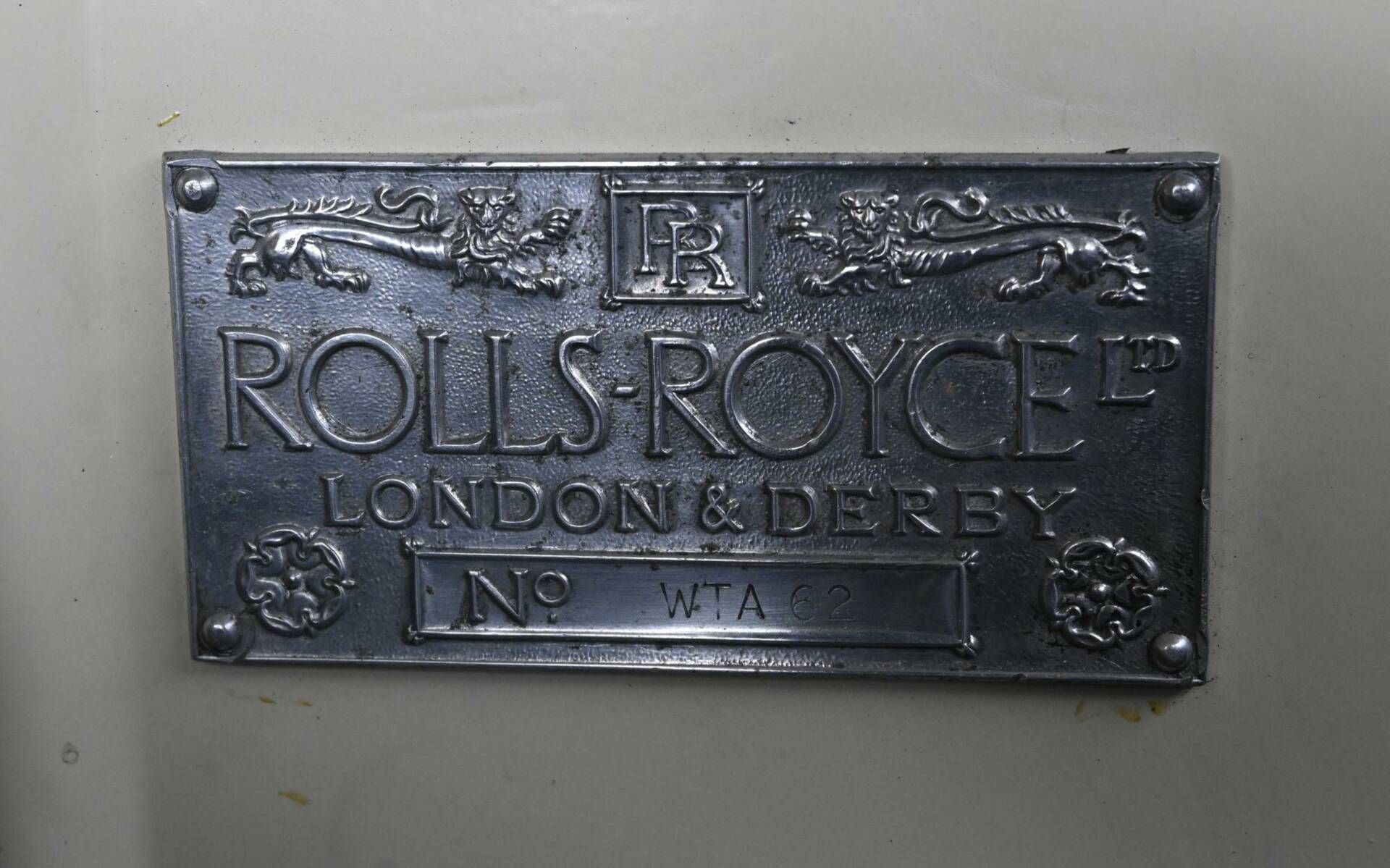
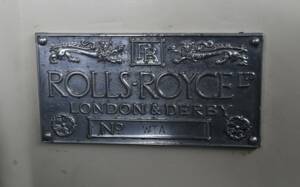
Chassis Number: WTA62
Registration Number: JLK290
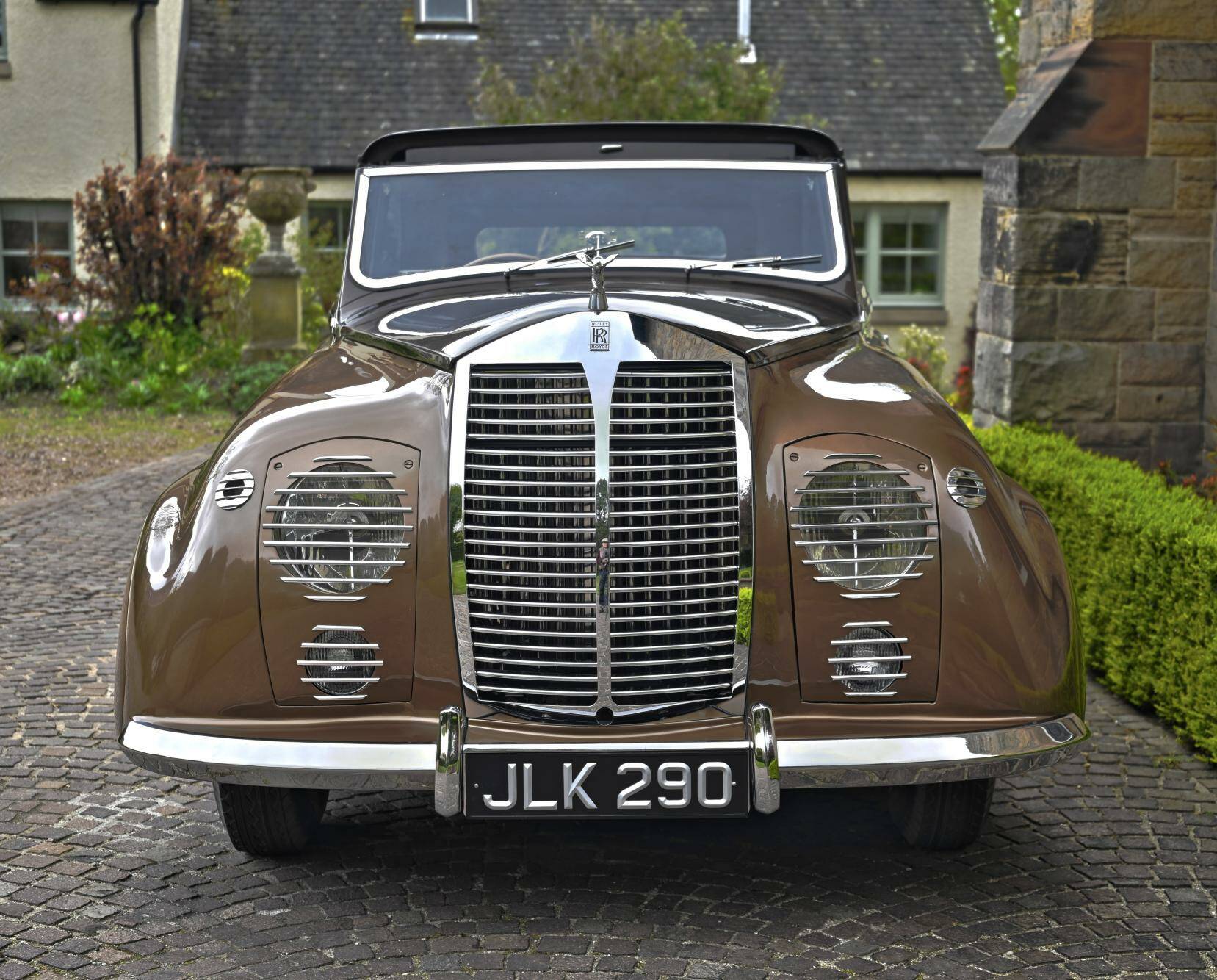
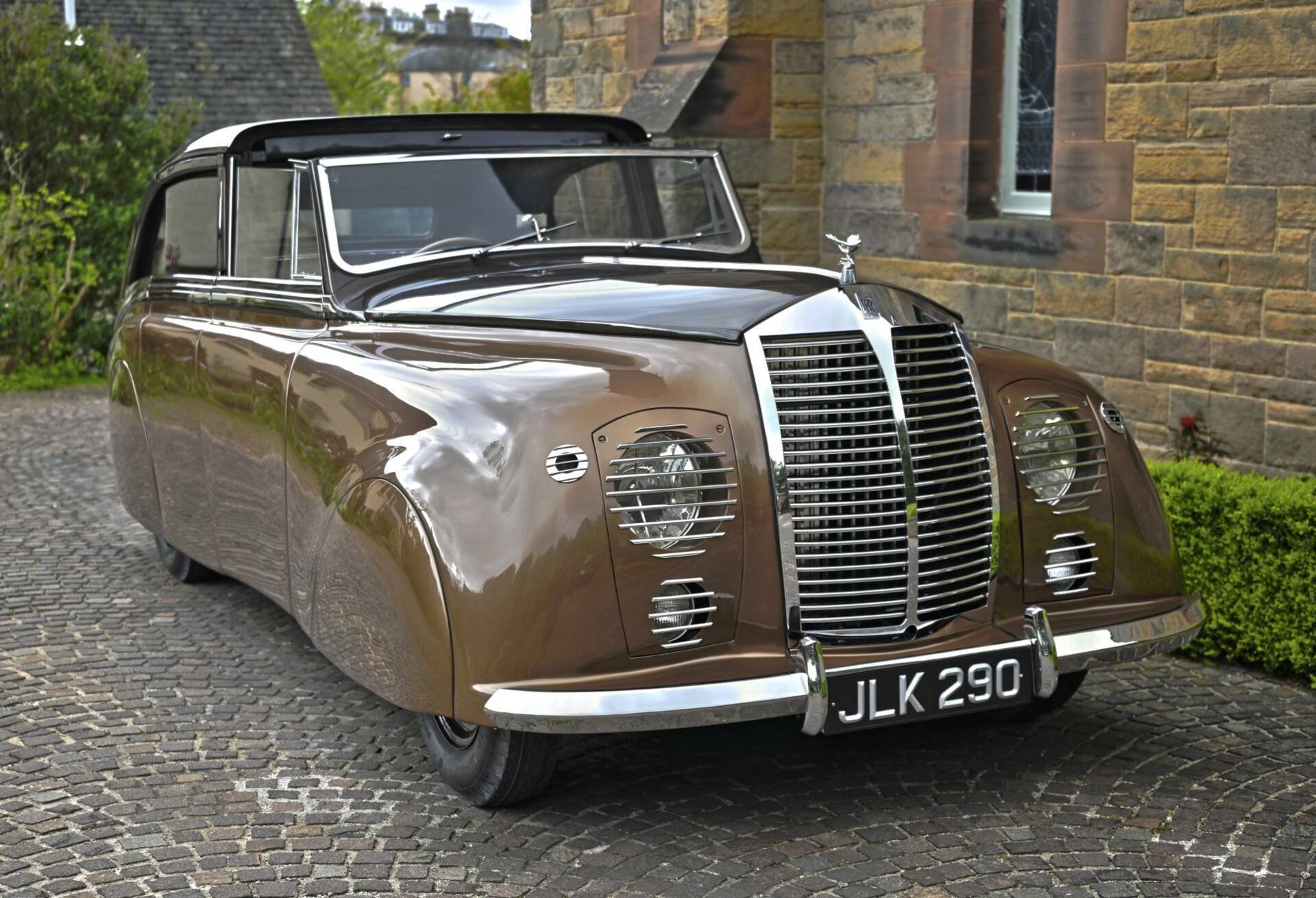
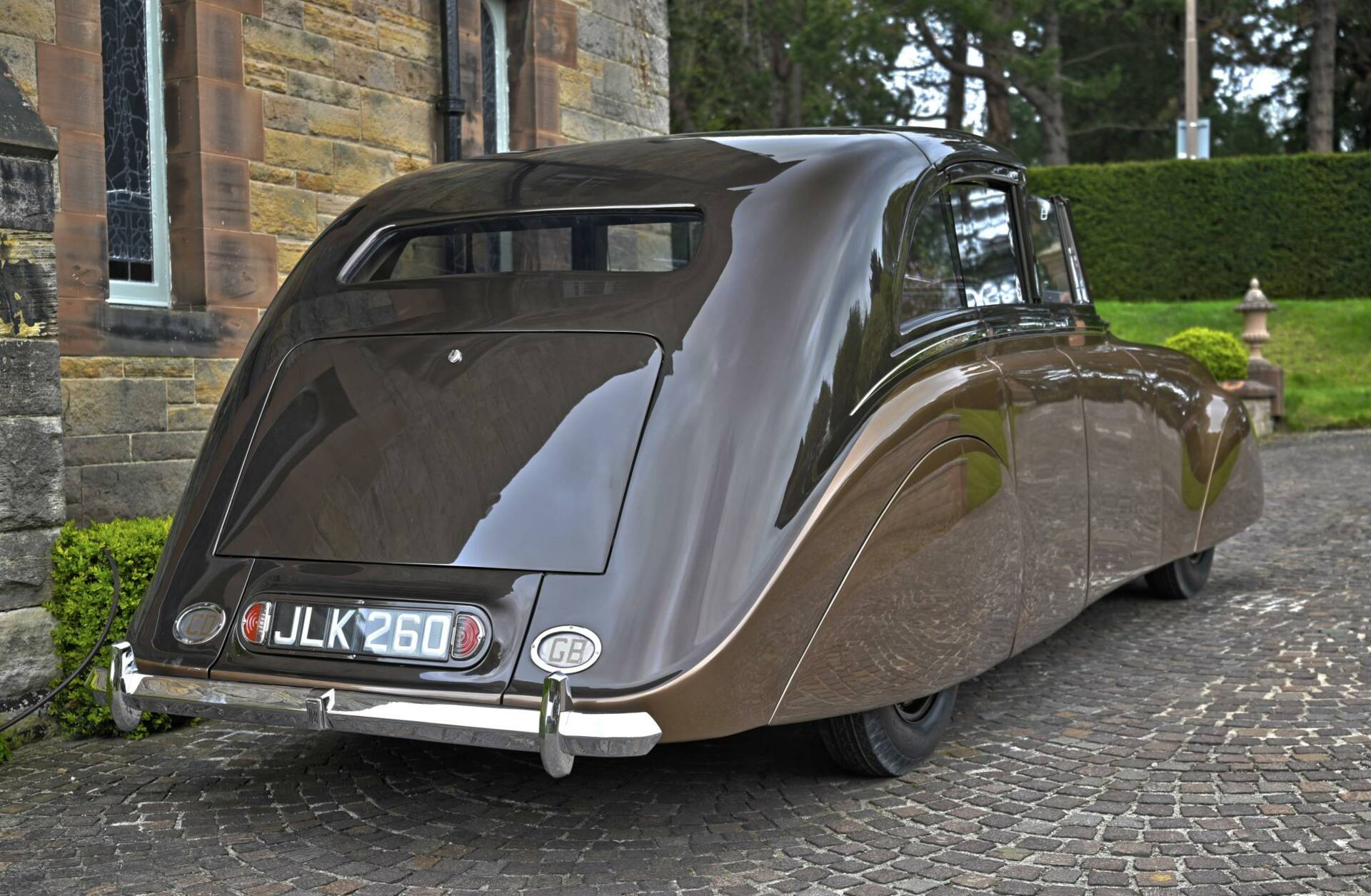
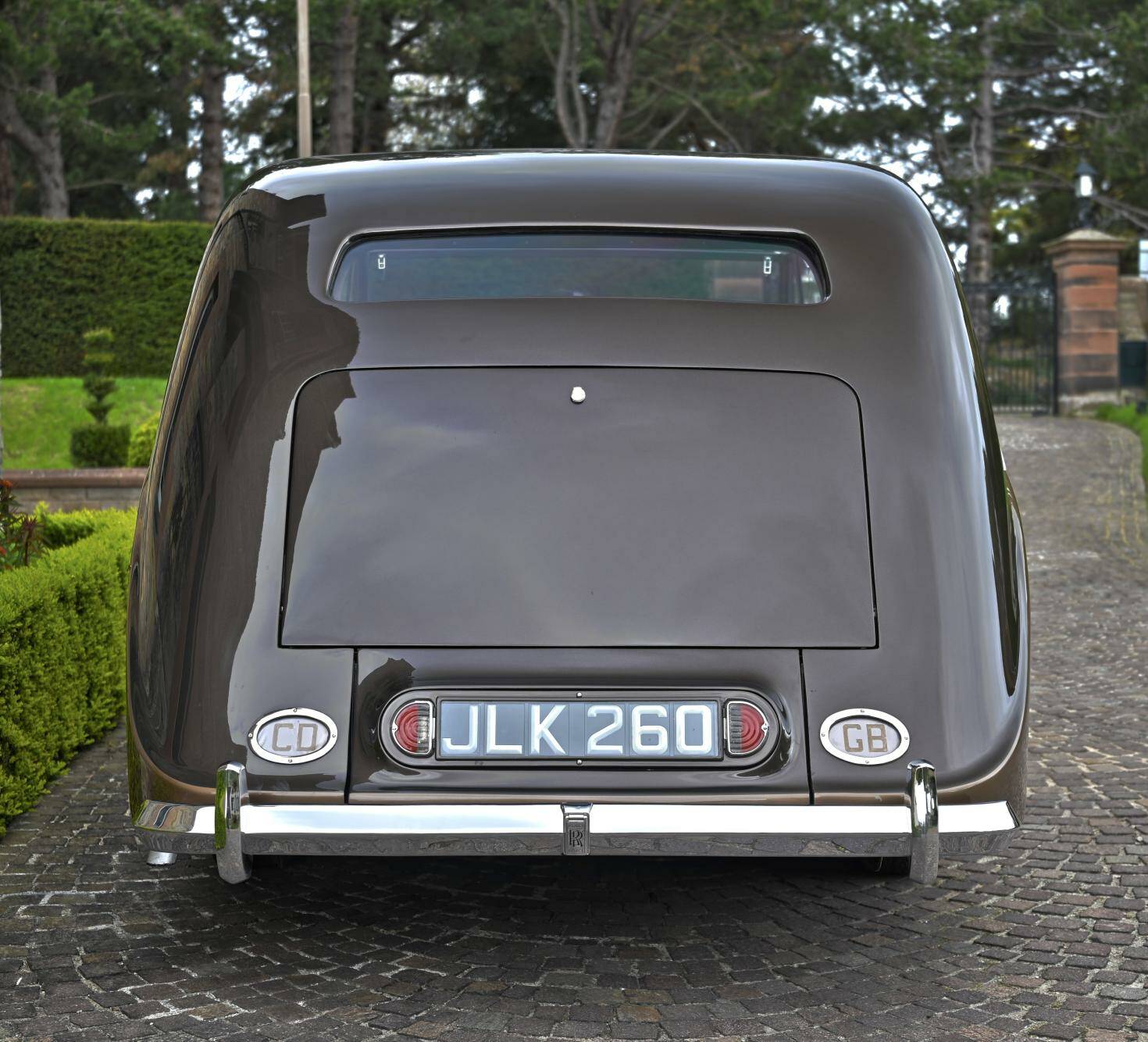
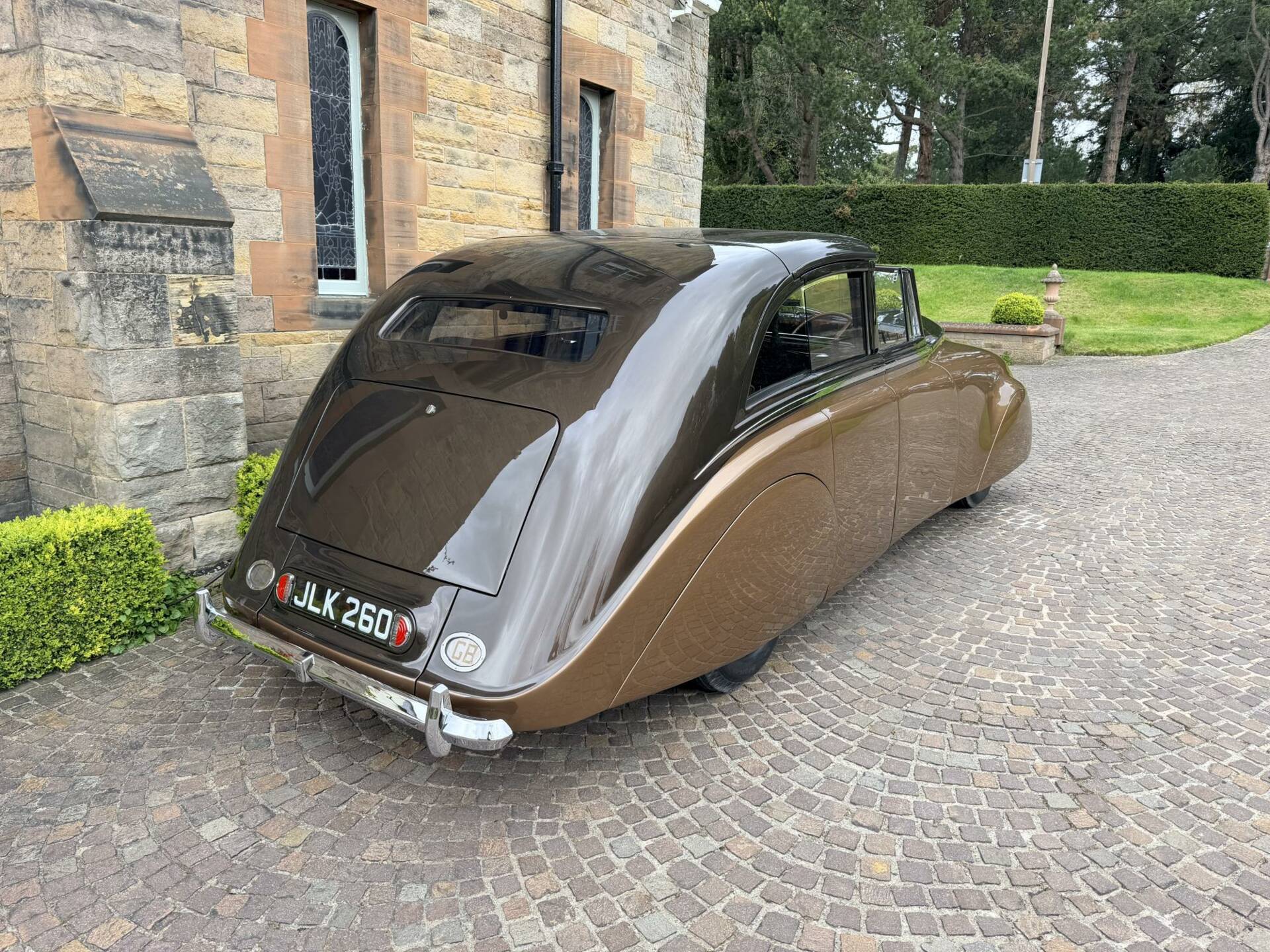
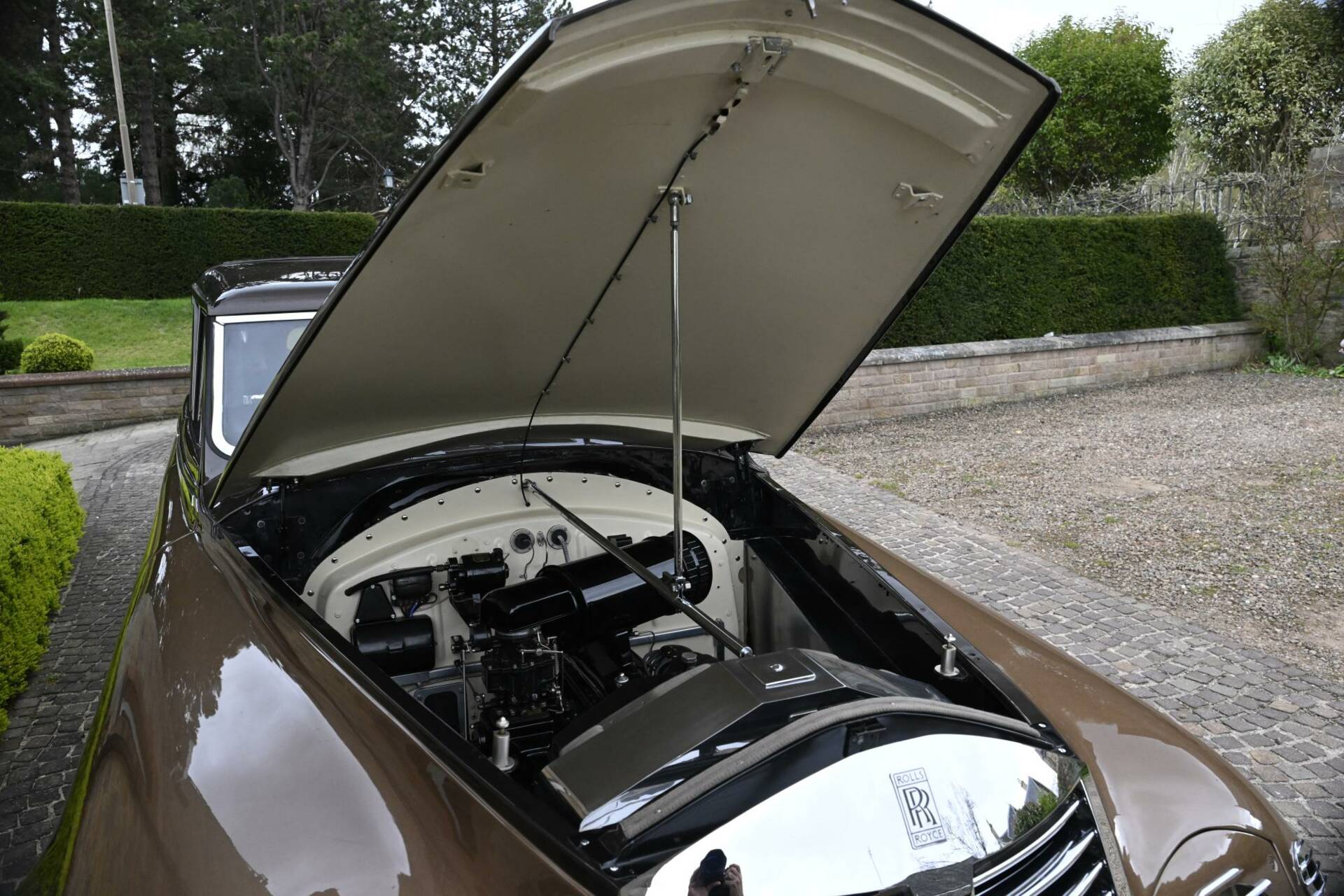
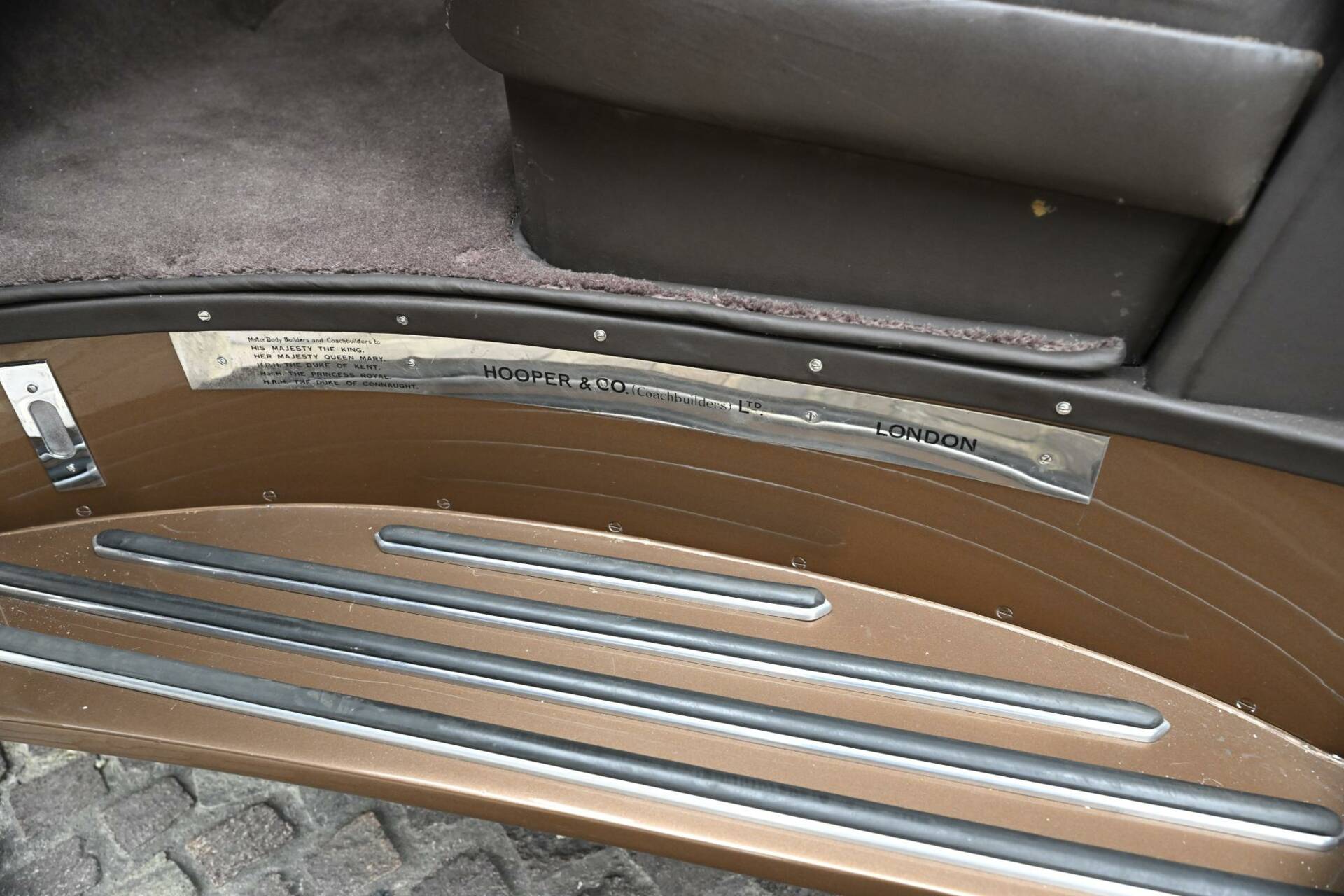
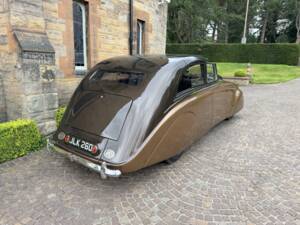
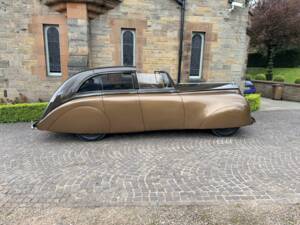
A chance to own a significant piece of motoring history, a simply extraordinary early post war creation commissioned from Hooper & Co for oil magnate Nubar Gulbenkian. His instructions were that he wanted something modern & streamlined from a designer whom had never seen a horse & carriage; I think it is safe to say his wishes were met as he had more then a hand in the design process himself.
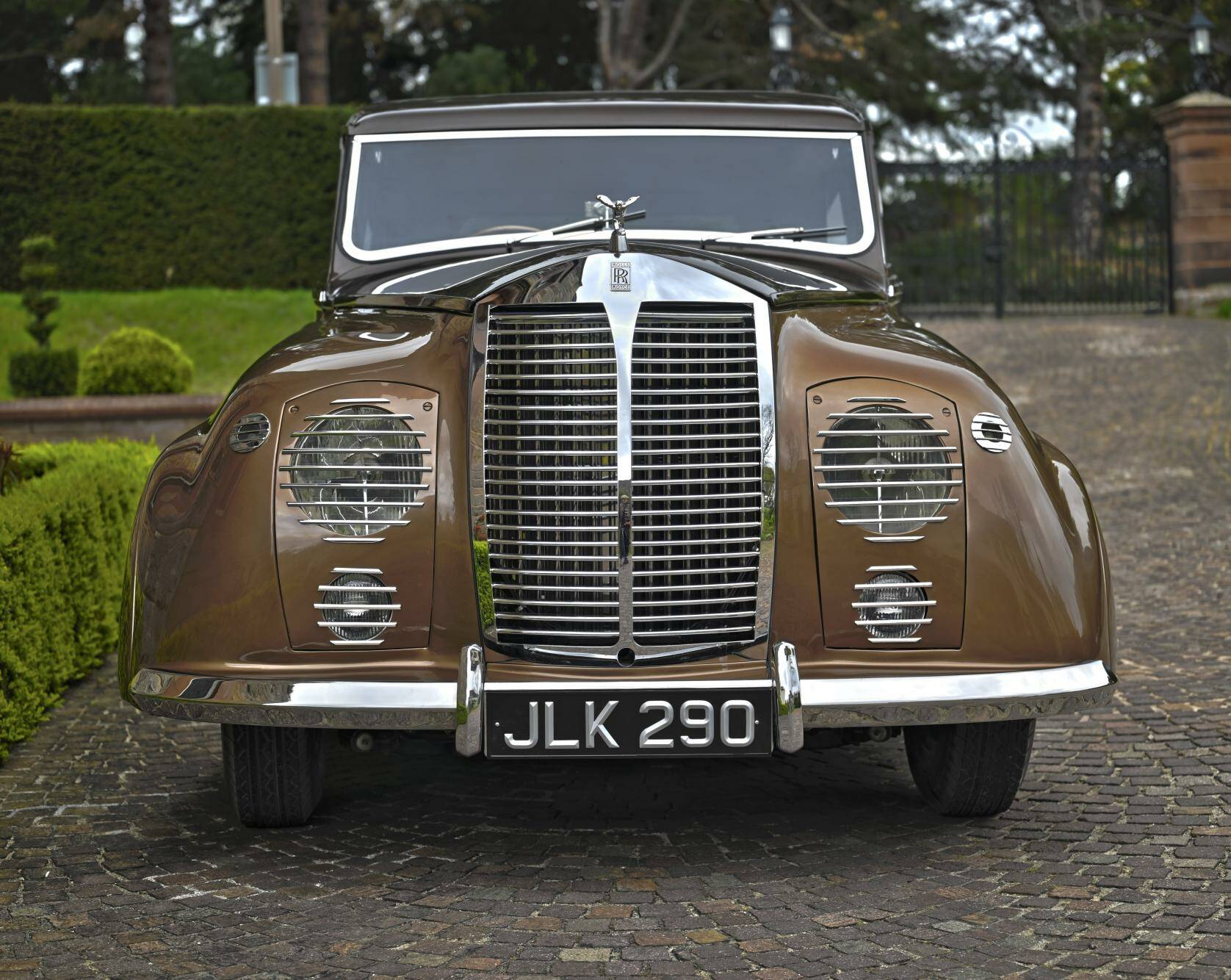
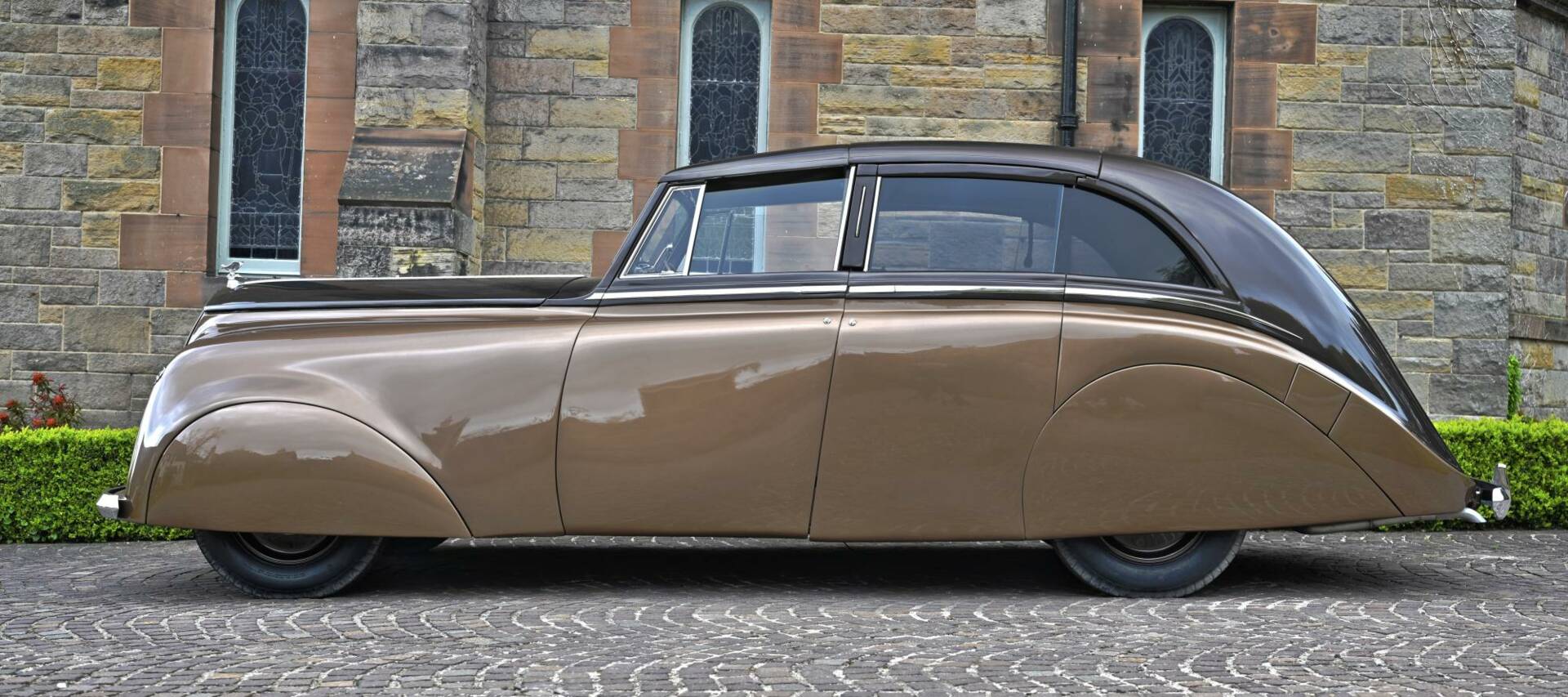
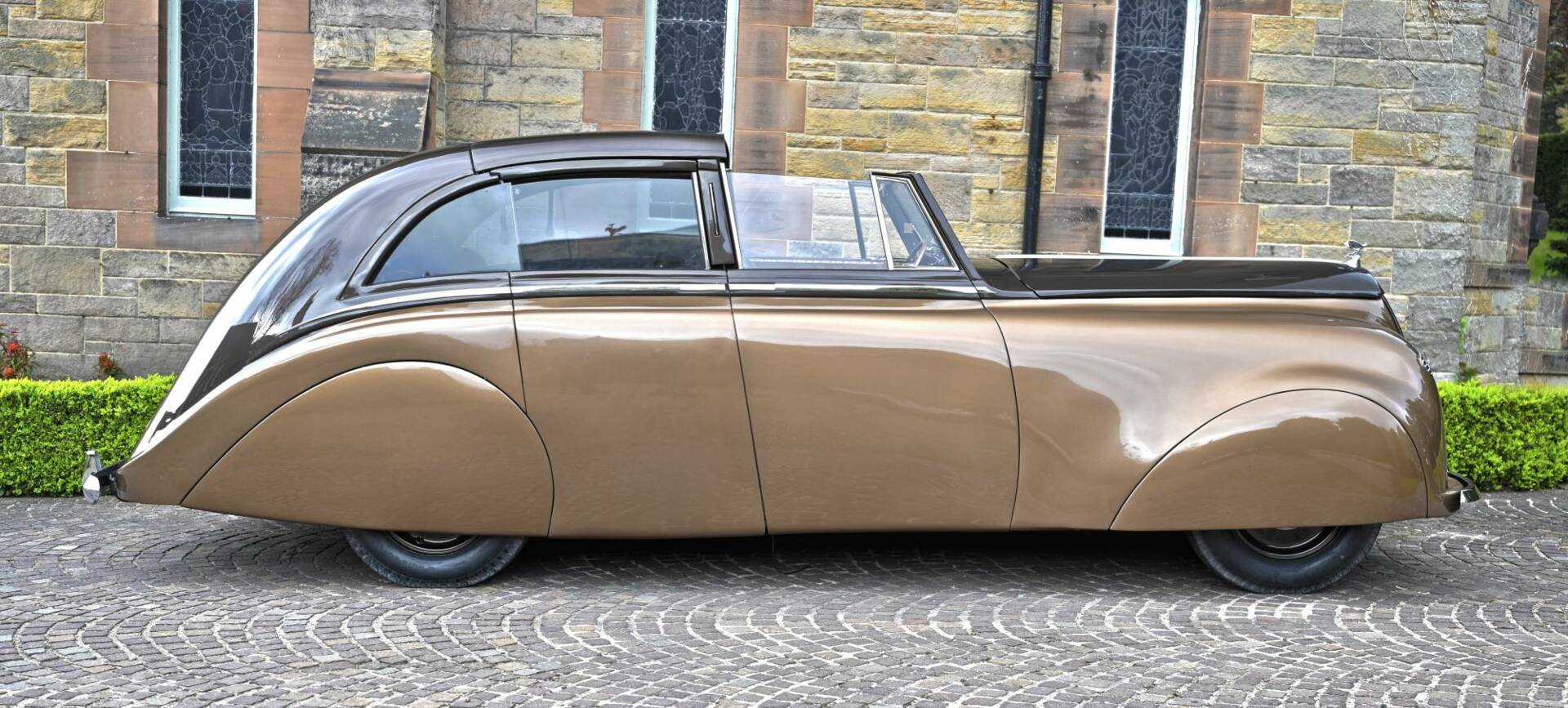
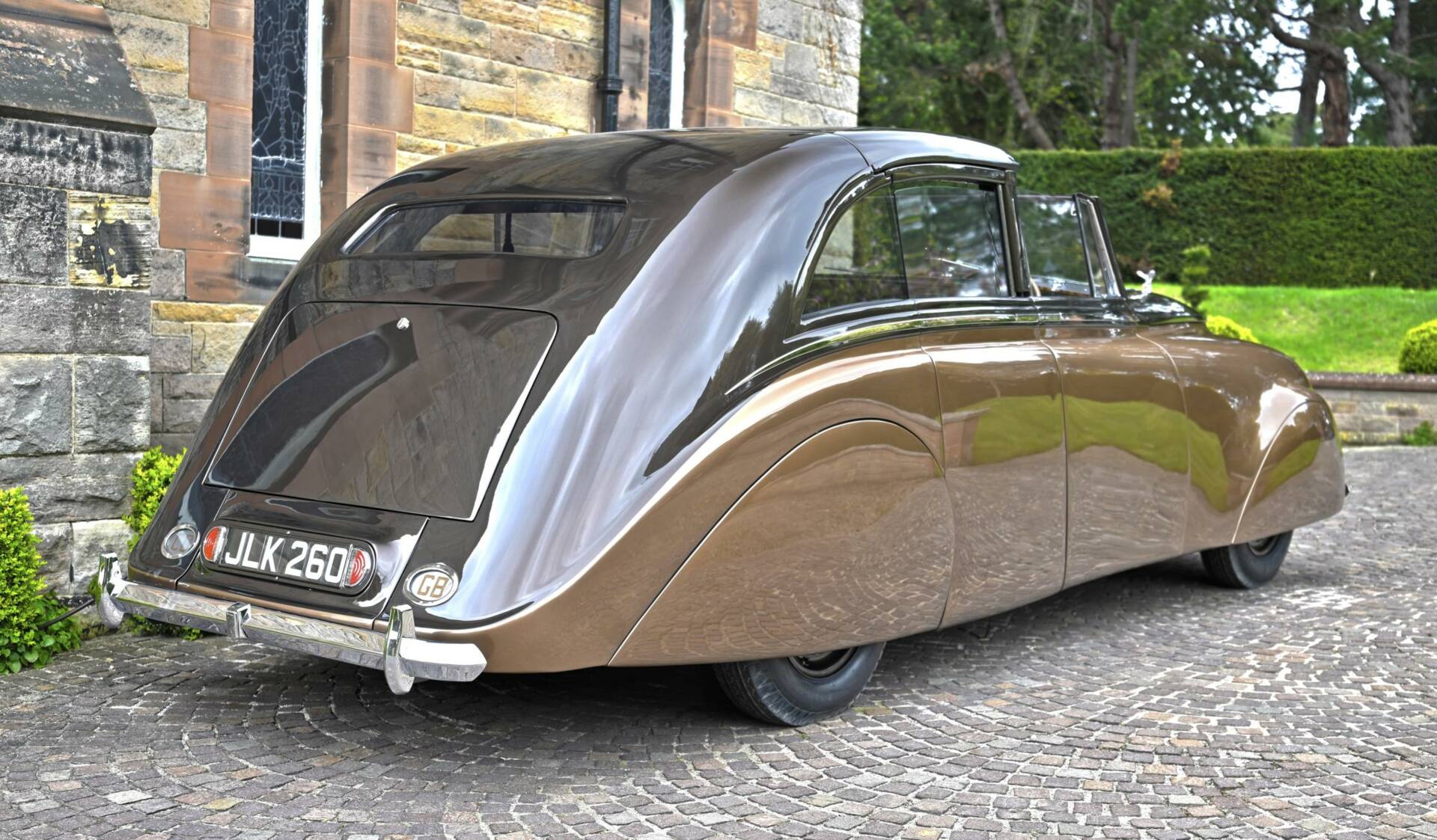
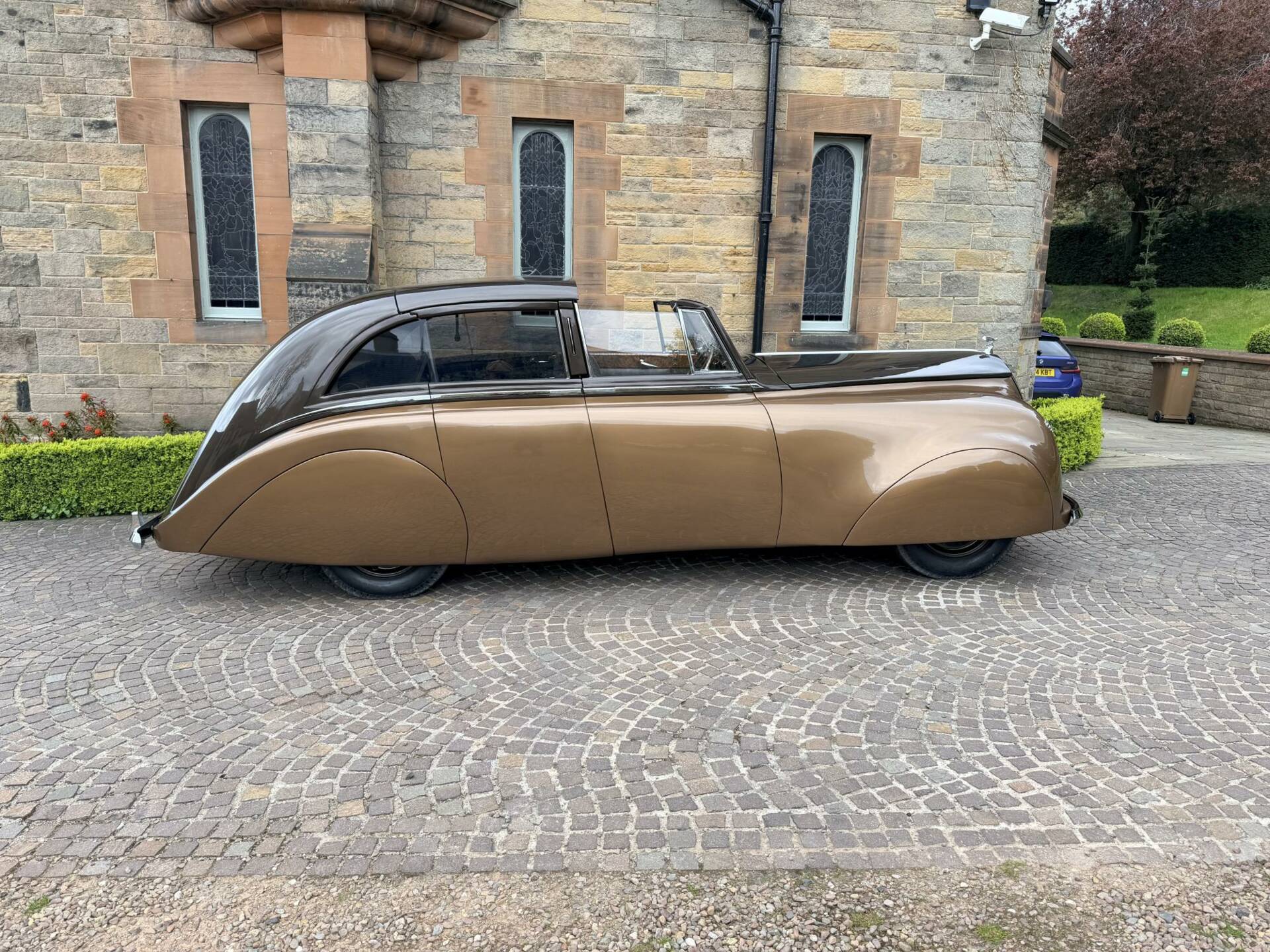
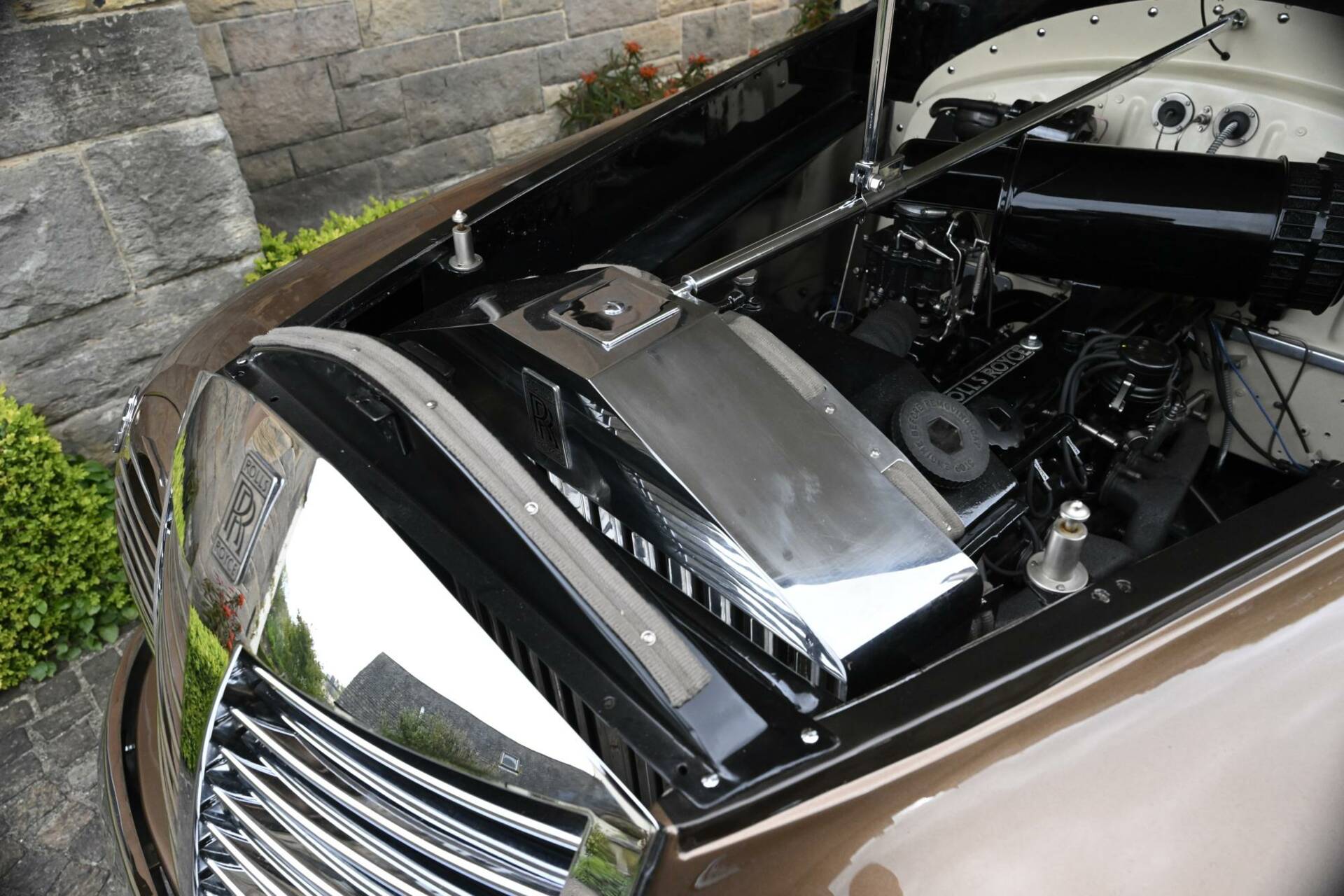
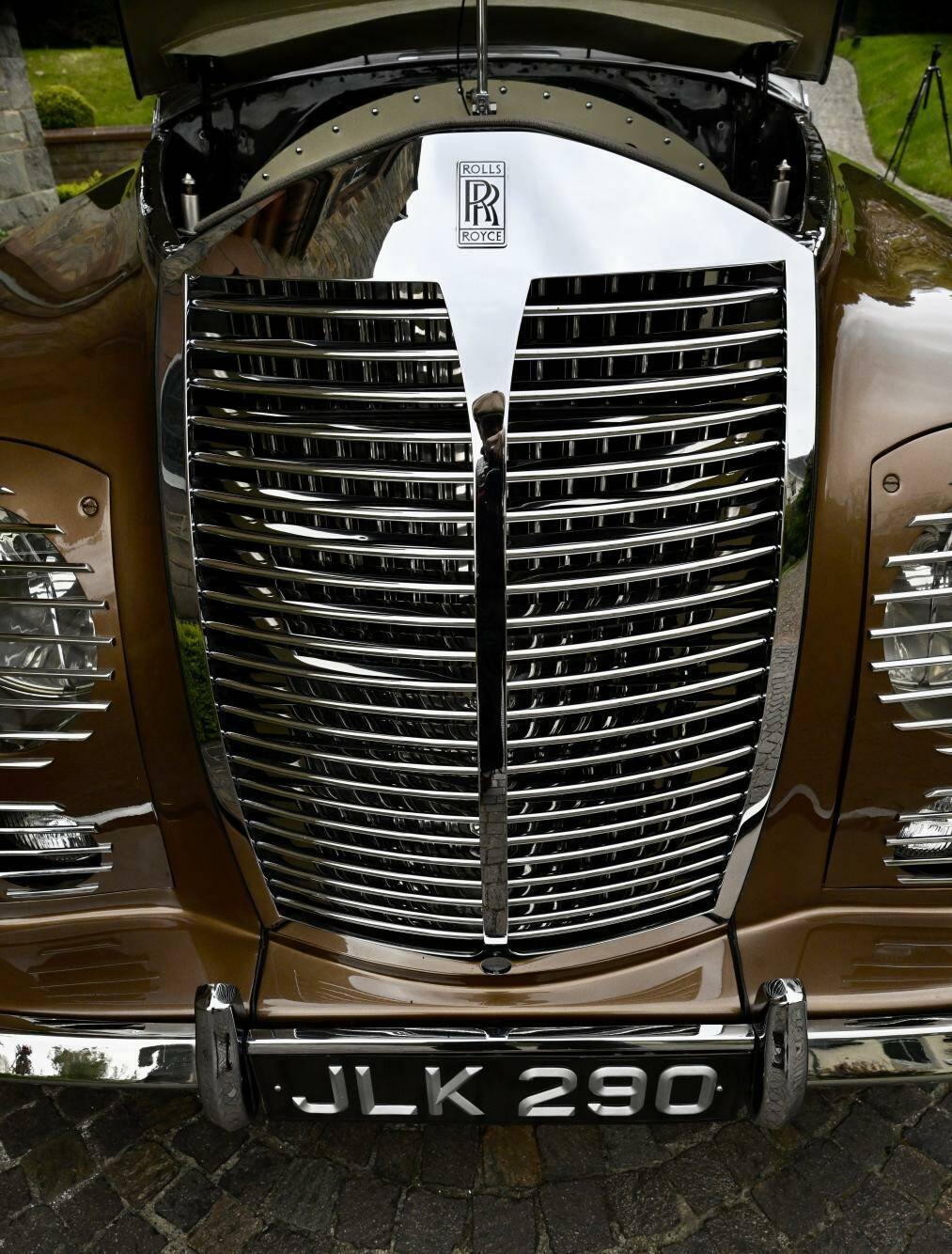
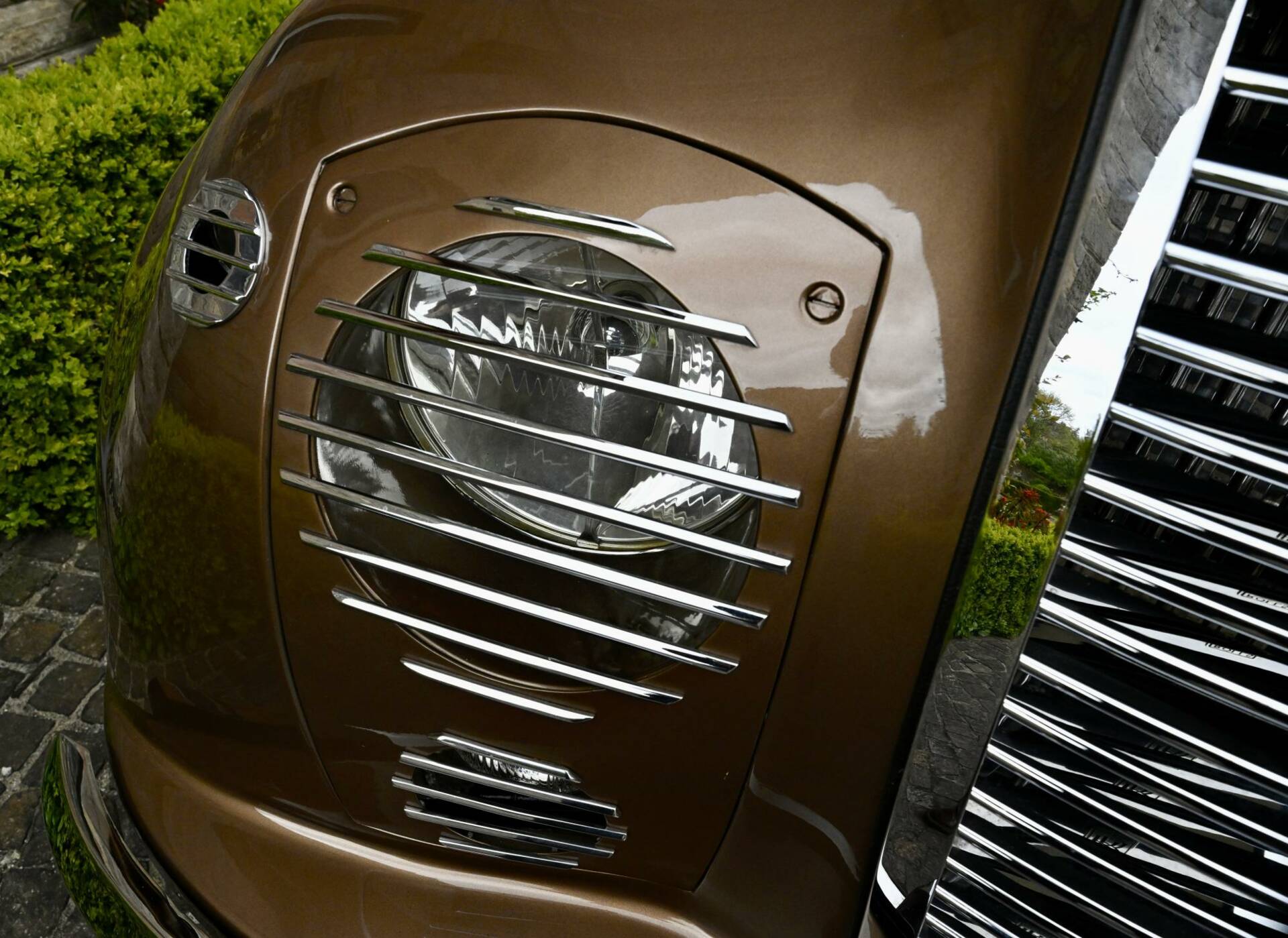
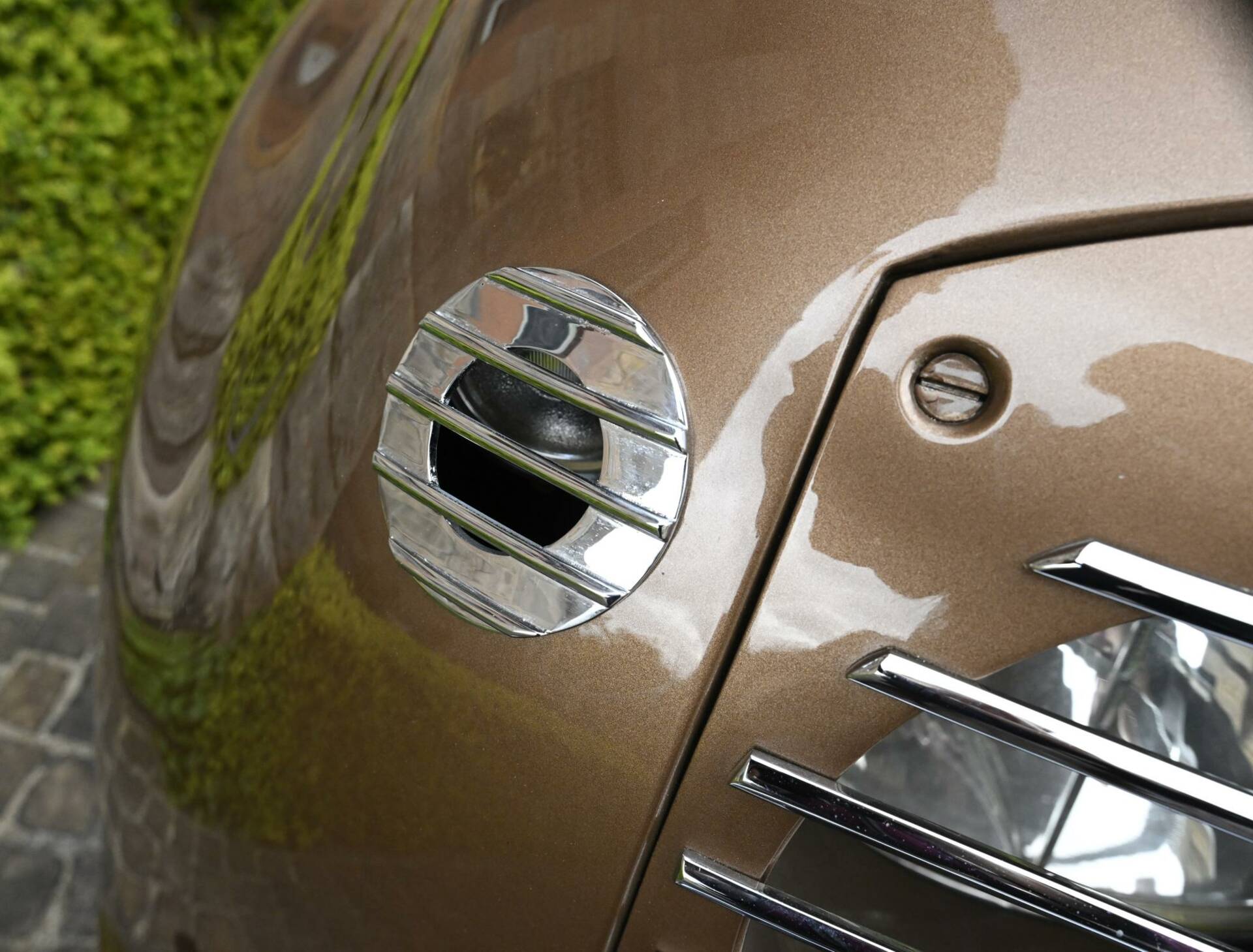
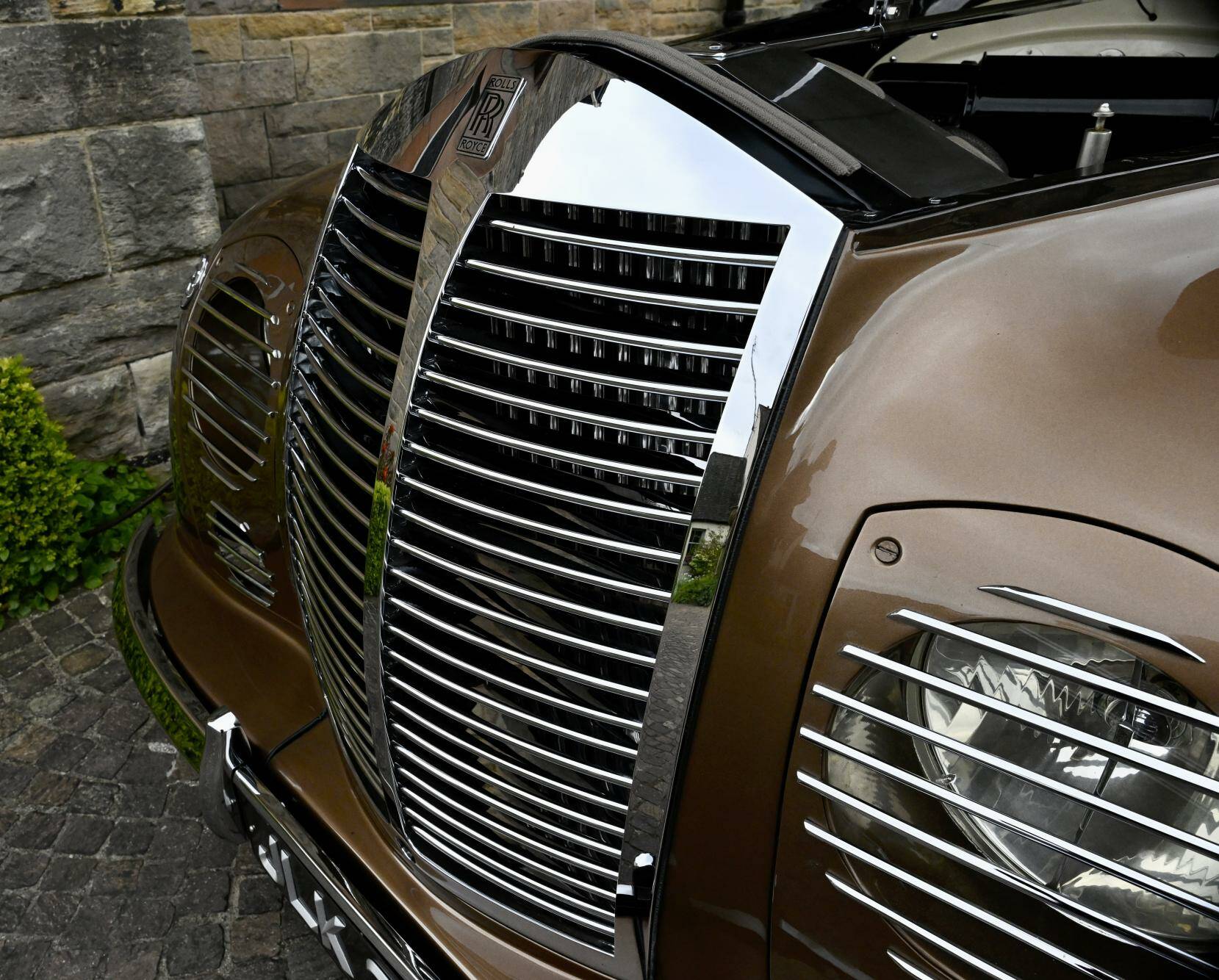
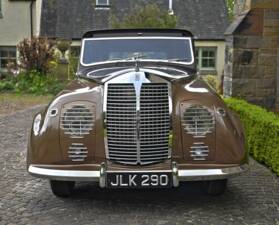
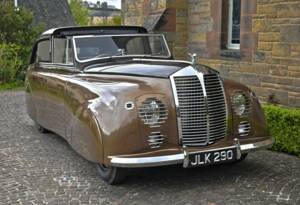
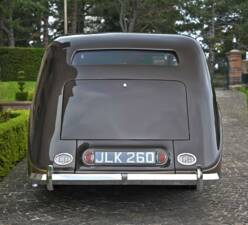
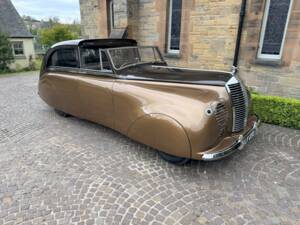
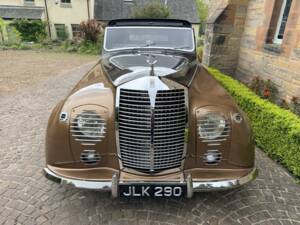
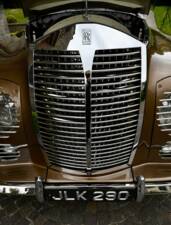
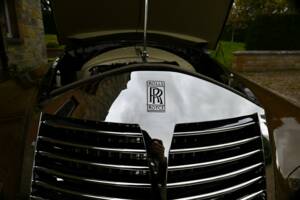
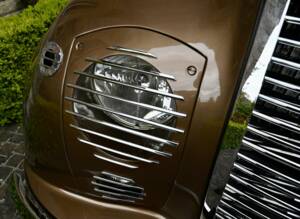
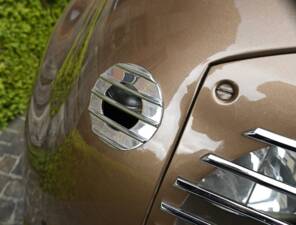
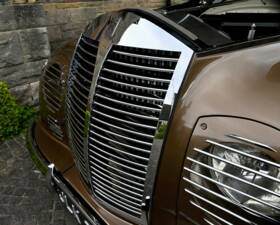
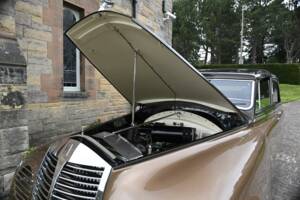
Gulbenkian’s instructions to London-based coachbuilders, Hooper & Co, was to design a body which would, in his mind’s eye at least, have anticipated the manner in which car design might have evolved had war not intervened, and while the car (he dubbed ‘Pantechnicon’) might not have been deemed beautiful by any conventional categorisation — with its menacing appearance, fastback tail, integrated headlamps with protective grills, enclosed front wheels and a modernistic curved RR grille — it was certainly prescient, and not without stylistic merit, if somewhat brutalist to more delicate sensibilities.
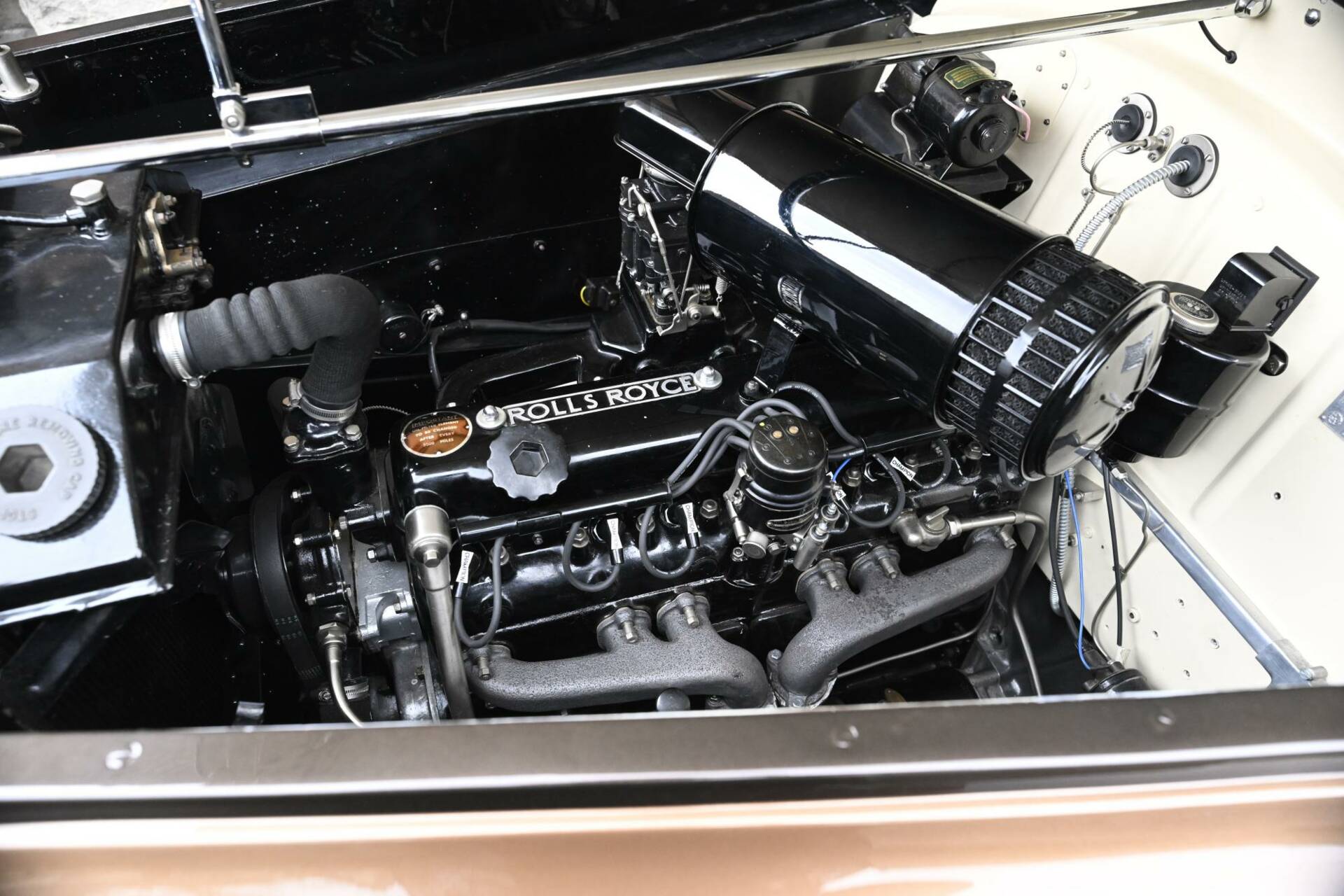
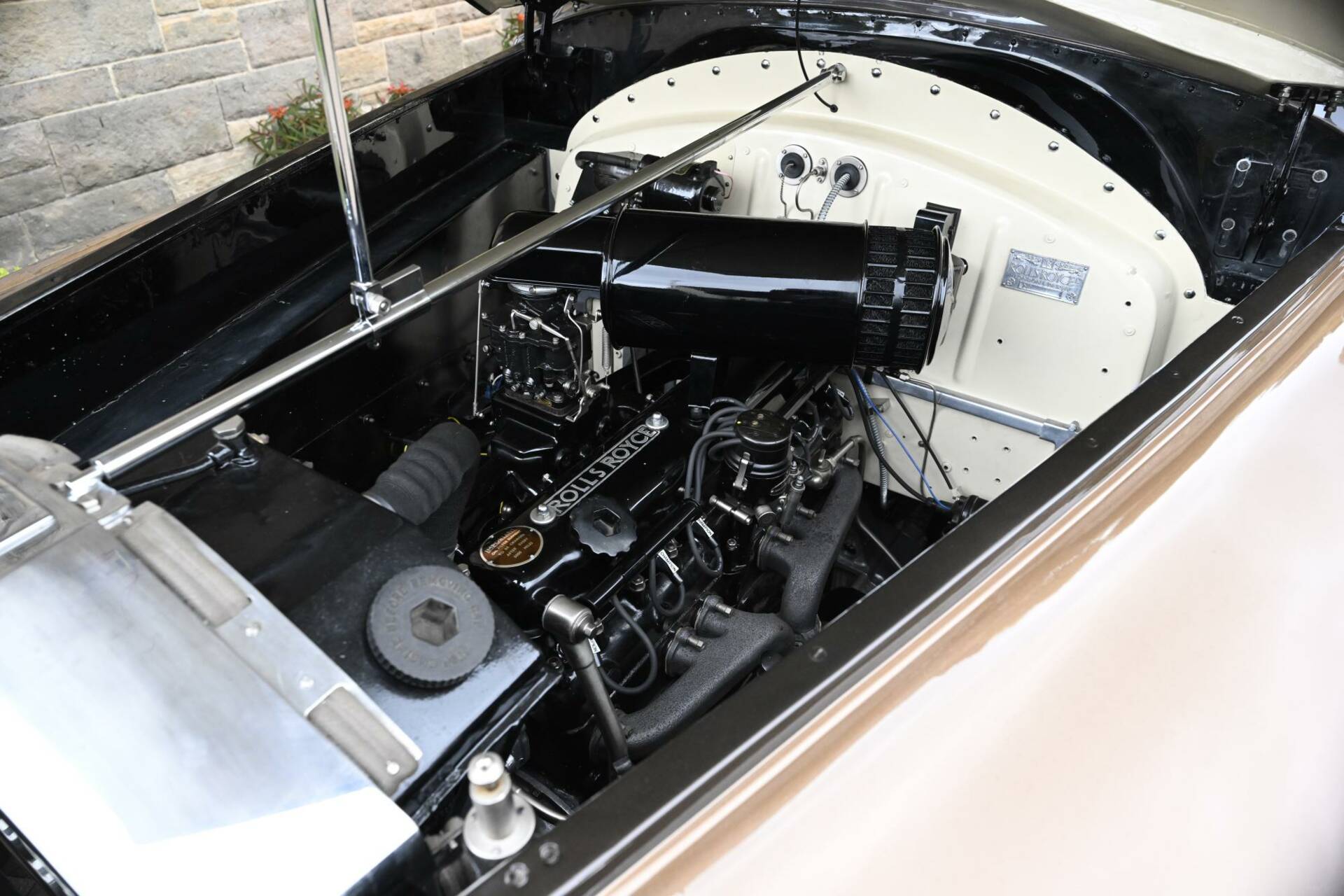
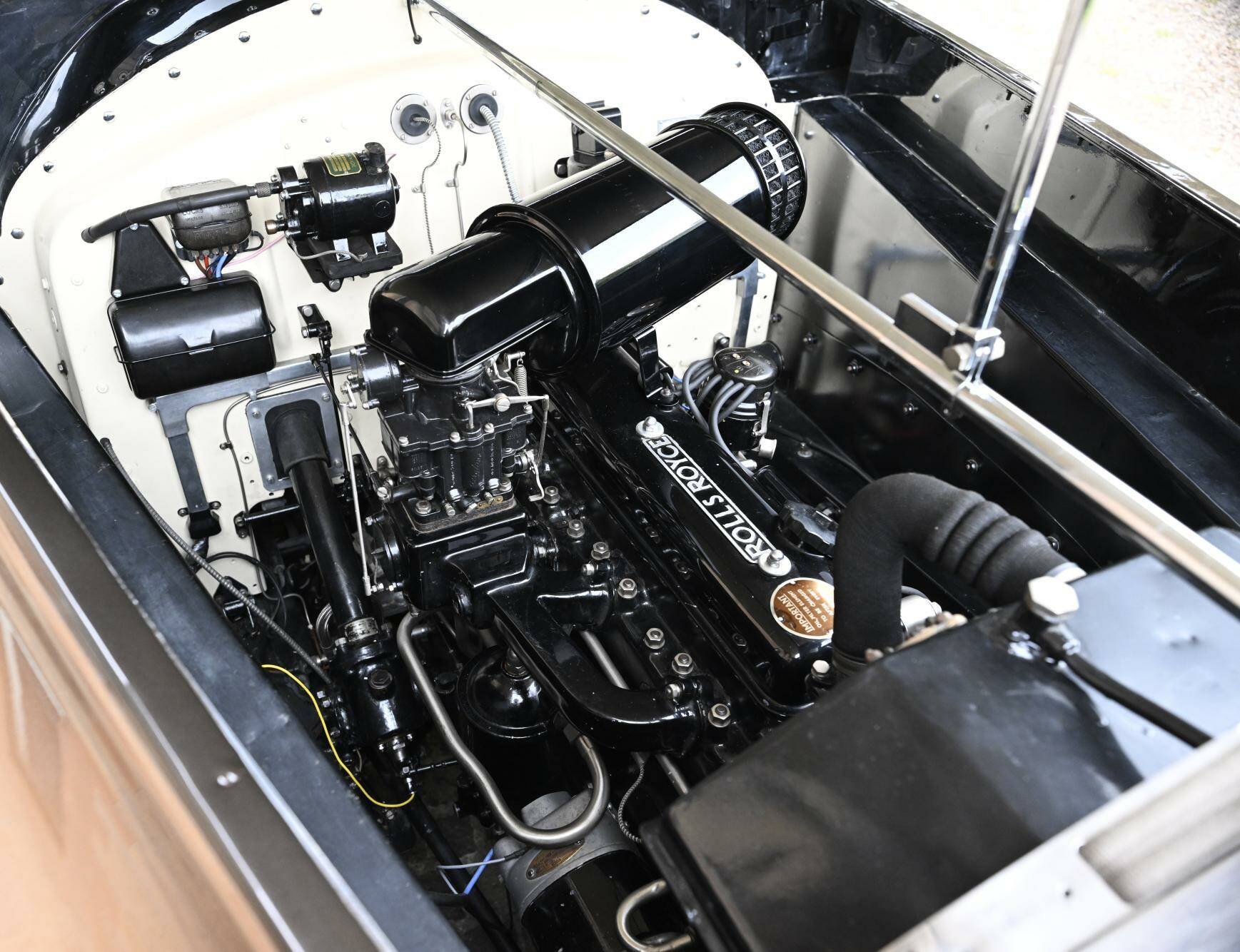
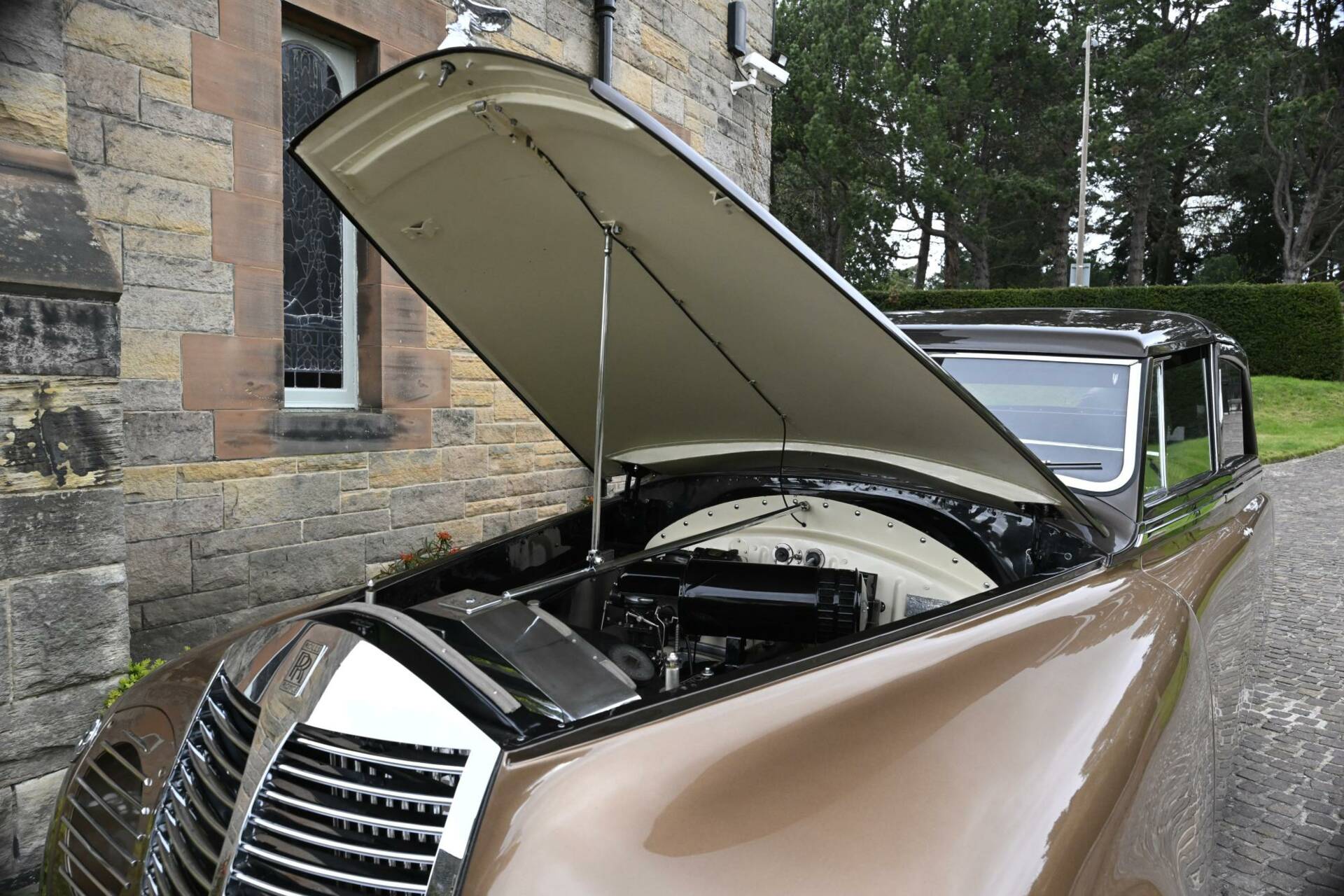
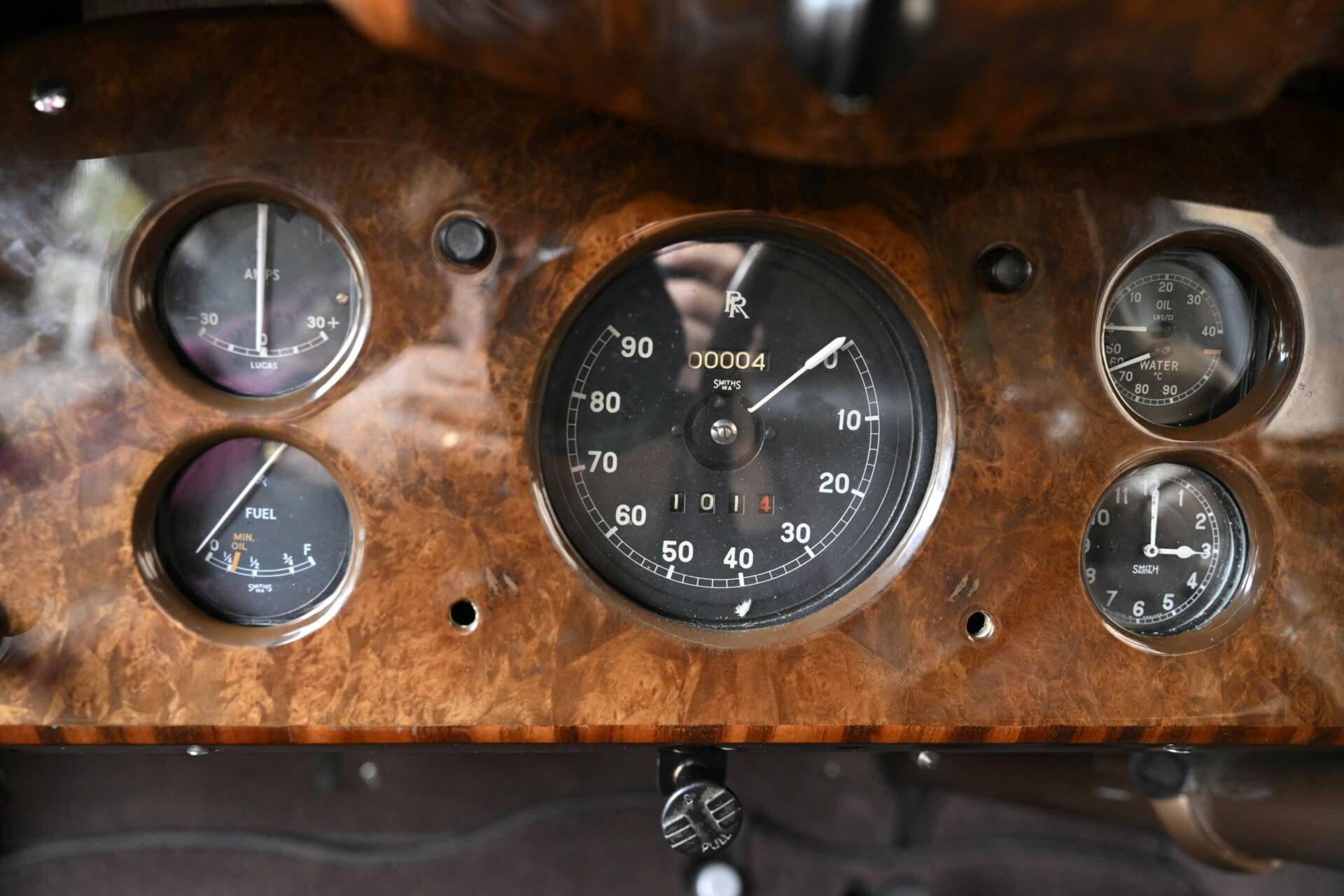
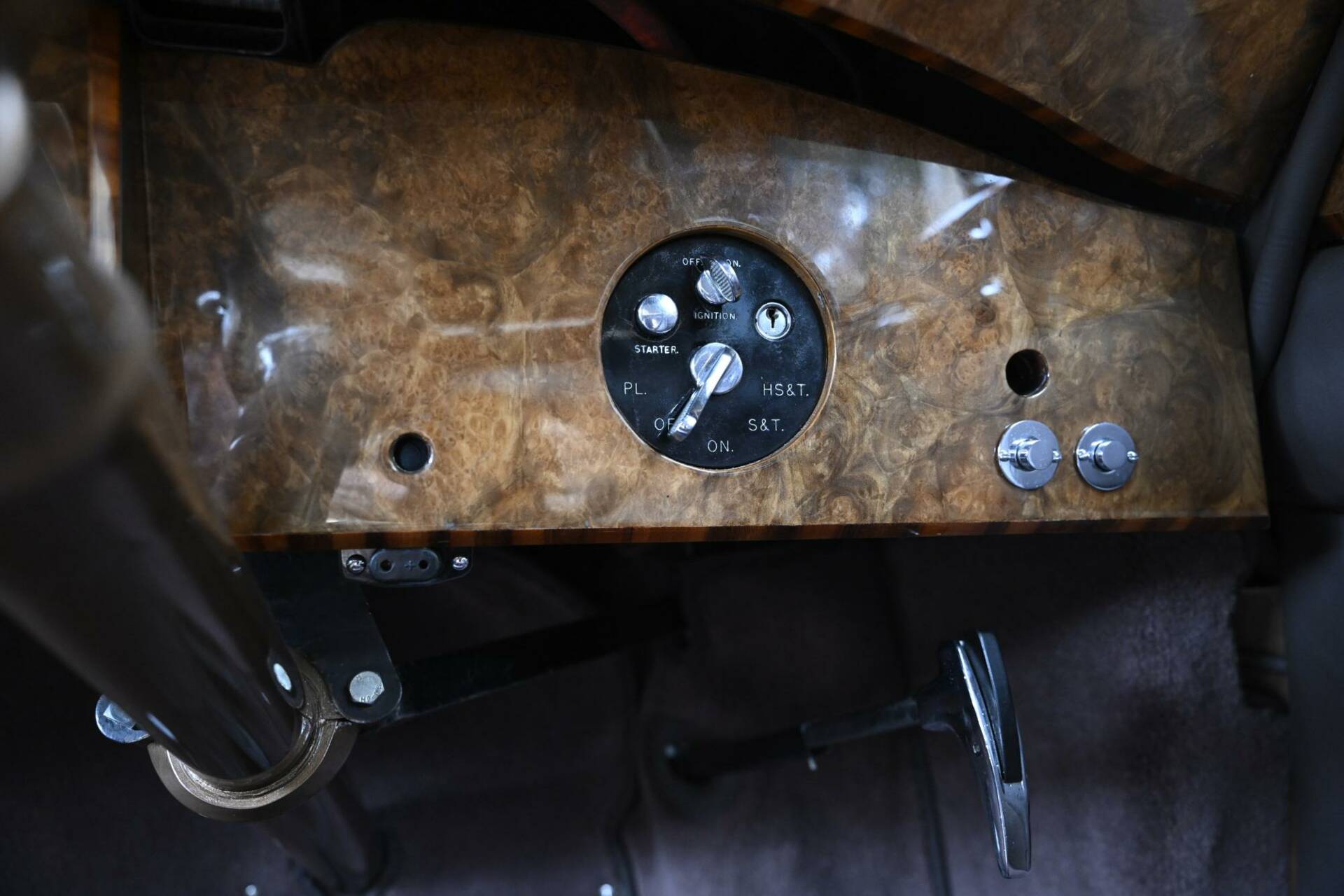
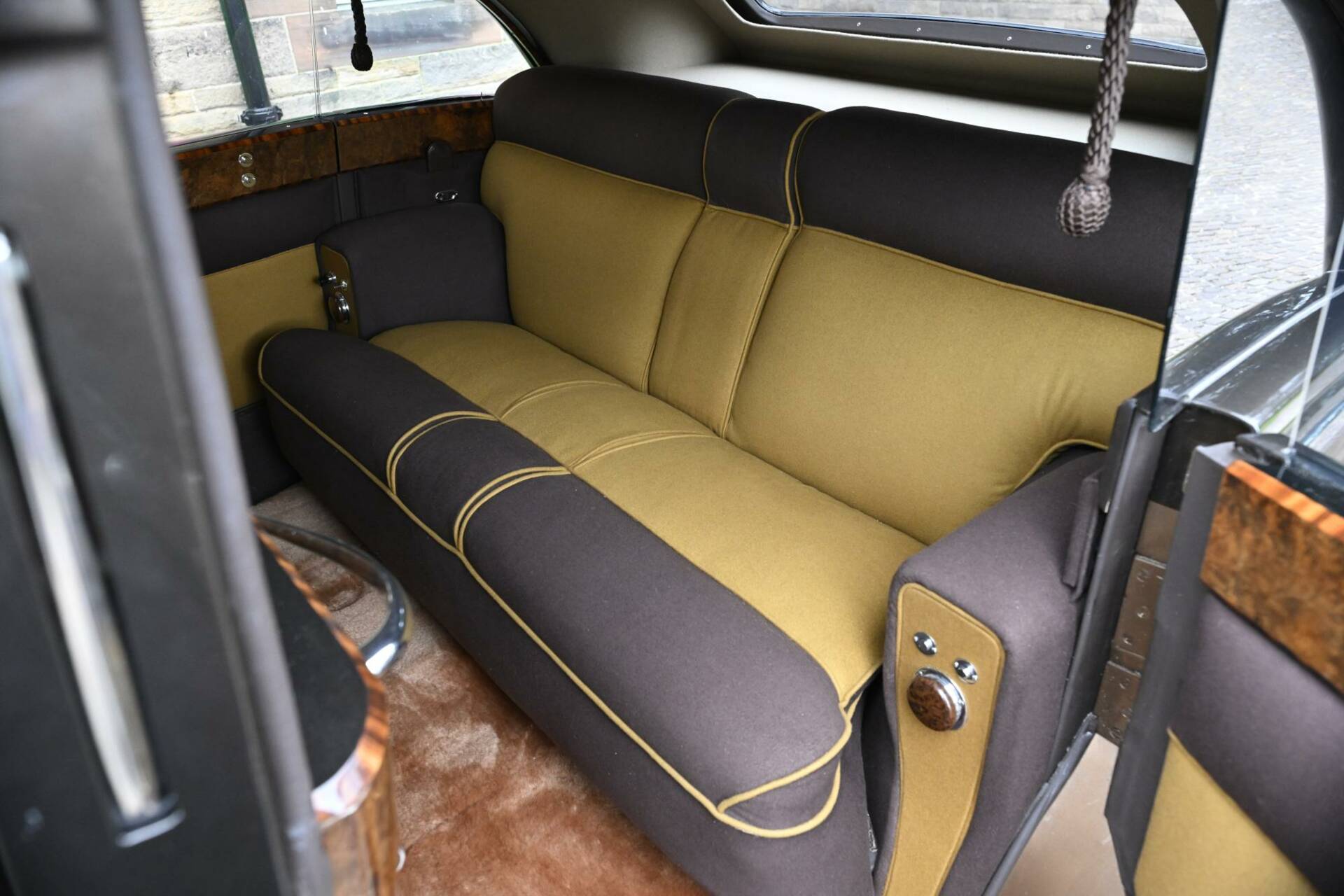
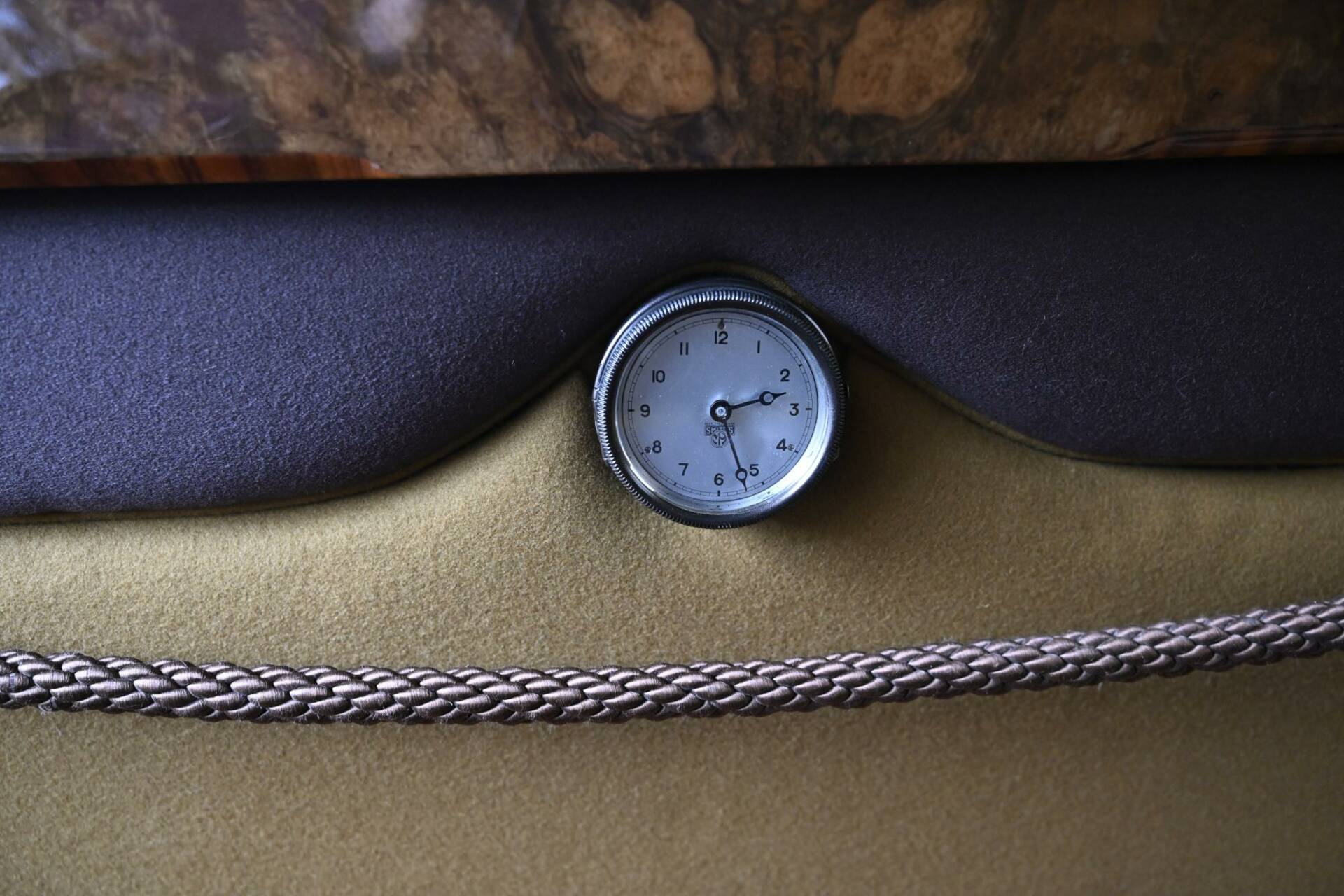
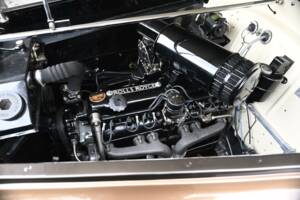
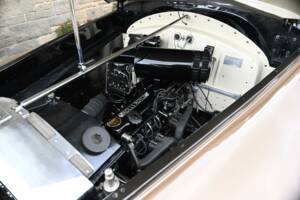
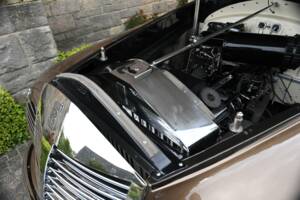
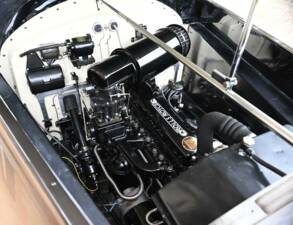
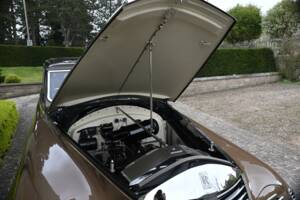
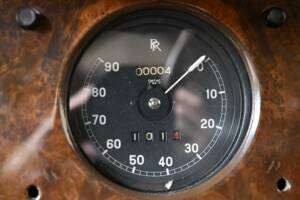
Not on the road since 1968 this incredibly styled Silver Wraith has been the recipient of a full & eye wateringly expensive comprehensive restoration both bodily & mechanically. The restoration was started by Hoopers in the 1990s with a complete disassembly of the car and its aluminium panels to its chassis, a full ash frame rebuild was undertaken. In subsequent years the restoration was continued by various specialists and finally completed in 2023.
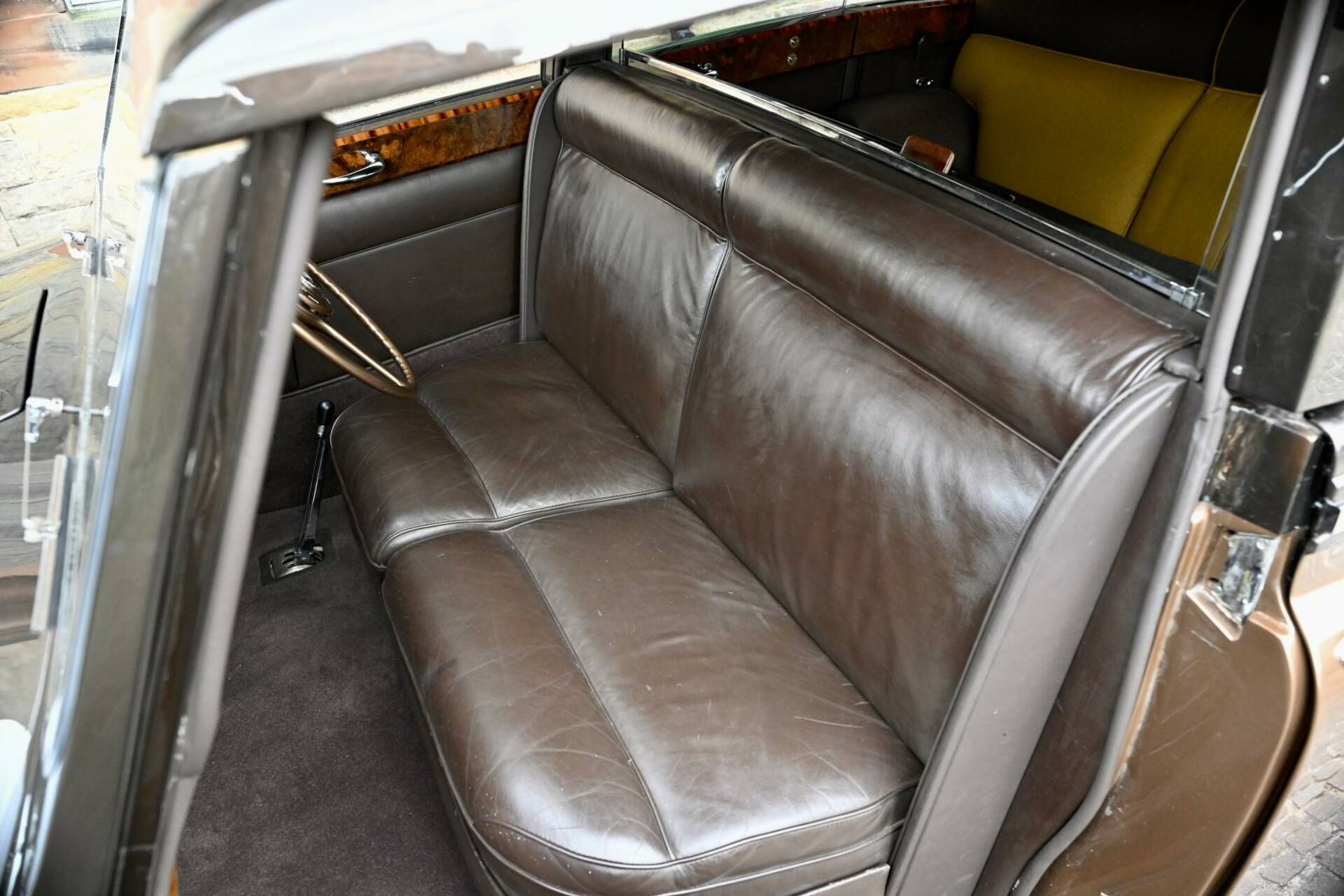
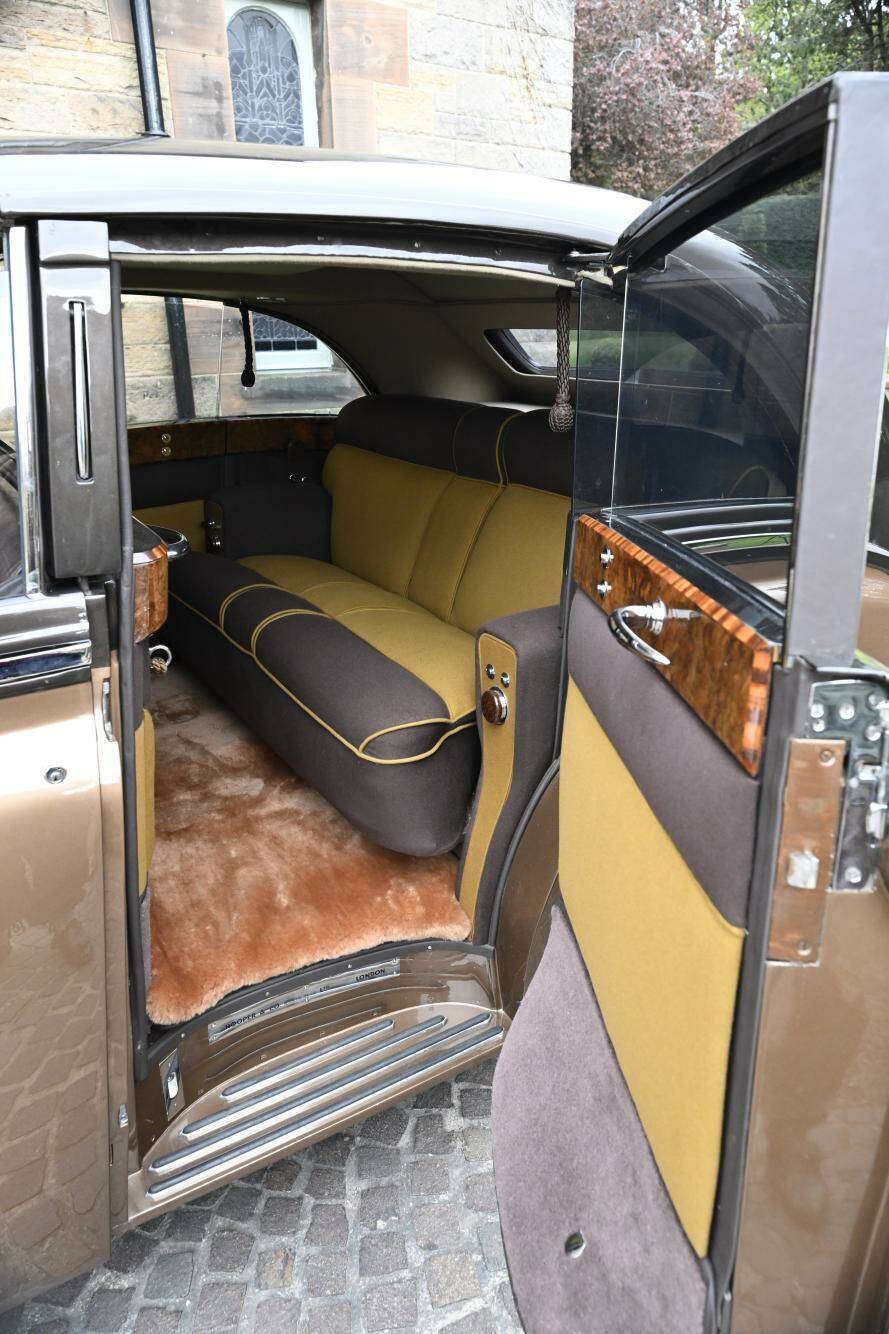
It is finished in its original colours of two-tone metallic brown (possibly reflecting the owners source of wealth from oil). Unusually the designer Osmond Rivers preserved his file on the build and passed it onto the then owner John Dick (who had purchased the coachbuilders Hoopers in the 1990s and was responsible for numerous special Rolls-Royce commissions for wealthy middle eastern clients), in this file he records that the two shades of paint should have extra metallic flakes.
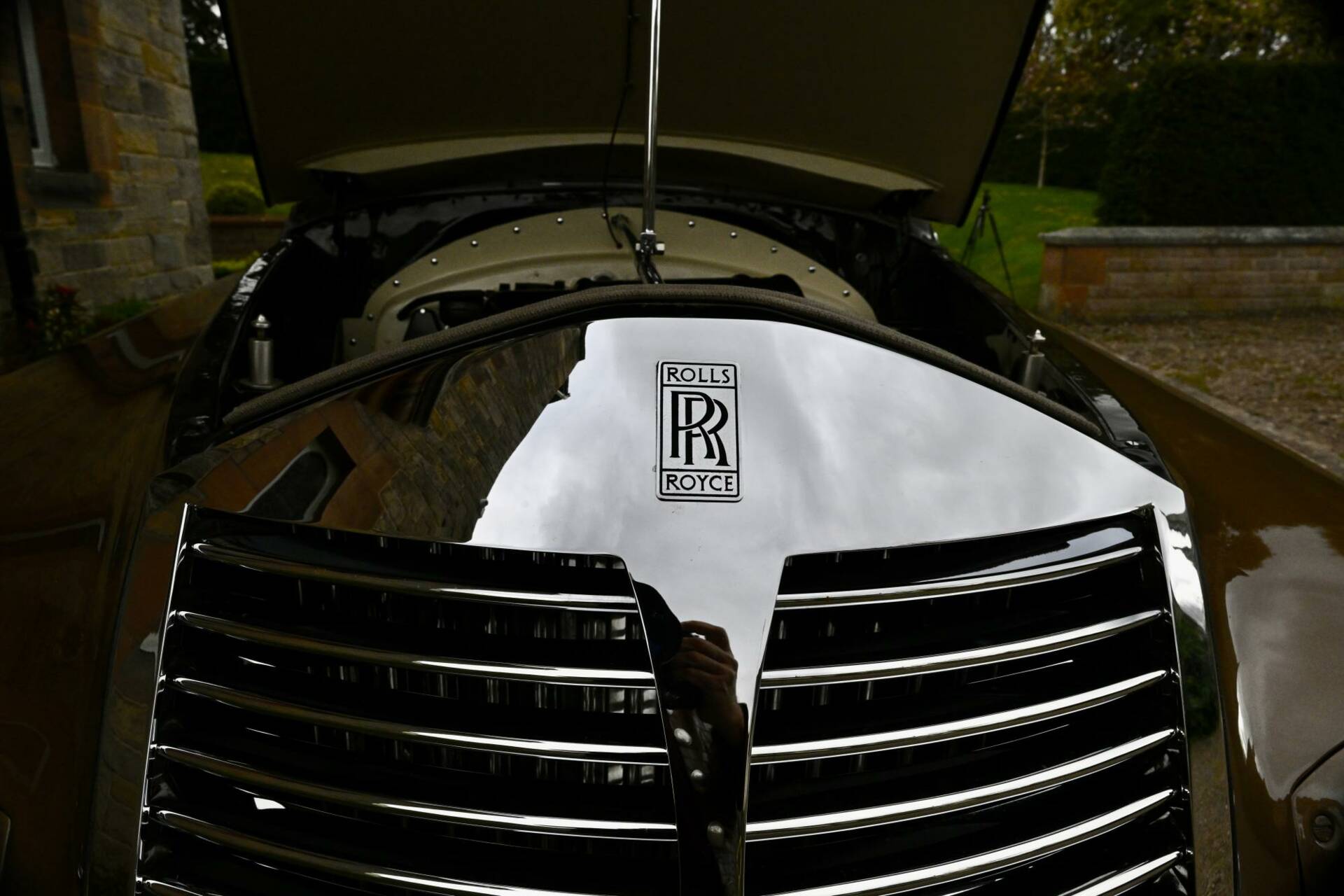
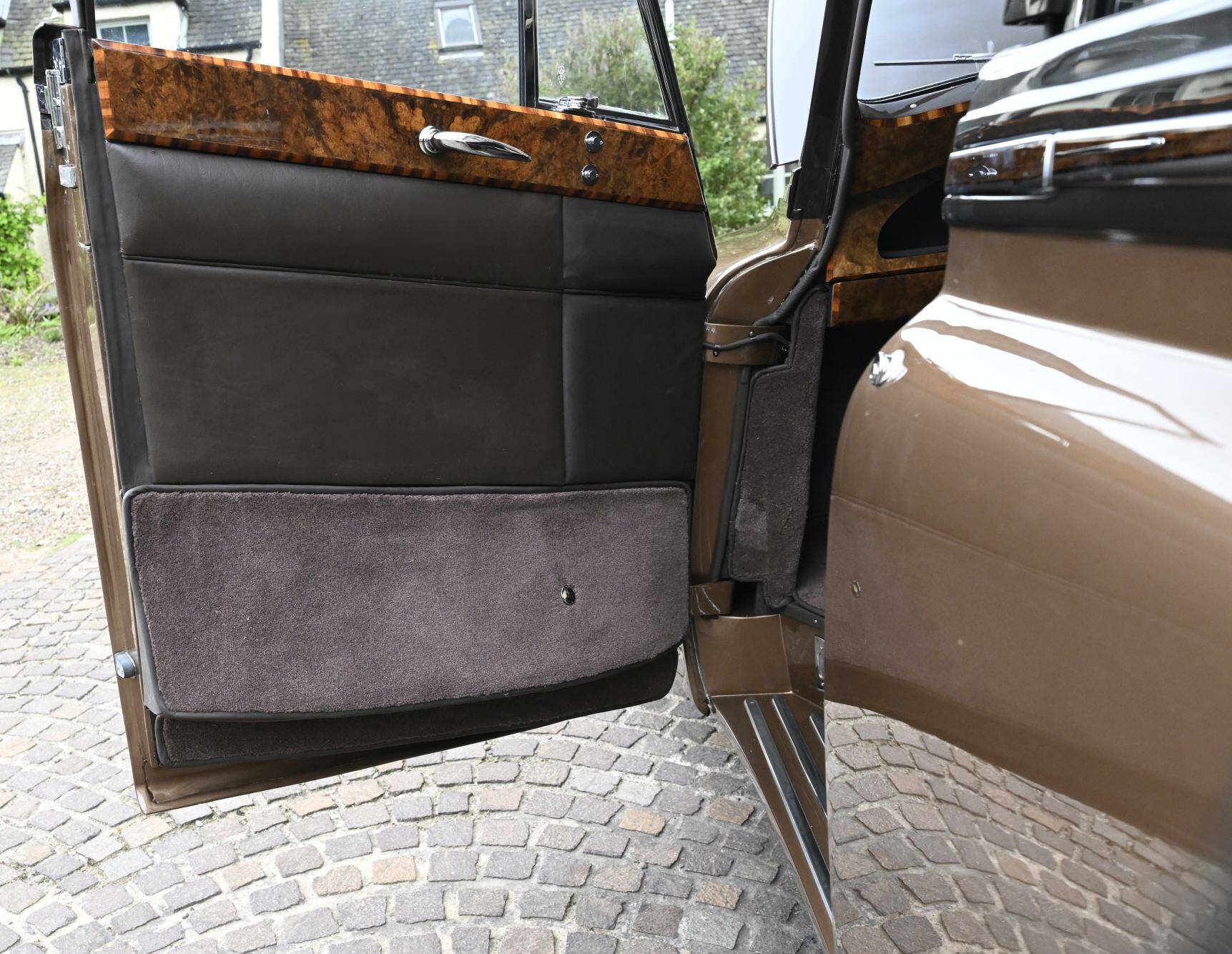
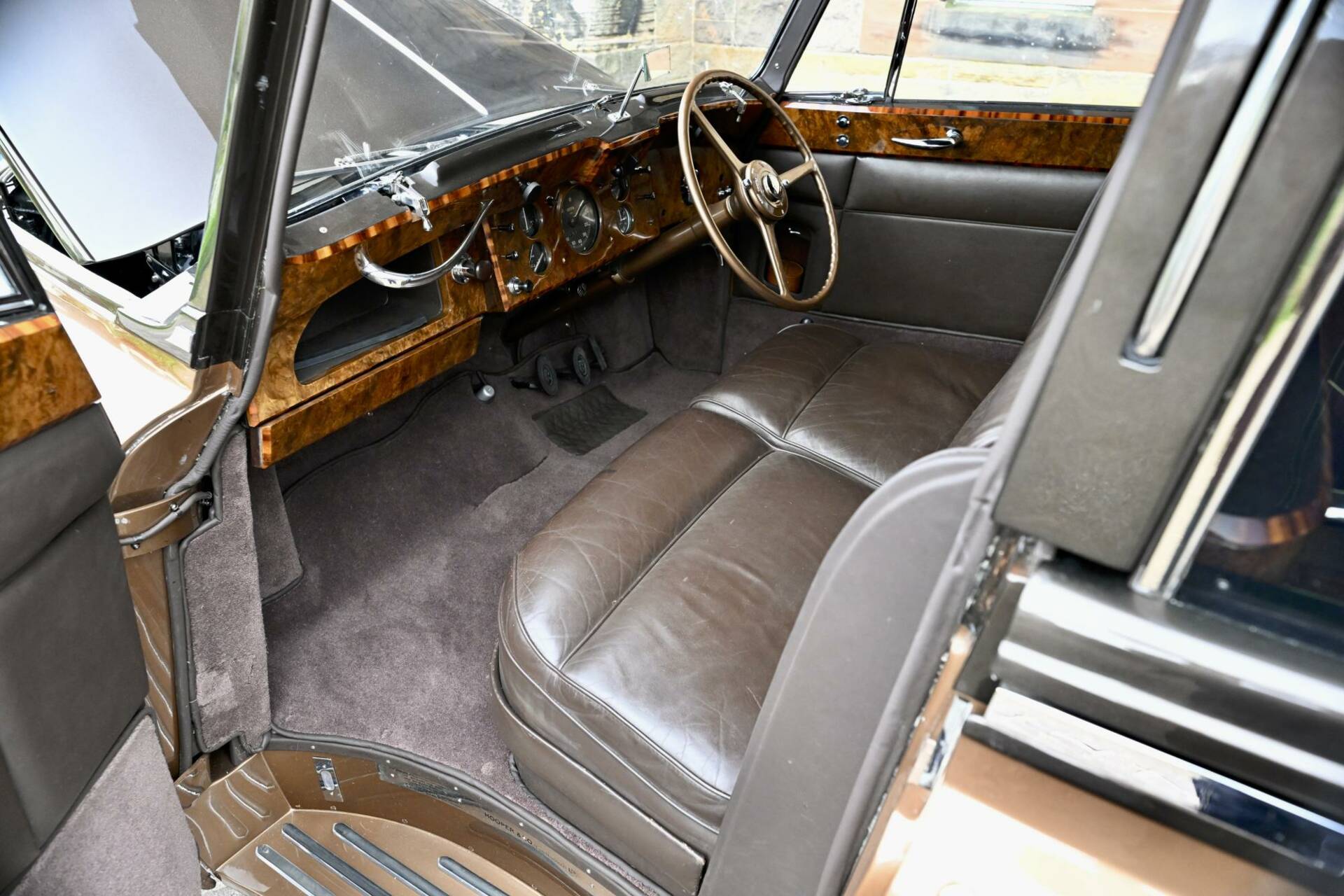
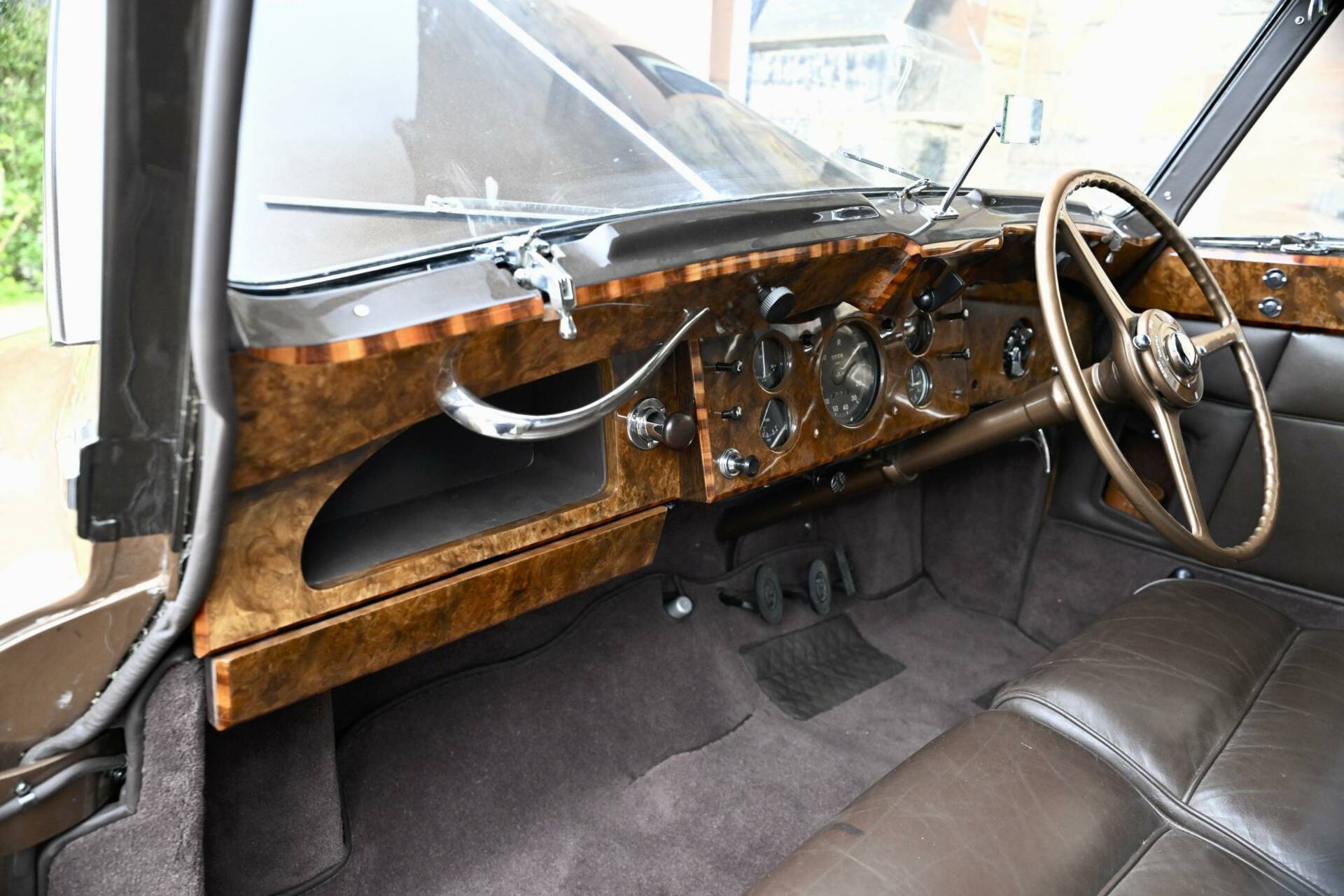
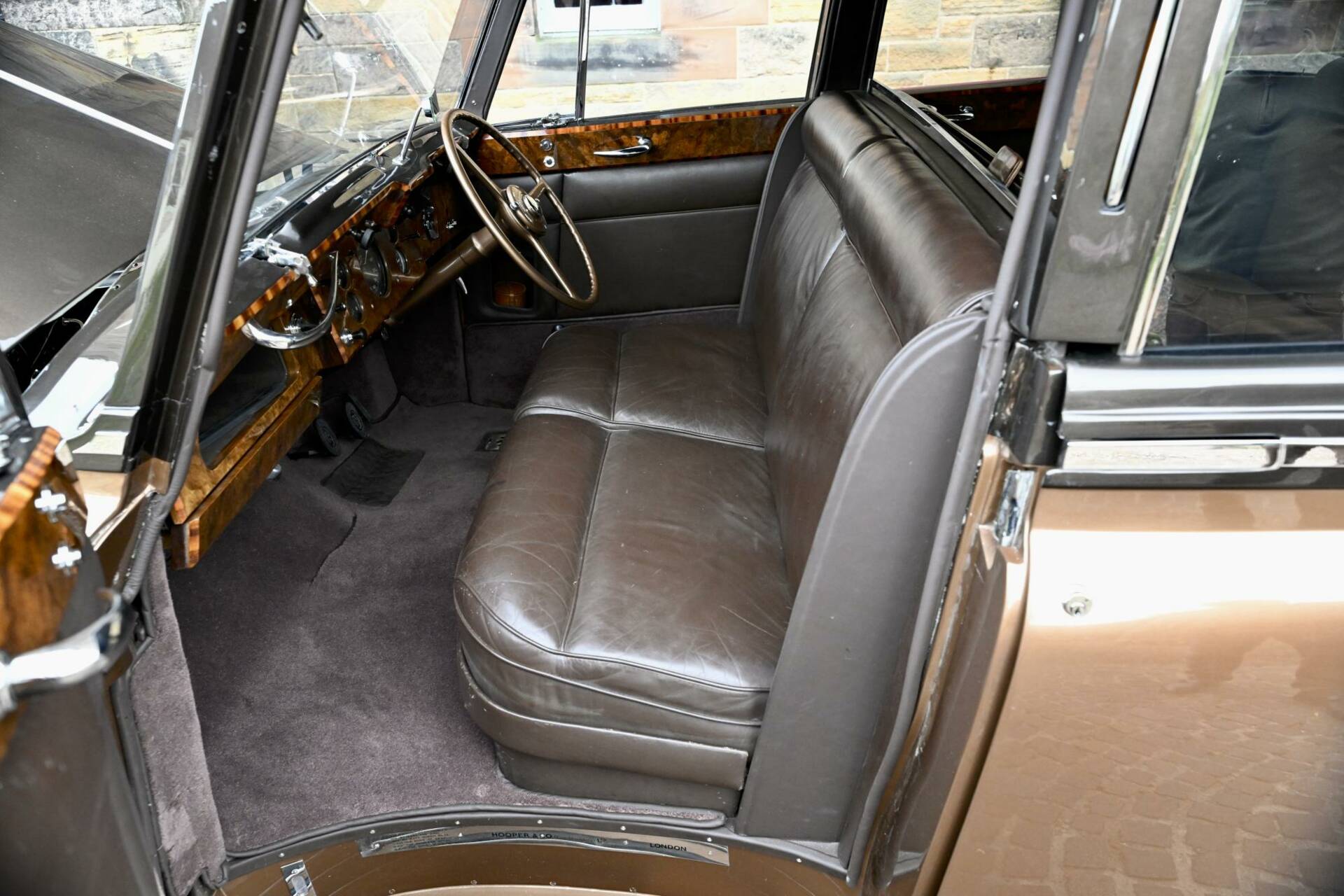
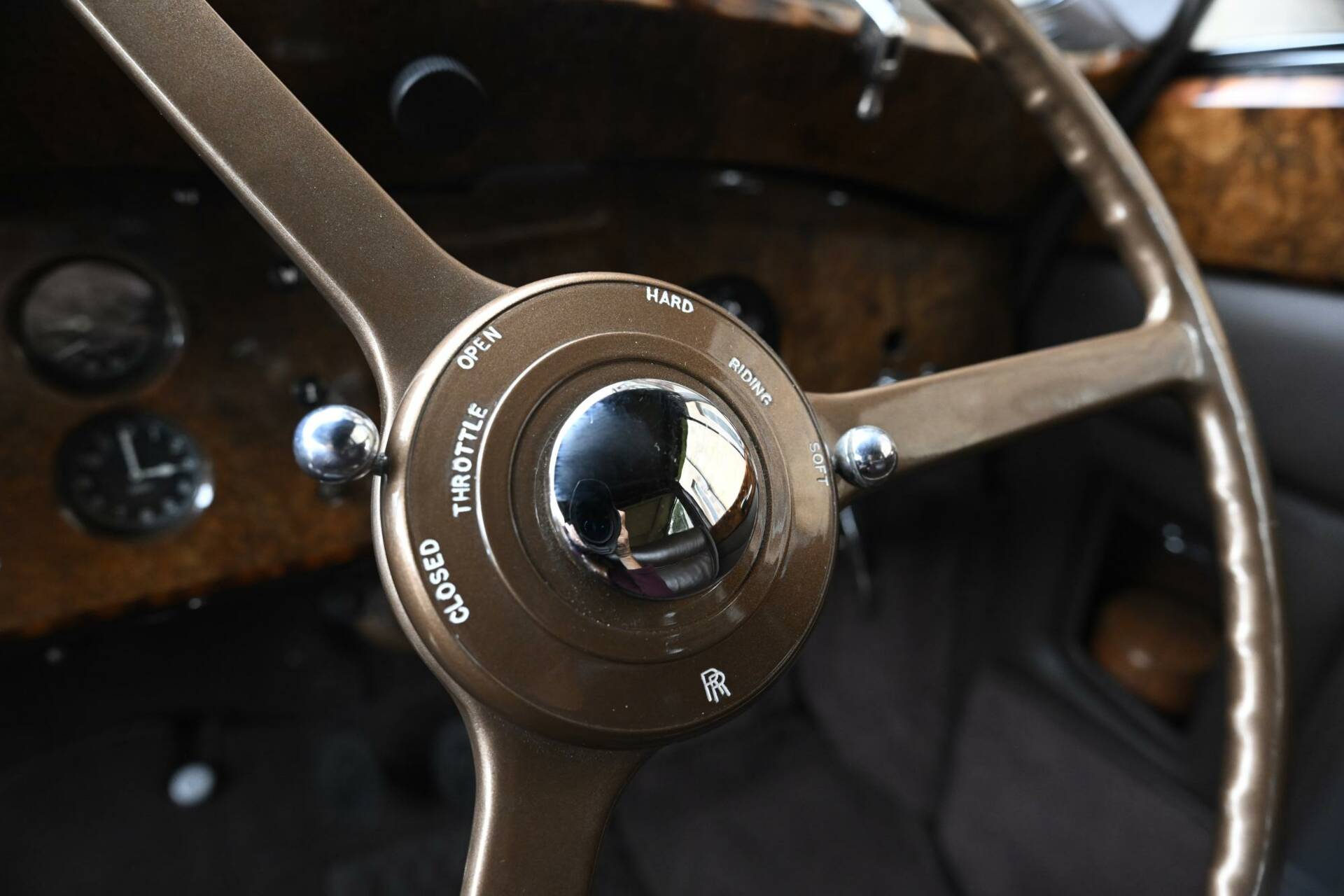
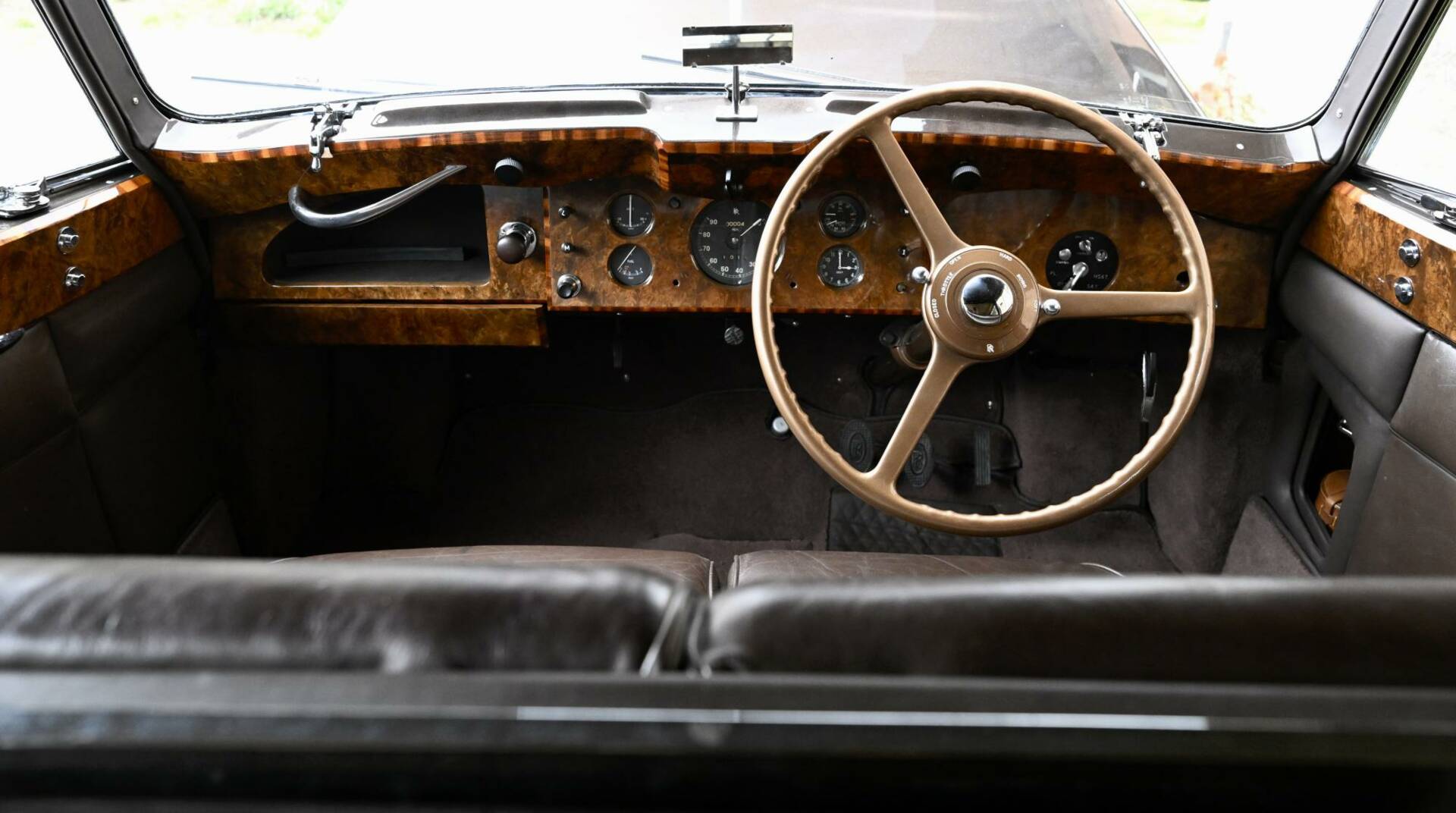
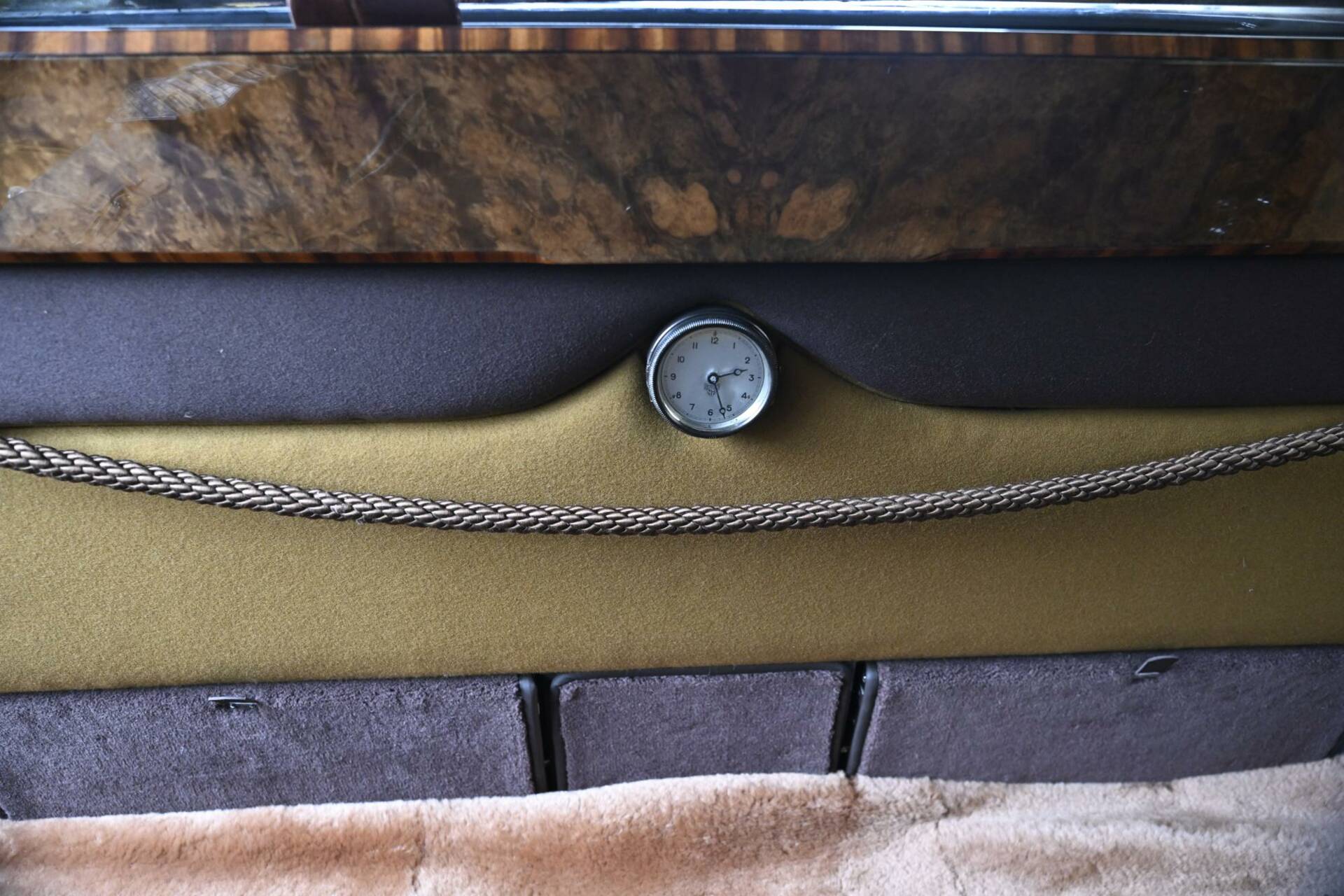
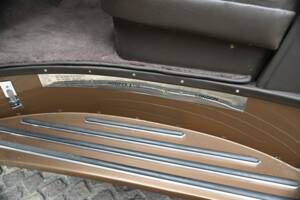
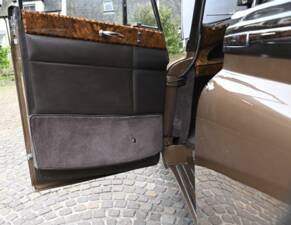
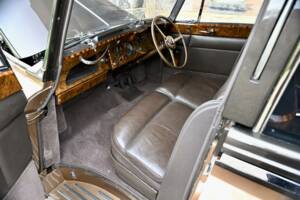
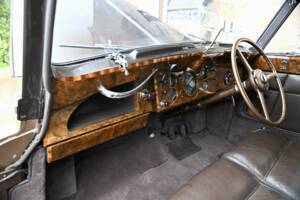
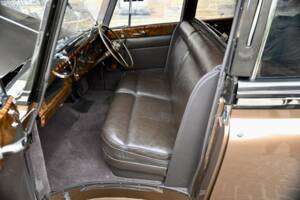
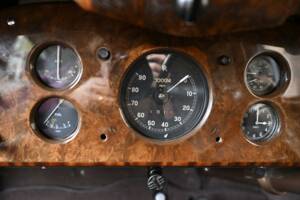
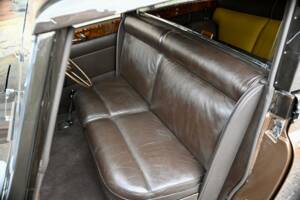
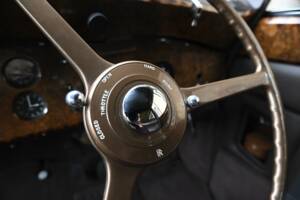
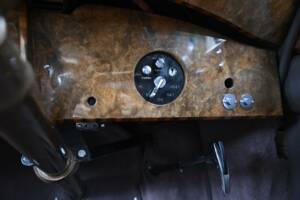
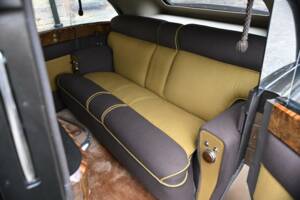
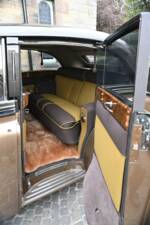
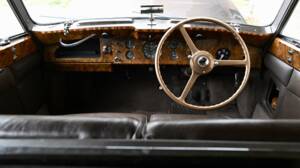
The body a Sedanca de Ville takes the form of a crocodile style roof which can be quickly opened and slid back (Gulbenkian sometimes bet his passengers that his chauffeur could operate this in the time it took for the lights to change). The wheels are fully faired in units giving the car an otherwordly appearance. Likewise the Pantheon Grille has been totally restyled reputedly causing some consternation at Rolls Royce, who insisted the original traditional radiator remain in place behind the new curved facsimile otherwise they would void his guarantee for the chassis. Additional specifications which ran to three pages requested were, electric division, electric rear blind, electric windows, flush handles, rear windows and quarter lights to have no metal frames (glass on glass shut lines), illuminated steps, painted steering wheel to match body colour, tops of walnut trim rails painted to match body colour, flush bodywork throughout.
So unusual is this car that it is sure to be welcomed at world wide events & represents a golden key to the likes of Pebble Beach & the Villa D'Este Concours.
Gulbenkian was born in the Ottoman Empire and at just a few weeks old was brought to UK. He was educated at Harrow and then Cambridge, as a consequence of his background, Gulbenkian saw himself as British and strove to live up to the model of the English gentleman. He began as an unpaid worker for his father, who was as noted for his frugal tendencies as his son would be for his spending, but later sued his father, bizarrely after a refusal by the company to allow him $4.50 for lunch. Overreacting to his father’s anger Gulbenkian took him to court to claim his share of the profits of a Gulbenkian subsidiary in Canada. By the time the argument was settled the court costs amounted to $84,000 which Gulbenkians’ father paid; Nubar stating “that was surely the most expensive chicken in history”. Gulbenkian did however inherited $2.5 million from his father and he later became extremely wealthy through his own oil dealings, allowing him to live a highly extravagant lifestyle. He was reported to be one of the wealthiest men in the world.
As a regular customer of Hoopers, the renowned Rolls-Royce and Bentley coachbuilders, he went on to order many unusual Rolls-Royces, often challenging the talented workforce of Hoopers to the extreme, but none of such a radical design. Gulbenkian was justifiably proud of the car and allowed Hoppers to feature it in the autocar of 1947 where it received a glowing write up as the most expensive car produced after the war
He commissioned a series of Silver Wraiths with an assortment of outlandish designs including a full see though Perspex roof version.
If anything has altered today it is the ownership profile. Today’s high net worth individual craves anonymity and while Nubar Gulbenkian seemed more than happy to flaunt his good fortune (matters of taste being of course subjective), these latter-day kings hide their luxury trinkets away, never to be seen — or one assumes, used as intended.
But what is unlikely to change however is that the fabulously wealthy will always want to underline the fact by spending inordinate amounts of their gotten gains on something nobody else can attain. Surely however, if one is not prepared to share at least the spectacle of these vehicles, a fundamental factor is being missed — after all, what exactly is the point of these people if they steadfastly refuse to entertain us? Lamentably, like so many other aspects of modern life, the super-rich are clearly not what they used to be in Gulbenkians day.

Have this vehicle inspected by experts!

Loading…
Loading…
Loading…
Loading…
Loading…
Loading…
Loading…
Loading…