Lotus Seven classic cars for sale
The Lotus Seven is an uncompromising open two-seater, renowned for its radical lightweight construction and famously direct driving experience. Conceived in 1957 by Colin Chapman, it became a go-to choice for clubman racing and has maintained a cult following among enthusiasts due to its pure design and adaptability. Many variants and engine choices define the series, each offering unique thrills behind the wheel.
Search results

1973 | Lotus Seven
Vienna Calling - coming soon
Preview

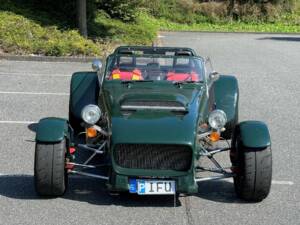
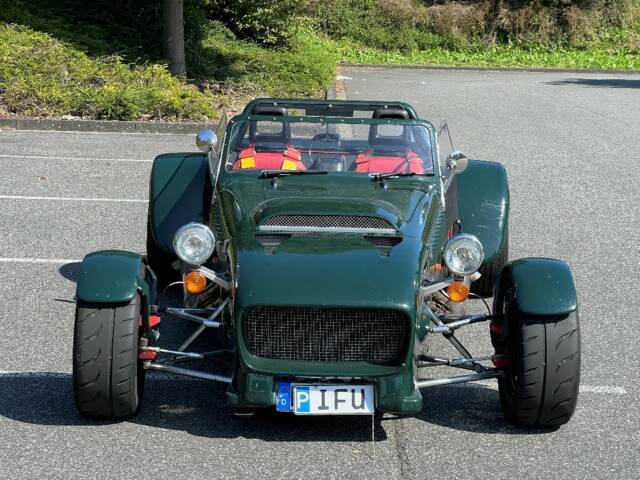
2000 | Lotus Super
IFL Scholz Seven XXL V8 – Einzelstück mit Rover 4.6 V8 und Flugzeugbau-DNA

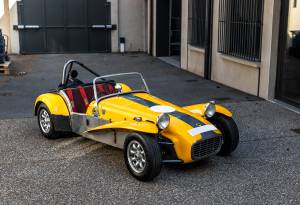
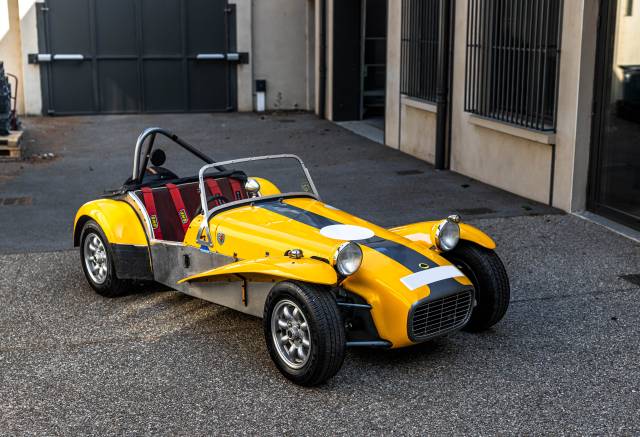
1962 | Lotus Super
Lotus Seven S2 - Bel état - Garantie

Lotus Seven listing references from Classic Trader
Below you will find listings related to your search that are no longer available on Classic Trader. Use this information to gain insight into availability, value trends, and current pricing for a "Lotus Seven" to make a more informed purchasing decision.
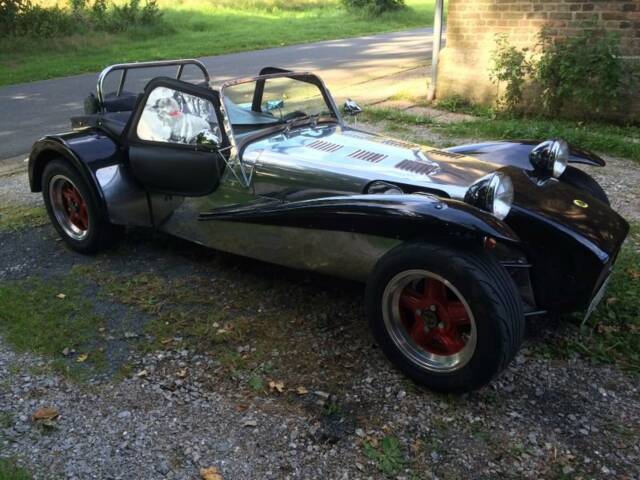
1969 | Lotus Super
Lotus Super Seven | 1969 | Route 66 Auctions - For sale by auction. Estimate 25500 EUR

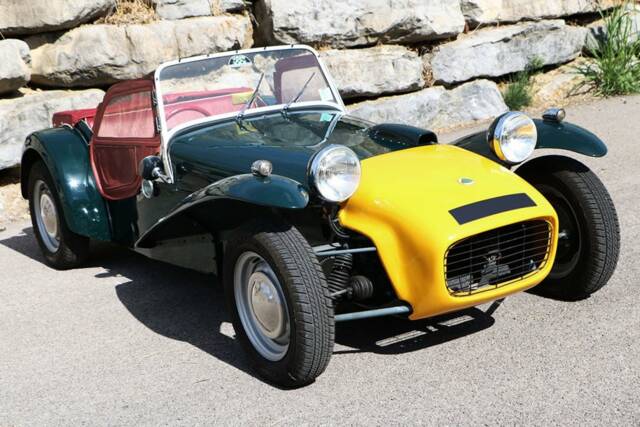
1962 | Lotus Super
Lotus Seven S2 | 1962 | Route 66 Auctions - For sale by auction. Estimate 17500 EUR
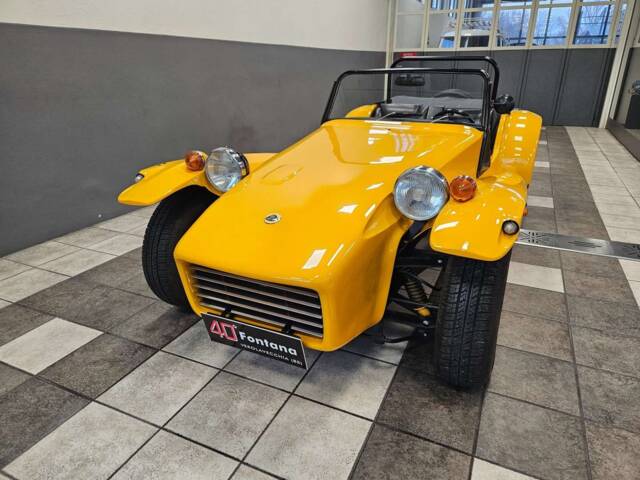
1972 | Lotus Seven

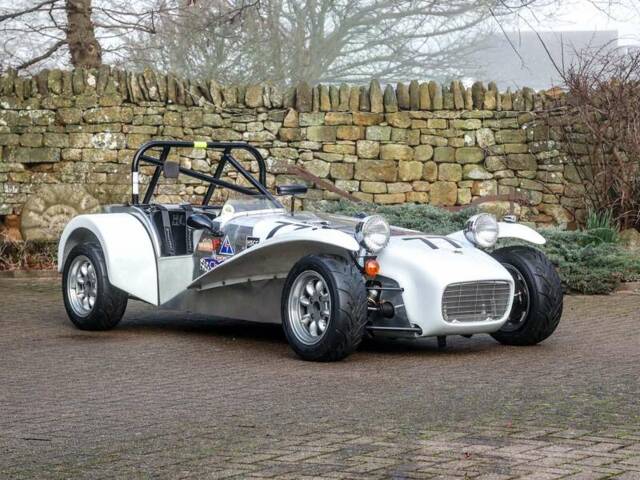
1969 | Lotus Super
1969 Lotus Super Seven 'Series 3' Spec Twin Cam Race Car

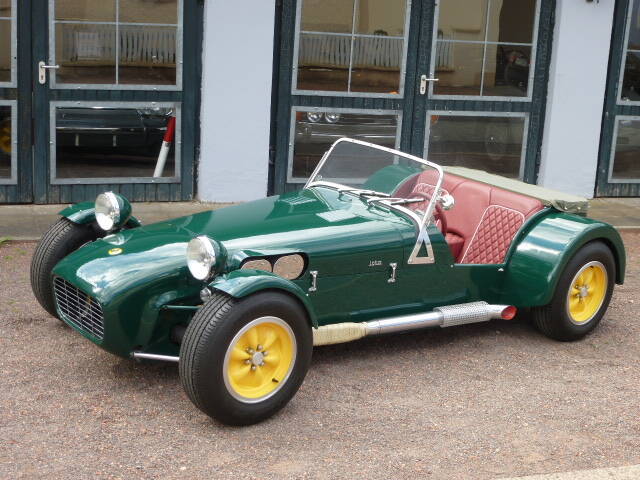
1961 | Lotus Super
Lotus Super Seven
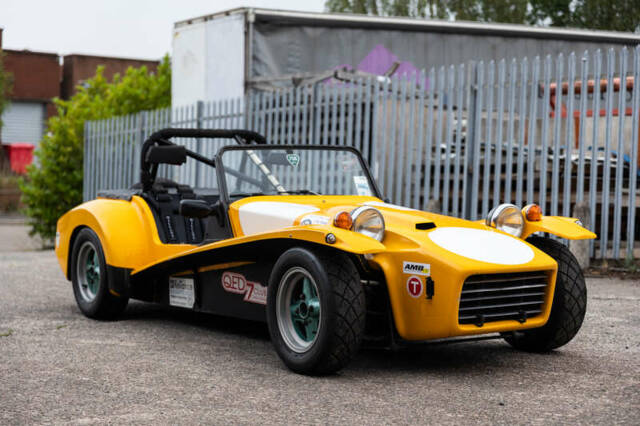
1971 | Lotus Seven
1971 Lotus Seven Series 4
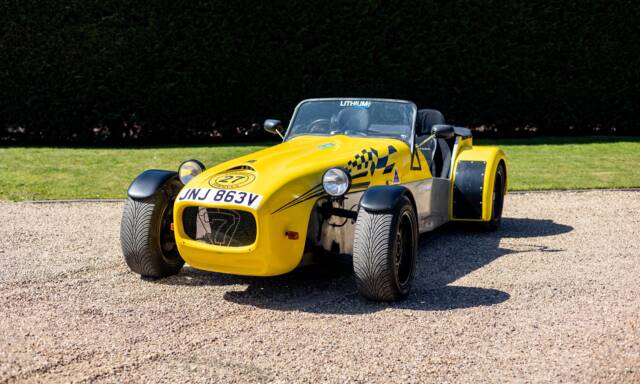
2004 | Lotus Seven
2004 Sterling Formula 27 'Lotus 7 evocation' Electric
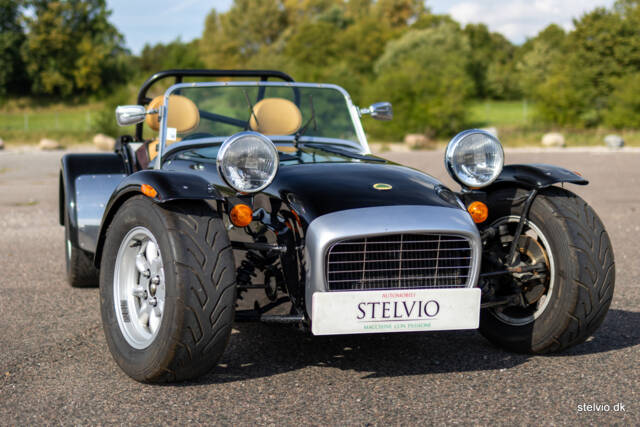
1962 | Lotus Super
Series 2 with long cockpit and upgrades

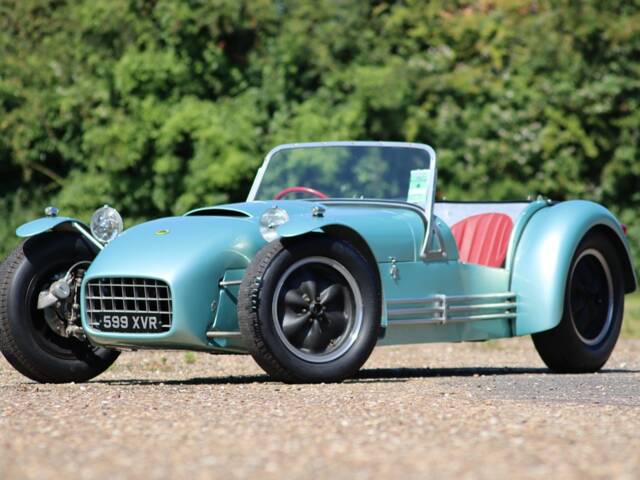
1958 | Lotus Seven
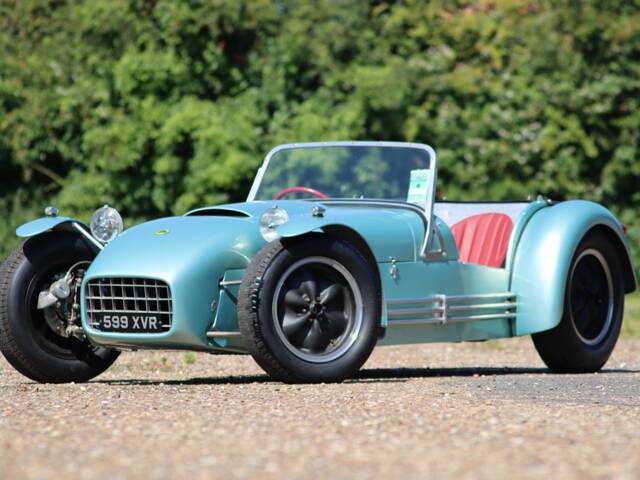
1958 | Lotus Seven
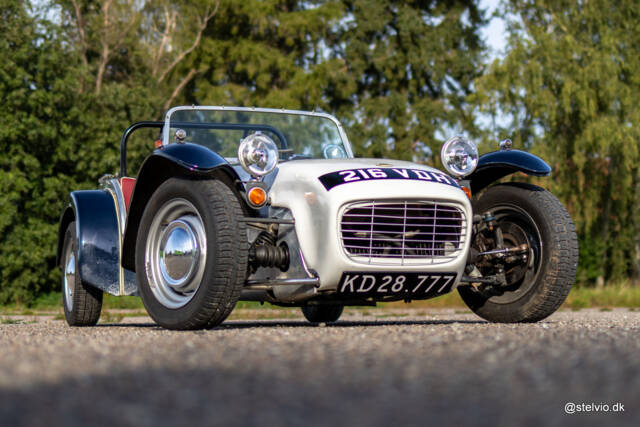
1961 | Lotus Super
Very original and correct early Series 2 Super Seven
Lotus Seven Classic Cars: Prices & Market Values
The story of the Lotus Seven
Introduced in 1957, the Lotus Seven emerged as Britain's answer for enthusiasts seeking exhilarating performance without excess. Colin Chapman's objective was clear: subtract weight until all that remains is performance. Offered as both a kit and a fully built car, the Seven cleverly exploited British tax regulations and encouraged owner involvement in assembly. Clubman racing became the natural home for the Seven, with its light chassis and nimble handling proving the ideal recipe for Britain’s grassroots motorsport scene. Over the years, it saw incremental changes, but the founding principle of simplicity endured. The Series 4 introduced in 1970 marked a visual departure with glassfibre bodywork and a heater as standard, aiming to expand appeal. Production ceased at Lotus in 1973, with Caterham taking over the rights, ensuring the Seven’s concept outlived its maker. Its prominence was solidified by its starring role in the cult TV series 'The Prisoner.'
Model history: from Series 1 to Series 4
The Seven traces its lineage back to the Lotus 6, and evolved through four principle series. The Series 1 (1957) bore the closest resemblance to the minimalist concept, using Ford 100E and BMC A-Series engines. Series 2 (S2) arrived in 1960, presenting more engine options—such as the Cosworth 1498 cc. 1968’s Series 3 (S3) further refined the chassis for enhanced performance, most notably with the Ford 1600 crossflow engine and the rare Lotus twin-cam option. The radical Series 4, launched in 1970, changed direction with angular glassfibre panels and an uprated cockpit, but only produced around 660 cars. Amid market changes, Lotus transferred production to Caterham in 1973. While there was no direct successor car under Lotus, the concept’s DNA branched into countless replicas and kit cars led by Caterham, but also marks like Formula 27 and Westfield. Each series retains a strong identity in the enthusiast community today.
Highlights and unique features of the Lotus Seven
The Seven’s hallmark is its extraordinary lightness—often tipping the scales at less than 500 kg—which means even modest engines deliver impressive real-world pace. The minimalist spaceframe and predominantly aluminium body, later supplemented in Series 4 by glassfibre panels, make the chassis exceptionally agile. Gearboxes and engines, almost exclusively sourced from mainstream manufacturers (mainly Ford, BMC, and Coventry Climax), allow for wide mechanical interchangeability. The Seven’s appeal further lies in its raw, direct steering and unfiltered driving sensations, earning it a following as both road-legal racer and weekend toy. The inclusion of accessories like wet-weather gear, safety harnesses, and bespoke wheels underline its dual-purpose role. Featured in 'The Prisoner', its image became inseparable from British pop culture.
Technical Data
Special editions and collector models
The first year saw the launch of bespoke Super Seven variants boasting dual-overhead-cam Coventry Climax engines for significantly higher output, with later Super Sevens adopting Cosworth and Lotus twin-cam units. Each step-up in power and chassis also marked out a car’s collectible status, with Series 1 and early Super Sevens the most coveted among purists. The Series 4 GT 1600 is notable for its rare blend of luxury and sporting focus, and stands as the only factory Seven to enter the market with a predominantly glassfibre shell and full heater as standard. Limited-run specifications, celebrity-owned cars, and those with confirmed TV provenance—especially 'The Prisoner' series car—often attract substantial buyer interest.
Weak spots and common issues
The Seven’s uncompromising lightweight construction means that early models are mechanically simple but can suffer from age-related corrosion in the steel frame if left exposed to the elements, especially where alloy and steel join. Later glassfibre panels on the S4 may develop cracks. Mechanical components sourced from mainstream manufacturers make repairs straightforward for most garages with classic know-how; however, originality is often debated due to the interchangeability of engines and gearboxes. Regular inspection of chassis, suspension bushings, brake lines, and electricals is advised. Replacement and reproduction parts remain widely available, and technical documentation is commonly included with vehicles.
Engine, performance, transmission and handling
What sets the Seven apart is the feedback and agility born from its minimalist frame and sub-500 kg weight. Even engines rated below 50 bhp endow the car with notable acceleration, while uprated twin-cam, Cosworth and Lotus 1558 cc engines transform it into a bona-fide circuit tool. A typical drivetrain consists of a four-speed manual transmission, often Ford-based, mated to the chosen engine. Double wishbone suspension up front and a live axle rear contribute to its reputation for near-telepathic cornering behaviour. The brakes, steering, and pedal weighting are all tailored for racing feedback rather than comfort. - Series II with Ford and Cosworth power: Acclaimed for its broad engine selection and race-bred suspension, accounting for the largest share of listing views (35.9%).
- Series IV: Most prevalent on the market (36.8% of listings), noted for its glassfibre construction and suitability for mixed road use.
- Series III: Classic crossflow and rare twin-cam engines, well regarded for sharp but approachable handling.
- Series I: Purest instantiation, prized by purists and collectors for its rawness and historic significance.
Design, interior and exterior features
The Seven forgoes luxury in pursuit of lightweight performance: cockpit accommodations are basic, with bare floors, minimal trim, and heavily bolstered sports seats to keep driver and passenger stable under hard cornering. Aluminium is the main body material for S1-S3; S4 introduced a sharper look with glassfibre panels and a more enclosed interior including a heater. The distinctive exposed-wheel look, clamshell or cycle wings, and signature '7' grille make it instantly recognisable. Accessories like Momo or Moto-Lita steering wheels, four-point harnesses, quick-release fuel caps, and removable wet-weather covers add functional British flair and practicality. Most cars remain right-hand drive, but some left-hand-drive examples exist for continental needs. Custom paintwork and period-correct options—such as Dunlop alloys or Lotus badging—can further individualise each example.
Other relevant features
Lotus Sevens often come with a well-documented history, including Lotus certificates and original registration documents. The car's modular construction and strong aftermarket support mean that many examples feature upgrades or modifications carried out during repairs or restoration. Club support is robust, with active owners’ groups, technical support networks, and dedicated classic racing series for Sevens in several countries. The Seven is a popular alternative to classic motorcycles as an elemental driving machine. Tax advantages and MOT exemptions further incentivise ownership in the UK.
Summary
The Lotus Seven stands apart for its purist design philosophy, engineering clarity, and the tactile connection it offers drivers. With abundant choice among Series I-IV, engine swaps, and trim levels—alongside exceptional supply of replacement parts—the Seven continues to appeal to hands-on enthusiasts as much as those in search of an authentic classic British sports car experience.