Lotus Esprit classic cars for sale
The Lotus Esprit, manufactured between 1976 and 2004, is a quintessential British sports car known for its uncompromising lightweight construction, sharp wedge design by Giorgetto Giugiaro, and its performance-focused engineering. With a production run spanning nearly three decades and numerous technical and styling evolutions, the Esprit has achieved widespread recognition—partly thanks to appearances in James Bond films—and holds a prominent place in classic sports car culture.
Search results
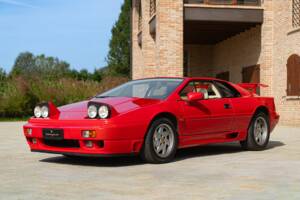
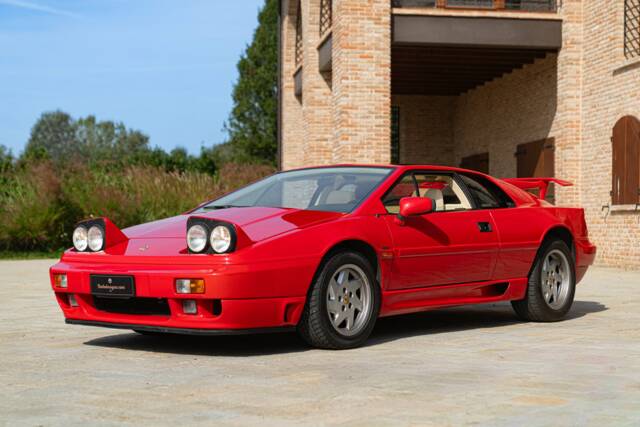
1993 | Lotus Esprit SE
Lotus ESPRIT TURBO SE "HIGH WING"
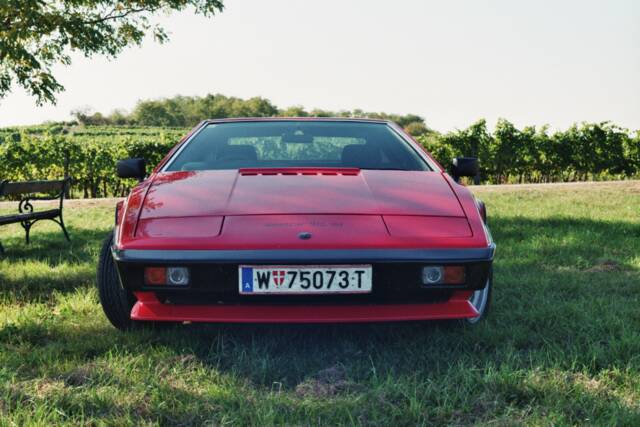
1983 | Lotus Esprit
Rarität unverbastelt
Auctions ending soon

Loading…
Loading…
Loading…
Loading…
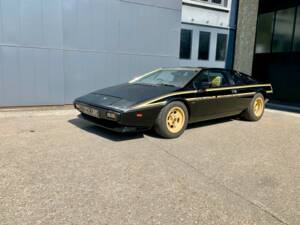
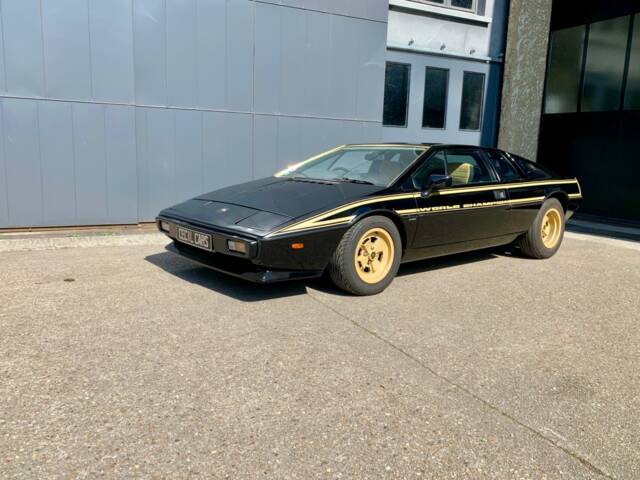
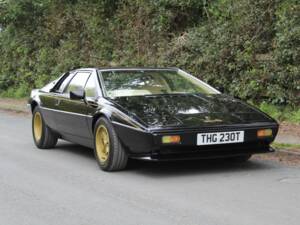
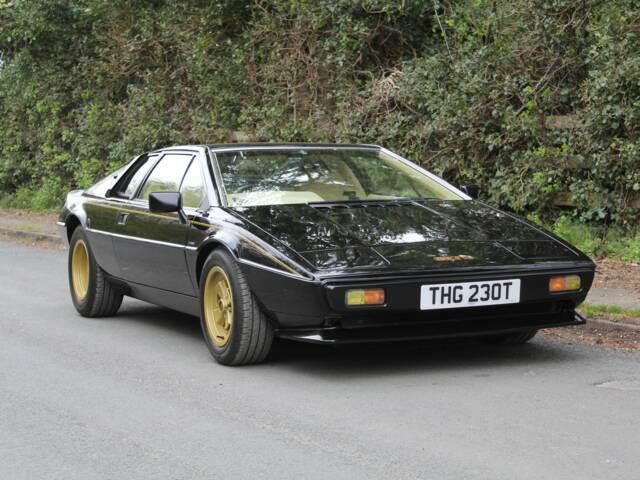
1979 | Lotus Esprit S2
1979 Lotus Esprit S2
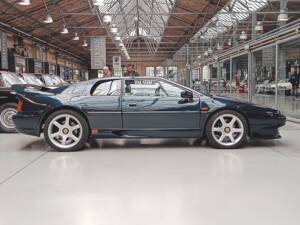
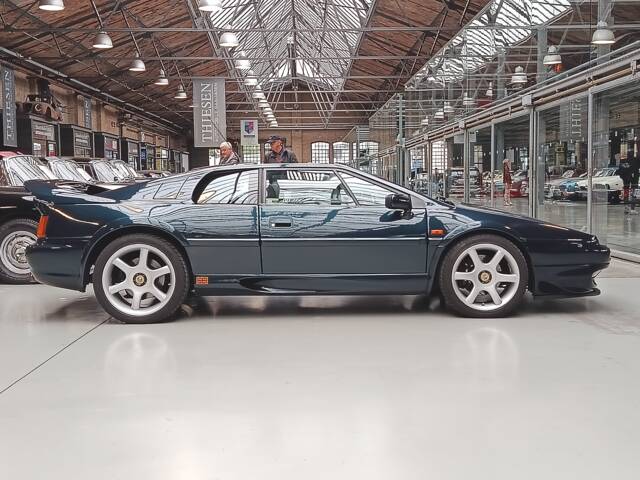
2001 | Lotus Esprit V8 BiTurbo
3.5l V8 GT
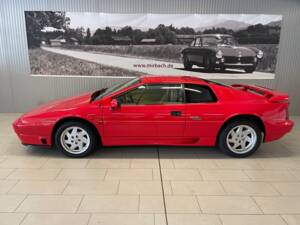
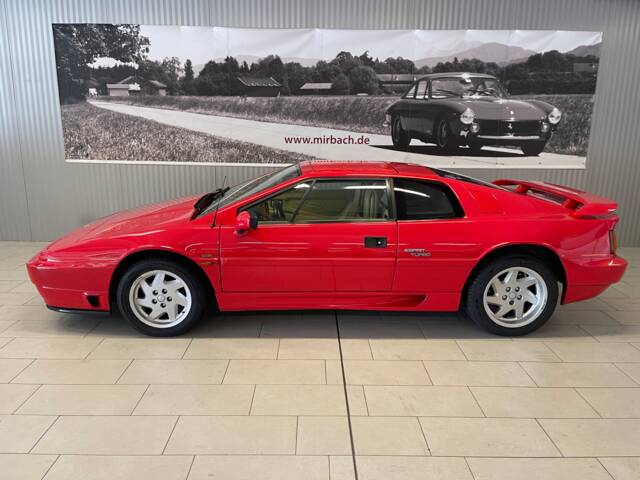
1991 | Lotus Esprit SE
Esprit SE Turbo
Lotus Esprit listing references from Classic Trader
Below you will find listings related to your search that are no longer available on Classic Trader. Use this information to gain insight into availability, value trends, and current pricing for a "Lotus Esprit" to make a more informed purchasing decision.
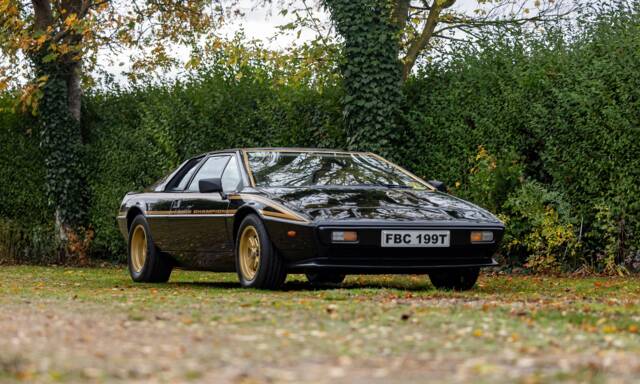
1979 | Lotus Esprit S2
1979 Lotus Esprit JPS
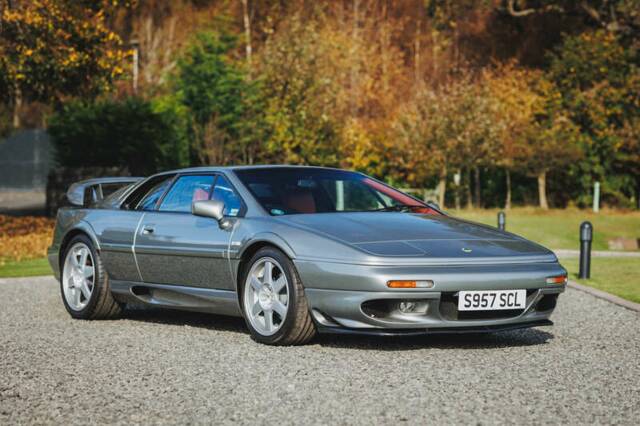
1998 | Lotus Esprit V8 SE
1998 Lotus Esprit 3.5 V8 SE Turbo
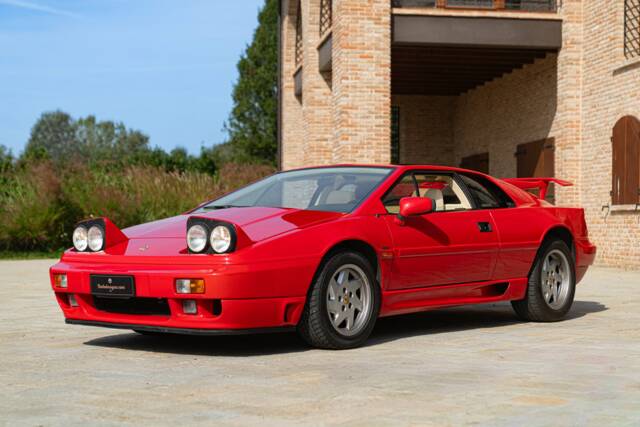
1993 | Lotus Esprit Turbo
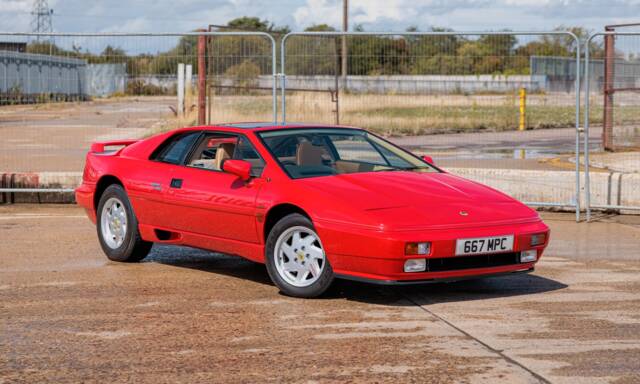
1989 | Lotus Esprit Turbo HC
1989 Lotus Esprit Turbo
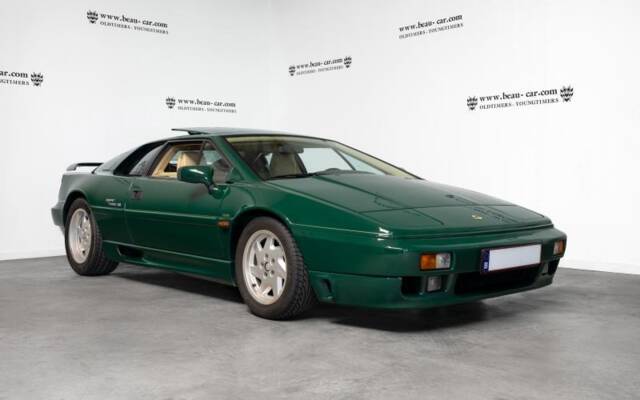
1990 | Lotus Esprit SE
Lotus Esprit Turbo SE 2.2 Targa
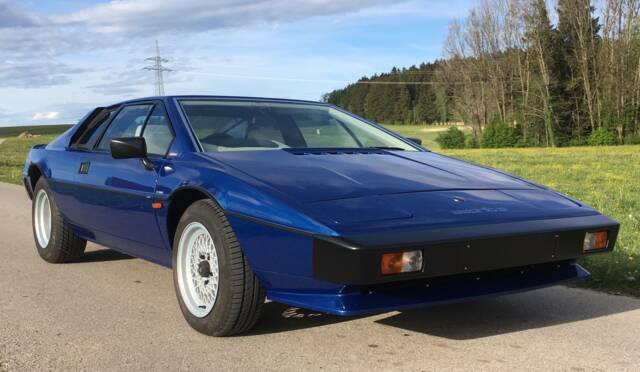
1985 | Lotus Esprit
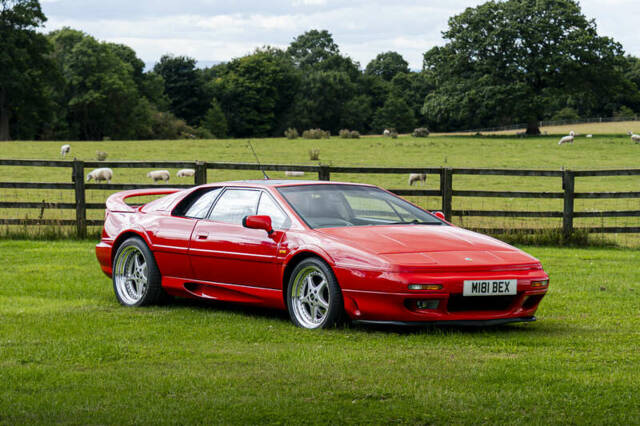
1995 | Lotus Esprit S4s
1995 Lotus Esprit S4s - ex-Press Car

1981 | Lotus Esprit Turbo
with HC engine - restored, valuation report, H-approval
Lotus Esprit Classic Cars: Prices & Market Values
The market value of Lotus Esprit classic cars is primarily determined by the specific manufacturer code and variant, as well as technical condition, originality and mileage. Additional factors include rarity, history and documentation. A well-maintained, largely original vehicle with low, verifiable mileage and complete history including appraisals and documentation typically achieves significantly higher prices than a comparable vehicle with deferred maintenance, many modifications or unclear provenance.
Lotus Esprit: Market Prices & Value Trends
Based on sales data from the Classic Trader marketplace, the Lotus Esprit market in Europe has been broadly stable to gently firming over the period from early 2021 to January 2026, with prices clustering by generation rather than showing a single, uniform trend. Most “mainstream” Esprits (notably late-1980s to early-1990s cars such as the Esprit SE and Turbo) commonly sit in a realistic market band of roughly €35,000–€65,000, depending on condition, mileage, history and left-/right-hand-drive configuration. Later V8 models (1996–2002, including V8 GT/SE and BiTurbo) typically command a higher tier, often around €60,000–€90,000 in continental listings, reflecting stronger performance and limited supply. Early wedge cars and S2 variants show the widest spread: UK asking prices can appear lower in £ terms, while standout editions (for example the 1979 Esprit S2 “World Champion”) reach around €80,000, so single high listings should not be treated as the market norm. Overall, the Esprit’s steady appreciation is supported by 1970s–2000s nostalgia, iconic design, and increasing demand for analogue supercar-era classics.
History of the Lotus Esprit
Unveiled as a concept at the Turin Motor Show in 1972, the Lotus Esprit entered production in 1976 at the Hethel factory in Norfolk. Under the direction of the innovative Colin Chapman, Lotus entrusted the car’s ultra-angular 'folded paper' body to legendary designer Giorgetto Giugiaro. The Esprit name continued the Lotus tradition of models starting with 'E.' Drawing on Lotus’s hallmark principle of performance through low weight, the Esprit featured a fibreglass body and a rear mid-engine layout. During its production run, the Esprit underwent several updates—both visual and mechanical—without losing its unmistakable silhouette. The car's initial fame was fuelled by starring roles in 'The Spy Who Loved Me' (1977) and 'For Your Eyes Only' (1981), cementing its reputation beyond the world of motorsport.
Model History
The Esprit’s lifecycle spanned across multiple generations, beginning with the S1 (Series 1), powered by the 2.0-litre twin-cam engine producing around 160 PS. Responding to market feedback regarding power, Lotus introduced turbocharged versions from 1980, with the Turbo Esprit featuring a 2.2-litre turbocharged four-cylinder engine. Further improvements followed with the S3, the S4 (including the more powerful S4s), and culminated in the V8 models equipped with a 3.5-litre twin-turbocharged engine producing up to 354 PS. Restyling was overseen by designers such as Peter Stevens (1987; rounder features, upgraded production methods including VARI and Kevlar reinforcement) and Julian Thompson (1993). The Esprit was succeeded by the Lotus Evora, introduced in 2009.
Special Features and Market Highlights
Distinctive elements of the Esprit include its wedge-shaped silhouette, use of lightweight glass-fibre-reinforced plastic bodywork, and commitment to mid-engine handling dynamics. Early Esprits showcased Citroën-sourced gearboxes and later Renault transmissions. Notably, certain special editions feature extremely limited production numbers—only 64 units of the 'High Wing' were produced in 1992. The Esprit’s recognisable pop-up headlights, wide track, and signature Lotus wheels contributed to its unique appeal. The car’s pop culture credentials are strengthened by extensive appearances in films.
Market Share: The Lotus Esprit is the most prevalent model listed under Lotus on Classic Trader, constituting about 72.5% of all Lotus listings. Demand is high as well, with Esprit models accounting for more than 74% of Lotus listing views, demonstrating substantial interest relative to other Lotus cars. The Series II and III, alongside the X180, also maintain a significant presence in supply and demand statistics.
Technical Data
Special Editions and Limited Models
Lotus produced a range of limited and high-performance Esprit editions, each with its own distinguishing characteristics. Standouts include the John Player Special (JPS) to honour Formula 1 successes, the 'High Wing' (only 64 cars in 1992), and the Sport 350—featuring carbon fibre reinforcements and further reduced weight. The S4s, regarded as the final and most powerful four-cylinder Esprit, delivered 300 PS and incorporated significant technical upgrades such as the Chargecooler. Several racing-oriented versions like the Sport 300 and Sport 350 were only manufactured in extremely limited quantities, underlining the Esprit’s motorsport credentials.
Maintenance and Common Issues
As with any highly engineered and hand-built sports car, the Esprit requires careful maintenance. Attention should be given to the integrity of the fibreglass body and steel backbone frame for signs of corrosion or fatigue, especially on early cars lacking the later Kevlar reinforcements. Engine maintenance, particularly for turbocharged variants, must follow manufacturer intervals strictly. Parts for special editions or models with less common components (e.g., early Citroën gearboxes) can present sourcing challenges. Factory documentation and thorough service history are highly valued when assessing the condition and originality of an Esprit.
Engine, Transmission, and Handling
The Lotus Esprit is renowned for its mid-engine, rear-wheel-drive configuration—delivering razor-sharp handling and precise steering with minimal driver assistance systems. Suspension consists of fully independent setups with double wishbones and anti-roll bars, while ventilated disc brakes provide stopping power. Early Series 1 and 2 cars are distinguished by their lower power outputs and uncompromising ride, while the turbocharged and later V8 models elevate acceleration and high-speed stability. Any Esprit rewards committed driving with agile cornering, minimal body roll, and a focus on feedback rather than electronic aids. - Esprit Turbo (series II/III): 2.2-litre turbo, approx. 213 PS, 0–100 km/h in ~6.7 s
- Esprit S4/S4s: Four-cylinder, up to 300 PS (S4s), 0–100 km/h in under 5 seconds
- Esprit V8: 3.5-litre biturbo V8, up to 354 PS, top speed over 270 km/h
Design and Interior/Exterior Features
The Esprit’s character is defined by its wedge-shaped profile, the work of Giorgetto Giugiaro for early models and Peter Stevens for later revisions. Special features include pop-up headlights, frameless windows, and wide glass areas. Interiors typically feature low seating positions with options for leather or velour upholstery, and the dashboard design evolved from sharp-edged minimalism to more ergonomic arrangements in newer versions. Special colours—Calypso Red, Monaco White, Mediterranean Blue—add to the collector appeal. Later cars benefit from improved materials, including Kevlar side reinforcements and more robust fit and finish. Optional extras include air conditioning, Blaupunkt or Alpine sound systems, and unique Lotus wheels from makers like Wolfrace, BBS, and OZ.
Other Relevant Features
All Esprits were assembled by hand at Hethel, Norwich, with variations for export markets in left- or right-hand drive. The Esprit’s reputation is bolstered by motorsport achievements and enduring media attention, most notably the 'submarine' Esprit from James Bond’s 'The Spy Who Loved Me.' Original documentation, service history, and undisturbed bodywork significantly influence collectability and market value. Later V8 and special edition models are often favoured by enthusiasts for their technical sophistication and exclusivity.
Summary
The Lotus Esprit stands out for its connection to British engineering tradition and its commitment to high-performance lightness. Each generation brought new technical and design innovations, ensuring the Esprit held its ground against sports car competitors for almost 30 years. With a distinct appearance, rare limited editions, and strong demand in today’s classic market, the Esprit continues to be one of the most recognisable and enthusiast-oriented classic sports cars available.