1985 | Land Rover Range Rover Classic Rometsch
- Status:
- Reserve not met
- Estimate:
- €165,000 - €195,000
- Ends at:
- 28/06/2026, 18:45:00 BST
In a sealed auction, all bids are private — no one can see what others have offered. When the auction closes, the highest bid wins. The leaderboard below shows current participants, but not their bids.
| # | Bidder | Bids | Last bid |
|---|---|---|---|
| #1 | 🇩🇪Storied Gauge | 1 | 4 days ago |
| #2 | 🇩🇪Forged Strut | 2 | 3 days ago |
| #3 | 🇩🇪Sandy Bonnet | 2 | 3 days ago |
| #4 | 🇩🇪Gritty Gearbox | 1 | 3 days ago |
| #5 | 🇩🇪Eager Driveline | 3 | yesterday |
| #6 | 🇩🇪Fearless Column | 1 | 3 days ago |
One of only four Rometsch Hunting Wagons ever built, with documented East German history and just 11,300 km from new
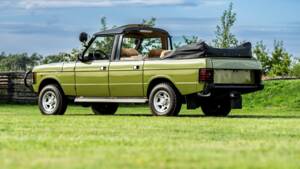
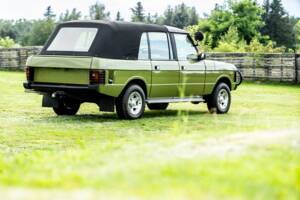
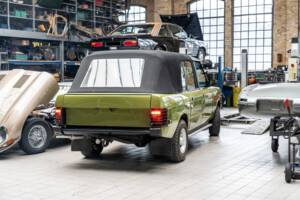
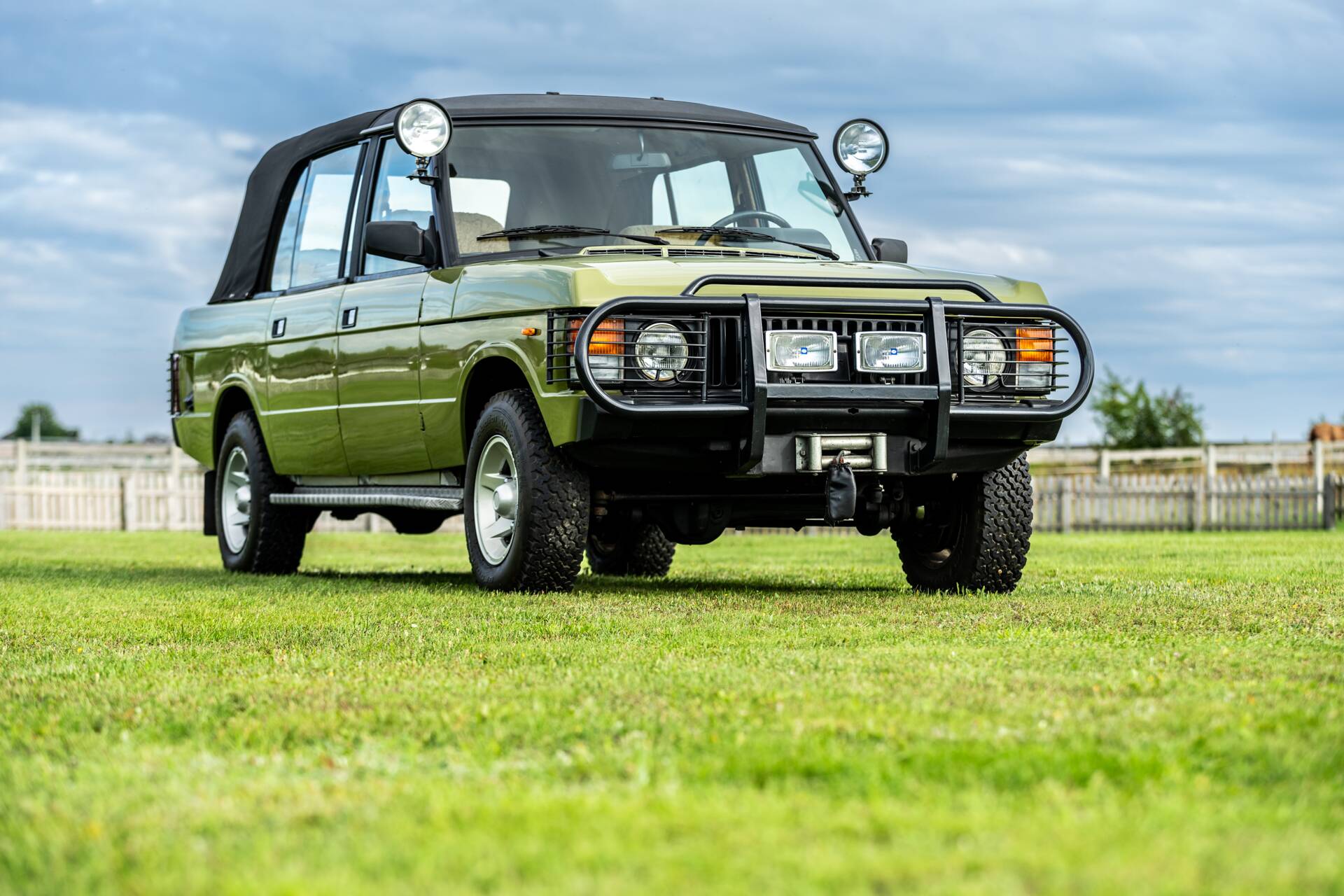
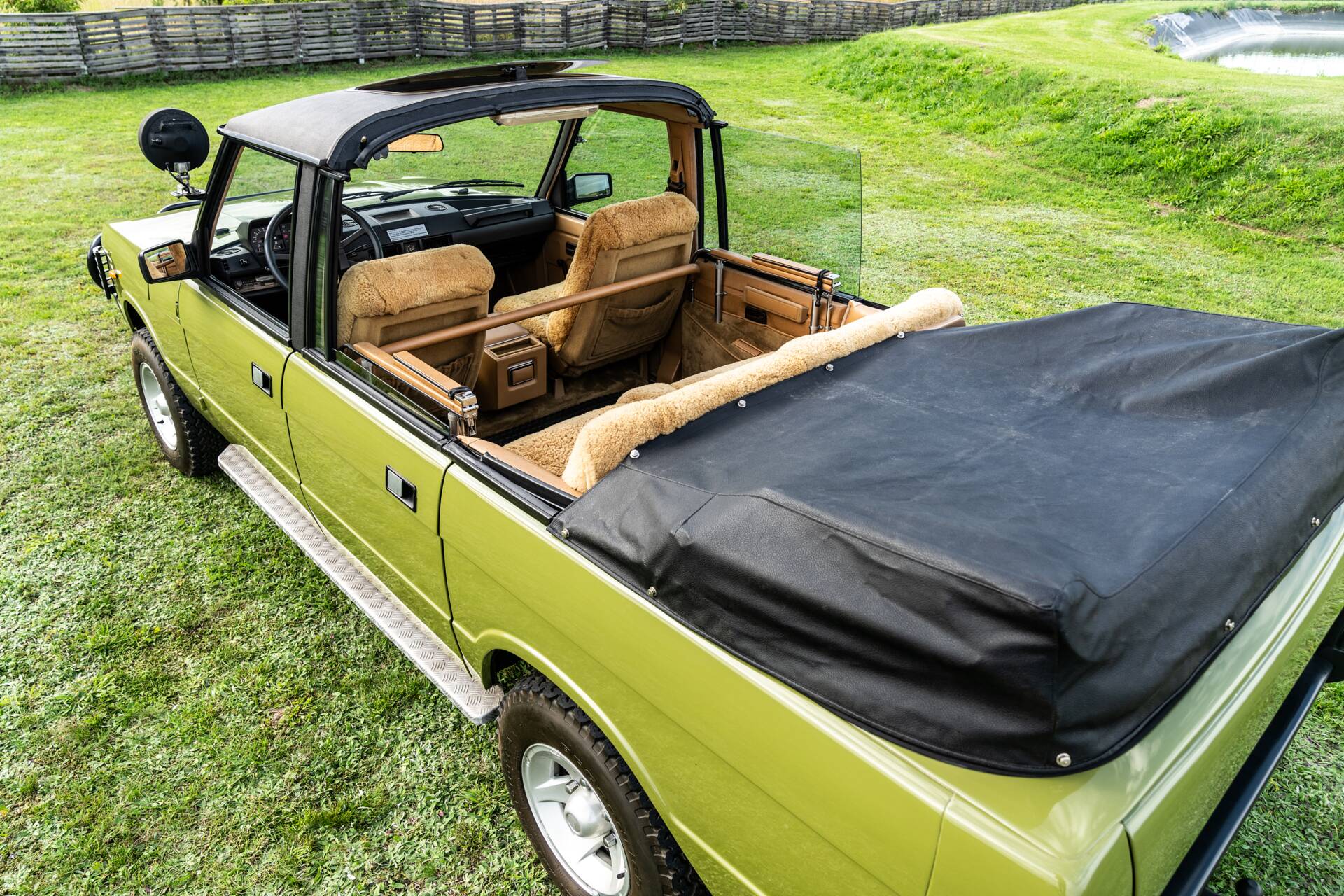
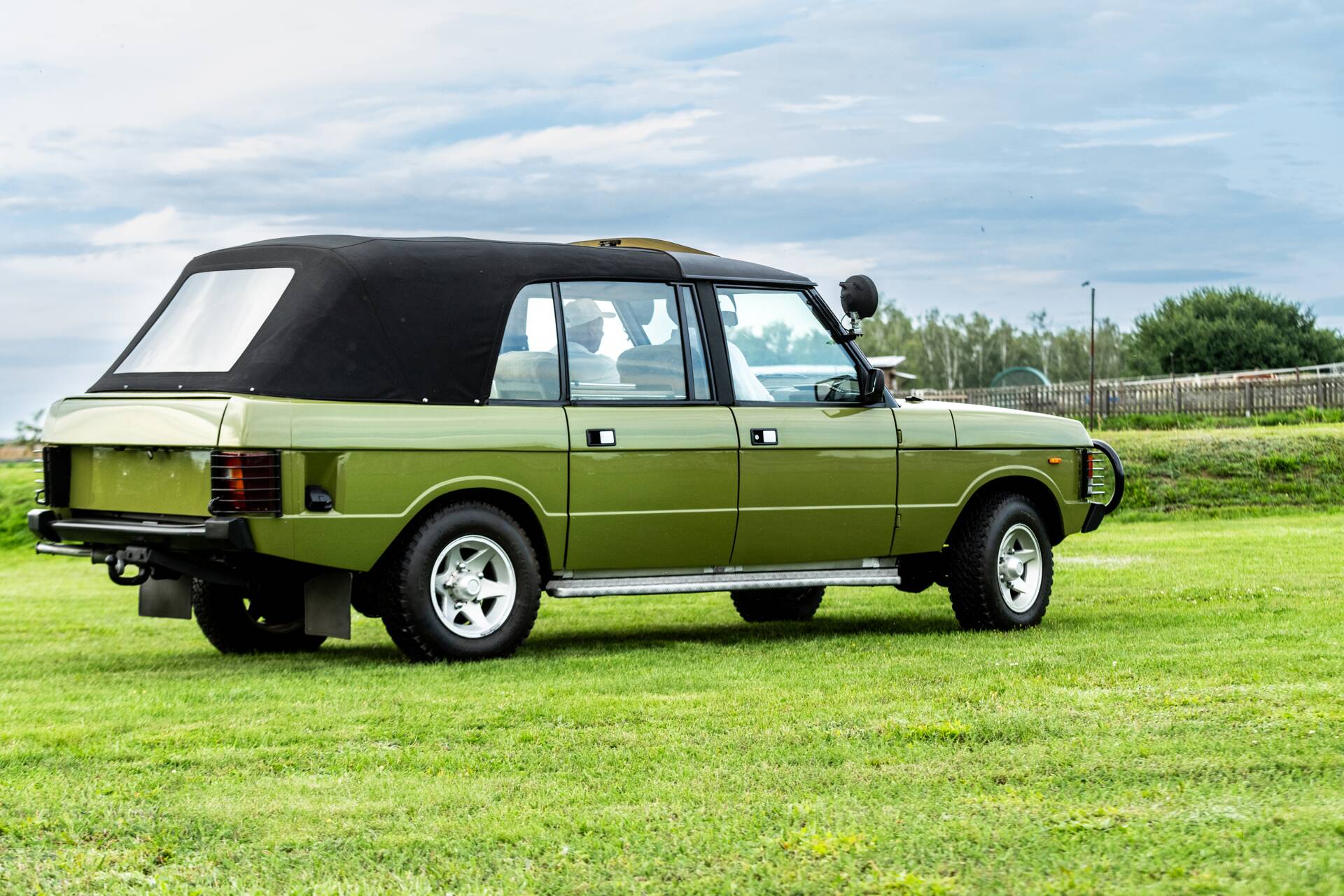
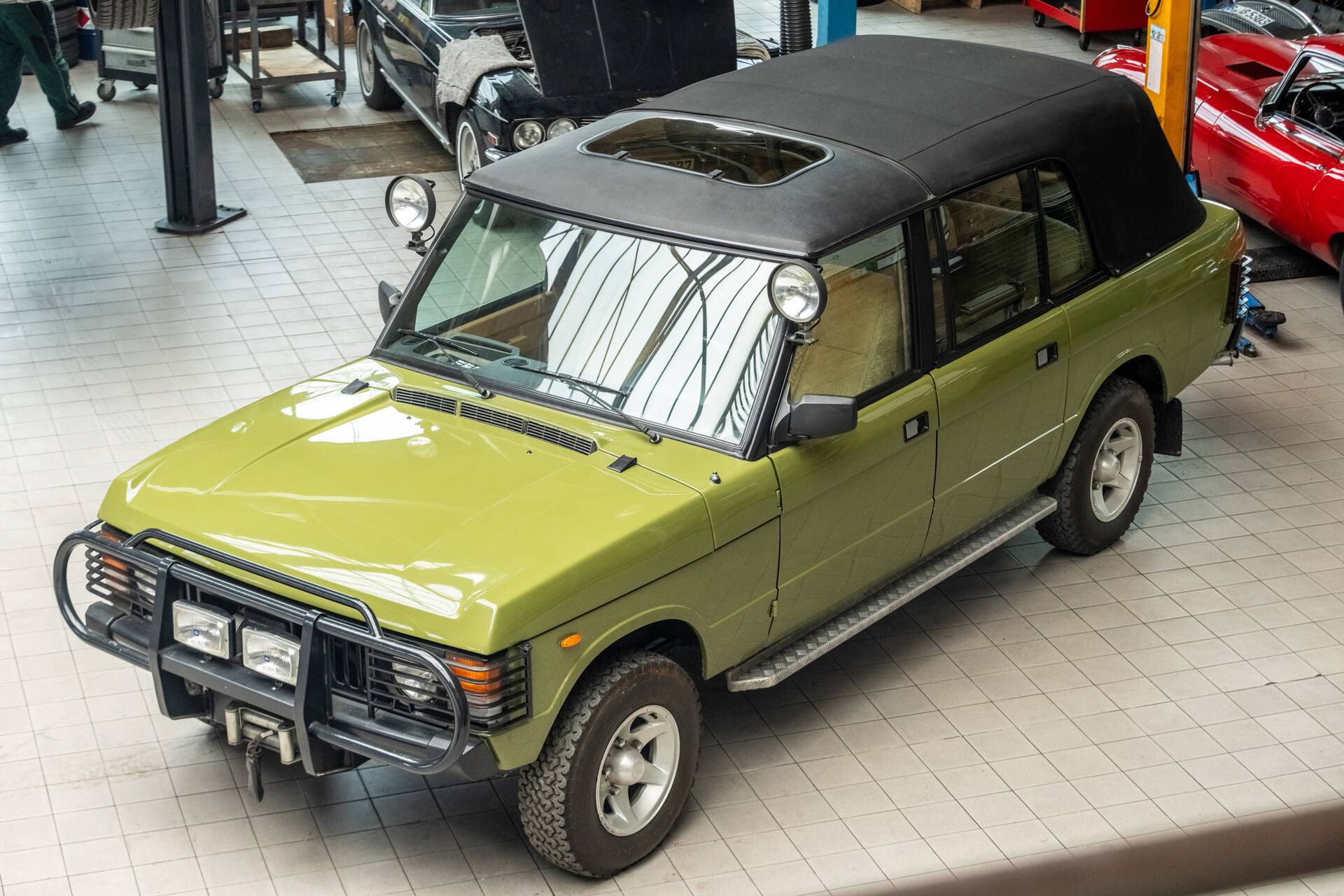
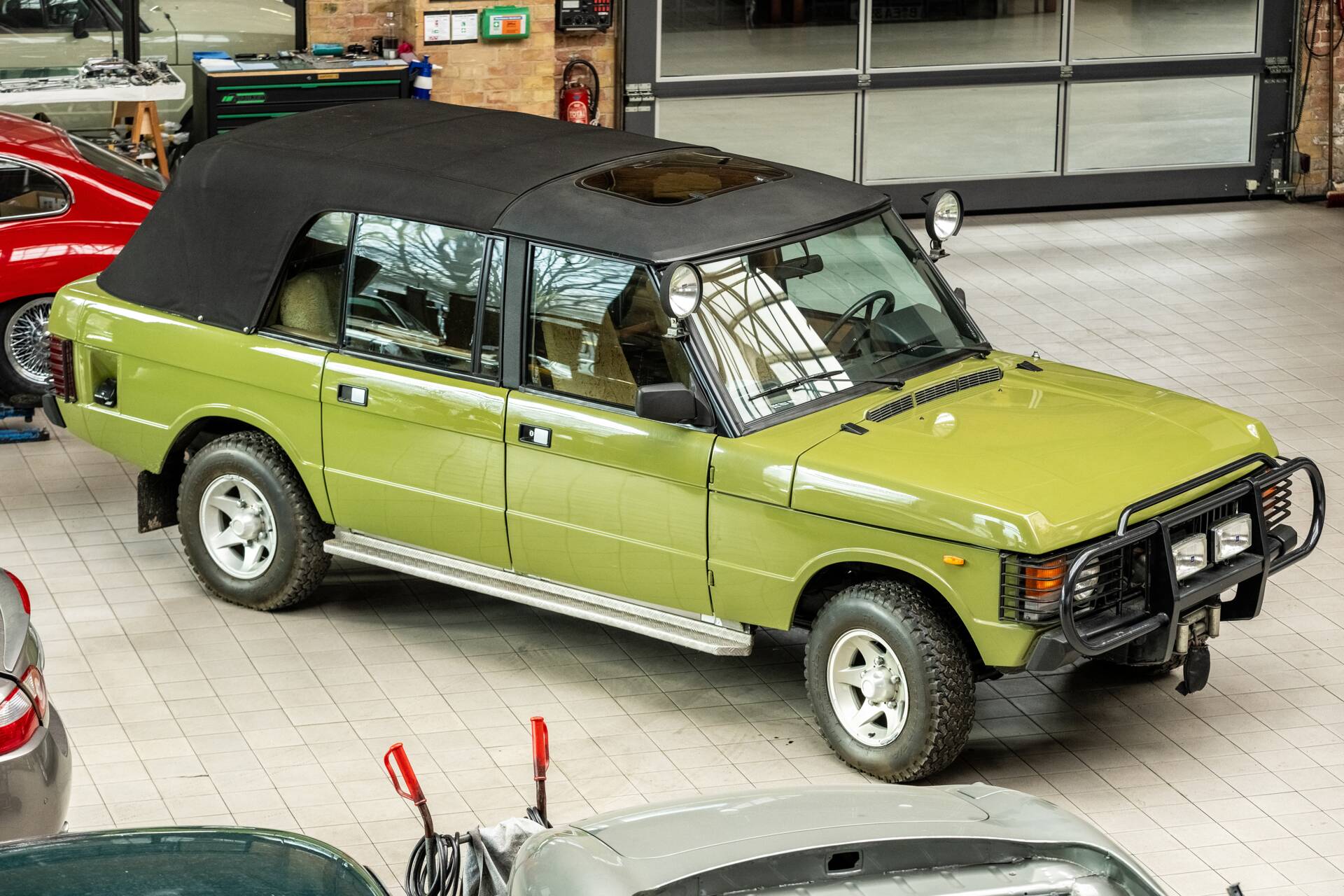
This Land Rover Range Rover Classic Rometsch Hunting Wagon is among the most extraordinary automotive artifacts of post-war German history. As the first example built by Rometsch and one of only four vehicles ever produced, it combines British off-road engineering with German coachbuilding craftsmanship and a unique historical provenance. Its documented connection to East Germany’s state hunting operations in the Schorfheide, its exceptionally low mileage of approximately 11,300 kilometers, and its remarkably original condition make this vehicle a rare opportunity for discerning collectors.
Since its introduction in 1970, the Range Rover has been regarded as one of the most significant off-road vehicles in automotive history. It was the first vehicle to successfully combine genuine off-road capability with the comfort and refinement of a luxury sedan, effectively creating a concept that would shape the global SUV market decades later.
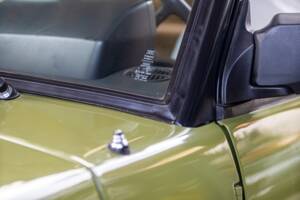
While most Range Rovers spent their lives on country estates, in hunting grounds, or as luxurious touring vehicles, one of the most unusual special projects in the model’s history emerged during the 1980s. At the initiative of the East German government, only four specially modified Range Rover Hunting Wagons were commissioned. These vehicles were designed to meet the requirements of state hunting expeditions in the Schorfheide, the historic hunting area north of Berlin that had already been used by Prussian kings and later became one of the preferred hunting grounds of the East German leadership.
After the first vehicle had been converted in Great Britain, the renowned Berlin-based coachbuilder Rometsch was commissioned to produce additional examples. Rometsch, once famous for its exclusive post-war Volkswagen special bodies, subsequently created some of the most remarkable bespoke automobiles in German automotive history. The resulting Hunting Wagons combined exceptional craftsmanship, outstanding functionality, and a level of execution far beyond that of any production vehicle. Today, each of the four vehicles built is considered an important testament to both German automotive history and the unique historical relationship between East and West Germany.
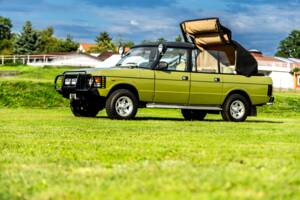
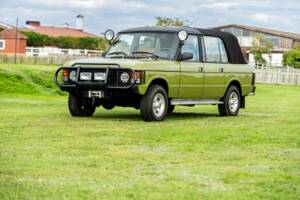
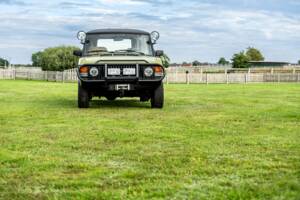
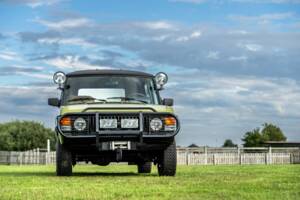
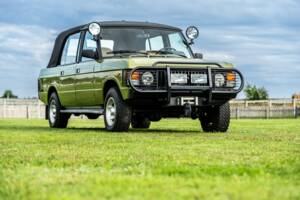
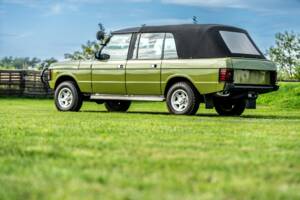
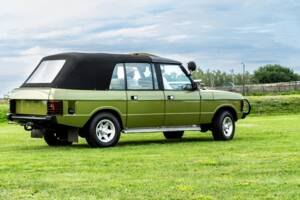
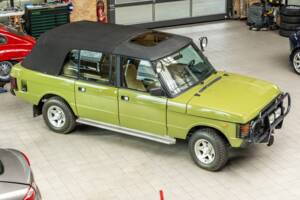
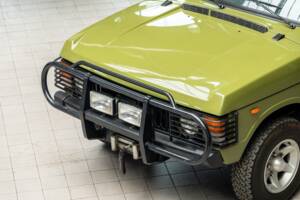
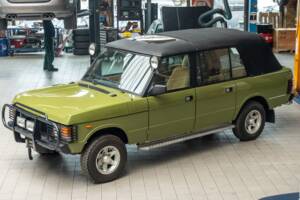
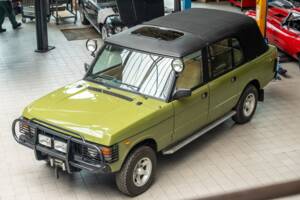
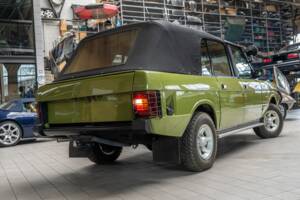
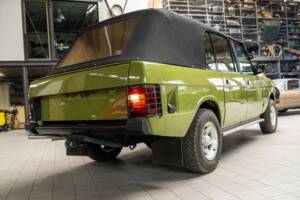
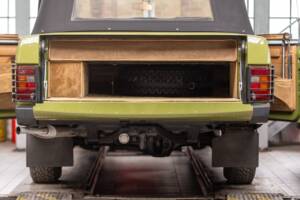
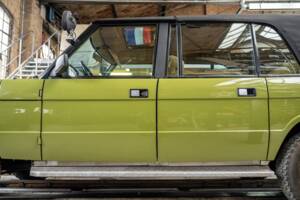
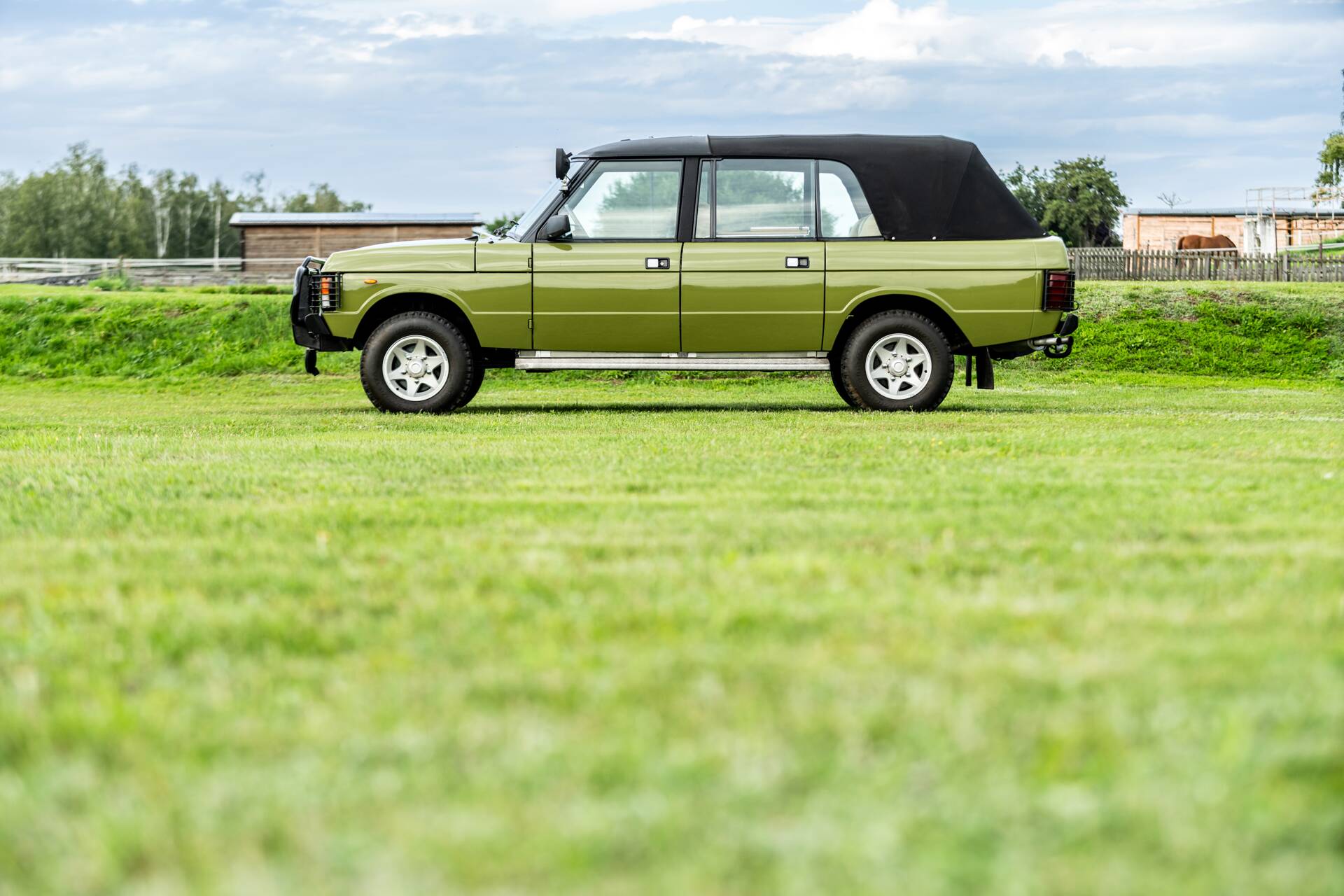
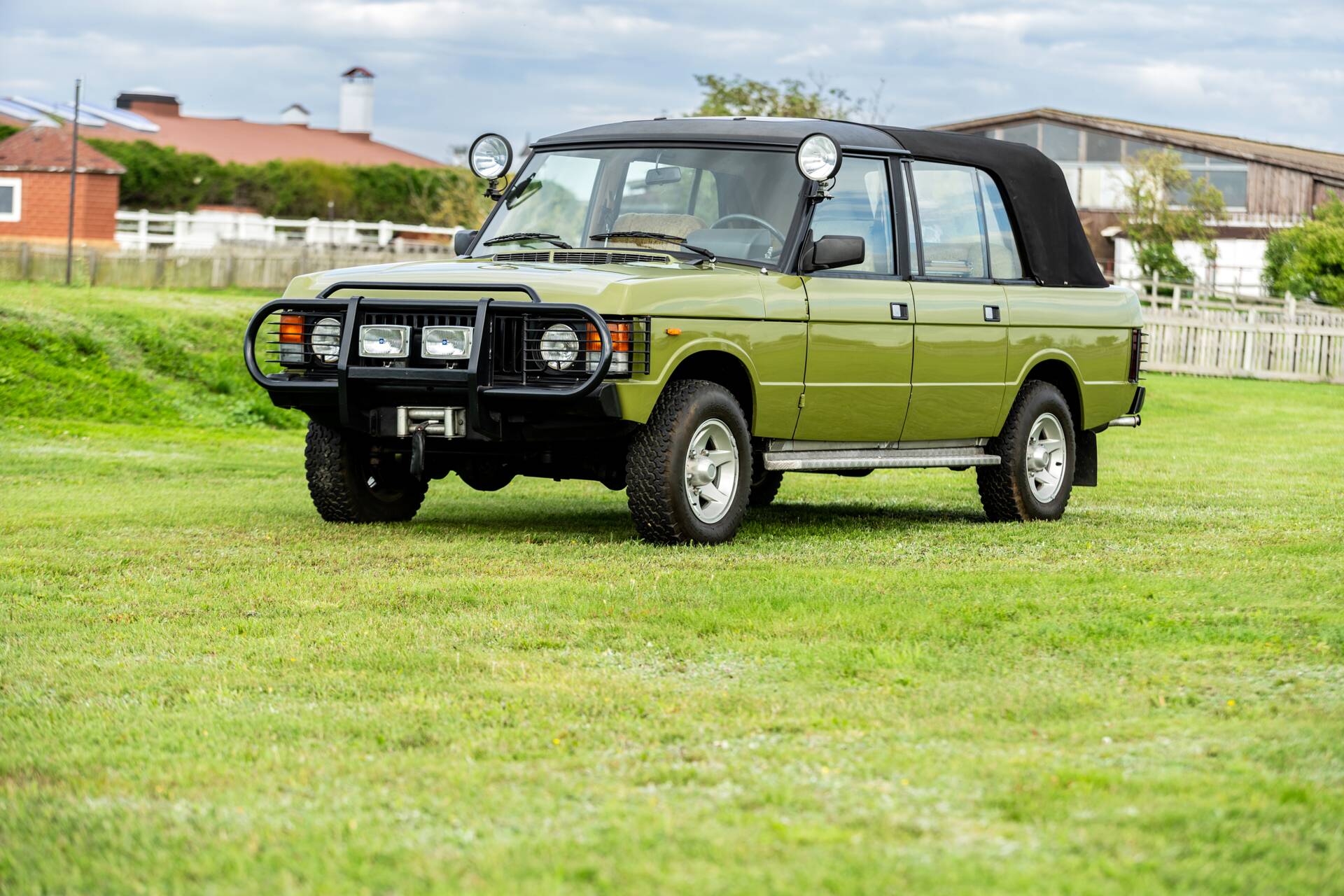
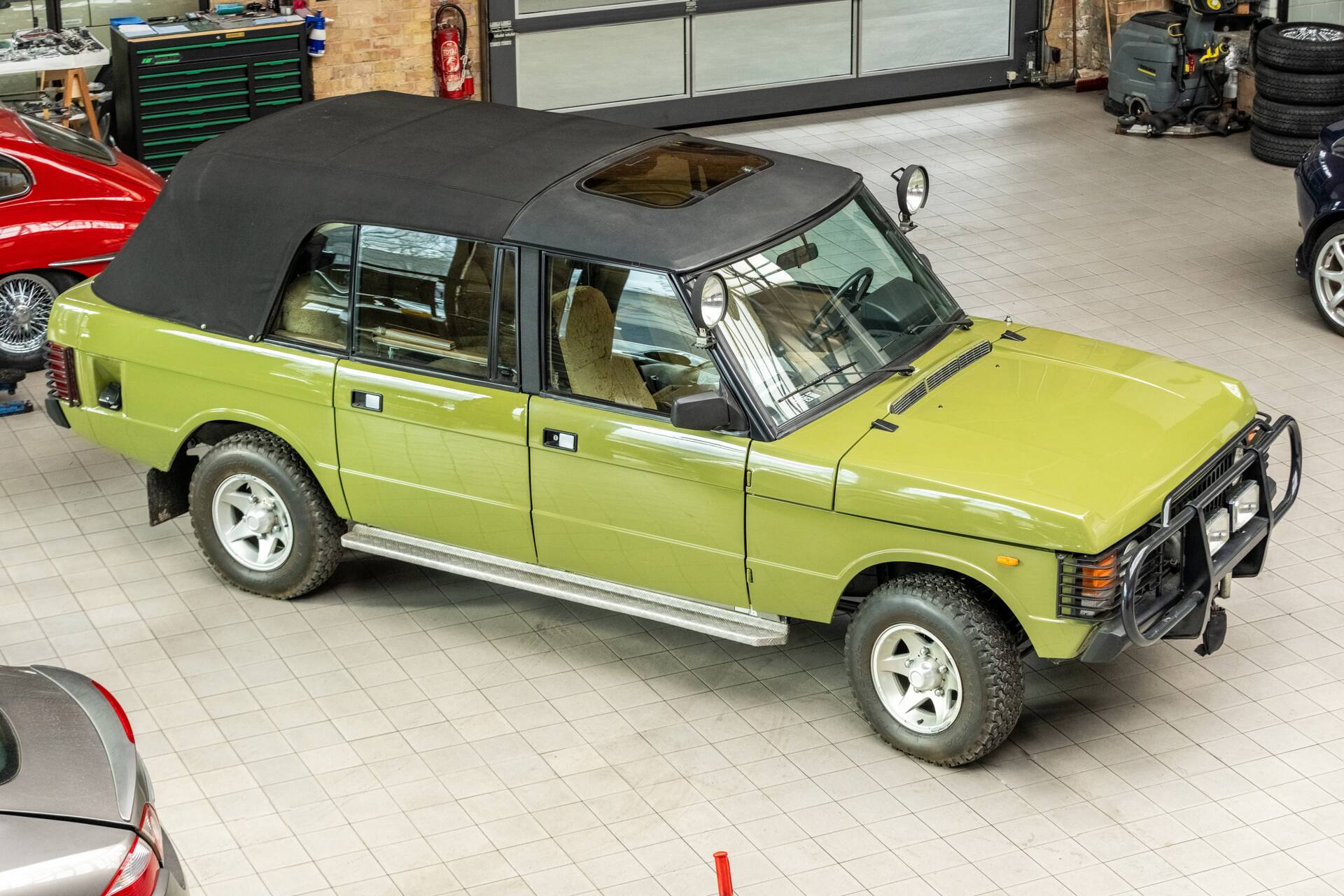
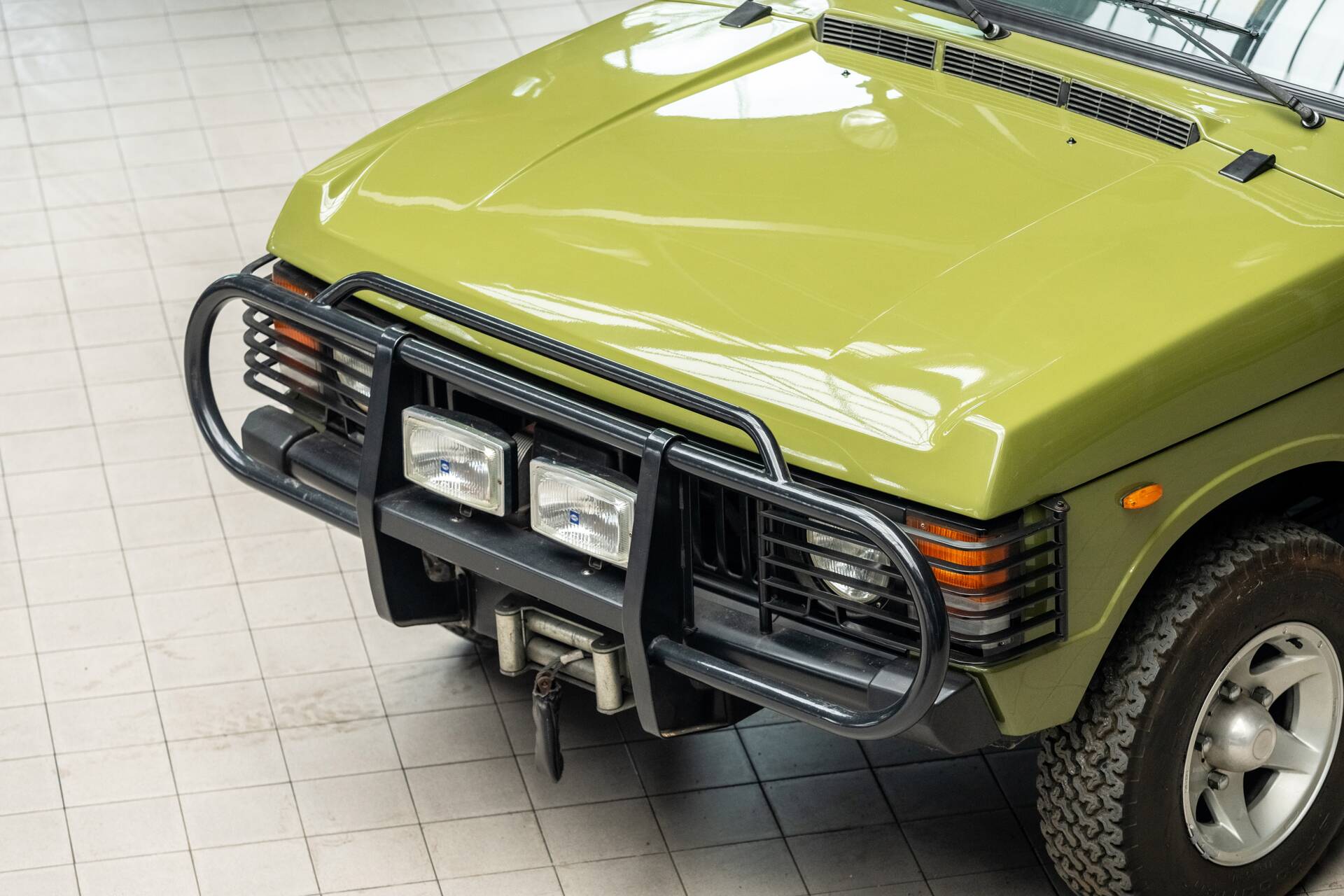
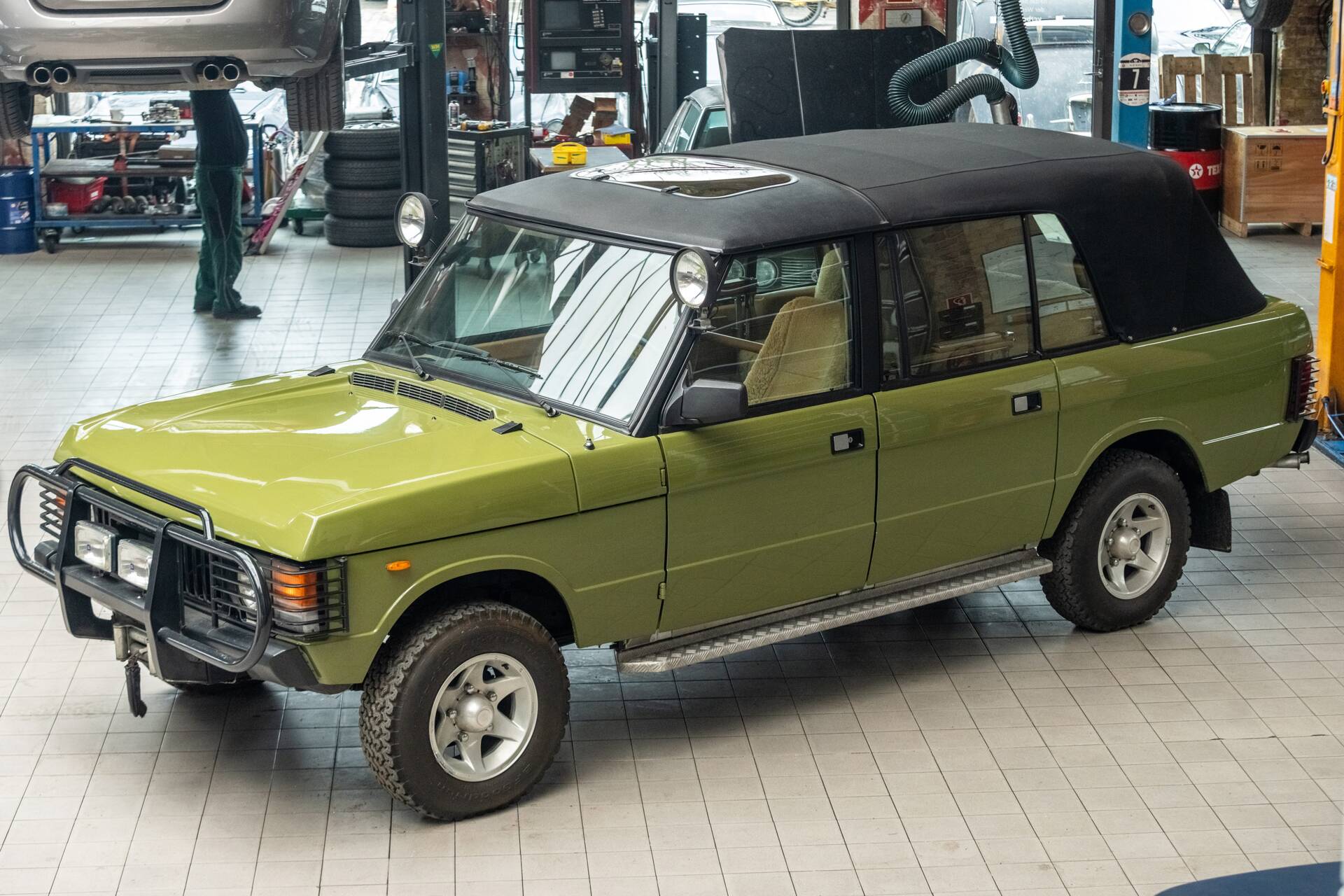
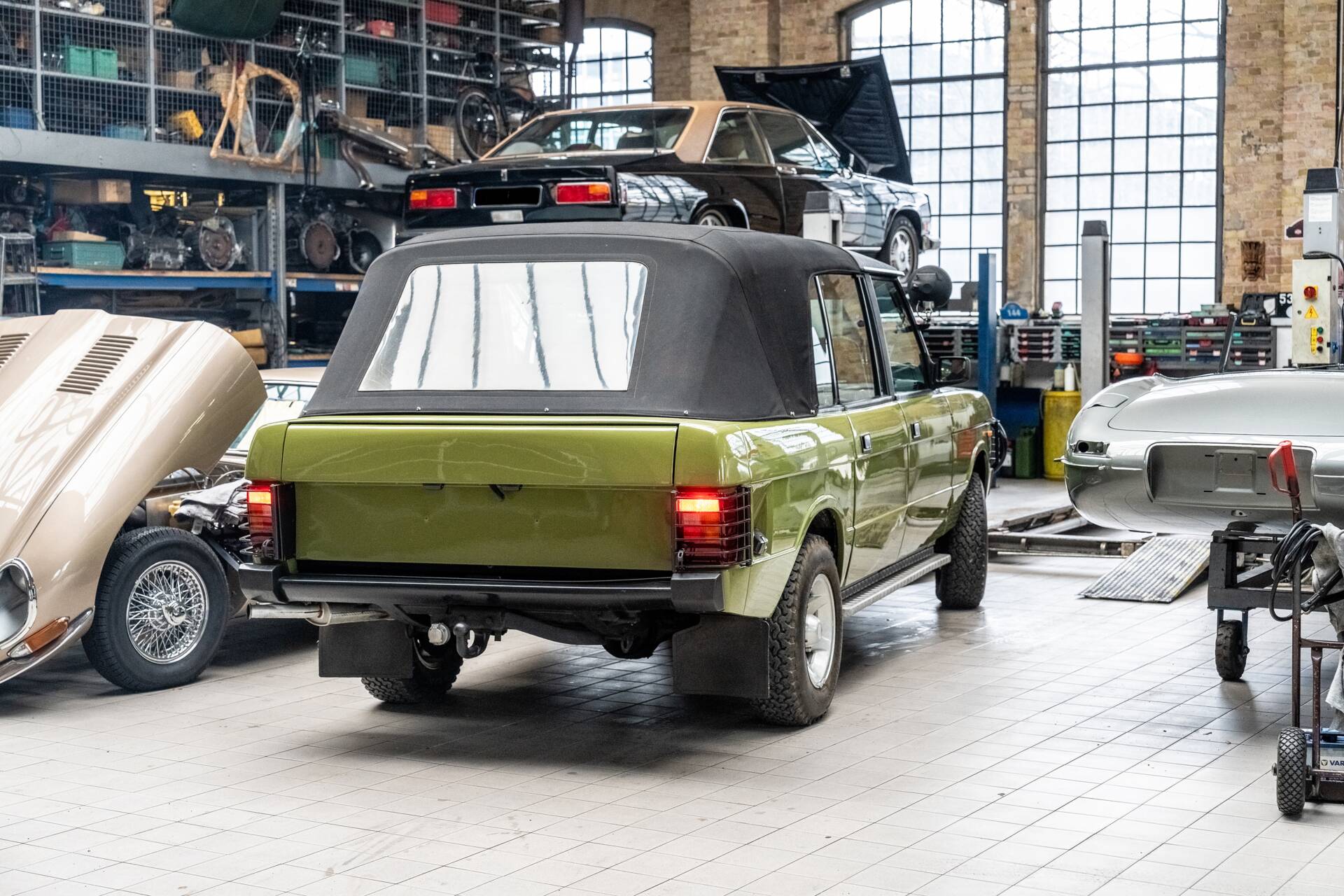
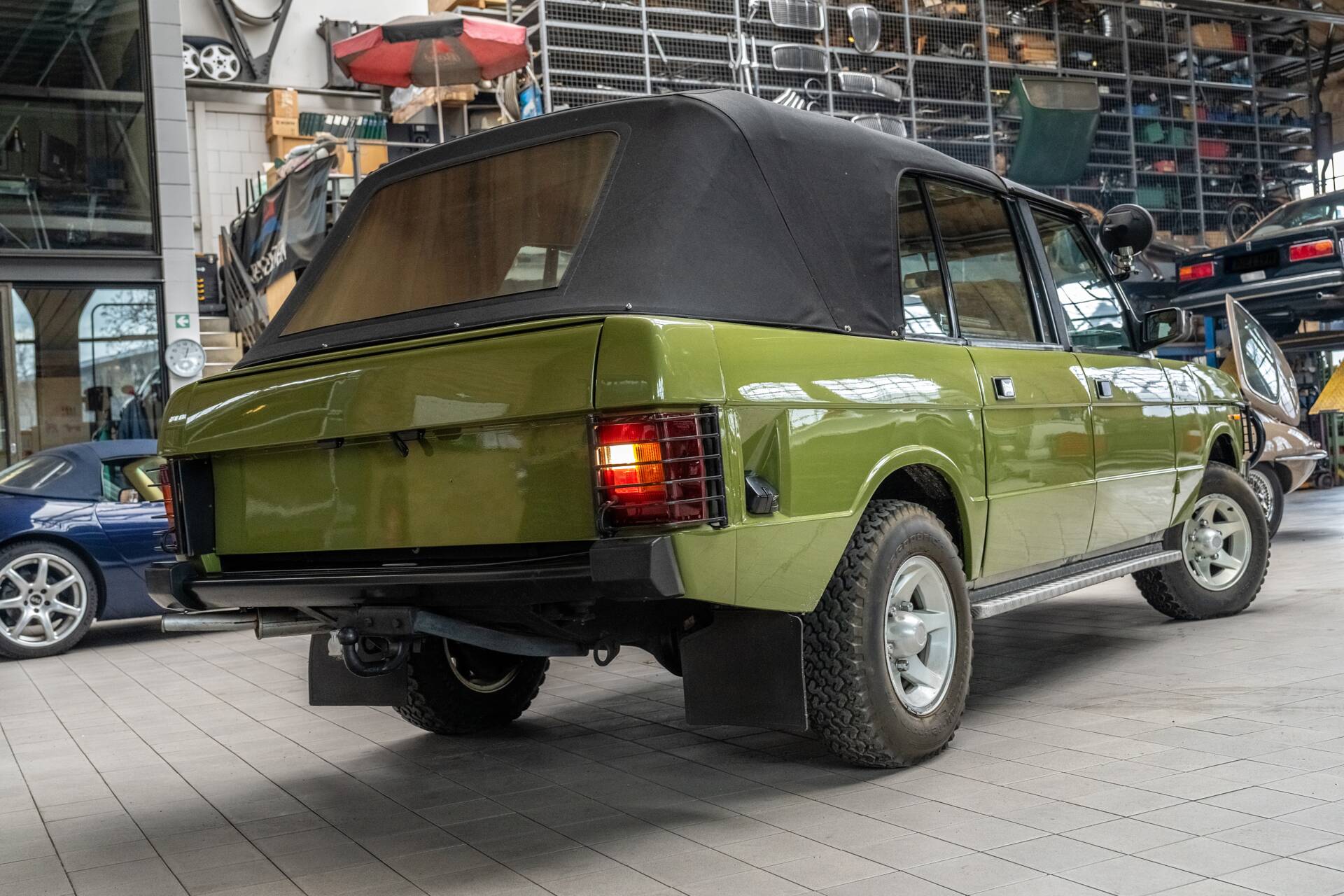
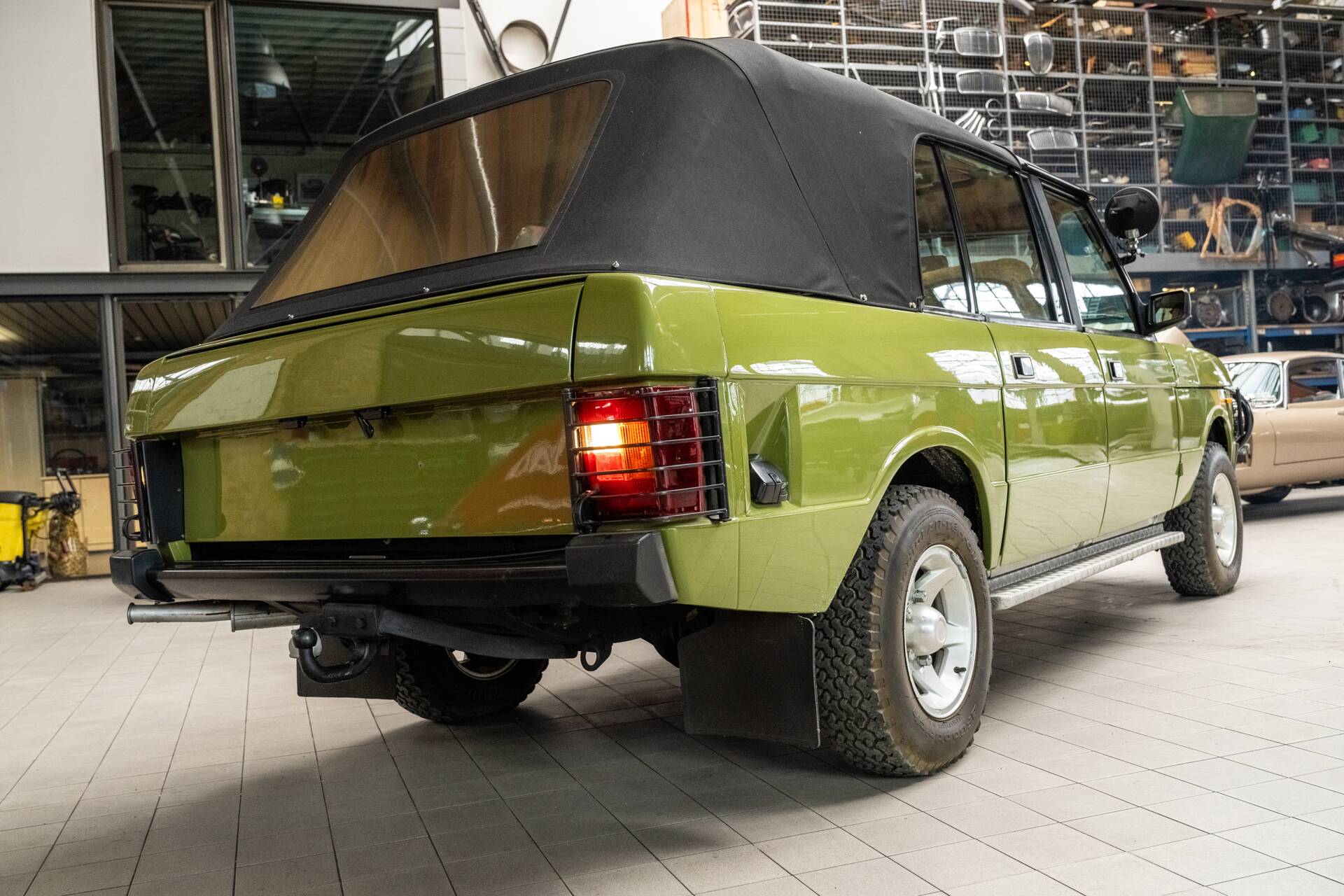
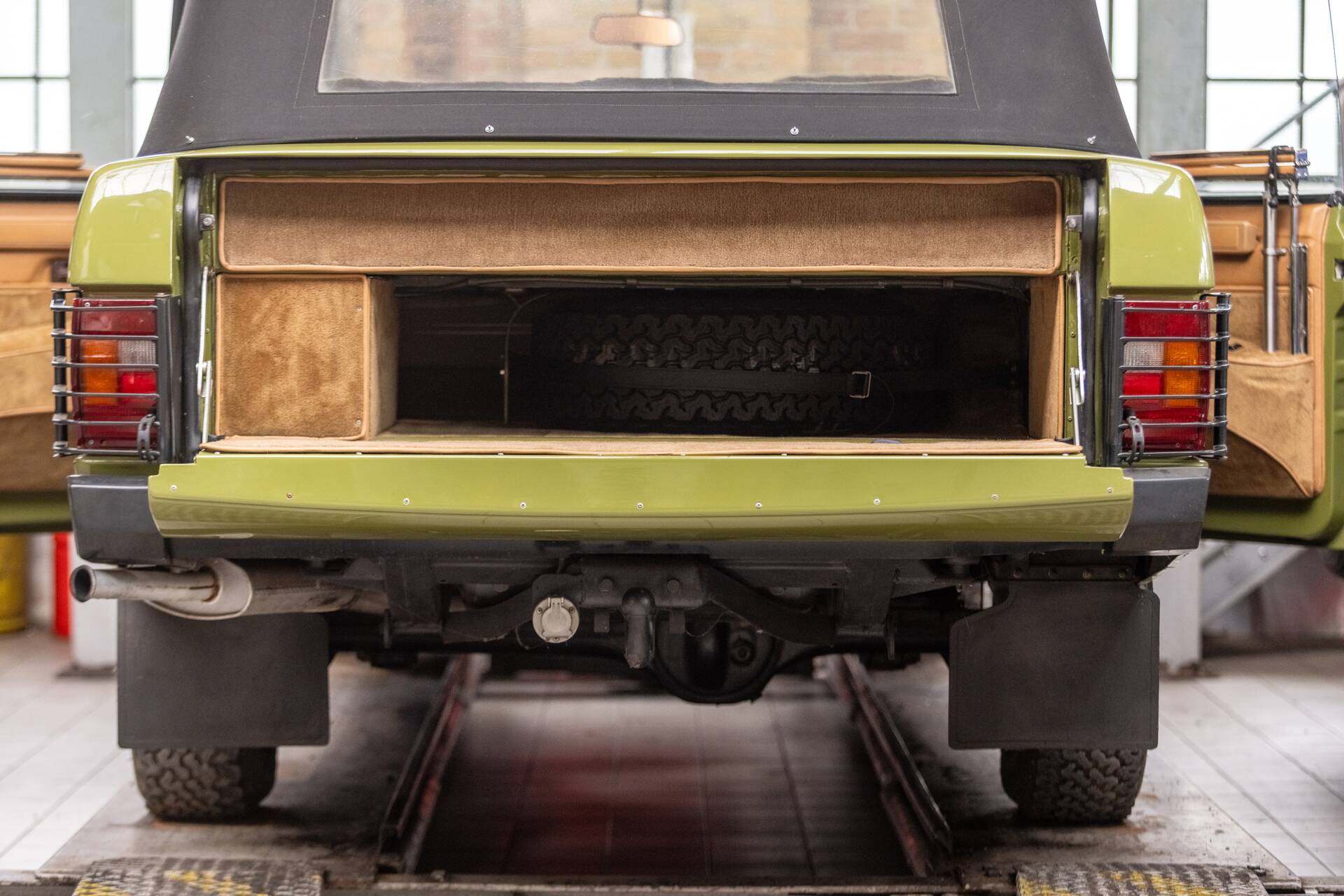
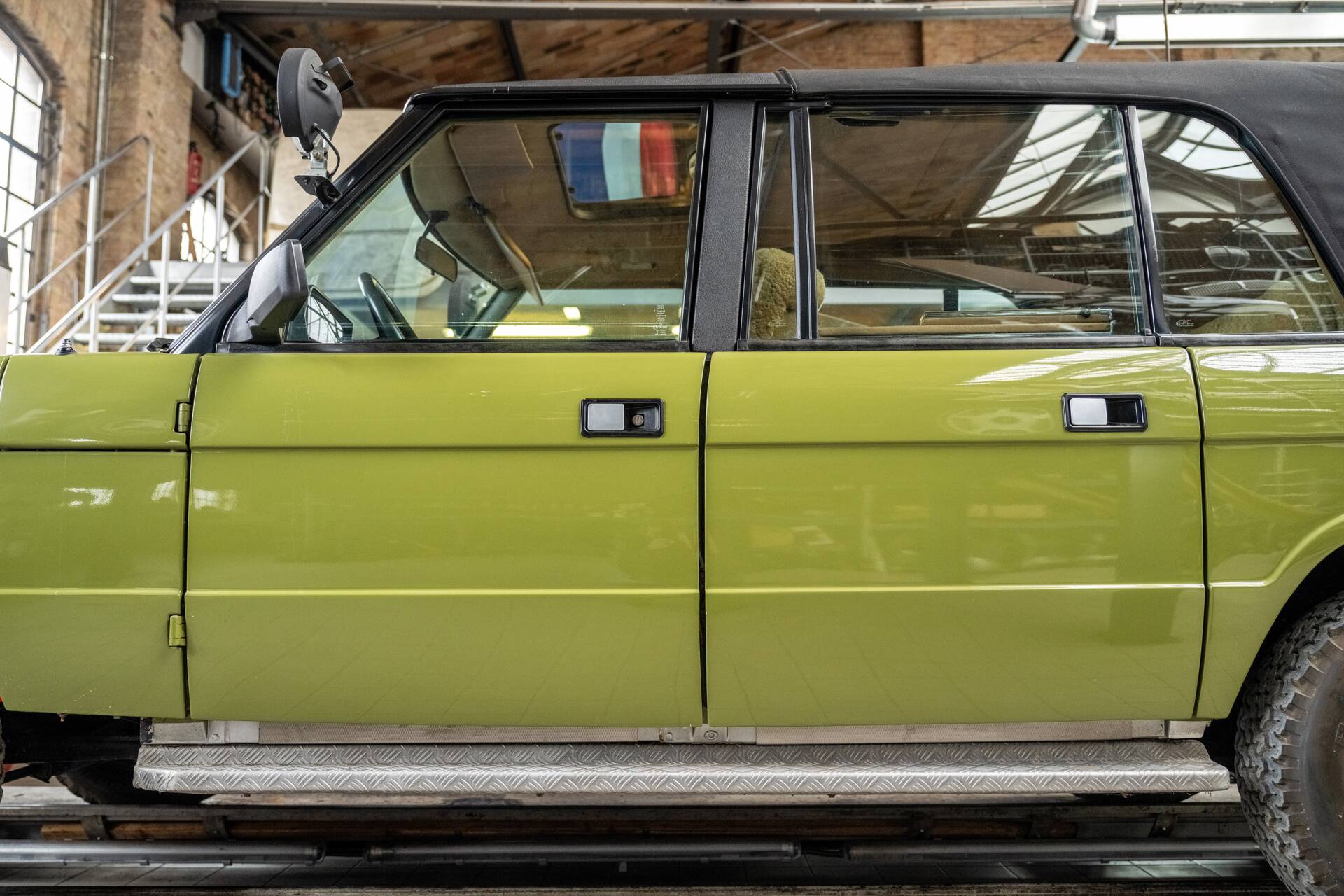
The vehicle offered here is the first example built by Rometsch and the second Range Rover Hunting Wagon produced overall. Its elaborate bespoke bodywork was specifically developed for use in the state hunting grounds and combines practical functionality with a highly distinctive appearance.
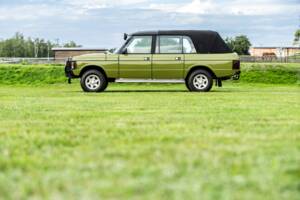
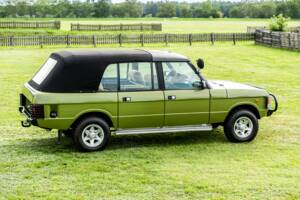
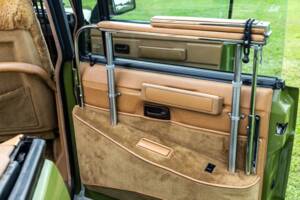
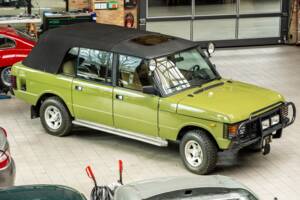
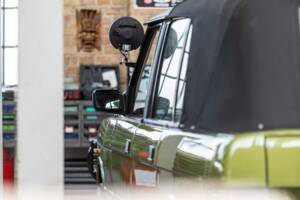
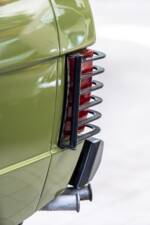
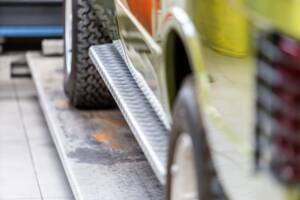
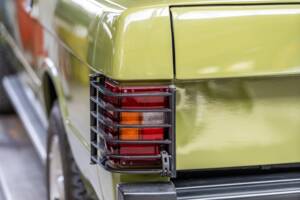
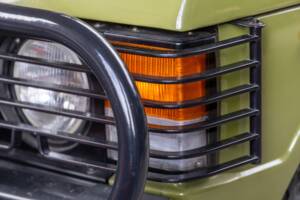
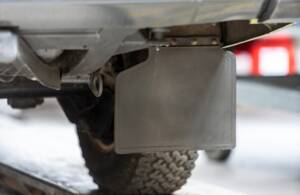
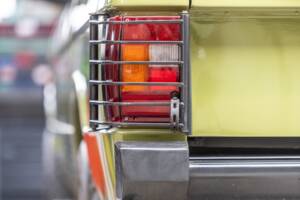
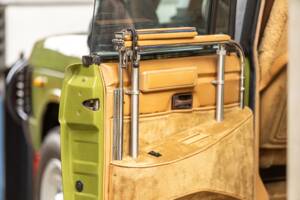
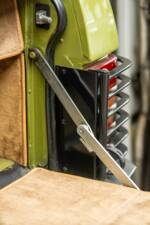
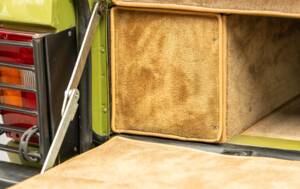
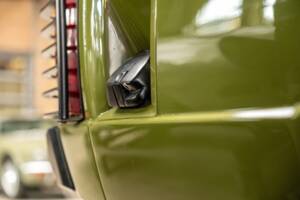
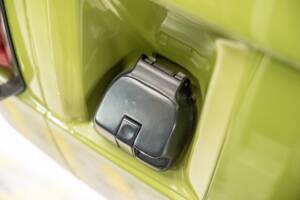
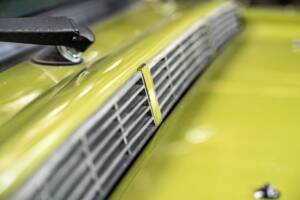
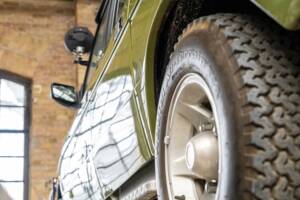
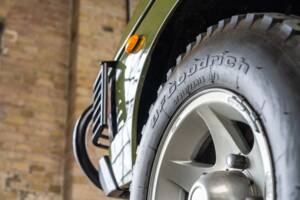
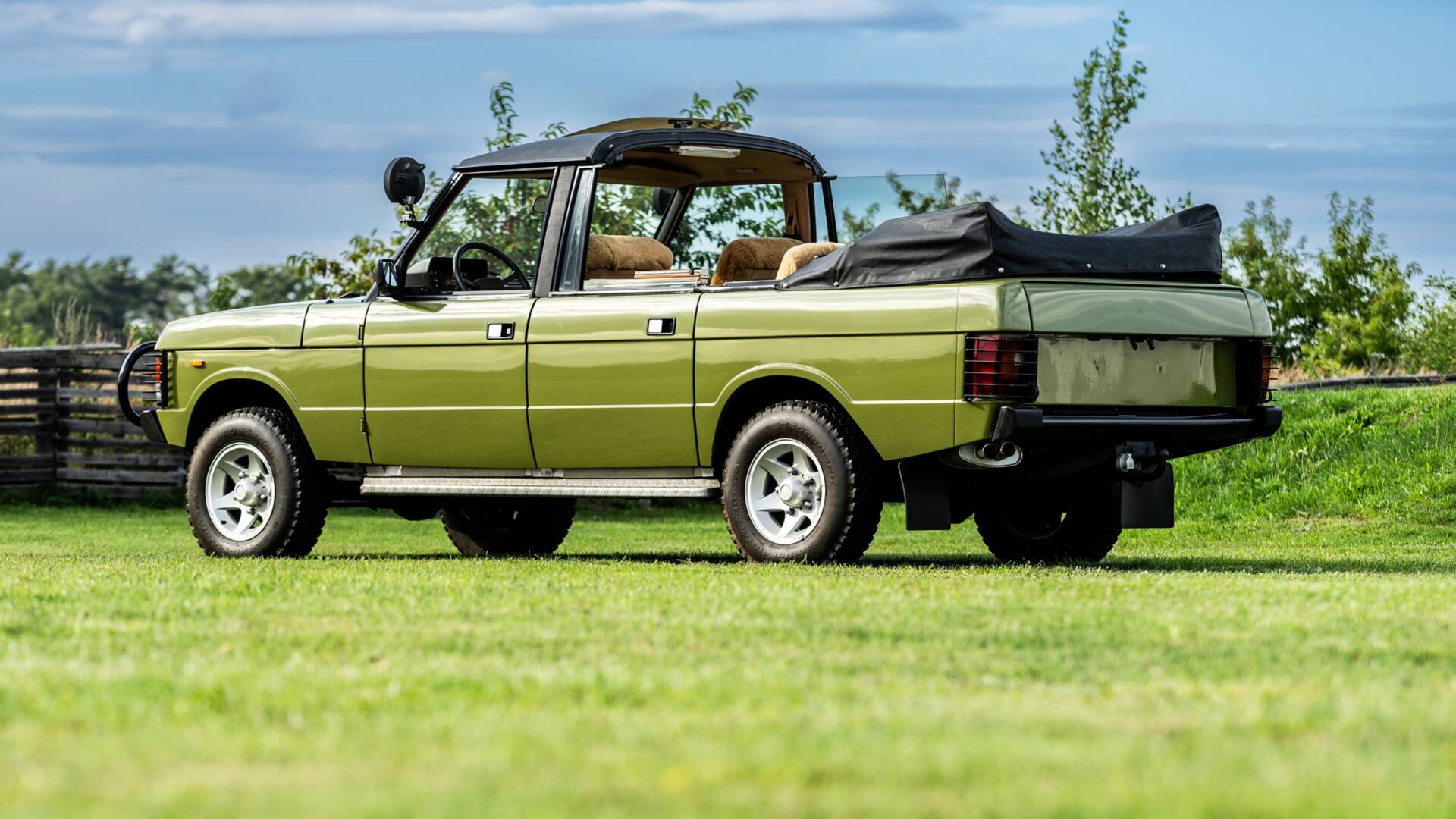
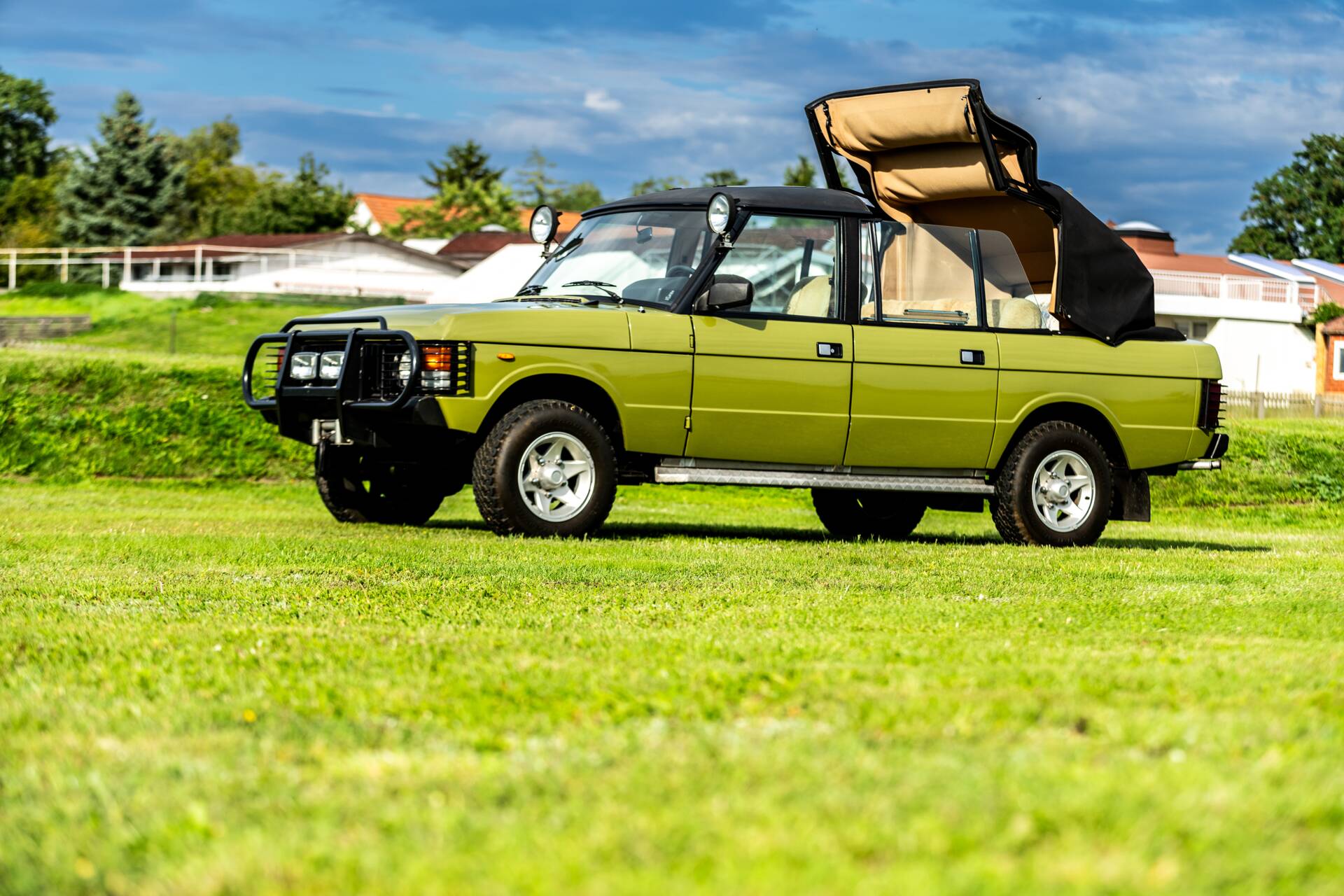
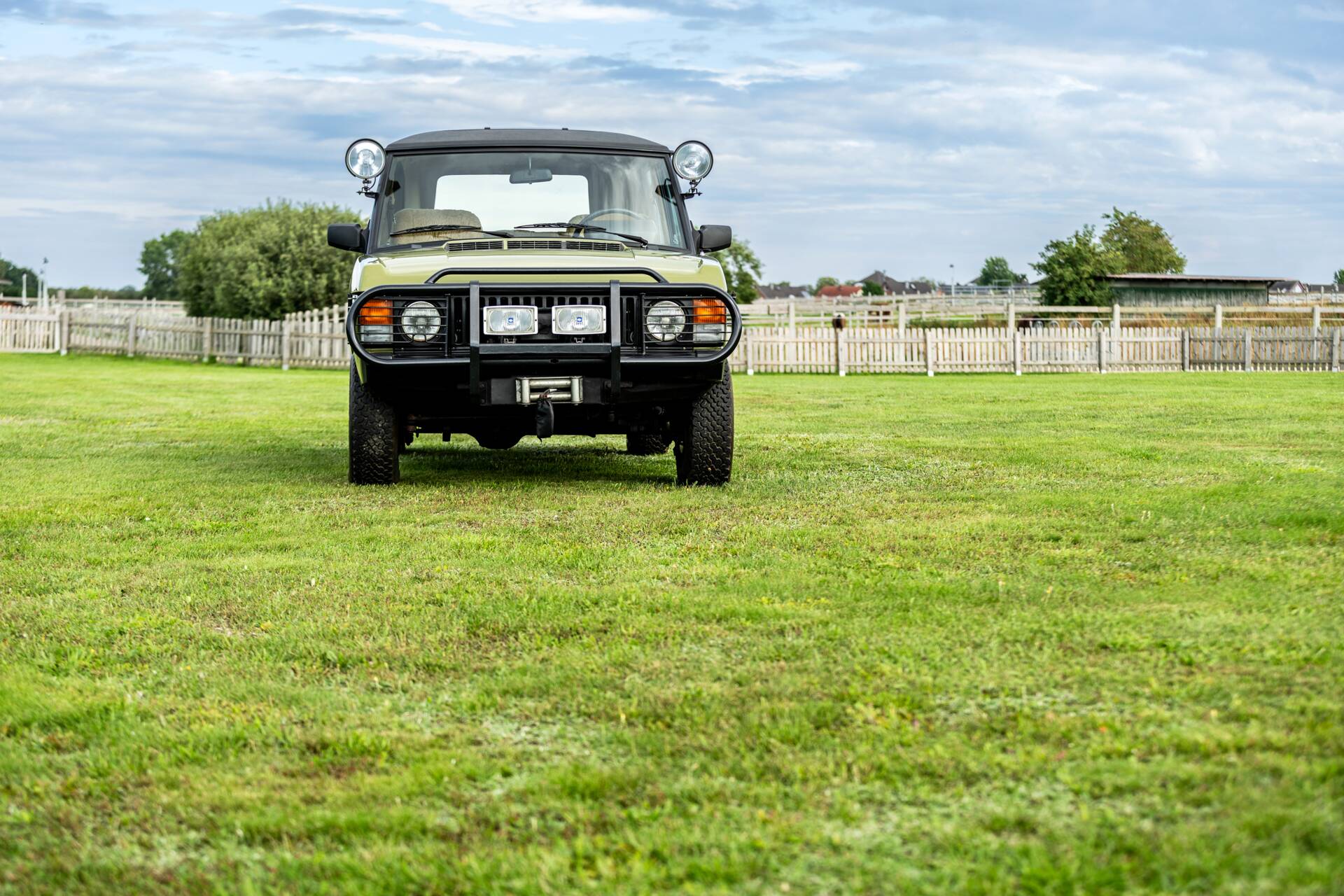
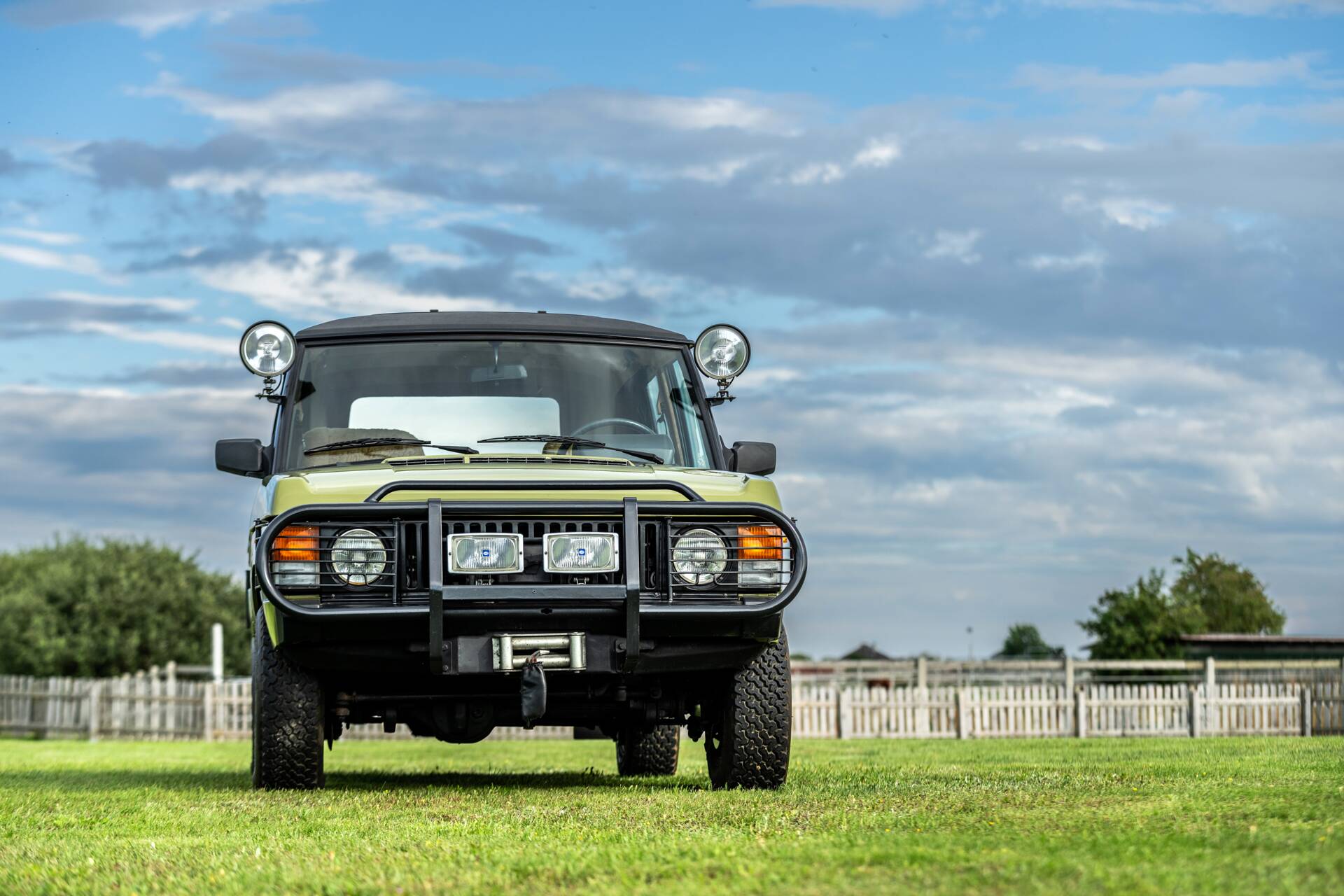
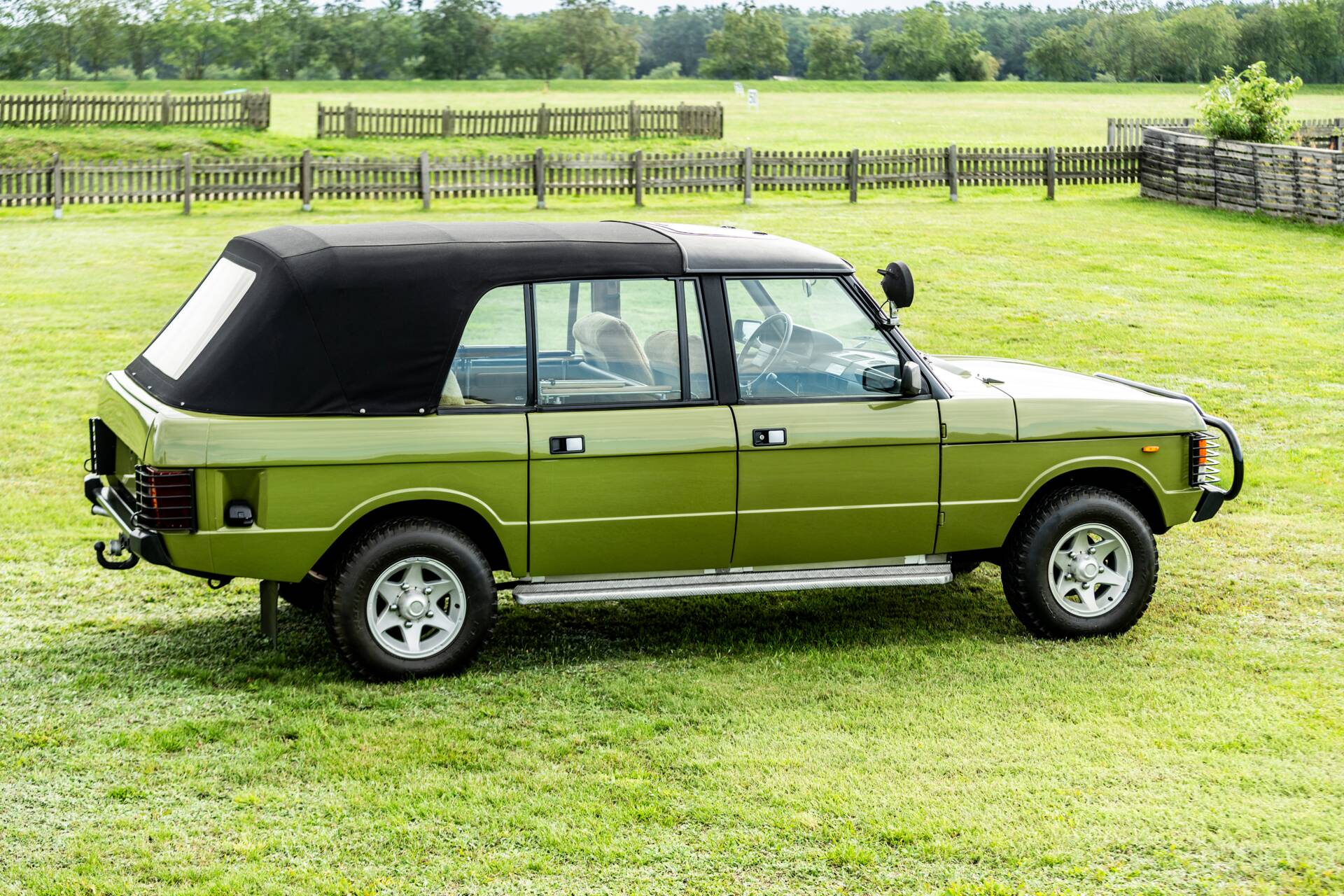
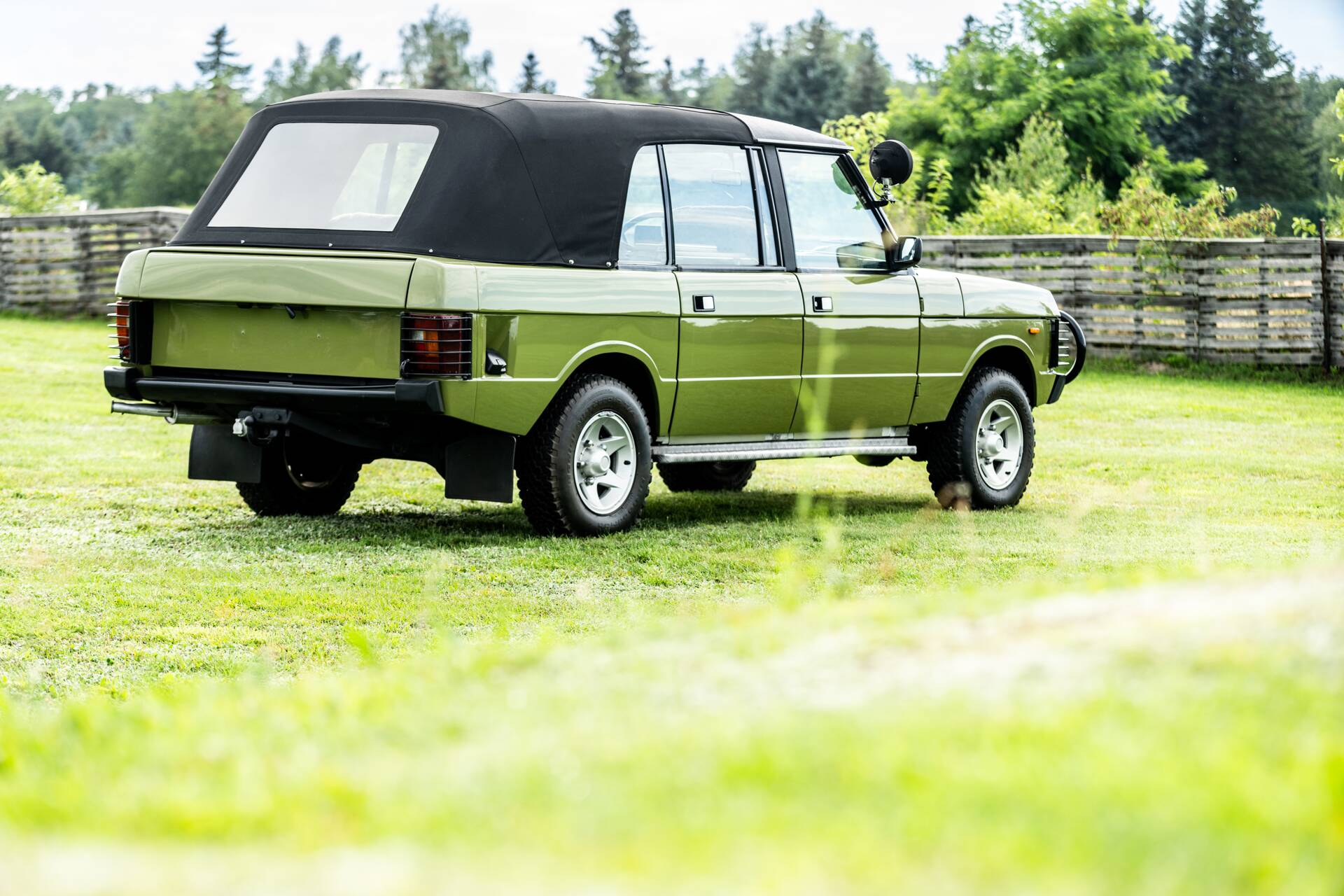
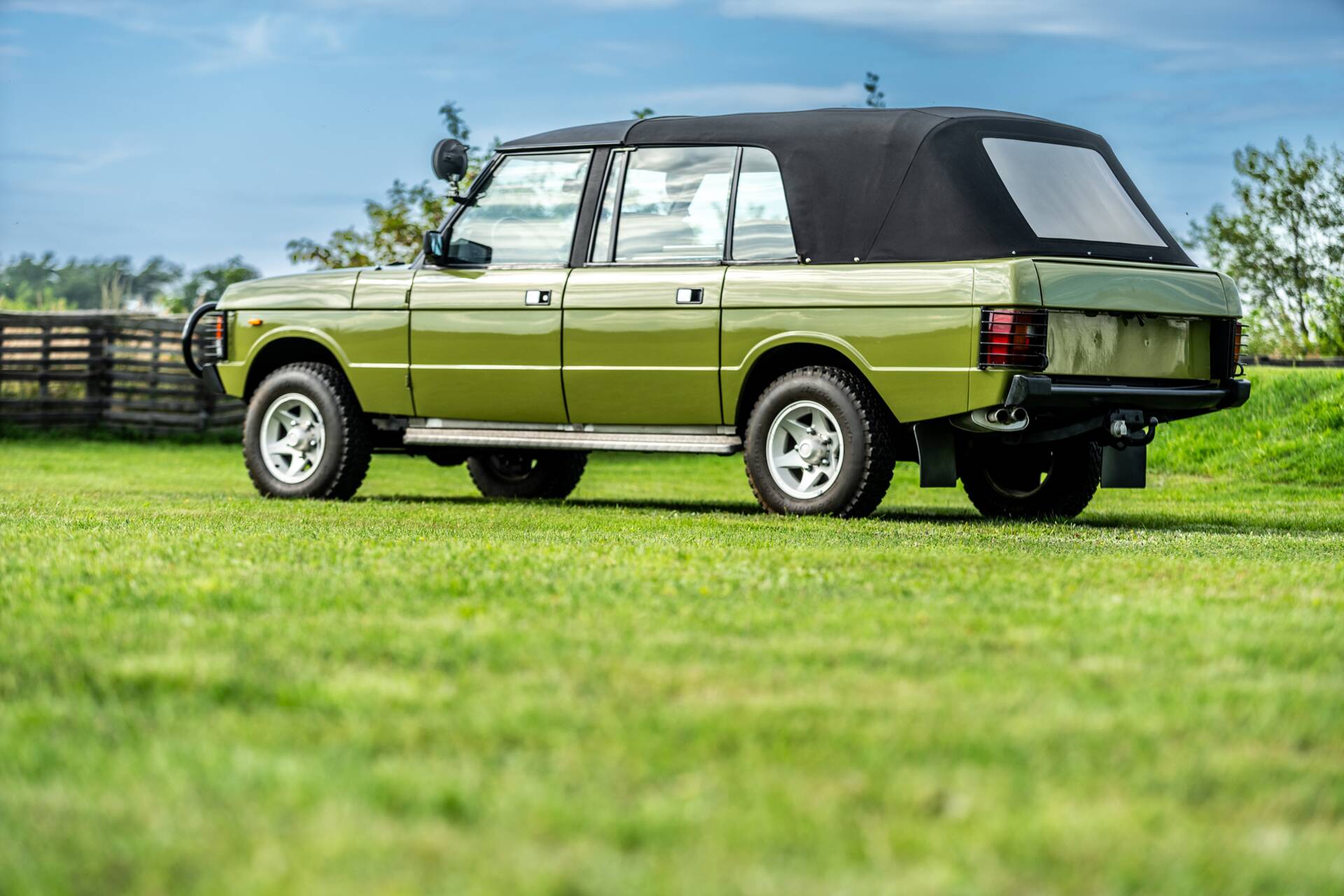
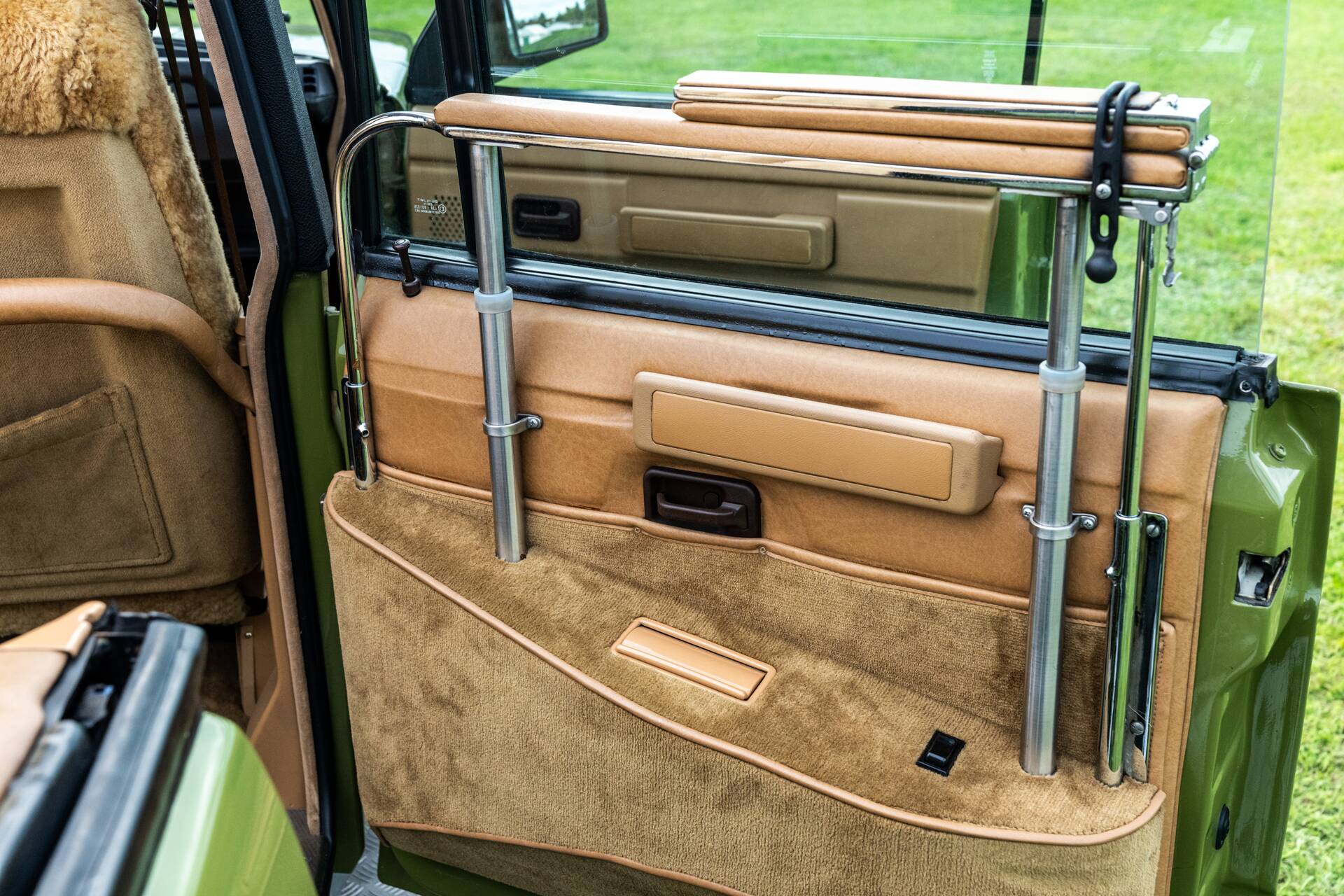
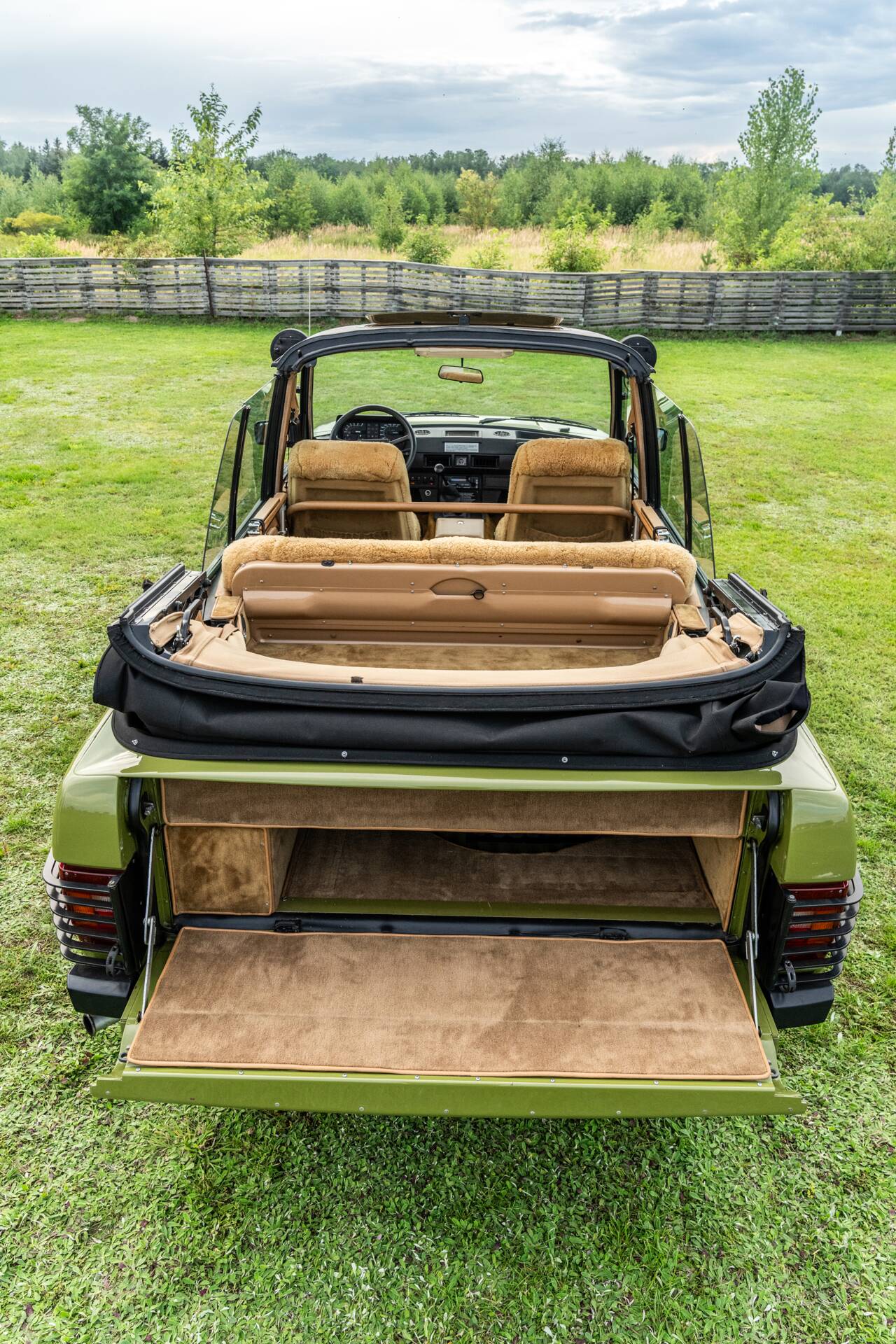
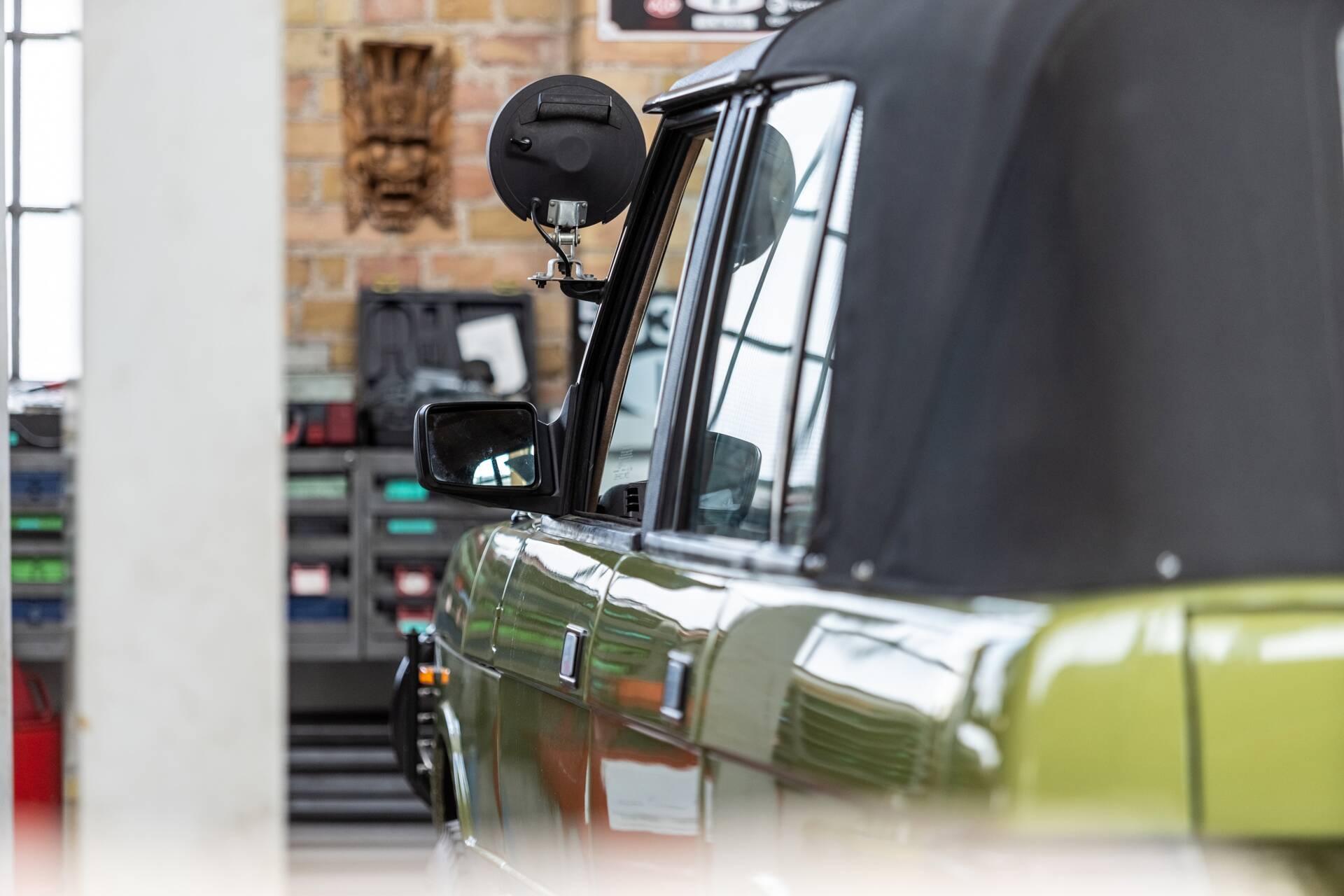
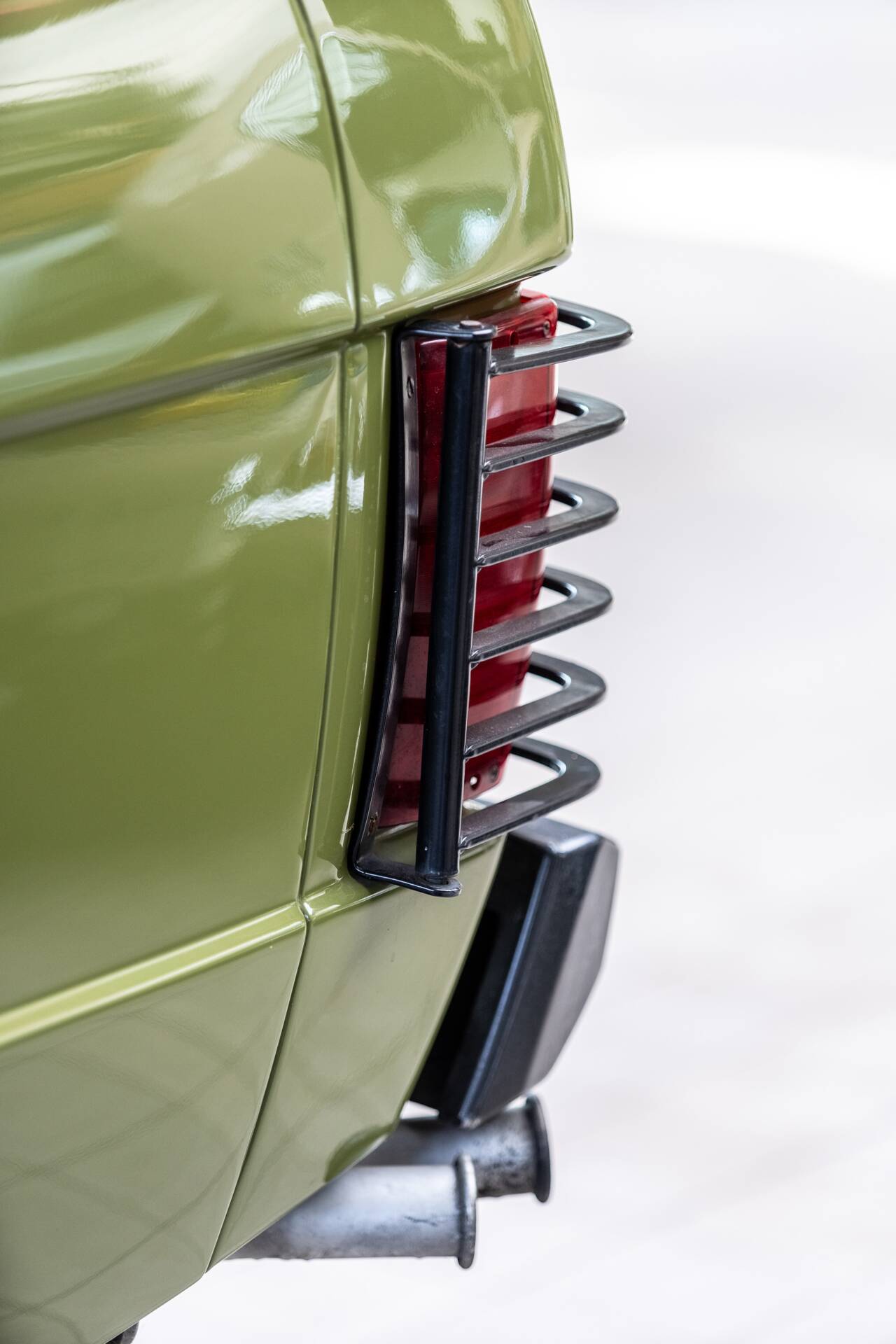
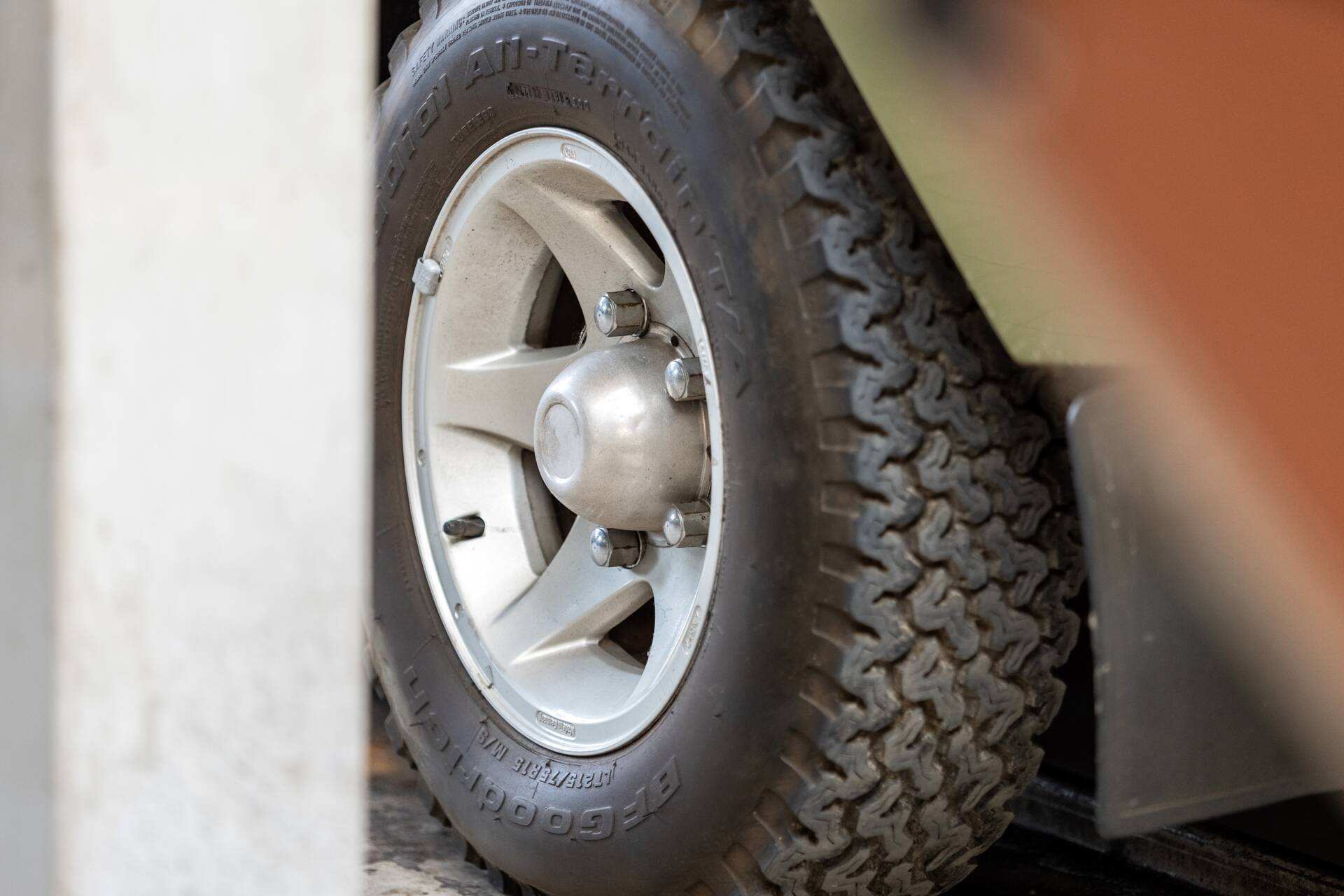
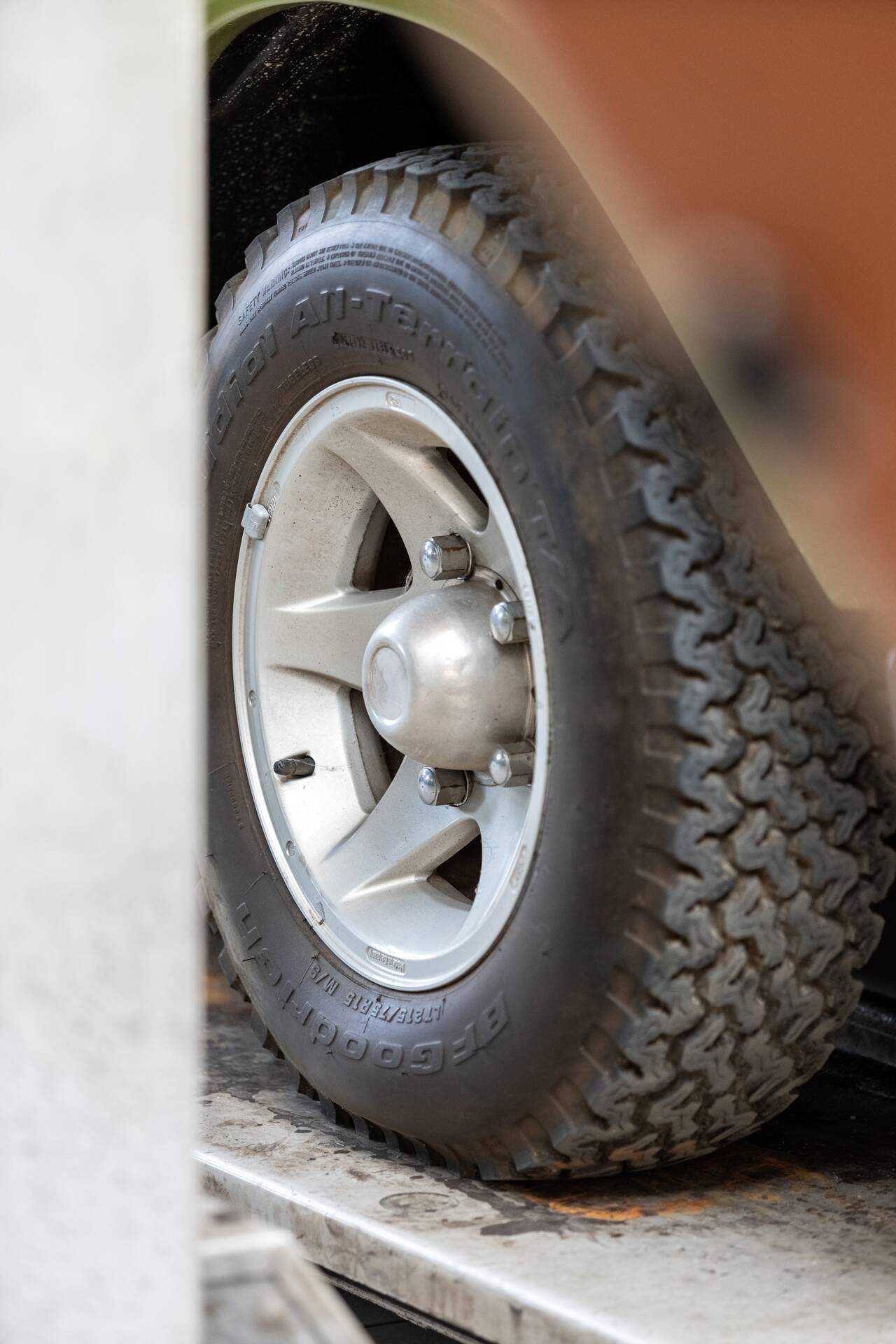
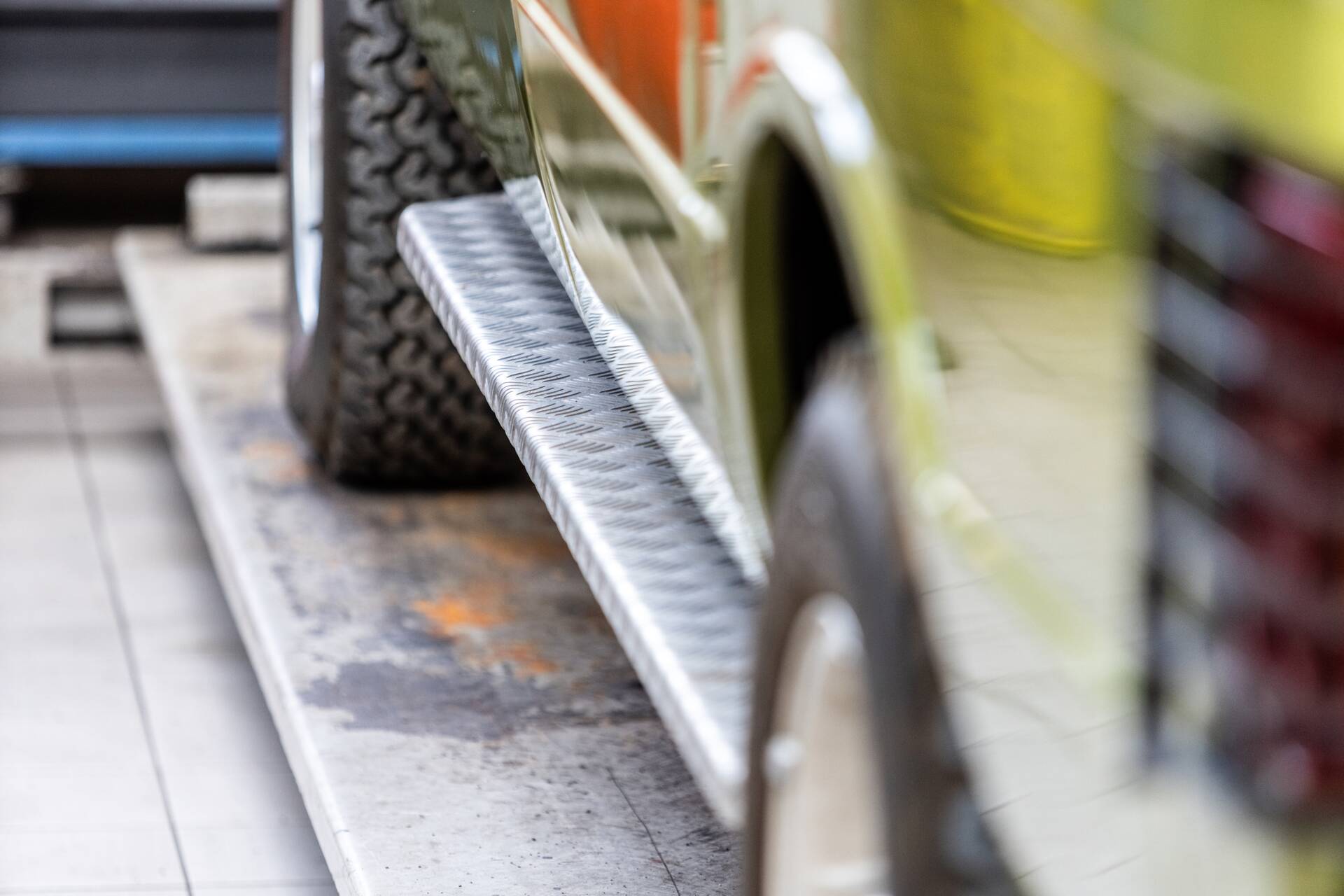
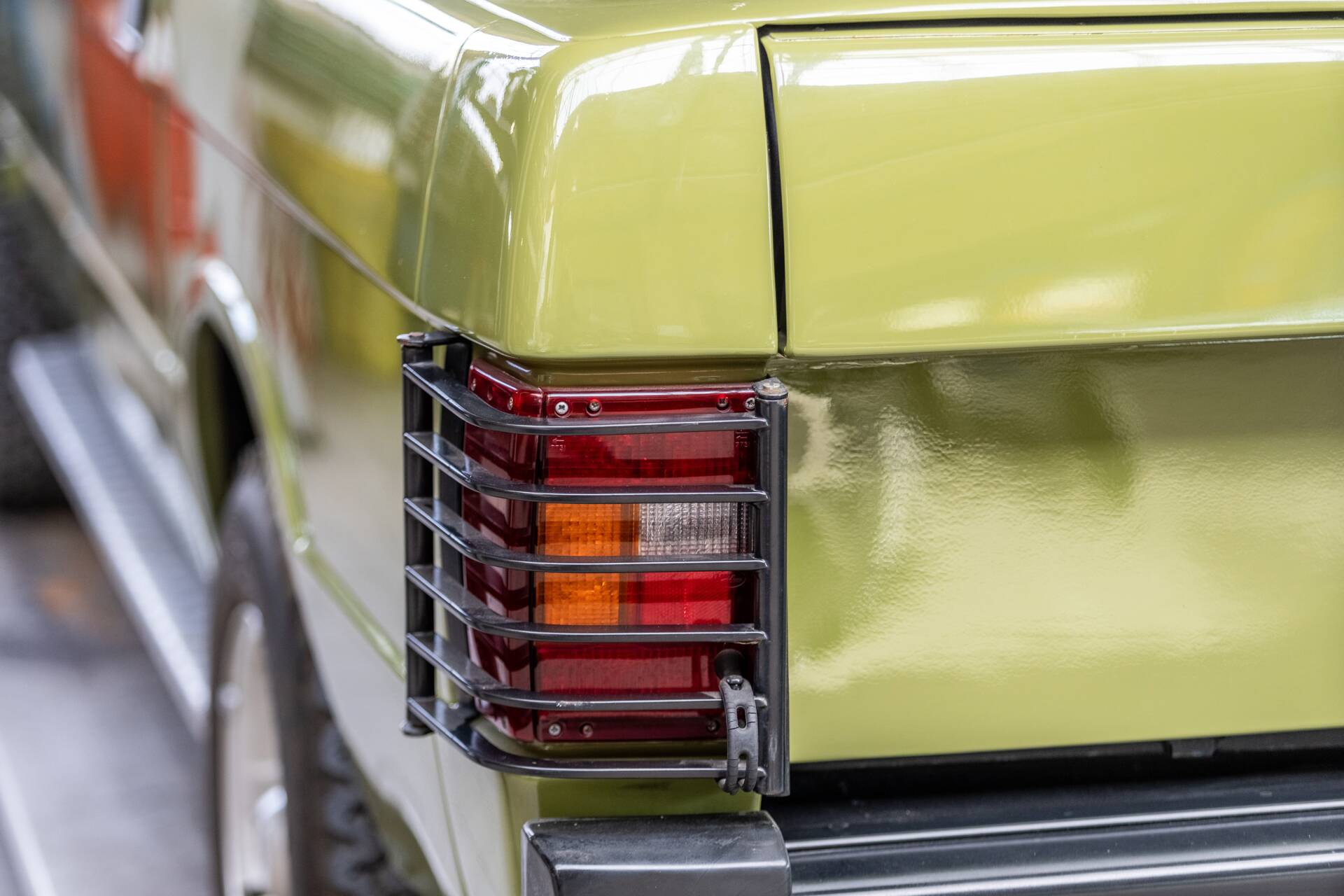
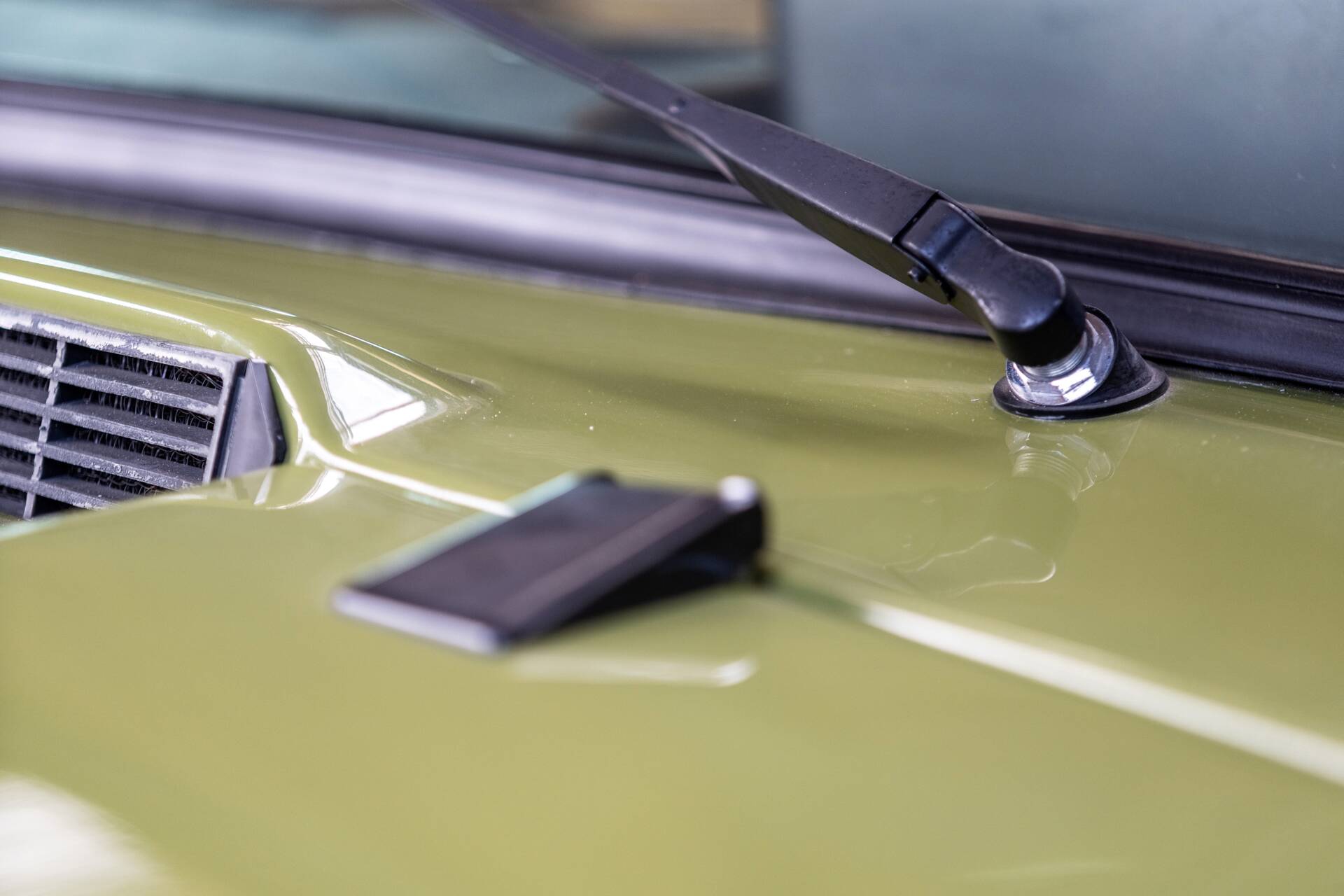
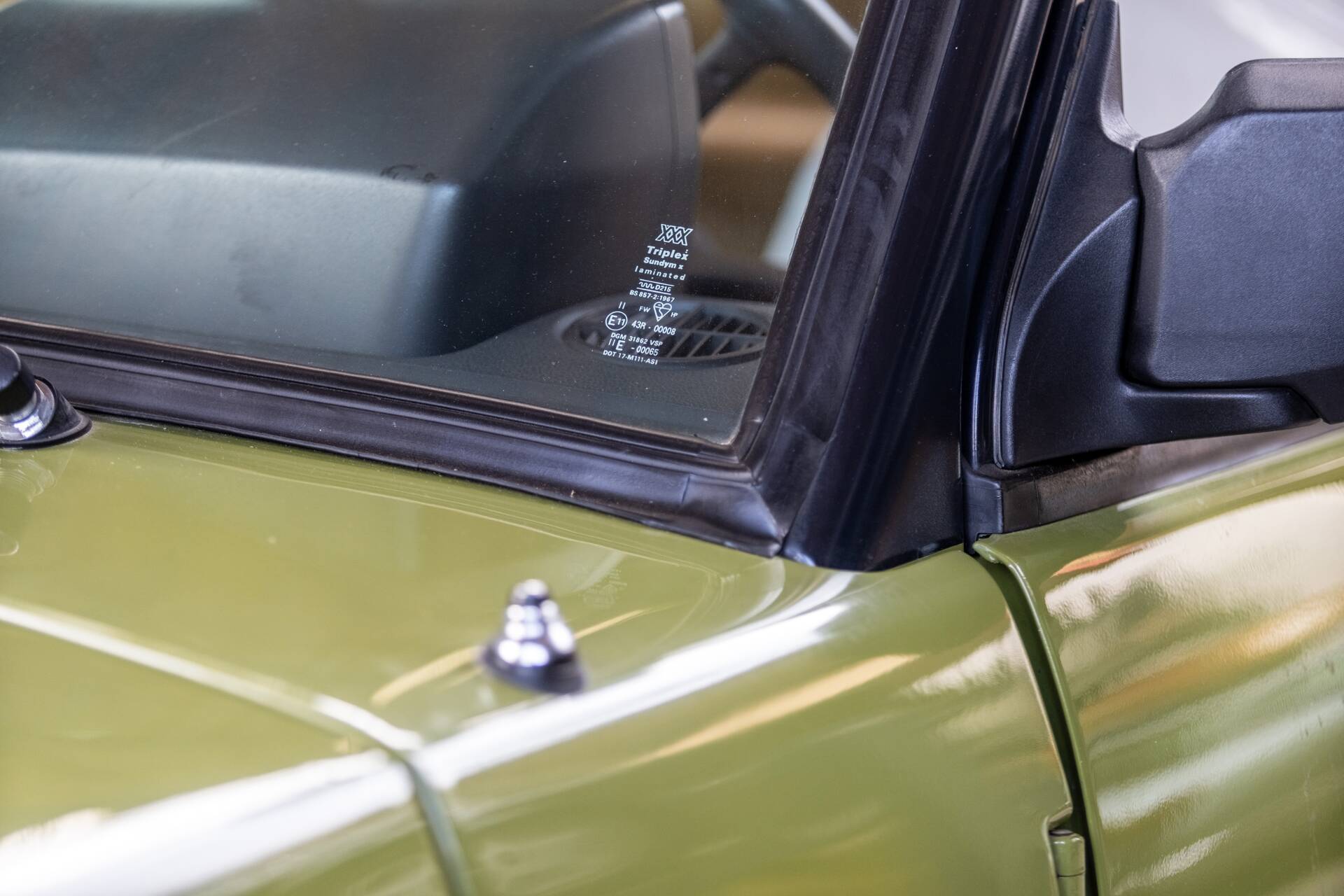
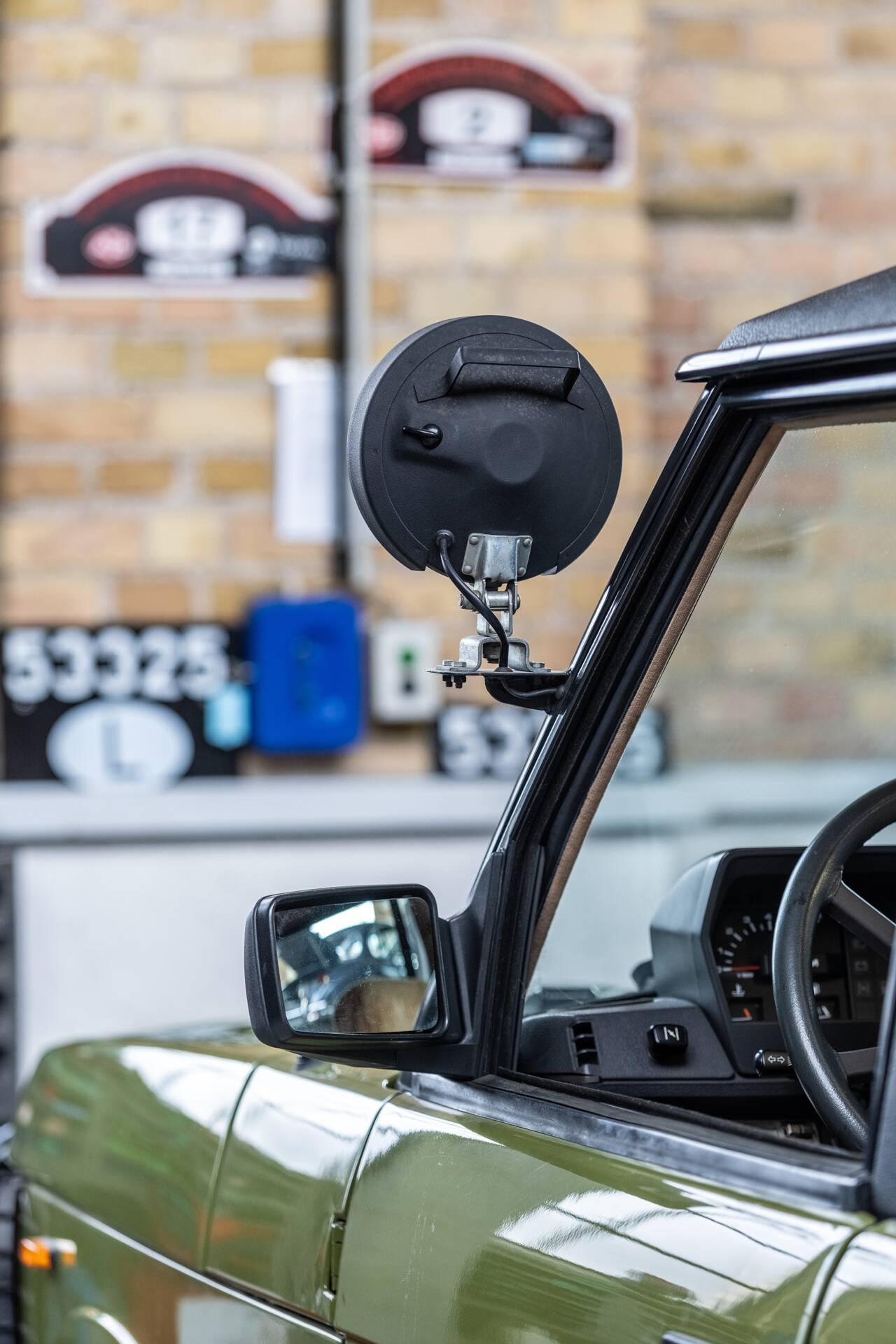
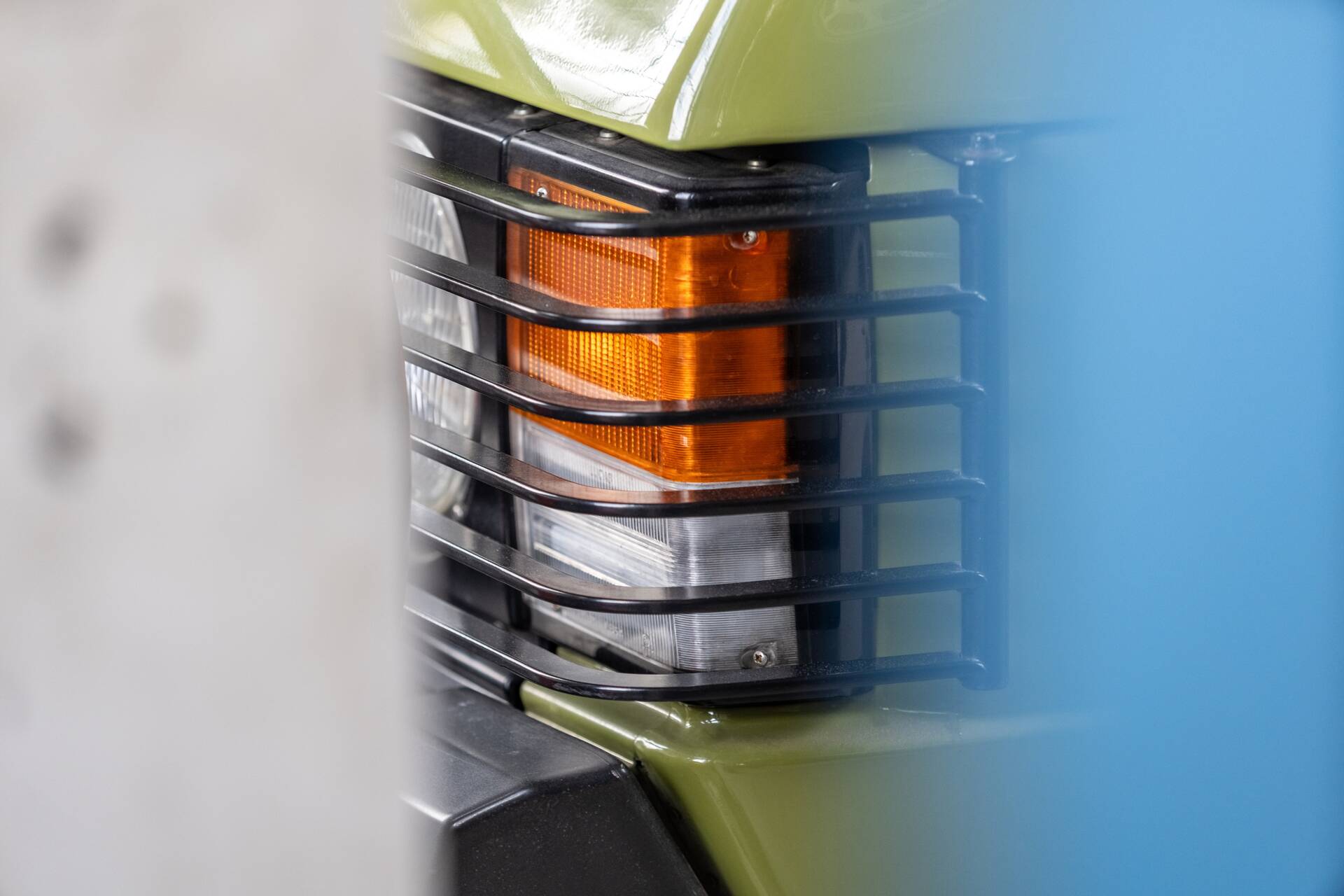
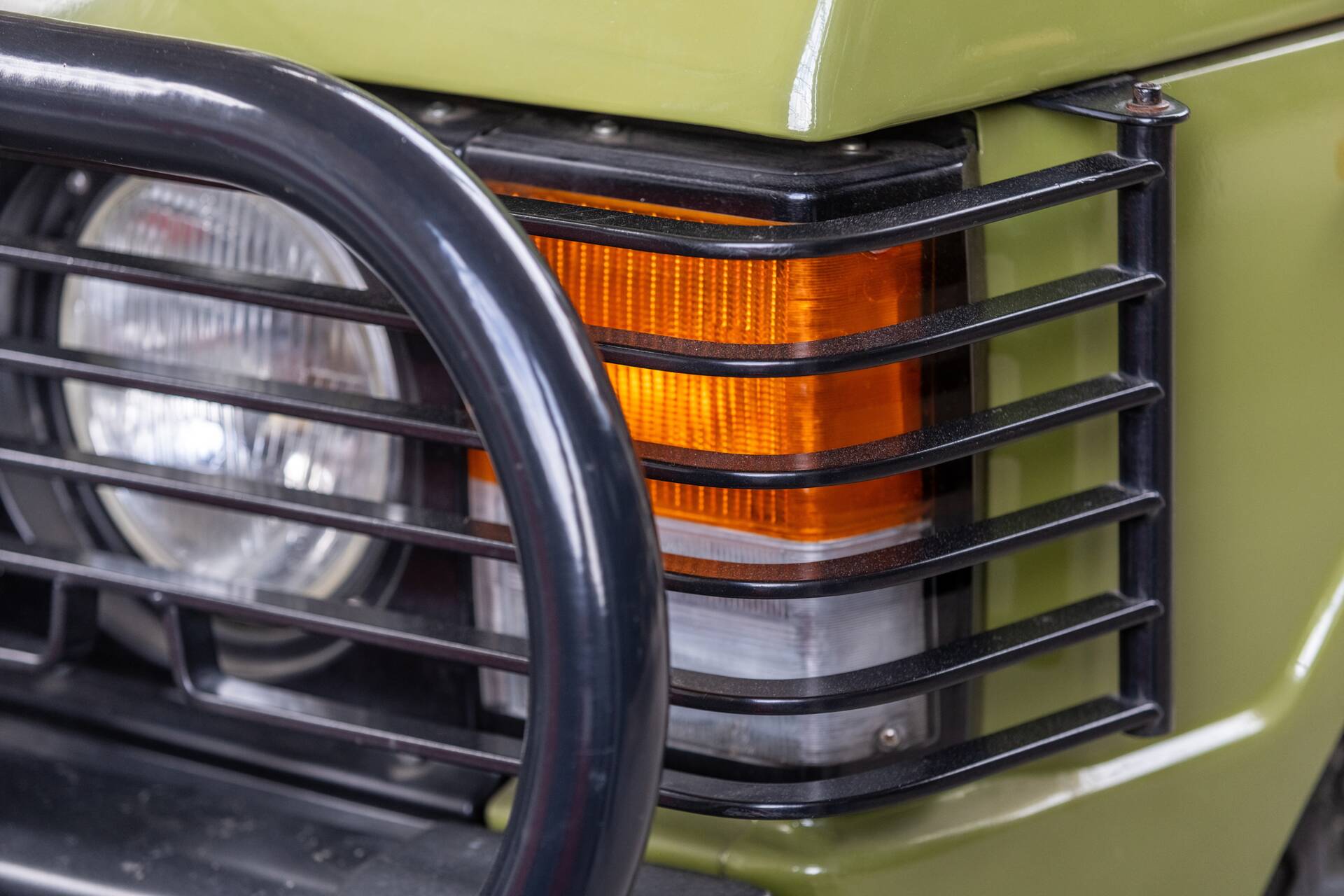
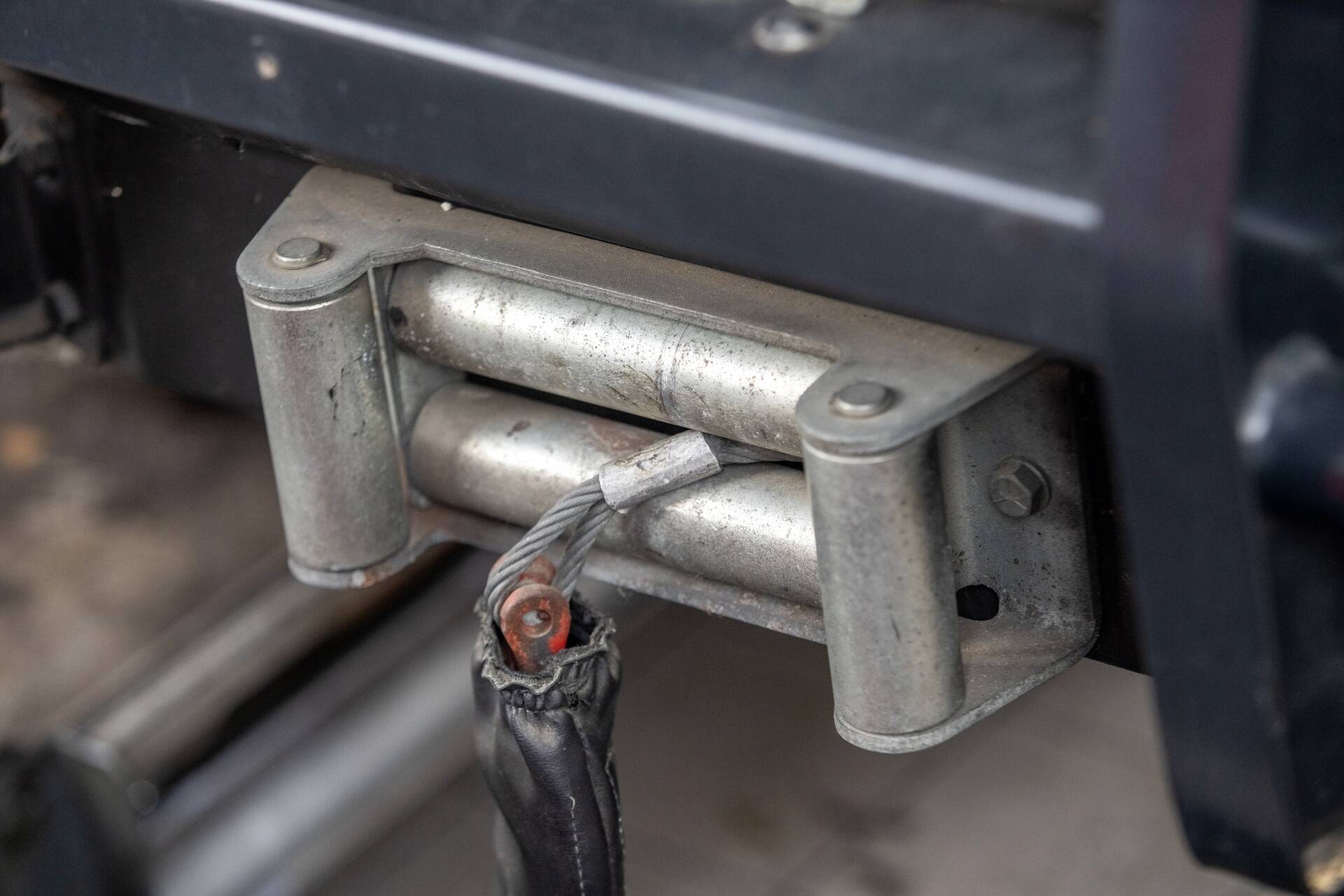
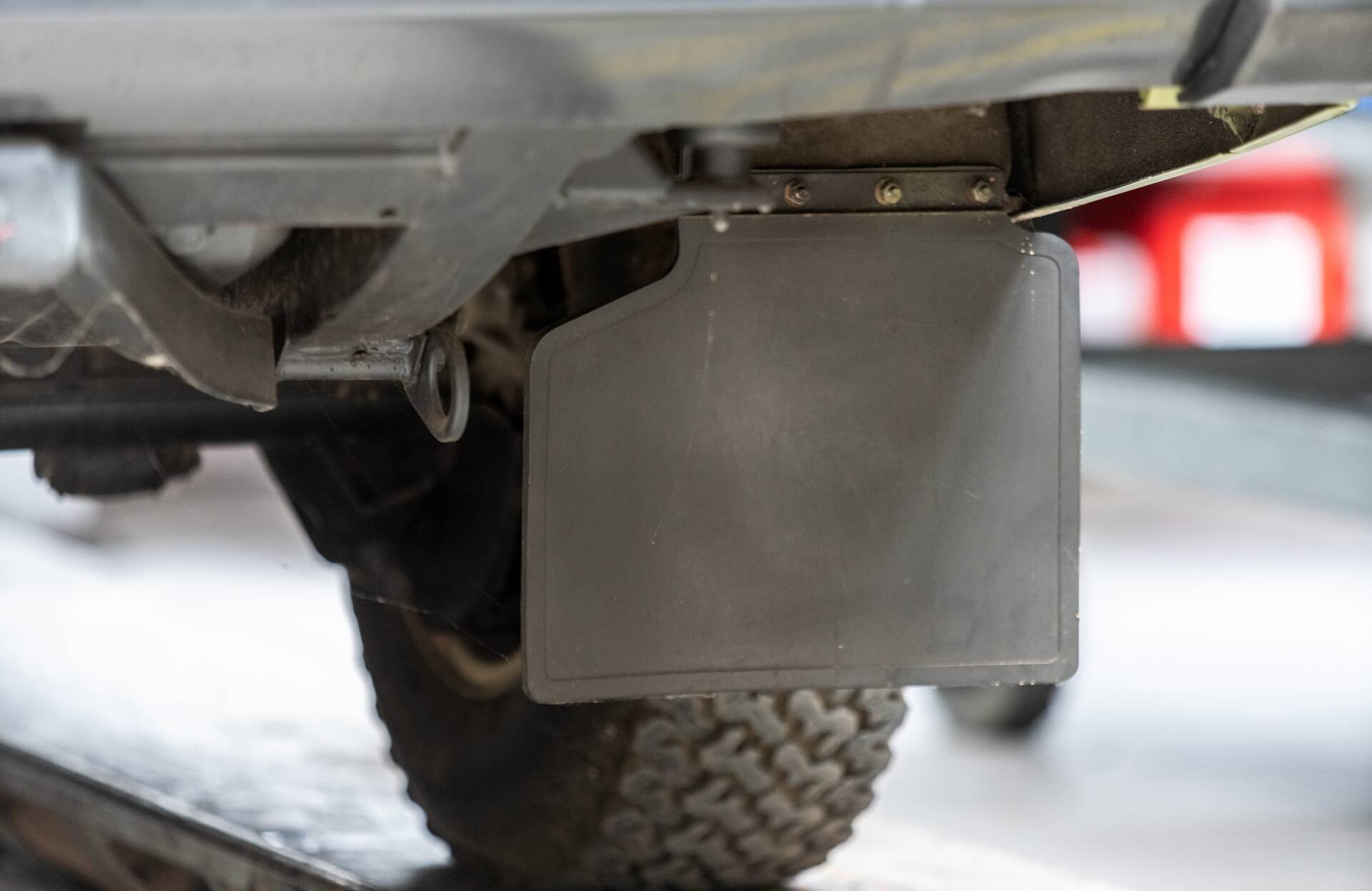
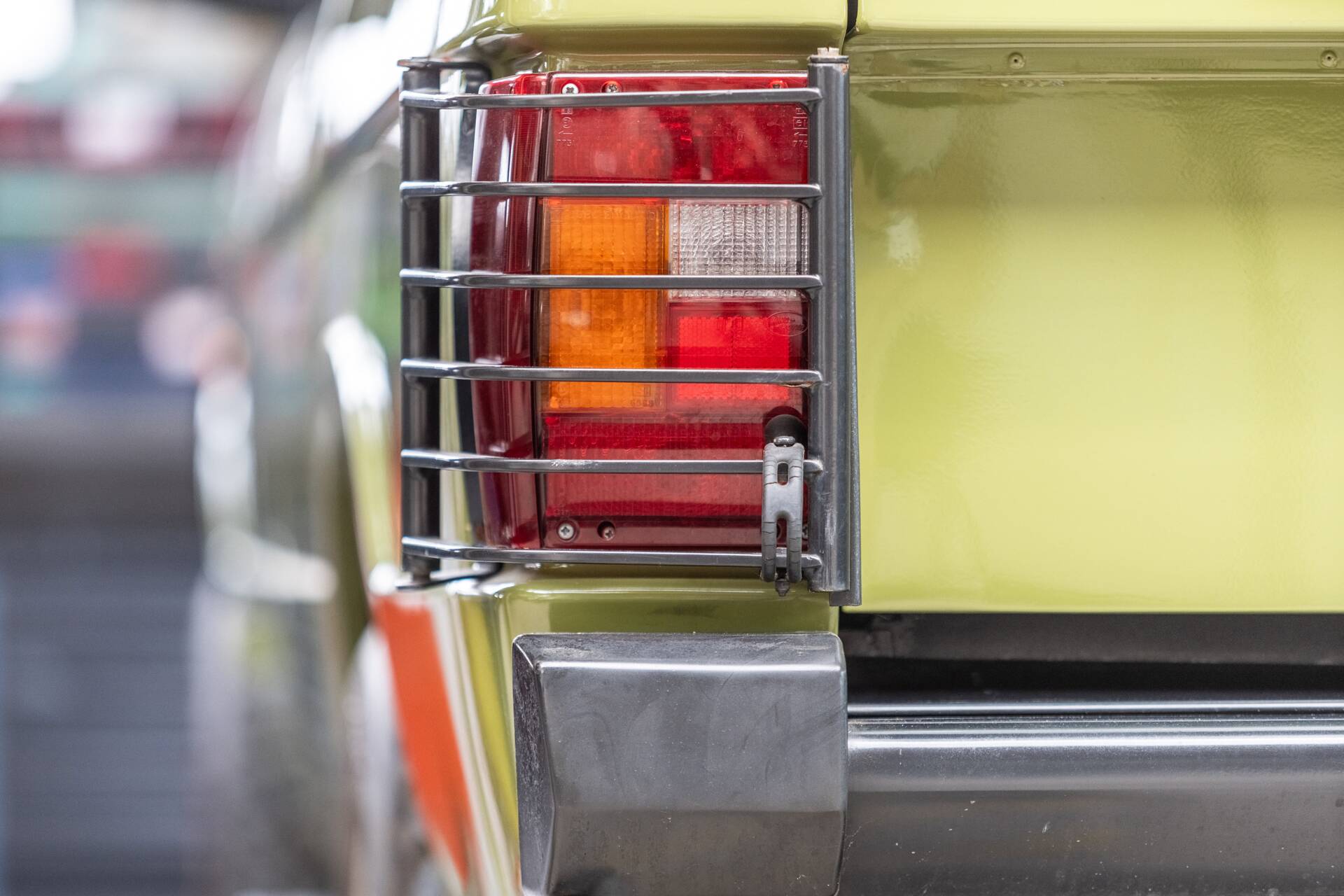
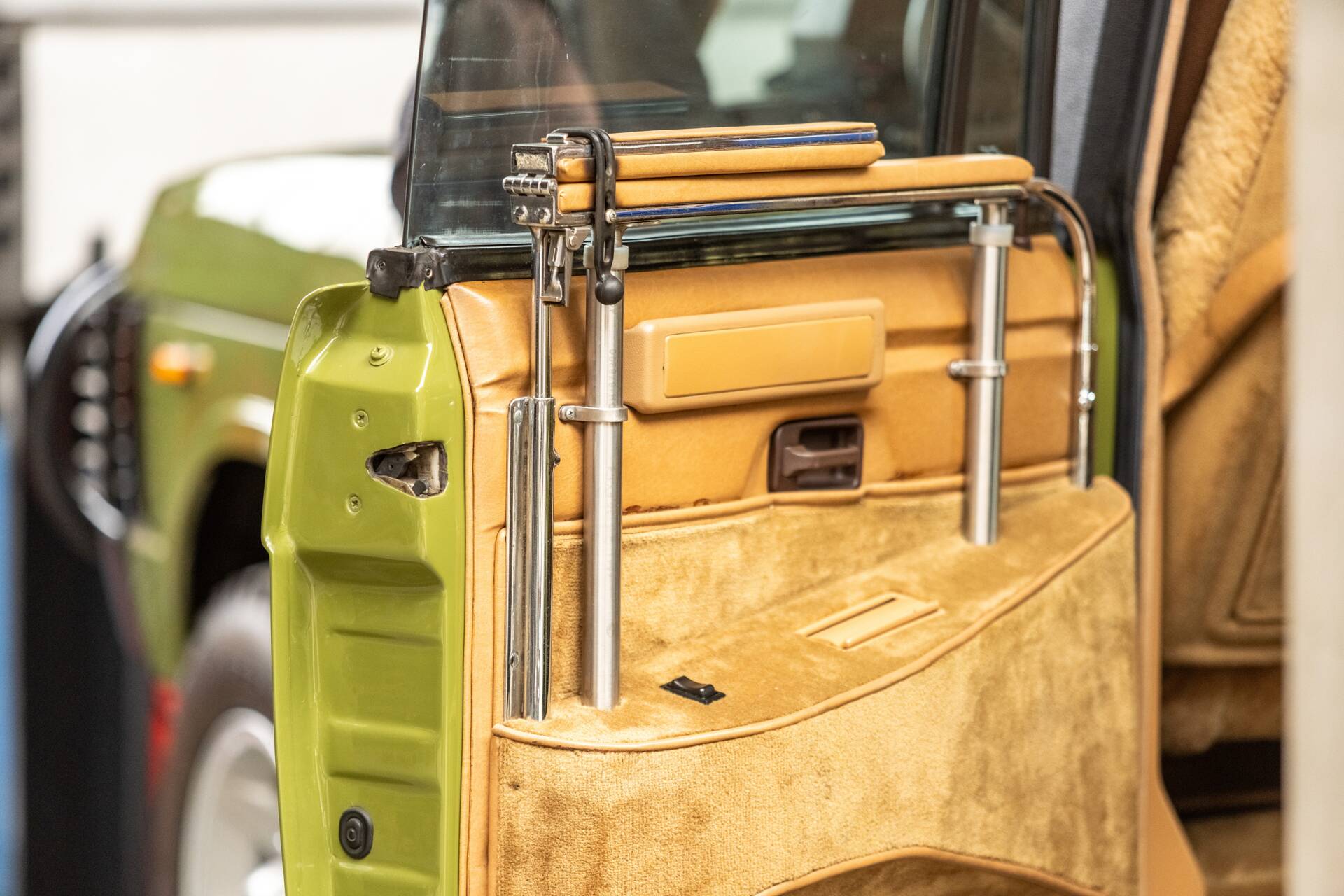
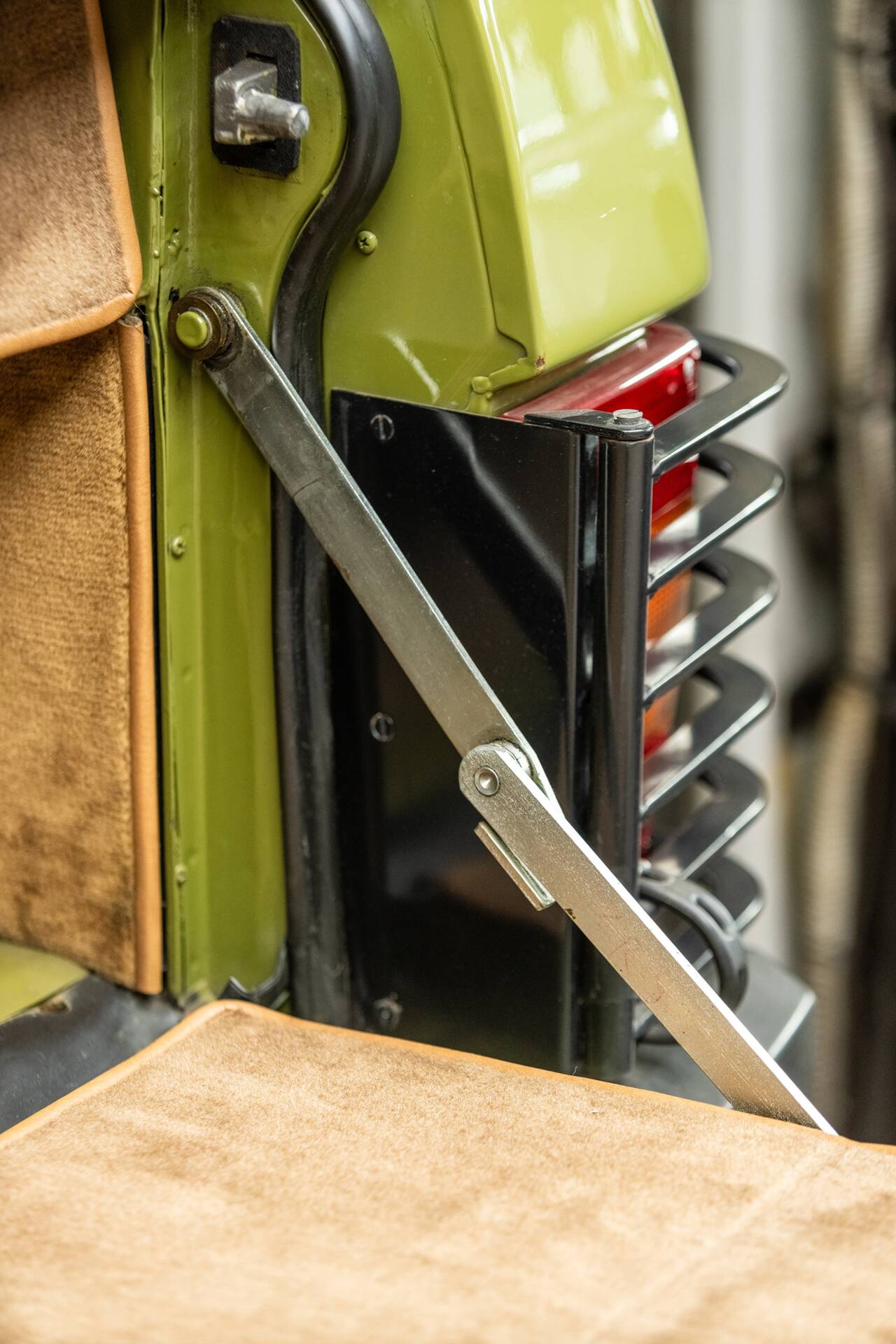
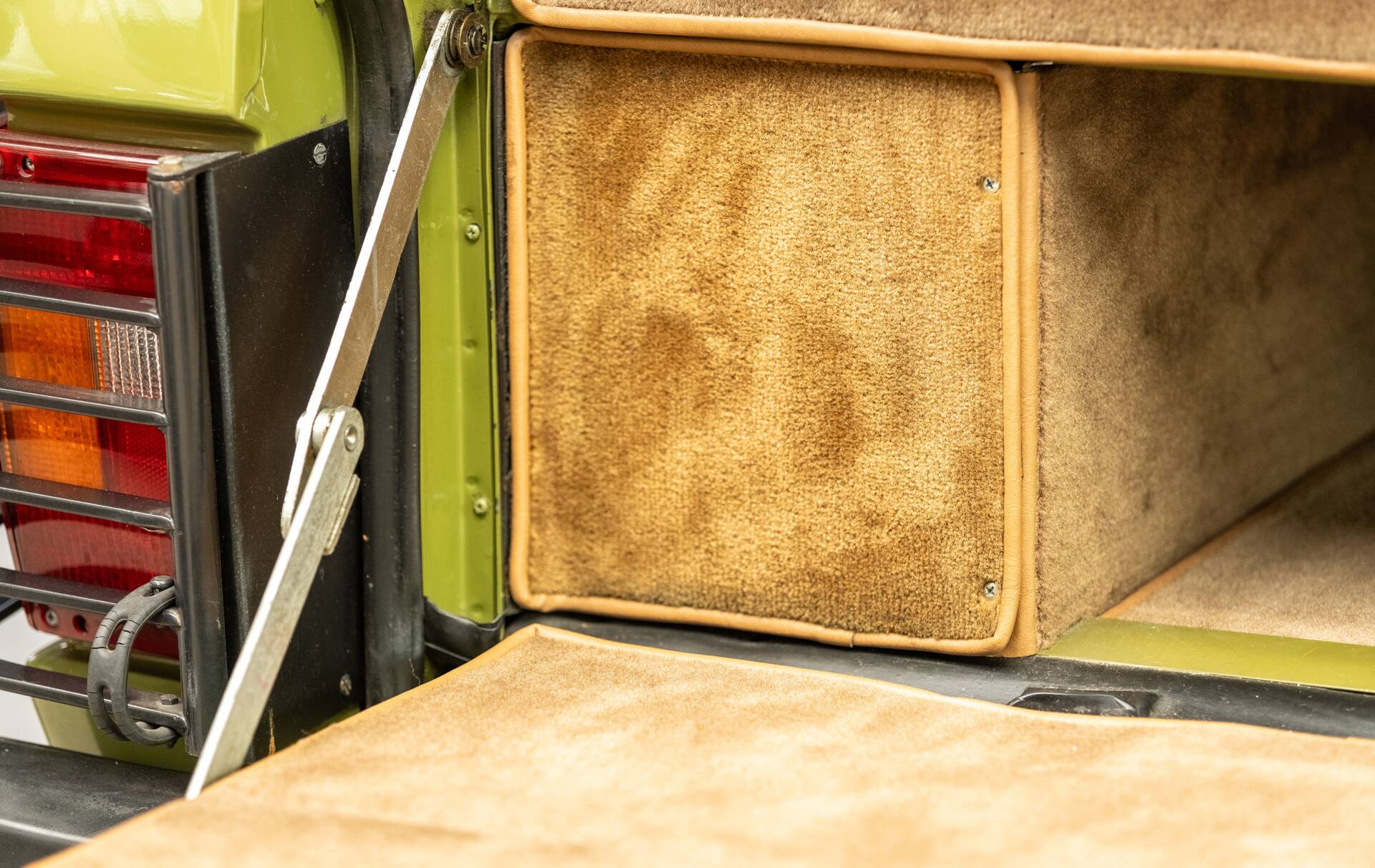
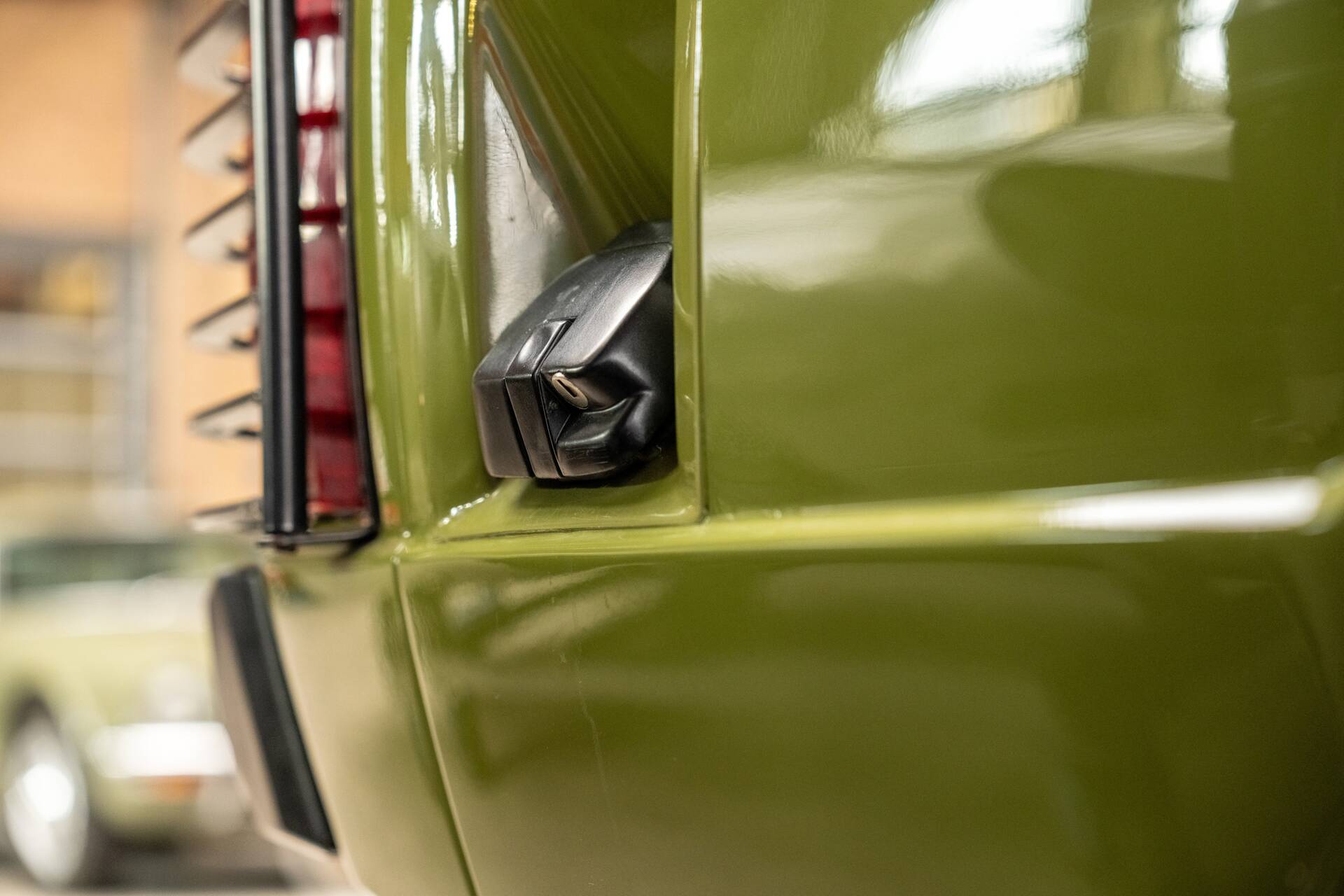
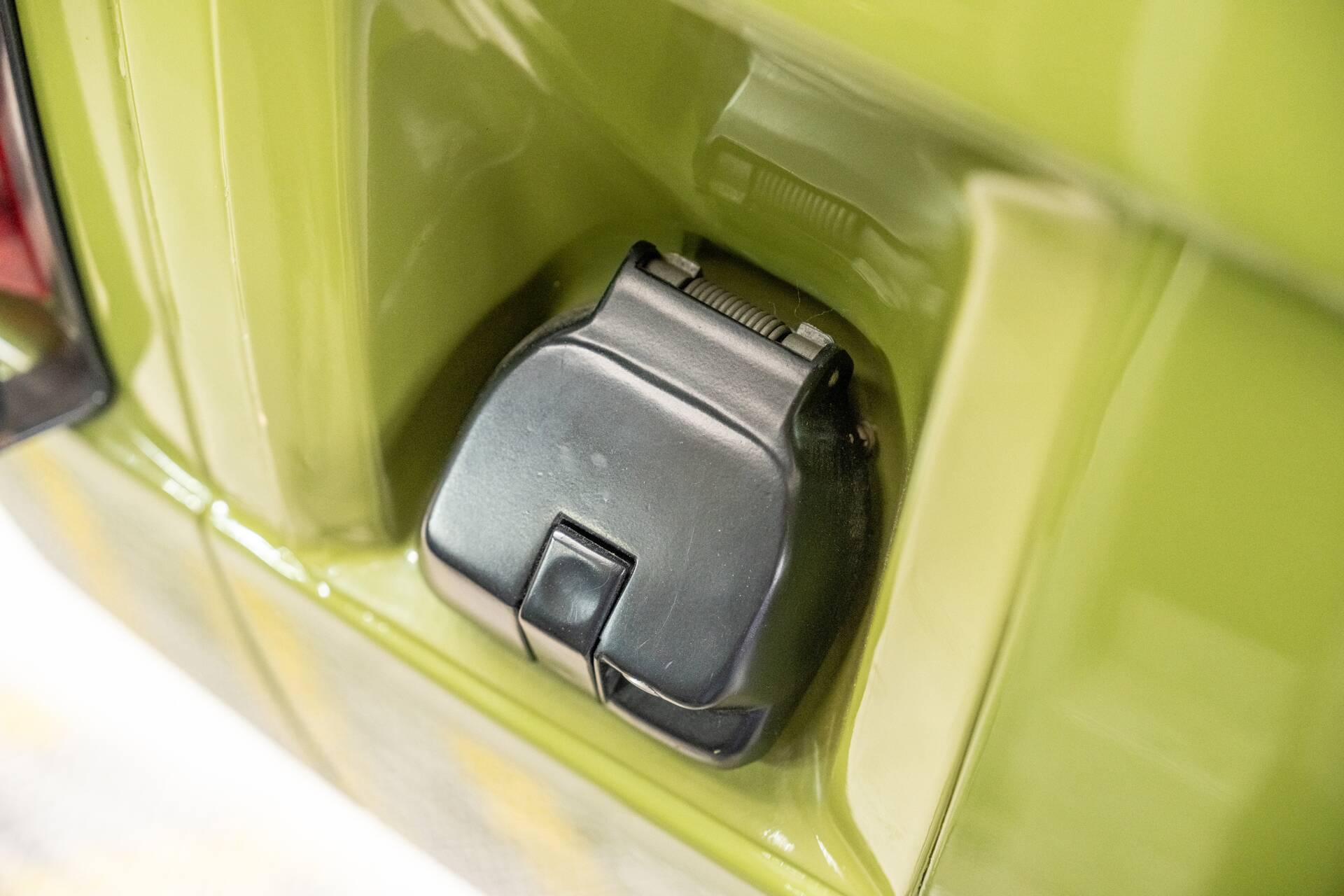
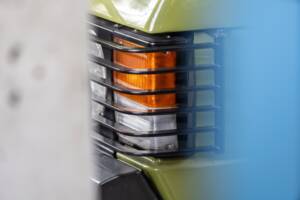
Particularly striking are the extended bodywork, the specially designed coachbuilt structures, and numerous details created specifically for hunting use. Despite its imposing appearance, the vehicle retains the characteristic lines of the classic Range Rover while simultaneously presenting itself as a one-of-a-kind machine from another era.
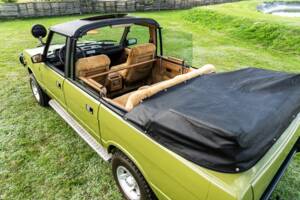
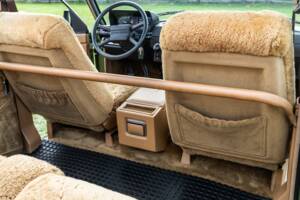
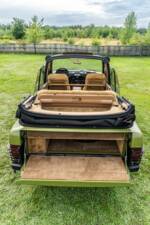
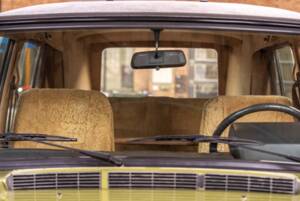
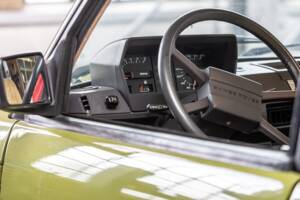
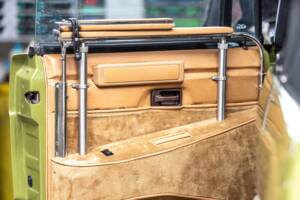
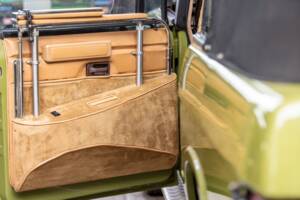
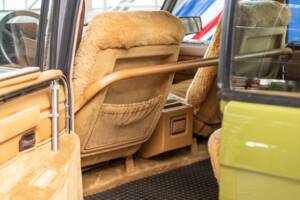
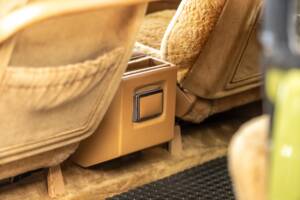
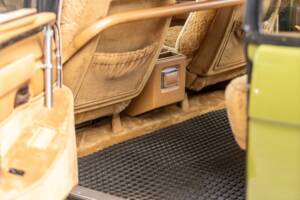
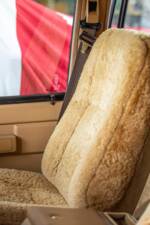
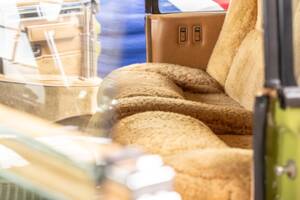
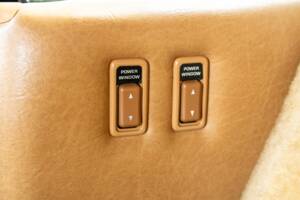
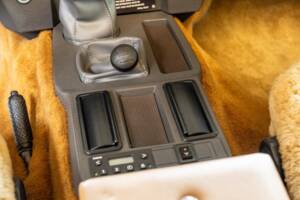
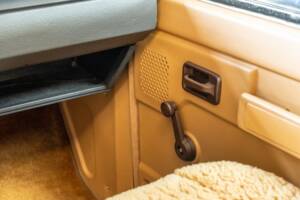
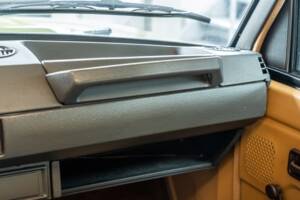
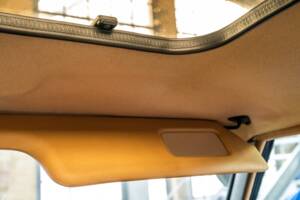
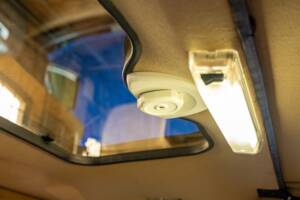
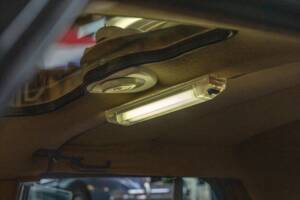
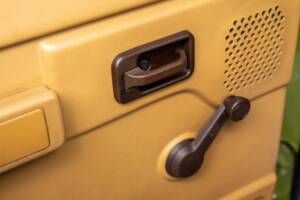
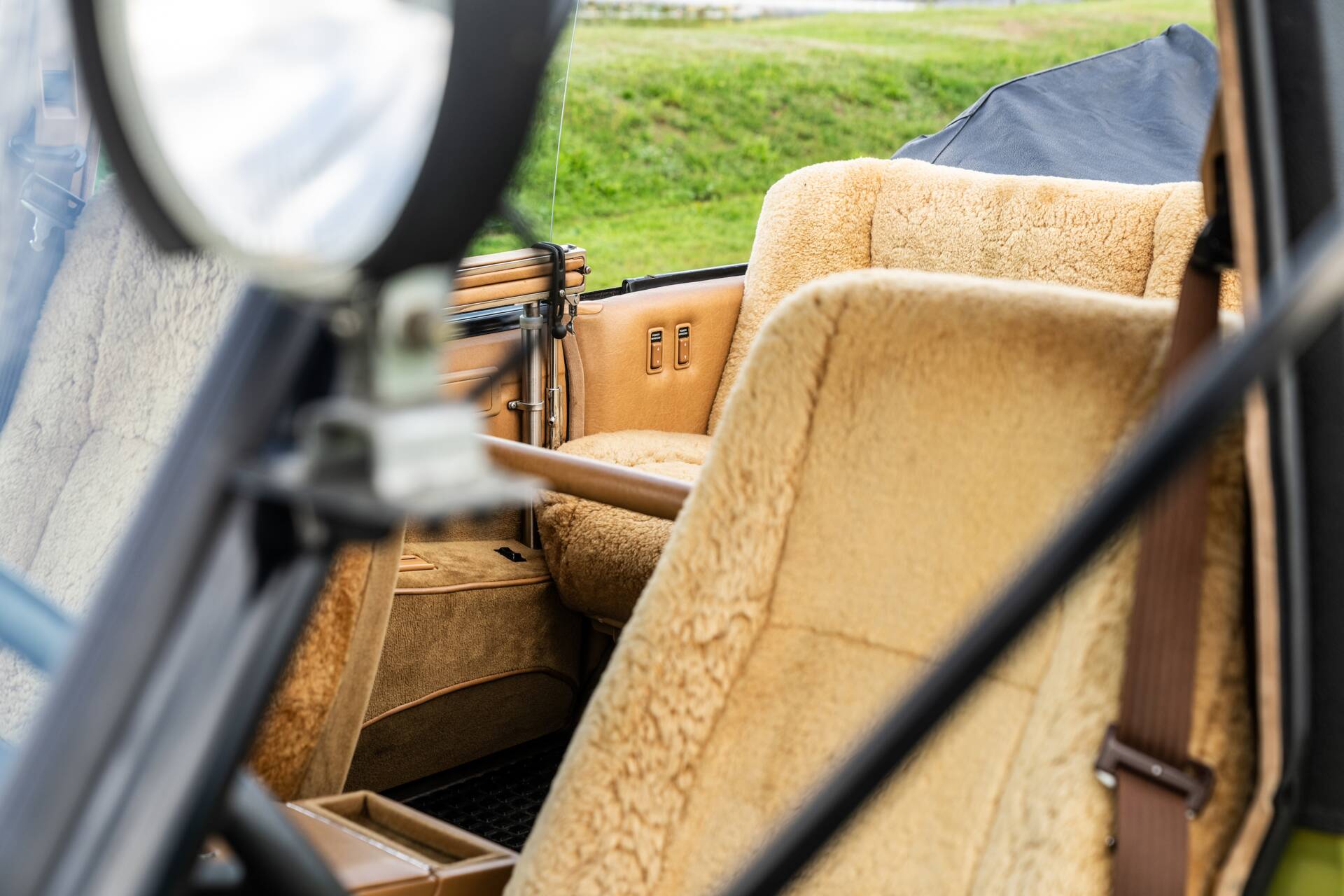
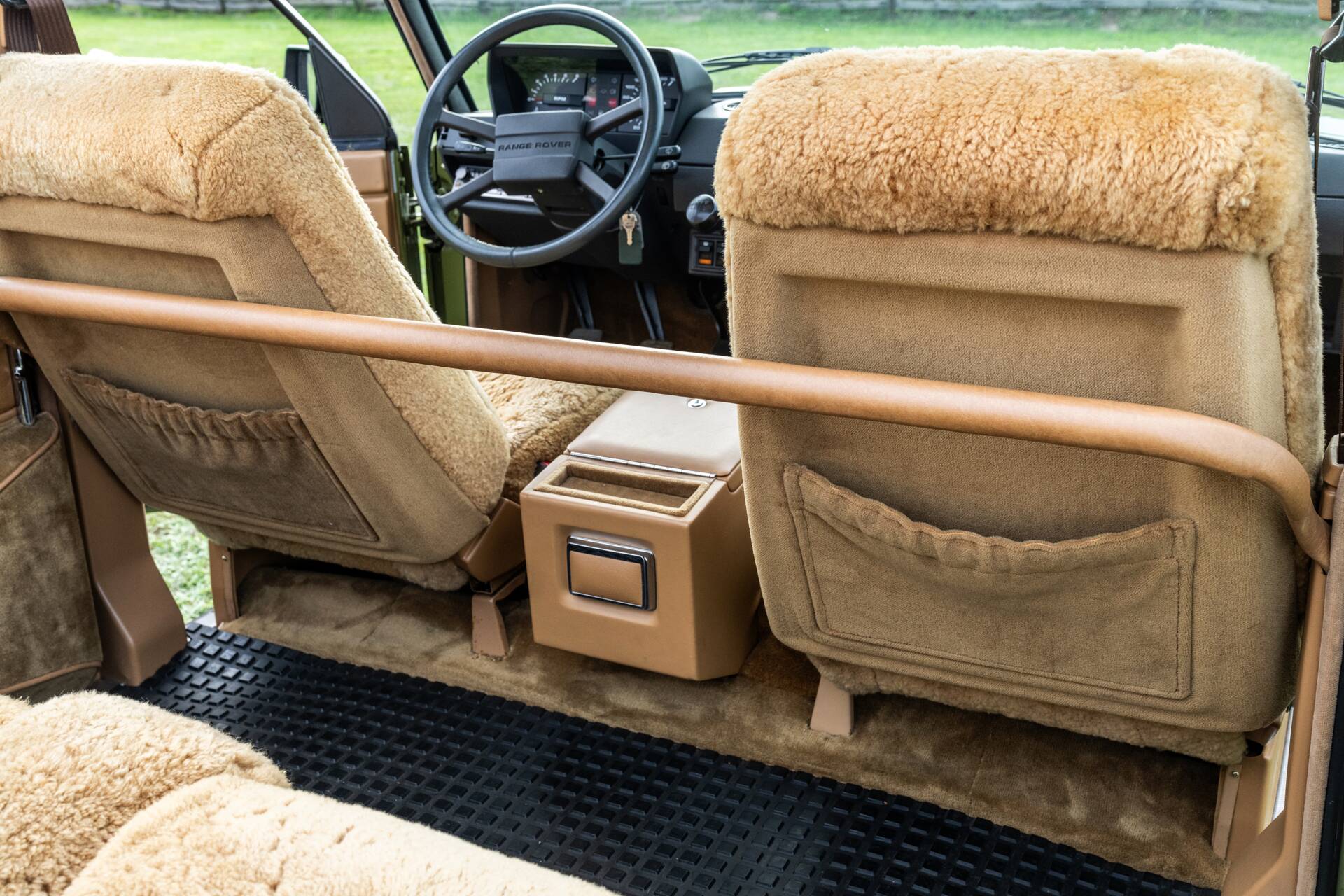
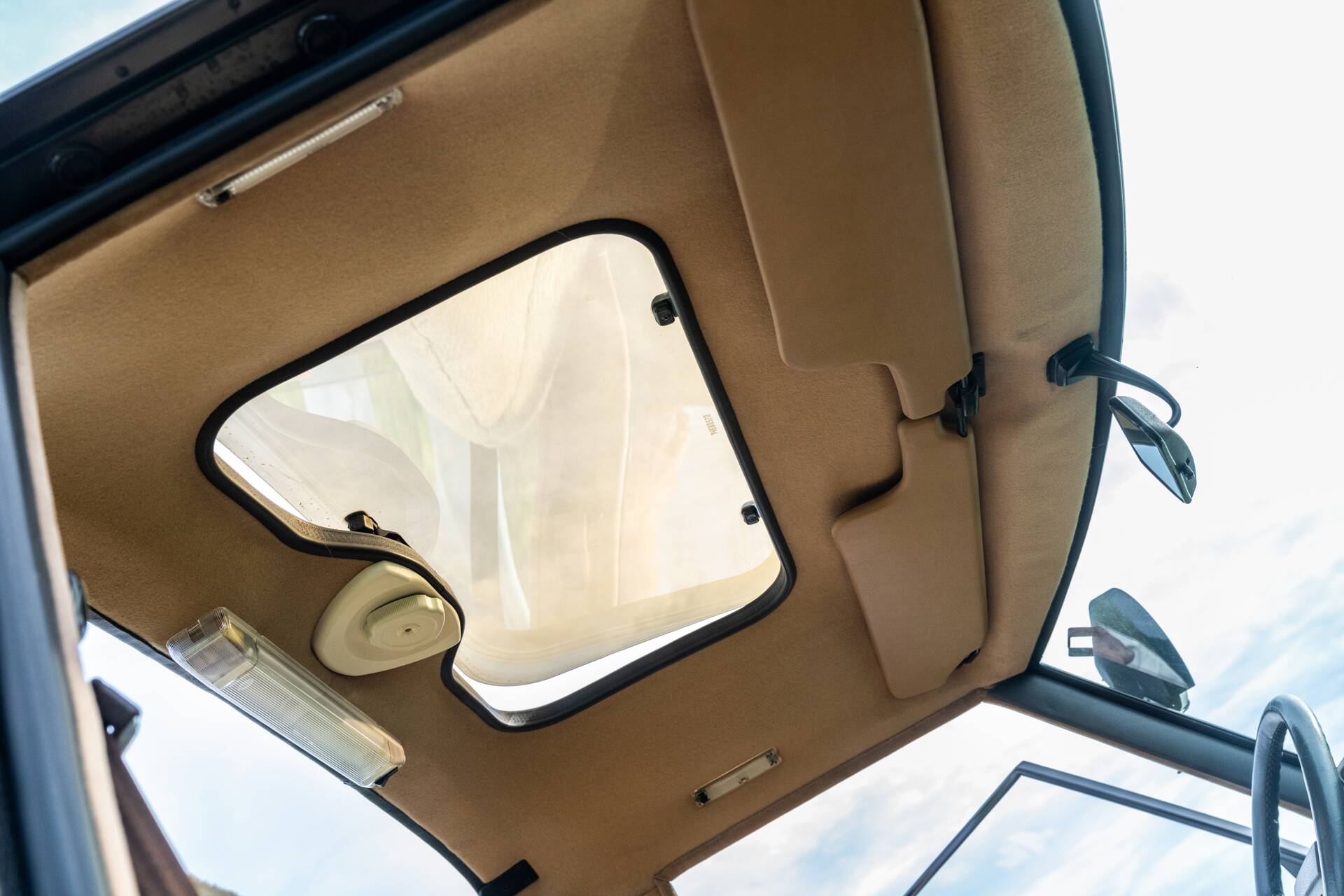
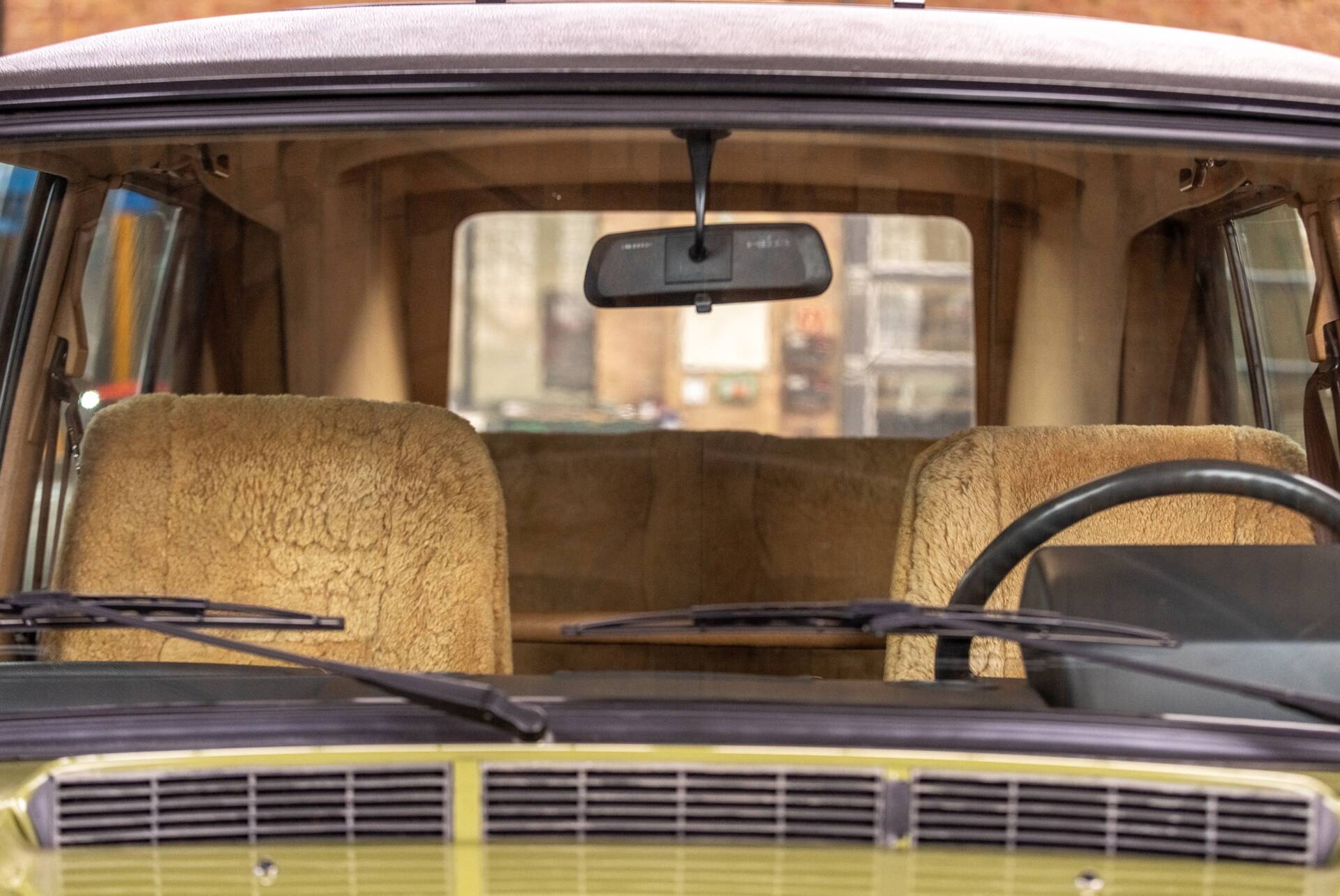
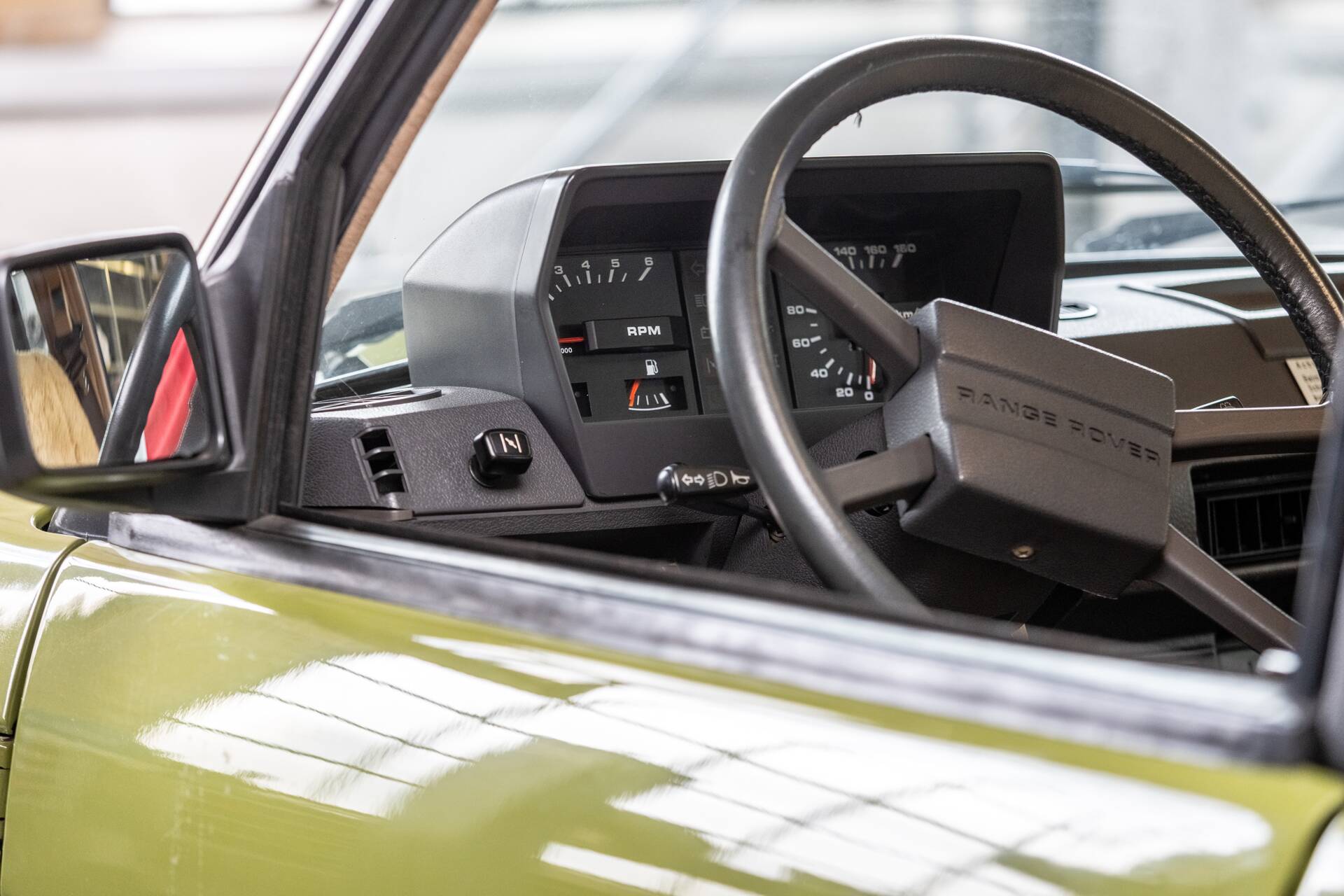
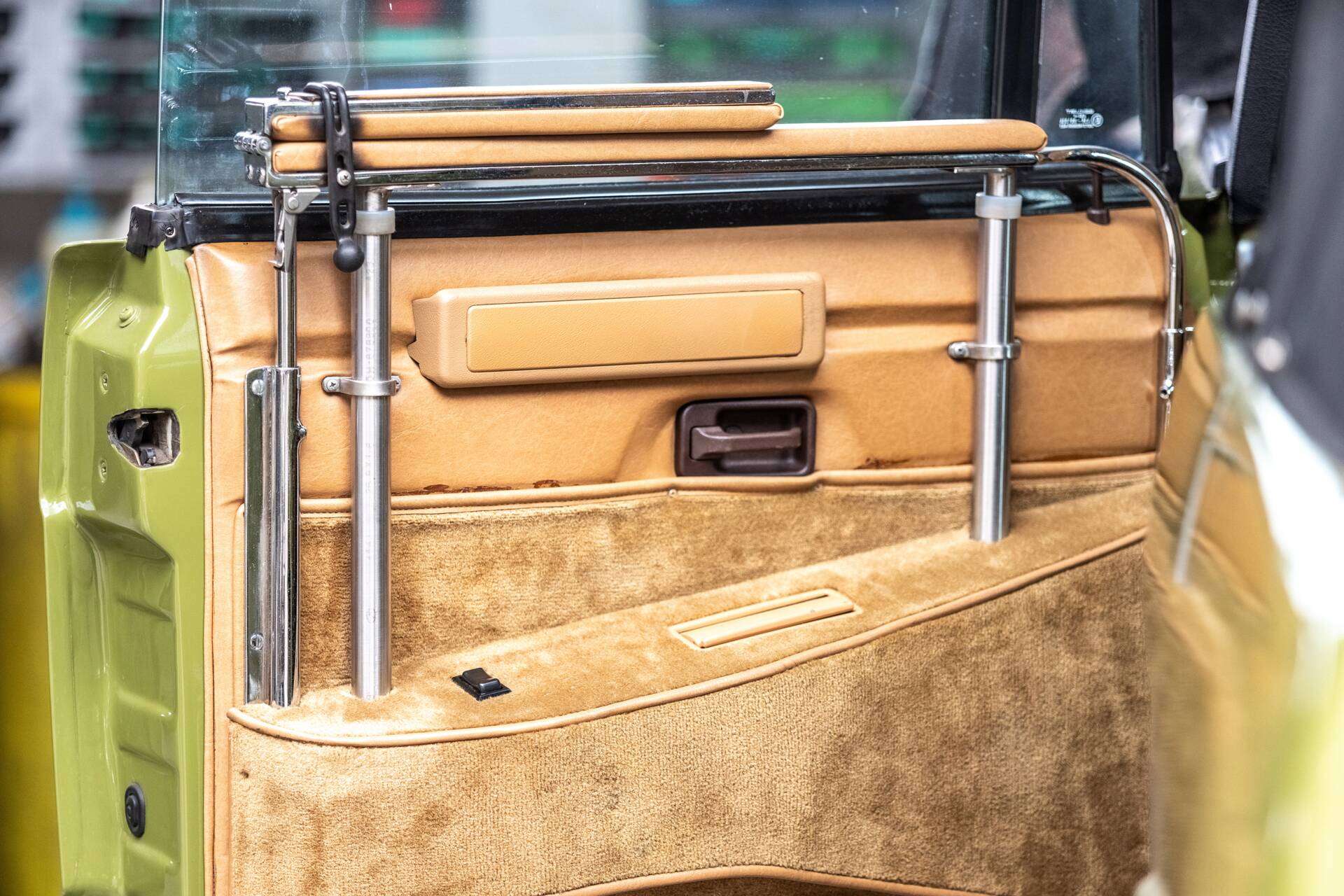
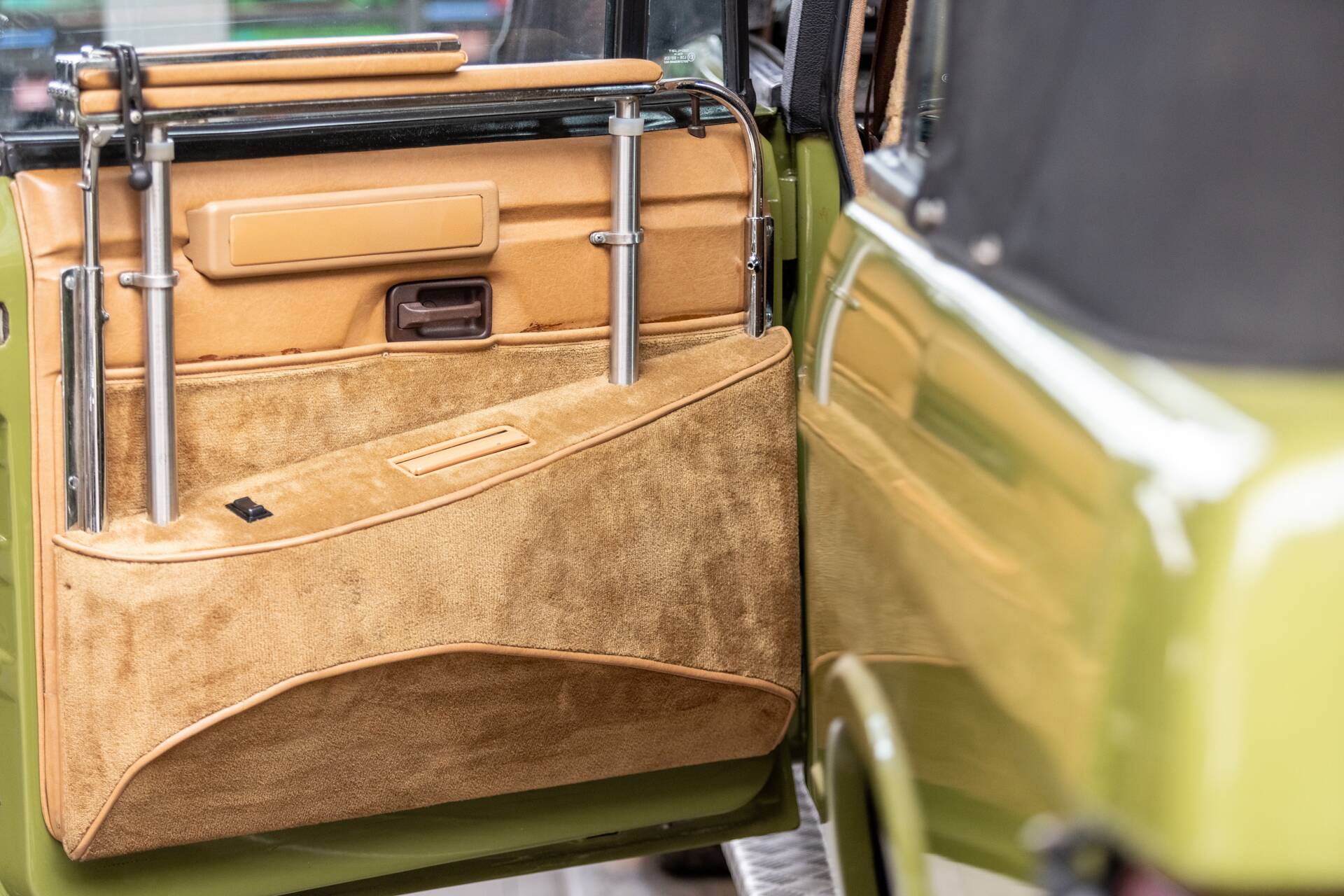
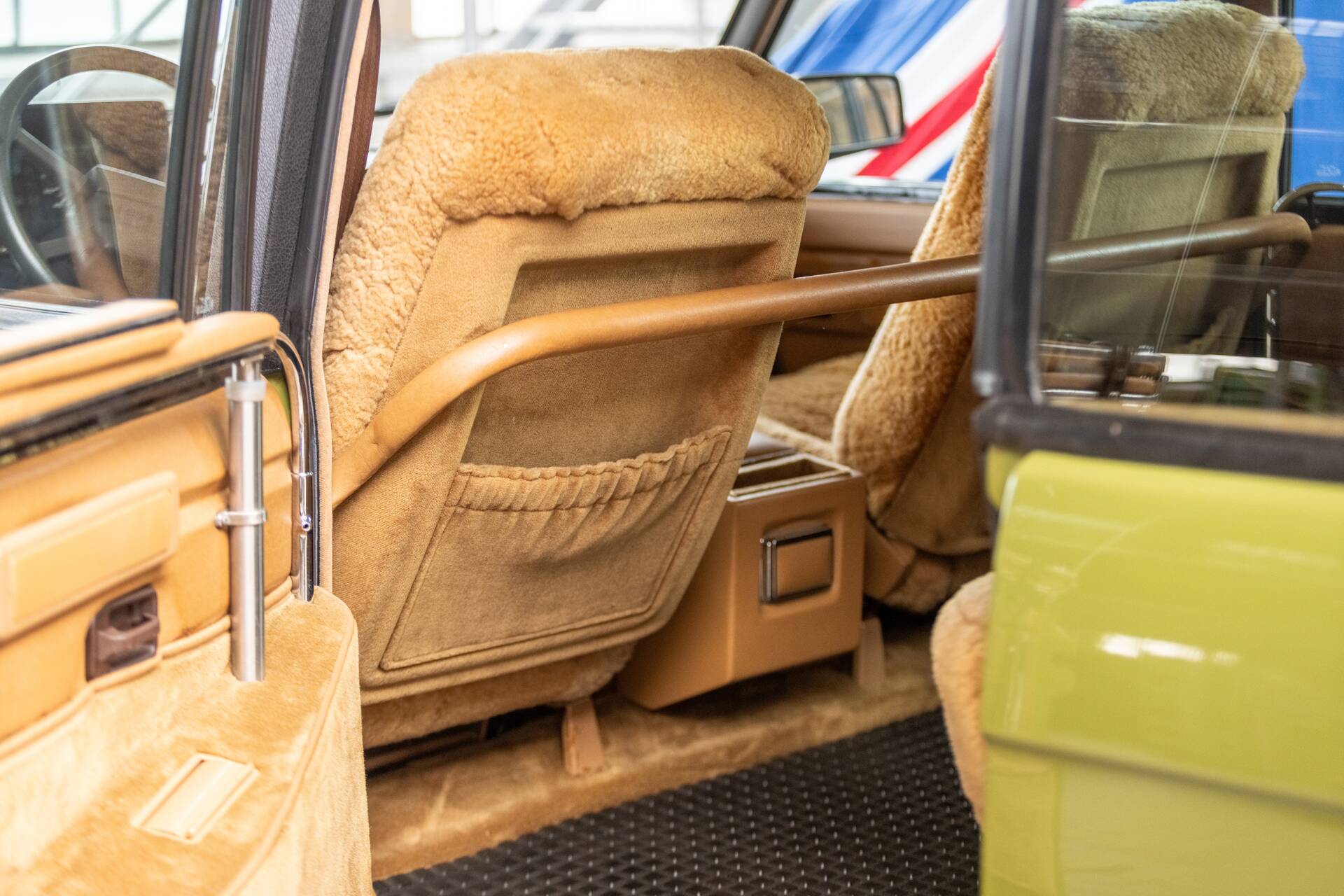
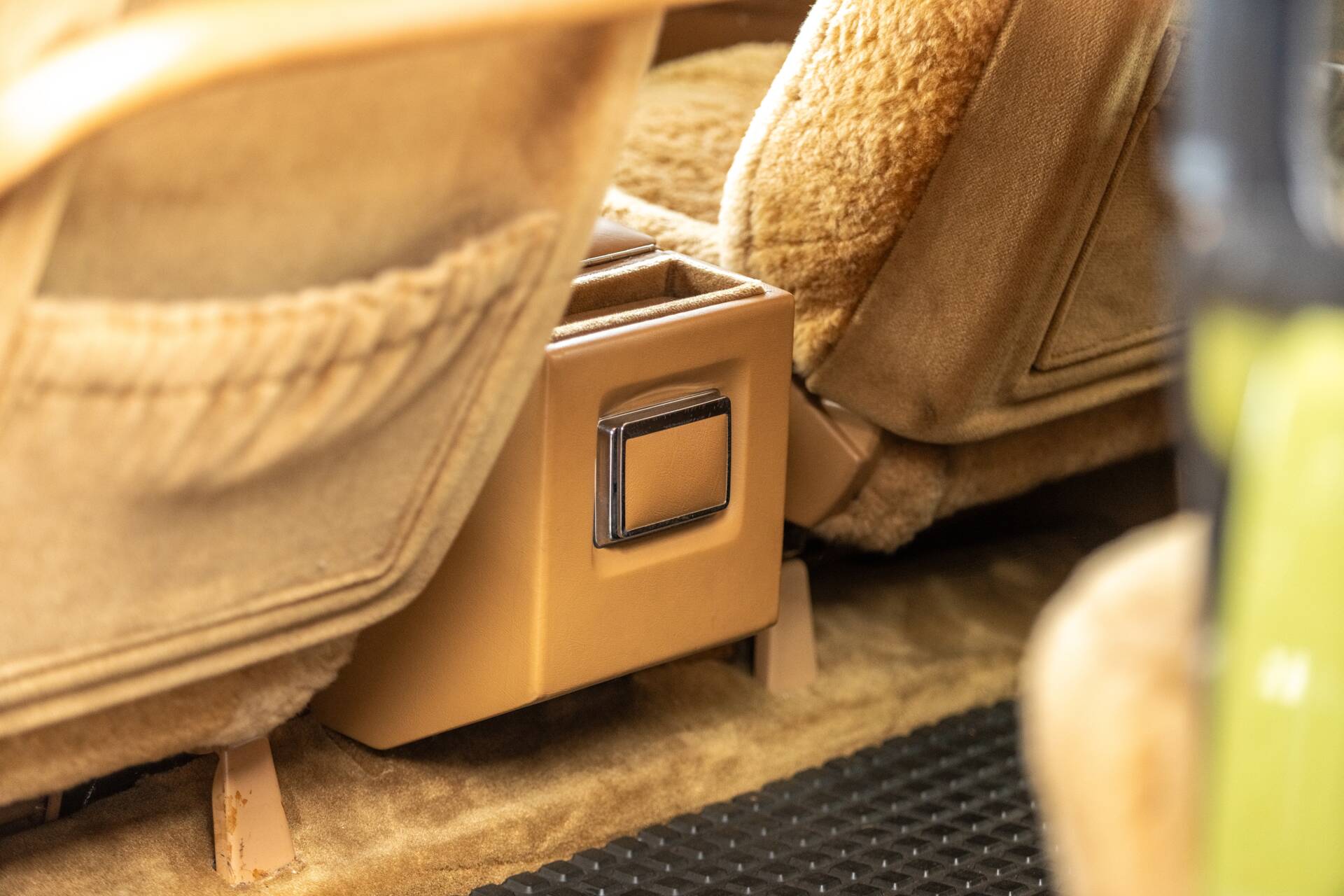
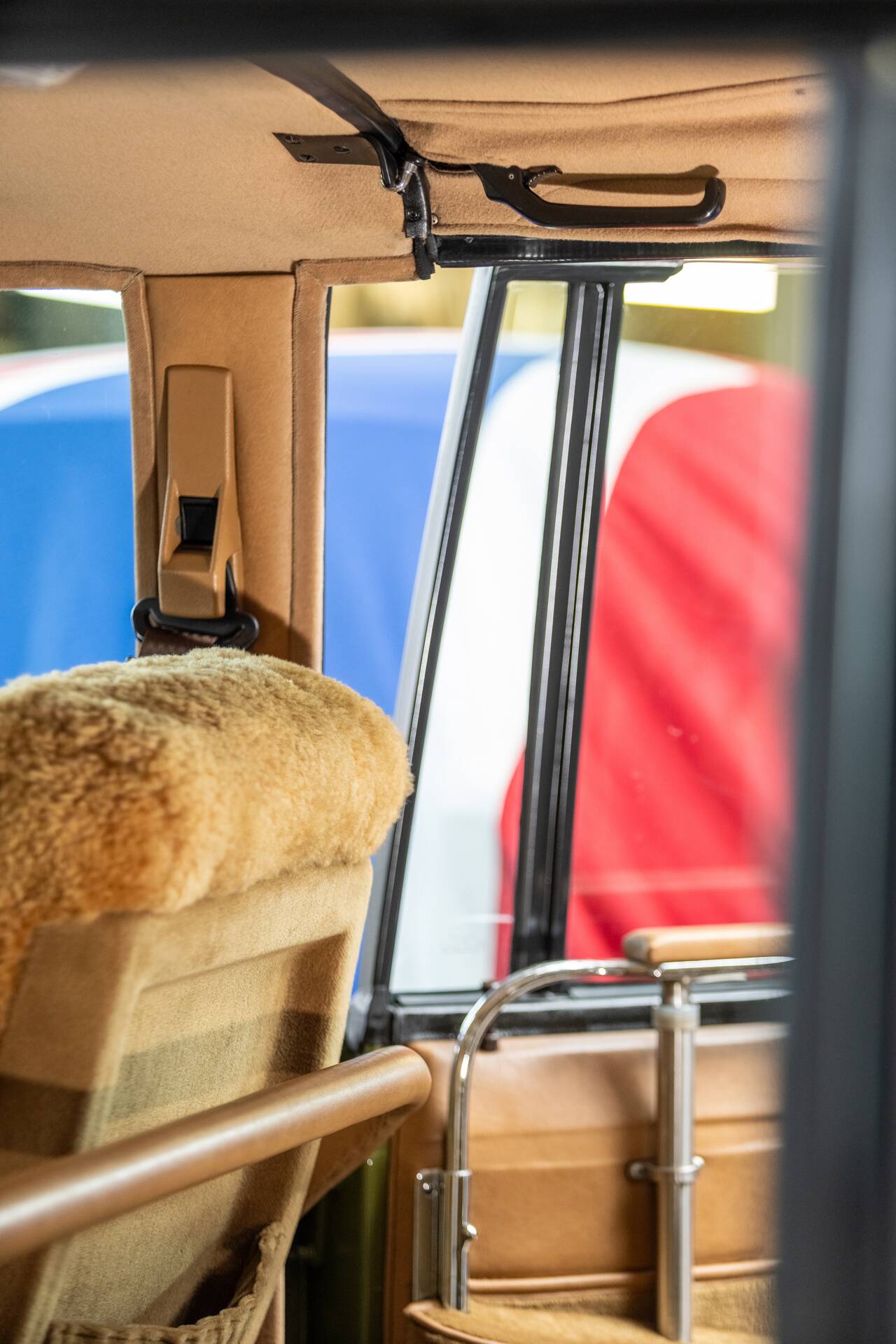
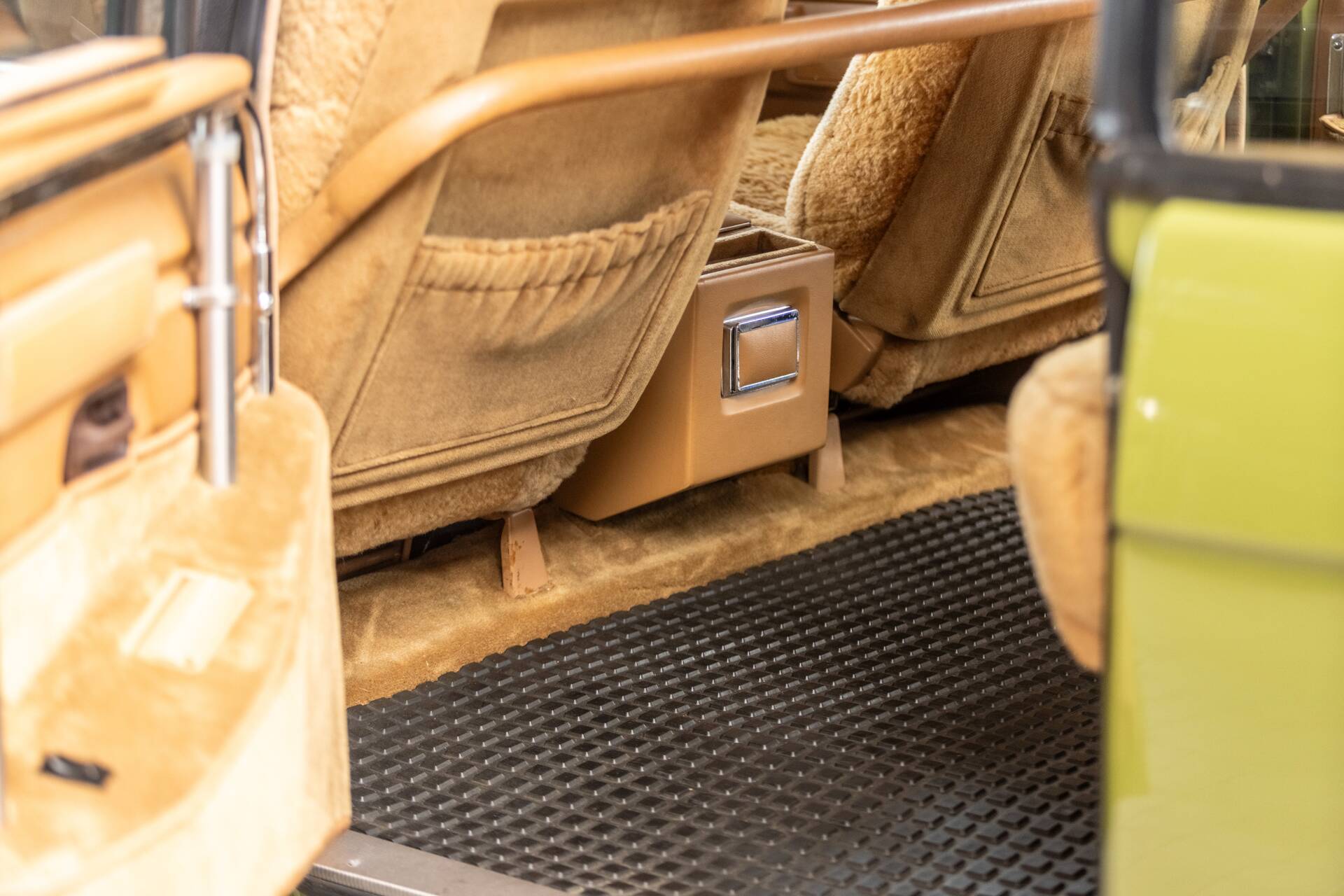
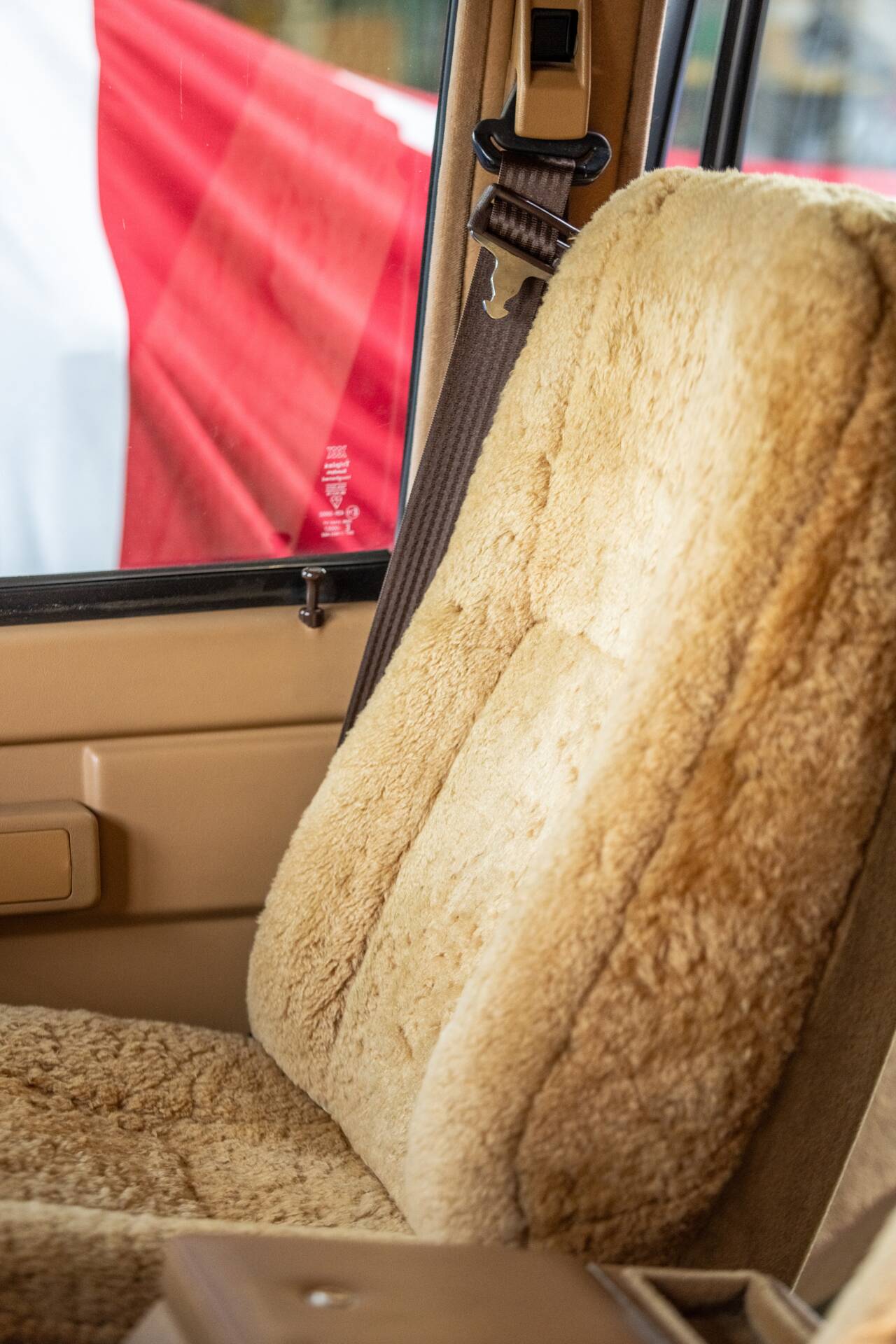
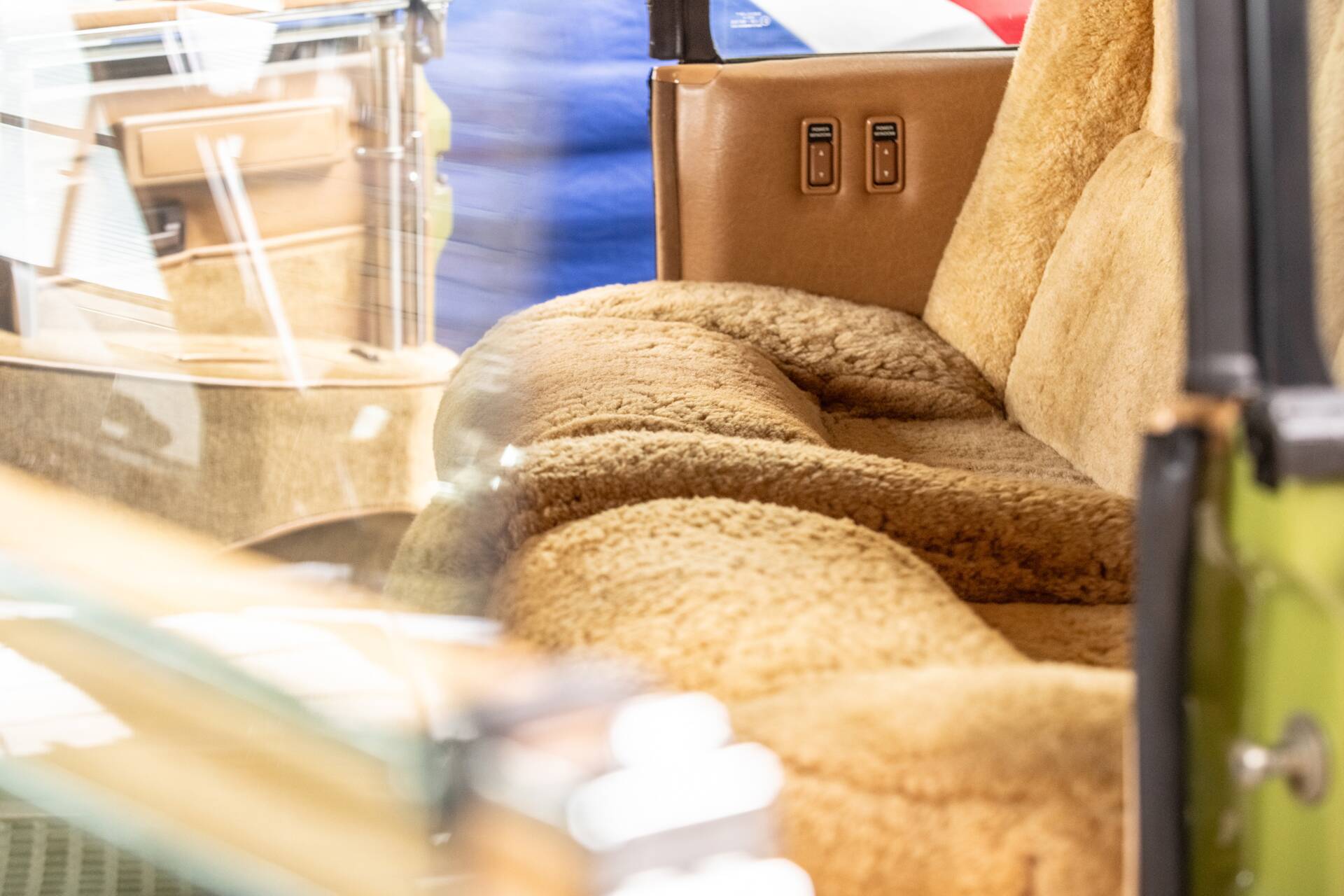
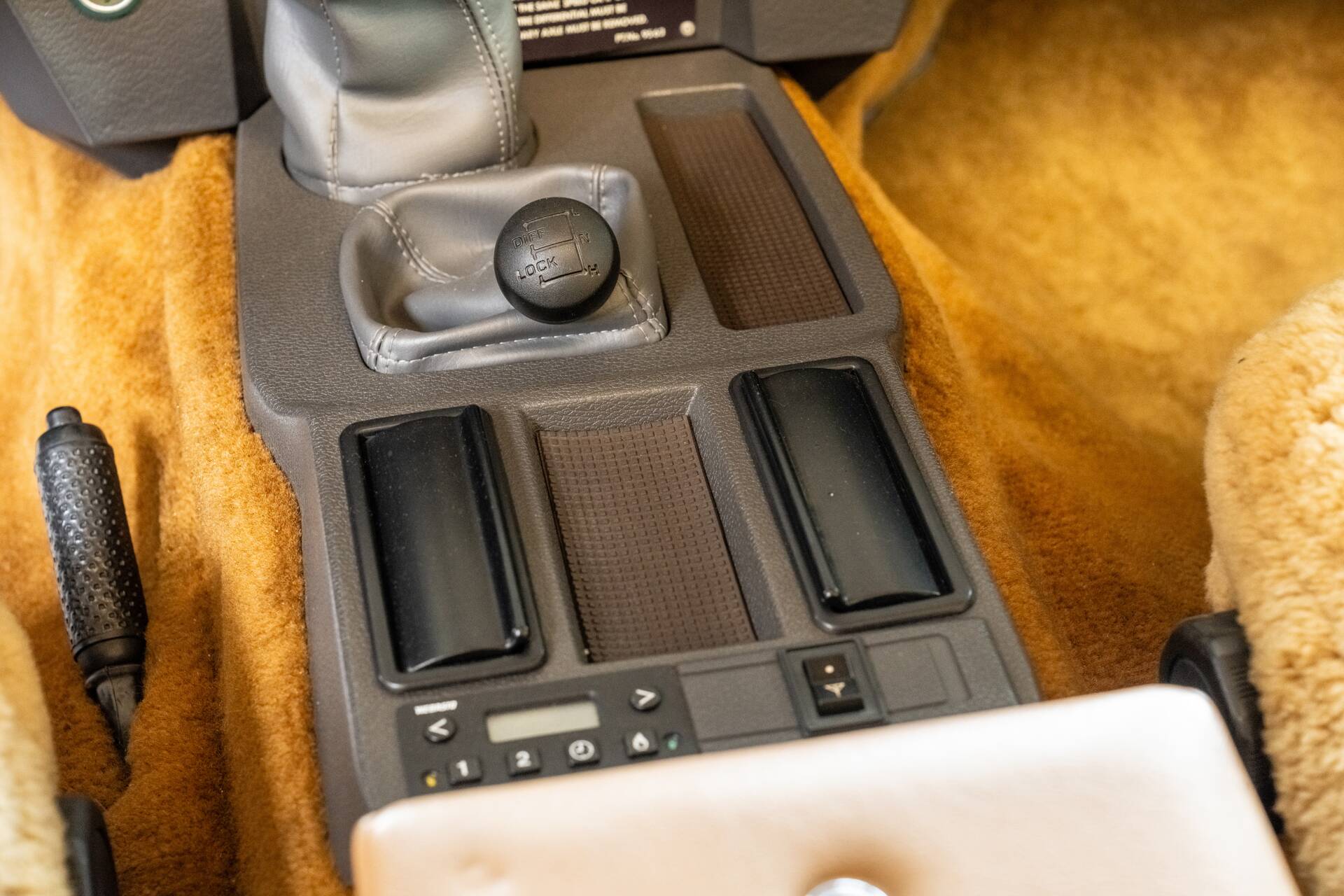
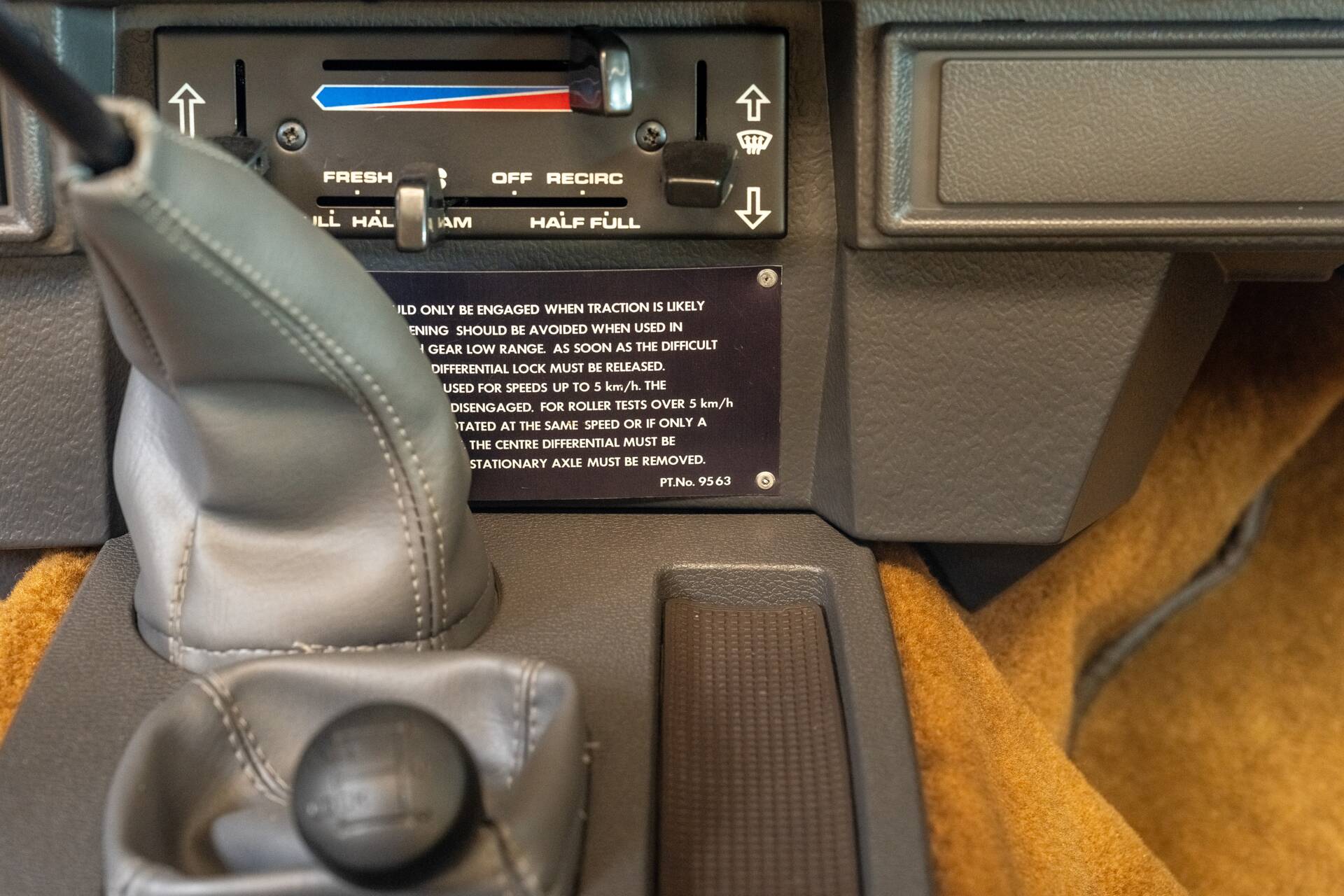
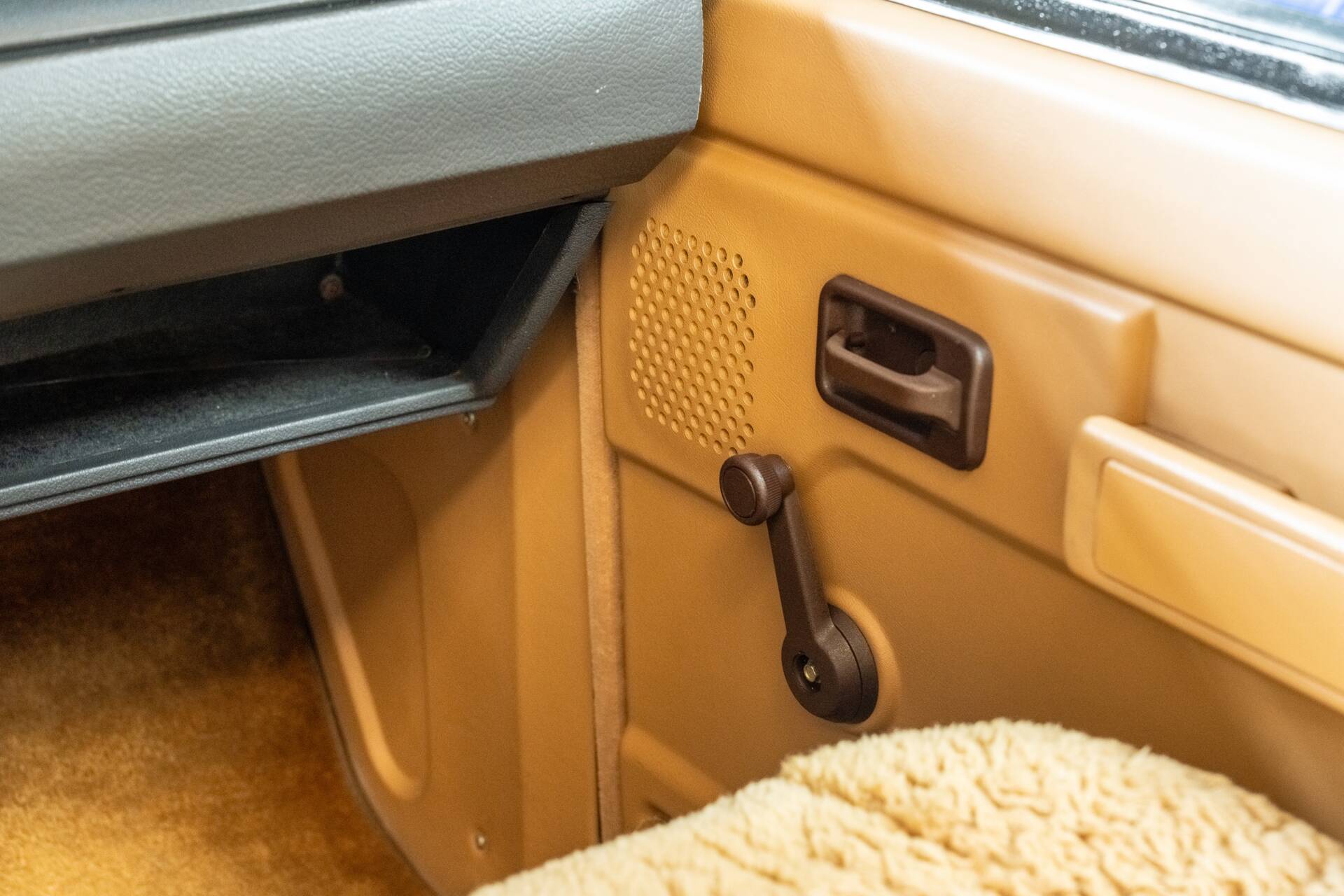
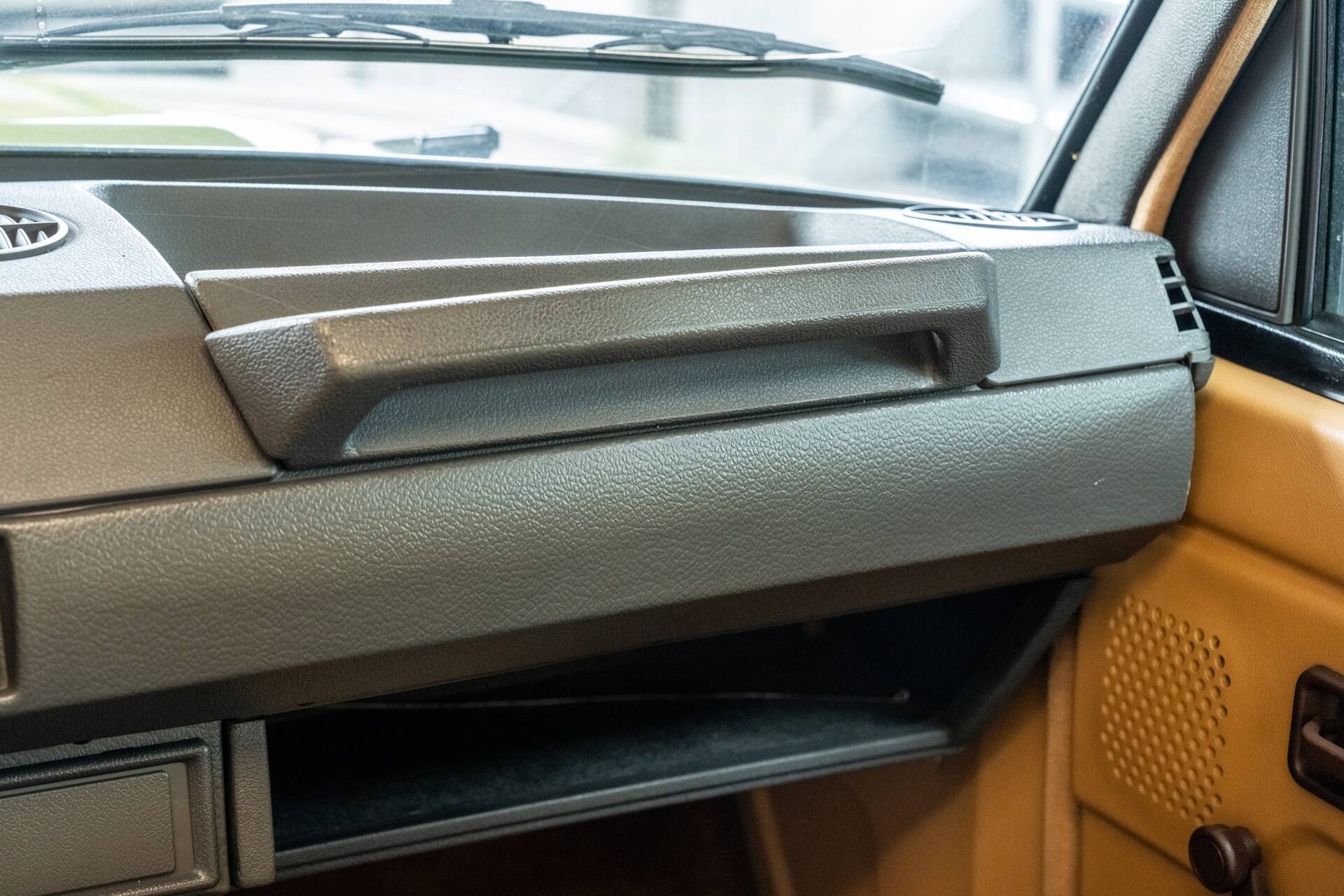
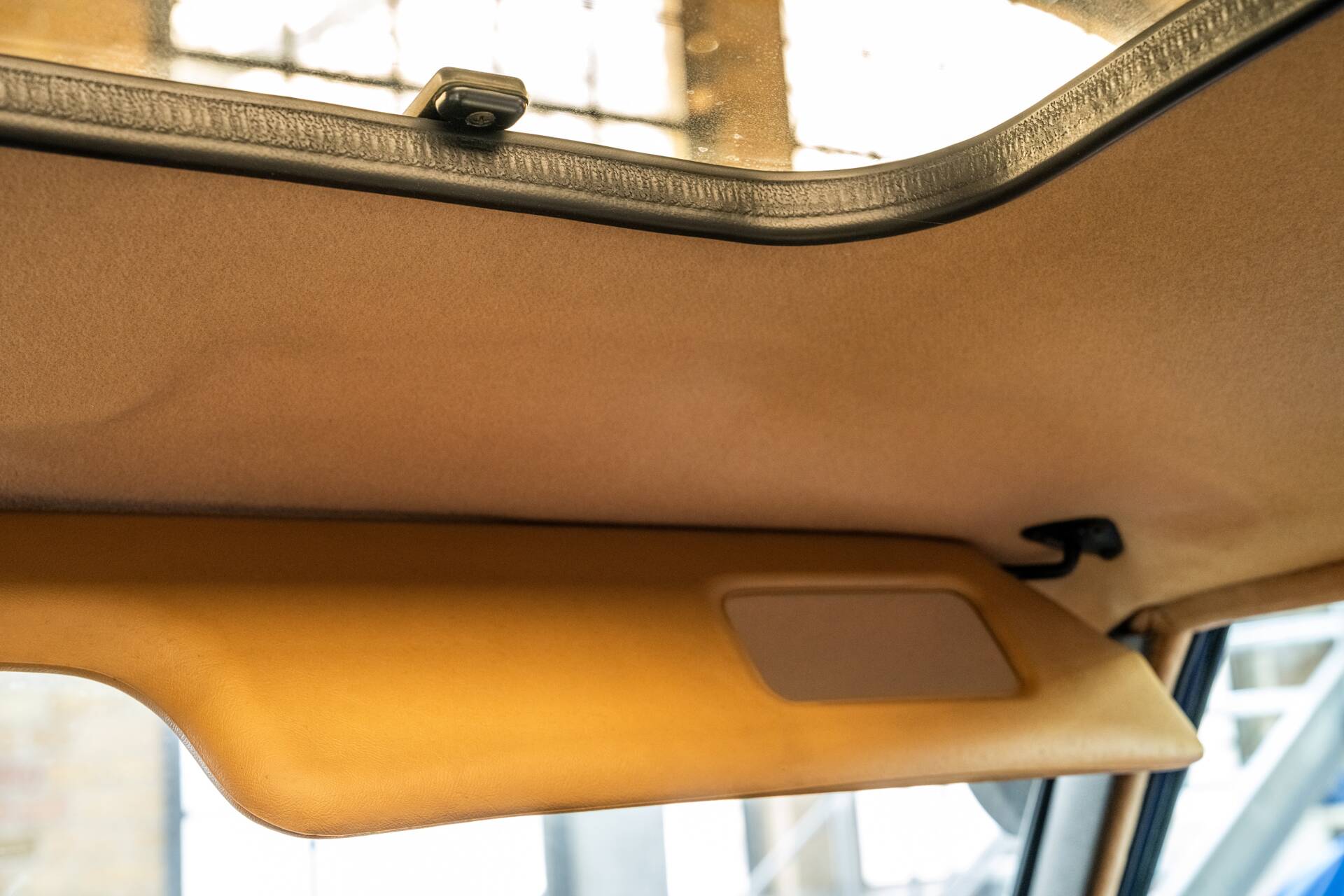
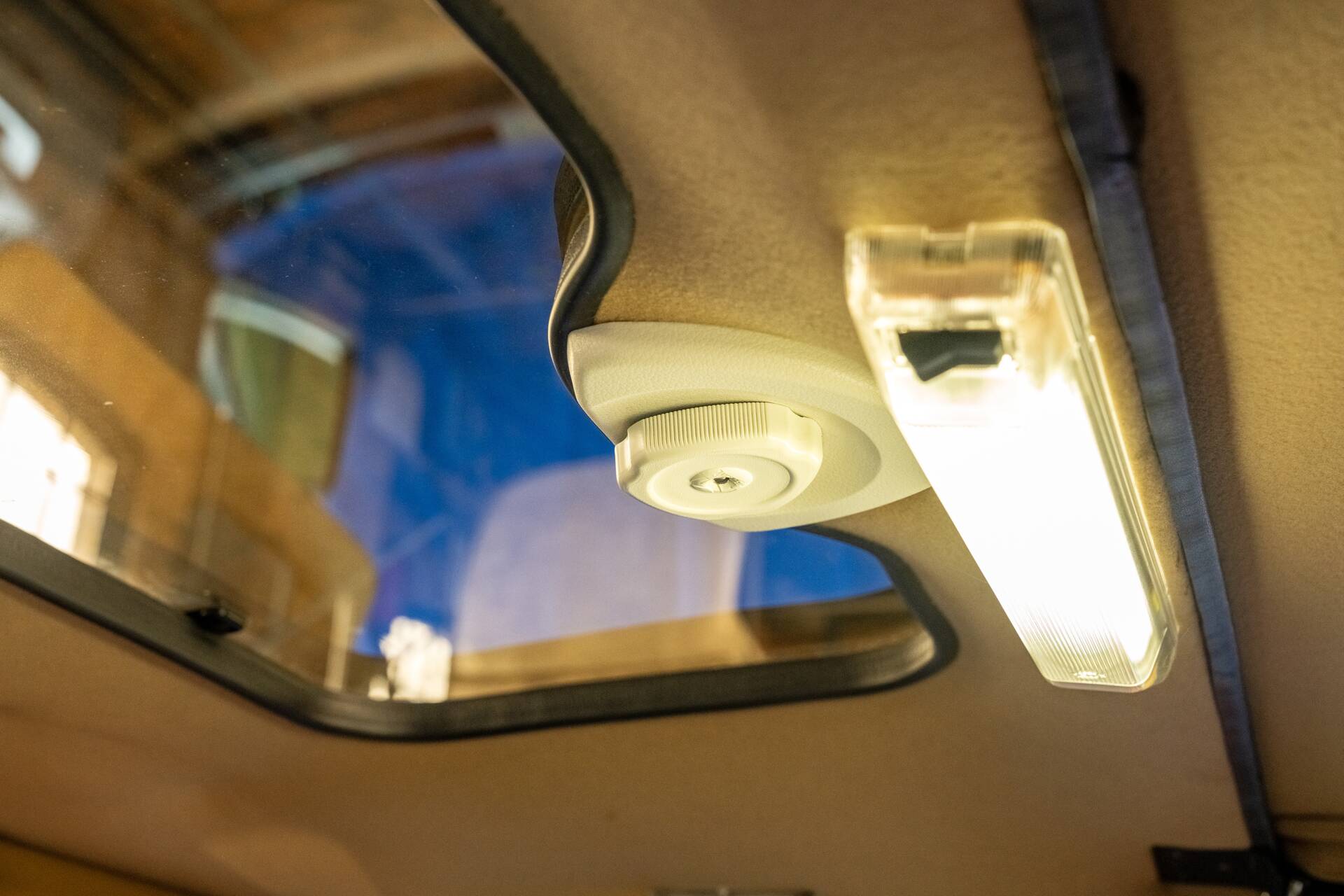
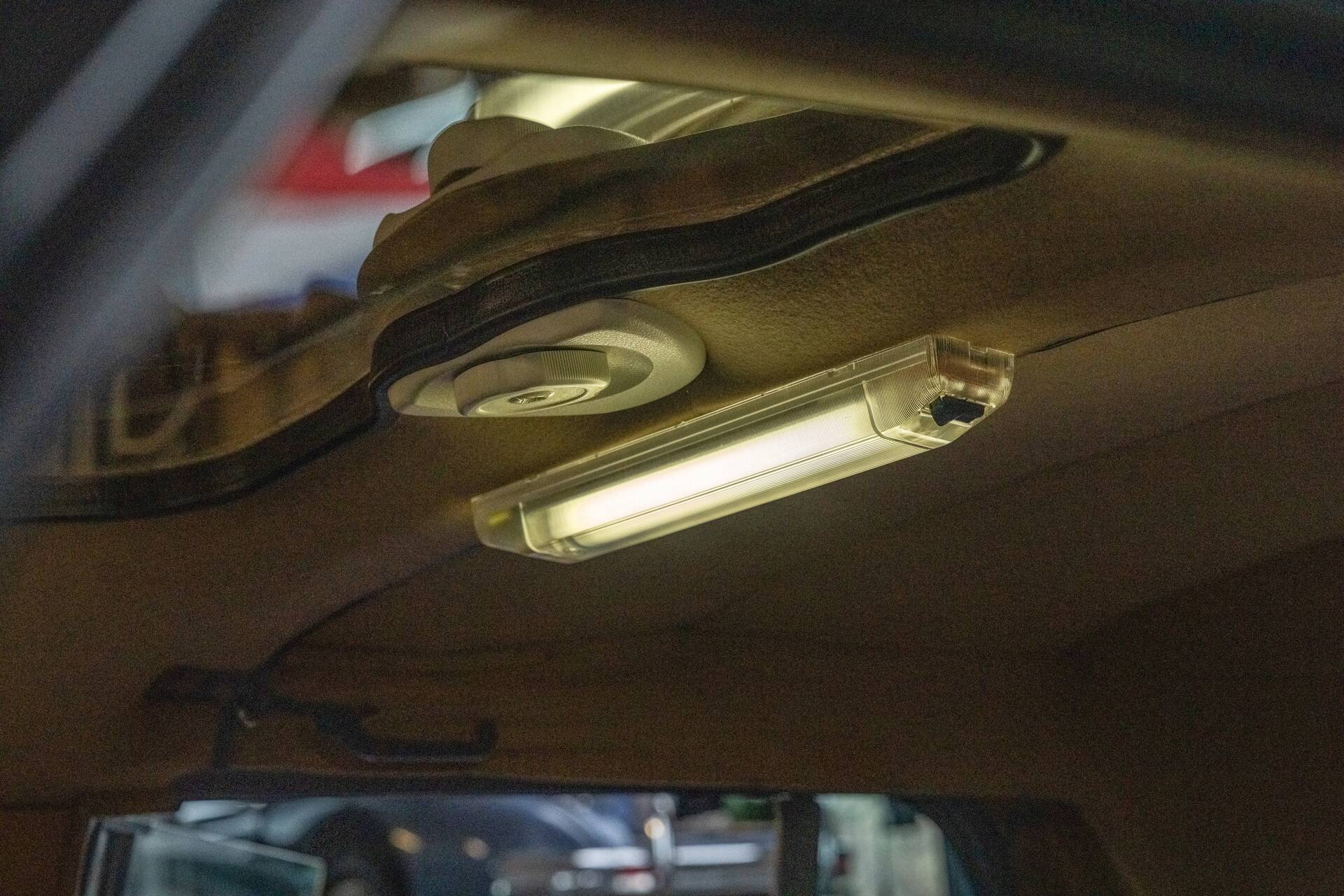
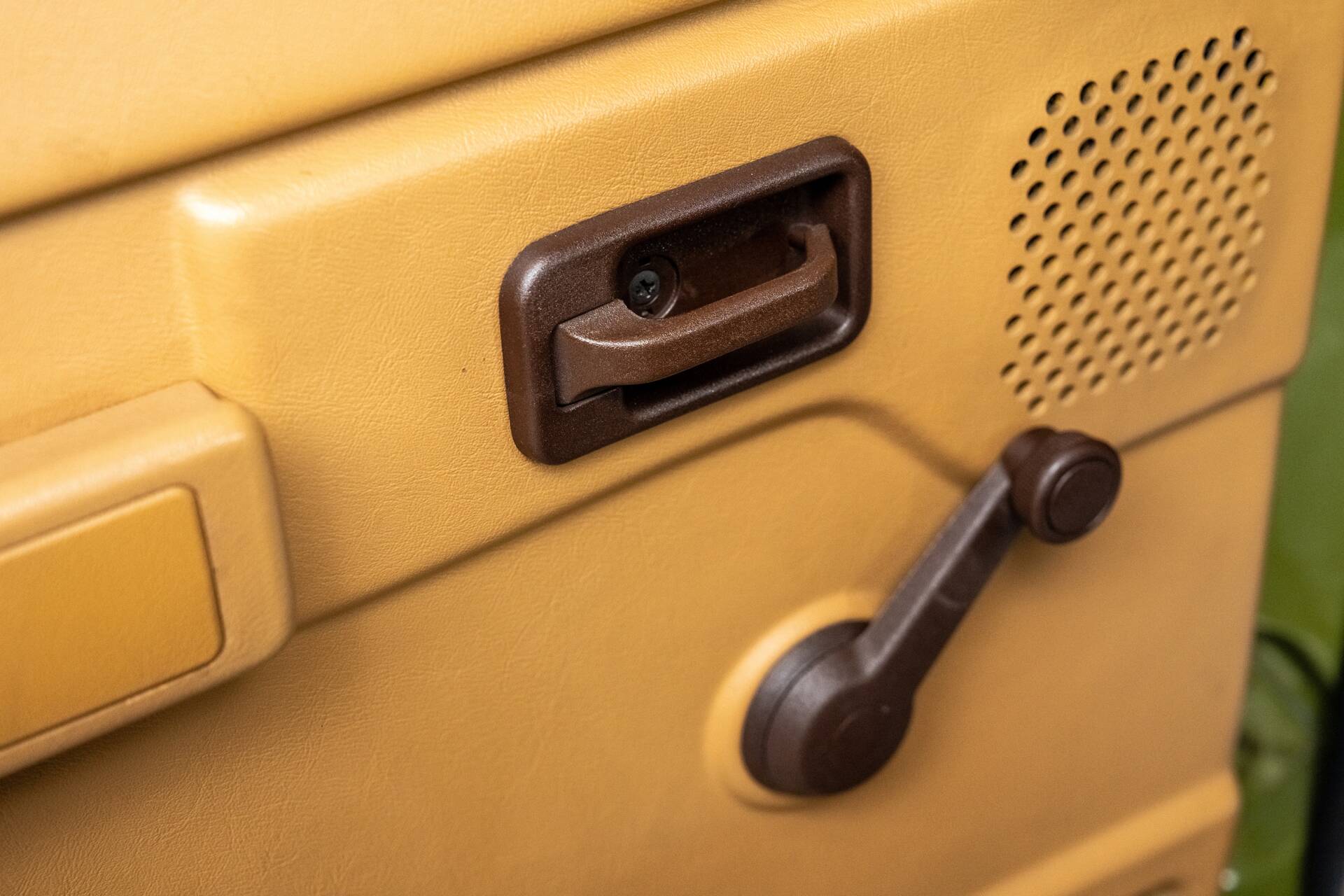
The interior is undoubtedly one of the most extraordinary aspects of this vehicle. The extended wheelbase created space for an entire hunting party and offers a sense of spaciousness unmatched by any standard-production Range Rover. High-quality materials, generous seating accommodations, and the distinctive execution reflect the prestigious requirements demanded by the original commissioners of these vehicles.
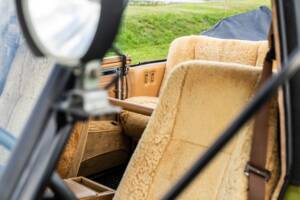
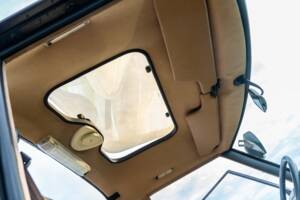
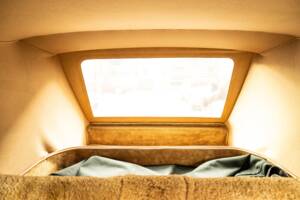
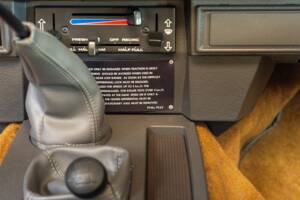
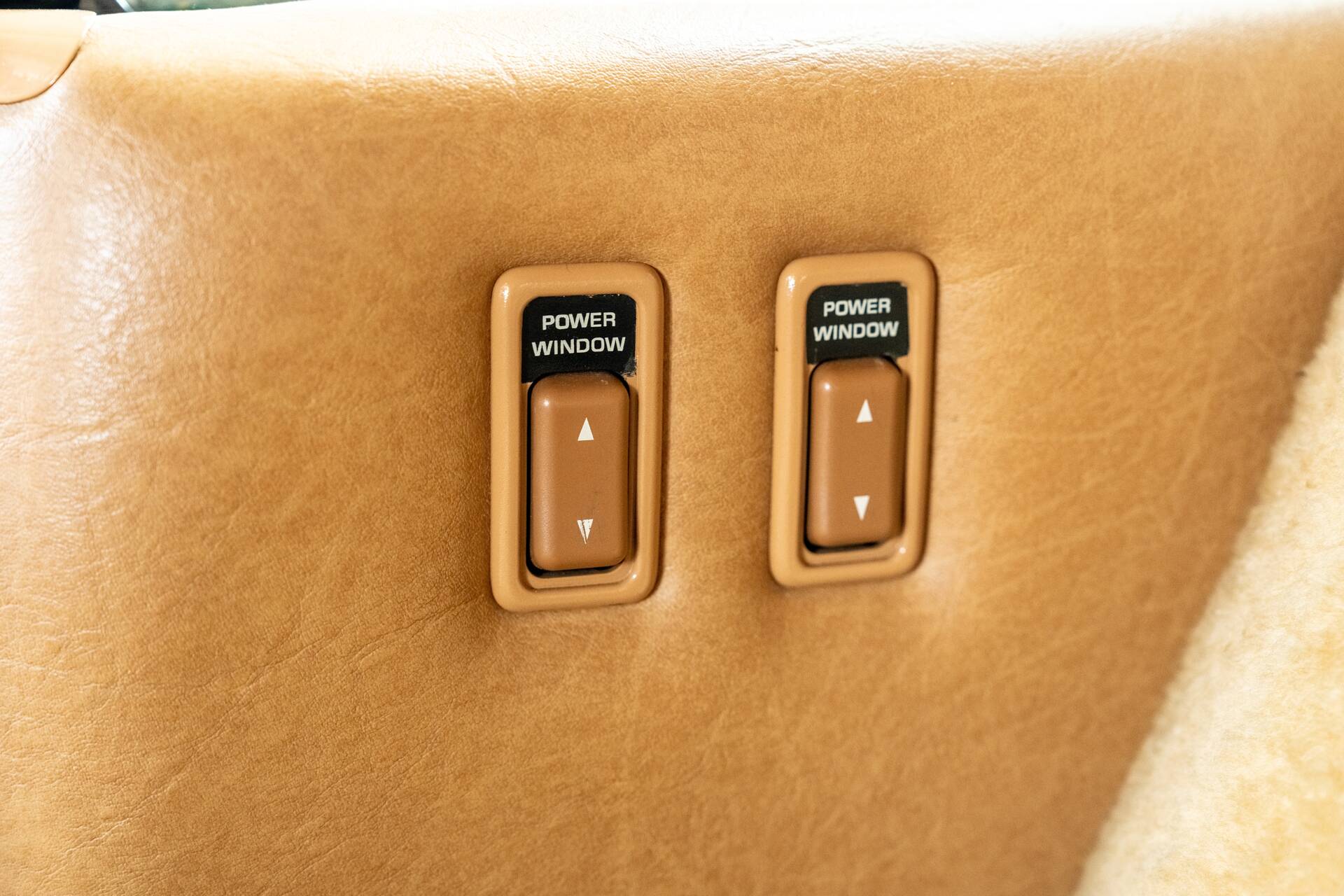
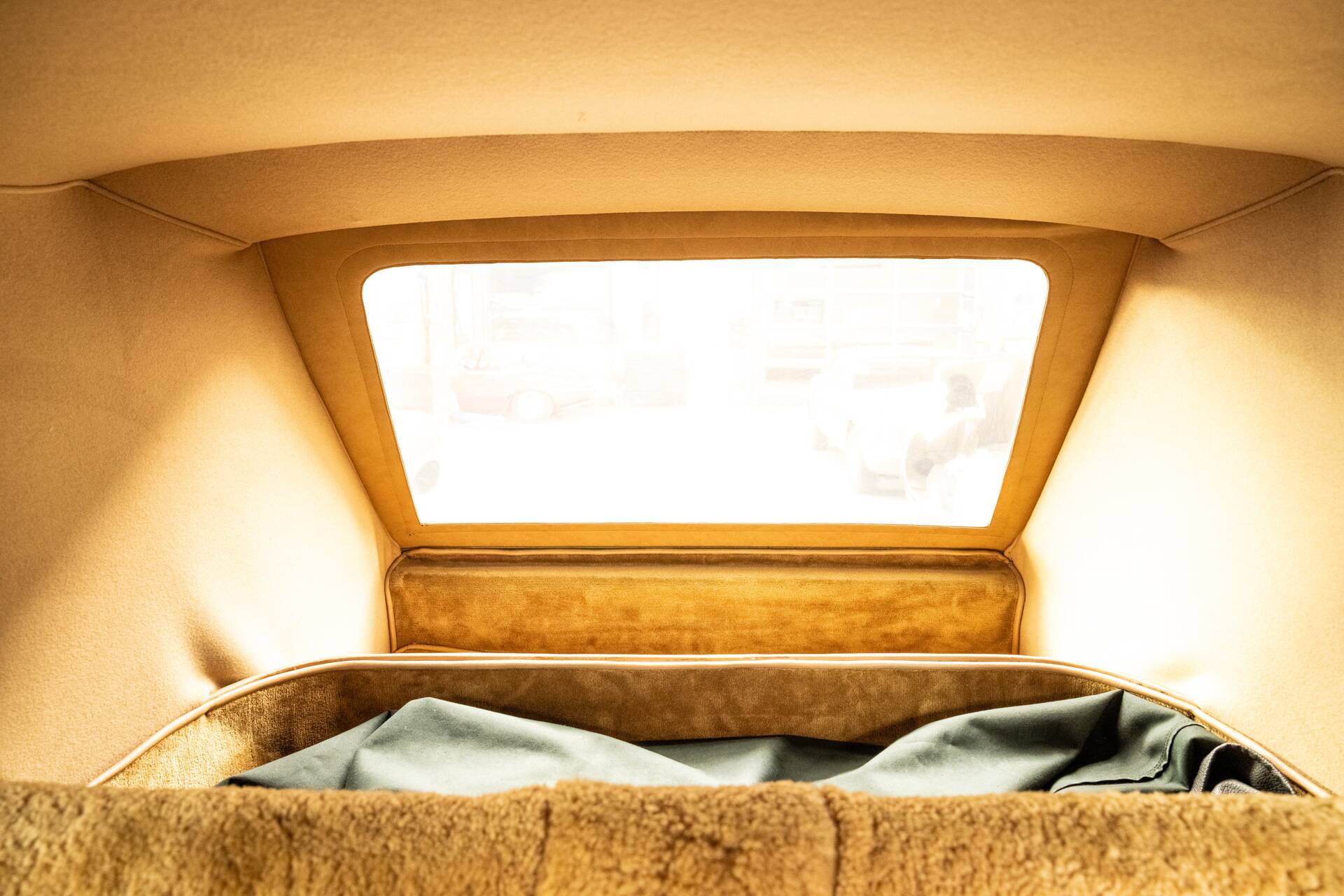
Particularly noteworthy is the use of soft lambswool seat coverings, ensuring exceptional comfort even in low temperatures. Additional features include an auxiliary heater and an electrically operated convertible top, further emphasizing the unique character of the Hunting Wagon. Contemporary accounts suggest that the open-air configuration was especially appreciated during hunting excursions.
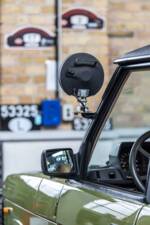
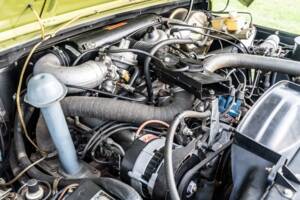
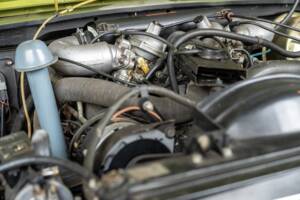
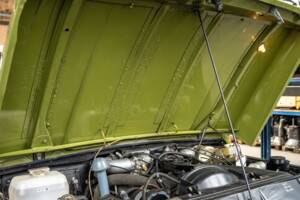
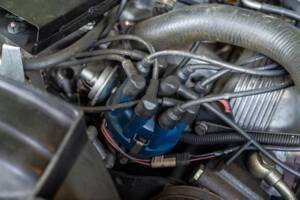
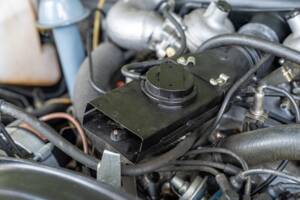
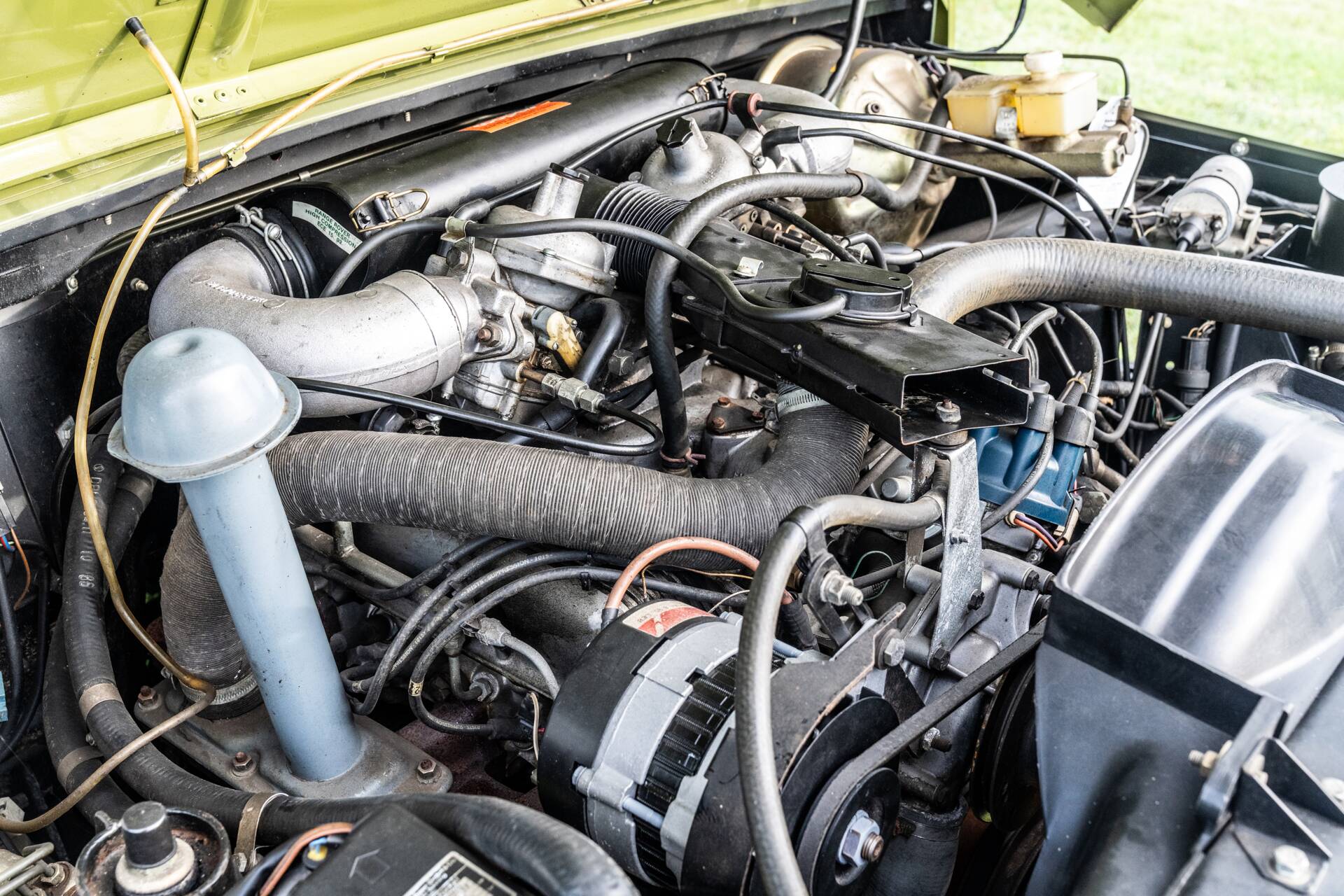
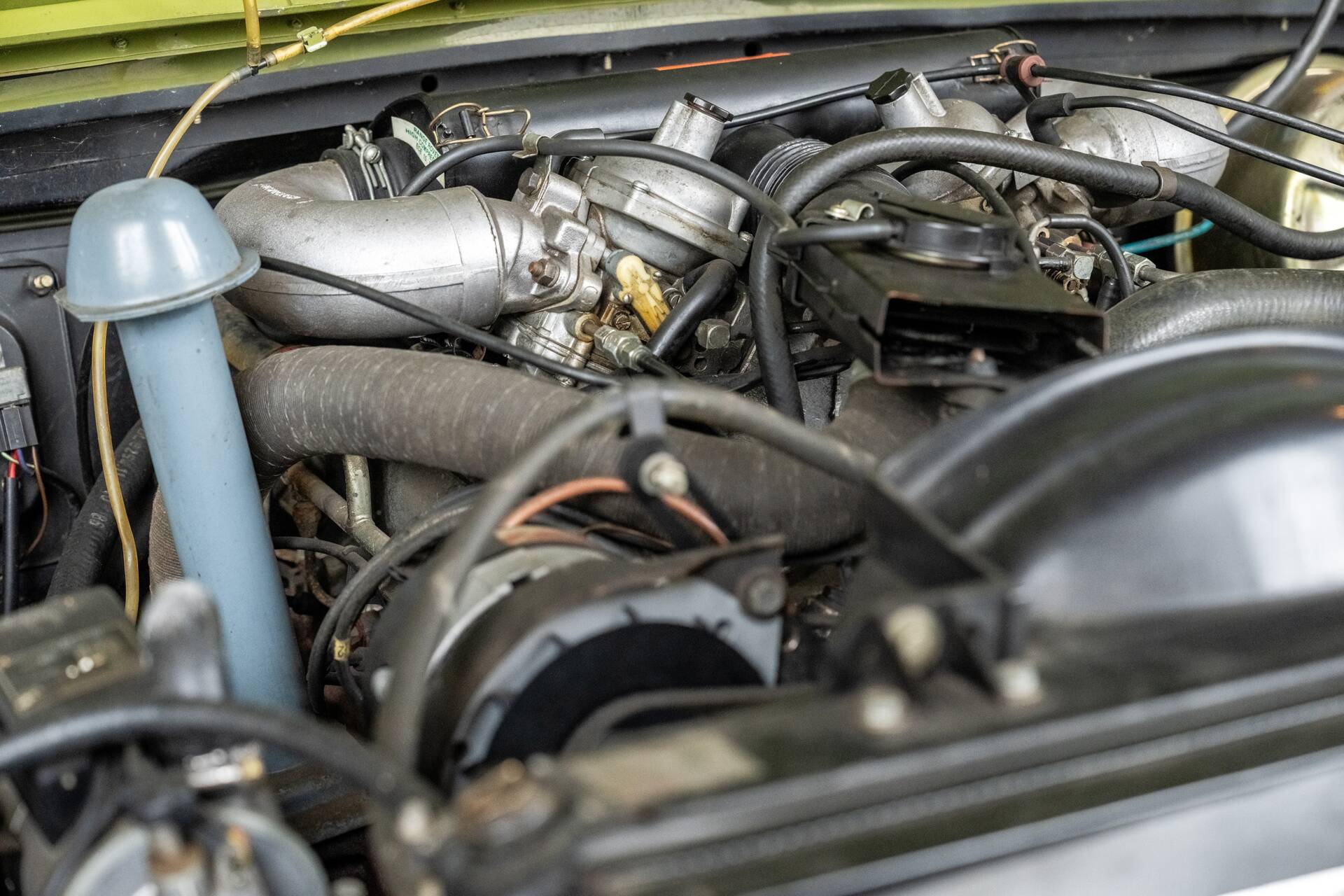
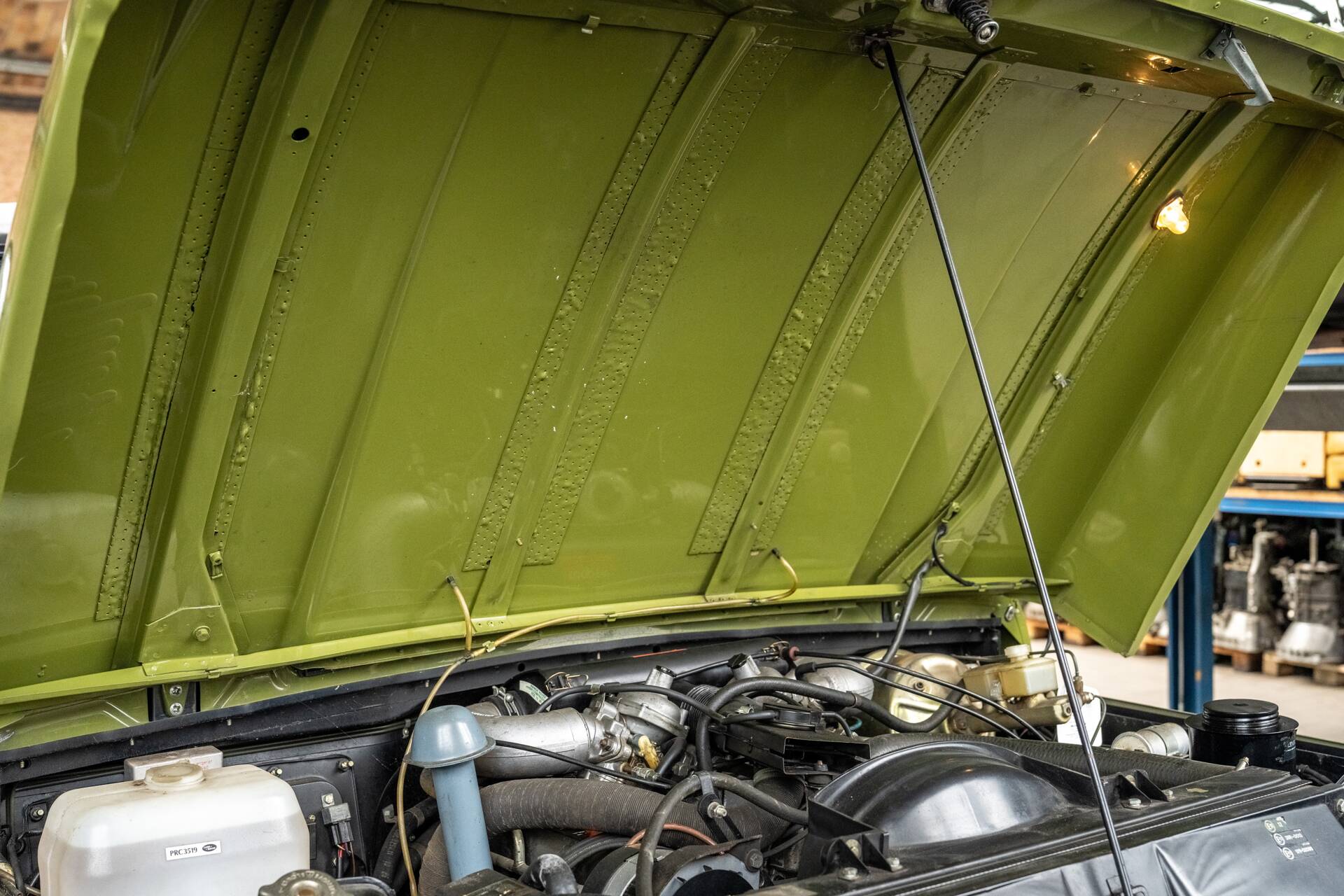
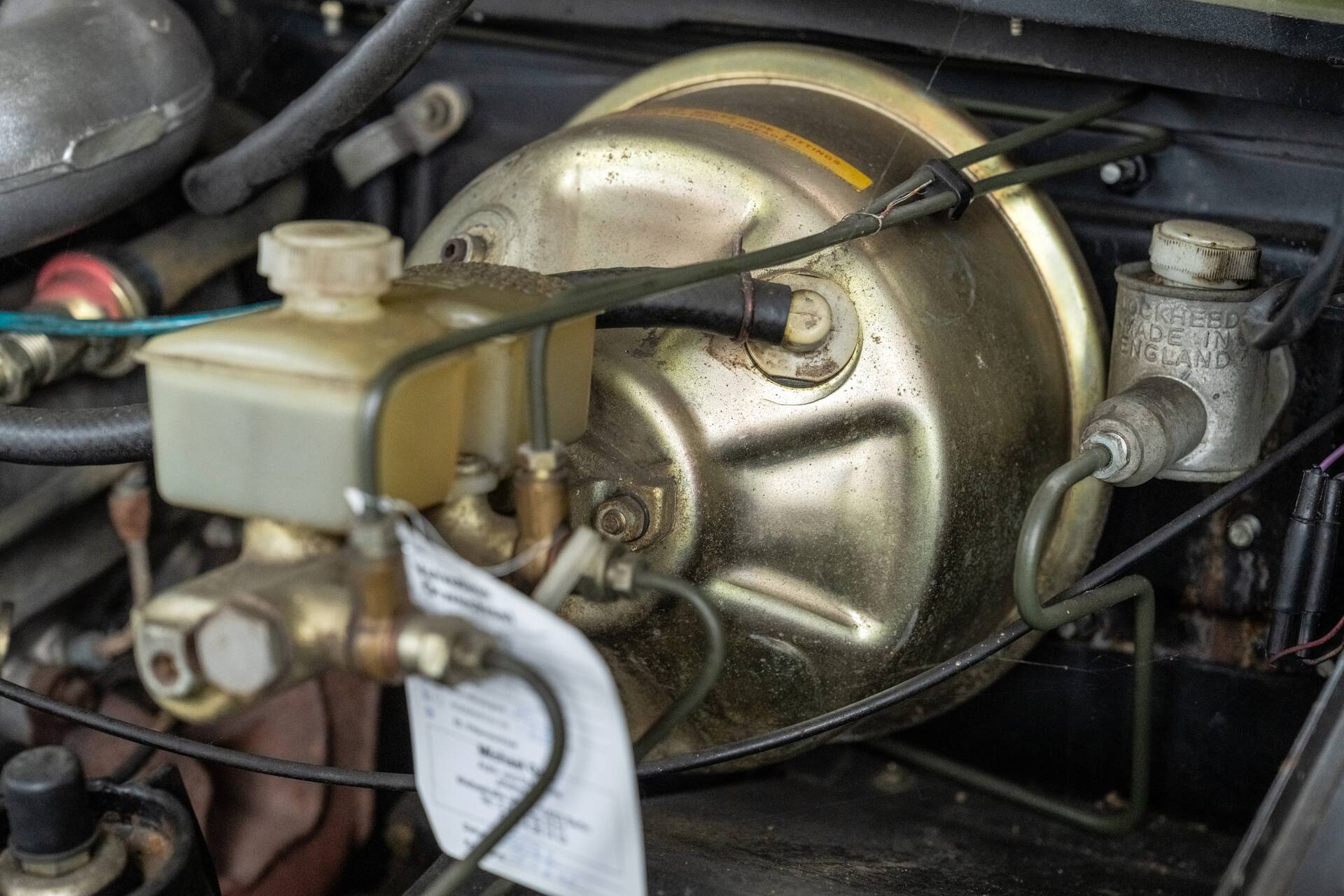
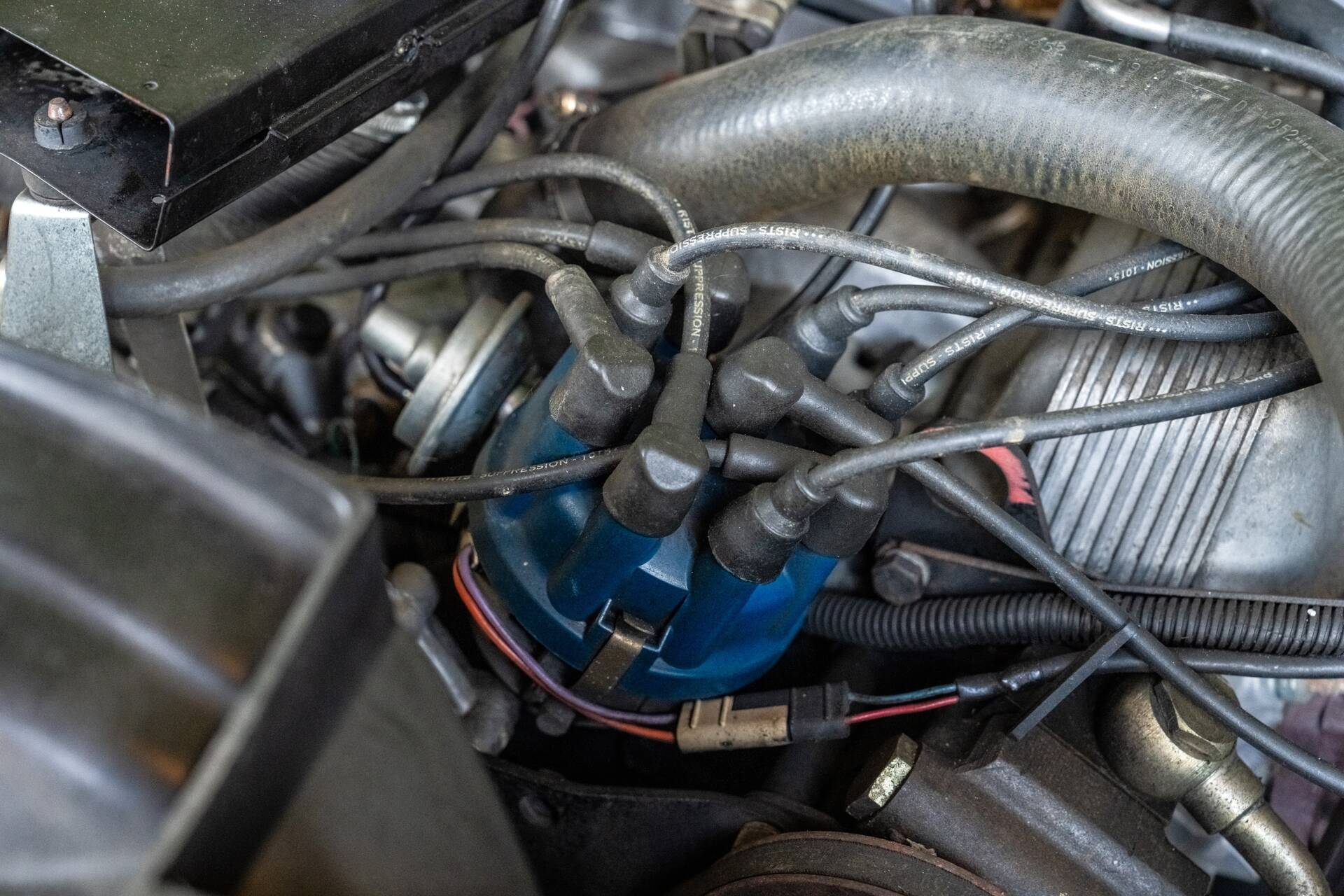
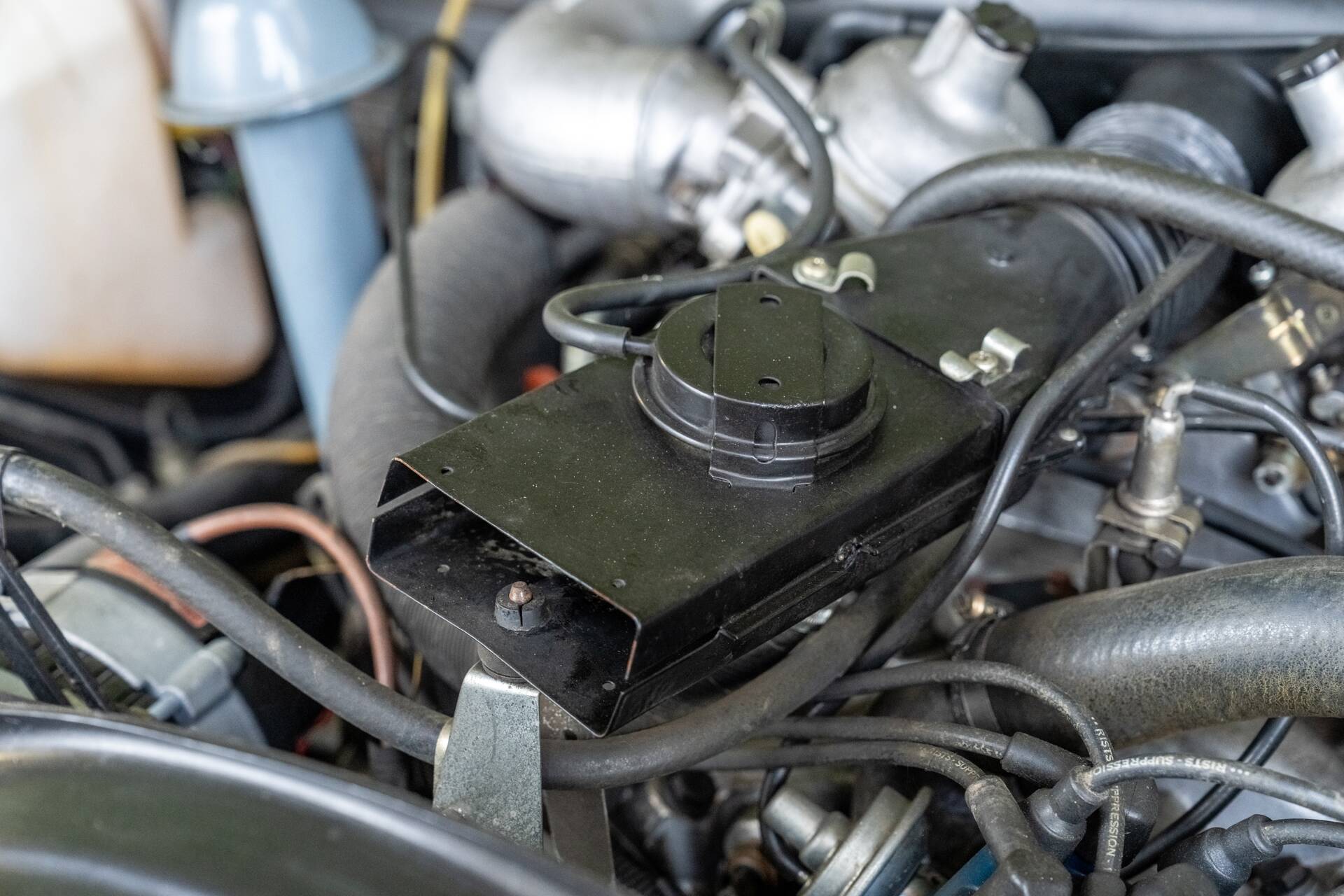
Power comes from the proven Rover V8 engine, widely regarded as one of the most charismatic British eight-cylinder engines of its era. According to available information, the engine remains in excellent condition and delivers smooth operation along with effortless performance. The automatic transmission is also said to function flawlessly and complements the vehicle’s relaxed character perfectly.
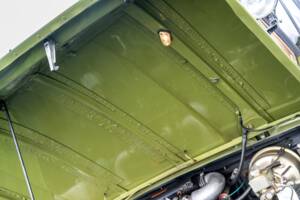
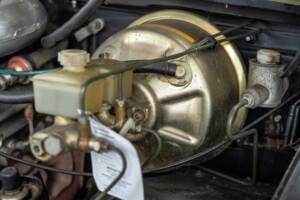
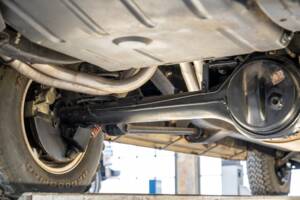
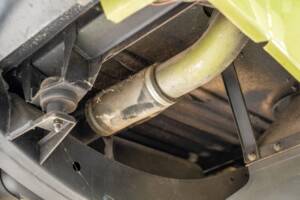
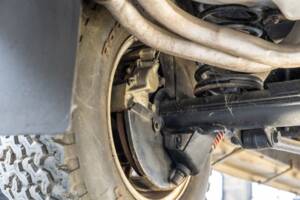
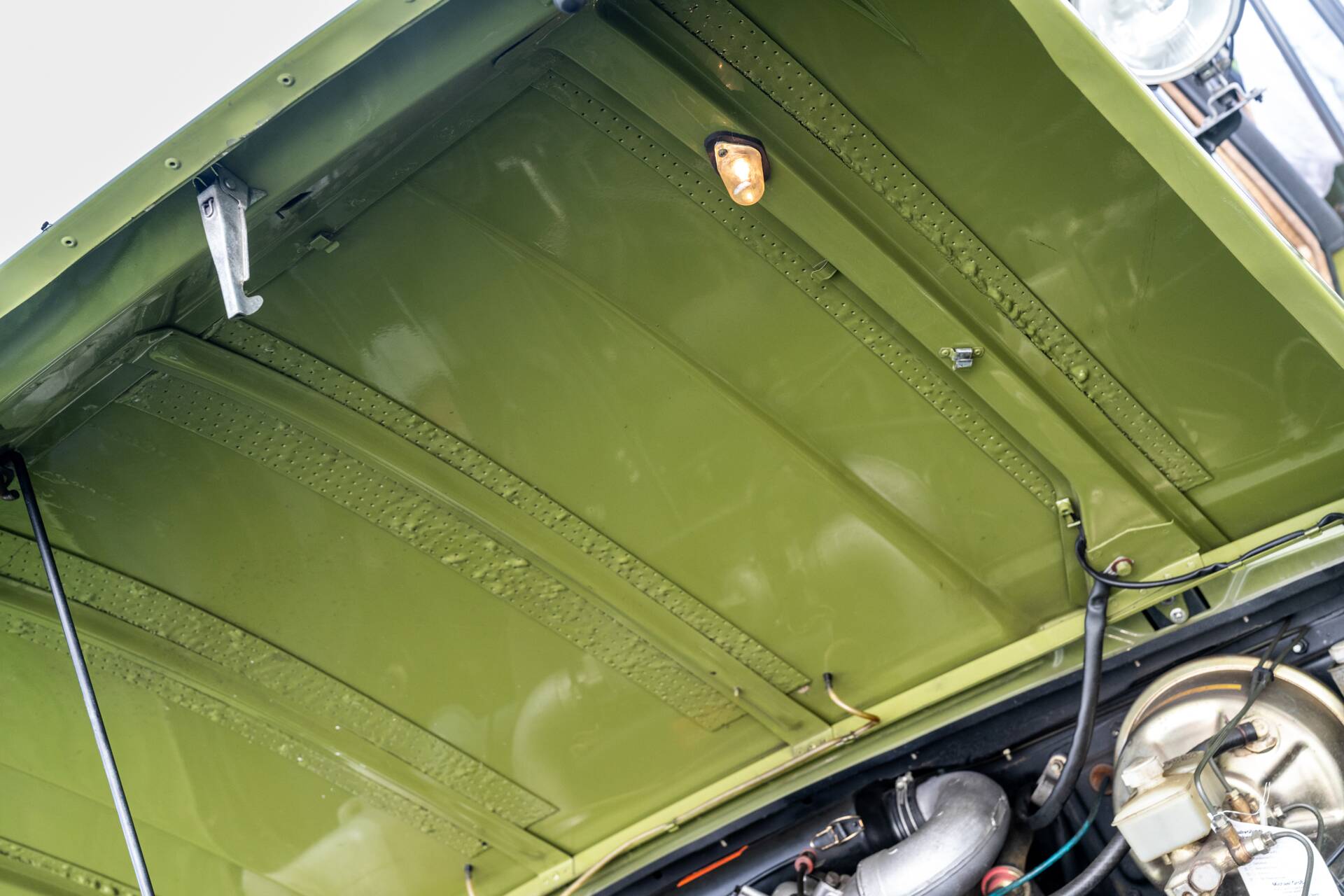
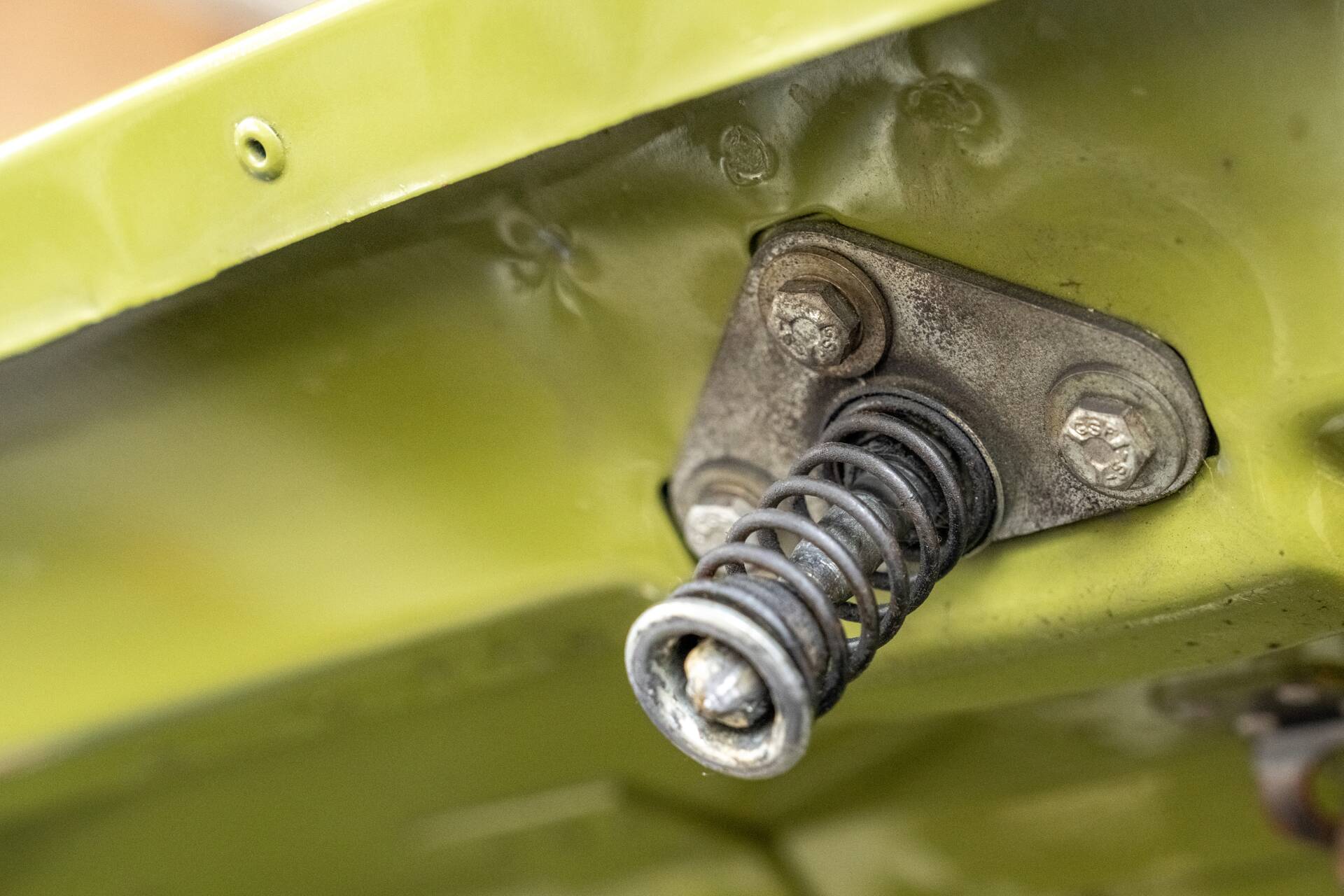
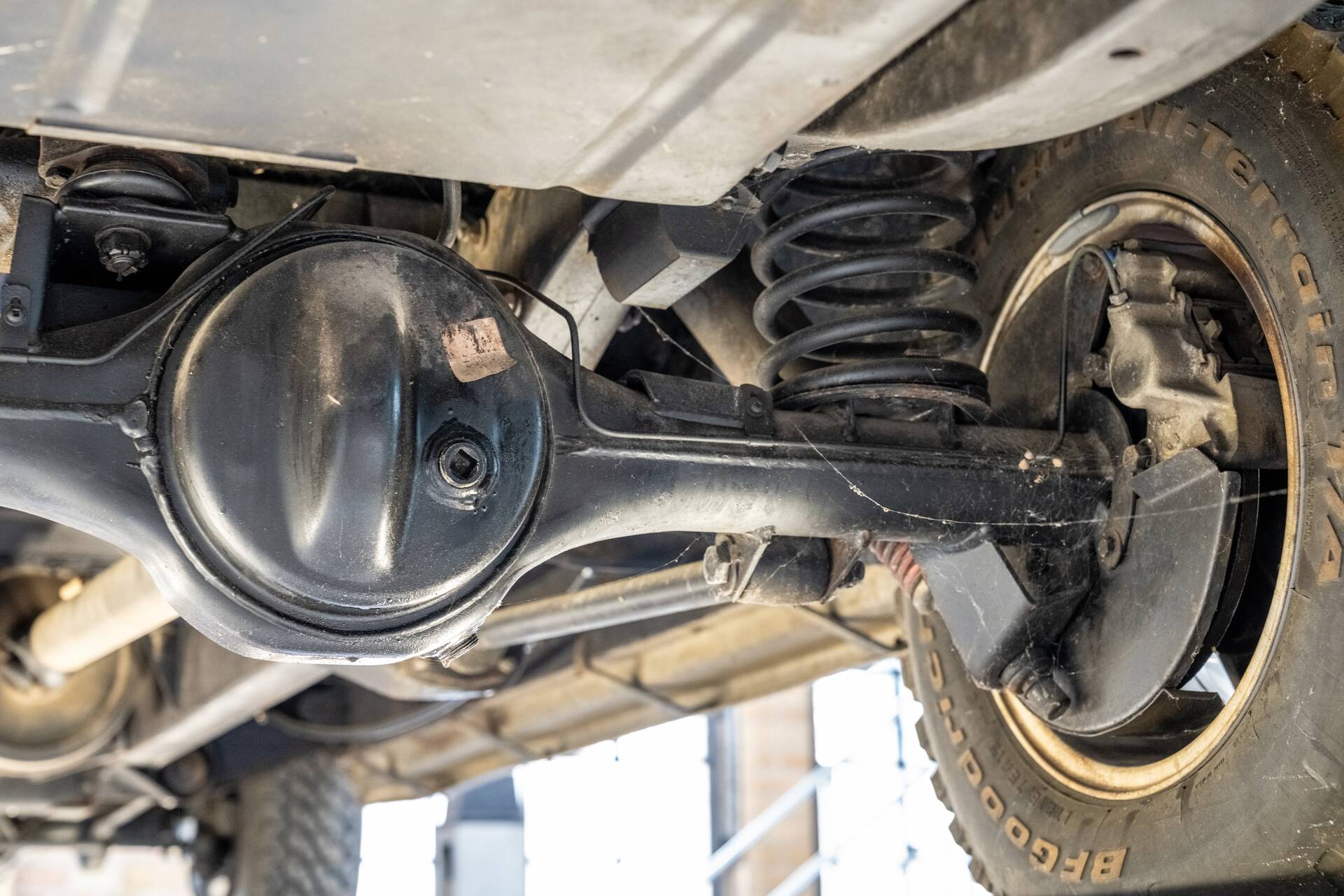
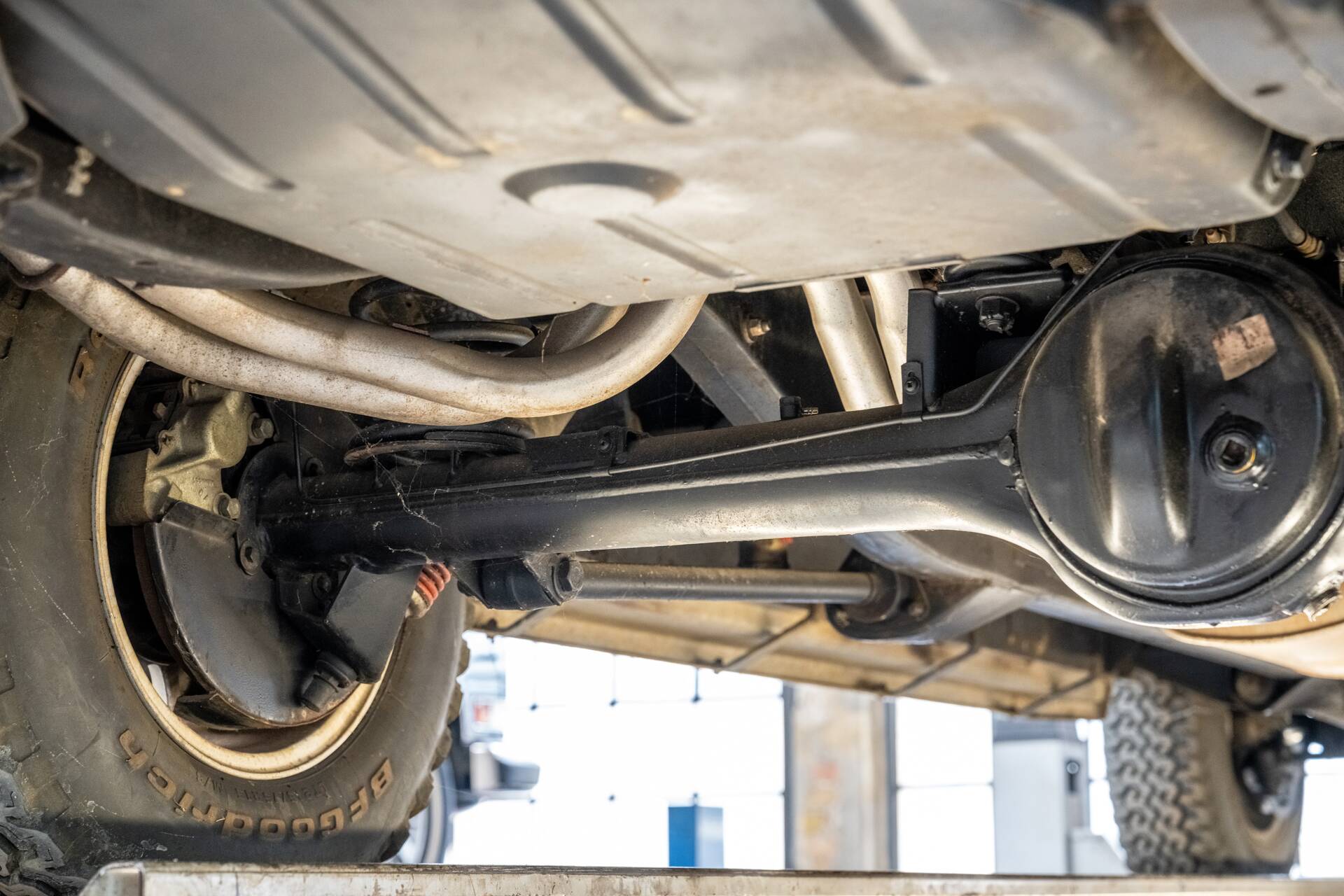
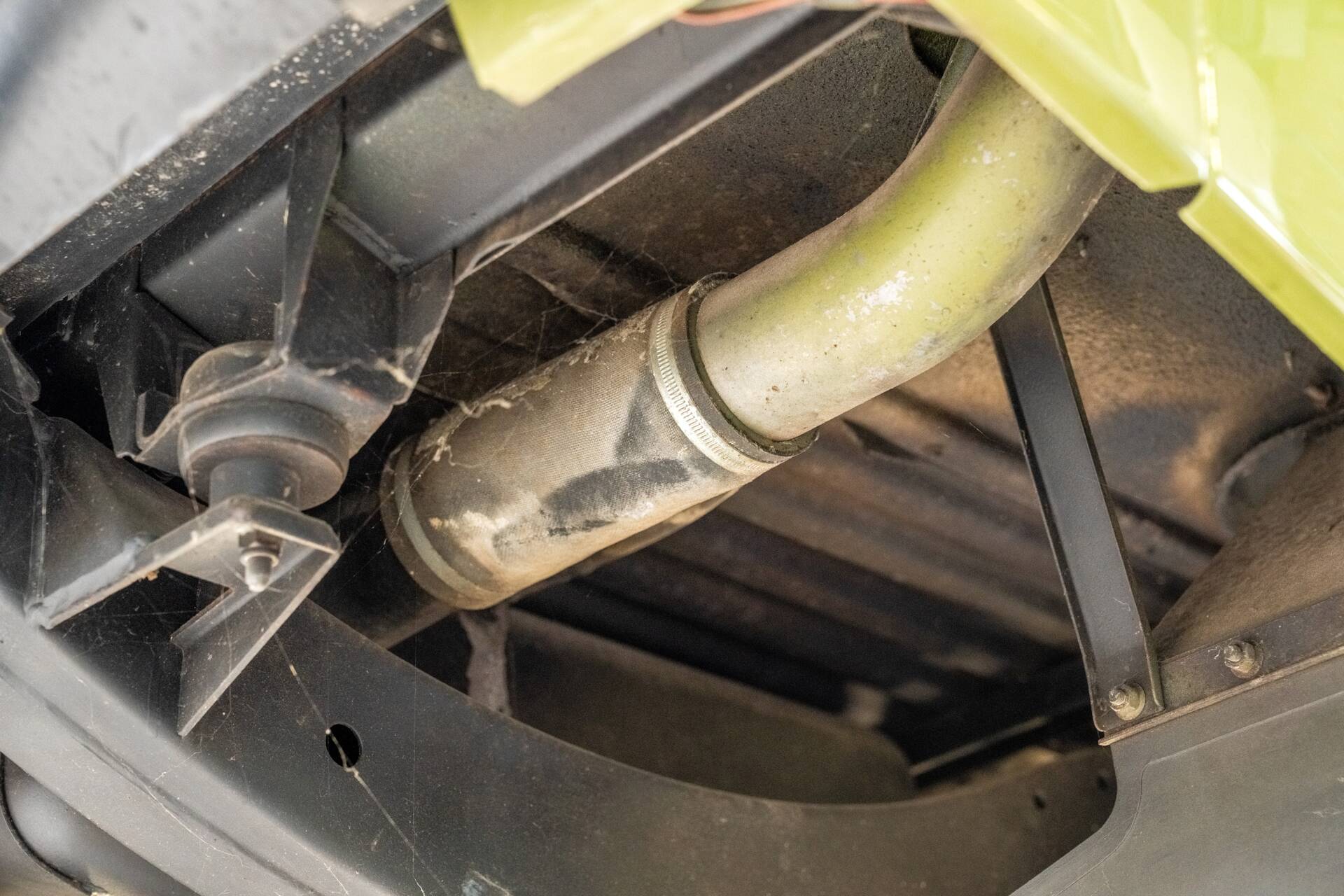
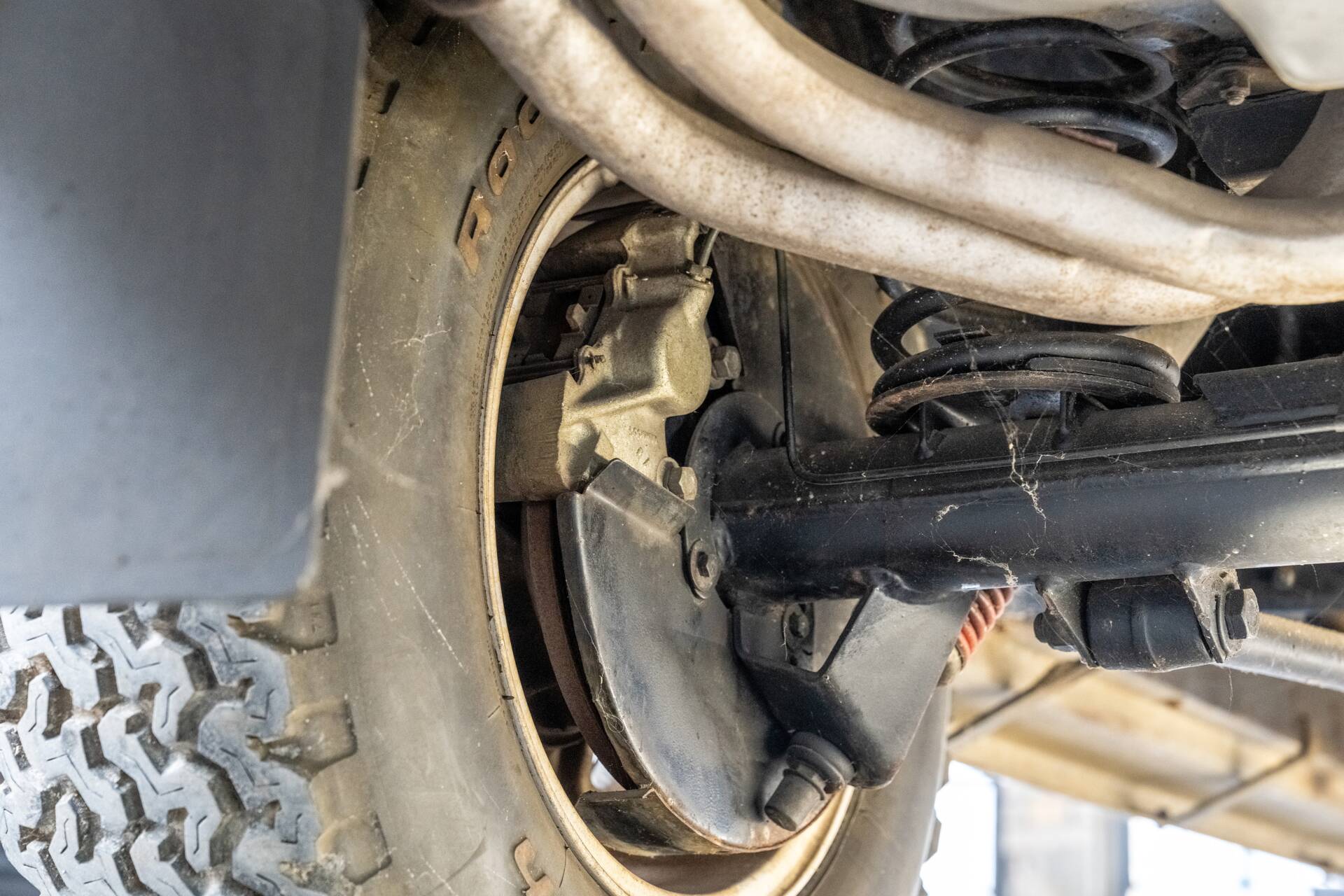
With a mileage of only approximately 11,300 kilometers, this example ranks among the lowest-mileage vehicles of its type. The overall condition of the vehicle reflects this exceptionally limited use in an impressive manner.
The history of this vehicle is inseparably linked to Germany’s divided past. Its bodywork was constructed by Rometsch in West Berlin, while the completed vehicle was intended for use within East Germany. At a time when the Berlin Wall divided Europe, the very creation of this vehicle represented an extraordinary undertaking.
The vehicle was developed for state hunting operations in the Schorfheide and belongs to an extremely limited series of just four examples. While another surviving vehicle is now part of the collection of the German Museum of Technology in Berlin, this example remains in private ownership and is regarded as one of the most significant surviving vehicles from this exclusive production run.
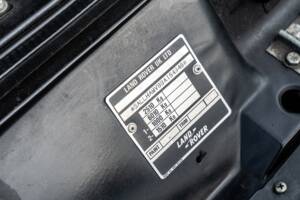
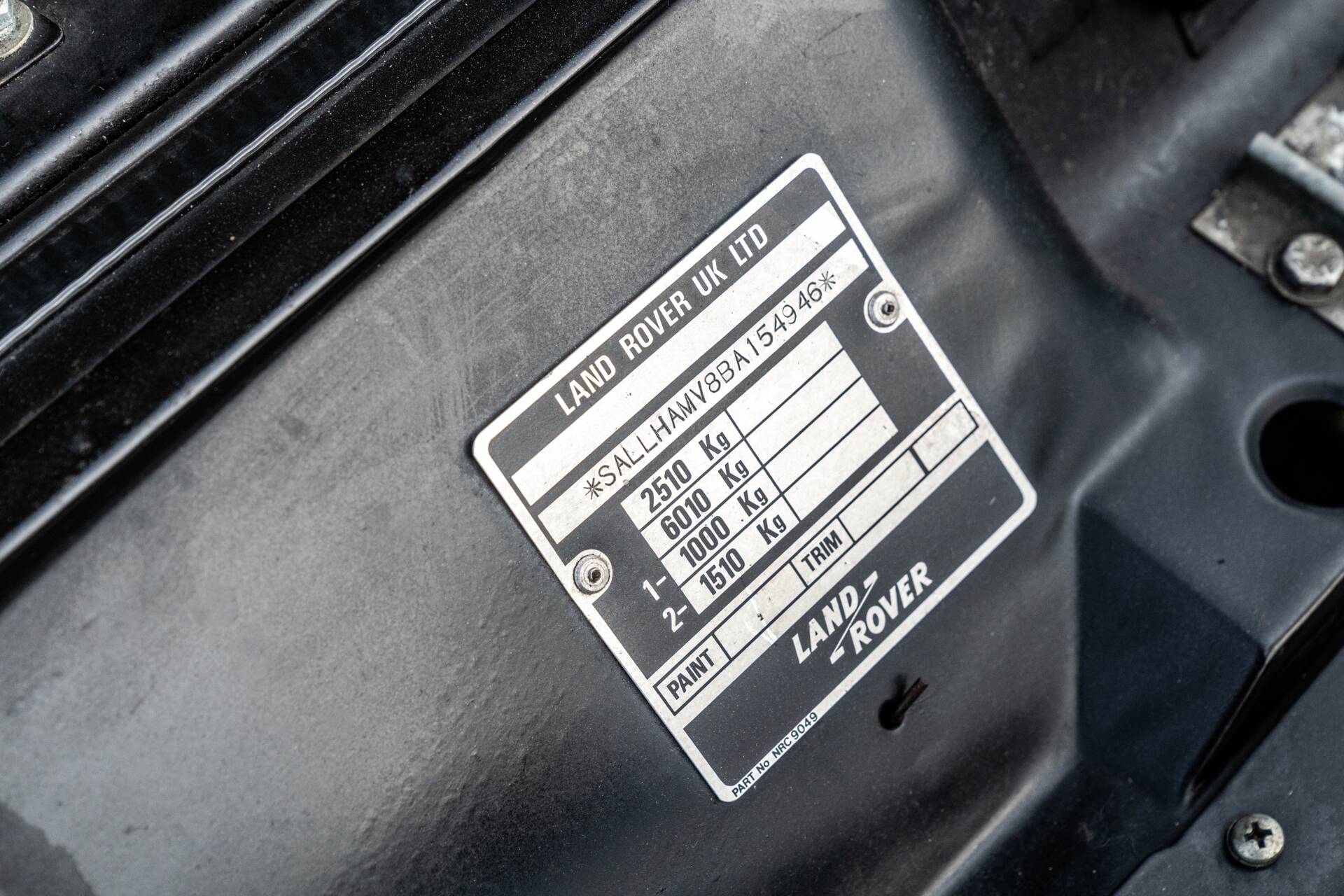
The vehicle is accompanied by historical provenance records and an appraisal report. Its documented history provides an exceptionally transparent account of the creation and use of this unique special model.
Automotive history rarely becomes as tangible as it does with this Range Rover Classic Rometsch Hunting Wagon. The combination of British off-road engineering, traditional German coachbuilding expertise, and an extraordinary political background makes this vehicle a rarity of international significance.
As the first example built by Rometsch, one of only four vehicles ever produced, and with a mileage of only around 11,300 kilometers, this Hunting Wagon occupies a unique position within the Land Rover world. Its historical relevance extends far beyond automotive history, making it a fascinating collector’s item for enthusiasts of exceptional provenance.
For collectors of Land Rover vehicles, bespoke coachbuilt automobiles, or historically significant German vehicles, opportunities comparable to this are exceedingly rare.
Some vehicles tell stories. Others make history. This Range Rover Rometsch Hunting Wagon unquestionably belongs to the latter category. The idea that a one-off vehicle built in West Berlin was once intended for the hunting parties of the East German leadership seems almost surreal today. Yet it is precisely this remarkable combination of politics, craftsmanship, and automotive culture that gives this vehicle its unique appeal. Anyone who takes a seat behind its wheel is not simply driving a rare Range Rover—they are experiencing a unique chapter of German history.

Or would you like to sell a vehicle at auction? Please feel free to contact me.
Write a comment
No comments yet!