Glas Isar classic cars for sale
The Glas Isar, produced by Hans Glas GmbH in Dingolfing, is a compact, two-door, four-seater classic with a distinct boxer engine sound and an unconventional technical pedigree. Known in its early days as the 'big Goggomobil,' this model reflects a unique chapter in German post-war automotive engineering. Its signature style, technical quirks and unique driving experience have made the Isar a sought-after vehicle among classic car aficionados.
Search results
Currently, there are no matching listings for your search.
Create search alert
Let yourself be notified as soon as a listing is published that matches your search filters.
Create listing
Do you have a Glas Isar that you want to sell? Then create a listing now.
Create listingGlas Isar listing references from Classic Trader
Below you will find listings related to your search that are no longer available on Classic Trader. Use this information to gain insight into availability, value trends, and current pricing for a "Glas Isar" to make a more informed purchasing decision.
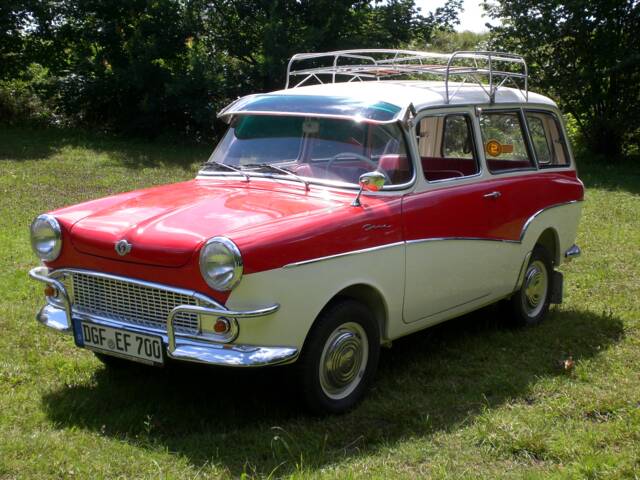
1960 | Glas Isar K 700
Glas Goggomobil Isar Kombi 700 Restauriert - Einer von 22 noch existierenden

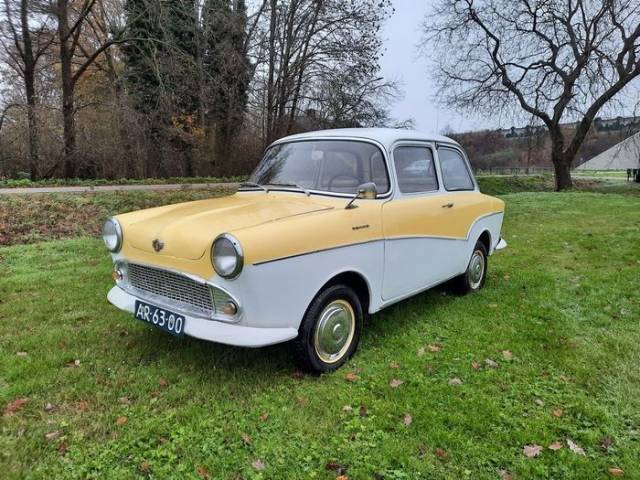
1963 | Glas Isar T 700

1963 | Glas Isar K 700
1963 | Glas Isar T 700
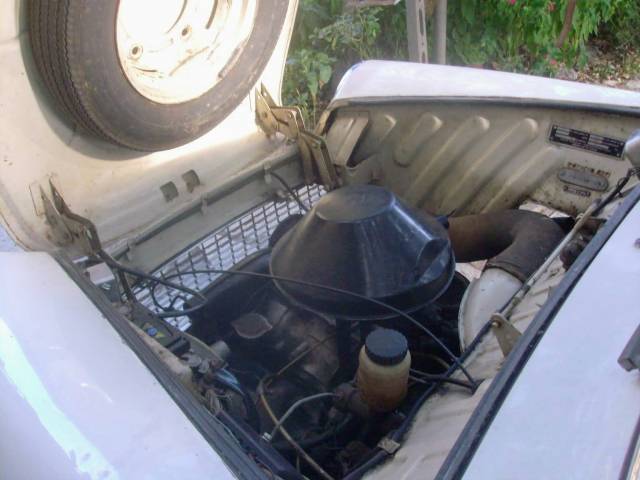
1964 | Glas Isar T 700
Conservato dal 1964

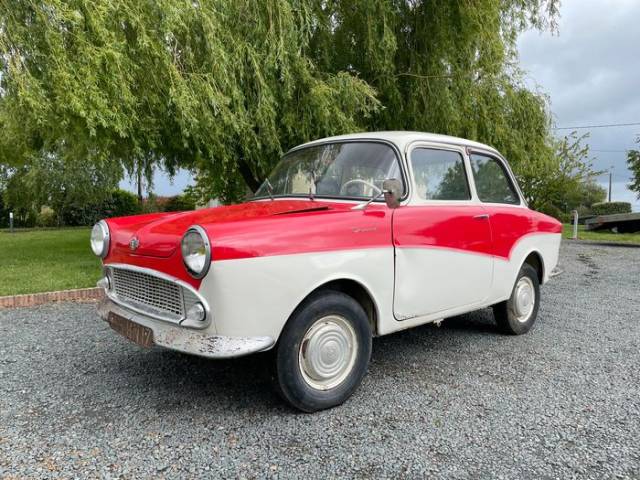
1962 | Glas Isar T 700
Create search alert
Let yourself be notified as soon as a listing is published that matches your search filters.
Create listing
Do you have a Glas Isar that you want to sell? Then create a listing now.
Create listingGlas Isar Classic Cars: Prices & Market Values
History of the Glas Isar
The Glas Isar represents the first attempt by Hans Glas GmbH to move beyond microcars and enter the compact car segment. Debuting as the Goggomobil T600 prototype at the 1957 Frankfurt Motor Show, it was initially presented with front-wheel drive and a boxer engine far forward of the front axle, resulting in poor weight distribution. Financial limitations led Glas to abandon front-wheel drive in favour of a more conventional rear-wheel drive, and the car’s gearbox adopted an unconventional shift pattern. Production began in June 1958, first as a four-door saloon. Its design drew clear inspiration from contemporary American automobiles, featuring modest tail fins, two-tone paint, and a panoramic windshield. The rear styling and taillights even echoed elements seen on the Opel Kapitän. The first models used a 584 cc boxer engine making 20 PS (15 kW), allowing a top speed of 98 km/h and 0–100 km/h in over a minute. In late 1959 the car was renamed from 'big Goggomobil' to Glas Isar, marking a new chapter. Over its lifetime, production exceeded 86,000 units before being discontinued in 1965.
Model Range and Evolution
After the launch of the original model, the Isar quickly expanded its offer. In 1958, the T 730 arrived with a more powerful 688 cc engine (30 PS/22 kW, 110 km/h top speed). By November 1959, Glas offered T600 and T700 variants and added practical three-door estate cars. A 1960 revision stretched the car’s length and improved details like the rear lights and bumper corners. Estate and saloon versions remained in production until 1965, and models were also exported abroad, reflecting the company’s ambition to challenge larger manufacturers before BMW’s acquisition of Glas in 1966.
Highlights and Notable Features
The Glas Isar stands out due to its innovative boxer engine, distinctive technical layout, and unmistakable period design language, including panoramic windscreens and prominent tail fins. The quirky gearbox layout and the vehicle’s progression from a planned front-wheel drive to rear-wheel drive underscore the improvisational aspect of 1950s German carmaking. Its recognisable two-stroke engine sound, compact dimensions, and strong presence in period road scenes contribute to its unique position among classic cars.
Technical Data
Special Editions and Notable Variants
While the Isar line did not see limited high-performance editions, the introduction of the T 730 and estate body styles broadened its appeal. Certain export editions, particular colours, or vehicles surviving in original, unrestored specification can be regarded as particularly collectible due to their rarity today.
Engine, Dynamics, and Handling
Boxer engines give the Isar a recognisable exhaust note and relatively smooth running for such a small car. Early models, especially the T600, are modest in performance, with leisurely acceleration and speeds just under 100 km/h. Later T700/T730 versions, with 30 PS, can reach 110 km/h, making open-road travel more feasible. Rear-wheel drive and simple suspension mean handling is predictable but unremarkable. The car’s dynamics reflect its original utilitarian design, and precise handling is hampered by its basic chassis and weight distribution. - Glas Isar T700 (688 cm³, 30 PS, 110 km/h): Known for being the most powerful and versatile version.
- Estate variants: Favoured for utility and practicality.
Design, Interior, Comfort and Accessories
Designed in the style of late-1950s American cars adapted for a small footprint, the Isar features subtle tail fins, sweeping dashboard forms, two-tone paint and a panoramic windscreen. Details like 'keyhole' taillights and unique bumper ends distinguish it visually from its peers. Interiors are generally functional yet charming, frequently found in original condition among collector cars. Original accessories and period-correct colours, as well as estate car versions, are especially admired for their authentic presentation.
Additional Information
Surviving Isar models often come with relevant historical documents and original components, sometimes requiring restoration. These cars are exempt from periodic vehicle inspection and tax in some countries (e.g. the Netherlands), making upkeep more accessible for enthusiasts. Videos and sounds featuring the boxer engine are popular among collectors.
Summary
The Glas Isar combines a distinct technical approach with unmistakable period styling and represents a vital chapter of post-war German automotive ingenuity. For fans of compact classics with unconventional engineering and charming looks, the Isar offers an authentic experience that reflects both the ambition and improvisation of its era.