Ferrari 330 Classic Cars for Sale
The Ferrari 330 is a V12-powered grand touring car family produced from 1963 to 1968, recognised for its versatile 2+2 and two-seater configurations, Italian engineering, striking design by Pininfarina, and a renowned Colombo V12 engine. Models such as the 330 GT 2+2, 330 GTC, and 330 GTS continue to attract collectors with their purposeful performance, mechanical sophistication, and hand-crafted details.
Search results


Auctions ending soon

Loading…
Loading…
Loading…
Loading…
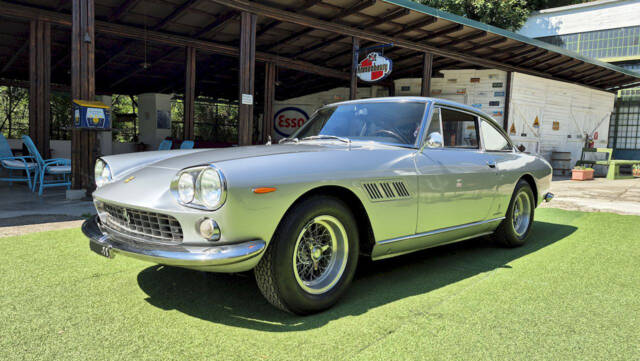
1964 | Ferrari 330 GT 2+2
Ferrari 330 GT 2+2 I Serie – 1964

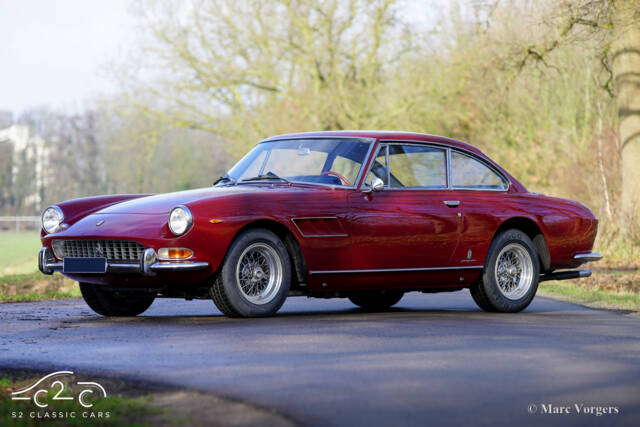
1966 | Ferrari 330 GT 2+2
Colour dark red combined with a black leather interior trimmed with dark red carpet

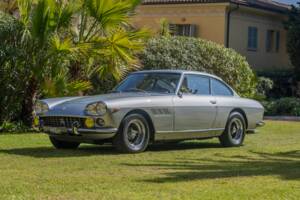
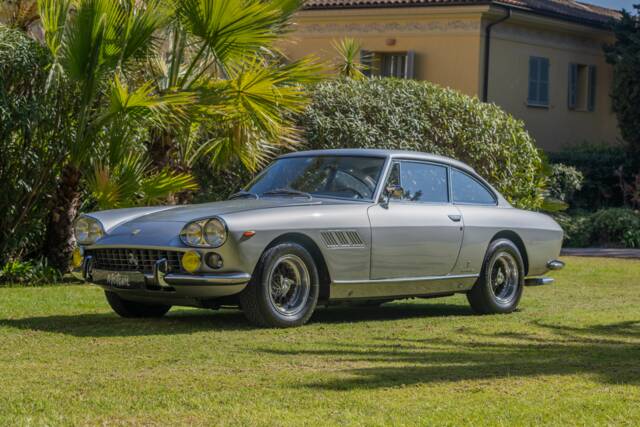
1964 | Ferrari 330 GT 2+2
FERRARI 330 GT 2+2
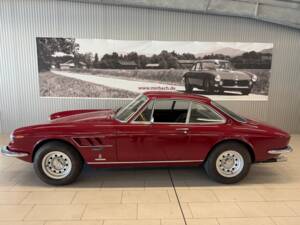
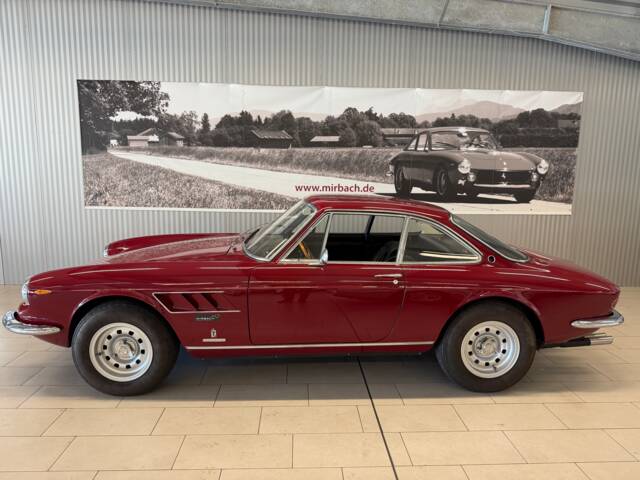

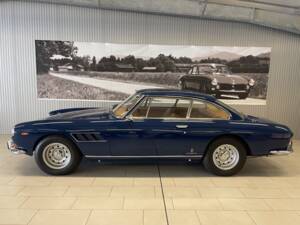
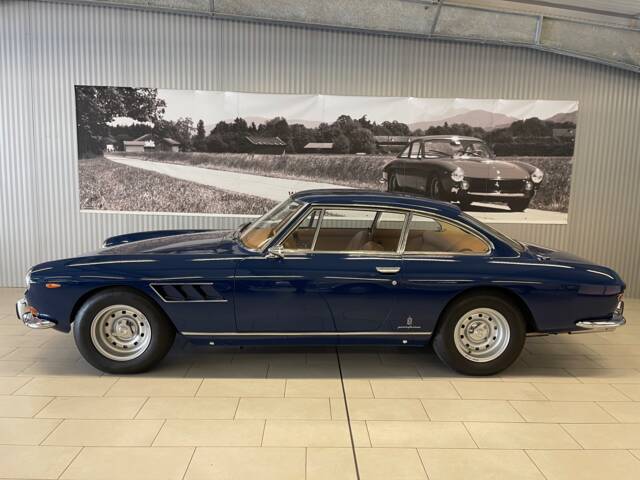
1967 | Ferrari 330 GT 2+2
GT 2+2 Serie II - Matching Numbers - FIVA Pass
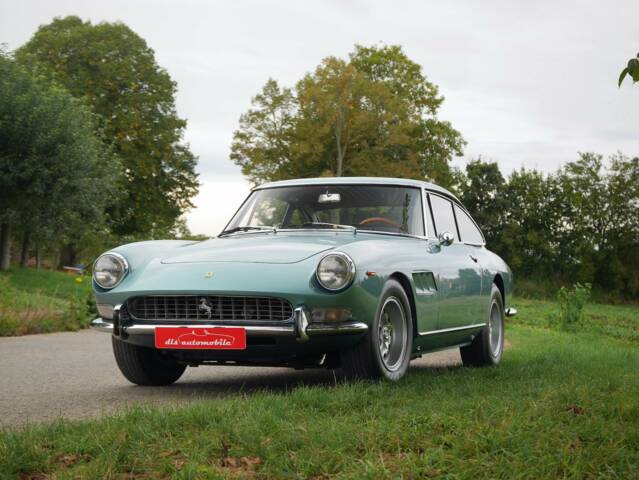
1967 | Ferrari 330 GT
Ferrari 330 GT Serie II // 1967 // makellose, umfangreiche Historie ab Erstauslieferung
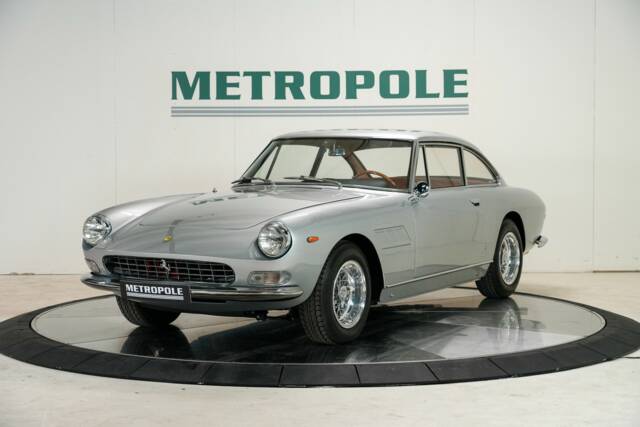
1965 | Ferrari 330 GT
Ferrari 330 GT M0888
Ferrari 330 listing references from Classic Trader
Below you will find listings related to your search that are no longer available on Classic Trader. Use this information to gain insight into availability, value trends, and current pricing for a "Ferrari 330" to make a more informed purchasing decision.
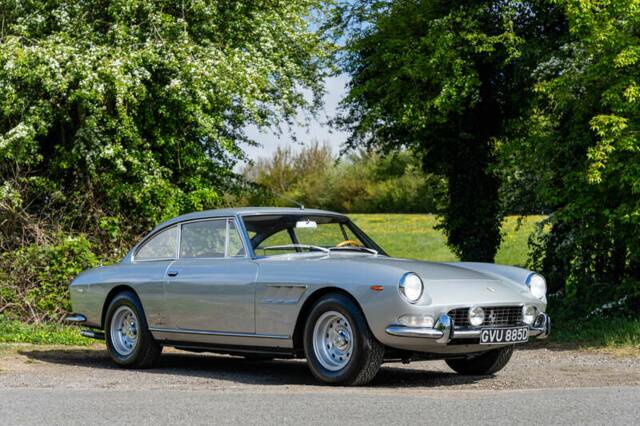
1966 | Ferrari 330 GT 2+2
1966 Ferrari 330 GT 2+2 Series 2 Coupé

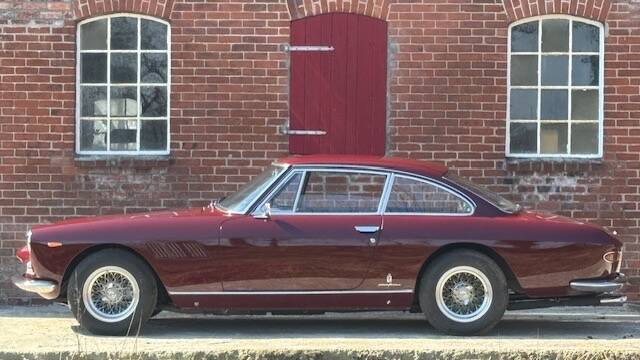
1964 | Ferrari 330 GT 2+2
1.Serie
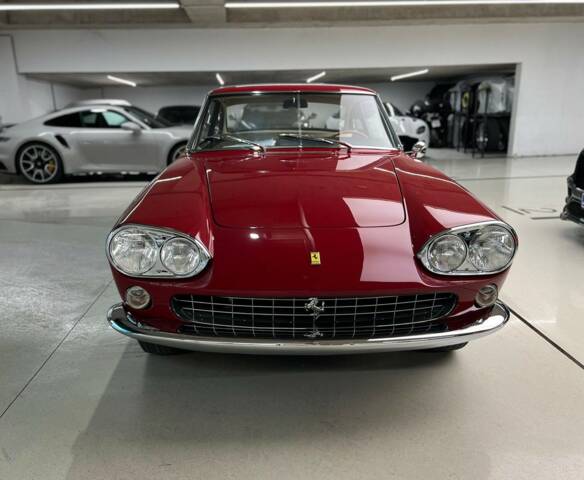
1964 | Ferrari 330 GT 2+2
Ferrari 330 GT 2+2 – US-Erstauslieferung, Chinese Eyes
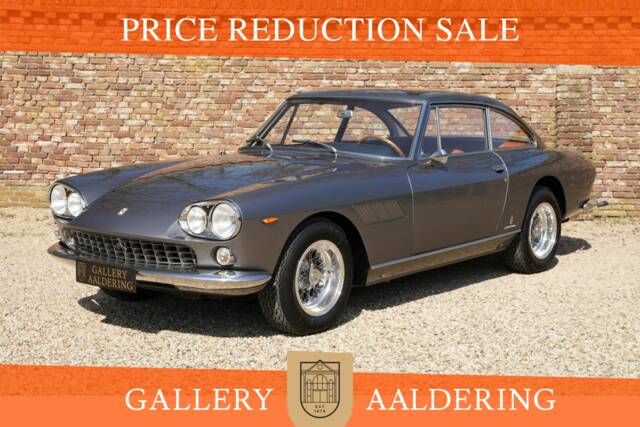
1965 | Ferrari 330 GT 2+2
Ferrari 330 GT PRICE REDUCTION! Interim Sought after Interim version, 5-speed, Grigio Fumo
Ferrari 330 Classic Cars: Prices & Market Values
The market value of Ferrari 330 classic cars is primarily determined by technical condition, originality and mileage, as well as rarity, history and documentation. A well-maintained, largely original vehicle with low, verifiable mileage and complete history including appraisals and documentation typically achieves significantly higher prices than a comparable vehicle with deferred maintenance, many modifications or unclear provenance.
Ferrari 330: Market Prices & Value Trends
Based on sales data from the Classic Trader marketplace, the Ferrari 330 market in Europe has remained broadly stable to slightly firmer over the period from May 2021 to January 2026, with most activity centred on the 330 GT 2+2 (1964–1967) and a smaller number of higher-priced 330 GTC (1967–1968) examples. For the more common 330 GT/330 GT 2+2, asking prices typically cluster around €230,000 to €330,000, with cheaper cars likely reflecting condition needs and higher figures tied to restoration quality, originality and specification; isolated outliers above this should be treated cautiously. The 330 GTC sits in a different bracket, with most Classic Trader observations landing roughly in the €470,000 to €550,000 range, underlining its stronger collector demand. Recent adverts from Germany, the Netherlands, Italy and France suggest a market that rewards provenance and documented work rather than quick flips. Overall, values look supported by limited supply, classic Colombo V12 appeal and the growing preference for usable 1960s Ferrari grand tourers.
History of the Ferrari 330
Developed as the successor to the Ferrari 250 series and produced alongside the 275, the Ferrari 330 marked an evolution in Maranello's approach to the grand tourer. The series debuted in 1963 with the 330 America, essentially a 250 GTE fitted with the new 3,967 cc V12 engine. Only 50 examples of the 330 America were built as a transition to the mainline 330 GT 2+2, which appeared in early 1964 with a reworked chassis for improved comfort, longer nose and tail, and signature double headlamps. The 330 family encompassed a variety of styles—including the luxurious 2+2, the sportier GTC coupé, and the open-top GTS. Each iteration emphasised a balance of high-revving performance, Italian design, and everyday usability, all assembled at Ferrari’s legendary Maranello facility.
Model History
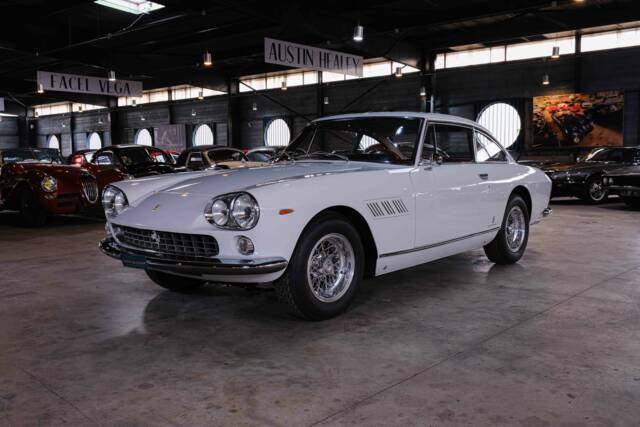
The 330 lineage included several distinct models. The 330 America (1963–1964) served as a bridge from the 250 series, blending the older coachwork with the new V12. The main production effort was the 330 GT 2+2, split into Series I (1964–1965, 625 produced) with four-speed overdrive and unique 'Chinese Eyes' double headlights, and Series II (1965–1967, approximately 455–474 produced), recognisable by its single headlights, five-speed gearbox, and updated chassis. A rare Interim Series combined the old bodywork with Series II mechanical upgrades, with only around 125 units built. The svelte 330 GTC (1966–1968, 598 examples) and the rare open 330 GTS (1966–1968, just 99 produced) rounded off the series with Pininfarina styling and a focus on sportier driving. Successors included the 365 GT 2+2 and 365 GTC/GTS, marking the next generation of Ferrari’s grand touring ethos.
Highlights and Unique Features
The Ferrari 330 series is known for its robust, high-revving 4.0-litre Colombo V12, producing approximately 300 hp at up to 7,500 rpm, paired with a selection of precise manual transmissions. Bodywork by Pininfarina delivers elegant proportions, thin pillars for excellent visibility, and a mix of aluminium and steel construction. The 330 GT 2+2 offered either four-speed overdrive (Series I), a five-speed gearbox (Series II), and options including power steering, air-conditioning, and electric windows. The GTC and GTS models, with their shorter wheelbase and purer coupe or convertible styles, benefited from transaxle layouts and balanced handling. Distinctive design cues include the double headlights of Series I, the triple side vents of the GTC, and period-correct accessories like Borrani wire wheels or Becker radios.
Technical Data
Special Editions and Unique Models
Notably rare variants of the 330 include the 330 GTS (with only 99 built) and 'Interim' 330 GT 2+2 models (approx. 125 units) that mixed body and mechanical features. The Nembo Spider is an extraordinary coachbuilt one-off based on the 330, built by Neri e Bonacini with bespoke aluminium bodywork, remaining a unique and highly individual interpretation of the GT theme. Original right-hand drive cars, especially in the Series II, are particularly scarce (36 built).
Weak Spots and Common Issues
Potential buyers should carefully check for matching chassis, engine, gearbox, and body numbers, as originality greatly affects value. Special attention should be paid to the condition of the Colombo V12 engine—timing chains, cylinder head gaskets, carburation settings, and the presence of correct Weber carburettors matter. Gearbox and clutch wear may be an issue, especially on cars with high mileage or poorly maintained. Corrosion can affect both steel and aluminium panels, particularly around the sills, wheel arches, and lower sections of doors and bonnets. Electrical systems and period accessories (windows, air conditioning) require specialist knowledge. Restoration costs can be considerable, and verifying documentation (original handbooks, toolkits, Ferrari Classiche certification) adds peace of mind.
Engine, Transmission and Handling
The 330’s Colombo V12 provides linear, high-revving power that matches the crisp manual transmissions—a four-speed with overdrive on early Series I, five-speeds on later models. Performance metrics were strong for the era: 0–100 km/h in roughly 6-7 seconds, top speeds reaching 240 km/h. The long wheelbase of the 2+2 offers room and stability for continental touring, while the GTC and GTS have a shorter wheelbase, benefitting dynamic balance and more agile handling. Koni telescopic dampers, precise steering (optional power assistance on later cars), and all-round disc brakes enhance the secure, yet sporting character. The transaxle (on GTC/GTS) helps distribute weight for responsive driving. - 330 GT 2+2 Series I: 'Chinese Eyes' double headlights, four-speed with overdrive, classic GT layout. 625 produced, appreciated for its striking front-end and historical context.
- 330 GT 2+2 Series II: Five-speed manual, single headlights, technical refinements, later options such as A/C and power steering. Approximately 455–474 produced.
- 330 GTC: Two-seater, shorter wheelbase, transaxle layout, Pininfarina styling cues from 275 GTS and 500 Superfast. 598 units, lauded for its blend of refinement and driver engagement.
- 330 GTS: Open-top, otherwise mechanically similar to GTC, rarest volume-built version (99 produced).
Interior, Comfort, Exterior and Design
Pininfarina handled both styling and construction, influencing the Ferrari 330’s blend of long-legged GT elegance and period details. Standout features are the double oval 'Chinese Eyes' headlamps on Series I, the cleaner lines and single lamps on Series II, slim A- and B-pillars for excellent outward vision, and triple side vents borrowed from the 500 Superfast on the GTC. Interiors generally feature high-grade Connolly leather (often Nero Franzi), fine wood trim (notably on GTC dashboards), classic Veglia instrumentation, and optioned Becker radios. Colour schemes were varied at delivery, with silver, blue ('Azzurro'), and of course, red among the most common. Factory accessories included Borrani wire wheels, air conditioning, electric windows, and (for certain markets) power steering. Luggage space and rear seating in the 2+2 made grand touring practical, while the coupe and spider models focus on driver experience. Unique items such as original toolkits and Ferrari Classiche certification increase provenance.
Further Details and Additional Information
Factory right-hand drive models are rare, especially in Series II, with just 36 examples. The 330 enjoyed export to a wide range of markets, with important historic owners such as Enzo Ferrari himself and John Lennon. Original documentation—such as operating instructions, maintenance records, and the Ferrari Classiche 'Red Book'—should be carefully preserved. The cars are frequently registered with classic car associations (e.g., with H plates, ASI, or Ferrari Register). All assembly and finishing took place at Maranello, epitomising Ferrari’s grand touring philosophy: equal measures of performance, comfort, and daily usability.
Summary
The Ferrari 330 series stands as a showcase of 1960s Italian engineering, Pininfarina design, and V12-powered performance, offering a compelling range of grand touring models with authentic 1960s style, craftsmanship, and comfort. Whether in 2+2 or two-seat coupe or spider guise, the 330 provides a rewarding mix of power, agility, and luxury that remains highly regarded by classic car purists and Ferrari enthusiasts.