Daihatsu Move classic cars for sale
The Daihatsu Move has left its mark as one of the defining kei cars, balancing compact city usability with a clever and tall design that maximises space without sacrificing manoeuvrability. Its unique blend of Italian design heritage and Japanese engineering makes it a practical yet distinctive option for enthusiasts of compact classics.
Search results
Currently, there are no matching listings for your search.
Create search alert
Let yourself be notified as soon as a listing is published that matches your search filters.
Create listing
Do you have a Daihatsu Move that you want to sell? Then create a listing now.
Create listingDaihatsu Move listing references from Classic Trader
Below you will find listings related to your search that are no longer available on Classic Trader. Use this information to gain insight into availability, value trends, and current pricing for a "Daihatsu Move" to make a more informed purchasing decision.
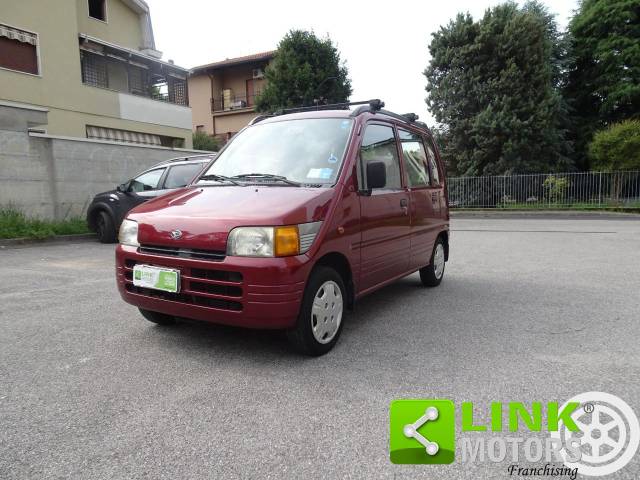
2000 | Daihatsu Move 850
DAIHATSU Move 0.8 42 CV
Create search alert
Let yourself be notified as soon as a listing is published that matches your search filters.
Create listing
Do you have a Daihatsu Move that you want to sell? Then create a listing now.
Create listingHistory of the Daihatsu Move
When Daihatsu launched the Move in 1995, it entered the fierce Japanese kei car market, seeking to rival the popular Suzuki Wagon R. The Move was distinctive from the outset, not just due to its tall silhouette but also because its design came from the renowned Italian firm I.DE.A Institute. This partnership set the Move apart visually and ensured it evolved with each generation, keeping pace with advancements in urban car design. Built on the reliable Daihatsu Mira chassis, the Move offered the familiar engineering Daihatsu owners appreciated, but paired with an innovative upright body that set new standards for space efficiency in its segment. Production ran from 1995 to 2023, with a notable gap before its 2025 reintroduction, reflecting continued demand and the model’s lasting relevance.
Model history of the Move series
The Move’s model life began in 1995 as a response to the Suzuki Wagon R, adopting that car’s class-defining boxy formula but refining it with Italian styling cues. Over time, the Move continuously adapted, both in appearance and mechanically, as regulations and market tastes evolved. While its platform was rooted in the robust Mira, each new generation refined drivetrain, interior and body styling, while always prioritising urban practicality and driver comfort. No predecessor in Daihatsu’s line fulfilled quite the same city-centric role with such a notably upright design, and its successors, especially after the 2025 launch, carry forward its spatially efficient philosophy.
Highlights of the Daihatsu Move
The key highlight of the Daihatsu Move is its class-topping use of interior space, which was achieved by its tall bodywork, a relatively novel feature for city cars when first launched. Italian design input means the Move stands apart visually from many domestic rivals, mixing continental flair with Japanese urban sensibility. Throughout its lifespan, the Move maintained a focus on versatility: sliding or folding seats, clever storage, and a range of practical, easy-use features distinguished it as an urban all-rounder.
Technical data
Special Editions and Collectible Models
Daihatsu occasionally released special trims of the Move, such as sporty or luxury variants with unique interior trims, exclusive wheel designs or enhanced equipment packages, particularly for domestic Japanese markets. While none reached broad recognition in Europe, certain limited-production editions featuring different paint or upholstery options are of note for dedicated enthusiasts.
Weak Spots and Common Issues
While kei cars like the Move tend to be reliable owing to simple mechanicals, they may suffer from rust in older examples, given Japan’s humid climate and the cars’ use in urban environments with salted winter roads. Interiors can show wear on plastics and seats due to heavy family or city use; mechanicals are generally robust if maintained regularly, but check for evidence of oil leaks or neglected servicing.
Engine and Performance, Transmission and Handling
Move models prioritise efficiency and nimble handling; power outputs suit city pace more than motorway speeds. The lightweight chassis and compact engines—typically around 660cc in compliance with kei regulations—enable low running costs and easy parking. While acceleration is modest, the car’s sprightly feel in urban traffic is a trademark. Popular versions include early Move generations with their pure Italian-influenced design and later models featuring enhanced equipment and improved suspension for more comfort. Variants with automatic transmission are common, reflecting urban-use priorities.
Interior, Comfort, Exterior and Design
The upright body maximises interior headroom and visibility, while the base derived from the Mira ensures a familiar and solid driving stance. Notably, Italian design influences provided a sharper, more modern appearance compared to purely domestic rivals. Common interior features include sliding rear seats and versatile folding options, catering to the practical needs of urban drivers. Special editions occasionally offered unique upholstery, paint colours, or alloy wheel designs, but the consistent trademark was always the Move’s pragmatic, space-maximising ethos.
Other relevant features
Some Move models were adapted to meet specific market requirements, including optional four-wheel drive for snow-prone regions or advanced safety features in later years. Right-hand and left-hand drive versions existed, broadening its appeal beyond Japan.
Summary
The Daihatsu Move’s longevity and design origins set it apart as a kei car that successfully combined European stylistic input with Japanese practicality. Its dominance in the Daihatsu kei car market, remarkable use of space, and adaptability through several generations make it a solid choice for drivers seeking an efficient, distinctive, and city-optimised classic.