AC Aceca classic cars for sale
The AC Aceca, hand-built between 1954 and 1963, is a rare British coupé prized by enthusiasts for its uncompromising engineering, light weight, and direct driving experience. Available with engines from AC, Bristol, and Ford, the Aceca stands out with its distinctive hatchback design and finely crafted aluminium bodywork.
Search results
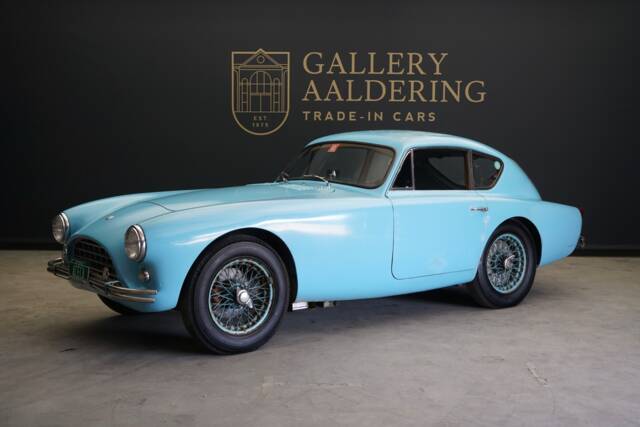
1963 | AC Aceca
AC Aceca “The Missing USA Aceca” Trade in car Barnfind, Well-documented history file, “The Missing USA Aceca” with a two-owner history, Came into the possession of the last owner in 1967, Manual transmission with overdrive, Interesting AC with a lot of potential
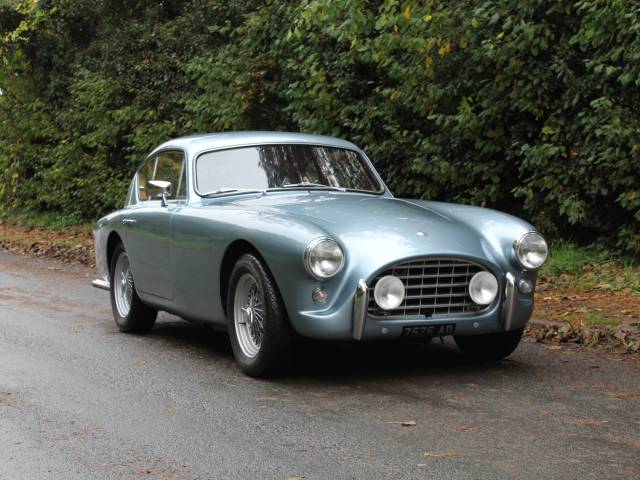
1960 | AC Aceca
1960 AC Aceca
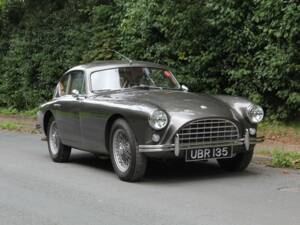
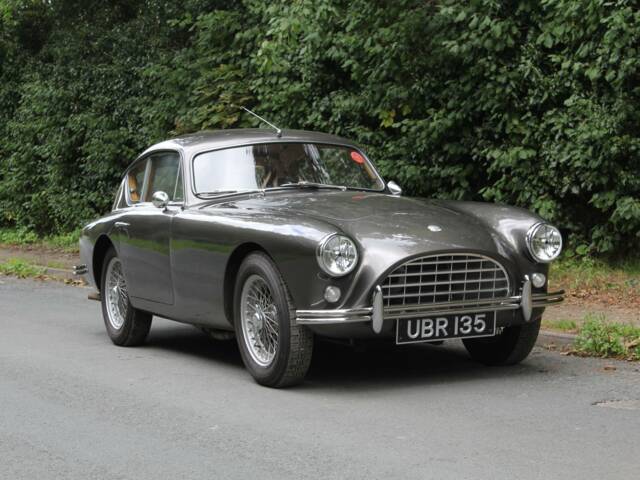
1958 | AC Aceca Bristol
1958 AC Aceca Bristol
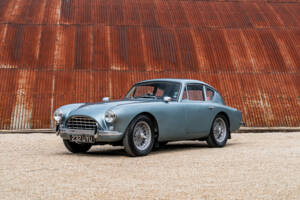
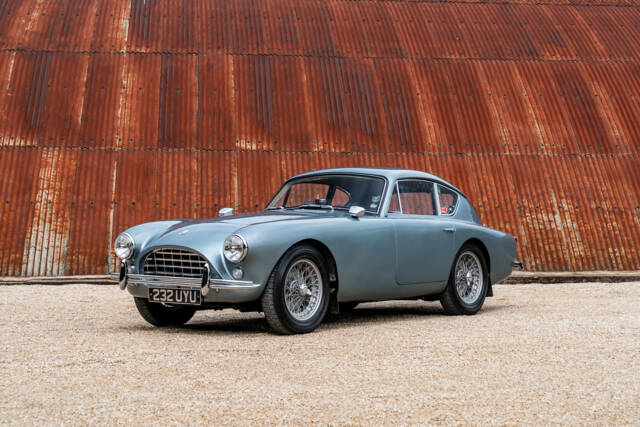
1956 | AC Aceca Bristol
1956 AC Aceca Bristol


1956 | AC Aceca Bristol
AC ACECA BRISTOL, RHD, 1956
AC Aceca listing references from Classic Trader
Below you will find listings related to your search that are no longer available on Classic Trader. Use this information to gain insight into availability, value trends, and current pricing for a "AC Aceca" to make a more informed purchasing decision.
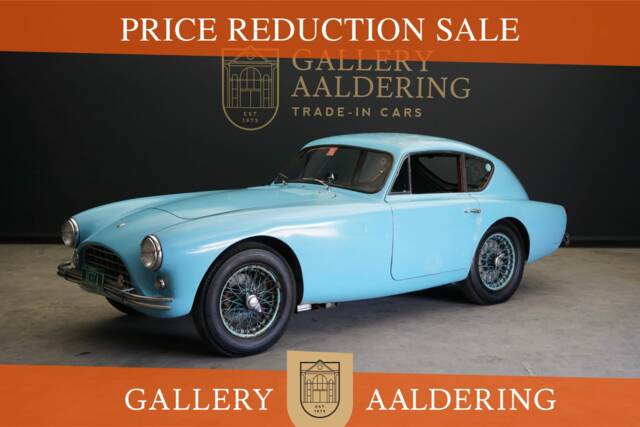
1963 | AC Aceca
AC Aceca “The Missing USA Aceca” PRICE REDUCTION! Trade in car Barnfind, Well-documented history file, “The Missing USA Aceca” with a two-owner history, Came into the possession of the last owner in 1967, Manual transmission with overdrive, Interesting AC with a lot of potential
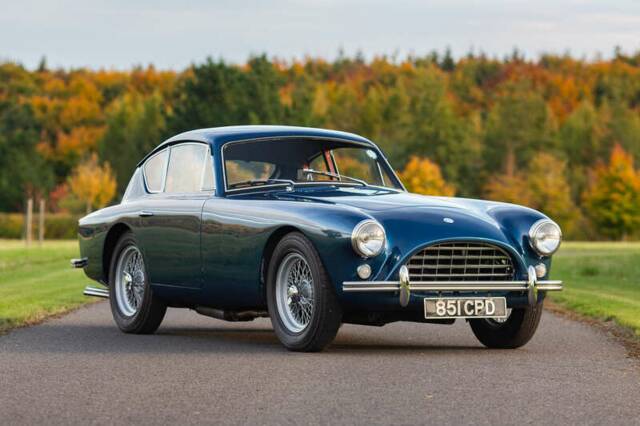
1957 | AC Aceca
1957 AC Aceca Coupé
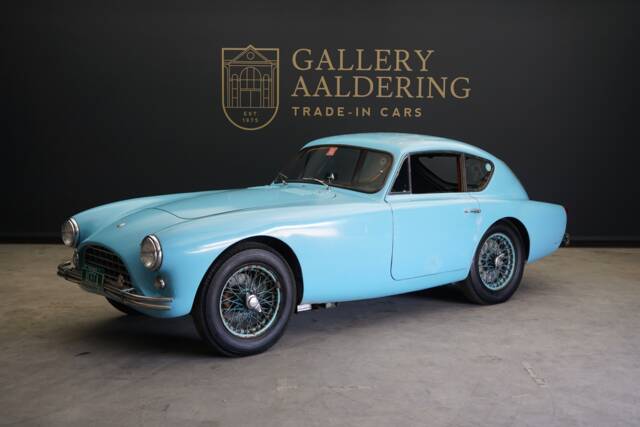
1963 | AC Aceca
AC Aceca “The Missing USA Aceca” Trade in car Barnfind, Well-documented history file, “The Missing USA Aceca” with a two-owner history, Came into the possession of the last owner in 1967, Manual transmission with overdrive, Interesting AC with a lot of potential
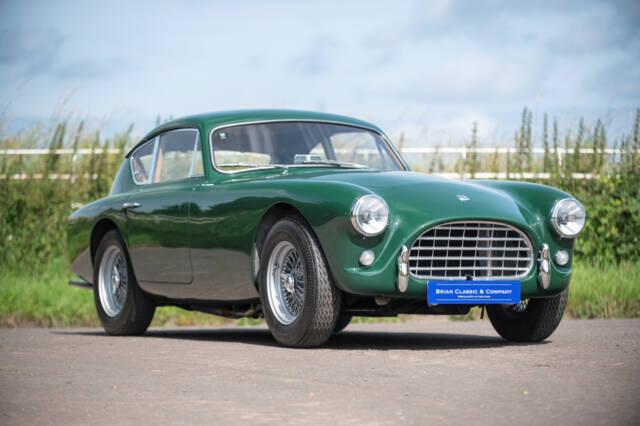
1958 | AC Aceca Bristol
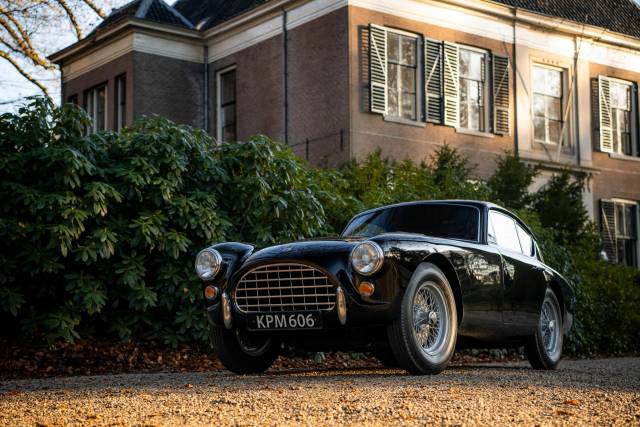
1955 | AC Aceca
AC ACECA
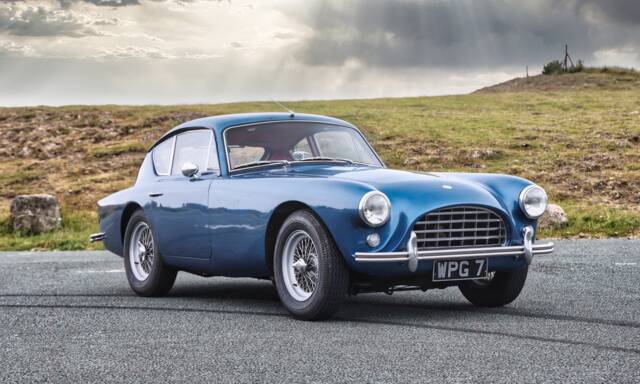
1995 | AC Aceca
1955 AC Aceca - Ex Monte Carlo Rally Entrant
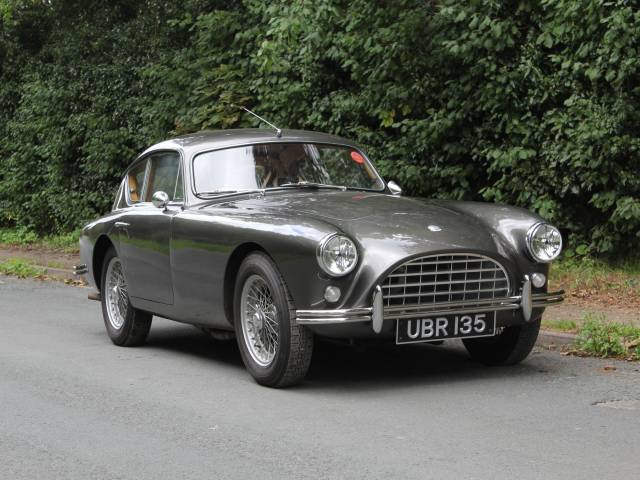
1958 | AC Aceca
1958 AC Aceca
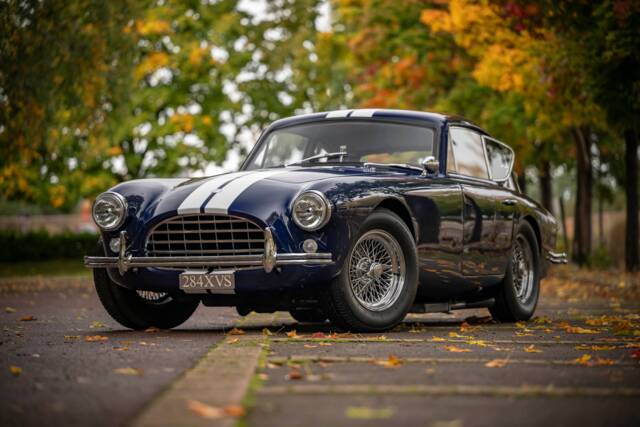
1955 | AC Aceca
Comprehensively Restored - BOSS 302 V8 Power - £10k Just Spent
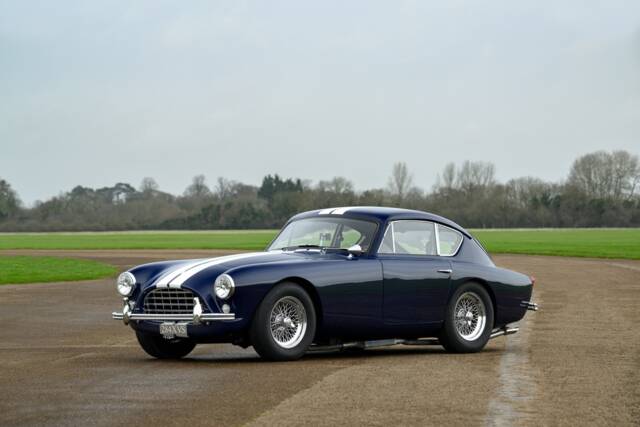
1955 | AC Aceca
A great fun, seriously fast AC Aceca - V8
AC Aceca Classic Cars: Prices & Market Values
The market value of AC Aceca classic cars is primarily determined by technical condition, originality and mileage, as well as rarity, history and documentation. A well-maintained, largely original vehicle with low, verifiable mileage and complete history including appraisals and documentation typically achieves significantly higher prices than a comparable vehicle with deferred maintenance, many modifications or unclear provenance.
AC Aceca: Market Prices & Value Trends
Classic Trader marketplace data for the AC Aceca category from March 2021 to December 2025 shows a small, specialist market with generally stable to gently firm pricing, especially for Bristol-engined cars. Recent UK asking prices range from about £75,000 (a more affordable 1959 Aceca) up to roughly £178,000 for top-end Aceca Bristol examples, with most well-presented cars clustering around £95,000–£155,000. In continental Europe, Dutch and Belgian adverts commonly sit around €90,000–€115,000 for standard Aceca (notably 1963, 91 hp), while a higher-end Aceca Bristol outlier appears at €200,000 and should be treated cautiously given the limited dataset. Overall, a realistic market band today is approximately £95,000–£155,000 in the UK, and €95,000–€120,000 across nearby European listings, depending on originality, restoration quality, and provenance. Rarity, period competition appeal, and the premium attached to Bristol specification help underpin values, while repeated re-listings suggest buyers remain condition- and documentation-led rather than chasing prices at any cost.
History of the AC Aceca
AC Cars, tracing its roots to London in 1901, launched the Aceca as a fixed head coupé in 1954, following the open AC Ace. Unveiled at the Earls Court Motor Show, the Aceca was only the second British car to offer a hatchback-style tailgate, after the Aston Martin DB2/4. Produced until 1963, with a total of only 328 units, the Aceca was fundamentally a road car that evolved from the racing spirit of AC Cars, reflecting hand-built craftsmanship and traditional engineering methods. While its styling drew inspiration from early Pininfarina sketches, its chassis construction remained thoroughly British—an ash wood frame over steel tubing, clad in lightweight aluminium panels. Unlike many contemporaries, the Aceca achieved a near-perfect weight balance, underpinning its reputation as a true driver’s car.
Model History of the AC Aceca
The Aceca succeeded the open-top AC Ace, adapting the successful roadster platform into a practical, refined coupé. Early models used AC’s own 2.0-litre straight-six engine, followed by more potent Bristol engines (D-Type and B-Type) from 1956 onwards. These Bristol variants offered 105 or 125 HP and are referred to specifically as the Aceca-Bristol. From 1961 to 1963, the rare Aceca 2.6 used the 2.6-litre Ford Zephyr engine. No direct successor followed; the AC Cobra, debuting shortly after, departed significantly in both philosophy and intent. In total, just 328 Acecas were built across all variants, making each remaining example a rare sight at events and auctions.
Highlights of the AC Aceca
The Aceca’s engineering stands out for its lightweight build—a combination of tubular steel chassis, aluminium bodywork, and an all-aluminium engine block. The Aceca introduced enhanced ride quality over the Ace through heavier main rails, extra crossmembers, and improved sound insulation via rubber mounts and glass fibre bulkheads. The wood-framed doors and tailgate maintained traditional British coachwork methods. Its most distinctive feature is the hatchback tailgate, an unusual and practical element for the era. The interior features bucket seats trimmed in quality leather and a dashboard of fine wood, complemented by original 56-spoke wire wheels. Hand-assembled details such as correct body fitment and authentic period finishes further elevate its appeal.
Technical data
Special Editions and Collectible Models
Special versions of the Aceca are defined almost entirely by engine choice: the Aceca-Bristol, offering the highest output and improved performance, is particularly noted among collectors. The Ford-engined Aceca 2.6, produced in very low numbers between 1961 and 1963, is the rarest variant, with only a handful of examples believed to exist. Each engine variant carries distinct historical and collectible significance.
Weak Spots and Common Issues
The Aceca’s aluminium body panels and thin sheet metal are prone to corrosion, especially where steel and aluminium meet. Careful inspection of the sills, lower door edges, and boot floor is essential. Over time, original interior leather and carpets may develop heavy patina or need replacement. The wood components in the frame and dashboard require periodic attention, particularly after water ingress. The 4-speed manual transmission with overdrive can be robust if maintained, but sourcing replacement parts—especially AC and Bristol-specific engine components—may be challenging due to the low production numbers. Authenticity of period details, such as original color schemes or wire wheels, adds value but requires vigilance during restoration or purchase.
Engine and Performance, Transmission and Handling
The Aceca delivers a genuinely sporting experience, thanks to near 50/50 weight distribution, a short wheelbase, and 16-inch wheels. The ride is firm, as expected of a 1950s British sports coupé, which can cause the car to oversteer at the limit, yet most drivers enjoy its direct and predictable handling. Early AC engines provided 90 HP; Bristol-powered Acecas offered more vigorous acceleration with 105–125 HP, while the Ford 2.6 variant delivered the highest output—around 170 HP—though only a small number were built. The manual four-speed transmission with overdrive extends usable cruising capability, a nod to the Aceca’s gran turismo intent. - Aceca (AC 2.0): Original version, best for period-correct enthusiasts
- Aceca-Bristol (B-Type/D-Type): Most powerful and numerous, best balance of performance and usability
- Aceca 2.6 (Ford Zephyr): Highest performance but rarest, collectibility elevated by low production
Interior, Comfort, Exterior and Design
The Aceca’s exterior design reflects the influence of 1940s Pininfarina sketches—sleek, compact, and functional. The long aluminium bonnet, pronounced fenders, and tapering coupé roofline give it unmistakable presence among period British sports cars. The wooden dashboard, often finished in walnut or similar hardwood, is paired with black or period-correct coloured leather seats and tailored woollen carpets. The lift-up tailgate is both rare and practical, enhancing luggage access. Original cars often feature accessories such as adjustable bucket seats, sun visors, and 56-spoke wire wheels. Some restored models carry non-factory paint or upholstery, but authentic details—correct steering wheels, original fasteners, and factory trim—are highly valued by purists.
Other relevant features
One defining trait of the Aceca is the level of authenticity preserved in many survivors: matching numbers drivetrains, original paint finishes, and period-correct hardware are frequently seen. Early cars may have minor differences in brightwork or upholstery, reflecting hand-built production standards. Documentation such as chassis numbers—typically beginning with 'AE' for AC engines—helps trace provenance. The Aceca also introduced comfort touches rare in 1950s GTs, like a working heater (though capability is limited) and generous ventilation.
Summary
The AC Aceca captured the spirit of mid-century British engineering—a hand-built, lightweight coupé with focused dynamics and practical features ahead of its time. Spanning AC’s own, Bristol, and Ford-powered variants, it remains a standout for its advanced design and rarity, with each surviving example telling a unique and well-documented story. Every detail—from the finely crafted aluminium panels to the patinated leather seats—bears witness to an era when craftsmanship and individuality were paramount.