- Motorcycle
- Testi (0 offers)
Buy Testi Motorcycles
Testi built some of Italy’s most distinctive small-displacement motorcycles, from neat road machines to sharp little sport and trail models. In Australia, that rarity matters even more: parts often have to come from Europe, and surviving bikes are few and far between.
Search results
Currently, there are no matching listings for your search.
Create search alert
Let yourself be notified as soon as a listing is published that matches your search filters.
Testi listing references from Classic Trader
Below you will find listings related to your search that are no longer available on Classic Trader. Use this information to gain insight into availability, value trends, and current pricing for a "Testi" to make a more informed purchasing decision.
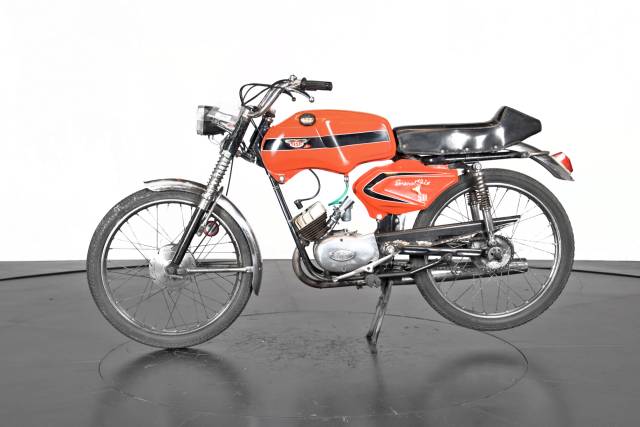
1968 | Testi Grand Prix
-

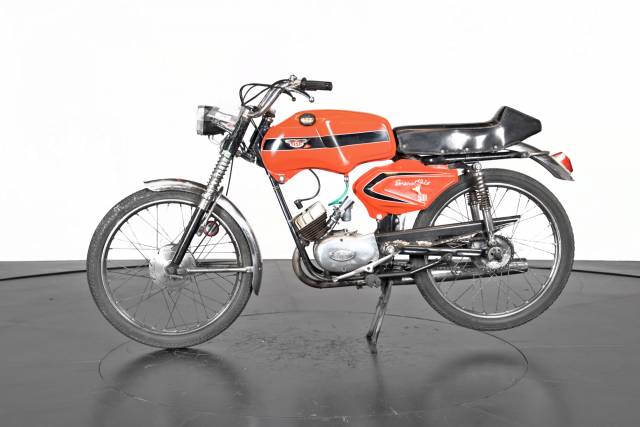
1968 | Testi Grand Prix
-
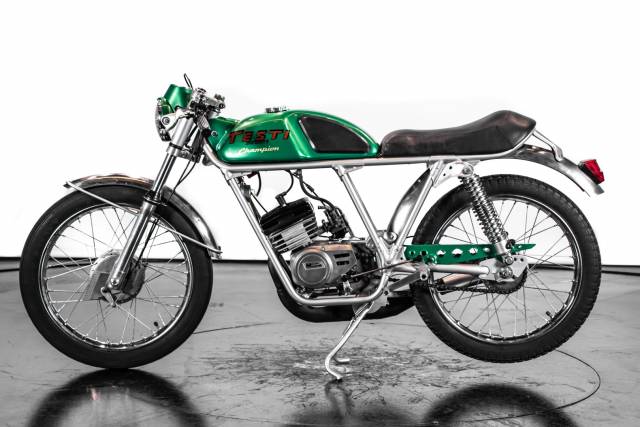
1971 | Testi Champion
-
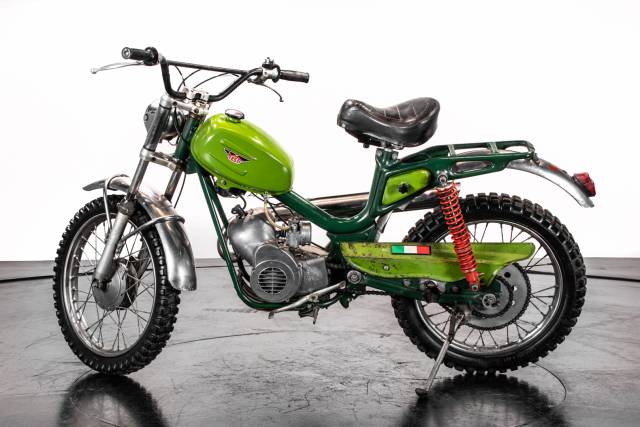
1971 | Testi Trail King
-
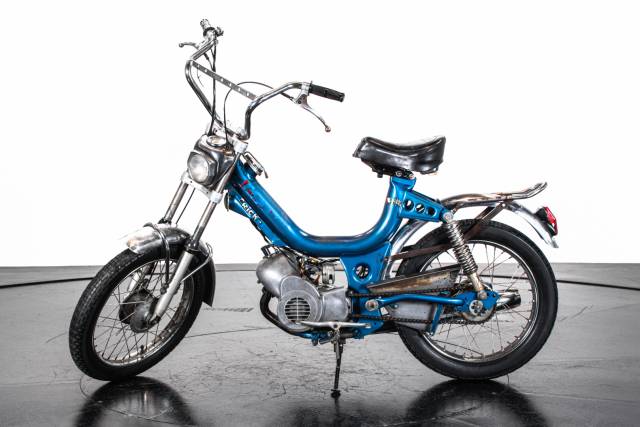
1970 | Testi Cricket 50
-
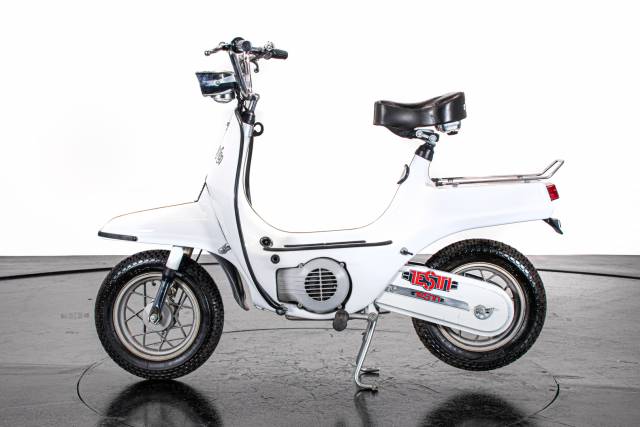
1976 | Testi Amico
-
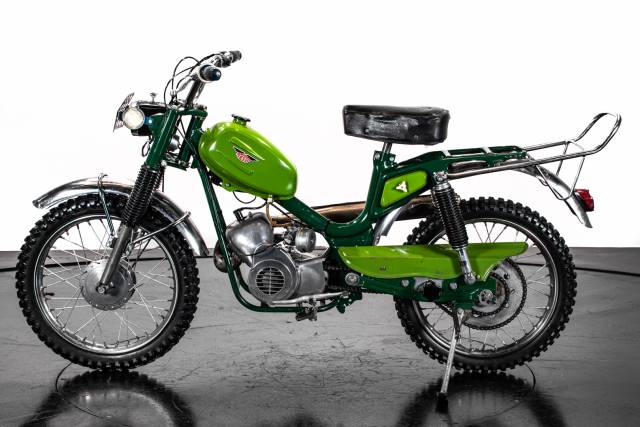
1970 | Testi Trail King
-
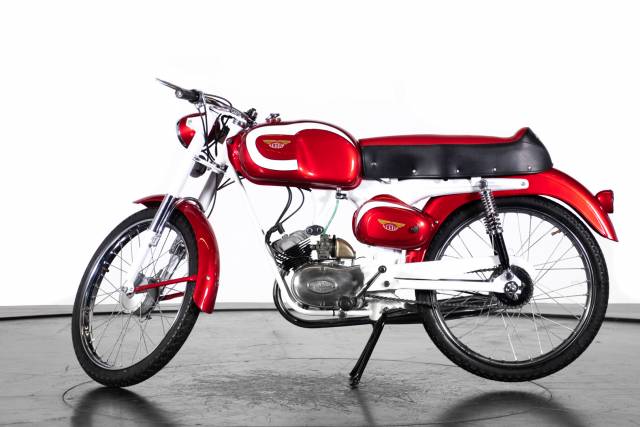
1966 | Testi Champion
-
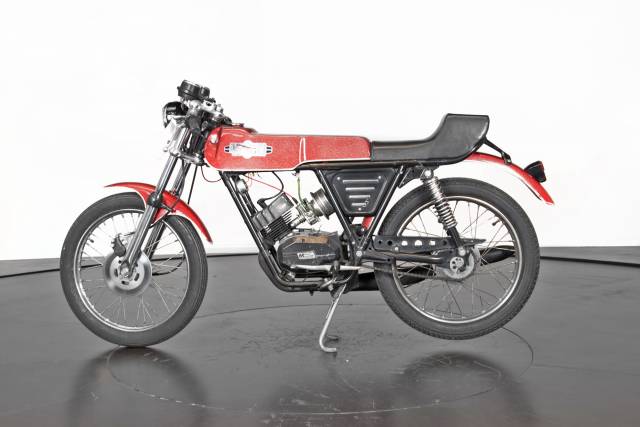
1974 | Testi Champion P4
-
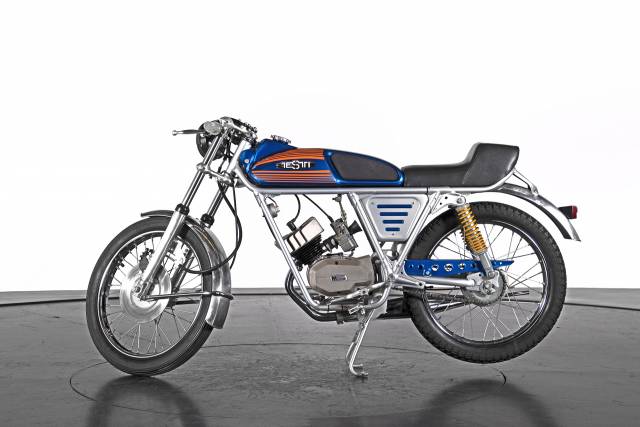
1976 | Testi Champion P4
-
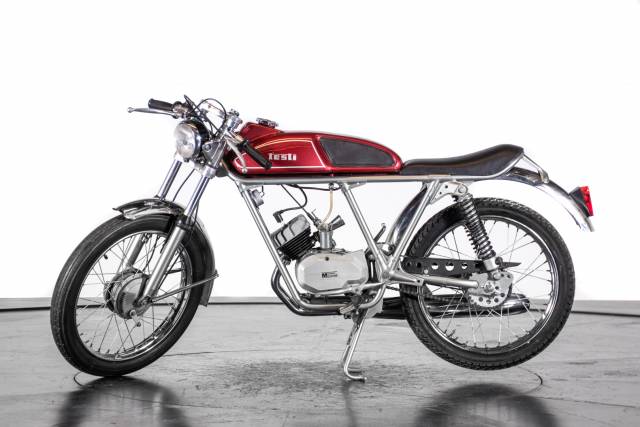
1973 | Testi Champion P4
-
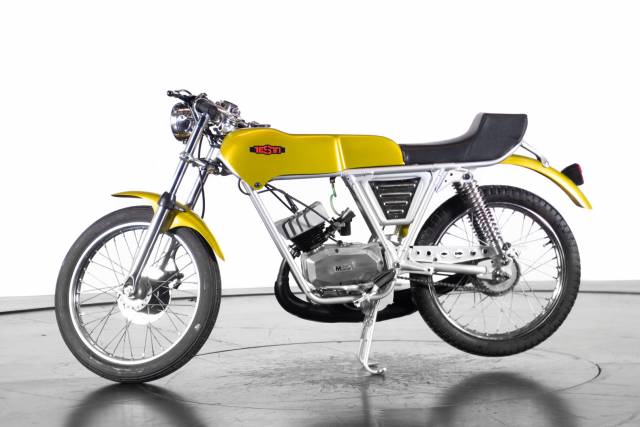
1971 | Testi Champion P4
-
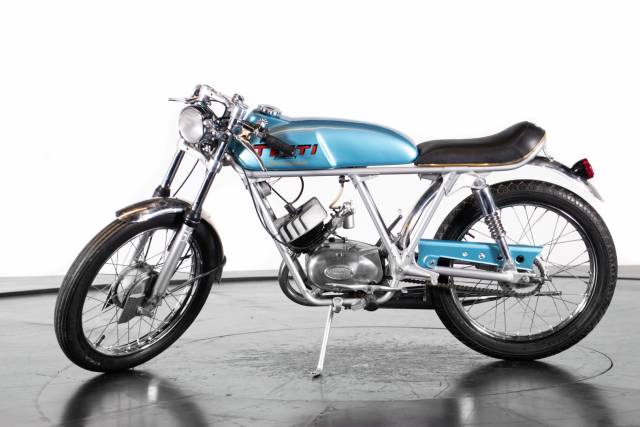
1970 | Testi Champion
-
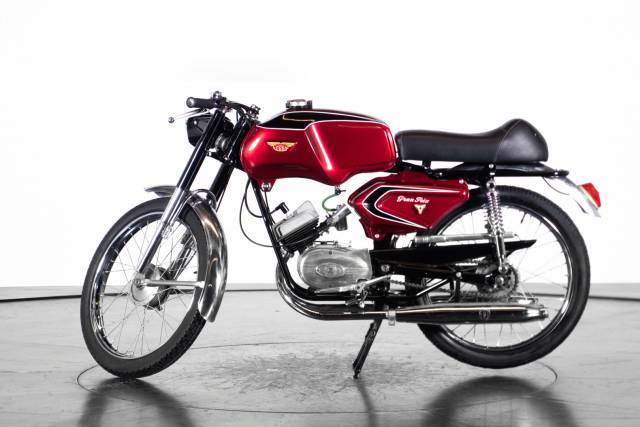
1971 | Testi Grand Prix
-
Create search alert
Let yourself be notified as soon as a listing is published that matches your search filters.
History
Testi is one of those Italian makes that never chased mass-market volume. Instead, it built a reputation on compact, clever machines with a sporty edge and a very clear sense of identity. For Australian buyers, that matters because Testi sits in a niche that is already narrow at home in Italy, then becomes thinner still once you cross into the Australian market.
The company traces back to Bologna, where Umberto Testi began with bicycles before moving into motorised lightweights after the war. Like many Italian makers of the era, Testi grew by responding to a new demand: affordable transport, modest running costs, and enough style to feel special. By the 1950s and 1960s, the firm had established itself as a maker of small-capacity motorcycles and mopeds with real visual flair.
The best-known Testi nameplates reflect that progression. Early lightweights introduced the brand’s mechanical foundation, while later machines such as the Trail King, Champion, Champion Lusso, Champion Veloce, Carabo, Week End, and Amico showed how far a small Italian manufacturer could push the segment. Some models leaned toward road use, others toward trail riding or youth mobility, but all shared the same core idea: compact engineering with personality.
That personality is part of why Testi still attracts collectors. It is not just another Italian moped badge; it is a brand with an unusually broad spread of designs for such a small maker. On a make page like this, that diversity is the point. Buyers may arrive looking for one machine, but they usually end up considering several: a sporting Champion, a more practical Trail King, an off-road-flavoured Carabo, or a rarer late-1970s special with the sort of bodywork that only a niche Italian firm would have dared to build.
For Australians, the story is even sharper. Testi was never common here, and it remained a curiosity rather than a mainstream classic. That scarcity makes every surviving example feel more like a discovered object than a routine purchase.
Highlights
What makes Testi stand out is not one single breakthrough, but the way the brand blended engineering, styling, and intent. The result was a family of machines that felt more ambitious than their capacity figures suggested.
The Champion is often the first model serious collectors mention. It became the brand’s visual signature: a small motorcycle with a sporty stance, a crisp tank shape, and a profile that looked designed rather than simply assembled. Later versions sharpened that look further, with the Champion Lusso adding more equipment and the Champion Veloce moving into more advanced suspension and lightweight bodywork.
The Trail King is another key name. It gave Testi a foothold in the light trail and adventure space long before that became a mainstream collecting theme. In a market like Australia, where trail and bush-capable classics have a natural audience, the model makes immediate sense. It is small, yes, but it taps into a very familiar local taste: lightweight bikes that can handle dirt roads, farm tracks, and weekend exploring.
Then there is the Carabo, which shows Testi’s willingness to blur categories. It is more purposeful and more rugged, and it suits buyers who like the visual honesty of a machine that looks ready to work. The Week End and Amico broaden the picture again, proving that Testi was not locked into one format. That variety helps on a make page, because it signals to collectors that the brand has depth rather than a single celebrated model.
For Australian enthusiasts, the appeal is doubled by rarity. Italian vintage bikes already have a passionate but small collector base here. That means a Testi does not have to be a trophy bike to be interesting; it only has to be authentic, complete, and presentable. A bike with correct trim, good mechanical originality, and its hard-to-find model-specific pieces intact will usually stand above a cosmetically tidy but incomplete example.
Classic Trader’s current Australian market picture reflects that rarity well. There is one Testi listing on Classic Trader AU, a 1966 Testi Sprint 50 at A$6,084. That single listing matters because it shows how limited the AU supply is: when a Testi appears, it is immediately an event rather than just another option.
Technical Data
Testi built a wide range of lightweight machines, so the technical picture depends heavily on model and year. The table below gives a practical overview of representative Testi variants that matter most to collectors.
For buyers, the main takeaway is simple: most Testi models rely on the widely used Minarelli small-capacity engine families, which is helpful, but not enough to make the bikes easy to restore. Generic engine parts can still be sourced, yet Testi-specific trim, bodywork, badges, tanks, and cycle parts are another matter.
That distinction matters a lot in Australia. A worn carburettor jet or a clutch component is annoying; a missing Testi tank panel or cracked special bodywork is much harder. Even when a usable part exists in Italy, the landed cost in Australia can quickly become serious once freight, handling, duties, and GST are added.
Market Overview
The Testi market is driven by scarcity, originality, and exportability. In Europe, the brand sits in the “known but niche” category. In Australia, it moves closer to “found if you are lucky”. That means the market is not shaped by broad supply, but by isolated examples and the willingness of collectors to pay for completeness.
The strongest local reference point is the current A$6,084 Classic Trader AU listing for a 1966 Testi Sprint 50. For a rare Italian lightweight, that is a useful anchor because it places the make firmly in the collector-branded classic space rather than the cheap-restoration-project bin. It also suggests that buyers in Australia are already paying a premium for the chance to own one without having to import it themselves.
Looking beyond Australia, recent market signals help frame value. Classic Trader’s overseas Testi references have shown smaller machines such as the Trail King, Cricket 50, and Amico at relatively modest euro or pound prices in past listings, while better-known sporting examples such as the Champion have carried more weight. In Australian dollars, rough conversions put those past references in the following practical brackets:
- Testi Trail King at about £1,132 ≈ A$2,200
- Testi Champion at about £2,524 ≈ A$4,900
- Testi Sprint 50 at about £6,790 ≈ A$13,100
- H&H estimate for a 1960 Testi Sport 50cc at £2,000-£2,500 ≈ A$3,900-A$4,850
- H&H listing for a 1956 Testi B1 Van at a different low-volume segment, useful as a reminder that Testi values vary widely by type and completeness
These are not identical models, of course, but they show the shape of the market: commonality is low, and the price jump from a project to a tidy, complete bike can be meaningful. In Australia, that gap tends to widen because shipping and sourcing costs are so visible.
Collector demand is also shaped by taste. Italian vintage bikes have a passionate but small audience here, and that is exactly why Testi can work. The audience is smaller than for British or Japanese classics, but it is committed. People who buy Italian lightweights in Australia often value the same things: character, period colour, mechanical honesty, and the satisfaction of owning something few others have seen in the metal.
The practical buying advice is therefore different from mainstream classics. A Testi in Australia is not just about purchase price. It is about the total path to ownership: freight, parts, registration, paperwork, and long-term support. A machine priced at A$4,000 can easily become an A$8,000 or A$10,000 proposition once missing items have to be flown in from Europe.
That is why complete bikes are so important. A correct machine with original fasteners, intact bodywork, proper badges, and the right engine specification can save thousands. A partially dismantled example may look tempting, but a missing front end or model-specific trim can trap a buyer in an expensive parts hunt.
Performance
A Testi rarely wins a sale by numbers alone. These are small-displacement machines, and the performance story is more about response than outright speed. A healthy Minarelli-powered Testi feels eager, light, and neatly geared for urban use or relaxed back-road riding. The best examples have the sort of lively throttle response that makes a small bike feel animated without becoming strained.
On the road, the appeal is in the way the bike communicates. A Testi is narrow, compact, and visually clean, so it makes you feel connected to the machine rather than perched on top of it. Sporting models such as the Champion family carry a more purposeful attitude; trail-oriented versions feel a touch more relaxed and practical. Neither approach is about power surplus. Both are about charm with intent.
In Australia, that low-weight, low-speed character is actually useful. A Testi suits short rides, club events, local shows, and gentle Sunday use better than long-distance touring. It is the sort of classic that can be enjoyed without pretending to be modern. That honesty is part of the draw.
The challenge is condition. A weak engine, tired electrics, or old rubber components will blunt the experience quickly. Buyers should listen for crisp starting, clean idle, and smooth gear selection. If the bike feels hesitant or the gearbox is vague, restoration costs can rise fast. On small Italian classics, making a machine “right” is often more expensive than making it merely run.
For a buyer in Australia, there is also the question of parts lead time. If you need a gasket set or a piston from Italy, the bike may sit for weeks while freight moves. That delays enjoyment and adds cost. A good Testi should therefore be evaluated not only as a ride but as a parts ecosystem. The more complete the bike, the better the ownership experience.
Design
Testi design is one of the brand’s strongest selling points. Even the simplest models tend to look considered, with tanks, seats, and side panels that create a coherent silhouette. There is a real Italian confidence in the way these bikes present themselves: light, neat, and just a little more expressive than necessary.
The Champion family shows this best. It has a compact sport-bike stance, a sharp tank profile, and a trim tail section that gives the bike a visual flick even when it is standing still. The later Lusso and Veloce variants add equipment and surface interest without losing that original lightness. For collectors, this matters because design is part of value. A Testi that still has its correct form is much more desirable than one that has been flattened by over-restoration or modified beyond recognition.
The Trail King and Carabo follow a different design logic. They are less about speed styling and more about utility with flair. Raised stance, practical proportions, and off-road cues give them a tougher face. That makes them especially attractive to Australian buyers, because the country has a long-standing appreciation for lightweight trail machines that can handle rougher country roads and weekend use.
The late-1970s machines also show how Testi adapted to changing tastes. More bodywork, more equipment, and more technical ambition created bikes that looked modern in their day and still feel distinctive now. That is useful for a collector page because it demonstrates range: Testi is not a one-trick brand. It is a family of designs that chart the evolution of Italian lightweight thinking.
Australian buyers should pay close attention to originality. Rare paint tones, correct decals, factory trim, and uncut bodywork are major pluses. Because Testi is so uncommon here, a bike does not need to be perfect to attract interest, but it does need to look like itself. The moment a machine loses its identity, the value proposition weakens.
Other
The Australian context is where a Testi purchase becomes truly practical rather than romantic. Freight is the first reality check. Parts and accessories coming from Italy are rarely cheap, and the economics are brutal on small items. A gasket, badge set, or side cover might be inexpensive in euro terms, but once international shipping is added the cost can feel disproportionate.
That is why owners often group orders, wait for multiple items, or build relationships with Italian specialists. If a part can be packed with other components, the per-item freight burden drops. If not, shipping can become a deciding factor. For Australian buyers, this is not theoretical. It is the difference between a manageable project and a stalled one.
The support network is still meaningful, though. Australia has a real community for older Italian motorcycles, even if it is not huge. Groups such as the Classic Italian Motorcycle Association of Australia (CIMAA) exist precisely because owners of older Italian bikes and scooters need shared knowledge, parts leads, and event access. That community matters for Testi because rare brands survive better when there is an informed audience around them.
There is also a wider classic-bike scene in Australia that values European lightweights, especially machines with club provenance and festival visibility. Even if a Testi is unusual at a local meet, it is exactly the kind of machine that starts conversations. That social value should not be dismissed. Rare classics often hold their appeal because they are interesting to own, not because they are easy to explain.
For buyers, the main practical checklist is straightforward:
- Buy complete if possible: missing model-specific parts hurt more than cosmetic wear.
- Check the engine family: Minarelli parts are useful, but not a cure-all.
- Inspect electrics and wiring: old loom issues are common and time-consuming.
- Assess originality carefully: correct trim can save serious money.
- Plan for freight: Europe-to-Australia parts shipping is part of the ownership cost.
That last point is especially important. In Europe, a rare Testi can be repaired by leaning on a denser supply of specialists and spares. In Australia, the same repair often depends on patience and shipping budgets. So the best Testi to buy is usually the one that needs the least intervention, even if its purchase price is higher.
Summary
Testi is a deeply appealing make for the right Australian buyer: rare, Italian, compact, and full of character. It offers exactly what many collectors want from a niche classic — a strong identity, a recognisable design language, and enough mechanical familiarity to be maintainable, but not enough commonness to feel ordinary.
In Australia, rarity amplifies everything. The current A$6,084 Classic Trader AU listing for a 1966 Testi Sprint 50 shows that the market already places value on these bikes. At the same time, overseas auction and listing references show that condition, completeness, and model desirability can move prices a lot. Once freight from Italy is added, a bargain can disappear quickly.
That is why a good Testi is the one to chase: original, complete, and properly documented. If you find one, you are not just buying a small Italian motorcycle. You are buying a scarce piece of design history with a real collector following, a practical support challenge, and a very distinct place in the Australian classic-bike landscape.
Discover now the current Testi offers on Classic Trader and buy the example that fits your collection.