- Motorcycle
- Triton (0 offers)
Buy Triton Motorcycle
The Triton is the classic British hybrid: a Triumph twin in a Norton Featherbed frame, built for speed, style, and individuality. For buyers in Australia, it is a rare, deeply characterful machine with real history and real riding reward.
Search results
Currently, there are no matching listings for your search.
Create search alert
Let yourself be notified as soon as a listing is published that matches your search filters.
Triton listing references from Classic Trader
Below you will find listings related to your search that are no longer available on Classic Trader. Use this information to gain insight into availability, value trends, and current pricing for a "Triton" to make a more informed purchasing decision.
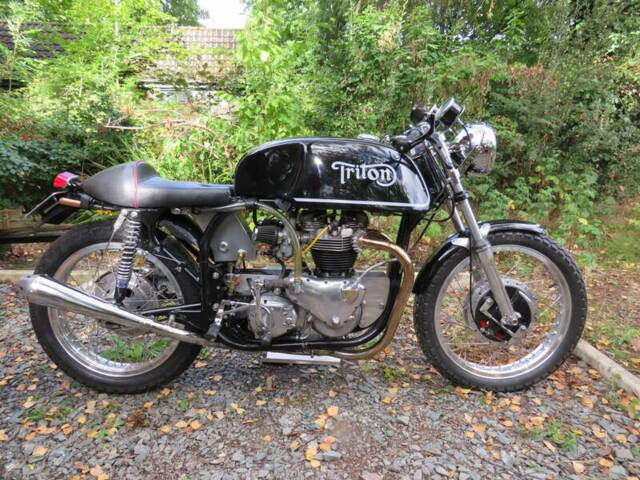
1970 | Triton 650
1970 Norton Triton 648cc
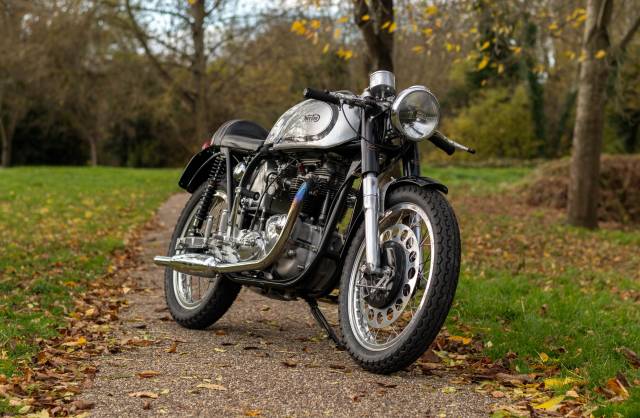
1979 | Triton 650
Fabled Featherbed Frame - Stunning Recreation
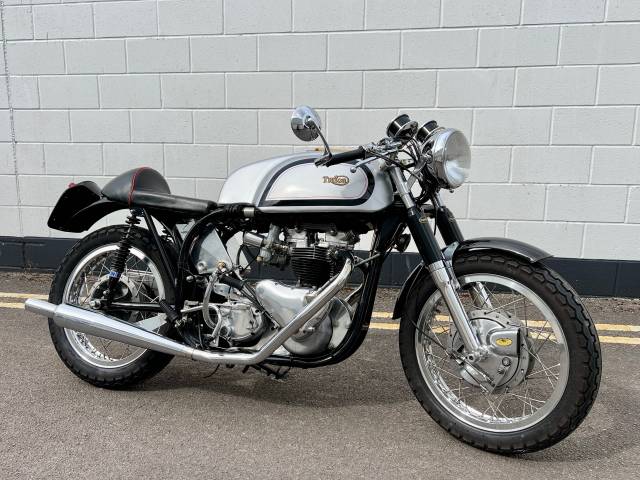
1960 | Triton 650
Triton Cafe Racer 650cc 1960
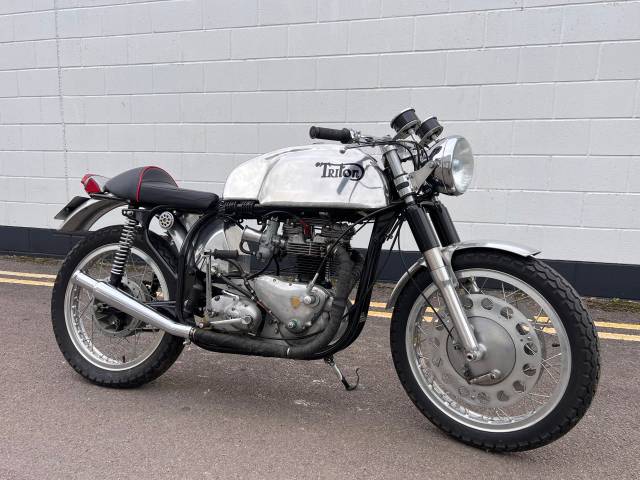
1961 | Triton 650
Triton Cafe Racer 650cc 1961
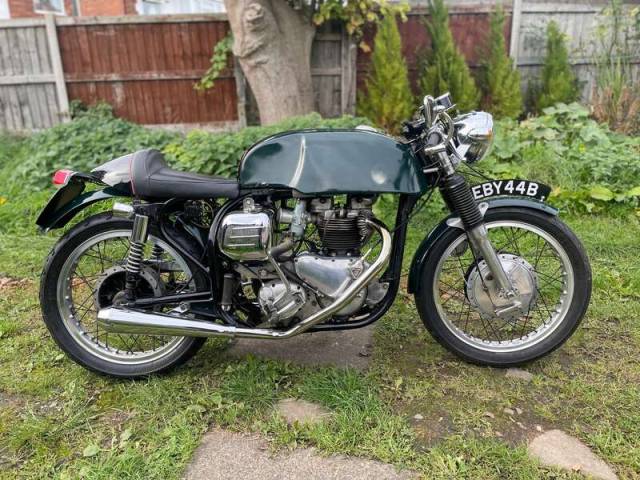
1964 | Triton 650
1964 Norton 'Triton' 650cc
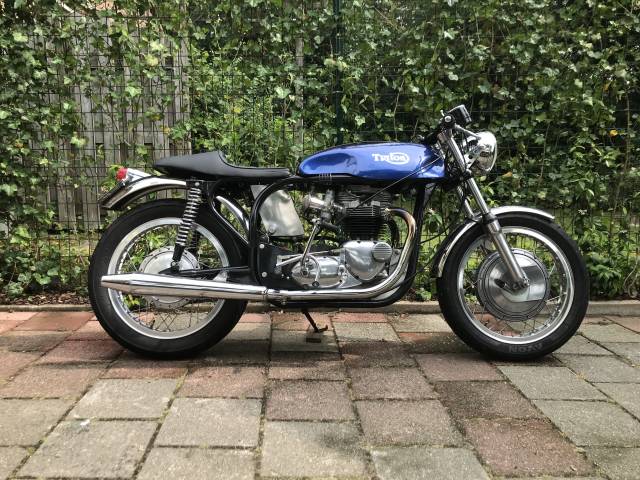
1970 | Triton 750
The Real Thing

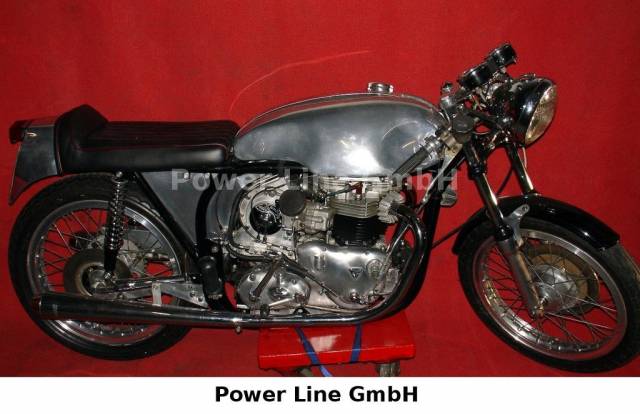
1973 | Triton 750
Norton Manx-Rahmen und Kompressoraufladung

Create search alert
Let yourself be notified as soon as a listing is published that matches your search filters.
History
The Triton is one of those classic motorbike ideas that became bigger than the sum of its parts. It began as a practical British hybrid in the 1950s: the best Triumph parallel-twin engine, placed into the celebrated Norton Featherbed frame. The result was a motorcycle that blended straight-line punch with remarkably sharp handling, and that combination quickly made the Triton a favourite among racers, club riders, and café-racer builders.
To understand the Triton, you have to understand what was wrong with many standard British motorcycles of the period. Triumph built lively, charismatic engines, but its frames were often criticised for their high-speed stability. Norton, by contrast, had developed the Featherbed frame into a benchmark for road and race handling. So the logic was simple: take Triumph power and Norton poise, then build something better than the factory could offer on its own.
The Featherbed frame itself is central to the story. Introduced in the 1950s, it became famous for its balance, rigidity and confidence-inspiring steering. Tritons were usually built on either the Wideline Featherbed frame, used from 1957 to 1961, or the Slimline version, introduced in 1961 and built through 1971. The Wideline is broader around the tank and seat area, while the Slimline is narrower and often better suited to unit-construction Triumph engines. Both have become part of the Triton’s identity, and the choice between them often tells you something about the builder’s intent and the engine used.
Although individual Tritons were being assembled by enthusiasts throughout the 1950s, the concept became widely known through Dave Degens and Dresda Autos in Putney, London. Degens was not just a talented builder; he was also a racer with a sharp sense for what worked on the road and on track. His success in the Barcelona 24-hour race, which he won in 1965 and again in 1970, gave the Triton even greater credibility. That racing pedigree helped turn a private hybrid solution into a recognised classic with real cultural weight.
The Triton was never a factory model, and that is part of its appeal. Each machine was assembled from parts, skill, taste and opportunity. Some were clean road bikes. Others were stripped café racers. Some were built for club racing or endurance events. All of them reflected an owner’s priorities. Today, that individuality is one reason collectors are drawn to the Triton category: no two listings are exactly the same, and provenance matters just as much as performance.
In Australia, the Triton has long enjoyed a strong reputation among British-bike enthusiasts. Many examples were imported from the UK, especially during periods when the local market had fewer specialist machines on offer. That has created a useful but sometimes complicated supply of bikes here: some are beautifully documented, some are old builds with patchy paperwork, and some have been re-registered more than once over their lives. For Australian buyers, the Triton is as much about history and documentation as it is about riding feel.
Highlights
What makes a Triton so sought after is not just the name. It is the way the package works. A well-built Triton feels purposeful, mechanical, and alive in a way that many mass-produced classics cannot match.
The biggest highlight is the engine-frame combination. Triumph’s twin-cylinder engines give the bike its character, while the Norton Featherbed frame gives it precision. The result is a motorcycle that can feel nimble and robust at the same time. That is exactly why the Triton became such a favourite for café-racer culture: it looked right, rode well, and could be tuned to suit the owner’s ambitions.
Common engine choices include the Triumph T100 500cc, the 6T Thunderbird 650cc, the T120 Bonneville 649cc, and later the T140 750cc. Among these, the T120 Bonneville is one of the most desirable bases. With its 71 x 82 mm bore and stroke, twin Amal carburettors, and output in the region of 46-56 bhp, it offers the strongest balance of classic feel and usable performance. In a lightweight Triton chassis, that makes for a very lively machine.
Another key attraction is the weight. At around 160 kg, a well-sorted Triton feels light by classic motorbike standards. That low mass, combined with the Featherbed’s famous stability, gives the bike a distinctive riding personality: quick to respond, confident mid-corner, and composed when the road opens up.
For collectors, the Triton also stands out because it is both recognisable and personal. The silhouette is classic British café racer, but the details vary widely: tank shape, seat line, rearsets, exhaust routing, instrument choice, and finish all depend on the builder. That means a Triton can be judged not only on authenticity, but also on craftsmanship.
The market also rewards documented names. A Triton associated with Dresda Autos, Dave Degens, or a known period build will usually attract more attention than an anonymous home-built example. In Australia, where import history can be mixed and older paperwork may be incomplete, clear documentation is a major part of the bike’s appeal.
Technical Data
Because the Triton was never a production motorcycle, specifications vary from one build to the next. The table below shows the most common and most relevant technical combinations seen in the market.
The T120 Bonneville is often the benchmark Triton engine. It gives the bike the right blend of torque, revs and period authenticity. The 6T Thunderbird is less aggressive, but still attractive for riders who want smooth road manners. The T100 500cc suits lighter, more agile builds and can be a smart choice for riders who value balance over outright pace. The T140 750cc brings later-unit refinement and more capacity, though it is less period-pure in the eyes of some collectors.
For Australian buyers, specification should be checked carefully against the registration papers, club-history documents and engine numbers. Many Tritons were built from mixed-source parts, and that is not automatically a problem. What matters is whether the build is honest, stable, and properly described.
Market Overview
The Triton market is small, specialist and highly condition-driven. Pricing varies enormously depending on whether the bike is a project, a usable rider, a fully restored show machine, or a period-documented build with a known history.
As a practical guide, current Australian asking prices tend to sit roughly in these bands:
- Project bikes / incomplete builds: A$6,000-8,000
- Nice riders / well-sorted usable examples: A$12,000-18,000
- Show-quality or highly documented bikes: A$20,000+
That range makes the Triton accessible at the lower end, but it also rewards serious provenance at the top end. A bike with correct period parts, tidy cosmetics and known ownership history will usually command a premium. A rougher machine with no paperwork can still be attractive, but the buyer must budget for sourcing parts and sorting the details.
For buyers in Australia, parts shipping costs from the UK are a major factor. Many Triton components are still sourced from British specialists such as Norvil, Draganfly and RGM Norton, and international freight can add up quickly. That is especially true for heavy items like exhaust systems, frame parts, wheels, hub assemblies, tanks and engine internals. A bike that looks cheap on purchase can become expensive once you begin importing missing parts one by one.
This is why local due diligence matters. Australia has a smaller Triton ecosystem than the UK, so buyers often rely on a mix of local Triumph and Norton clubs, marque registers, and specialist mechanics. Those networks are important for confirming numbers, identifying non-standard parts, and finding people who understand the bike’s quirks.
Another point is historic registration. Rules differ by state, and buyers should check the requirements for club registration, logbooks, inspections and modified vehicles before committing. A Triton that is easy to register in one state may need more work in another, particularly if the machine is heavily customised or built from multiple donor parts.
The best Australian Triton purchases usually share a few traits: clear provenance, sensible engineering, matching or period-correct components, and a seller who can explain the build without evasiveness. If the story feels too vague, assume more cost ahead.
What to look for before you buy
- Frame identity: confirm whether it is a Wideline or Slimline Featherbed frame.
- Engine numbers: check the Triumph engine code and whether it fits the claimed year.
- Build quality: look closely at brackets, mounts, welds and alignment.
- Paper trail: Australian imports often need stronger documentation than locally delivered bikes.
- Parts completeness: missing exhausts, controls or correct oil tank hardware can be costly to replace.
- Registration status: verify whether it is currently registered, on club rego, or sold as an unregistered project.
For many buyers, the Triton sits in a sweet spot: rare enough to feel special, but not so rare that it becomes impossible to maintain. Still, the market rewards patience. The best bikes tend to be bought by enthusiasts who understand what they are looking at, not by impulse buyers chasing a look.
Performance
A Triton is not modern-fast, but it can feel astonishingly alive. The riding experience is defined by mechanical clarity. The engine does not isolate the rider from the road; it shares everything with them.
The Triumph twin is the heart of that experience. In a good 650cc or 750cc build, the motor pulls strongly from low revs, then comes on song with a hard-edged, rhythmic surge that suits open roads and fast back-road riding. The Bonneville 649cc engine is particularly appealing because it combines classic sound with enough performance to make the chassis feel fully engaged.
With a dry weight around 160 kg, the Triton can change direction quickly. It rewards committed steering, smooth inputs and good road reading. The Featherbed frame still deserves its reputation: it tracks cleanly, feels stable at speed, and gives the rider confidence that is easy to appreciate once the road gets twisty.
Top speed is typically around 185 km/h, depending on engine state, gearing, tune and aerodynamics. But speed is only part of the story. A Triton is about response, balance and feel. The engine pulse, the vibration through the bars, the way the chassis settles into a curve — these are the things that make the bike memorable.
That said, buyers should be honest about the riding posture. A Triton is usually set up with clip-on handlebars, rear-set footrests and a narrow seat. It can feel cramped compared with a standard roadster. At city speeds or in traffic, the riding position is committed rather than relaxed. On an open road, though, that same posture gives the bike its classic café-racer intent.
Braking is another period characteristic. Many Tritons use drum brakes, which can work well when properly set up, but they require more planning than modern disc systems. A good Triton rider learns to ride the brakes early, carry momentum and keep the bike settled.
For Australian conditions, that matters. Long distances, heat, variable road surfaces and occasional corrugations can expose poor setup quickly. A Triton that is properly tuned, correctly jetted and mechanically tight can feel superb. A tired one will feel noisy, vague and expensive.
Design
The Triton’s design language is pure function, but the result is visually elegant. It is one of the most recognisable forms in British motorcycling because every line seems to have a reason.
The Featherbed frame creates the signature stance. Its double-cradle structure gives the motorcycle a tidy, muscular profile without excess bulk. Into that, builders usually place a slim alloy fuel tank, a short single seat, exposed engine cases, polished metalwork and minimalist lighting. The finished bike often looks lean, almost athletic, as if every unnecessary gram had been removed.
Because the Triton was built by individuals and small workshops, the styling varies, but certain cues recur again and again. Low bars, rear-set pegs, twin leading shoe front brakes on some builds, megaphone exhausts, and classic spoked wheels are all part of the visual grammar. The look is not about decoration. It is about intent.
This is also why the Triton has such lasting appeal in custom culture. It is a template for the idealised British performance motorcycle. Even modern builders who use Triumph engines in Featherbed-style frames are still working within the Triton idea. That idea has aged well because it is simple, readable and deeply practical.
In Australia, where many buyers appreciate honest engineering and usable classics, the Triton’s design speaks strongly. It is both a collector’s item and a rider’s machine. Park it anywhere and it looks right; ride it hard and it still feels right.
The best examples are usually visually coherent. The tank line matches the seat line, the engine sits properly in the frame, the exhausts do not look improvised, and the finish is consistent. A Triton with mismatched components can still be interesting, but the cleanest bikes usually have the strongest presence.
Other
The Triton’s influence extended beyond one machine. It became a blueprint for the whole British special scene, and that is part of what keeps it relevant today.
One reason the Triton became such a respected concept was the strength of the British club-racing and café-racer culture around it. Riders wanted something that looked sharp outside the café and worked properly on the road or track. The Triton did both. It was fast enough to matter, handsome enough to show, and individual enough to feel personal.
There is also real racing credibility behind the name. Dave Degens did not just build pretty specials; he proved the concept under pressure. His Barcelona 24-hour wins in 1965 and 1970 showed that a well-prepared Triton-type machine could compete with serious opposition. That matters to collectors because it separates the Triton from mere styling exercises.
Australian interest has been sustained by local British-bike circles, including Triumph and Norton clubs, historic-racing groups and marque specialists. For buyers, these communities are valuable not only for advice, but also for parts sourcing, inspection help and provenance checks. In a market where imported machines can have incomplete histories, that support is worth a lot.
The Triton also sits in the same wider hybrid tradition as machines like the Tribsa and Norvin. That lineage shows how important the idea was: take the best engine, put it in the best chassis, and build the motorcycle that the factory never quite made.
Summary
The Triton remains one of the most desirable classic motorbike hybrids ever built. It combines Triumph engine character with Norton Featherbed handling, and that formula has aged remarkably well. For collectors, it offers rarity, history and strong visual appeal. For riders, it offers a light, direct and engaging experience that still feels special today.
If you are looking to buy Triton motorcycle listings in Australia, focus first on the frame type, engine identity, build quality and paperwork. Then think about the practicalities: condition, registration, and the cost of shipping parts from the UK. Those import costs can materially change the total ownership budget, especially on project bikes.
The market is broad enough to suit different buyers. A project at A$6,000-8,000 may appeal to a hands-on restorer. A tidy rider at A$12,000-18,000 may suit someone who wants the experience without a full rebuild. A documented, show-quality example at A$20,000+ is the territory for serious collectors.
Above all, a Triton should feel honest. The best ones are not just motorcycles with a famous name; they are carefully assembled expressions of a period when enthusiasts built faster, better bikes from the best available parts. That spirit is exactly why the Triton still matters — and why it continues to attract buyers who want something rare, beautiful and genuinely rewarding.