- Motorcycle
- Hercules (0 offers)
Buy Hercules Motorcycles
Hercules motorcycles are rare, clever and unmistakably German, with the W 2000 standing out as one of the most unusual collector bikes ever built. In Australia, surviving examples are scarce, parts often come from Europe, and careful buyers need to budget for shipping, customs and restoration before they bid.
Search results
Currently, there are no matching listings for your search.
Create search alert
Let yourself be notified as soon as a listing is published that matches your search filters.
Create listing
Do you have a Hercules that you want to sell? Then create a listing now.
Create listingHercules listing references from Classic Trader
Below you will find listings related to your search that are no longer available on Classic Trader. Use this information to gain insight into availability, value trends, and current pricing for a "Hercules" to make a more informed purchasing decision.
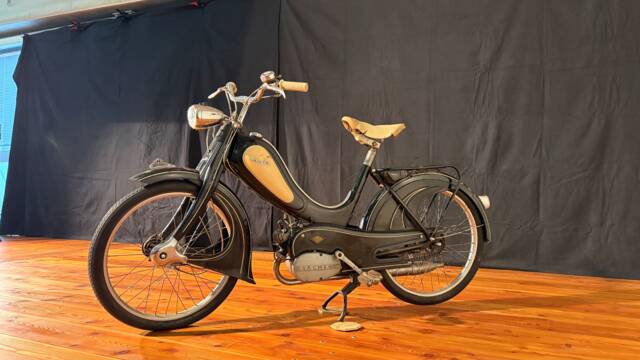
1963 | Hercules 221
Lightweight motorcycle from the early 1960s

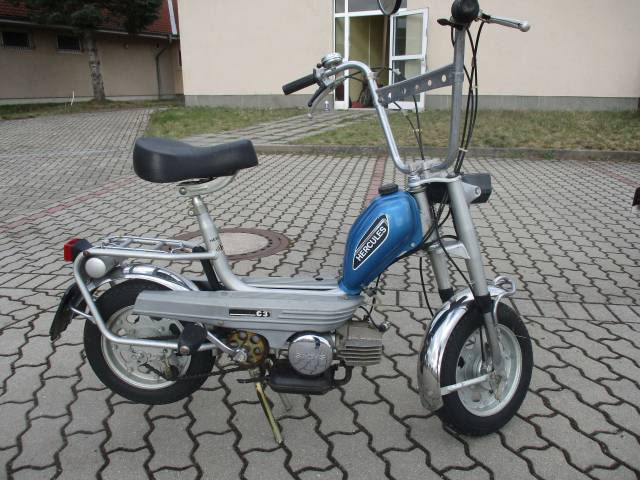
1979 | Hercules C3
Herkules C3 Modell 508 S

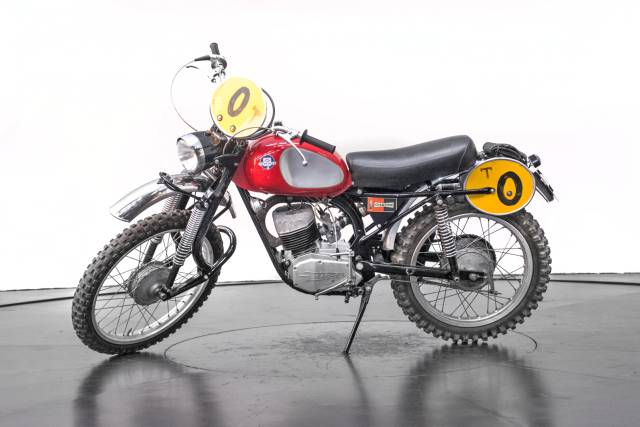
1969 | Hercules GS 125
-

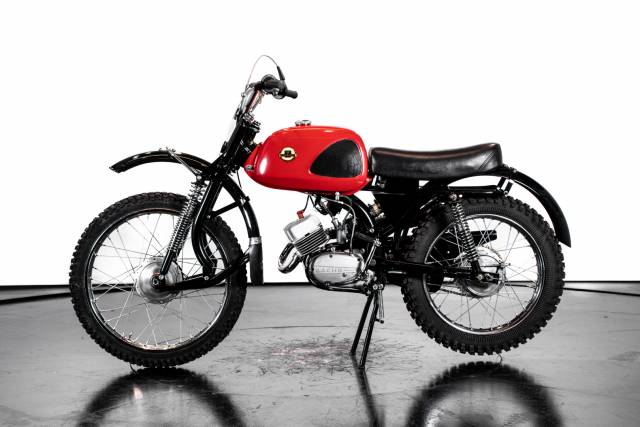
1967 | Hercules K 80 GS
-
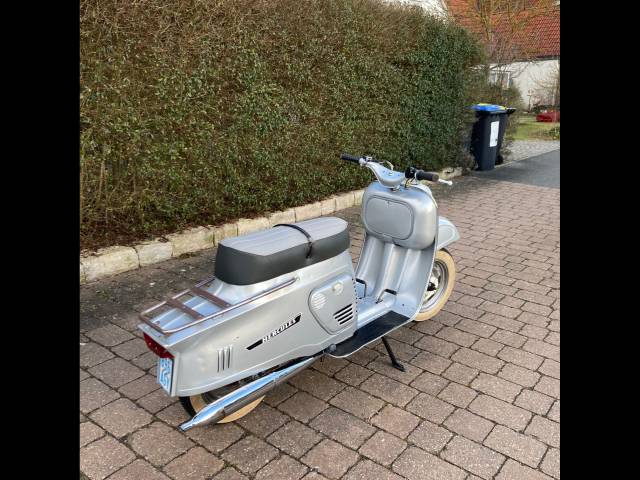
1967 | Hercules Roller 50 S
Oldtimer Scooter Hercules 50 NHW-M
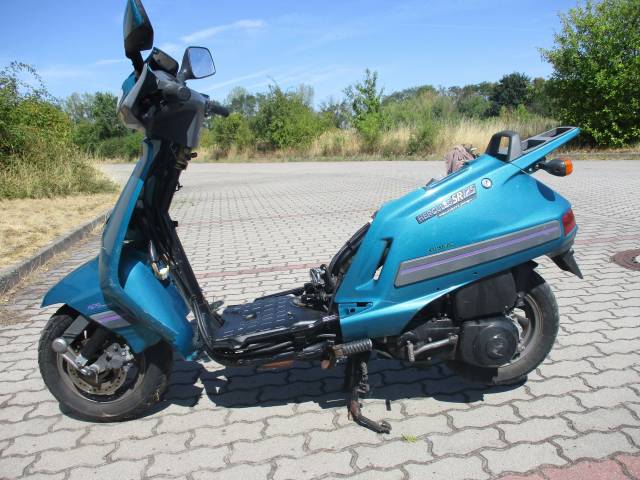
1995 | Hercules SR 125
Peugeot Herkules F 121
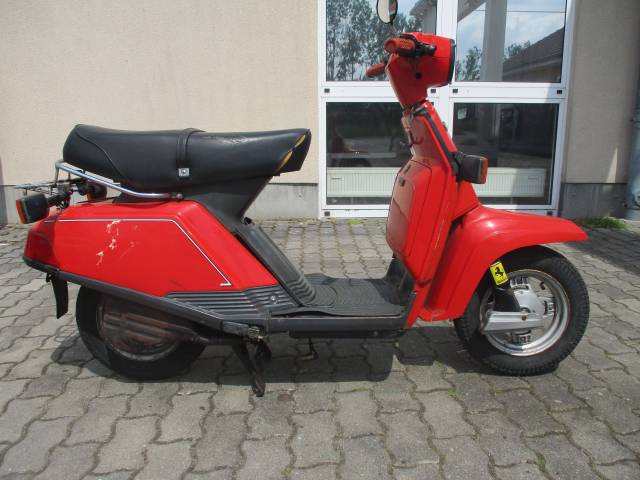
1983 | Hercules Roller 50 S
Hercules City CV
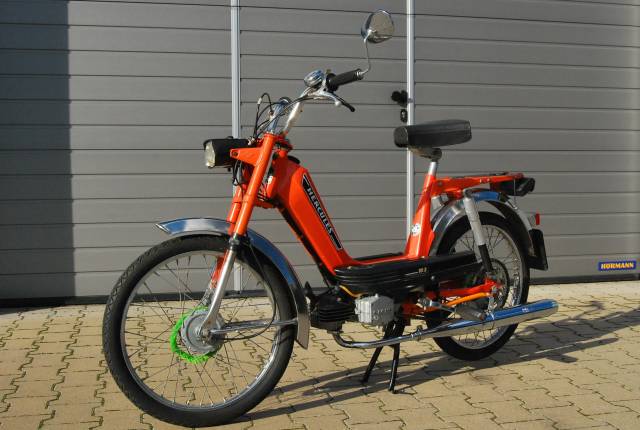
1976 | Hercules MK 2
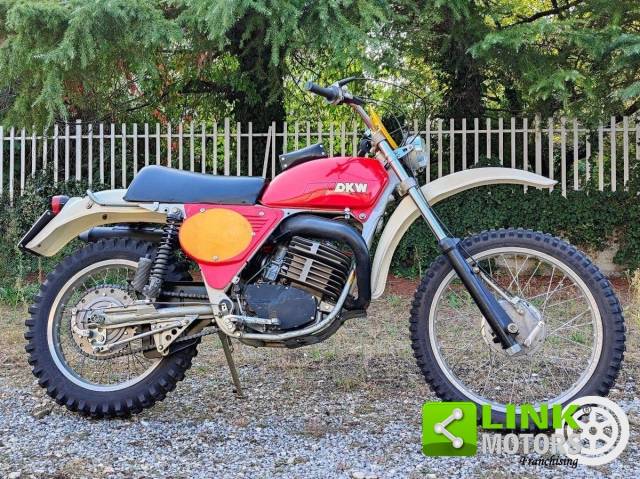
1976 | Hercules GS 250
Hercules - DKW 250 Gs 7V Regolarità
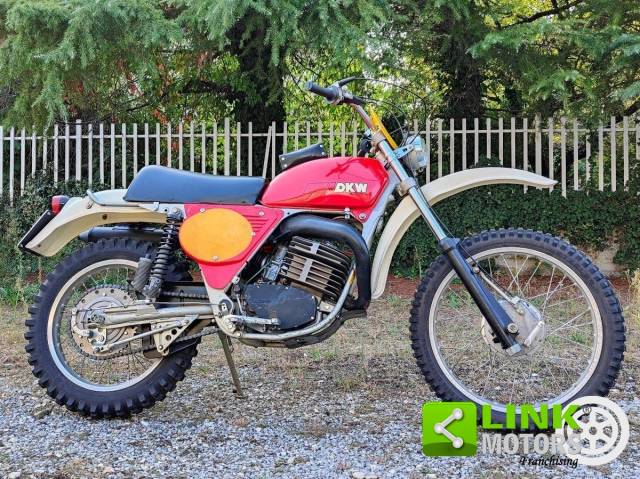
1976 | Hercules GS 250
Hercules - DKW 250 Gs 7V Regolarità
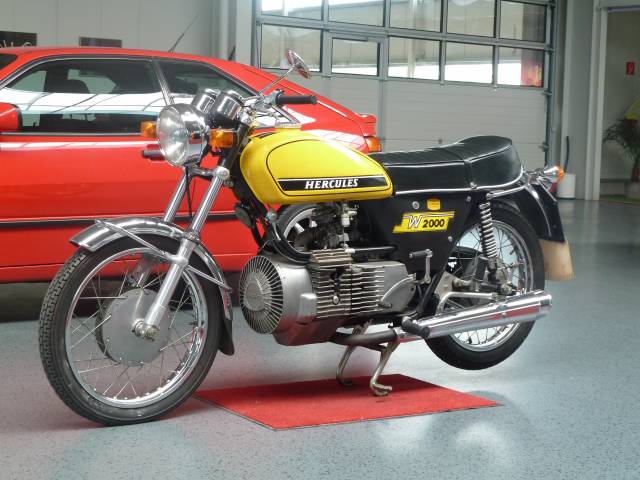
1978 | Hercules W 2000
Unrestaurierte Hercules W2000
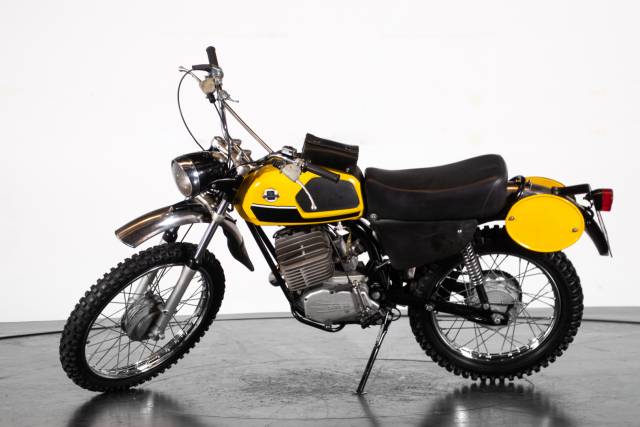
1971 | Hercules GS 125
-
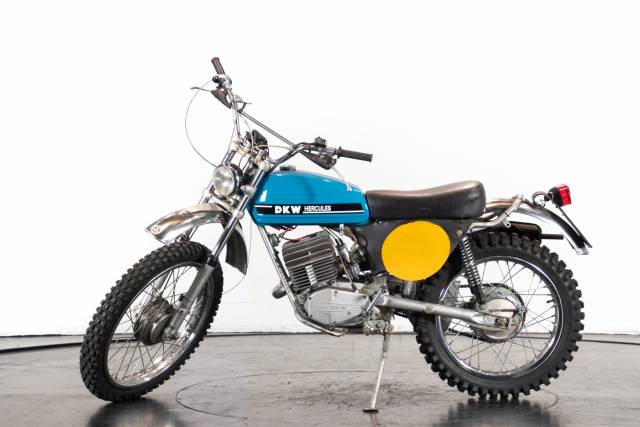
1973 | Hercules GS 125
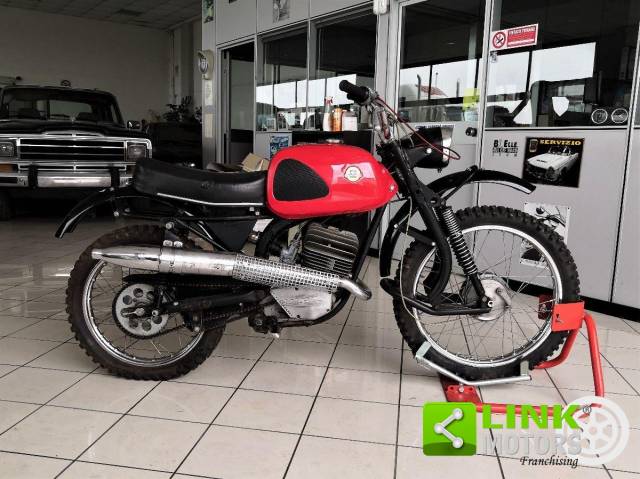
1969 | Hercules GS 125
Hercules GS 125
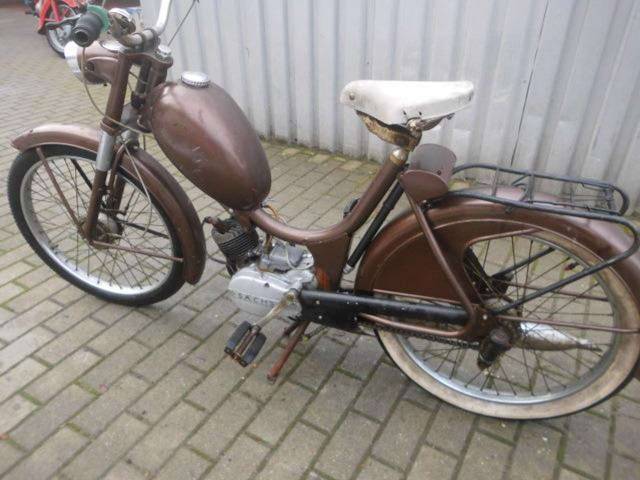
1966 | Hercules Roller 50 S
Hercules 221 T
Create search alert
Let yourself be notified as soon as a listing is published that matches your search filters.
Create listing
Do you have a Hercules that you want to sell? Then create a listing now.
Create listingHistory of Hercules Motorcycles
Hercules is one of those motorcycle names that rewards the informed buyer. The brand began in Nürnberg in the late 19th century, first as a bicycle maker and later as a builder of mopeds, light motorcycles and technical oddities that left a lasting mark on collector history. For Australian enthusiasts, Hercules matters because it sits at the meeting point of everyday German engineering, motorsport curiosity and genuine scarcity. That mix makes the brand more interesting here than in its home market, where the surviving pool is still wider and the spare-parts scene is more mature.
The company’s motorcycle story is closely tied to the Sachs engine empire. That connection gave Hercules an advantage in the post-war years: simple, robust, compact two-stroke powerplants, a sensible chassis philosophy and a model range that could cover commuters, trail riders and military buyers without becoming bloated. In collector terms, that gives Hercules a strong identity. A K 100 or K 125 T is not merely an old bike; it is a snapshot of West German industrial design when durability and parts commonality mattered more than fashion.
For Australia, the real headline is rarity. Hercules was never a mass-market Australian brand, and many local riders have never seen one in the flesh. The W 2000 was imported in very small numbers, which gives it a near-unicorn status on this side of the world. That matters for value, because collector demand in Australia is often driven by what is actually available locally rather than by the European auction average. A bike that is common in Germany can still feel exotic in Sydney, Melbourne, Brisbane or Perth.
Hercules also has a strong military and competition story. The K 125 Military is the best-known utilitarian model, while the GS-series links the brand to enduro and off-road competition. Those two strands help explain why Hercules appeals to two very different Australian audiences: one group wants originality and history; the other wants a lightweight, mechanically honest rider’s bike with enough charm to stand out at any classic meet.
The brand’s final chapter is equally important. By the 1970s and 1980s Hercules was building a reputation on technical distinctiveness rather than size. That culminated in the Wankel-powered W 2000, a machine that still attracts attention because it solved no ordinary problem in the ordinary way. It is exactly the kind of motorcycle that collectors in Australia love: rare, conversation-starting and hard to replace if you miss one.
Hercules Highlights for Collectors
What makes Hercules worth chasing in the Australian market is the combination of engineering honesty, strong model identity and low local supply. Even the more modest models can be attractive because they are compact, light and easy to display as part of a serious collection. The best-known collector names are:
- W 2000 – the first regular-production Wankel motorcycle. It is the brand’s halo model and the one most likely to draw international interest.
- K 125 Military – the pragmatic workhorse. Military provenance, parts availability and simple mechanics make it popular with riders who want usable history.
- GS-series – the off-road and enduro family. These are the hardest-working Hercules models and often the most visually distinctive.
- K 125 T – one of the most desirable road bikes in the range, with a sportier stance and stronger collector appeal than the basic commuters.
- K 100 – an accessible entry point for buyers who want a classic Hercules without Wankel money.
In Australia, rarity pushes all of these models up the interest ladder. A clean European bike may look fairly priced in euros, but by the time it lands locally, the opportunity cost rises quickly. This is why many Australian collectors buy Hercules bikes for emotional and historical reasons first, and only then think about market logic. They know a good one can take time to find.
The brand’s collector strength also lies in its breadth. Some marques have a single famous model. Hercules has a whole ladder of interesting machines, from small-capacity commuters to military singles and the famously weird Wankel. That gives collectors choice. A new buyer can start with a K 100 or K 125 T, while a seasoned specialist may save up for a W 2000 or a GS homologation-style machine.
Another reason Hercules remains attractive is the enthusiast network. Australian classic-bike riders are well connected through clubs, swap meets and marque-specific groups, and that matters when a bike’s parts supply is narrow. In practice, a good community can be more valuable than a glossy sales brochure. Hercules owners know that detail sourcing, technical knowledge and model-specific experience often determine whether a restoration becomes rewarding or frustrating.
Technical Data
Collector note: The later W 2000 Injection is generally more desirable than the earliest version because the separate oil tank makes ownership easier and signals a more developed specification.
Market Overview & Buying Tips
In Australia, Hercules pricing is shaped by three things: local rarity, restoration cost and import friction. Compared with mainstream British or Japanese classics, there are fewer Australian reference sales, fewer donor bikes and fewer mechanics who know each model intimately. That usually means prices are less transparent, but also that good bikes can hold their value if they are bought carefully.
For a realistic Offers & Prices view, Australian buyers should think in landed cost rather than sticker price. A Hercules listed in Europe at a tempting euro figure can become much less tempting after ocean freight, insurance, quarantine handling, customs paperwork and local compliance. If the bike is over AUD 1,000 in customs value, import charges and GST usually apply at the border. On top of that, complete motorcycles shipped from Europe to Australia often face several thousand dollars in logistics, depending on whether they travel in a shared container or as a dedicated consignment.
That cost structure is especially important for parts. A small box of rare Hercules components may seem cheap until international postage from Europe is added. For a single carburettor, speedometer, exhaust component or Wankel-specific piece, freight can make up a painful share of the total. If you are restoring a bike from scratch, build a separate budget for parts shipping costs from Europe to Australia; many buyers underestimate this by a wide margin.
Here is the practical buyer view by model:
W 2000
This is the collector’s prize, and Australian examples are very scarce. Expect premium pricing for complete, original bikes, especially those with provenance or a correct second-generation setup. In Europe, good bikes commonly trade in the five-figure euro range once condition improves. In Australia, the same machine can command even stronger interest because there are so few local chances to buy one. If you import a W 2000, budget for specialist inspection, carefully packed transport, customs entry charges and higher-than-average parts costs. A missing Wankel-specific component can quickly become expensive.
K 125 Military
This is usually the smartest entry point for Australian buyers. The model is mechanically simpler, parts support is better, and the military look appeals strongly to the historic-vehicle scene. Because the bike is lighter and less complex than a W 2000, restoration risk is lower. A tidy rider can be a much better buy than a weak, incomplete project that needs expensive freight for missing bits.
GS-series
These are underrated in Australia. Off-road classics are harder to source locally, but a good GS has broader appeal than a pure commuter because it looks purposeful and fits the adventurous side of the market. Check for frame damage, botched trail repairs and worn suspension. As with other Hercules models, Europe-to-Australia shipping on trail-specific trim, guards and engine parts can add up fast.
K 125 T
One of the most balanced buys. The K 125 T looks sharp, rides well and has more collector presence than the basic 100 cc machines. It is ideal for someone who wants a usable classic with a little sporting credibility. Look for original bodywork, correct badging and sensible modifications. Because these bikes are not common in Australia, originality helps a lot.
K 100
This is the value play. It is less glamorous, but it often offers the best path into Hercules ownership. A solid K 100 can still deliver the brand experience without the headline restoration burden of a Wankel. For a local buyer, that matters because the supply of restoration specialists and donor parts is limited.
When importing from Europe, also consider customs and duty carefully. Bikes and parts can trigger GST, customs assessment and brokerage fees depending on value and classification. For project bikes, a low purchase price can be misleading once freight, handling and import paperwork are added. The cheapest bike on paper is not always the cheapest bike in your shed.
If you are buying online, ask for engine numbers, frame numbers, close photos of the tank, electrics and fasteners, and a clear breakdown of what is missing. For Hercules, completeness is everything. A correct badge, correct tank cap or original exhaust can be worth more than a fresh coat of paint.
Australia has a healthy classic-bike culture, and that helps Hercules owners. Groups such as the Classic Motorcycle Club of Victoria, the Classic & Enthusiasts Motor Cycle Club of NSW, the Classic Motorcycle Club Inc. of South Australia and the broader club directory scene give buyers a place to verify details, source advice and meet people who have actually restored unusual European machines. That network is especially useful when you need local knowledge before paying international freight.
Performance and Ride Character
Hercules motorcycles are rarely bought for raw speed. They are bought for feel, character and the satisfaction of riding a machine with proper mechanical identity. The brand’s two-stroke singles are generally light, tractable and easy to understand, which is exactly why so many have survived. They reward smooth inputs and basic maintenance rather than aggression.
The K 125 T is probably the best all-round rider’s bike in the range. It feels sprightly for a 125, and the six-speed box gives it more flexibility than many contemporaries. On Australian back roads it suits relaxed classic use, where the goal is not to chase modern traffic but to enjoy the shape, sound and motion of the machine. The engine note is unmistakably old-school two-stroke: thin, busy and cheerful rather than muscular.
The K 125 Military is slower and more deliberate, but that is part of the appeal. Its charm lies in simple, honest movement. It feels like it was designed to be used hard rather than admired from afar. On a club ride, that usability counts for a lot. It is the kind of bike you can service, ride and understand without needing specialist electronics or obscure workshop software.
The GS-series offers the most playful ride. Light weight, narrow tyres and uncomplicated chassis geometry make these bikes nimble in loose conditions. They are not modern enduro weapons, of course, but they capture the spirit of the period beautifully. For Australian collectors who enjoy vintage trail riding or dirt-road events, a GS is one of the most appealing Hercules choices.
The W 2000 is the outlier. It does not behave like a standard piston motorcycle, and that is precisely why collectors cherish it. The Wankel engine is smooth, unusual and mechanically fascinating. It brings a different kind of satisfaction: less punchy than a sporty two-stroke twin, but much more exotic. It is a bike for slow appreciation as much as for riding. In Australia, where a W 2000 will almost always draw a crowd, that novelty value is part of the performance story.
Design and Authenticity
Hercules design is pure function. The bikes are rarely flamboyant, but they have a disciplined beauty that grows on you. Clean tanks, compact engines, simple instruments and practical frame lines make the motorcycles look purpose-built rather than styled. That works especially well on collector pages because it signals engineering credibility rather than ornament.
The K 100 and K 125 T show the classic Hercules road-bike look at its best: narrow, tidy and mechanically exposed. The proportions are compact, the seat line is restrained, and the overall visual effect is one of honest utility. These are motorcycles that look right in a workshop, in a museum or parked outside a club meeting.
The GS-series adds tougher visual cues. High-level mudguards, knobbly tyres, raised exhaust routing and spoked wheels give them an unmistakable period off-road look. In a market like Australia, where buyers value real-world use, that design language still works. A clean GS looks ready for adventure even when it is displayed indoors.
The W 2000 is the design wildcard. The large fan housing and unusual engine layout make it instantly recognisable. Some riders find it ungainly; others see a masterpiece of industrial courage. Either way, it is unforgettable. For collectors, that is exactly the point. A beautiful motorcycle is easy to find. A memorable one is rare.
Authenticity matters a great deal with Hercules because so many bikes were modified, repaired or adapted over decades of use. Look for original paint traces, correct badges, period-correct controls and matching numbers where available. On imported bikes, documentation is especially useful. If the machine comes from Europe, ask for the export papers and the old registration details. For an Australian buyer, that paper trail can save time during compliance and registration.
Other Buying Considerations
Three practical issues deserve special attention in Australia.
1. Parts support
Hercules parts are not impossible to find, but they are rarely local. You may source consumables in Australia, yet model-specific pieces often come from Europe or from specialist owners’ groups. Factor in postage, currency conversion and wait times. If you need a tank badge, gearbox part or W 2000-specific component, the final bill can be much higher than the part price alone.
2. Customs and paperwork
Imported complete bikes can trigger GST and customs processing, and the total landed cost depends on declared value, freight and insurance. Keep invoices clear and honest. For a classic bike, the paperwork should be as carefully chosen as the machine itself. Missing or vague documents can create delays when the motorcycle arrives in Australia.
3. Community support
Australia’s classic-bike scene is one of Hercules’ quiet advantages. Club events, swap meets and marque registers can help confirm originality and point you towards scarce parts. The more unusual the model, the more valuable that network becomes. A W 2000 buyer, in particular, should talk to owners before committing.
For many Australian collectors, the decision comes down to whether they want the rarest possible machine or the most usable one. Hercules can deliver both. A W 2000 is a statement piece. A K 125 Military is a practical classic. A K 125 T sits nicely between the two. A K 100 gives you the brand experience at a friendlier entry price. That range is a big reason Hercules still matters.
Summary
Hercules motorcycles combine German engineering, strong model identity and genuine rarity in the Australian market. That makes them especially interesting for collectors who want more than another predictable British twin or Japanese four. The brand’s standout models — W 2000, K 125 Military, GS-series, K 125 T and K 100 — each offer a different path into ownership, from exotic Wankel history to practical vintage riding.
For Australian buyers, the key is to price the whole project, not just the bike. Shipping from Europe, customs charges, import paperwork and parts freight can add significant cost, especially for rare or incomplete machines. If you budget properly and buy the right example, a Hercules can be one of the most rewarding classic motorcycles to own.
Find your Hercules motorcycle on Classic Trader and discover now whether the next rare machine in your garage will be a W 2000, a military K 125 or a tidy GS classic.