- Motorcycle
- Horex (2 offers)
Buy Horex Motorcycles
Discover the legendary Horex Regina and the sophisticated Imperator OHC twin. From the Torque of Bad Homburg to the roads of Australia, find your classic German machine today.
Search results
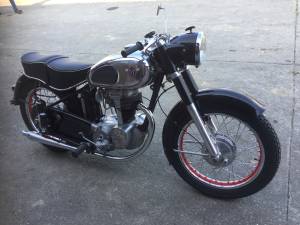
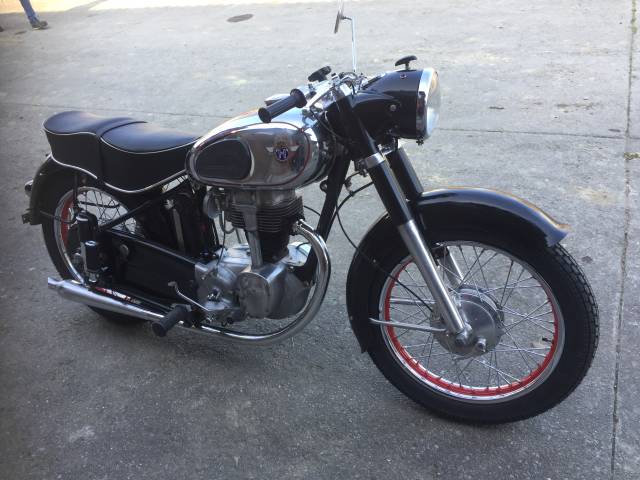
1953 | Horex Regina 250
Rebuilt Horex 250 Regina

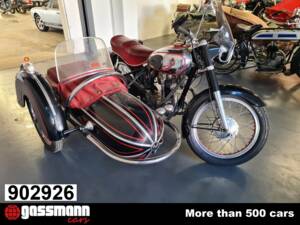
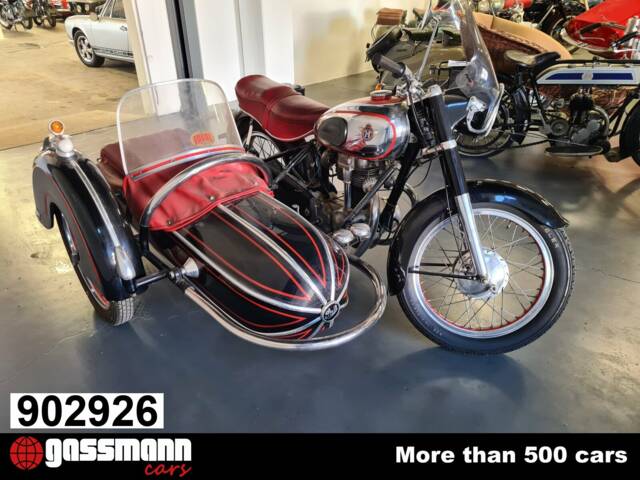
1954 | Horex Regina 400
Regina 400 mit Steib Beiwagen - Restauriert

Horex listing references from Classic Trader
Below you will find listings related to your search that are no longer available on Classic Trader. Use this information to gain insight into availability, value trends, and current pricing for a "Horex" to make a more informed purchasing decision.
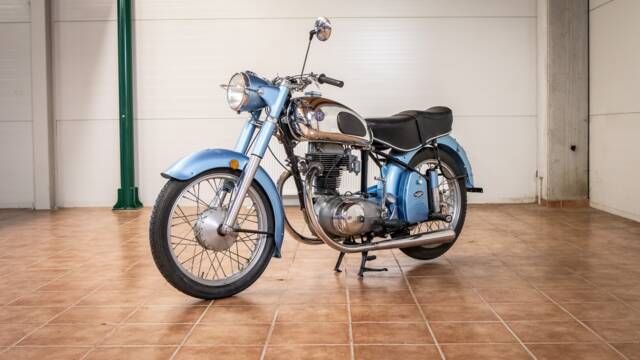
1954 | Horex Regina 400
Representative of the classic Horex generation

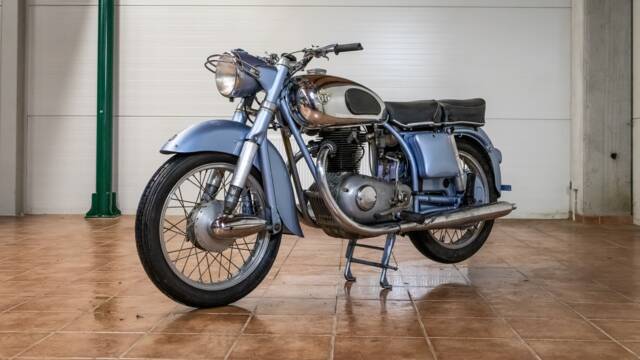
1958 | Horex Resident 350
Part of the classic Horex motorcycle era
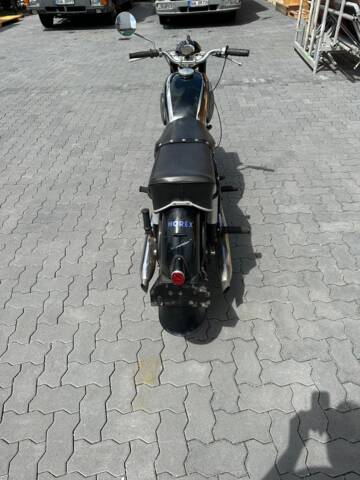
1955 | Horex Imperator
Imperator400
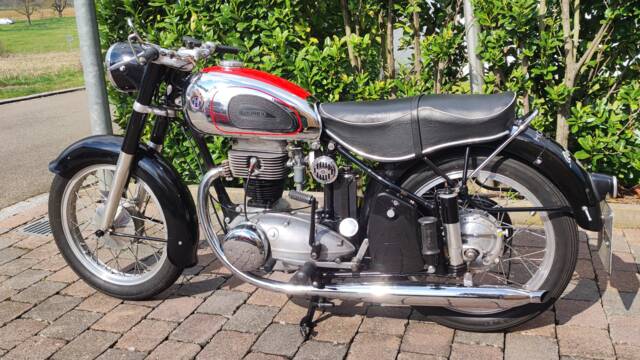
1954 | Horex Regina 250
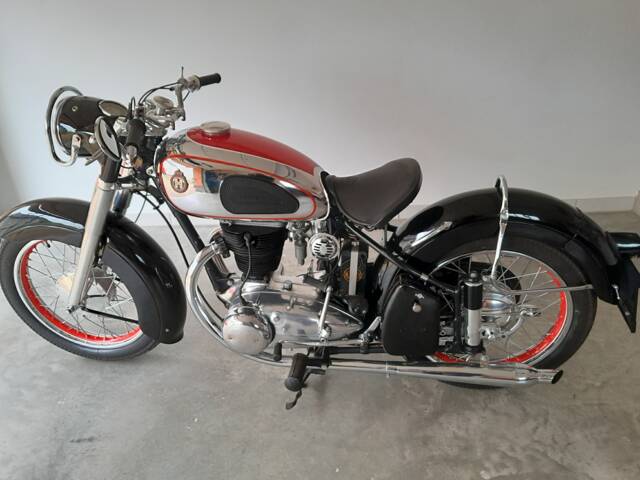
1953 | Horex Regina 350
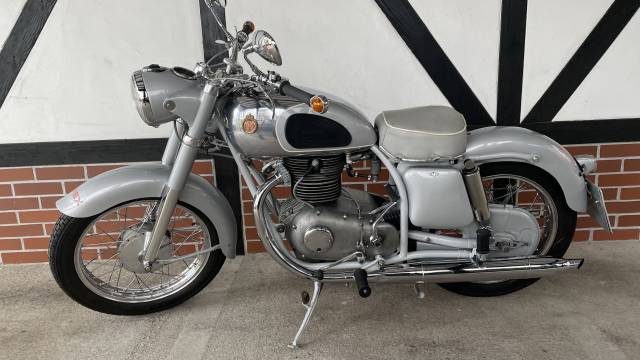
1959 | Horex Resident 350
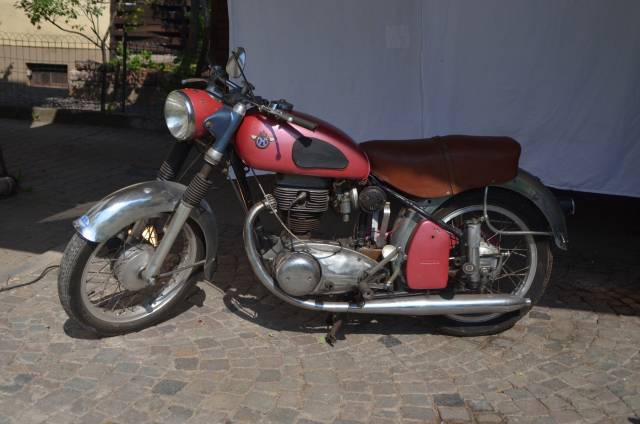
1953 | Horex Regina 250
Eine der letzten Reginas/ Erbstück
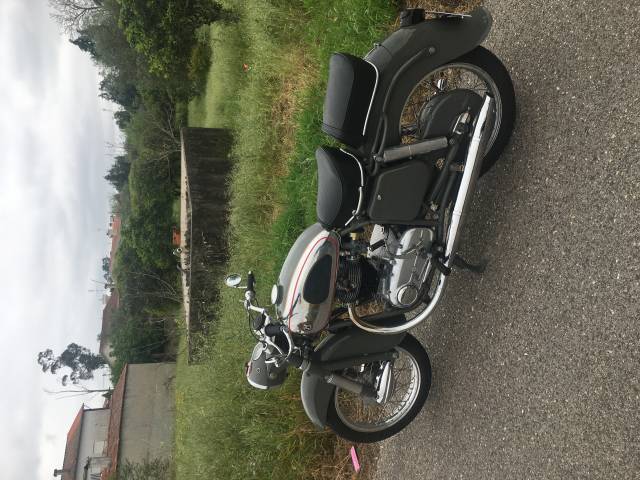
1956 | Horex Imperator
Horex Imperador 400

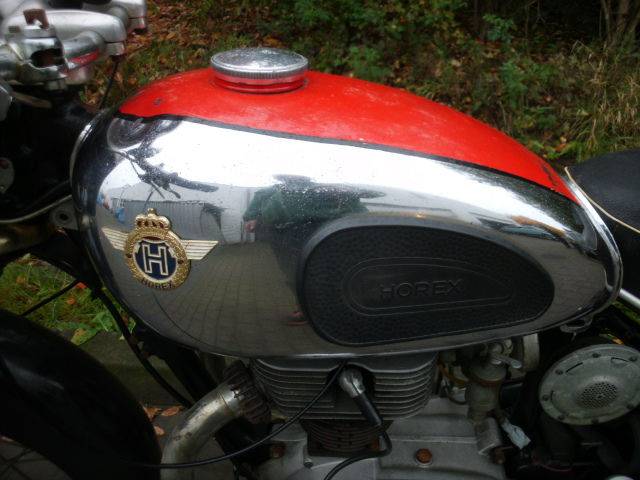
1955 | Horex Regina 4
Regina
History & Heritage
The Horex brand is a name that represents the pinnacle of German motorcycle engineering from the 1920s through to the 1950s. Founded in 1923 by the then 22-year-old Fritz Kleemann in Bad Homburg vor der Höhe, near Frankfurt, the company's name is a clever combination of "Ho" from Homburg and "rex" from his family's canning jar trademark. This pragmatic beginning belied an engineering-focused philosophy that would soon see Horex competing with the best in Europe. For enthusiasts in Australia, where European classics are cherished for their mechanical integrity, Horex represents a distinct alternative to the better-known British and Italian marques.
Fritz Kleemann was a passionate racer, and this spirit was infused into the DNA of the brand from the start. A 1925 merger with Columbus Motorenbau AG brought engine development in-house, led by the legendary chief engineer Hermann Reeb. Reeb's design philosophy centered on long-stroke engines, which became a Horex hallmark. These motors weren't just about high-revving performance; they were built to deliver massive amounts of torque at low RPMs, making them incredibly durable and well-suited to the long-distance riding that characterizes the Australian motorcycling landscape.
In the 1930s, Horex solidified its reputation for excellence. Winning the 1935 German sidecar championship with a supercharged twin-cylinder engine showcased the factory's technical capabilities. The introduction of the SB 35 in 1936, with its 350cc OHV engine, established the blueprint for the brand's most successful post-war models. The SB 35's 69mm bore and 91.5mm stroke created a motor that felt substantial and reliable—a "gentleman's express" that stood in contrast to the often more utilitarian machines of the time.
Following the end of World War II, the Bad Homburg factory resumed production relatively quickly. The 1950 launch of the Regina was a defining moment for Horex and the wider industry. By 1952, the Regina 350 was the top-selling motorcycle in its class in Germany. Its success was built on a reputation for being robust, easy to maintain, and surprisingly fast for its displacement. This period also saw the development of the Imperator 400, a parallel twin with an overhead camshaft (OHC) that was years ahead of its time, demonstrating that Horex could innovate just as well as it could refine traditional designs.
While the rise of affordable small cars in the late 1950s eventually led to the cessation of motorcycle production at the original factory in 1956, the Horex name has never truly disappeared. Ownership passed through various hands, including those of Friedel Münch, the creator of the famous Münch Mammoth. A 2010 revival brought the high-tech VR6 engine to market, and in 2023, the Regina EVO was launched as a modern, carbon-fiber-intensive tribute to the classic single. For the Australian collector, the history of Horex is one of technical audacity and enduring quality, qualities that remain highly valued in the local vintage community.
Highlights & Key Models
For the Australian buyer looking to add a Horex to their collection, several models stand out as particularly significant.
Horex Regina (1950–1956) The Regina is the most iconic Horex and is the backbone of the brand's classic appeal. It was produced in 250cc (17 hp), 350cc (19 hp), and 400cc (22 hp) versions. The 350cc model is the most widely available and is an excellent entry into the brand. Its torque-rich engine is perfect for exploring the backroads of the Barossa Valley or the winding hills outside Melbourne. The 400cc version is rarer and highly sought after by those who want a bit more power for highway speeds. The rare Regina Geländesport (Off-Road) variant, with its high-level exhaust, is a collector's dream, often reaching high prices at international auctions.
Horex Imperator 400 (1955–1957) The Imperator is a masterpiece of mid-century engineering. Featuring a parallel twin-cylinder engine with an overhead camshaft, it was a high-performance machine that offered more sophistication than many contemporary British twins. With 26 hp and a top speed approaching 140 km/h, it remains a fast and engaging classic to ride today. Finding an Imperator in Australia is a rare occurrence, making it a true centerpiece for any collection of European motorbikes.
Horex Resident 350 (1955–1960) The Resident was the more modern and refined successor to the Regina. It featured a sleek, more enclosed design and an updated 350cc engine producing 24 hp. While it didn't achieve the same legendary status as the Regina due to the market conditions of the time, it is highly regarded by connoisseurs for its improved comfort and performance. It represents the final flowering of the original Bad Homburg factory's expertise.
Horex SB 35 (1936–1948) The SB 35 is the pre-war ancestor of the Regina and is a rare find in any market. It offers a raw, mechanical connection to the origins of the Horex engineering philosophy. While most are in museums or long-term private collections, they occasionally appear for sale and are highly prized for their historical significance.
Technical Data
The technical specifications of Horex motorcycles underscore their reputation for durability and torque. The following table compares the main models that a collector in Australia might consider.
One of the most notable features of the Regina singles is their long-stroke design. The 350cc engine, for example, has a 69mm bore and a 91.5mm stroke. This configuration is rare even among British bikes of the era and results in a motor that pulls with immense authority from low revs, making it very forgiving to ride and excellent for sidecar use.
Market Overview & Buying Tips
The market for Horex in Australia is highly specialized. These bikes were never imported in large numbers when new, making them extremely rare on the local market. For many Australian buyers, the process often involves importing a machine from Europe or North America.
Price Guide (2024/2025 Estimates): Prices are based on international trends and converted to Australian Dollars.
- Regina 400 (Good Condition): A$7,500 – A$11,700. These are highly desirable due to their better performance on modern roads.
- Resident 350 (Good Condition): A$8,000 – A$11,700. A more modern and slightly more powerful alternative to the Regina.
- Regina 350 (Restoration Project): From A$3,300. Be cautious, as the cost of shipping parts from Germany to Australia can be significant.
- Regina 350 (Fully Restored/Collector Grade): Up to A$33,000. These are top-tier examples with known history and no work required.
- Imperator 400: Extremely rare. Expect to pay A$13,300 – A$25,000+ depending on condition and originality.
Importing to Australia: Key Considerations If you are planning to import a Horex to Australia, there are several critical factors to consider:
- Shipping Costs: Expect to pay between A$2,500 and A$4,000 for professional shipping from Europe to Australia, including insurance and handling fees.
- Asbestos Regulations: The Australian Border Force has strict rules regarding asbestos. Older bikes often have asbestos in brake linings and gaskets. You must ensure these are removed and replaced with asbestos-free alternatives before shipping to avoid costly delays and potential fines.
- Import Approval: You must obtain a Vehicle Import Approval from the Department of Infrastructure before the bike arrives in Australia.
- GST and Duties: Be prepared to pay 10% GST on the total value of the bike plus shipping, along with any applicable customs duties.
Buying Tips for the Local Collector:
- Mechanical Inspection: Horex engines are robust but require precision maintenance. Look for signs of wear in the valve gear and have a compression test performed. A reading of around 8 bar (approx. 115-120 psi) is a good sign.
- Originality: Because Horex is rare in Australia, ensure that all major body parts (tank, mudguards, panels) are original. Sourcing these separately can be difficult and expensive.
- Electrical Systems: Check if the original magneto ignition has been refurbished or if the bike has been converted to a modern battery/coil system. Both have their merits, but for a collector, an original, functioning magneto is preferred.
- Community Nostalgia: Many Horex bikes in Australia have connections to the German immigrant communities that arrived in the 1950s. If a bike has a local history, it can add significant value and interesting provenance to the purchase.
Riding Experience
Riding a Horex Regina in Australia is a unique experience that connects you to a bygone era of mechanical simplicity and engineering excellence. The long-stroke single-cylinder engine provides a rhythmic, thumping cadence that is both relaxing and evocative.
On the open road, the Regina doesn't demand to be revved hard. Instead, you find yourself using the abundant torque to cruise effortlessly. It's a bike that feels remarkably solid and well-planted, a result of its sturdy frame and well-considered weight distribution. With a dry weight of about 150 kg, it's manageable for most riders and surprisingly nimble on tighter roads.
The 4-speed gearbox is a classic design that requires deliberate shifts, adding to the engagement of the ride. In 350cc or 400cc form, there's enough power to comfortably maintain 80-90 km/h, which is perfect for leisurely weekend tours through the countryside. The drum brakes are typical of the era, meaning you need to plan your stops carefully, but they are effective enough when properly maintained.
For those lucky enough to find an Imperator 400, the ride is even more sophisticated. The parallel twin OHC engine is much smoother than the singles and has a more spirited character. It feels like a more modern machine, capable of keeping up with faster traffic and providing a truly rewarding high-performance experience.
Design
The design of Horex motorcycles is a textbook example of German "functionalism." Every element is there for a reason, and the resulting aesthetic is one of understated elegance and timeless appeal.
The teardrop fuel tank is the centerpiece of the design, its smooth curves often highlighted by tasteful chrome panels. The use of chrome is never excessive, typically confined to the exhaust, headlight, and other key details, which creates a sophisticated look that stands out against the classic black or silver paint.
A signature Horex design feature is the oil tank integrated into the cylinder head area. This "top-heavy" appearance is instantly recognizable to enthusiasts and serves as a badge of honor for the brand's unique engineering approach. It's a design that says "this bike was built by engineers, for people who appreciate engineering."
The ergonomics are well-thought-out, with a low seat height (approx. 760mm) and an upright, natural riding position. This makes the bike comfortable for long rides and provides excellent control, whether you're navigating city traffic or cruising on a quiet highway. For the Australian rider, the comfortable "sit-up" position is ideal for soaking in the scenery on a long weekend jaunt.
Racing Heritage
Horex has a rich history in motorcycle racing, which Fritz Kleemann used from the very beginning to demonstrate the quality of his machines. In the 1920s and 30s, Horex was a regular and successful competitor in German national road racing and trials.
One of the most impressive feats in the company's history was winning the 1935 German Sidecar Championship. This victory, achieved with a sophisticated supercharged twin-cylinder engine, proved that Horex was a leader in high-performance motorcycle technology.
An interesting technical detail that often surprises collectors is Horex's connection to desmodromic valve systems. In the 1920s, the renowned engineer Richard Küchen developed such a system for Horex racing engines. This technology, which uses a mechanical system to open and close valves, predates its famous application by Ducati by several decades. While these advanced systems were primarily for racing, the knowledge gained from them trickled down into the robust designs of the road-going models.
The Regina Geländesport also carved out its own niche in the post-war era, proving successful in off-road competition and demonstrating the versatility and ruggedness of the Regina platform. These rare models remain highly prized for their combination of classic looks and proven competitive pedigree.
Summary
Owning a Horex in Australia is a mark of a discerning collector. Whether you choose the iconic Regina 350, the more powerful 400, or the rare and sophisticated Imperator twin, you are acquiring a piece of German history that is built to an incredibly high standard.
For the Australian enthusiast, the rarity of the brand locally only adds to its charm. While the path to ownership might involve navigating international shipping and import regulations, the reward is a machine that offers a unique riding experience—one characterized by torque, refinement, and a level of engineering that remains impressive even decades after it left the factory in Bad Homburg.
Start your search for a Horex on Classic Trader today. Whether you're looking for a project to restore in your garage or a pristine, road-ready example, the "Rex from Homburg" offers a truly distinctive and rewarding classic motorcycling experience. Discover the engineering excellence and timeless design that made Horex one of Germany's most respected names in motorcycling.