- Motorcycle
- Ducati
- Ducati Cucciolo (1 offer)
Ducati Cucciolo classic bikes for sale
The Ducati Cucciolo marks the genesis of Ducati’s motorcycling history—a compact, innovative four-stroke clip-on engine designed for bicycles in the post-war era. Its distinctive engineering and story make it unique among early motorised two-wheelers.
Search results
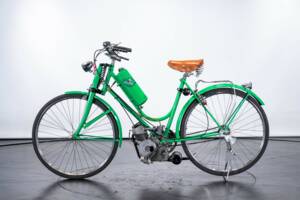
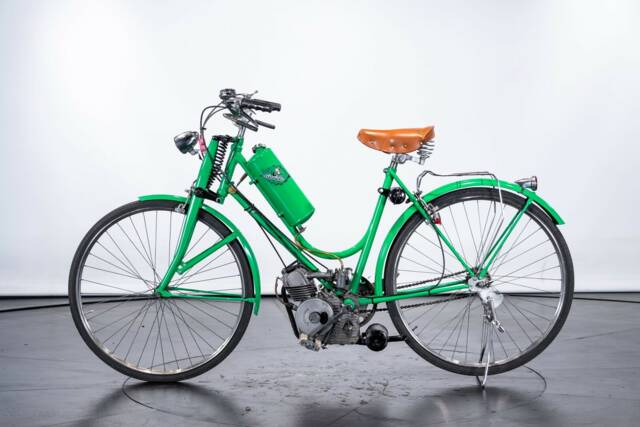
1948 | Ducati Cucciolo
Ducati CUCCIOLO

Ducati Cucciolo listing references from Classic Trader
Below you will find listings related to your search that are no longer available on Classic Trader. Use this information to gain insight into availability, value trends, and current pricing for a "Ducati Cucciolo" to make a more informed purchasing decision.
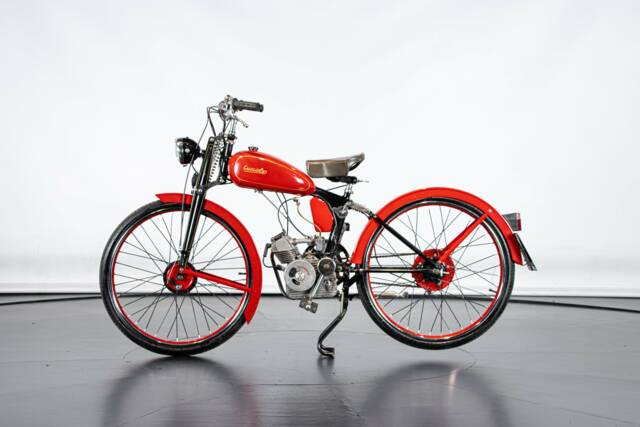
1954 | Ducati Cucciolo
Ducati CUCCIOLO
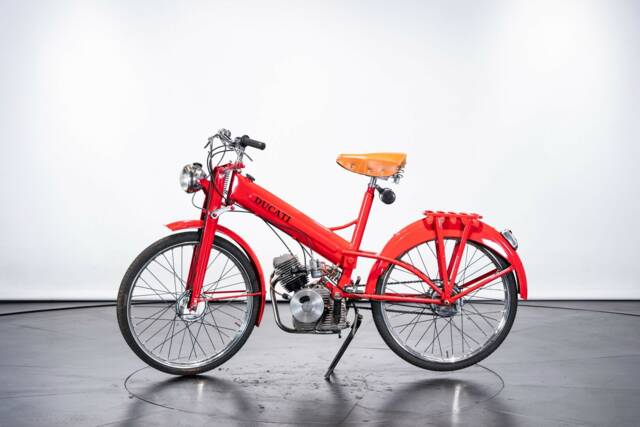
1953 | Ducati Cucciolo
Ducati CUCCIOLO
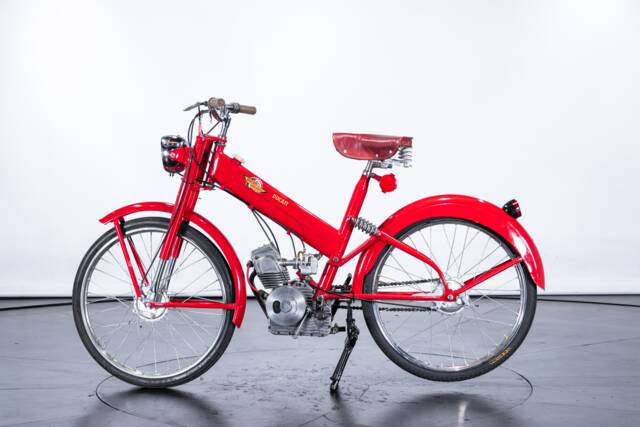
1952 | Ducati Cucciolo
Ducati CUCCIOLO
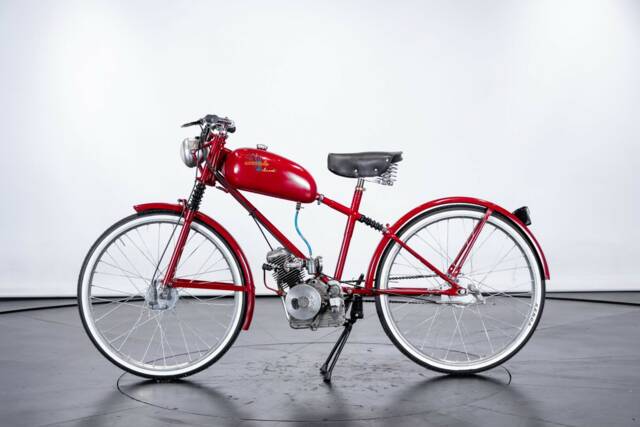
1954 | Ducati Cucciolo
2024-05-21 15:48:55 | Ducati CUCCIOLO
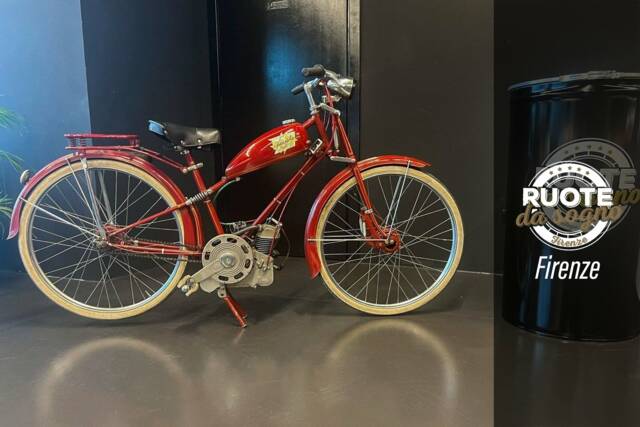
1947 | Ducati Cucciolo
VENDUTO ALL'ASTA SANT'AGOSTINO DURANTE GLI OPEN DAYS
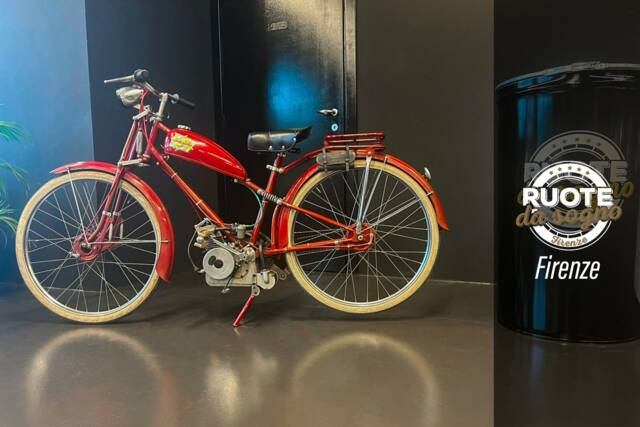
1947 | Ducati Cucciolo
-
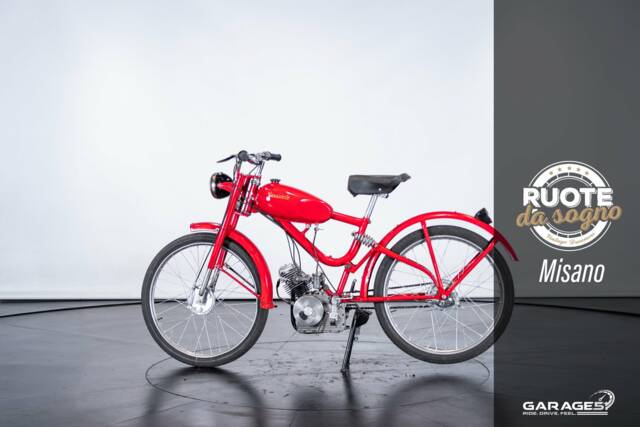
1955 | Ducati Cucciolo
-
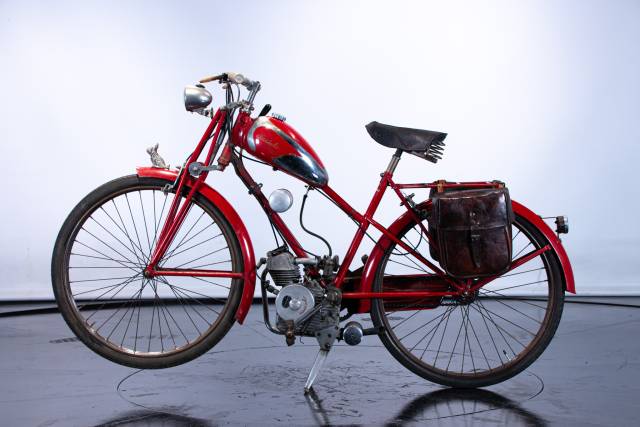
1949 | Ducati Cucciolo
-
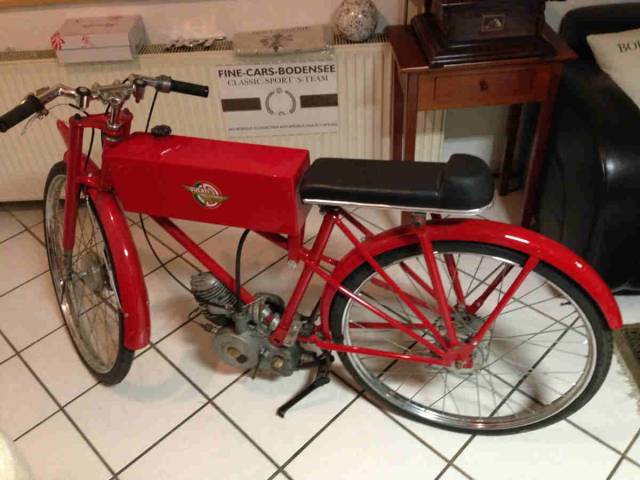
1951 | Ducati Cucciolo
DUCATI OLDTIMER RACER - Rennsport Oldtimer in Bestzustand

Ducati Cucciolo Classic Motorbikes: Prices & Market Values
The market value of Ducati Cucciolo motorcycles is primarily determined by technical condition, originality, and mileage, as well as rarity, history, and documentation. A well-maintained, largely original vehicle with low, verifiable mileage and a complete history including expert reports and documentation generally achieves significantly higher prices than a comparable vehicle with deferred maintenance, extensive modifications, or an unclear provenance.
Ducati Cucciolo: Market Prices & Value Trends
Based on sales data from the Classic Trader marketplace, the Ducati Cucciolo market in Europe shows a broadly stable to slightly softer trend from June 2024 to December 2025, with fewer high-priced examples appearing in the most recent snapshots. Across the dataset, asking prices span roughly £1,752 to £4,819, but most 2025 entries cluster in a more realistic band of about £1,750–£3,500, suggesting the current market is led by usable, entry-level classics rather than top-condition restorations. Earlier 2024 adverts include higher figures (around £3,000–£4,800) for 1947–1949 bikes, while late-2025 prices for 1946–1954 examples more commonly sit between £1,800 and £3,100. With only a small number of data points, individual adverts can skew the range, so it’s best to treat the upper end as condition-dependent. Overall, the Cucciolo’s appeal comes from its early Ducati heritage, simple 1 hp mechanicals, and collectable post-war provenance, helping values remain resilient even when demand cools slightly.
History of the Ducati Cucciolo
The Ducati Cucciolo originated in the aftermath of World War II, a period characterised by resource scarcity and ingenuity. Conceived by Turin lawyer Aldo Farinelli and realised with engineer Aldo Leoni, the Cucciolo’s purpose was to transform ordinary bicycles into reliable, economical motorbikes. Ducati, then transitioning from producing radio components, recognised the potential and began manufacturing the engine in 1946. The Cucciolo’s lightweight, robust four-stroke engine was a practical solution for everyday transport, playing a foundational role in Ducati's transition into a major motorcycle manufacturer.
Model History of the Ducati Cucciolo
The Cucciolo began as a licence-built adaptation of an affordable small engine aimed at the mass market. Early units were sold as kits for private fitting on bicycles, later offering complete frames. It served as the direct springboard for Ducati’s involvement in motorcycle production, eventually leading to fully-fledged motorbikes like the Ducati 60 and 65. The Cucciolo series itself continued production until the early 1950s, by which time dedicated motorcycles had taken over the lightweight category in Ducati’s lineup.
Highlights of the Ducati Cucciolo
Its most remarkable trait is the innovative 4-stroke engine—unusual for its time among clip-on bicycle motors, which were typically two-stroke. The Cucciolo’s simplicity, reliability, and low fuel consumption made it popular among post-war commuters. It quickly became a symbol of post-war mobility in Italy. According to Classic Trader’s figures, the Ducati Cucciolo accounts for 100% of Ducati listings and 100% of Ducati-related ad views in its model code—demonstrating strong representation in both supply and interest relative to any other Ducati model series on the platform.
Technical Data
Special Editions and Collectible Models
Early Cucciolo engines and those sold as original factory kits are especially sought after by collectors. Variations exist based on frame type (aftermarket versus Ducati-assembled), and some restored examples with period accessories also attract attention. However, the core technical concept remained consistent across editions.
Engine and Performance, Transmission and Handling
The Cucciolo engine is defined by its low displacement and modest output, making it best suited for gentle city commuting or country roads rather than performance riding. Two-speed manual transmission was typical, with the engine delivering sufficient torque for most everyday needs of the immediate post-war period. Handling and braking were limited by the host bicycle’s specifications, but the Cucciolo offered transformative practicality for owners at the time. The Ducati Cucciolo’s primary variants centre around frame adaptations and gearboxes, but all share the 48cc, four-stroke layout.
Design, Interior, Comfort and Exterior
The Cucciolo was not designed with luxury in mind. Its form follows function: the tiny horizontal engine fitted beneath the bicycle’s bottom bracket, typically exposed and easily accessible for maintenance. Period-correct examples sometimes feature leather tool rolls, simple seat springs and minimal auxiliary lighting—accessories reflecting the austerity of the era. The Cucciolo’s simple leaning-tube petrol tank and basic switchgear are instantly recognisable among classic Italian bikes.
Other Features
The Cucciolo’s historic relevance extends beyond its mechanical attributes—it laid the foundation for Ducati’s future as a motorcycle pioneer. Surviving examples today offer insight into the earliest days of Italy's motorisation and are highly valued among enthusiasts of pre- and early post-war two-wheelers.
Summary
The Ducati Cucciolo is more than just an engine kit—it represents the birth of Ducati’s journey from a post-war electric components manufacturer to a force in two-wheeled engineering. With 100% listing and view share among Ducati classics on the market, the Cucciolo stands out as a reference point in Italian motorcycling history—compact, efficient, and an accessible gateway to the joys of classic bike ownership.