- Motorcycle
- BSA
- BSA A 10 Golden Flash (2 offers)
BSA A 10 Golden Flash classic cars for sale
The BSA A 10 Golden Flash stands out as one of the most recognisable motorcycles from the British motorcycle boom. Known for its robust parallel-twin engine and gold-finished tank, the Golden Flash has achieved a significant reputation among British classics enthusiasts for its blend of performance and mechanical reliability.
Search results
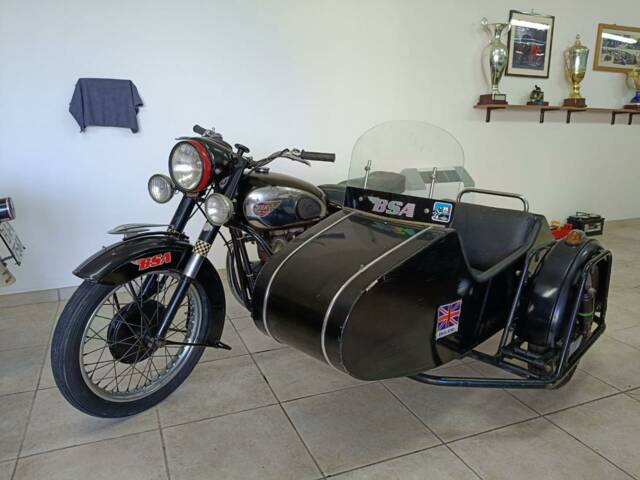

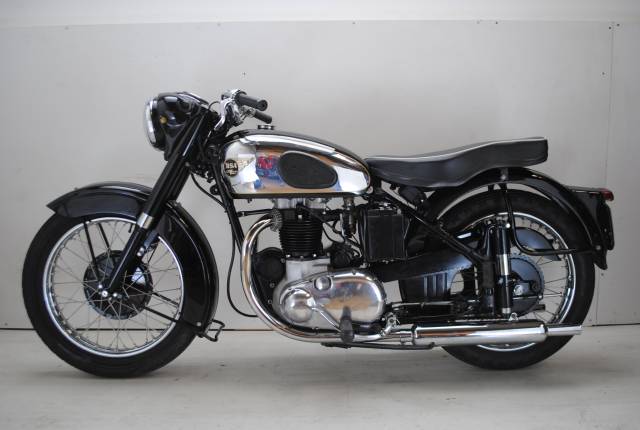
1953 | BSA A 10 Golden Flash
BSA A10 Golden Flash

BSA A 10 Golden Flash listing references from Classic Trader
Below you will find listings related to your search that are no longer available on Classic Trader. Use this information to gain insight into availability, value trends, and current pricing for a "BSA A 10 Golden Flash" to make a more informed purchasing decision.
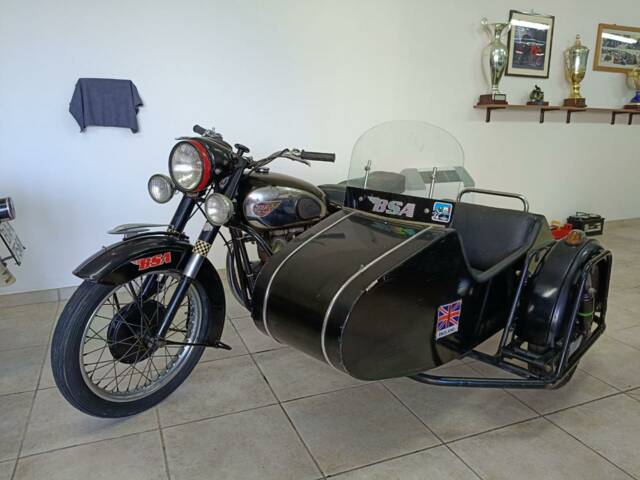
1965 | BSA A 10 Golden Flash
-
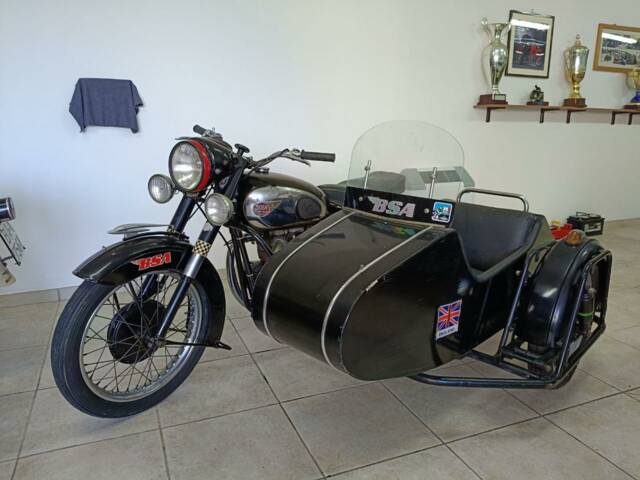
1965 | BSA A 10 Golden Flash
-
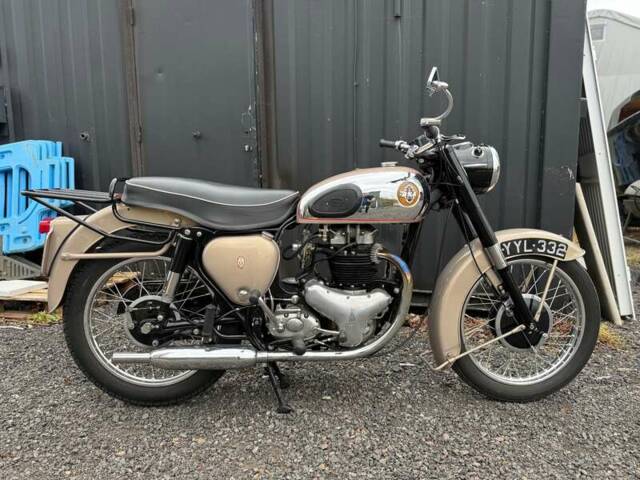
1960 | BSA A 10 Golden Flash
1960 BSA A10 Golden Flash 646cc

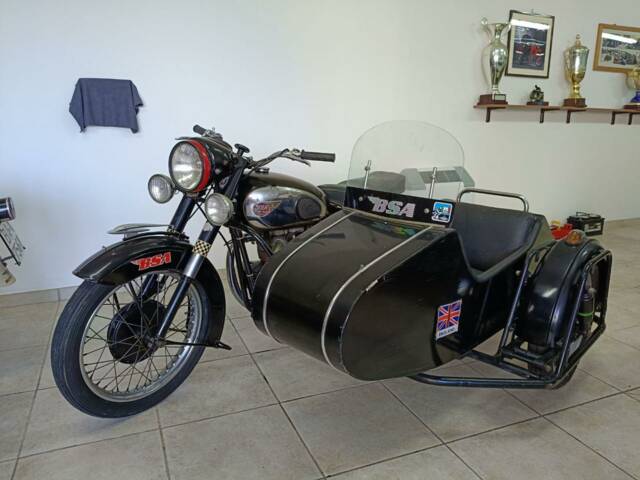
1965 | BSA A 10 Golden Flash
-
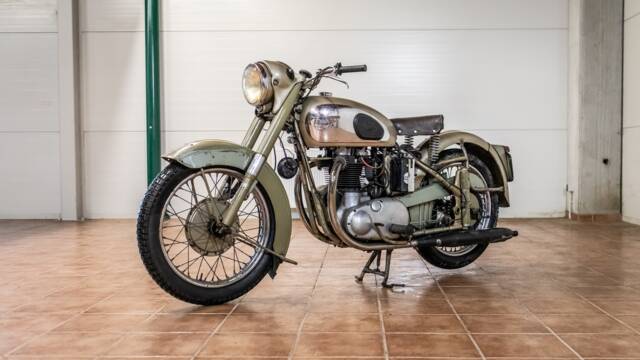
1953 | BSA A 10 Golden Flash
Characterful 650cc Post-War Motorcycle

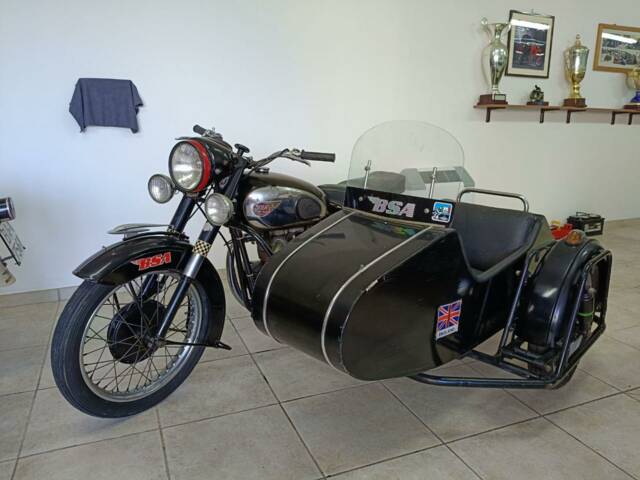
1965 | BSA A 10 Golden Flash
-
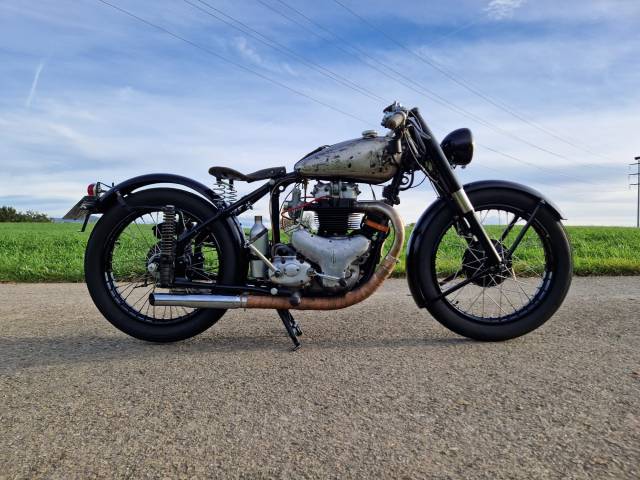
1955 | BSA A 10 Golden Flash
Spezialumbau, Ratte, Blickfang, Veteranen MFK

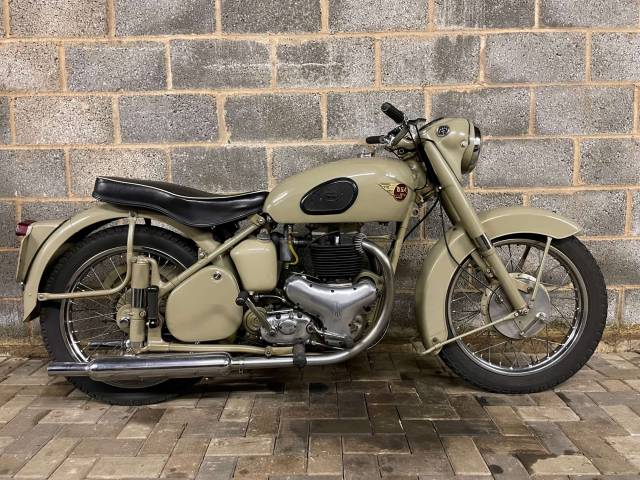
1955 | BSA A 10 Golden Flash
1955 BSA A10 Golden Flash 650cc
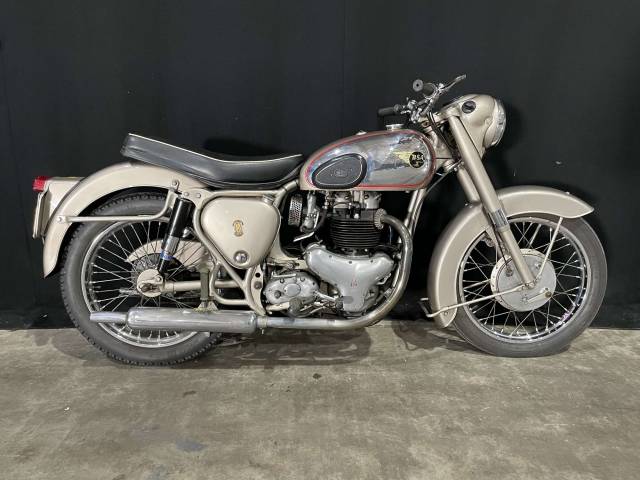
1955 | BSA A 10 Golden Flash
1955 BSA A10 Golden Flash
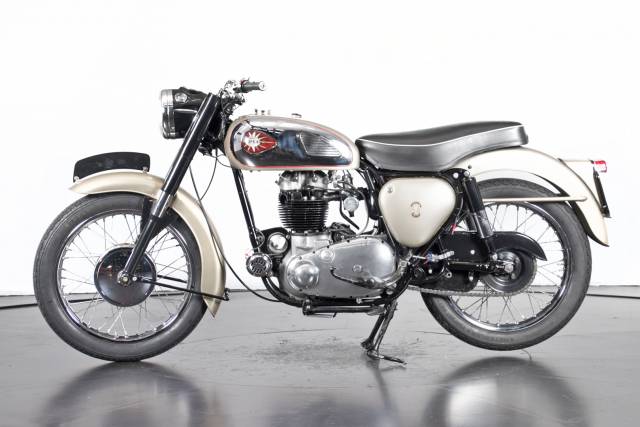
1960 | BSA A 10 Golden Flash
-
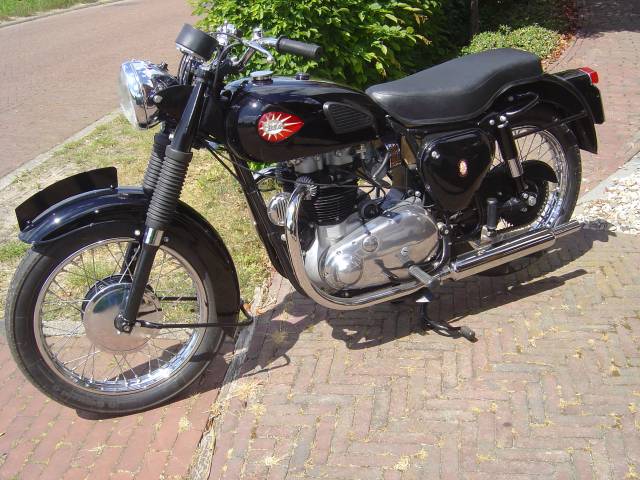
1958 | BSA A 10 Golden Flash
Exceptional: BSA A10 fully rebuilt with NOS
BSA A 10 Golden Flash Classic Motorbikes: Prices & Market Values
The market value of BSA A 10 Golden Flash motorcycles is primarily determined by technical condition, originality, and mileage, as well as rarity, history, and documentation. A well-maintained, largely original vehicle with low, verifiable mileage and a complete history including expert reports and documentation generally achieves significantly higher prices than a comparable vehicle with deferred maintenance, extensive modifications, or an unclear provenance.
BSA A 10 Golden Flash: Market Prices & Value Trends
Based on sales data from the Classic Trader marketplace, the BSA A 10 Golden Flash shows a broadly stable market with a slight firming at the top end over the period from April 2021 to January 2026. Most recorded asking prices for 1953–1965 examples cluster in a realistic band of roughly £6,000 to £9,000, reflecting typical rider-quality bikes and presentable restorations. A small number of higher figures (around £11,700–£12,000) suggest that exceptionally tidy, well-documented machines can command a premium, but these should not be taken as the norm. One zero-priced entry appears in the data and is best treated as incomplete rather than a true market signal. Overall, the current market remains steady: buyers can still find usable Golden Flash models in the mid range, while sellers of correctly restored 34 hp machines from the mid-1950s to early-1960s may see stronger interest as demand for authentic British twins continues to underpin values across Europe.
History of the BSA A 10 Golden Flash
The BSA A 10 Golden Flash, manufactured from 1950 to 1963, represents a pivotal chapter in British motorcycle engineering. Introduced as a response to market demand for more powerful motorcycles post-WWII, the Golden Flash featured a 646cc parallel-twin engine developed by Bert Hopwood. Unlike many of its competitors, the A 10 Golden Flash was both reliable and suitable for long-distance touring, a combination that made it a favourite among dispatch riders and private owners alike during its production run.
Model history of the BSA A 10 Golden Flash
The A 10 Golden Flash was based on the earlier BSA A7 but used a larger displacement and upgraded running gear. Early models featured a rigid rear end and telescopic front forks, while later versions introduced rear plunger and eventually swinging arm suspension for improved ride comfort. After 1963, the A 10 engine design paved the way for the BSA A65, marking the next evolutionary step in BSA’s range of sporting twins.
Highlights of the BSA A 10 Golden Flash
A defining feature of the BSA A 10 Golden Flash is its gold-painted petrol tank and side panels, setting it apart visibly from its more conservatively styled peers. The robust 646cc engine was known for its torque-rich performance and ease of maintenance. The model has achieved a 'cult' reputation among classic British motorcycle enthusiasts for combining accessible performance with vintage style.
Technical Data of the BSA A 10 Golden Flash
Special Editions and Collectible Models
During its production run, the BSA A 10 Golden Flash was offered in specific export versions for markets such as the US, often with high-rise handlebars and different tank shape. There were no officially factory-limited editions, but individual bikes with rare factory accessories or in preserved original condition are particularly sought after by collectors.
Engine and Performance, Transmission and Handling
The 646cc parallel-twin in the Golden Flash was engineered for everyday usability, delivering substantial torque through a robust four-speed gearbox. The transition from plunger to swinging arm suspension notably benefited high-speed stability and bump absorption. Handling was regarded as predictable, especially when compared with other contemporary British twins. The A 10 could cruise comfortably at motorway speeds for its era, thanks to the torque band and well-matched gear ratios. Most enthusiasts single out the post-1954 versions with swinging arm suspension for their improved ride and reliability. The export US-market variants are notable for their easy customisation and distinctive ergonomics.
Interior, Comfort, Exterior and Design
Designed under Bert Hopwood’s supervision, the A 10 Golden Flash is immediately distinguished by its metallic gold tank, complemented by classic BSA badges and chrome detailing. The riding position offers a relatively upright and comfortable stance, suitable for both city and longer rides. While seat padding and switchgear reflected period standards, factory accessories included optional luggage racks, crash bars, and ‘bathtub’ rear mudguards on later units. The simplicity and clarity of the analogue gauges further contributed to its period-correct, functional aesthetic.
Other relevant features
US export models sometimes differed in tank size and handlebar design, catering to local riding styles and preferences. Many Golden Flash survivors have been subject to personalised restoration or customisation, which should be evaluated for authenticity and mechanical integrity before purchase.
Summary
The BSA A 10 Golden Flash remains a benchmark motorcycle in the British classic scene, underlined by its considerable representation within the Classic Trader marketplace. Combining robust engineering, period-correct styling, and usability, the A 10 appeals to collectors and riders seeking authenticity and hands-on mechanical engagement.