- Motorcycle
- Ducati
- Ducati 900 SS (1 offer)
Ducati 900 SS classic motorcycles for sale
The Ducati 900 SS brings the unfiltered essence of 1970s European superbike engineering to the road, combining its race-inspired L-twin engine, desmodromic technology, and unmistakable style. Famed for its purity and uncompromising character, the 900 SS stands as a true driver's machine from Ducati’s rich motorsport past.
Search results
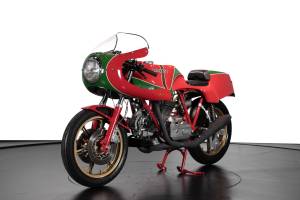
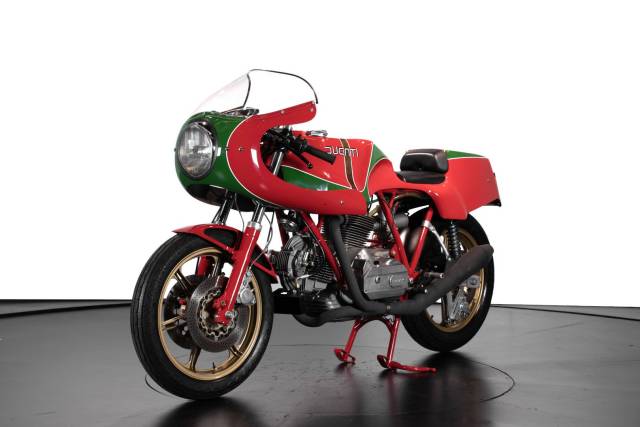
1980 | Ducati 900 SS
IMPRESSIVE RESTORATION !!!

Ducati 900 SS listing references from Classic Trader
Below you will find listings related to your search that are no longer available on Classic Trader. Use this information to gain insight into availability, value trends, and current pricing for a "Ducati 900 SS" to make a more informed purchasing decision.
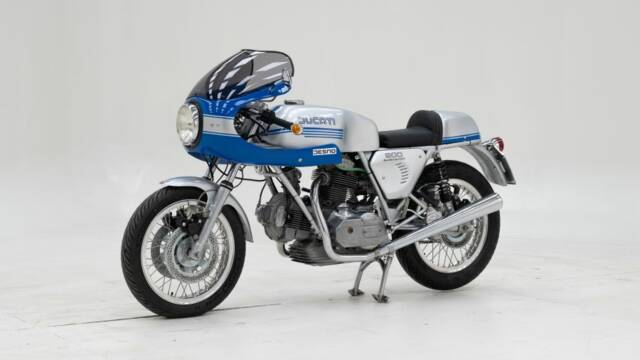
1977 | Ducati 900 SS
1977 Ducati 900 SS '77

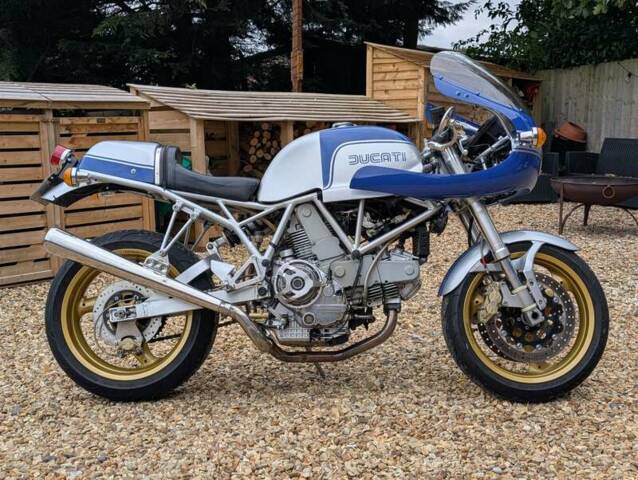
1998 | Ducati 900 SS
1998 Ducati 900SS Imola Replica 904cc

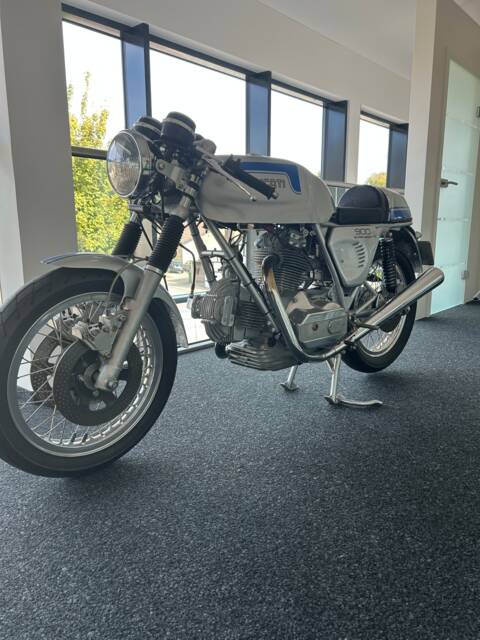
1976 | Ducati 900 SS

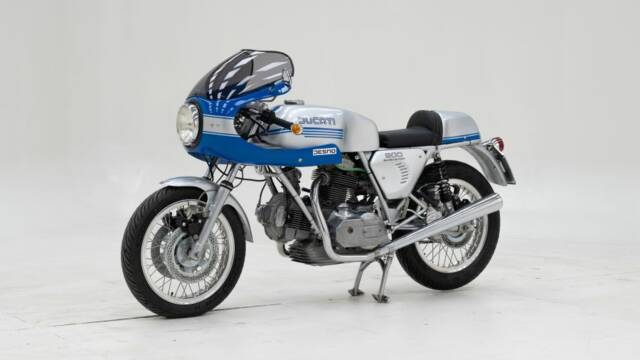
1977 | Ducati 900 SS
1977 Ducati 900 SS '77
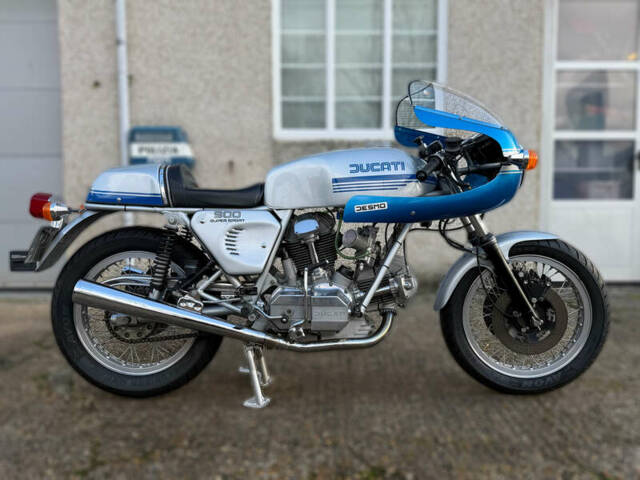
1977 | Ducati 900 SS
1977 Ducati 900SS 864cc
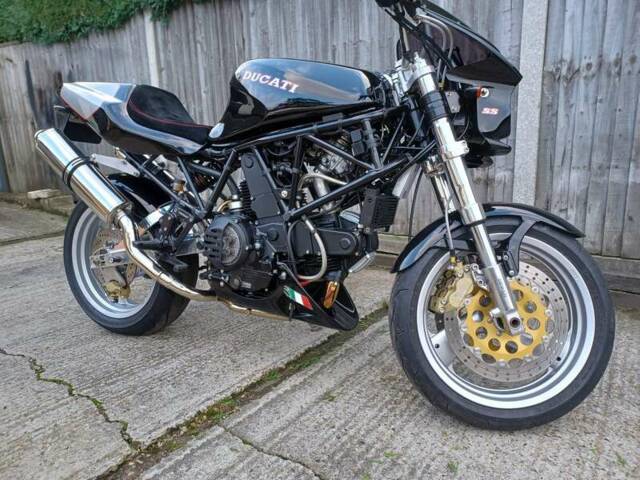
1996 | Ducati 900 SS
1996 Ducati 900SS 'Custom' 904cc
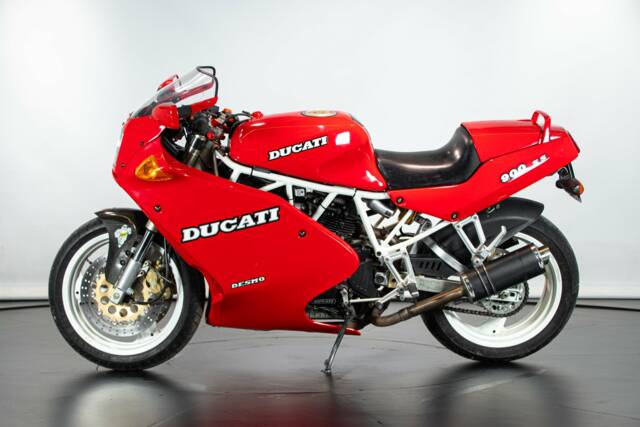
1991 | Ducati 900 SS
-
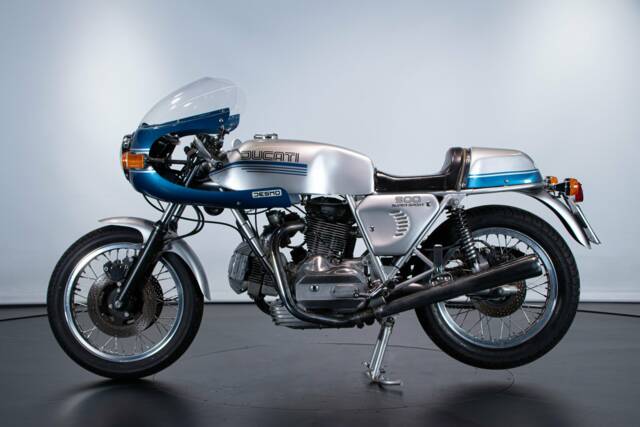
1977 | Ducati 900 SS
-
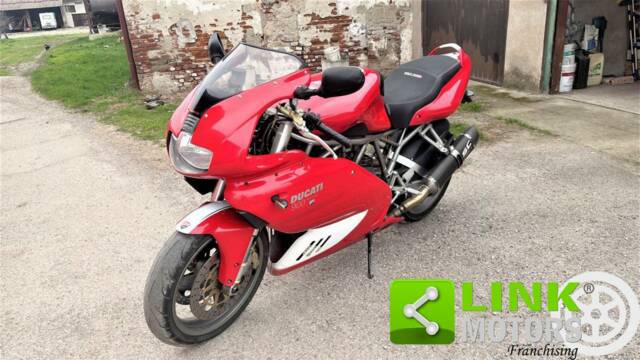
2000 | Ducati 900 SS
DUCATI SuperSport 900 SPLENDIDA!
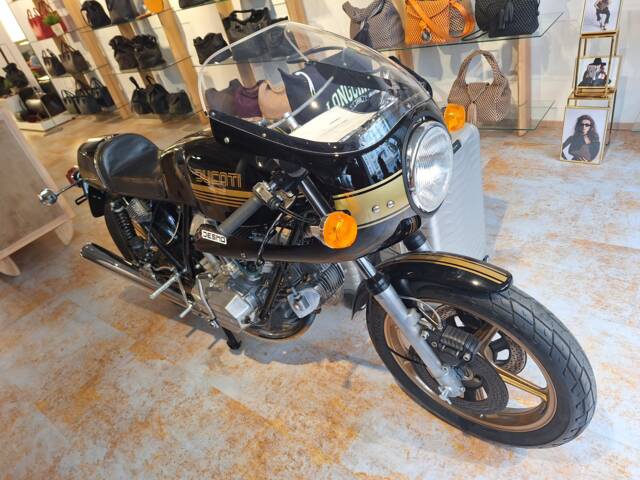
1981 | Ducati 900 SS
John Player Spezial, Lack teilweise neu in original Design, Offenen Vergaser
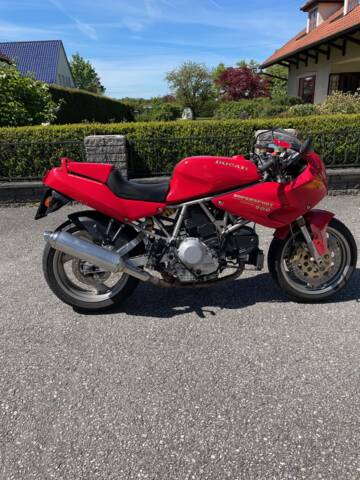
1994 | Ducati 900 SS
ERSTBESITZ!

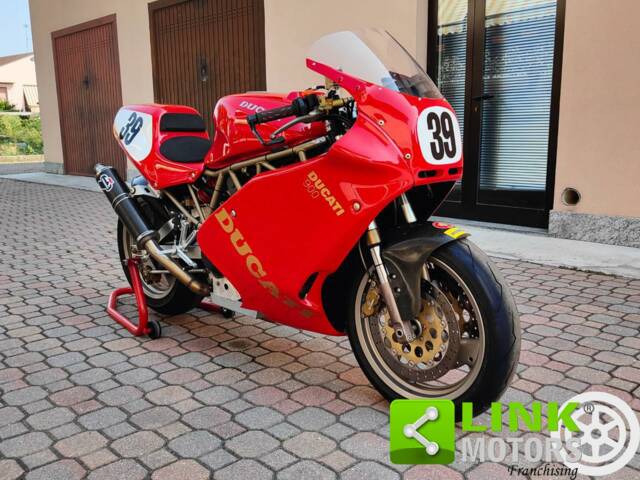
1997 | Ducati 900 SS
DUCATI 900 SS FMI
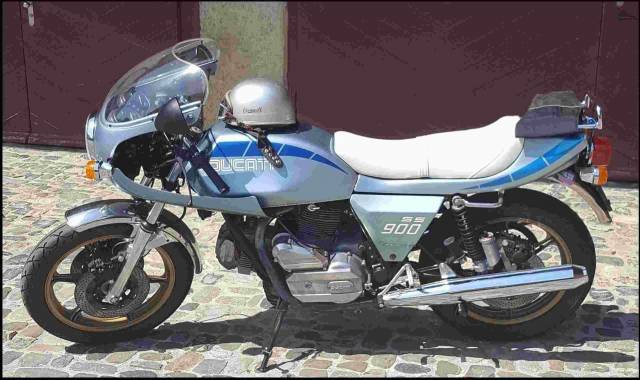
1979 | Ducati 900 SS
900er Königswellen Duc mit MFK-Veteran ! DAS Spielzeug für den Sommer !

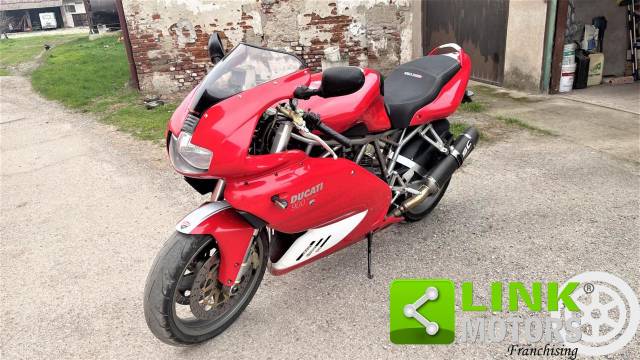
2000 | Ducati 900 SS
DUCATI SuperSport 900 SPLENDIDA!
Ducati 900 SS Classic Motorbikes: Prices & Market Values
The market value of Ducati 900 SS motorcycles is primarily determined by technical condition, originality, and mileage, as well as rarity, history, and documentation. A well-maintained, largely original vehicle with low, verifiable mileage and a complete history including expert reports and documentation generally achieves significantly higher prices than a comparable vehicle with deferred maintenance, extensive modifications, or an unclear provenance.
Ducati 900 SS: Market Prices & Value Trends
Based on sales data from the Classic Trader marketplace, the Ducati 900 SS market (covering January 2021 to January 2026) shows a broadly stable to slightly firming trend, with values clearly split by generation. The 1970s–early 1980s bevel-drive bikes (typically around 70 hp, e.g., 1976–1982 models) continue to command the strongest money in Europe, most often appearing in the mid-five figures. Ignoring obvious low-end outliers, a realistic current market band for these earlier bikes is roughly £22,000 to £32,000, with exceptional, provenance-led examples occasionally pushing higher. Later 1990s and 2000-era 900 SS models (around 78–82 hp) sit in a very different bracket, commonly trading at about £4,500 to £8,000 depending on condition and originality. For today’s buyers, this means the “classic” 900 SS remains a sought-after collectable with resilient demand, while the later bikes offer a comparatively accessible entry point and steadier, less volatile pricing.
History of the Ducati 900 SS
Launched in 1976, the Ducati 900 Super Sport (900SS) was born from Ducati’s racing victory in Imola 1972. This motorcycle translates pure race DNA from track to public roads, with its 864cc bevel-drive L-twin, desmodromic valve gear, and hand-built frame. The earliest versions, with their right-side shifter and light silver-blue paintwork, are especially rooted in 1970s racing culture. As the 900 SS developed through the late 1970s and was later reinterpreted in the 1998 Carenata i.e., it preserved and evolved the core attributes that established Ducati as a benchmark for performance and technical prowess in the era.
Model evolution and variants
The 900 SS’s core lineage traces straight back to the Ducati 750SS of the early 1970s. Building on its predecessor’s race success, the 900 SS became Ducati’s flagship sport twin. Fewer than 3,500 units of the earliest bevel-drive versions were produced, distinguishing them amongst collectors. In 1998, the model was revived as the 900 SS i.e. Carenata, featuring fuel injection, a Pierre Terblanché-designed chassis, and updates to the exhaust routing for improved cornering clearance. The succession from the 750SS through to the modernised 900SS demonstrates Ducati's commitment to continuously blending traditional engineering with evolving performance demands.
Standout features and market presence
The 900 SS is defined by its bevel-driven king shaft, dry clutch, and race-derived OHC L-twin. Early bikes run original Conti exhausts, while signature features like desmodromic valve actuation and polished silver/blue paint set these machines apart visually and technically. The hand-welded frames and minimal fairing keep the focus purely on function. Aggressive yet elegant, the 900 SS distinguishes itself both on the road and in collections, recognised internationally for its mechanical substance and no-frills performance.
Technical data
Special editions and collectors’ models
- 1976–1977 900SS Silver-Blue Race Replica: Early production models with classic silver-blue livery, bevel-drive, right-side shift, and numbered Conti exhaust.
- Carenata (i.e.): Available from 1998, these later editions adopted fuel injection and frame geometry by Pierre Terblanché, alongside ‘Giallo’ (yellow) paint for certain limited batches. Unique chassis tweaks and improved ground clearance via revised exhaust routing remain hallmarks. Low-volume production of early bevel-drive bikes, especially with original documentation, adds further collectability.
Weak Spots and common issues
No explicit weak points were provided in the data. Generally, classic 900 SS models are revered for their mechanical integrity, but owners should pay attention to original documentation, provenance, and technical inspection for proper service history, especially with hand-built and low-volume motorcycles of this era.
Engine, transmission, and ride quality
The 900 SS is lauded for its direct, analogue connection between rider and machine—every throttle input delivers instant feedback from the responsive, air-cooled L-twin. Desmo-actuated valves and the bevel-driven camshaft provide unique mechanical rhythm and a racing soundtrack, amplified by the original Conti silencers. Right-side shifting in early models requires attention to period-correct riding, while the performance-focused suspension rewards experienced hands. Later models with fuel injection (i.e. Carenata) offer enhanced refinement and reliability, while Brembo brakes and improved ground clearance sharpen riding dynamics further. - 1976-77 Silver-Blue (bevel-drive): sought after for hand-built feel and outright purity
- 1998+ Carenata i.e.: known for fuel injection, uprated frame, and technical enhancements
- Special 'Giallo' versions: limited availability and collector interest
Details of the 900 SS appearance and equipment
- Designer: Early models retain the classic Bolognese sportbike silhouette; later Carenata variants were overseen by Pierre Terblanché.
- Paintwork: Early production (1976–1977) finished in instantly recognisable silver-blue, with later i.e. variations sometimes offered in rare yellow (Giallo).
- Detailing: Minimalist cockpit, clip-on handlebars, and classic round instruments.
- Accessories: Original documentation, handbook, and service booklet valued highly.
- Exhaust: Distinctive, numbered Conti silencers are a frequent highlight for originality.
- Materials: Alloy wheels and tank, hand-welded frame, with evolutionary improvements in late models for rider positioning and handling.
Further notes and information
- Many examples feature complete service history, technical inspection documents, and export/import paperwork, enabling international trade.
- Frequently, these motorcycles are retained in original condition or restored to strict OEM standards.
- Comparable models for buyers include BMW R90S, Moto Guzzi Le Mans, and Kawasaki Z1.
Summary
The Ducati 900 SS stands for uncompromising mechanical performance, authentic racing engineering, and a legacy inseparable from the evolution of the European superbike. Its rarity—particularly in early bevel-drive variants—combined with a robust reputation and a 100% share of supply and demand among listed classic Ducatis confirms the model’s enduring relevance within dedicated circles. Hand-built quality, desmodromic valve actuation, and its track-born chassis make the 900 SS a singular choice for connoisseurs seeking genuine sport-riding DNA from a pivotal era in motorcycle history.