- Car
- Willys-Overland
- Willys-Overland 96 (1 offer)
Willys-Overland 96 Classic Cars for Sale
The Willys-Overland Whippet 96A, built in 1929, stands out as an exceptionally rare model from Willys-Overland. Known for its unique position in automotive history and potential for distinctive yellow paintwork, this vehicle offers enthusiasts a fascinating glimpse into pre-war engineering. Discover more about its background and features below.
Search results
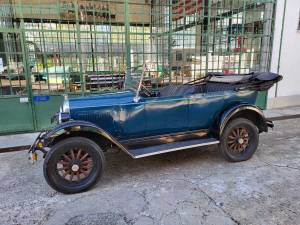
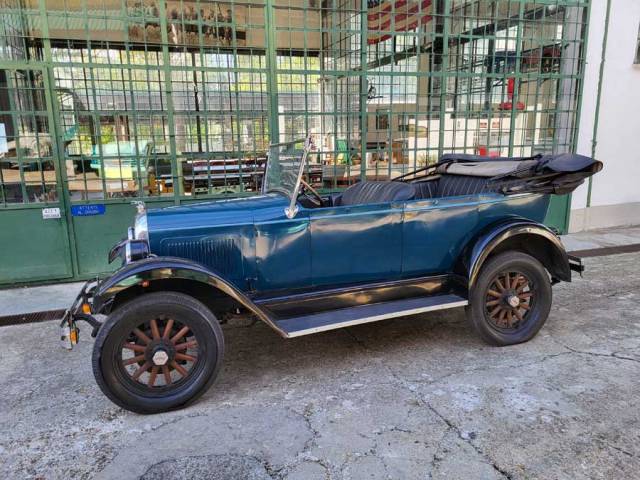
1928 | Willys-Overland 96A
SUMMER PRICE 2026 @ CITY MOTORS

Willys-Overland 96 listing references from Classic Trader
Below you will find listings related to your search that are no longer available on Classic Trader. Use this information to gain insight into availability, value trends, and current pricing for a "Willys-Overland 96" to make a more informed purchasing decision.
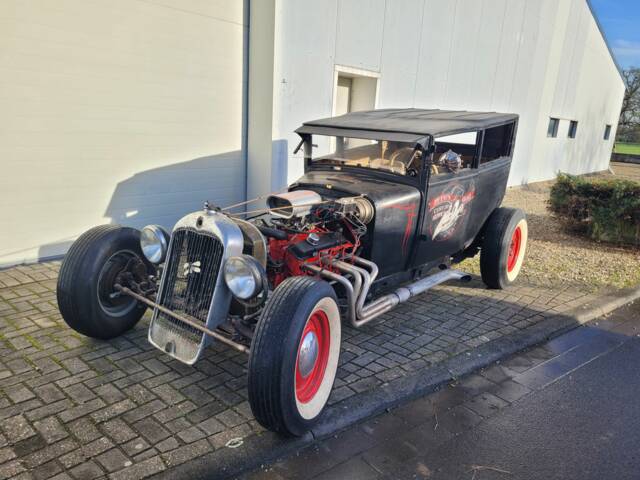
1926 | Willys-Overland 96
Willys Overland | 1926 | Route 66 Auctions - For sale by auction. Estimate 8500 EUR


1929 | Willys-Overland 96A
Willys-Overland Whippet 96A äußerst selten mit Historie (1929)


1929 | Willys-Overland 96A
Willys-Overland Whippet 96A äußerst selten mit Historie (1929)


1929 | Willys-Overland 96A
Restored
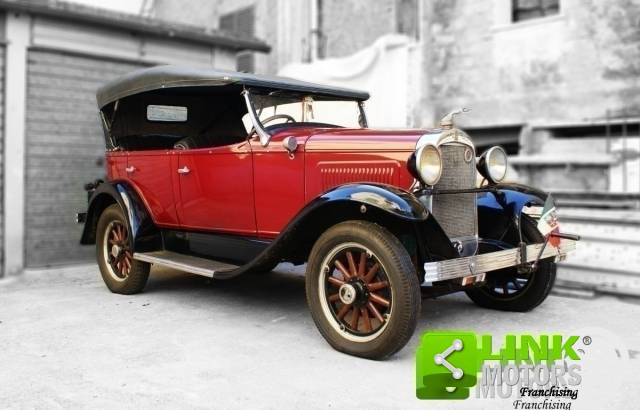
1928 | Willys-Overland 96A
Willys Overland Whippet 96A 1928 auto d'epoca
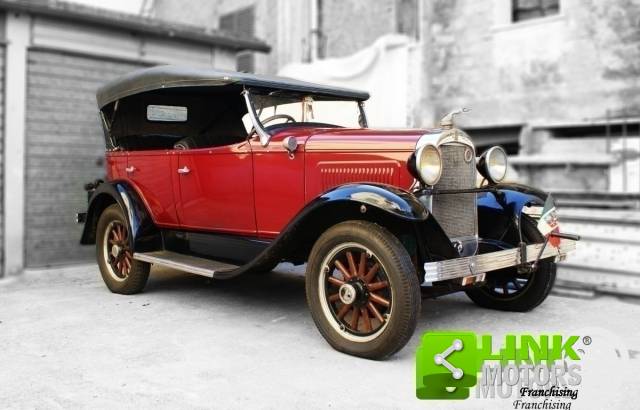
1928 | Willys-Overland 96A
Willys Overland Whippet 96A 1928 auto d'epoca
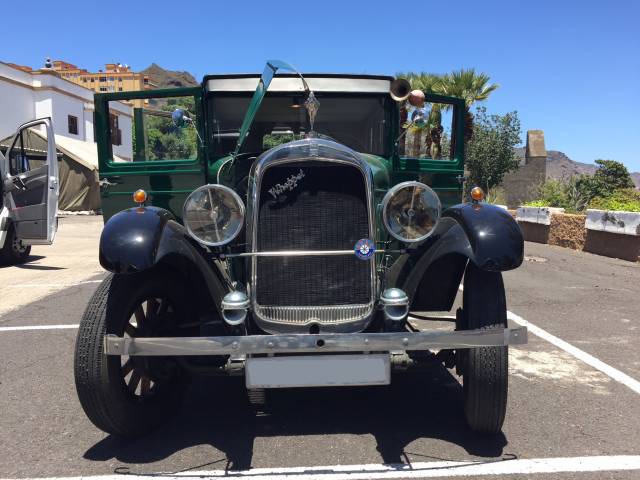
1928 | Willys-Overland 96A
Collection's Car (Originally Whippet)

Willys-Overland 96 Classic Cars: Prices & Market Values
History of the Willys-Overland 96A
The 1929 Willys-Overland Whippet 96A represents a distinctive chapter in American automotive history. Manufactured by Willys-Overland, a brand with a heritage stretching back to the early days of motoring, the Whippet models were designed in the 1920s to provide an affordable and reliable alternative to the larger, more expensive cars of the era. The 96A carried forward the Willys-Overland philosophy of accessible innovation and robust engineering, setting itself apart in a rapidly evolving automotive landscape.
Model Evolution and Background
The Whippet 96A was introduced as part of Willys-Overland’s drive to modernise its line-up toward the end of the 1920s. It succeeded earlier Whippet models, offering refinements in engineering for enhanced reliability. Production concentrated on practical improvements, ensuring the 96A could maintain a reputation for durability on both city streets and rural roads. After the end of the 96-series’ run, Willys-Overland shifted its focus, paving the way for the influential Willys vehicles of the 1930s and 1940s.
Highlights and Standout Features
The Whippet 96A’s exceptional rarity helps it stand apart in the classic car market. With construction dating from 1929, surviving examples are significant finds for collectors. Of particular note is the available yellow paintwork—a striking feature that underlines the period's approach to style. Standard configurations stuck closely to original specifications, making unmodified vehicles especially desirable to purists.
Technical Data
Special Editions and Collectible Models
No distinct special or limited-edition versions of the Willys-Overland Whippet 96A have been documented. The vehicle’s scarcity in original condition makes any surviving example noteworthy for collectors and historians alike.
Weak Spots and Common Issues
No model-specific issues or weaknesses are currently documented for the Willys-Overland 96A. However, as with any classic from the late 1920s, buyers should give careful attention to the mechanical and electrical systems, as well as body and chassis integrity, due to the age of all surviving examples.
Engine, Transmission, and Driving Character
The Whippet 96A reflects the engineering standards of 1929, favouring robust, straightforward mechanics over high performance. The driving experience is consistent with pre-war American vehicles: leisurely, with a focus on reliability rather than speed. Transmission and steering are mechanical and require attentive operation, offering enthusiasts an authentic period motoring experience. Given the model’s rarity, the 96A is the most significant Whippet variant available today, making it the focal point for any Willys-Overland search in classic car circles.
Design: Interior, Exterior, and Special Equipment
The Whippet 96A is notable for its potential yellow paint finish, providing a distinct appearance in period-correct settings. Interior layouts prioritised durability, with materials chosen for functionality. Accessories and luxury options were minimal, emphasising the practical ethos of late 1920s Willys-Overland cars. No specific designer has been credited with the model, reflecting the era's more industrial approach to car development.
Other Noteworthy Features
Additional factory options or custom features are not widely documented for the Whippet 96A, suggesting a focus on standard specification. Enthusiasts often value models that remain as true to original factory build as possible.
Summary
The 1929 Willys-Overland Whippet 96A occupies a singular niche among classic vehicles due to its scarcity and authentic representation of American engineering from the interwar years. Original, unmodified examples are particularly sought after for their historical value and mechanical honesty, with period features like yellow paintwork providing additional visual appeal to collectors and automotive historians.