- Car
- Willys-Overland
- Willys-Overland Overland (1 offer)
Willys-Overland Overland classic cars for sale
The Willys-Overland Overland stands as a milestone from early US automotive history, recognised for its robust engineering and pragmatic design. Produced from 1919 to 1926, the Overland Four established itself as a viable alternative to the Ford Model T, with global sales and a reputation for durability and ease of maintenance.
Search results
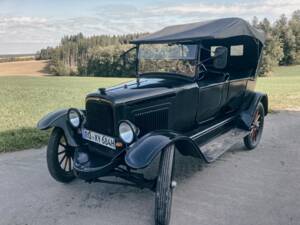
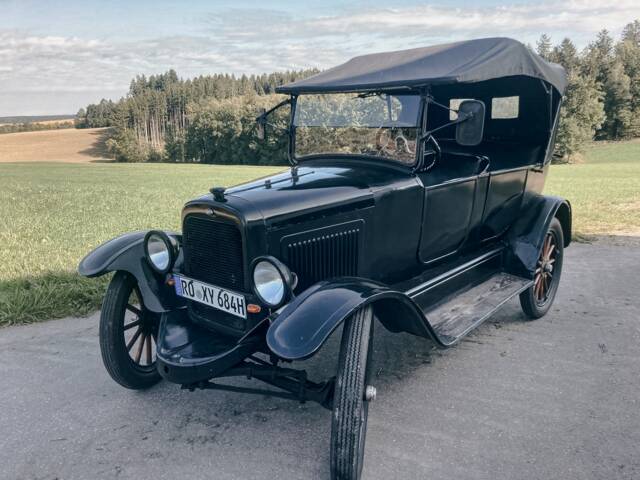
1922 | Willys-Overland Overland Four
Willys Overland Four Touring, Baujahr 1922

Willys-Overland Overland listing references from Classic Trader
Below you will find listings related to your search that are no longer available on Classic Trader. Use this information to gain insight into availability, value trends, and current pricing for a "Willys-Overland Overland" to make a more informed purchasing decision.
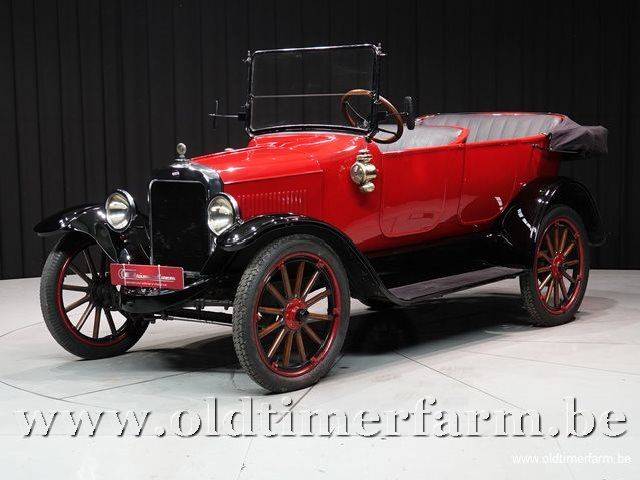
1922 | Willys-Overland Overland Four
1922 Willys Overland Touring '22

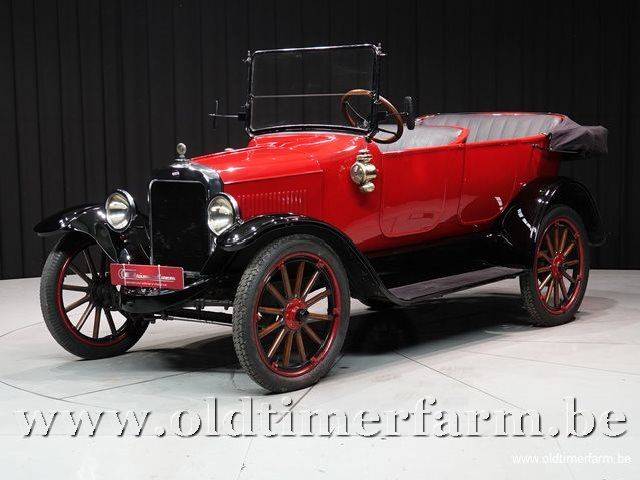
1922 | Willys-Overland Overland Four
1922 Willys Overland Touring '22
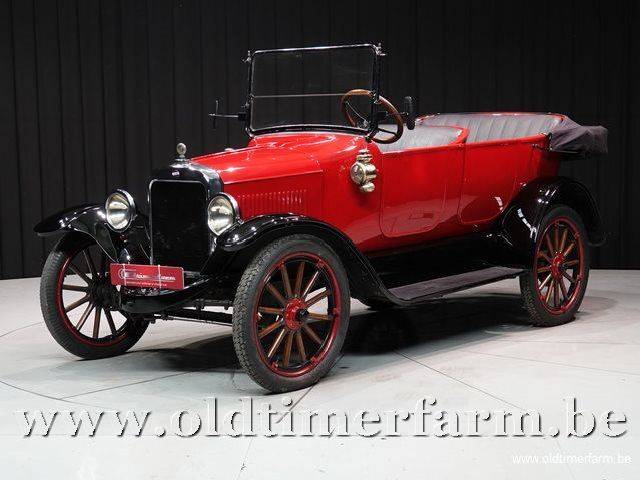
1922 | Willys-Overland Overland Four
1922 Willys Overland Touring '22
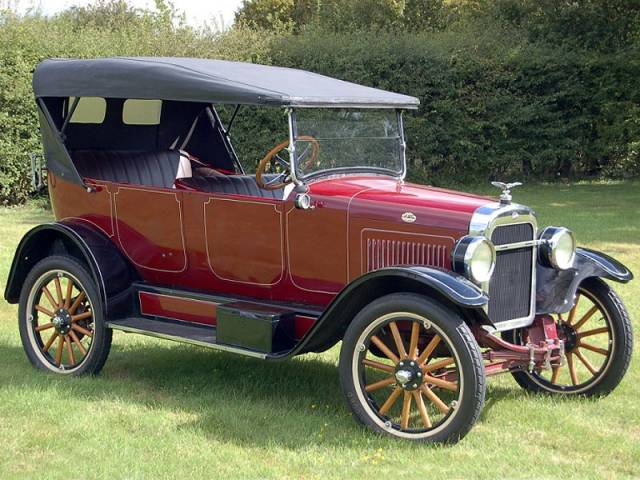
1920 | Willys-Overland Overland Four
Auction Duxford: 29.03.2017 Estimate: £18000 - 22000

Willys-Overland Overland Classic Cars: Prices & Market Values
Introduction and History of Willys-Overland Overland
In 1908, John Willys acquired the Overland Division from Standard Wheel Company, laying the foundation for Willys-Overland. The Willys-Overland Motor Company, established in 1912, quickly became the second largest US car manufacturer after Ford between 1912 and 1918. The company expanded in the 1920s, acquiring F.B. Stearns Company and producing luxury Stearns-Knight cars. Financial troubles in the mid-1920s led to the sale of assets, including the Elizabeth factory and development projects, which led to notable industry figures like Walter Chrysler departing the company. The Overland range, key to Willys-Overland’s success, ended production in 1926 and was replaced by the Whippet series.
Model History
The Overland model series reached its peak with the Overland Four, produced from 1919 to 1926. Designed as a direct competitor to the Ford Model T, the Overland distinguished itself through solid construction and global export. Its reputation for reliability made it a global staple. Following the Overland, the Whippet series took over in 1926, and later, the Willys Six and Eight succeeded the Whippet after its production ceased in 1931.
Highlights of Willys-Overland Overland
The Overland Four is notable for its ruggedness, straightforward maintenance, and practicality. Its rear-wheel-drive setup and 3-speed manual gearbox, combined with a straight-four sidevalve engine, offered simple but durable mechanics. Overland models were exported worldwide and solidified the brand’s image of robust longevity. The model's share of Willys-Overland production is 100%, according to current market statistics, underlining its dominance in the brand's historic line-up.
Technical Data
Special Editions and Collectible Models
While Willys-Overland produced several versions and trims of the Overland Four, none were officially marketed as limited editions. However, export models and certain body styles with rare coachwork or specific features can be considered especially sought-after among collectors today.
Weak Spots and Common Issues
Given its age, the Overland Four is subject to typical wear found in early 20th-century vehicles. Potential issues include:
- Wear of the cooling system (due to water pump age and corrosion)
- Ageing carburettor seals or float problems (Tillotson unit)
- Manual transmission requiring clutch adjustments and attention to gear synchronisation
- Electrical components potentially suffering from brittle wiring and contact oxidation
- Rust in the frame and body, especially in models with unchecked long-term storage Regular checks of the lubrication system, especially for the sidevalve engine, are essential to ensure continued reliability.
Engine and Performance, Transmission and Handling
The Overland Four’s 4-cylinder sidevalve engine delivers between 27 and 40 bhp, sufficient for moderate speeds typical of the era. The 3-speed manual gearbox transmits power to the rear wheels, offering commendable mechanical simplicity. The relatively low kerb weight (862 kg) and robust chassis construction give a direct and uncomplicated driving experience, though handling is strictly of its time, requiring anticipation and careful control. - Overland Four Touring: Popular for its versatile body and broad export appeal.
- Overland Four Roadster: Favoured for its lighter weight and open configuration.
- Technical specs for both primarily centre around the sidevalve four-cylinder engine and rear-drive layout.
Interior, Comfort, Exterior and Design
The Overland's design is characterised by utilitarian elegance: a straightforward, purposeful body with minimal ornamentation. The interiors were made with durable materials, suited to a range of climates encountered during export. Black was the dominant body colour, with minimal chrome or brightwork. Instruments and switches follow an uncomplicated logic, and accessories were limited primarily to factory-optional items such as upgraded lighting or weather equipment. Special body types, including open tourers and closed sedans, catered to regional and export requirements.
Other Features
Export versions of the Overland sometimes included locally-specified modifications, such as different lighting arrangements or climate-adapted features. Some body variations were commissioned from specialist coachbuilders in overseas markets, which can make such cars especially interesting for enthusiasts today.
Summary
The Willys-Overland Overland Four embodies the practical and robust ethos of early American car manufacturing. With its durable construction, reliable straight-four engine, and extensive export history, it played a defining role in pre-war motoring. Its dominance in the brand’s historical output is reflected in both supply and demand figures, making it an essential reference point for any classic car enthusiast interested in the era.