Volvo P 142 classic cars for sale
The Volvo P 142 stands out as a two-door saloon with robust safety features and a straightforward design. Produced from 1966 to 1974, this mid-size car is highly regarded for its solid B20 engine, excellent corrosion protection, and practical usability—not only as a collector's item but also as a classic suitable for everyday driving.
Search results
Currently, there are no matching listings for your search.
Create search alert
Let yourself be notified as soon as a listing is published that matches your search filters.
Create listing
Do you have a Volvo P 142 that you want to sell? Then create a listing now.
Create listingVolvo P 142 listing references from Classic Trader
Below you will find listings related to your search that are no longer available on Classic Trader. Use this information to gain insight into availability, value trends, and current pricing for a "Volvo P 142" to make a more informed purchasing decision.
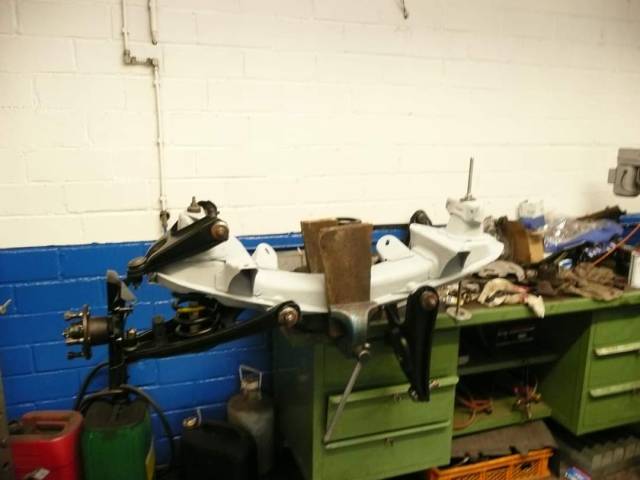
1969 | Volvo P 142
Nicht fahrbereit, teil restauriert

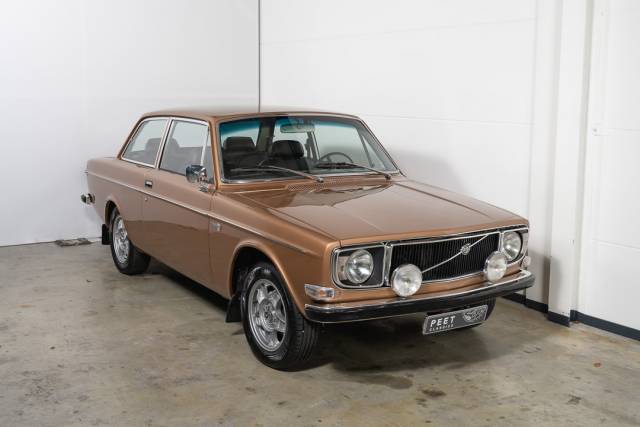
1972 | Volvo P 142

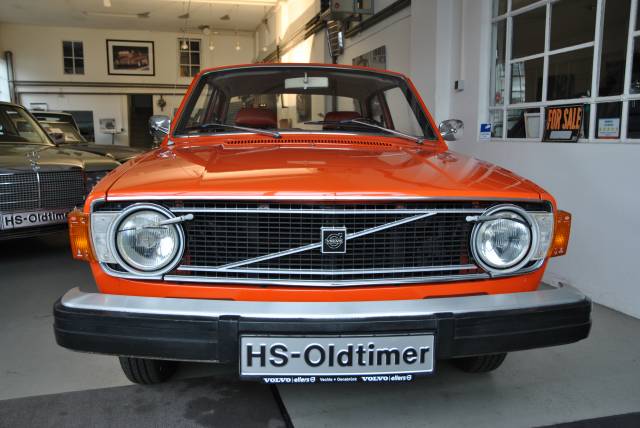
1973 | Volvo P 142
Volvo P 142 de Luxe im besonders guten Pflegezustand aus 2. Hand.
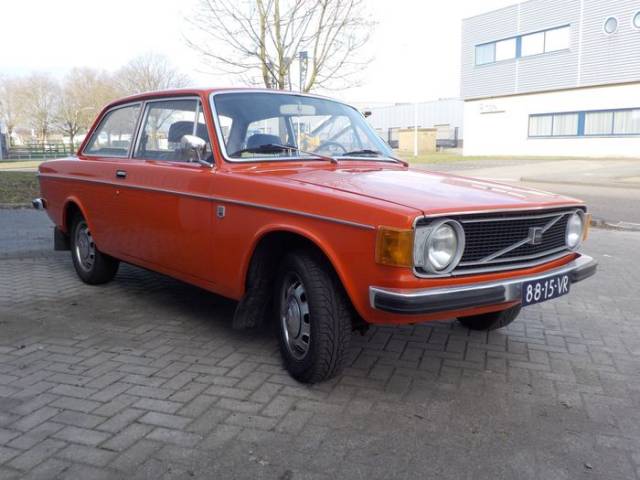
1973 | Volvo P 142
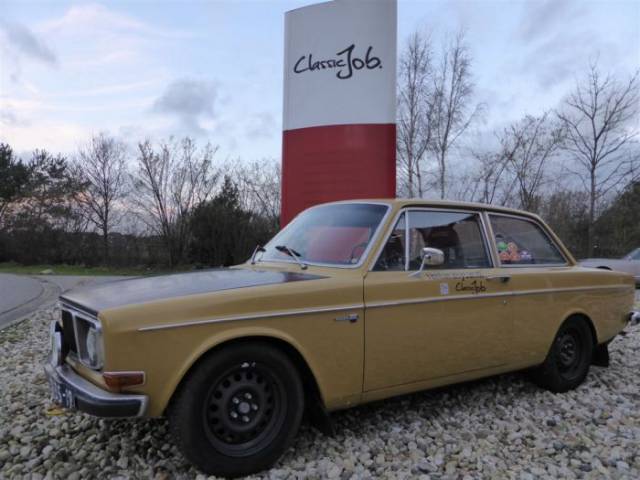
1971 | Volvo P 142 S Rallye
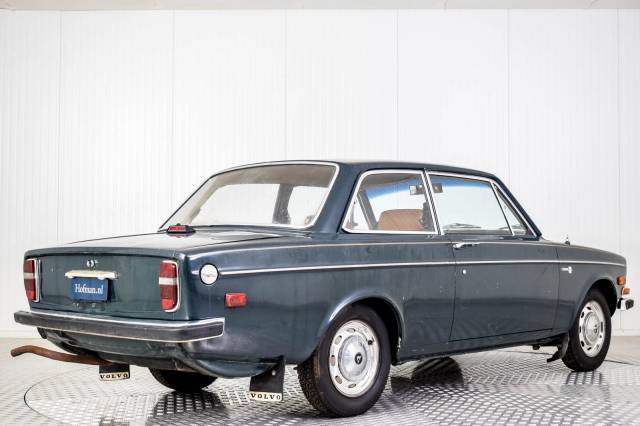
1968 | Volvo P 142
Volvo 142 S B18
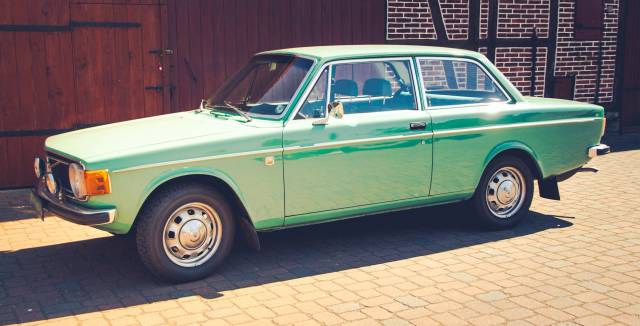
1973 | Volvo P 142
Volvo 142 de Luxe im perfekten Zustand wenig Kilometer Historie
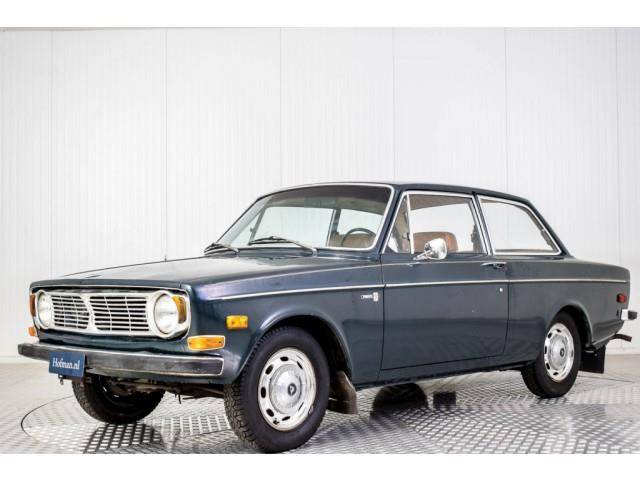
1968 | Volvo P 142
Oldtimer Volvo B18
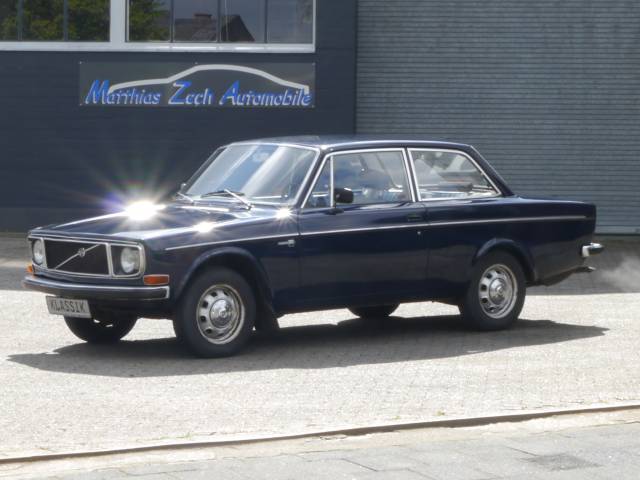
1972 | Volvo P 142
De Luxe
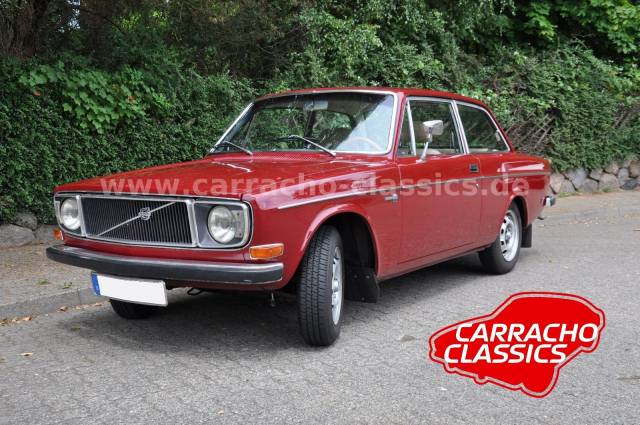
1972 | Volvo P 142
142 mit Pappbrief - restauriert
Create search alert
Let yourself be notified as soon as a listing is published that matches your search filters.
Create listing
Do you have a Volvo P 142 that you want to sell? Then create a listing now.
Create listingVolvo P 142 Classic Cars: Prices & Market Values
History of the Volvo P 142
The Volvo P 142, produced between 1966 and 1974, marks a pivotal point in Volvo’s evolution. It introduced the slab-sided bodywork that would define the brand’s image, a deliberate departure orchestrated by designer Jan Wilsgaard away from the rounded shapes of earlier postwar Volvos. The 'P' in its designation derives from 'Persovagn', Swedish for 'personal car'. Initially built to circumvent high import duties, production for the European market often involved assembly from kits in the newly established 1965 Volvo plant. The P 142 was one of three body styles in the 140 Series line-up, standing out as the two-door version among the range that included both a four-door saloon and a five-door estate. It focused on simplicity and reliability, setting new standards in passenger safety and practicality during its production years.
Model History of the Volvo P 142
The P 142 succeeded the earlier rounded Volvos, embodying a modernised aesthetic from 1966 and running until 1974. It underwent several evolutionary upgrades during its lifespan, benefiting from model refreshes that improved both mechanicals and comfort equipment. The Volvo P 240 became its direct successor, carrying forward the technical and safety ethos established by the 140 Series and remaining in production until 1993. The P 142 contributed a foundational role to Volvo's reputation for boxy, rational Scandinavian design and robust engineering.
Highlights of the Volvo P 142
Distinctive for its clear, angular body lines, the P 142 featured a spacious cabin, easy entry and exit, and excellent forward visibility—attributes enhanced by the car’s ‘boxiness’. Key safety details included three-point seatbelts on all seats, energy-absorbing steering column, integrated side-impact protection beams in the doors, and a front subframe designed to shield occupants in a 50 km/h crash. The P 142 could be outfitted with an array of options rarely seen in contemporaries: original chrome bumpers and mirror sets on earlier models, upscale interior materials including optional leather seats, and rare details like the ATS star alloy wheels. Engineered for easy maintenance, robust steel shells with effective factory wax treatment ensured above-average corrosion resistance.
Technical Data
Special Editions and Collectible Models
The P 142 GT version distinguished itself with its sportier alloy wheels, unique badging, and occasionally with enhanced trim. Other special features included rare factory options such as a five-speed overdrive gearbox, leather upholstery, and select paint colours like ocean-green. While there were no mass-produced limited editions, vehicles imported from Sweden (Schwedenimport) often featured unique combinations of equipment and colours. Vehicles preserved in original paint or with rare dealer-fitted accessories—like the classic ATS star rims—are particularly notable among enthusiasts.
Weak Spots and Common Issues
Among classic vehicles, the Volvo P 142 is known for its robust engineering; however, attention should be paid to rust on some examples that may have missed proper wax conservation from the factory. Door bottoms, wheel arches and subframes warrant close inspection. The B20 engine is well-proven, yet age-related issues such as worn timing gears or oil leaks can arise. The electrical system, largely simple, can see issues with relays and contacts due to age. Regular maintenance is straightforward, given the accessibility of mechanical components and the availability of spare parts. Interiors originally finished in robust materials can exhibit dryness and cracking, especially on leather seats or dashboard plastics.
Engine, Performance, Transmission and Handling
Thanks to its rear-wheel drive layout, the P 142 offers direct and predictable handling, with steering and ride comfort suited well to longer journeys and urban trips alike. The engine’s 82 PS output in the B20 configuration allows for everyday usability, including confident motorways speeds up to 150 km/h. The solid manual gearbox facilitates straightforward gear changes; some owners upgrade to a five-speed overdrive for improved highway cruising. Brake performance and suspension geometry were advanced for the era, contributing to the vehicle’s secure driving experience. Towing capacity of 1,200 kg and a relatively light curb weight enable versatility for trailers or classic rallies. - Volvo P 142 B20A: Reliable and widely available with robust 82 PS engine
- P 142 GT: Enhanced sportiness with alloy wheels and improved trim
- Overdrive-equipped cars: Highway capable versions popular for touring
Interior, Comfort, Exterior and Design
The P 142’s defining design, a hallmark of Jan Wilsgaard’s Scandinavian minimalism, provided both aesthetic clarity and practical benefits. Classic chrome accents on bumpers, slim door mirrors (early models), and a straightforward chrome grille defined the exterior. Many P 142s retain their original paintwork, sometimes resprayed in signature shades such as ocean-green. The interior focuses on usability, with highly readable dials, robust seat frames, and the availability of leather upholstery for a more upscale feel. Factory options included rare ATS star alloy wheels, retrofittable front and rear headrests, and comprehensive documentation with many cars still accompanied by original manuals and service books. Aftermarket and dealer accessories, such as distinctive GT-style wheels and special interior trims, further add to the individuality of this model.
Additional Notable Features
Volvo P 142 models often come with complete historical records, popular in classic car circles for their well-documented ownership, especially among Swedish imports. Their maintenance-friendly architecture and the continuous availability of spare parts make them highly appealing for restoration and regular use. Many cars exhibit well-preserved original interiors, reflecting the durable nature of materials and careful ownership. Various models also feature accessory upgrades, from updated stereos to classic wheel designs, increasing their appeal in the community.
Summary
The Volvo P 142 blends practicality, innovative safety engineering, and a purpose-driven design language introduced by Jan Wilsgaard. Its mid-size format, solid B20 engines, and high residual build quality have earned it a loyal following among classic car enthusiasts. With 100% supply and demand shares in its manufacturer code, the P 142 occupies a distinctive position in the classic Volvo landscape, combining everyday usability with the mechanical and aesthetic charm of 1960s–70s Swedish engineering.