Volvo 740 Classic Cars for Sale
The Volvo 740 ranks as a benchmark of Swedish engineering, beloved for its robust build, angular design, and unmatched everyday practicality. Available as a spacious saloon or an especially versatile estate, its reputation for reliability and utility cements its appeal among classic car connoisseurs and families alike.
Search results
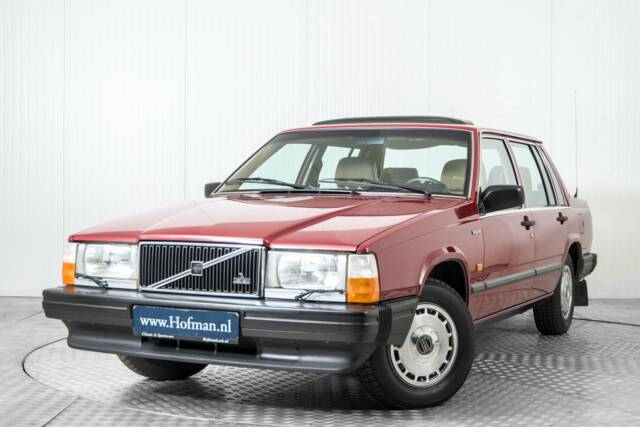
1987 | Volvo 740
Volvo 740 2.3 GL

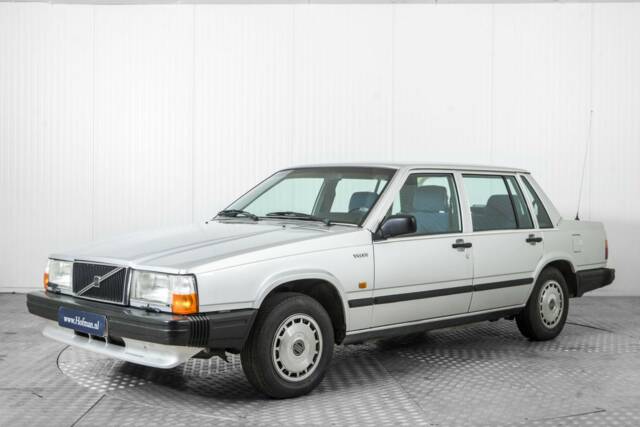
1987 | Volvo 740
Volvo 740
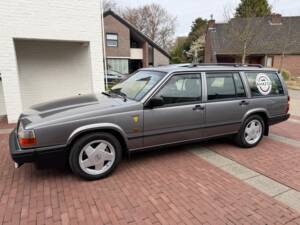
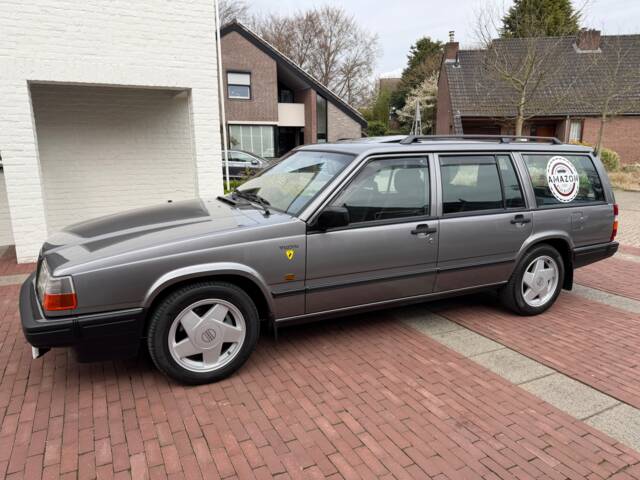
1990 | Volvo 740
Volvo 740 Estate 2.0-16V -Turbo B204FT - 136KW/200HP - 1990
VAT is reclaimable
Volvo 740 listing references from Classic Trader
Below you will find listings related to your search that are no longer available on Classic Trader. Use this information to gain insight into availability, value trends, and current pricing for a "Volvo 740" to make a more informed purchasing decision.
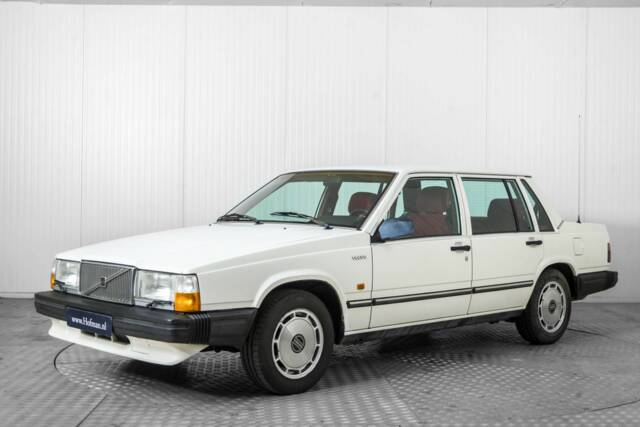
1984 | Volvo 740
Volvo 740 2.3 GLE
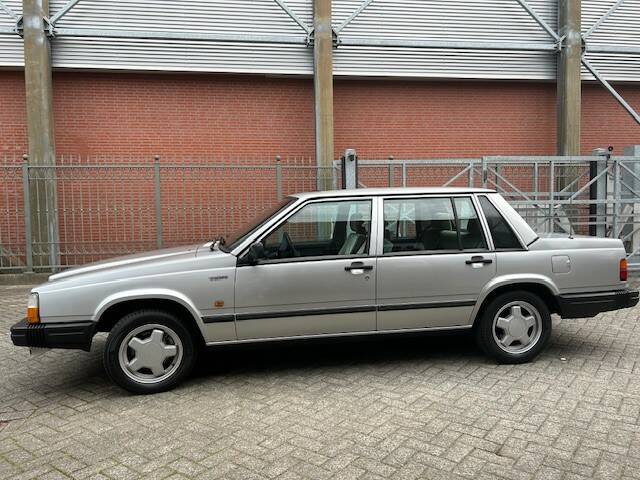
1989 | Volvo 740
enjoy daily driving in a genuine Volvo
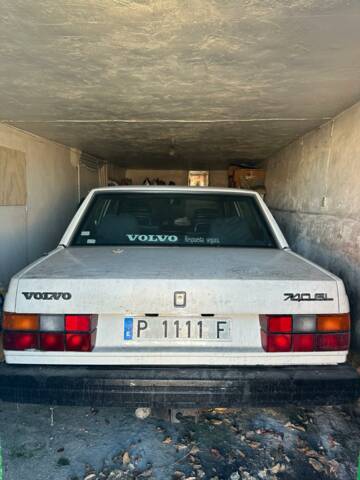
1991 | Volvo 740 GL
Precioso coche gran oportunidad

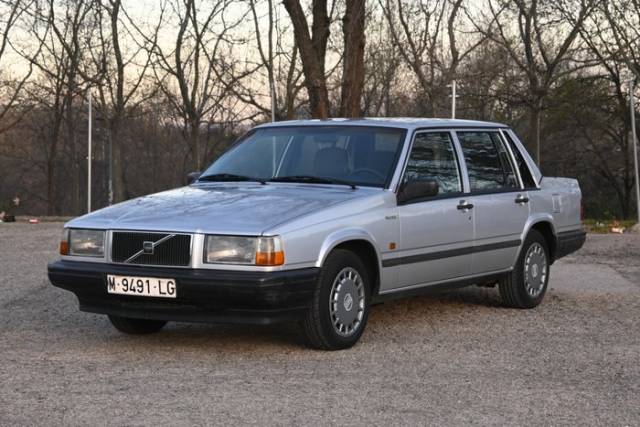
1990 | Volvo 740 Diesel
Volvo - 740 2.3 - NO RESERVE - 1990
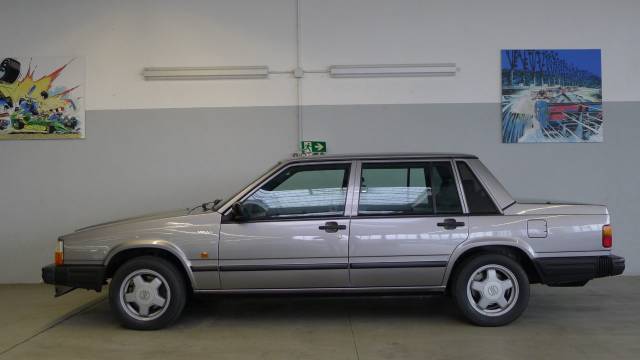
1987 | Volvo 740 Turbo

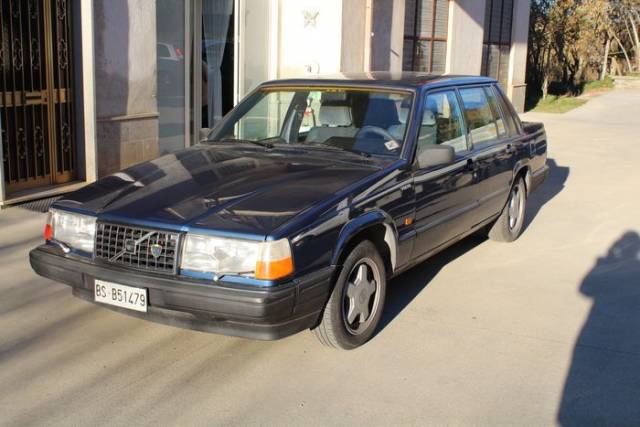
1989 | Volvo 740 GLT 16V
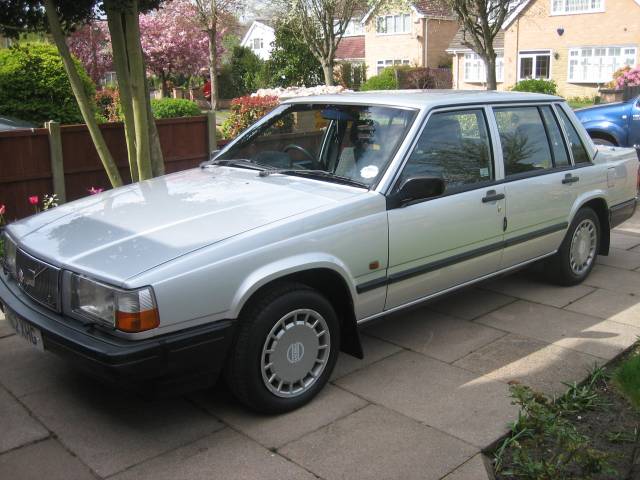
1991 | Volvo 740
One Owner Vehicle

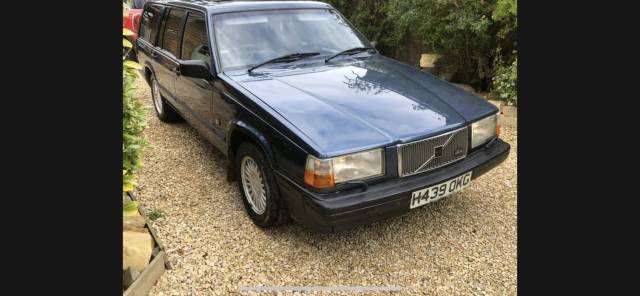
1990 | Volvo 740 GL
One of 50 odd volvo estates left, daily driver.
Volvo 740 Classic Cars: Prices & Market Values
Development and Background – The Story of the Volvo 740
Released in 1984 as a more accessible sibling to the premium 760, the Volvo 740 symbolised a step forward in executive vehicle design for the Swedish brand. Designed by Jan Wilsgaard, its boxy silhouette quickly garnered nicknames such as 'Swedish Bricks' or 'Snow Plough', referencing its shape and northern resilience. Distinct for its longevity, the 740 became a bestseller in markets like Germany and delivered solid sales across Europe and North America, where its safety and reliability bred a cult following. Sharing much of its architecture with the 760, the 740 maintained accessible pricing while offering similar driving comfort and engineering substance. Its extended production until the introduction of the 900 series underlines its popularity and importance in Volvo's heritage.
Model Evolution – From Introduction to Successor
The Volvo 740 entered production in both saloon and estate (marketed as 745) forms. It was part of the broader 700 series, which launched in 1982 with the 760, extending Volvo's offerings into the upper mid-range luxury sector. The 740 benefited from multiple mechanical and cosmetic refinements through its lifecycle, including a minor facelift in 1989 and expanded availability of catalytic converters for all engines from 1987. It saw the resolution of known rust issues in the wheel arches and reinforcement of suspension components. The 740 remained on sale until being gradually replaced by the 900 series in the early 1990s, with the 200 series running in parallel for several years. Its predecessor is the 200 series, and it was succeeded by the 940/960 line.
Highlights and Unique Features of the Volvo 740
The Volvo 740 impresses with a purposeful, linear design that stands out in any era. Its construction prioritises safety and robustness, with thick body panels and practical, understated interiors. Its adaptability is reflected in seating options for up to seven, heavy-duty estate variants marketed as excellent 'load luggers', and consistent success as family and business transport. Interior features from heated seats and central locking to unique elements like Ecometer, original cassette radios, and even options for climate control and computerised dashboards distinguish the model. Most notable is the model's ability to provide a calm, comfortable ride even under full load.
Technical Data
Special Editions and Collectible Models
The model range included distinctive editions such as the upmarket 745 estate with seven seats, high-spec GLT and Turbo variants, and limited dealer or regional editions featuring exclusive paint or trim. Notably, in Italy, versions like the 2.0 GLT 16V and Turbo 16V were rare. Motorsport fans may recall the 740’s brief but memorable foray into touring car testing, specifically for the British Touring Car Championship, where its robust underpinnings were put to the test.
Weak Spots and Common Issues
Early 1990s models are particularly prone to rust, especially in the wheel arches, likely due to thin paint protection. Volvo improved this after 1990 with thicker paint layers and improved body construction. Some cars displayed minor issues with hairline cracks in rear suspension mounts, which Volvo countered by reinforcing the suspension geometry. Due to the car’s age, inspecting for corrosion, electrical issues in optional equipment like electric windows or climate control, and the state of the front and rear axles is important. In general, regular maintenance keeps the simple mechanics reliable and parts are generally well available.
Engine, Performance, and Handling
The hallmark of the 740 is its smooth and linear driving behaviour. Main engine options, like the 2.3-litre petrol and 2.4-litre diesel, are revered for their strength and long lifespan. The gearboxes, whether manual or automatic, are renowned for durability, with some manual gearboxes featuring an overdrive for relaxed motorway cruising. Suspension is tuned for comfort and high-speed stability more than sporting response, reflecting the car's priorities as a long-distance cruiser and family workhorse. Braking performance is solid for the era and ABS was available in later years. Estate variants, due to their reinforced chassis, often perform even better under heavy load or towing. Enthusiasts particularly value the Turbo variant for its more lively acceleration. - Volvo 740 GLT: 2.3L, premium specification, sharper performance
- Volvo 740 Turbo: 2.0L/2.3L turbo power, distinctive performance and character
- Volvo 745 Estate: Seven-seater, praised for cargo utility and robust ride
- Diesel Variants: 2.4L 6-cylinder sourced from VW; outstanding longevity
Interior, Comfort, Exterior and Design
Design by Jan Wilsgaard delivers instantly recognisable angular lines, paired with practical, spacious interiors clothed in durable fabrics or available leather. Colours range from understated greys and strong whites to rarer, bolder options. Details like electric sunroofs, heated seats, and bespoke Volvo radio/cassette units were available, as well as optional alloys and extensive winter-ready equipment. Accessories such as load covers, integrated fold-down seats in the estate, and high-grade security locks underline a focus on function over ostentation. The cabin's acoustic damping and ergonomic seats lend it exceptional comfort on long journeys. Later models feature improved materials and optionally tinted glass.
Other Noteworthy Features
With the Volvo 740, buyers benefit from a wealth of original factory options, from electric mirrors and alarm systems to practical details like load securing hooks and even early onboard computers on certain trims. Estates could be configured for up to seven passengers, cementing their versatility for family and business use alike.
Summary
The Volvo 740 delivers everything a practical classic enthusiast might seek: durable engineering, unmistakable styling, versatile utility, and plentiful parts support. Standout build quality, extensive original options, and a model history that includes both family daily drivers and high-mileage long-haulers secure the 740’s reputation. Whether saloon or estate, petrol or diesel, this model is a benchmark for Scandinavian reliability and functional design.