- Car
- Volvo (107 offers)
Buy Classic Volvo Cars
Volvo classics suit Australian buyers who value durability, honest engineering and a strong club scene. From the rare P1800 and Amazon to the more common 240, Classic Trader helps you find the right car to buy.
Search results
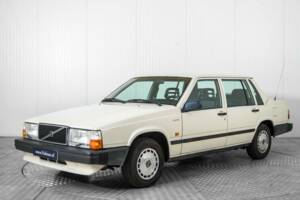
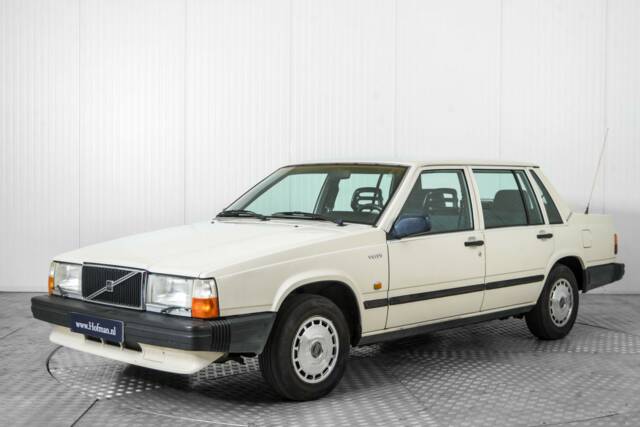
1987 | Volvo 740 GL
Volvo 740 2.3 GL

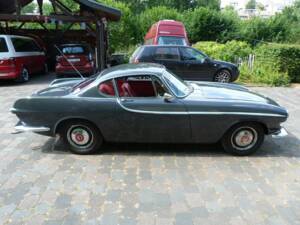
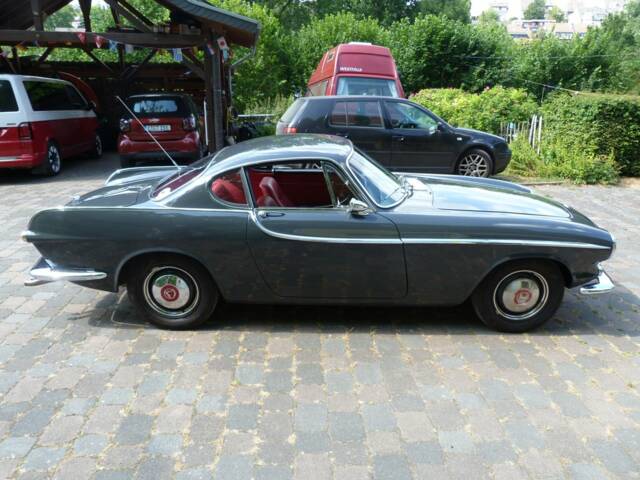
1964 | Volvo 1800 S
Volvo P1800S | 1964 | Route 66 Auctions - For sale by auction. Estimate 18000 EUR
Auctions ending soon

Loading…
Loading…
Loading…
Loading…

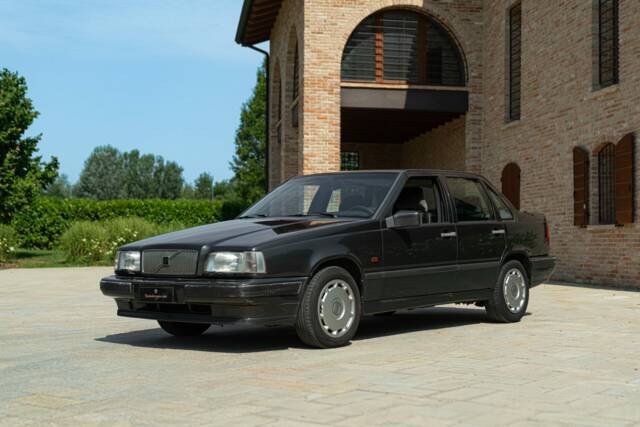
1992 | Volvo 850 2.0 20V
Volvo 850 GLT


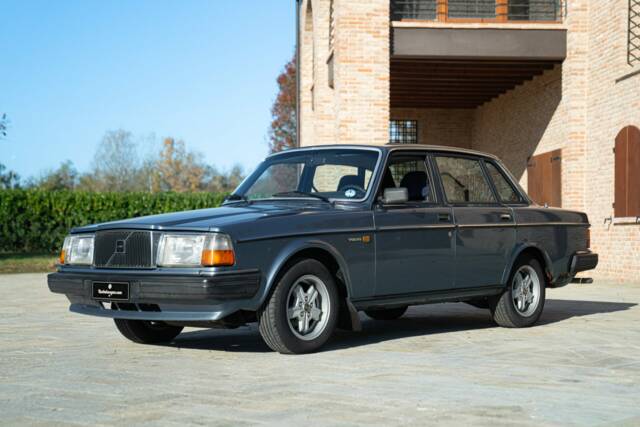
1984 | Volvo 244 GL D
Volvo 244 GL 2.3L
Newsletter
The best Volvo listings, straight to your inbox
Get hand-picked Volvo listings, plus the best of cars, motorbikes, and auctions on Classic Trader — all in one place.
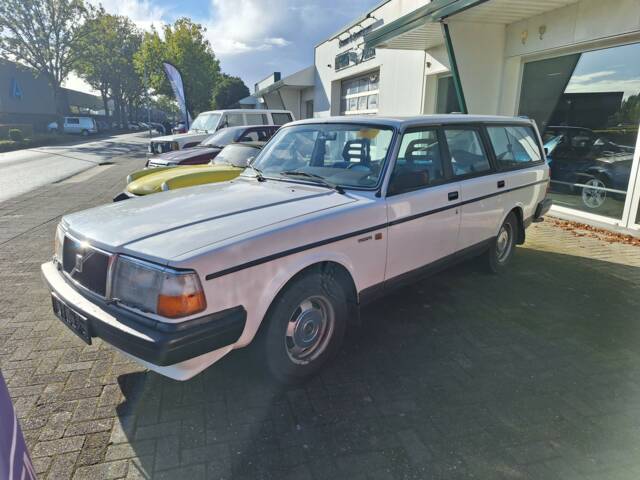
1986 | Volvo 240 GL
Volvo 240 2.3 GL 5 bak
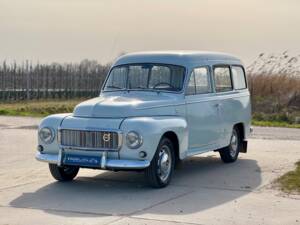
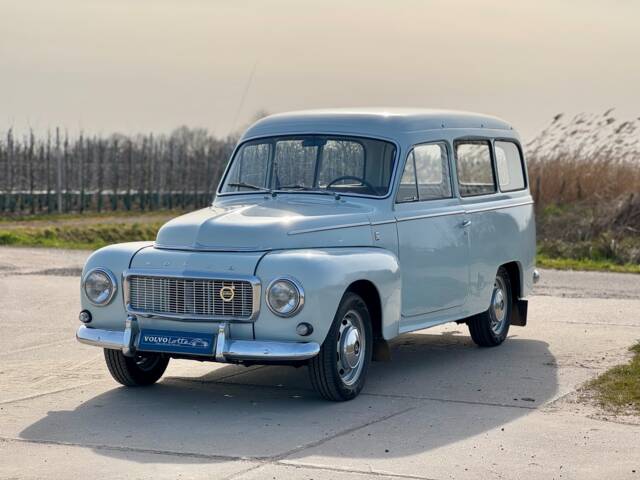
1967 | Volvo P 210 Duett
De Volvo P210 Duett is een icoon onder de praktische klassiekers. Oorspronkelijk ontworpen...
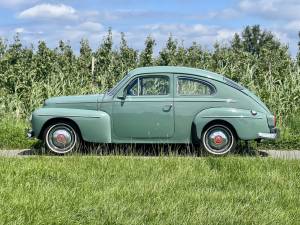
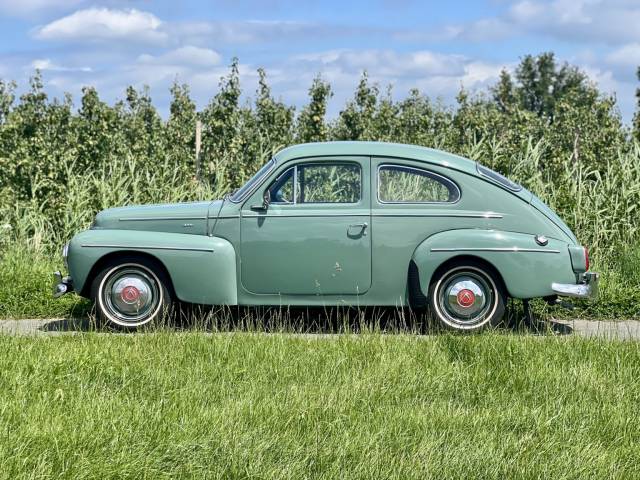
1963 | Volvo PV 544
This is an original Dutch-delivered car from 1963.
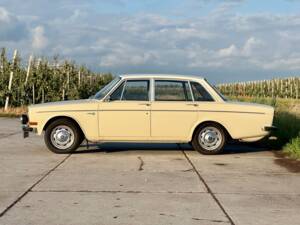
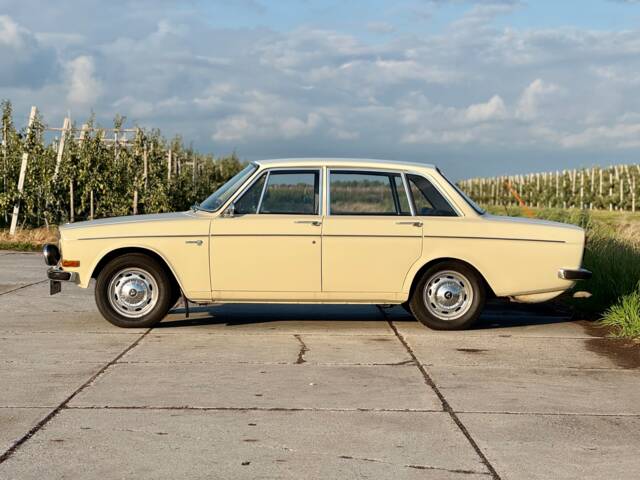
1969 | Volvo P 144
Volvo 144 from 1969 – A Pure Piece of Volvo Heritage
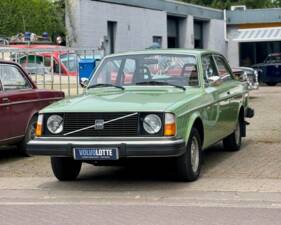
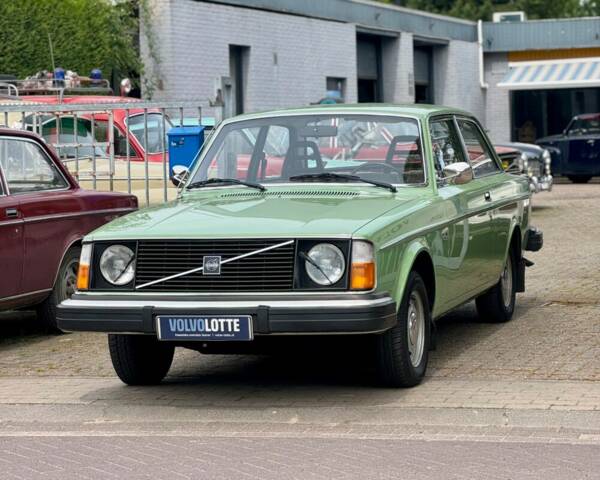
1975 | Volvo 244 DL
Unieke survivor, originele staat, slechts 74.500 km, prachtige kleurstelling
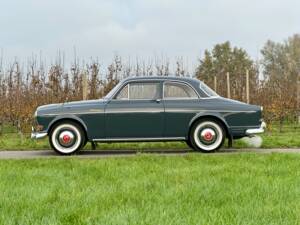
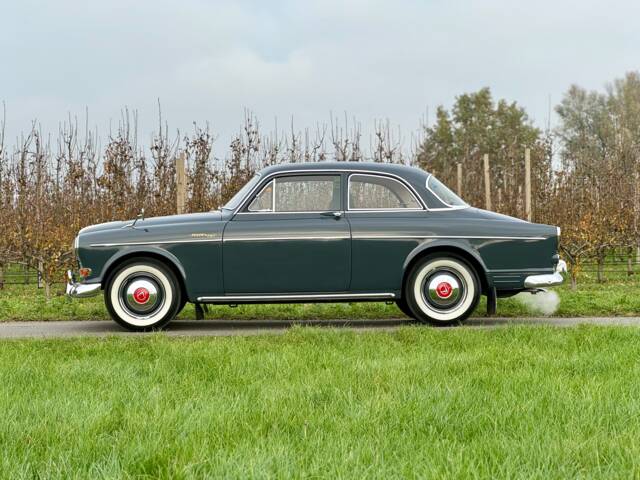
1962 | Volvo P 121
Zeer originele staat, vroeg model met unieke details.
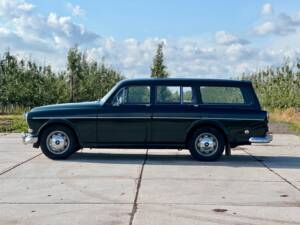
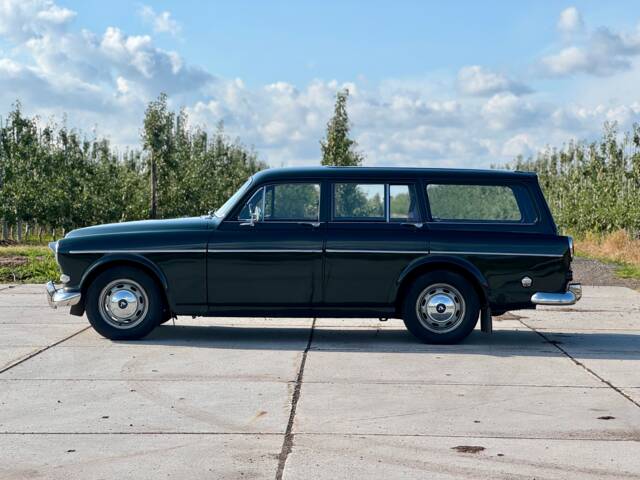
1967 | Volvo Amazon P220
This is a Volvo Amazon 222 Combi from 1967.

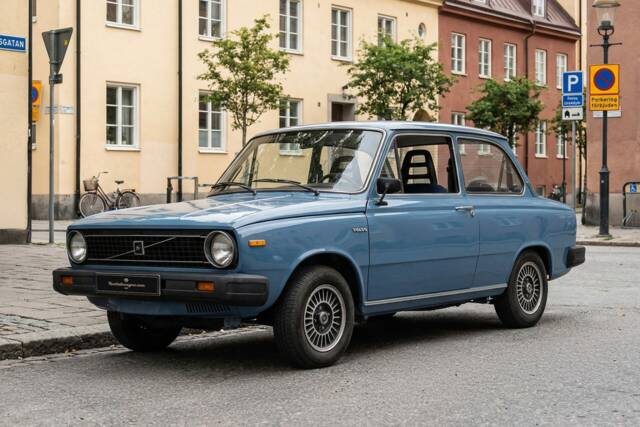
1980 | Volvo 66
Volvo 66

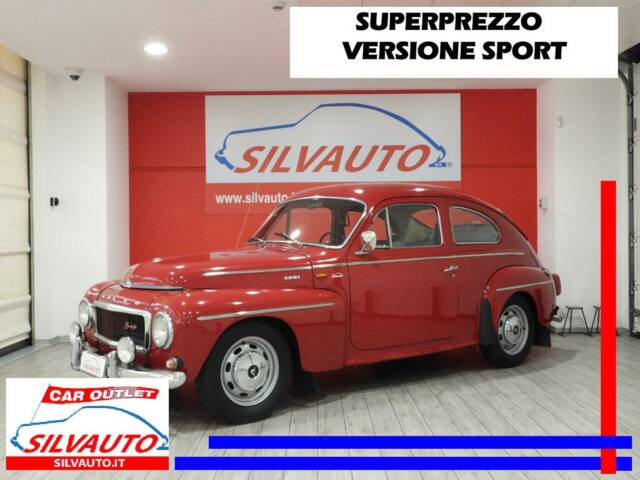
1963 | Volvo PV 544 Sport
VOLVO PV544 SPORT (1963) SICURA RIVALUTAZIONE – SUPERPREZZO

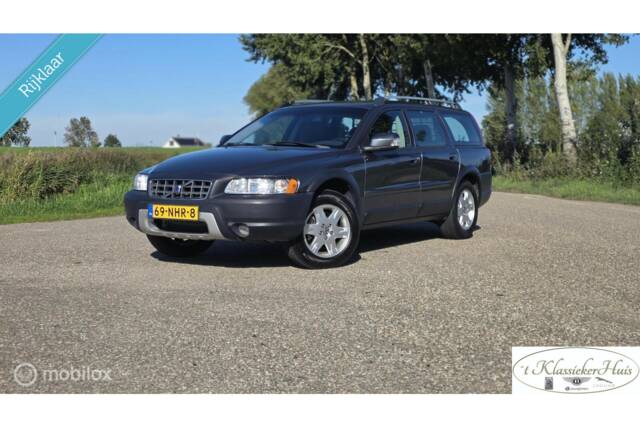
2006 | Volvo XC70 2.5T AWD
Volvo XC70 2.5 T aut.

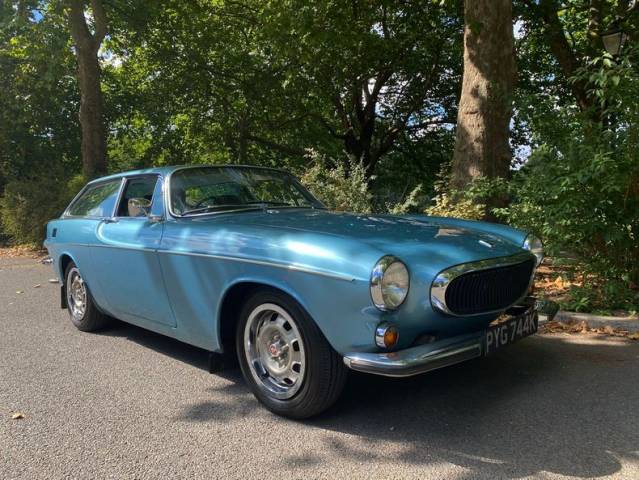
1972 | Volvo 1800 ES
1972 Volvo P1800 1800ES

History & Heritage
Volvo’s classic-car story starts in Sweden in 1927, but for Australian buyers it has always had a slightly different shape. Most classic Volvos seen here were imported, and that remains part of their appeal: they feel a little rarer, a little more considered, and often a little more personal than the usual local classics. Right-hand drive examples do exist, but supply has always been limited, especially for the most desirable models. That scarcity helps explain why Australian Volvo prices often sit well above comparable European listings.
For collectors, the key names are the PV544, Amazon 122/123 GT, P1800, 1800ES and the later 240. Together they define the classic Volvo image: strong structure, understated styling and a reputation for lasting far longer than their contemporaries. The PV544 carried the old-school charm of the post-war era, the Amazon made Volvo genuinely stylish, and the P1800 turned the brand into a design icon. The 1800ES took that formula into shooting-brake territory, while the 240 became the everyday classic that many Australians actually knew new.
That matters in Australia. The Volvo 240 was sold new here and is relatively common, which makes it the practical entry point for many buyers. By contrast, the Amazon and P1800 are more special on local roads because they were imported in far smaller numbers. In dry inland states, they can survive remarkably well; coastal cars are a different story, as salt corrosion can still bite hard in floors, sills and suspension points.
The other reason Volvo classics are popular here is community. The Volvo Car Club of Australia gives owners a ready-made network for parts advice, events and technical knowledge, which is a big help when a car needs work. For many buyers, that club culture is as valuable as the badge itself.
Highlights & Features
What makes a classic Volvo attractive is not one single trait but the mix. These cars are honest, well-built and generally usable, yet they also have enough character to reward an enthusiast. The best examples combine solid engineering with a clean, Scandinavian sense of design. They are not fragile museum pieces; they are cars you can actually live with.
The P1800 is the obvious star. Its long bonnet, compact cabin and graceful tail give it instant presence, and the car’s cultural profile remains unusually strong. It is one of those classics that even non-enthusiasts recognise. In Australia, that recognition has helped lift demand, especially for tidy cars with correct trim, matching numbers and clear history.
The 1800ES is arguably even more interesting for today’s buyer. It is rare, practical and deeply charismatic, with its glass tailgate and shooting-brake body giving it a personality unlike almost anything else from the period. Australian buyers often chase these because they can be used more easily than a pure coupé, but still feel special enough for weekend shows and long club runs.
The Amazon sits in the sweet spot between simple and desirable. It has the clean lines of a proper 1960s saloon, a sturdy mechanical base and a larger interior than the P1800. In Australia, good Amazons are sought after because they balance looks, usability and relative rarity. The sporty 123 GT and tidy two-door cars are especially prized.
Then there is the PV544. It has old-world charm, upright proportions and a hard-to-fake authenticity. It is also one of the most affordable ways into the classic Volvo world, although restoration work can quickly change the maths if the body needs attention.
Finally, the 240 deserves respect. It may not be the dream poster car, but it is the model many Australians associate with Volvo reliability, sensible space and durable engineering. If you want a classic Volvo that can be driven more frequently, the 240 is the one to study closely.
Technical Data
The technical appeal of classic Volvos is straightforward: strong four-cylinder engines, simple drivetrains and robust chassis design. The early cars are not fast by modern standards, but they are torquey enough to feel useful. The later fuel-injected 1800E and 1800ES models add more flexibility, while the 240 range broadens the choice into sedan, wagon and turbo form.
Market Overview & Buying Tips
The Australian Volvo market is shaped by import cost, rarity and condition. In broad terms, local prices are often 20–40% higher than European prices once shipping, compliance, taxes and scarcity are added in. That premium is most visible on the desirable models: P1800, Amazon and 1800ES. The 240 is the exception, because it was sold here and remains more available.
Recent Australian asking and sale prices show the spread clearly. A PV544 project car in South Australia has been advertised at A$16,500, while a better known 544 can still sit in the low to mid-A$20,000s when it is tidy and usable. For the Amazon, a recent 122S listing in NSW asked A$25,000, while rougher examples have appeared lower. For the P1800, local values are much wider: a 1966 P1800S on Just Cars was listed at A$74,900, while a 1972 1800ES appeared at A$79,490 ex gov charges. On the valuation side, carsales has shown indicative ranges around A$37,900–41,900 for a 1964 P1800 and A$30,000–61,700 for a 1972 example, depending on condition and variant.
Those figures line up with the broader Australian market view: P1800s and 1800ES cars are no longer cheap classics, and clean cars with proper presentation can move well above the lower online valuation bands. The market has a strong ceiling because rare, correctly restored cars attract dedicated buyers. The floor, however, remains anchored by projects and cars needing bodywork, which can still be found at more modest prices.
For buyers, the biggest issue is not usually mechanical complexity; it is provenance, rust and compliance. Many classic Volvos in Australia were imported, often from North America or Europe. Imported cars can be perfectly fine, but they should come with clear paperwork and an understanding of how they entered the country. Under Australia’s current rules, SEVS can apply to eligible specialist and enthusiast vehicles, while pre-1989 vehicles are generally easier to import than later cars. The key point is compliance: a road vehicle must meet the relevant ADR (Australian Design Rules) requirements, or qualify under a concessional pathway. Older imports often have a simpler path, but state and territory rules still matter.
That is especially true for registration. Each state has its own historic or classic-vehicle scheme. In NSW, buyers may use the Historic Vehicle Scheme or Classic Vehicle Scheme depending on originality and modifications. In Victoria, the Club Permit system is often central to ownership economics. The practical takeaway is simple: before you buy, check whether the car will suit the rules in your state, not just the national import pathway.
Because the cars are rarer here, parts should also be budgeted carefully. Many items still come from Sweden or Europe, and while Volvo specialists are well established, lead times and freight can add up fast. Mechanical parts are usually manageable, but trim, rubber, brightwork and model-specific interior pieces can become expensive. This is one reason why a cheap-looking restoration project is not always a cheap car.
Buying tips by model:
- PV544: focus on chassis rust, floor pans, sills, front apron repairs and past accident work.
- Amazon: inspect the lower doors, front wings, sill structure, battery tray and firewall areas.
- P1800/1800S: check for rust around the rear arches, sills, floor, screen surrounds and nose panel repairs.
- 1800ES: the tailgate frame, rear floor, glass seal areas and cargo floor need careful inspection.
- 240: look for corrosion in the sills, rear arches, front wings and underbody, plus cooling-system condition.
Australian buyers should also look at local climate history. Dry-state cars can be better preserved, but coastal service history may hide salt damage. A strong folder of invoices, club records and ownership history often adds real value.
Driving Feel
A classic Volvo does not try to impress in the first five seconds. It grows on you. The steering is light but not nervous, the controls feel mechanical rather than filtered, and the whole car gives a sense of purpose that suits long Australian distances. That is why these cars work so well for club runs and weekend touring.
The PV544 feels compact, upright and direct. You sit high, look over the wings and sense every part of the chassis working. It is not relaxed in the modern sense, but it is engaging. The older four-cylinder engines have enough torque to make the car feel willing, especially on cooler mornings or open roads.
The Amazon is more settled. It has the feel of a proper family car that also happens to look great, and that makes it especially appealing in Australian traffic. The cabin is airy, the ride is forgiving and the steering has enough precision to feel trustworthy. A good 123 GT adds a firmer edge, but even standard cars have enough poise to make them genuinely enjoyable.
The P1800 is the one that usually wins hearts. It feels lower, more intimate and more special. Visibility is good, the seating position is classic-coupé snug, and the car has a lovely sense of occasion every time you open the door. On the road, it is not aggressive; it is smooth, steady and pleasingly solid. The 1800ES adds usefulness to that character. It can take luggage, club gear and weekend shopping without losing the charm of the P1800 shape.
The 240 is different again. It is the car for buyers who want honesty over glamour. The best thing about it is how unflustered it feels. The cabin is roomy, the chassis is predictable and the car simply gets on with the job. If you find a turbo car, there is another layer of character, but even the standard versions are relaxing in a way that few newer classics can match.
For Australian roads, that calmness matters. Heat, long distances and variable surfaces reward a car that is mechanically simple and thermally honest. A well-sorted Volvo can be a very satisfying companion.
Design & Coachwork
Classic Volvo design is a study in restraint. These cars are not flamboyant, yet they are far from boring. Their strength lies in proportion, clean surfacing and a sense that every line was drawn to serve a real purpose. That is why they age so well.
The PV544 still carries the rounded, pre-aerodynamic look of the early post-war period, but with enough structure in the body to avoid looking fragile. Its upright cabin and compact dimensions give it a charm that modern design often cannot imitate. It is very much a product of its time, and that is part of the attraction.
The Amazon was a major step forward. It brought a more modern three-box profile, cleaner panel surfacing and a stronger visual identity. The two-door cars are particularly attractive because the roofline gives them a better coupe-like stance. In Australia, they appeal to buyers who want something elegant without losing usability.
The P1800 is Volvo’s design classic. It blends Italian inspiration with Scandinavian discipline, and the result is one of the most balanced coupé shapes of the era. The long bonnet, low roof and compact tail make it feel expensive without shouting about it. Chrome, badges and trim must be correct on a good restoration, because the design relies on detail as much as shape.
The 1800ES takes the same language and reworks it into a practical shooting brake. The glass tailgate is the signature element, but the whole rear section is what makes the car memorable. It is a perfect example of form following function without losing style.
The 240 is probably the purest expression of Volvo’s safety-first philosophy. It is angular, upright and intentionally unglamorous. Yet that clarity gave it enormous visual staying power. In later life, the 240 has become a design statement in its own right: simple, tough and honest.
For Australian enthusiasts, that range matters because it gives buyers a choice of personalities. Some want the elegance of a P1800, others want the practical cool of a 240 wagon, and some simply want a well-built classic that still looks right parked outside a café.
Motorsport & Culture
Volvo never built its reputation on motorsport alone, but racing and rallying helped prove the cars were more than safe transport. The Amazon and PV544 both found success in rally competition, where durability and traction often mattered more than outright speed. That image of the dependable underdog stuck, and it still helps the brand with enthusiasts today.
The P1800 became famous in popular culture through The Saint, but in Australia it also built a reputation as a car for informed buyers rather than status seekers. It is the sort of classic that signals taste, not noise. The 1800ES carried that further, turning a stylish coupé into a very usable tourer with genuine collectability.
The Volvo club scene is a bigger part of the local culture than many first-time buyers expect. Club members know which cars were imported, which were converted, where the good parts suppliers are and which restorers understand the models properly. For buyers, that network can save time and money.
There is also a practical cultural angle: Australian classic-car ownership is often built around events, runs and conditional registration. That suits Volvos well. They are dependable enough for regular use, distinctive enough to be noticed, and simple enough that many owners are happy to maintain them themselves with support from specialists.
Summary
Classic Volvos make strong sense in Australia because they combine rarity, usability and character in a way few other marques manage. If you want the most recognisable model, buy a P1800. If you want the rarest and most usable of the family, look for an 1800ES. If you want the best balance of style and practicality, the Amazon is hard to beat. If you want the most approachable entry point, the PV544 or a good 240 deserves a close look.
The Australian market rewards careful buyers. Imported cars can be excellent, but compliance, rust, parts and registration rules all matter. Expect higher AUD pricing than in Europe, and budget properly for shipping, restoration and imported parts. The reward is a classic Volvo that feels solid, usable and genuinely distinctive on Australian roads.
Find the Volvo classic that suits your life, your state registration rules and your budget — and discover now the best offers & prices on Classic Trader.