Triumph TR 8 classic cars for sale
With fewer than 2,800 produced, the Triumph TR8 stands apart as a rare British sports car—engineered for the North American market, powered by a distinctive 3.5-litre Rover V8, and equipped with features like a five-speed gearbox, power steering, climate control, and signature wedge-shaped design.
Search results
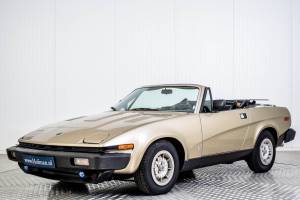
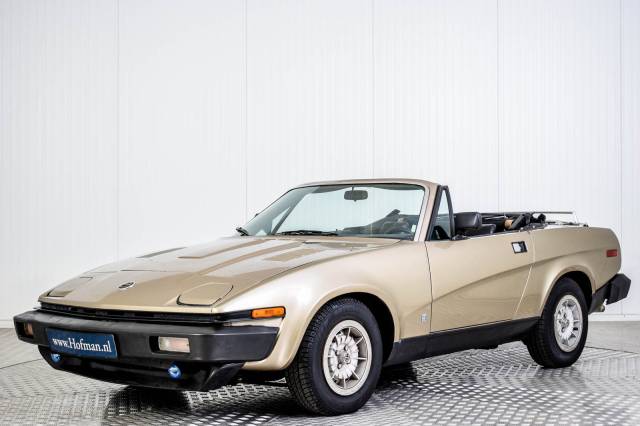
1980 | Triumph TR 8
Triumph TR8 Convertible

Triumph TR 8 listing references from Classic Trader
Below you will find listings related to your search that are no longer available on Classic Trader. Use this information to gain insight into availability, value trends, and current pricing for a "Triumph TR 8" to make a more informed purchasing decision.
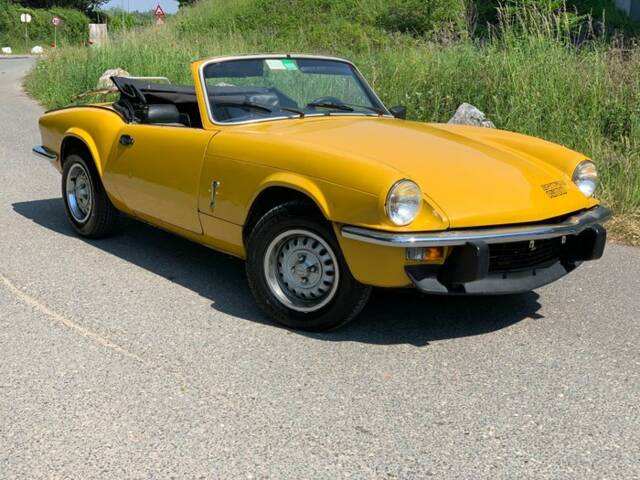
1981 | Triumph TR 8
Triumph - Spitfire 1500 - 1981
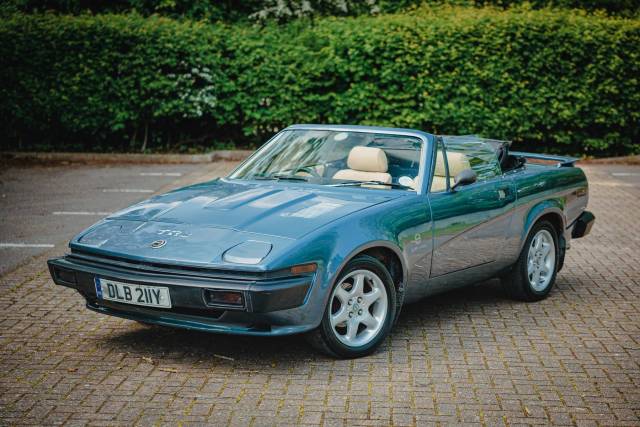
1981 | Triumph TR 8
V8 Engined - Running Well - Bodywork Requires Attention

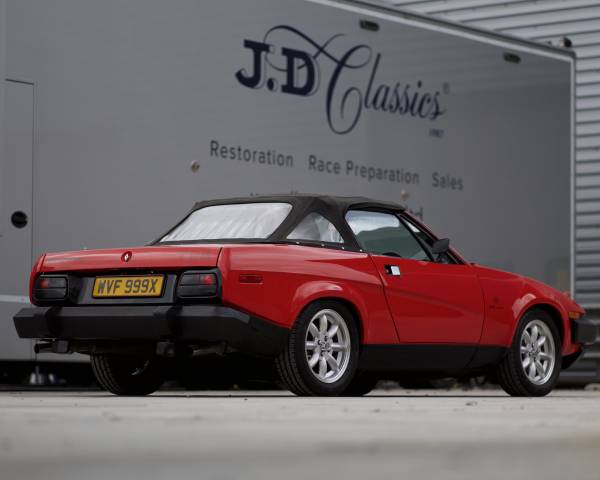
1982 | Triumph TR 8
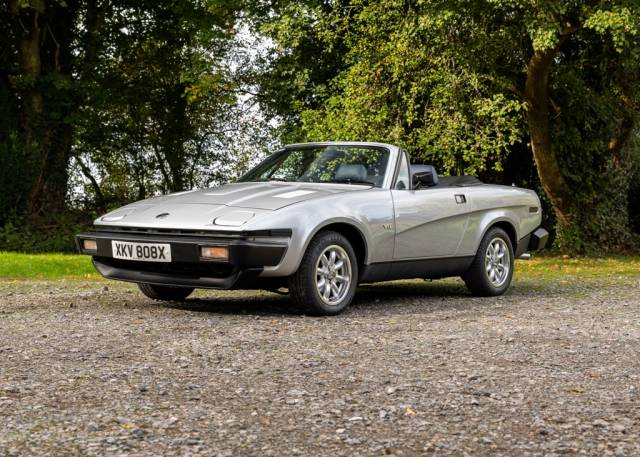
1982 | Triumph TR 8
Triumph TR8 Conversion
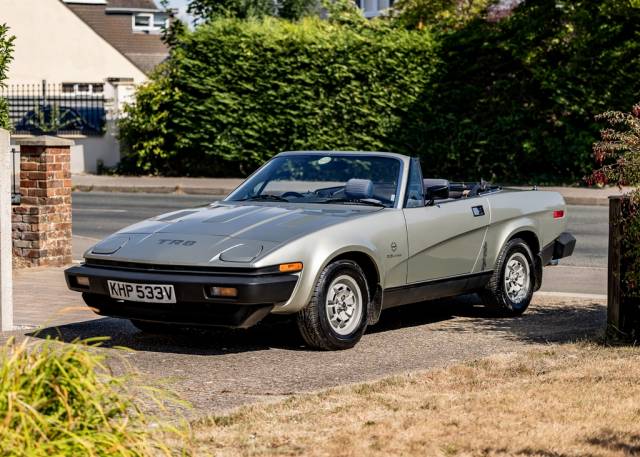
1980 | Triumph TR 8
Triumph TR8 Convertible
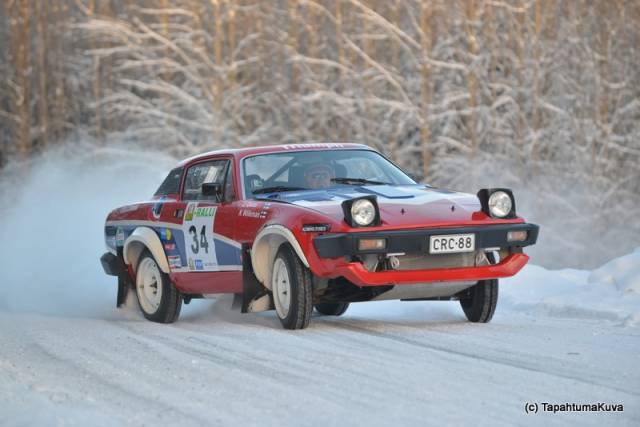
1979 | Triumph TR 8
Let's Race!

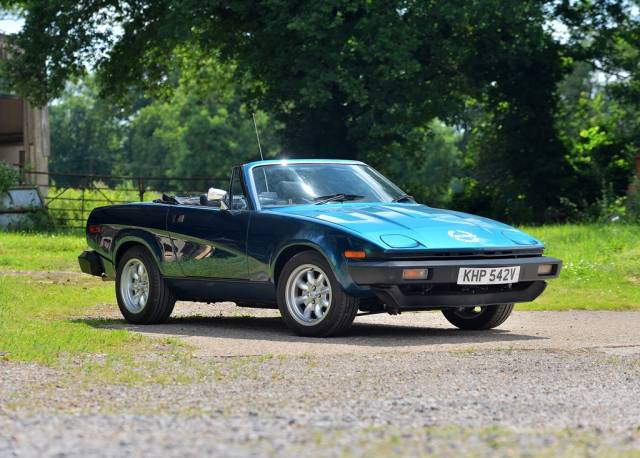
1980 | Triumph TR 8
Triumph TR8 Convertible
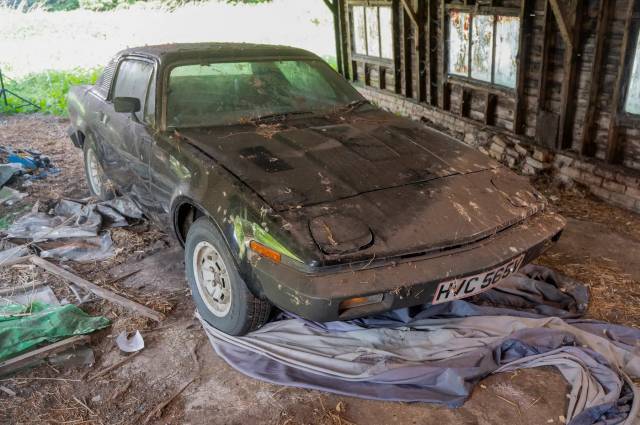
1980 | Triumph TR 8
Original Factory Build V8
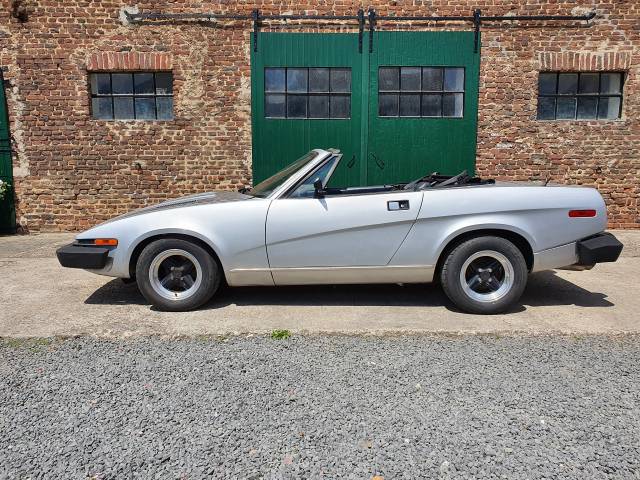
1981 | Triumph TR 8
Triumph TR8 Cabrio 3,5 V8 Rover 3500 TVR

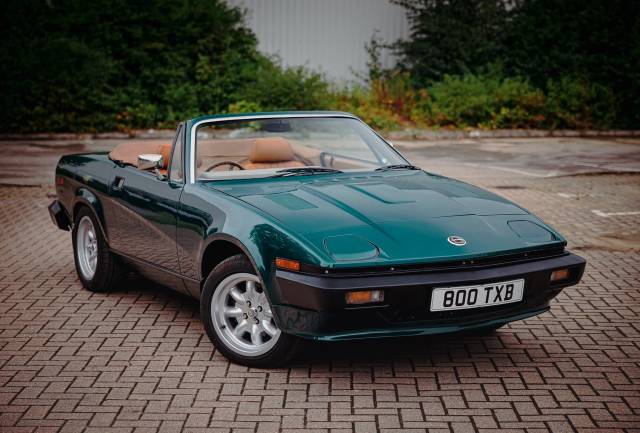
1981 | Triumph TR 8
Huge Expenditure - Great Looks - Great Sound
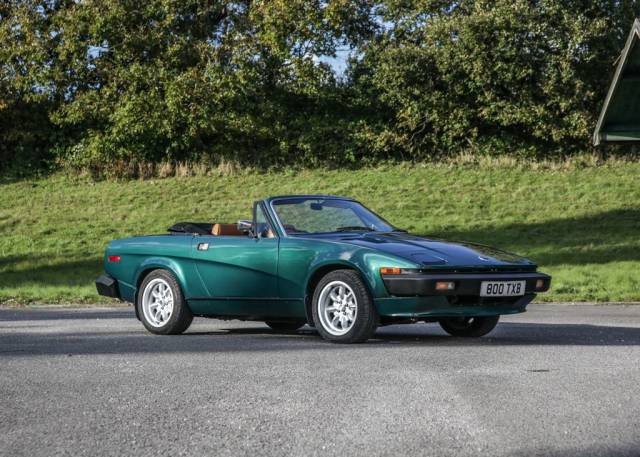
1981 | Triumph TR 8
Triumph TR7 Convertible to TR8 Specification
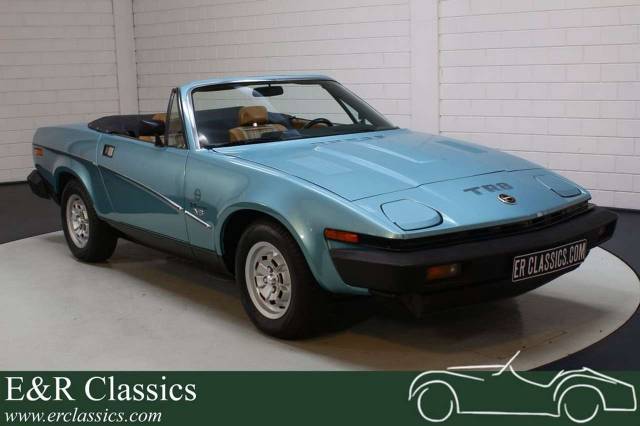
1980 | Triumph TR 8
Triumph TR8 TR8 Cabriolet
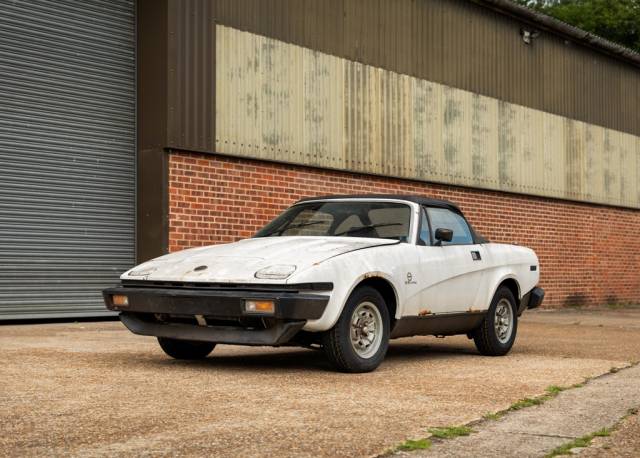
1980 | Triumph TR 8
Triumph TR8 Convertible
Triumph TR 8 Classic Cars: Prices & Market Values
History of the Triumph TR 8
The Triumph TR8 was produced from 1980 to 1981 as a direct successor to the TR7, tailored mainly for the US and Canadian markets. Unlike the TR7, which was offered as both coupé and convertible, the TR8 debuted exclusively as an open roadster. The most significant engineering shift was under the bonnet: a robust, all-aluminium 3.5-litre Rover V8 engine replaced the TR7’s four-cylinder unit. Development and assembly took place at Canley, Coventry, as part of the British Leyland JRT division, and the car rapidly gained a reputation for offering muscular performance at an attainable price point. Production was limited by workplace disputes and market forces, resulting in a mere 2,750–2,900 vehicles leaving the factory—most of which found homes in North America. Notably, only 18 right-hand-drive units were hand-built in Solihull for the UK and European markets in 1981 before the entire TR line was discontinued. The TR8’s rarity, distinct performance profile, and motorsport pedigree (including success in SCCA rallying with drivers like John Buffum and Bob Tullius) set it apart in Triumph’s storied lineage.
Model History of the TR8
The TR8’s roots trace to the TR7, Triumph’s late-1970s wedge-shaped sports car, but the transformation to a V8 roadster responded directly to North American demand for more power and performance. The 3.5-litre Rover V8 used in the TR8 had already powered several prominent British sports cars. The early TR8 was initially available as a coupé; however, following aesthetic criticism, the convertible soon became the standard body style. A limited number of coupés—around 400—were completed, and only a tiny fraction were right-hand-drive. The project’s commercial fortunes were impeded by British Leyland’s internal instability and strategic missteps, leading to an abrupt end to the model range not long after production shifted to the more sought-after convertible format.
Highlights and Features of the Triumph TR 8
The TR8 distinguished itself through its light weight, responsive V8 power, and a set of features tailored to the demands of premium US buyers: upgraded brakes, five-speed gearbox (with some automatics), power steering as standard, and climate control. North American models often boasted distinctive upholstery (Tan Check cloth or Tan Velour), vinyl-trimmed seats with headrests, black vinyl or fabric soft tops, Minilite alloy wheels, and a unique, Triumph-branded boot rack. The exterior showcased Harris Mann’s wedge design with signature double-bulged bonnet. Early cars featured dual Zenith-Stromberg carburettors; California-spec examples were fitted with rare Bosch L-Jetronic fuel injection (about 352 units). Safety equipment included inertia-reel seatbelts, and period-correct 195/60 R14 tyres. With such a compact production run—just under 2,800 units—the TR8 accounts for 100% of Triumph’s model series activity and demand in current classic car listings.
Technical Data
Special Editions and Collectible TR8 Variants
Notable variations include California-market TR8s fitted with Bosch L-Jetronic fuel injection—only about 352 of these were made, making them especially uncommon. Of all the TR8s produced, just 18 right-hand-drive examples were assembled at Solihull and officially delivered to the UK and Europe, standing as the holy grail for Triumph collectors. Early coupé-bodied TR8s—never common—are also highly sought after due to their rarity and unique factory provenance.
Weak Spots and Common Issues
While factory-built TR8s show improved reliability versus some earlier Triumphs, classic car maintenance concerns persist, especially with low-volume cars. Known practical issues revolve around carburettor tuning (especially on early dual Zenith-Stromberg units), potential corrosion in the boot area where the relocated battery can leak acid, and age-related electrical gremlins—common in late-1970s British cars. Fuel-injected California models may pose additional diagnostic challenges due to their early electronic systems. The robust alloy V8 is generally reliable if serviced correctly, but period-specific issues such as cooling system neglect or worn suspension bushings should be expected and addressed during restoration or upkeep.
Engine, Transmission, and Handling
Driving a Triumph TR8 means experiencing excellent power-to-weight dynamics; the 3.5-litre V8 engine, long known for its torque and flexibility, delivers approximately 135 bhp and enables brisk acceleration, especially when compared to the TR7. The five-speed manual gearbox is regarded as precise for its era, and factory power steering makes for confident handling, whether cruising in traffic or on open roads. Improved brakes over the TR7 provide vital stopping power for spirited driving. Thanks to its light kerb weight and well-tuned suspension, the TR8 feels significantly more agile than many contemporaries. Contemporary reports suggested top speeds up to 195–215 km/h (121–134 mph), reflecting its focus on performance. - California-spec fuel-injected TR8 (Bosch L-Jetronic)—approximately 352 units built, 135 bhp.
- Rare right-hand-drive TR8 Roadsters—just 18 units completed, denoting ultimate rarity.
- Early TR8 coupés—around 400 built, sought for their unique styling and early build status.
Design and Equipment Details
The Harris Mann ‘wedge’ body defines the TR8’s exterior, with a double-domed bonnet unique to this model and subtle differences from the TR7, such as special alloy wheels and often a rear-mounted luggage rack. Restorers and collectors are drawn to its period-correct paint options and tailored US-market details—typically black or beige convertible hoods, and Minilite alloy wheels. Inside, US versions feature distinct cloth or velour upholstery (including Tan Check patterns), safety headrests, and comprehensive factory equipment: inertia-reel seatbelts, climate control, power steering, and upgraded audio systems. Some models feature period-correct accessories like Triumph-badged tonneau covers, original toolkit, and heritage certification documentation verifying originality and build specification.
Other Noteworthy Features
The TR8’s brief production run means parts compatibility with the TR7 is helpful for chassis and trim repairs, though V8-specific components are considerably scarcer. Many surviving cars retain original spare wheels and toolkits. Buyers in some countries benefit from classic car registration schemes (H-Zulassung in Germany/Europe), which allow for tax breaks and reduced inspection burdens. Heritage certificates from the British Motor Heritage Trust further enhance provenance and value for surviving authentic examples.
Summary
The Triumph TR8 stands as one of Britain’s most exclusive classic sports cars, defined by its V8 power, specialised North American focus, and minuscule production volume—less than 2,800 built. Whether fuel-injected California models, rare right-hand-drive examples, or well-preserved convertibles dominate discussions, each surviving TR8 embodies both the pinnacle and the swansong of Triumph’s storied roadster tradition.