Triumph Southern Cross classic cars for sale
The Triumph Southern Cross stands out among pre-war British roadsters for its nimble chassis and open-top driving experience. This rare model, produced in low numbers in the early 1930s, is prized for its sporting character and period-correct mechanics, offering a tangible connection to the golden era of British motoring.
Search results
Currently, there are no matching listings for your search.
Create search alert
Let yourself be notified as soon as a listing is published that matches your search filters.
Create listing
Do you have a Triumph Southern Cross that you want to sell? Then create a listing now.
Create listingTriumph Southern Cross listing references from Classic Trader
Below you will find listings related to your search that are no longer available on Classic Trader. Use this information to gain insight into availability, value trends, and current pricing for a "Triumph Southern Cross" to make a more informed purchasing decision.
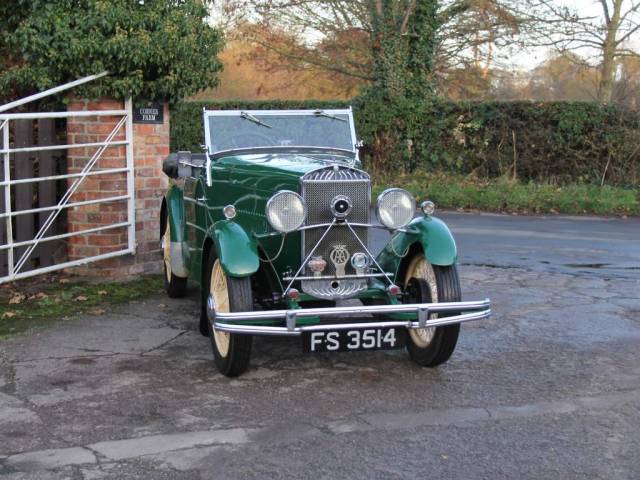
1932 | Triumph Southern Cross

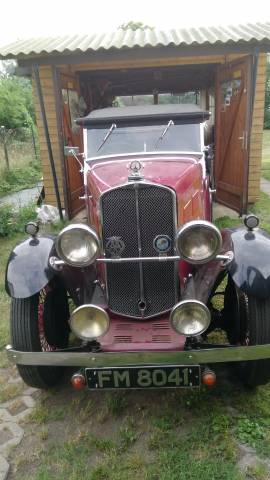
1933 | Triumph Southern Cross
Roadster

Create search alert
Let yourself be notified as soon as a listing is published that matches your search filters.
Create listing
Do you have a Triumph Southern Cross that you want to sell? Then create a listing now.
Create listingTriumph Southern Cross Classic Cars: Prices & Market Values
History of the Triumph Southern Cross
Introduced in 1932, the Triumph Southern Cross was a bold entry into the sporting roadster market from the British carmaker. Developed during an era of innovation and expanding enthusiasm for motorsport, the Southern Cross was aimed at drivers seeking an affordable, lightweight car for both competition and road use. Its production run was short, reflecting Triumph's limited resources at the time and the market challenges of the interwar period. Early models were especially popular among British motoring clubs for trials and rally events—helping cement the Triumph name as a builder of accessible performance cars.
Model History
The Southern Cross built upon Triumph's existing design language, borrowing technical elements from the Super Seven and sharing its lively spirit with other pre-war Triumph sports cars. Unlike mass market Austin or MG offerings of the period, the Southern Cross was always a low-volume, enthusiast-focussed creation. It was succeeded postwar by the progression of Triumph’s sports line-up, which would eventually lead to the well-known TR series.
Highlights and Market Statistics
Distinguished by its two-seater configuration, the Southern Cross features a lightweight chassis, minimalist sporting cockpit, and a highly-tuned four-cylinder engine distinct among contemporaries. The spoked wheels and cycle wings provide unmistakable 1930s visual flair. According to Classic Trader's supply data, vehicles listed as Triumph Southern Cross account for 100% of all Southern Cross models listed by Triumph, illustrating both the singularity and rarity of this model on the market. Viewing statistics also show the Southern Cross receives all demand within its category, confirming focused buyer interest.
Technical Data
Special Editions and Collectible Models
Production numbers for the Southern Cross were low from the outset, with no known factory special editions. Survivor cars with racing or period modification histories are occasionally seen and considered especially desirable among pre-war Triumph collectors.
Weak Spots and Common Issues
Specific weak spots for the Southern Cross are not well documented, but as with most pre-war British sports cars, buyers should closely inspect the chassis for corrosion, check for authenticity of major components, and review the integrity of any mechanical restoration. Documentation and provenance are particularly important given the age and rarity.
Engine, Transmission, and Handling
The Southern Cross offered sprightly performance in the 1930s context, with its free-revving engine, close-ratio manually operated transmission, and firm suspension setup intended for spirited driving on period roads and tracks. Steering offered direct feedback, although braking performance is basic by modern standards. The car’s success in vintage trials events attests to its robust dynamics and reputation for durability among its contemporaries. Within the Triumph Southern Cross series, open two-seater models remain most sought-after due to their authentic 1930s sports car character and historic appeal.
Interior, Comfort, Exterior, and Design
The Southern Cross presents the archetype of British pre-war sports car design: slab-tank proportions, open cockpit with minimal weather protection, and a driver-focused dashboard. Upholstery is commonly finished in leather, and brightwork is limited but quality-driven. Classic wire wheels, cycle fenders, and the signature Triumph radiator shell set this car apart visually. Optional extras were period-limited, but some cars feature bespoke touches added by first owners or during restoration.
Other Relevant Features
Period Southern Cross models occasionally appear with contemporary modifications for trials and rallies—such as extra lights or reinforced components. These details add to each car’s individual provenance.
Summary
The Triumph Southern Cross occupies a unique place in British sports car history as an authentic, driver-focused machine from the dawn of affordable motoring excitement. Its rarity today, both in terms of supply and enthusiast interest, is reflected in Classic Trader’s figures. For collectors seeking an early 1930s British sports car that has remained true to its roots, the Southern Cross is one of the purest expressions available on the classic market.