Rover 216 – Classic Car Buying
The Rover 216, part of the long-running Rover 200 Series, stands out among 1980s and 1990s British compact cars. Known for its balance of comfortable driving, functional design, and British engineering, the 216 attracts enthusiasts who value practicality and period character.
Search results

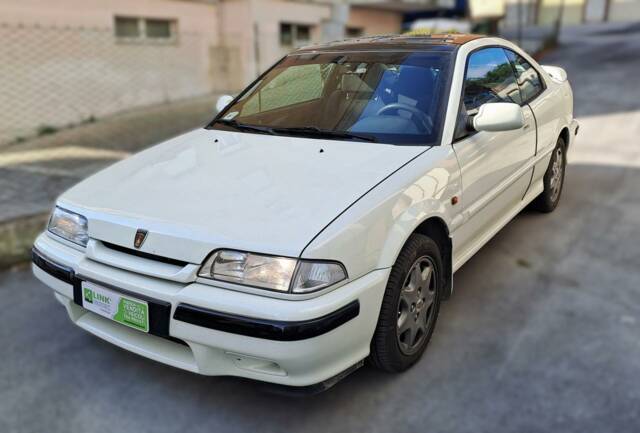

Rover 216 listing references from Classic Trader
Below you will find listings related to your search that are no longer available on Classic Trader. Use this information to gain insight into availability, value trends, and current pricing for a "Rover 216" to make a more informed purchasing decision.
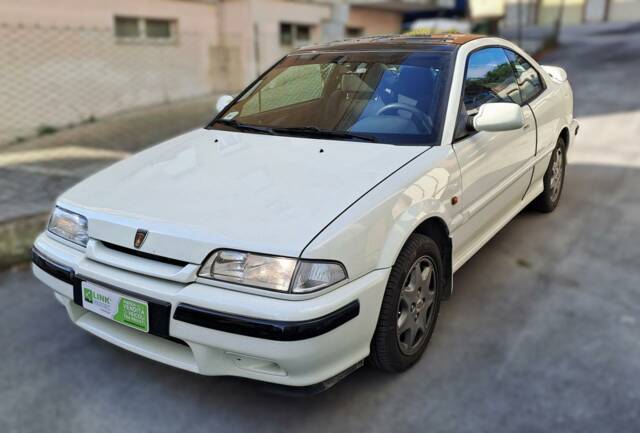
1993 | Rover 216 GTi
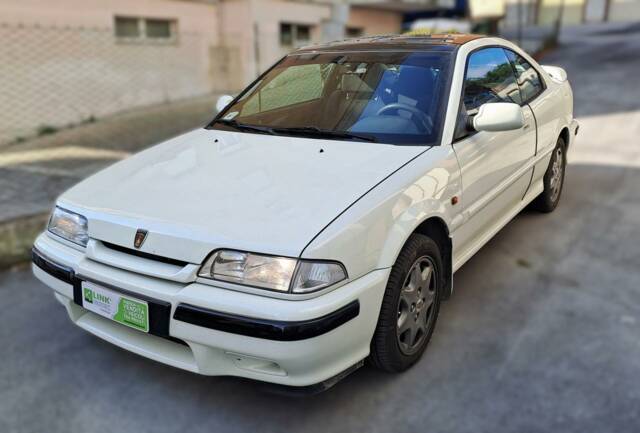
1993 | Rover 216 GTi
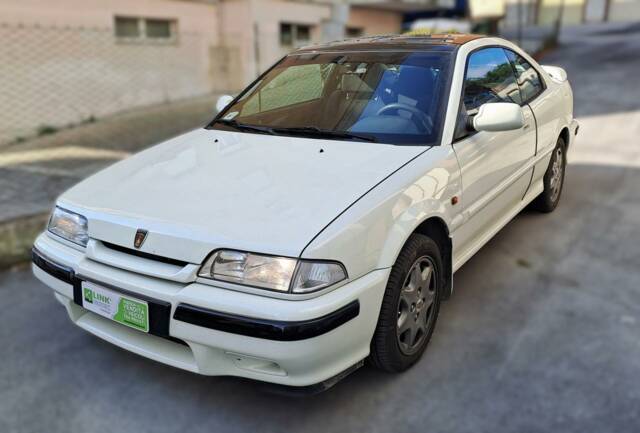
1993 | Rover 216 GTi
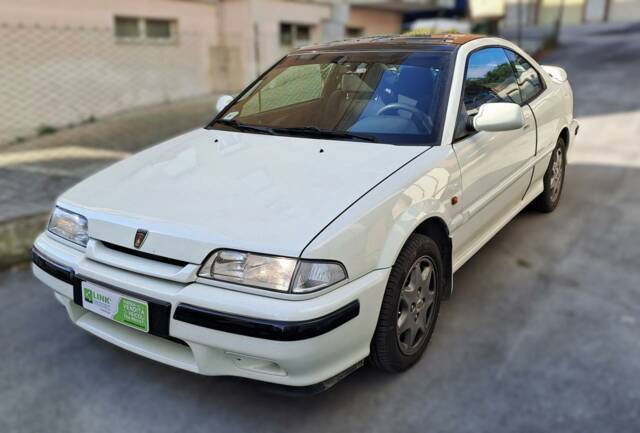
1993 | Rover 216 GTi
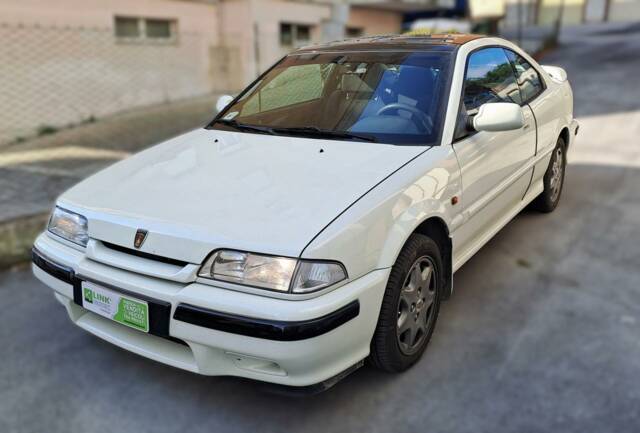
1993 | Rover 216 GTi
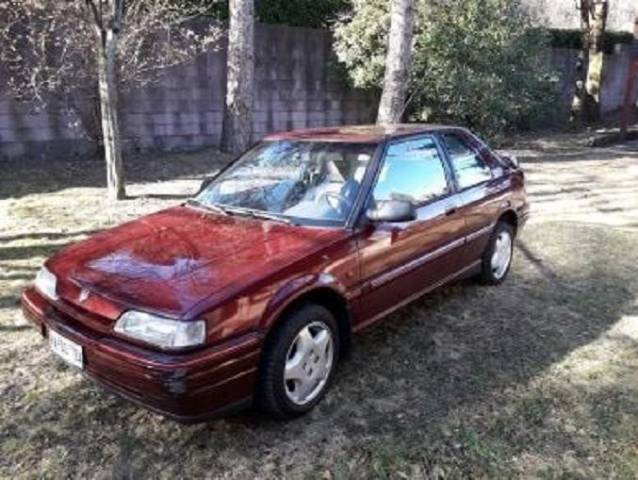
1992 | Rover 216 GTi
TWIN CAM (motore Honda)
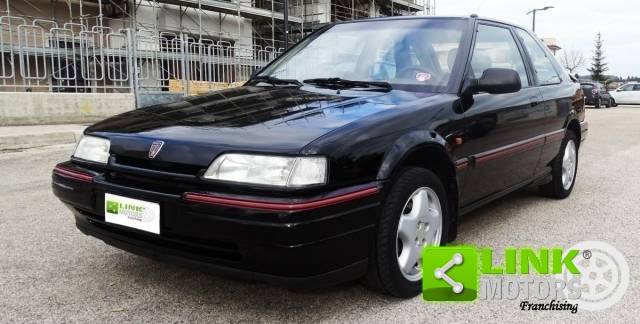
1991 | Rover 216 GTi
Rover 216 GTI TWIN CAM 1.6 16V 131CV (DOHC HONDA)
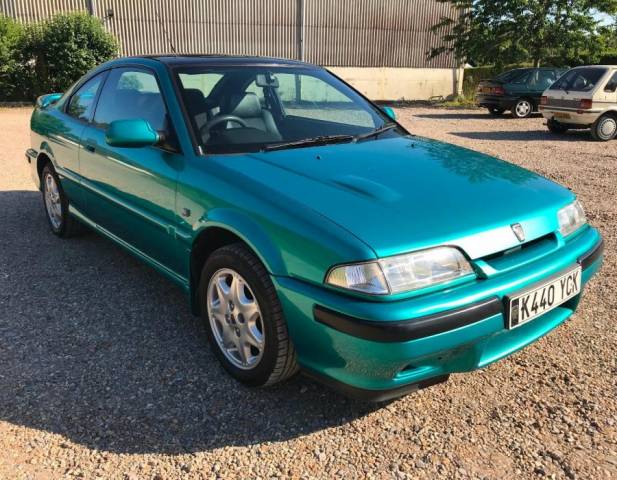
1993 | Rover 216 GSi

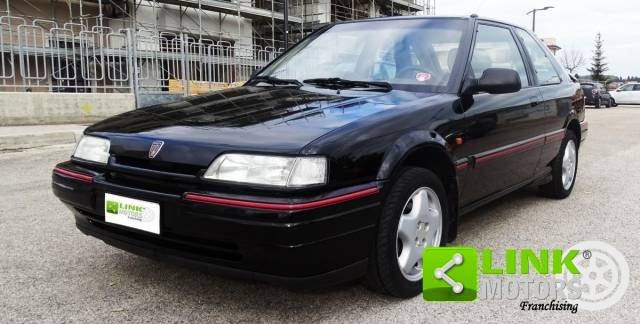
1991 | Rover 216 GTi
Rover 216 GTI TWIN CAM 1.6 16V 131CV (DOHC HONDA)
Rover 216 Classic Cars: Prices & Market Values
Introduction and history of the Rover 216
Introduced as part of the Rover 200 Series in 1984, the Rover 216 was developed during a transitional period for British car manufacturing. Designed to tap into the emerging market for small family cars, the 216 combined British automotive tradition with innovations aimed at broader European appeal. Over its production years, the model’s role evolved, maintaining a focus on practical daily use while reflecting changing expectations in equipment and styling.
Model history
The Rover 216 was introduced in 1984 as a member of the 200 Series, remaining in production until the early 2000s before the series was succeeded by the Rover 25. As part of the revitalisation of the Rover brand, the 216 played a key role in updating the company’s image and competed directly with popular models from continental Europe and Japan. The 216 often featured cooperative engineering with Japanese partners—most notably, Honda—which contributed to improved reliability and a more modern driving experience compared to prior Rover models.
Highlights of the Rover 216
The Rover 216 is notable for its use of cooperative technical solutions, particularly its Honda-derived engines and gearboxes in several series. It also featured a well-appointed interior for its class and an exterior design that gradually modernised over successive generations while retaining distinct British elements. Equipment levels were typically above average for the class, with options for electric windows, sunroofs, and improved sound systems.
Technical data
Special Editions and Collectible Models
Across the production span, special editions of the Rover 216 often included exclusive trim levels, upgraded interiors, or limited-run paint options. However, factory-specified collectible variants remain relatively rare in the marketplace, with most buyer attention focusing on well-preserved standard examples, often specified with desirable extras.
Engine and Performance, Transmission and Handling
Thanks to its Honda-derived powertrains, the Rover 216 delivered smooth performance and reliable starting, especially compared to some earlier models from the brand. Handling was tailored for comfort rather than sportiness, fitting its family car positioning. Transmission quality was generally above average, with the Honda manual gearboxes standing out for their precision. The ride quality and visibility are strong points, making the 216 an agreeable choice for both urban and countryside driving. Rover 216 models with manual transmission and mid-1990s production years tend to be preferred among enthusiasts due to reliability improvements and richer standard equipment.
Interior, Comfort, Exterior and design
The interior of the Rover 216 was more generously equipped than many rivals of its day, offering refined seat upholstery, wood trim inserts, and a straightforward dashboard layout evolved over time. Exterior design incorporated traditional Rover cues such as chrome details and restrained lines, later switching towards smoother forms to keep pace with contemporary tastes. Many 216s featured alloy wheels and optional accessories such as a glass sunroof or factory stereo upgrades, adding individuality to well-kept examples.
Summary
The Rover 216 delivers the essence of practical British classic motoring from the 1980s and 1990s. Its robust engineering partnerships, above-average equipment, and blend of comfort with practicality make it a standout choice within the compact classic segment. Its consistent presence and demand among classic Rover enthusiasts reflect its enduring relevance and appeal.