Rover 100 classic car for sale
The Rover 100, part of the renowned P4 series, is a distinguished mid-size luxury saloon produced between 1959 and 1962. It combines robust engineering with British craftsmanship, offering drivers a refined motoring experience, whether in the classic P4 100 form or the versatile 114 GTi of the Metro/100 line.
Search results
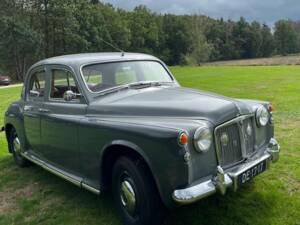
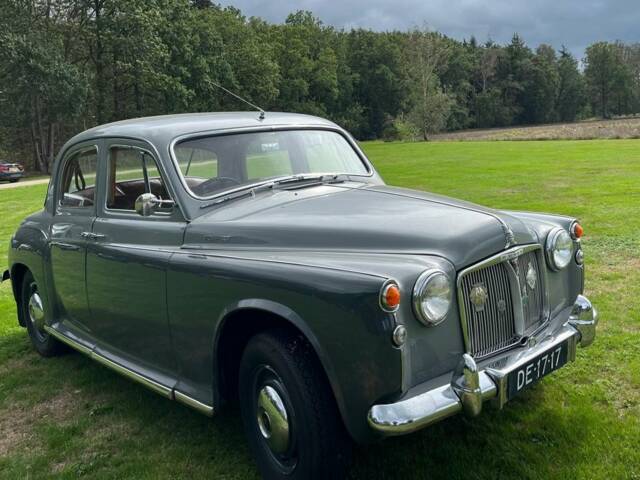
1961 | Rover 100
Rover P4 100 | 1961 | Route 66 Auctions - For sale by auction. Estimate 4200 EUR

Rover 100 listing references from Classic Trader
Below you will find listings related to your search that are no longer available on Classic Trader. Use this information to gain insight into availability, value trends, and current pricing for a "Rover 100" to make a more informed purchasing decision.
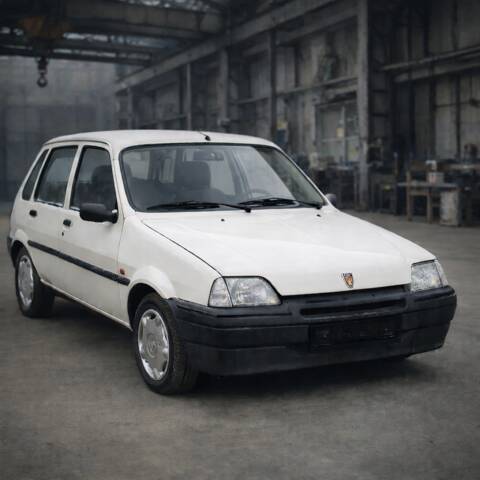
1994 | Rover 111 L
Liebevoll restauriert

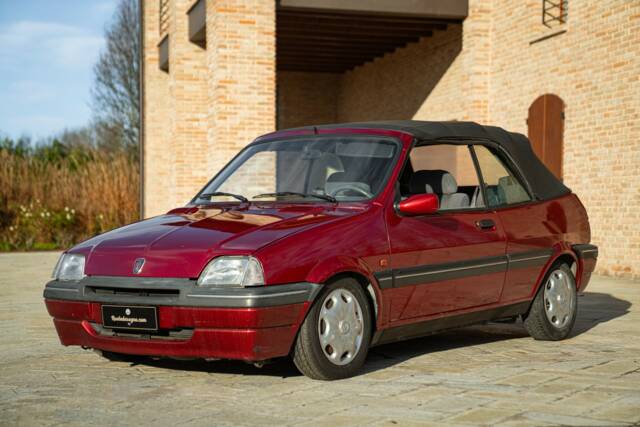
1994 | Rover 100 Cabriolet
Rover 100 CABRIOLET


1962 | Rover 100
Rover 100 P4 Overdrive
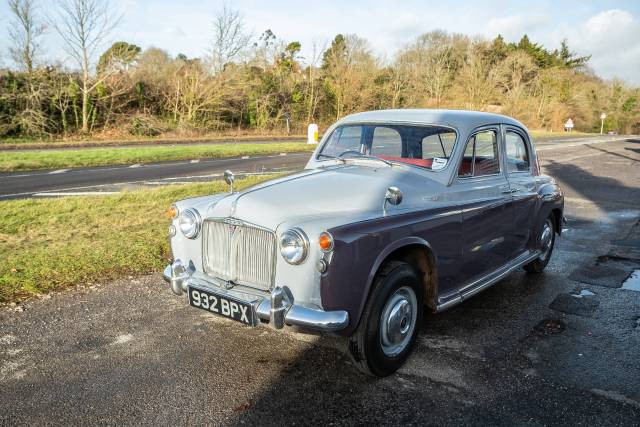
1961 | Rover 100
1 Owner for 40-years - Lovely Project - No Reserve

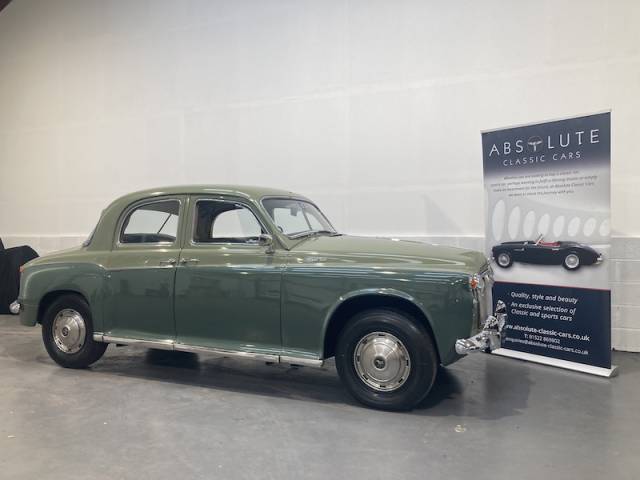
1961 | Rover 100
1961 Rover P4 100 MOD, NEW Leather, great history a Wonderful Classic
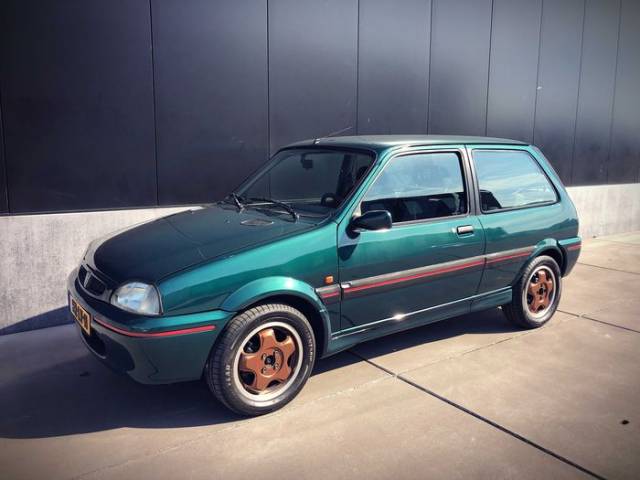
1994 | Rover 114 GTi
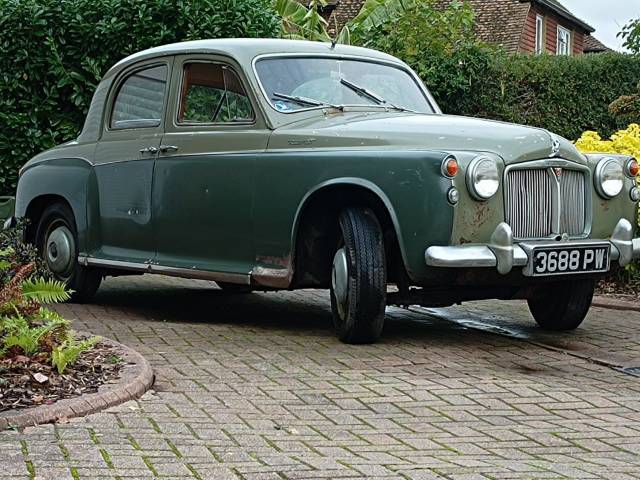
1961 | Rover 100
ROVER P4 100 1961 Manual Petrol
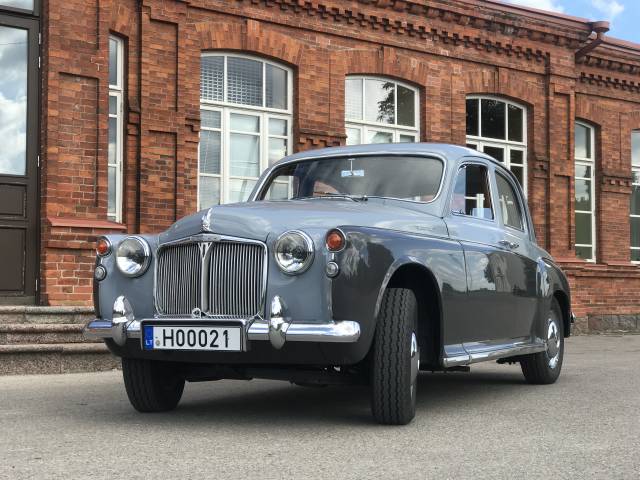
1961 | Rover 100
Rover P4 with overdrive
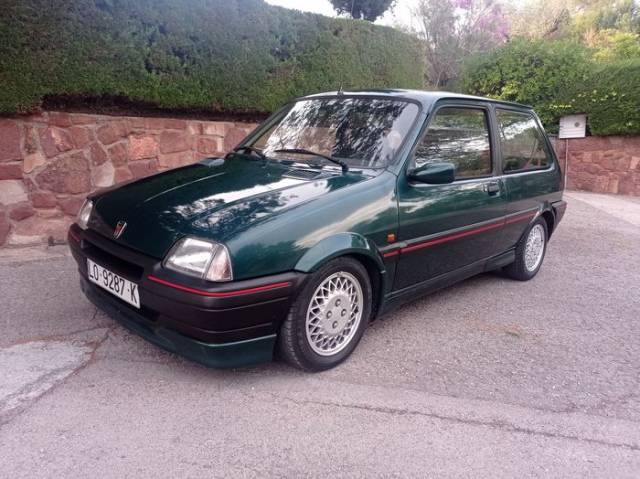
1991 | Rover 114 GTi
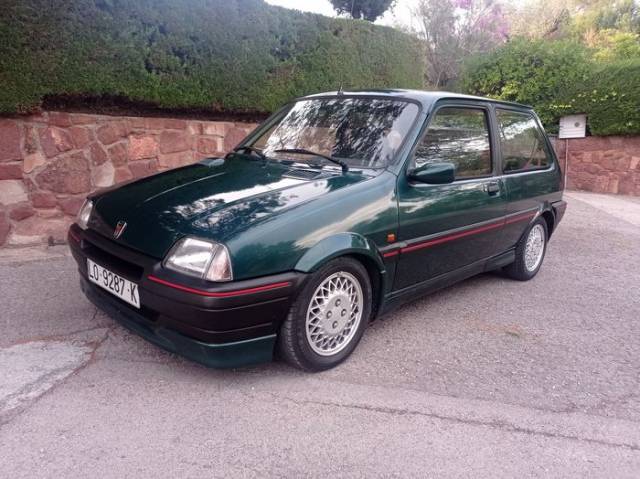
1991 | Rover 114 GTi
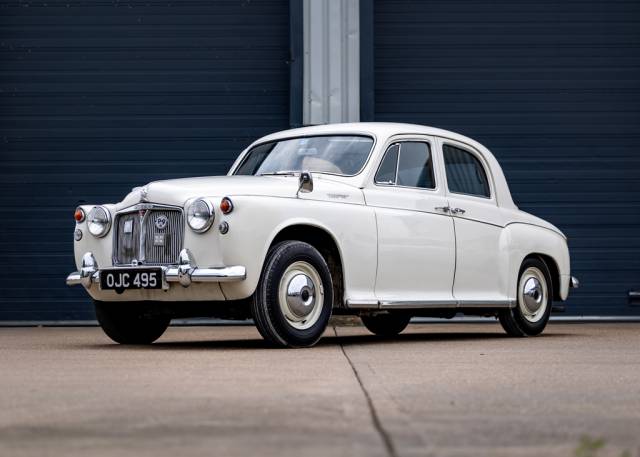
1961 | Rover 100
Rover 100
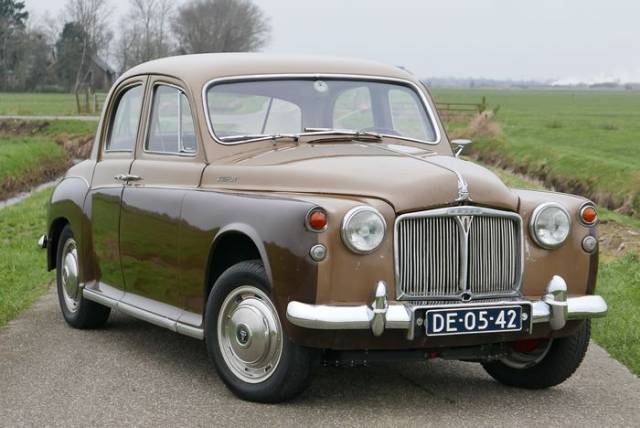
1960 | Rover 100
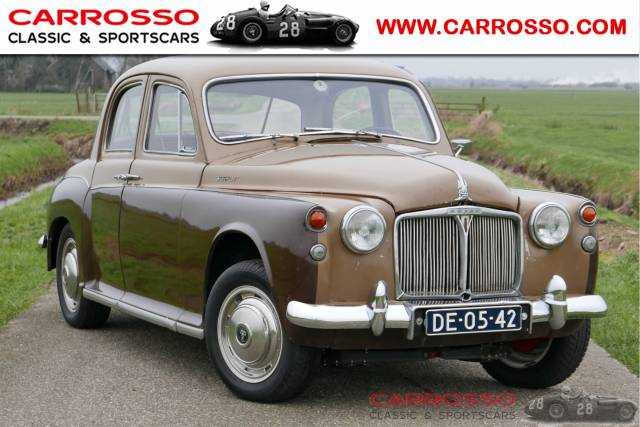
1960 | Rover 100
Rover 100 P4 / NL-Auto
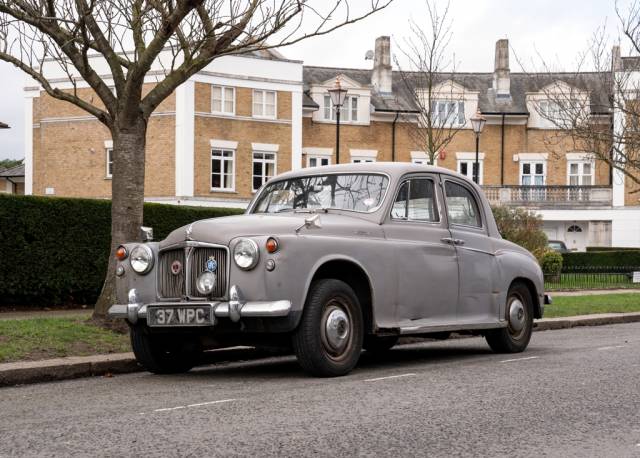
1961 | Rover 100
Rover P4 100 Saloon
Rover 100 Classic Cars: Prices & Market Values
History and Origins of the Rover 100
The Rover 100 designation refers to two significant British models: the original Rover P4 100, manufactured from 1959 to 1962, and the later Rover Metro/100, built from 1980 up to 1998. The P4 range—affectionately known as the 'Auntie Rover'—sat at the heart of British luxury car manufacturing. Designed by Gordon Bashford, the P4 100 evolved from earlier Rover P4 models, targeting the affluent middle class and executive segment in the UK. Its reputation for reliability, solid engineering, and refined interiors established the Rover 100 as the standard for craftsmanship in post-war British motoring culture. Remarkable owners, such as Grace Kelly and King Hussein of Jordan, further cemented the vehicle’s status.
Model History
The P4 series started in 1949 and ran through to 1964, with the Rover 100 introduced as an evolution of previous versions like the P4 75 and 90. Produced in 16,521 right-hand drive examples, the Rover 100 maintained the robust underpinnings and elegant styling of its predecessors but featured updated mechanics and more luxurious trim. Production ended in 1962, with the P4 series replaced by newer saloons. The ‘Rover 100’ name resurfaced in the 1980s when the company renamed the Metro range, particularly for export and after facelifts, evolving into notable models such as the Rover 114 GTi and SLi with modern engineering beneath their compact exterior.
Highlights of the Rover 100
The Rover 100 P4 is valued for its six-cylinder in-line engine with 2,638 cc delivering around 100 horsepower, a top speed close to 160 km/h, and a distinctive 4-speed manual gearbox with overdrive. The later Metro/100 variants introduced Hydragas suspension, OHC engines, and advanced safety and comfort features. Interior appointments included genuine walnut dashboards, luxurious leather upholstery, and optional two-tone paint. The classic models are instantly recognisable for their upright grille and purposeful stance.
Technical Data
Special Editions and Collectible Models
The Rover 100 series, particularly the 114 GTi and SLi versions of the later Metro-based models, stand out for their enhanced performance and exclusive features such as 14-inch Revolution wheels, sportier trim, and upgraded suspension. In P4 form, two-tone paint and factory pearl-effect options were available, as well as well-appointed interior options, further distinguishing rarer survivors.
Engine, Performance, Transmission and Handling
The P4 100 is equipped with a 2.6-litre six-cylinder engine offering a balanced combination of smoothness and power, ensuring steady performance in mid-century Britain—nearly reaching 100 mph. Its four-speed manual with overdrive delivers relaxed motorway cruising. The Metro/100/114 variants focus more on urban agility, with their front-wheel-drive, light weight, and Hydragas system enhancing ride comfort. Notably, the 114 SLi achieves 0–100 km/h in 10.7 seconds and a maximum speed of 166 km/h. - Rover 100 P4: 2.6 L, 100 bhp, 4-speed manual with overdrive, RWD.
- Rover 114 GTi: 1.4 L OHC, up to 103 PS, 5-speed manual, FWD, 0–100 km/h in 10.7 s.
Interior, Comfort, Exterior and Design
The Rover 100 P4 features polished walnut trims, generously padded leather seats available in red or Sage, and intricate chrome details. Two-tone paint schemes with pearl effect and period-correct hub caps further distinguish the appearance. Notable options included electric glass sunroofs, rear reading lamps, and security-oriented gadgets like remote central locking and immobilisers on later 100/114 models. The Metro/100 series also offered sporty GTi bodywork, vibrant factory colours like Nightfire Red, and optional 14" alloy wheels, blending modern city utility with a characterful British touch.
Other Noteworthy Features
Documentation for classic Rover 100s is often extensive, frequently accompanied by original handbooks, workshop manuals, and detailed service histories. Toolkits, jack, and spare wheel were commonly supplied from new. These features enhance both collectability and the ownership experience.
Summary
The Rover 100 series, across both the stately P4 saloon and lively Metro-based models, combines British luxury, innovative engineering, and tangible heritage. Its prevalence among P4 supply and demand statistics underlines enduring appeal among classic car enthusiasts in the UK market. Whether chosen for craftsmanship, rarity, or the distinctive British charm, a Rover 100 remains a notable entry in the realm of classic motoring.