Rover 3500 classic car for sale
Both the Rover P6 3500 (1968–1977) and the SD1 3500 (1976–1986) represent two distinct generations of British executive saloons, each with a characterful V8 and a progressive approach to engineering, comfort, and design. These models are sought after by enthusiasts seeking technical refinement and everyday usability in a classic package.
Search results
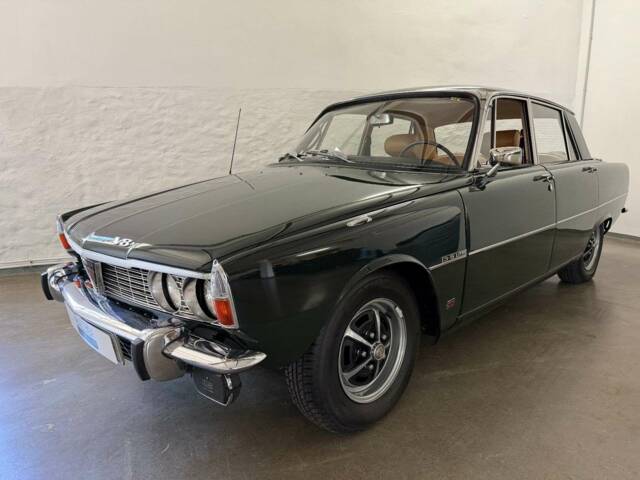
1970 | Rover 3500
Rover Sonstige

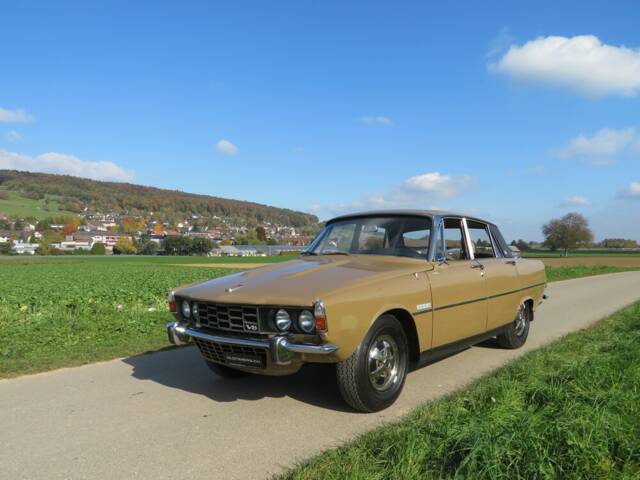
1972 | Rover 3500
Perfect companion for connoisseurs - MFK 06.2024 Veteran!

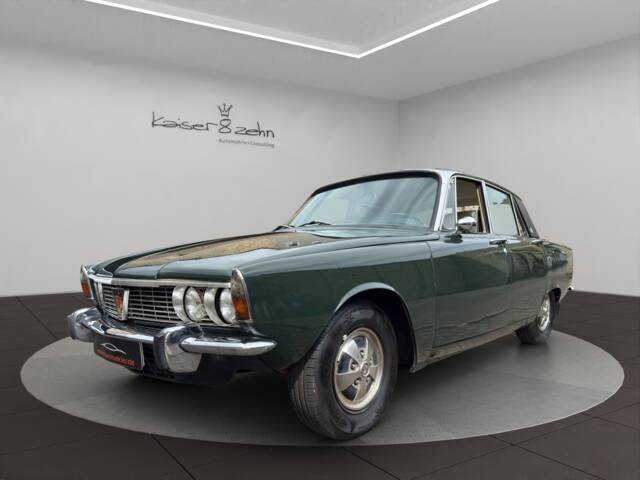
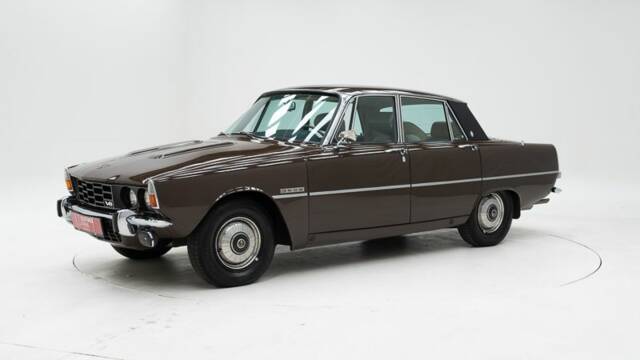
1971 | Rover 3500
1971 Rover P6 V8 '71

Newsletter
The best Rover listings, straight to your inbox
Get hand-picked Rover listings, plus the best of cars, motorbikes, and auctions on Classic Trader — all in one place.
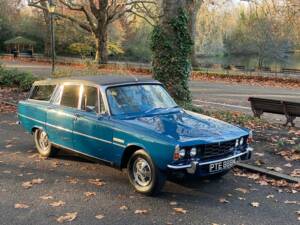
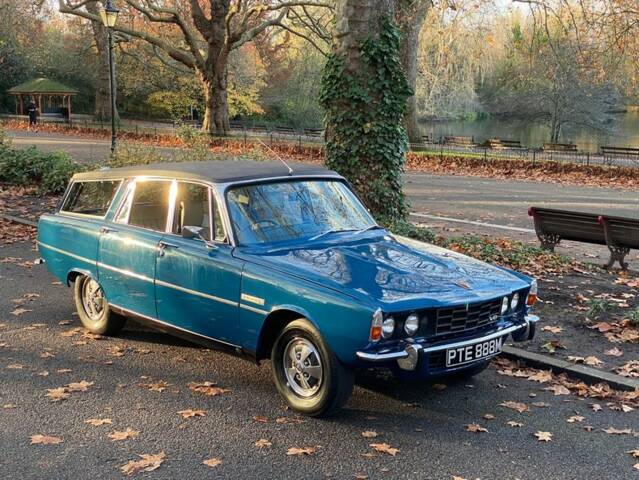
1974 | Rover 3500 S Estoura
1974 Rover 3500 S by FLM Panelcraft Estoura

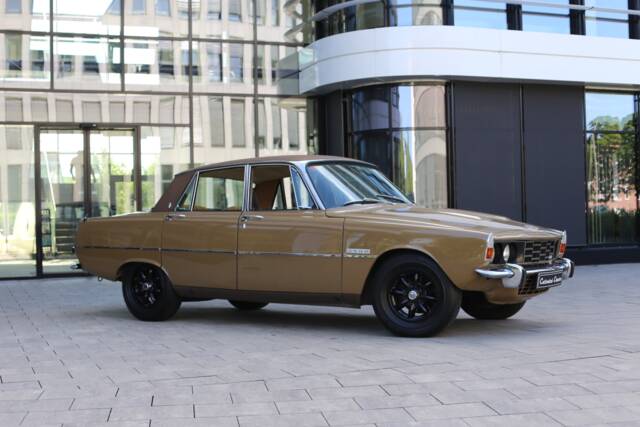
1975 | Rover 3500
One for the Rover enthusiasts – P6 3.5 Litre V8 automatic
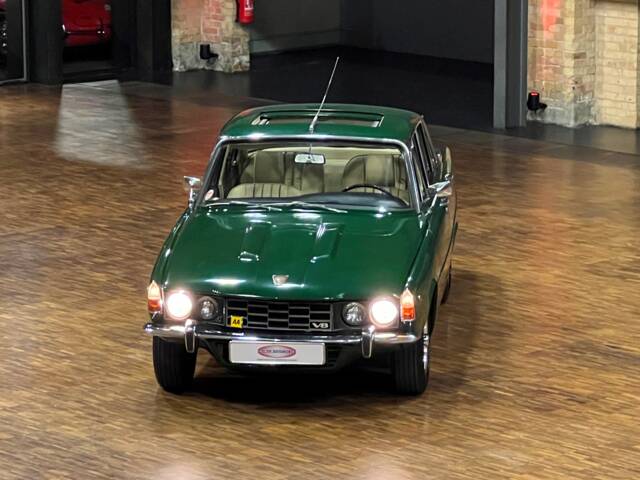
1974 | Rover 3500 S
British Flair
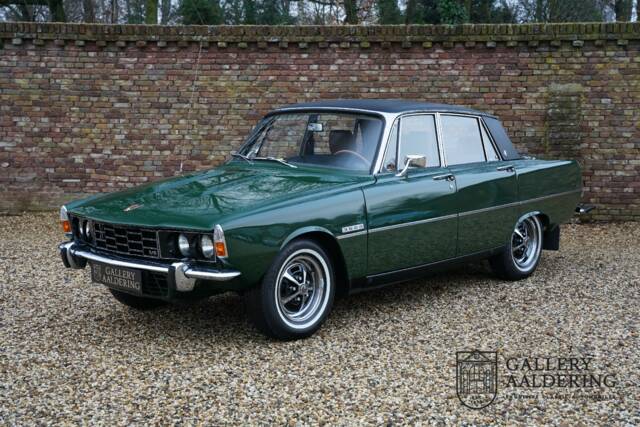
1974 | Rover 3500
Rover P6 3500 V8 More years of “Nut and Bolt” restoration in Europe, Accompanied by appropriate documentation - Original booklets and invoices, A striking example with superb driving qualities, All british color scheme - Cameron Green over twotone Cognac leather, Newly delivered in Sweden and since 2022 in the Netherlands with accurate maintenance,

Rover 3500 listing references from Classic Trader
Below you will find listings related to your search that are no longer available on Classic Trader. Use this information to gain insight into availability, value trends, and current pricing for a "Rover 3500" to make a more informed purchasing decision.
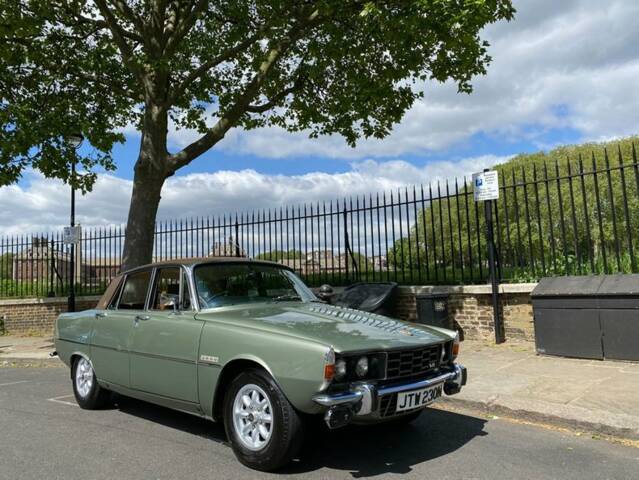
1975 | Rover 3500
1975 Rover 3500
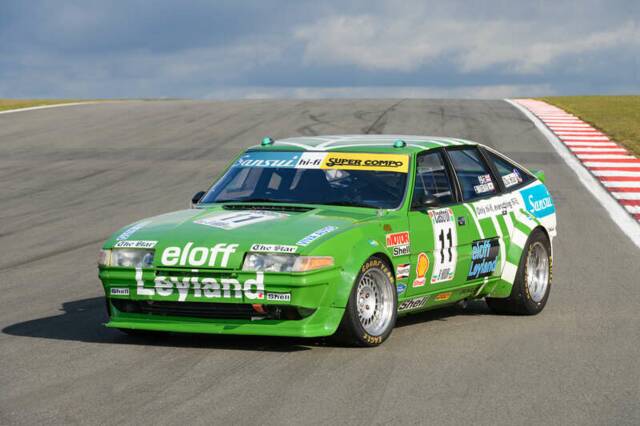
1981 | Rover 3500
1981 Rover 3500 SD1 Group 2 Race Car - Ex-Kyalami 9 Hour FIA
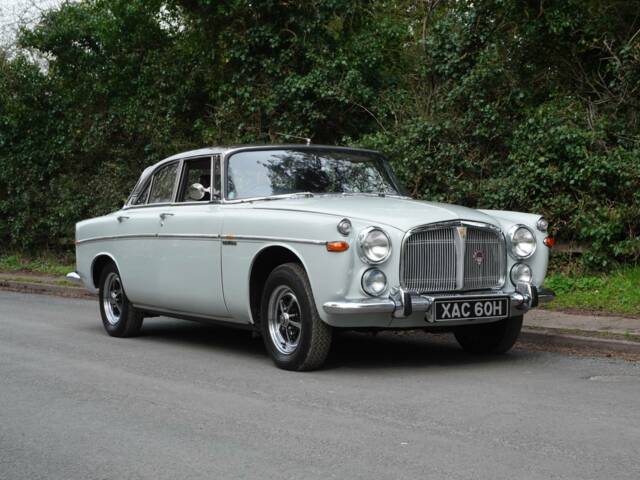
1970 | Rover 3500
1970 Rover P5B Coupe
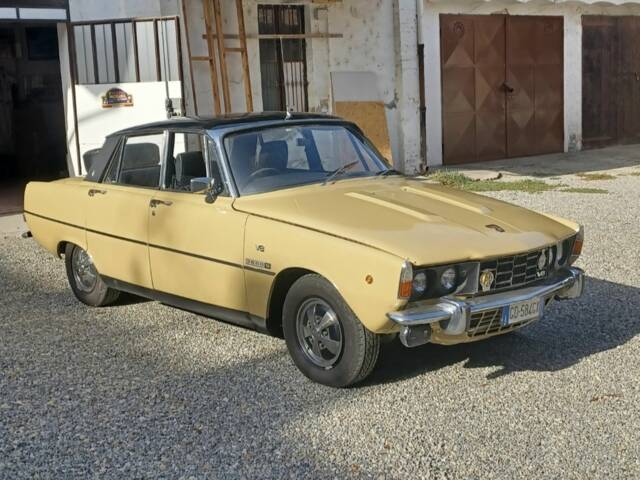
1972 | Rover 3500
Rover P6 3500 V8 | 1972 | Route 66 Auctions - For sale by auction. Estimate 13500 EUR
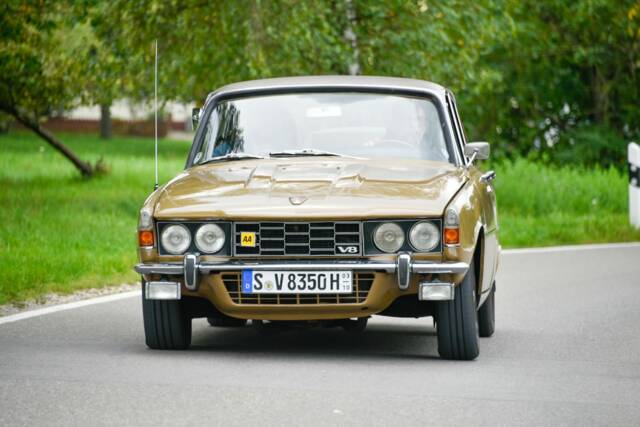
1972 | Rover 3500 S
Rover P6 3500 S V8
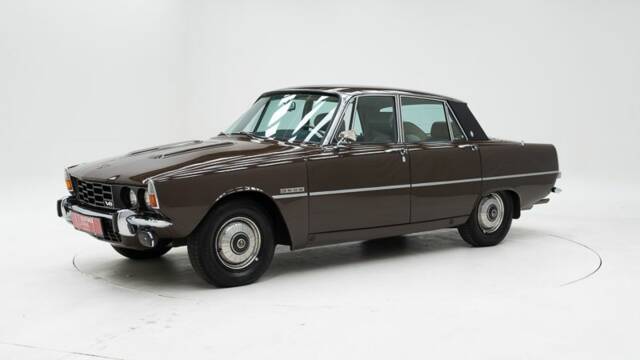
1971 | Rover 3500
1971 Rover P6 V8 '71
Rover 3500 Classic Cars: Prices & Market Values
History of the Rover 3500
The Rover 3500 name was used for two major executive saloons: the P6 (produced 1968–1977) and its successor, the SD1 (1976–1986). The P6 set new standards for safety, comfort and handling, with independent suspension and advanced disc brakes all round. Its development was led by engineers Peter Wilks, Spen King, and Gordon Bashford. Launched initially as a four-cylinder 2000, the P6 3500 added Rover’s reengineered 3.5-litre aluminium V8 for improved performance. This engine, originally designed by Buick, became the hallmark of Rover’s flagship saloons. In 1977, the SD1 took over, boasting a five-door fastback design and building upon the V8 theme with enhanced modern styling and updated technology. Both models enjoyed success in the executive segment and also saw service in the hands of British police forces. Over 300,000 units were produced, with frequent appearances in films, TV and pop culture.
Model History: From P6 to SD1
The P6 3500 debuted as an evolution of the original P6 concept, introducing the V8 into a chassis originally designed for advanced engines, even with the possibility of turbine power. The P6 marked a major technological leap from the earlier P4 and was followed in the timeline by the SD1. The SD1 modernised the formula with a hatchback design and a new direction, ultimately replaced by the Rover 800 series in 1987. There were notable offshoots: the 3500 V8 S brought more power and luxury touches, while expansions included six-cylinder and sportier interpretations as the SD1 range diversified in the early 1980s.
Highlights and Unique Features
The Rover 3500 P6 is recognised for its all-aluminium 3.5-litre V8 offering up to 160–184 hp, pioneering De Dion rear suspension and disc brakes on all wheels, and a cockpit designed with driver ergonomics and safety in mind. The SD1 extended this focus with a streamlined fastback shape, five doors, and continued use of a powerful V8. Both models were often supplied with distinctive features like Webasto sunroofs, Rostyle wheels, a variety of elegant paint and trim colour choices, and highly finished interiors. The 3500 had an advanced suspension concept, including a space-saving front suspension originally designed for turbine use, created to increase under-bonnet room and handling capabilities.
Technical Data of the Rover 3500
Special Editions and Collector Models
Significant variants within the Rover 3500 family include the 3500 V8 S, distinguished by increased power output (up to 155–160 hp), unique trim and often leather upholstery. The SD1 range was expanded with luxury and sporting versions, including plush interiors and revised bodywork detailing. Police and government service cars, especially in the UK, form another subset sought after for their specification and history.
Weak Spots and Common Issues
Corrosion, particularly around the P6’s underbody and sills, is the primary concern. Buyers should inspect the floor, chassis rails and wheel arches thoroughly. Mechanically, the aluminium V8 is robust when maintained, but overheating can lead to head gasket issues if neglected. Spare part supply remains generally favourable, with specialists and suppliers as reference points throughout Europe.
Engine, Transmission & Driving Experience
The P6 3500’s V8, with its lightweight construction, gave lively performance: 0–100 km/h is achieved in 9.5–10.5 seconds, with a top speed around 185 km/h. Handling is composed, with balance from the De Dion axle and advanced suspension making the car suitable for both city and long-distance routes. SD1 models retained the core V8 character, with versions tuned for more power and refinement, and automatics or five-speed manuals available. Key highlights: P6 3500 (aluminium V8, Rostyle wheels, advanced ride), SD1 3500 V8 S (enhanced trim, higher output).
Interior, Comfort and Exterior Design
Designed by Peter Wilks, Spen King and Gordon Bashford (P6), the Rover 3500 ranges are known for advanced cockpit ergonomics: adjustable steering wheel, quality leather, thick carpets and an instrument-rich dashboard. Common exterior details for the P6 include the prominent spare wheel on the boot, bold chrome trim and a range of paint colours (e.g. Almond, British Racing Green, Artic White). SD1 design advanced further with its fastback silhouette and contemporary interior layouts with improved space. Options such as Webasto folding roofs, chromed accessories, and ‘Rostyle’ wheels (often paired with whitewalls) enhanced the car’s presence and appeal.
Additional Features
The P6 3500 played an important role in UK government and police fleets and continues to serve in historic motorsports and media. The attention to safety — four-wheel disc brakes, careful crash structure design — set these Rovers apart from their contemporaries.
Summary
The Rover 3500, especially as a P6 or SD1, combines technical refinement, advanced suspension and dynamic V8 performance. Its presence in the classic car world is secured by strong supply and demand statistics, rich variant availability, and distinctive design and engineering. Thorough inspection for corrosion is a must, but with expert support, it remains a rewarding classic for regular use or collection.