Rover 10 classic cars for sale
The Rover 10 stands out as a small British family car produced between 1927 and 1947, with its last series bearing technical advances such as an upgraded engine, improved gearbox, and newly designed bodywork. Noted for being part of the Rover P2 series, it combines period-specific engineering with a brief production span due to wartime limitations.
Search results
Currently, there are no matching listings for your search.
Create search alert
Let yourself be notified as soon as a listing is published that matches your search filters.
Create listing
Do you have a Rover 10 that you want to sell? Then create a listing now.
Create listingRover 10 listing references from Classic Trader
Below you will find listings related to your search that are no longer available on Classic Trader. Use this information to gain insight into availability, value trends, and current pricing for a "Rover 10" to make a more informed purchasing decision.
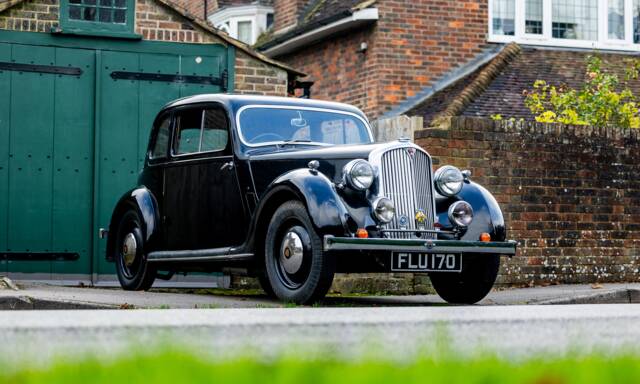
1939 | Rover 10
1939 Rover 10 Coupe

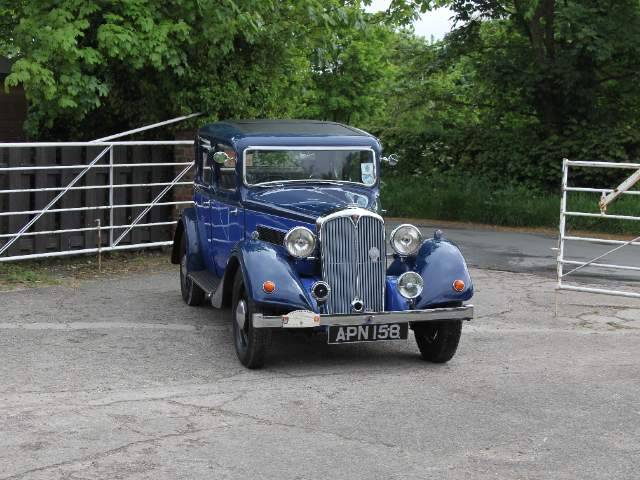
1937 | Rover 10
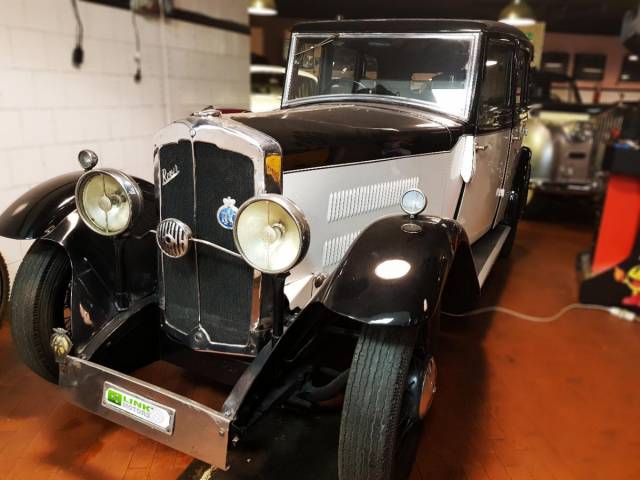
1930 | Rover 10/25 Sportsman's Coupé
Rover Saloon del 1930, Manutenzione curata

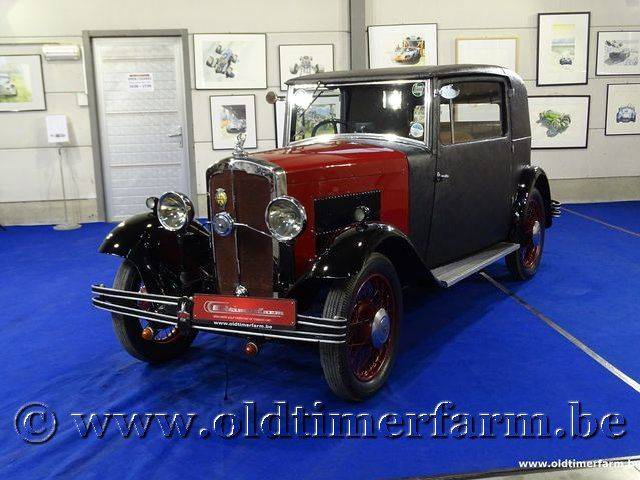
1931 | Rover 10/25 Sportsman's Coupé
1931 Rover 10/25 Sportsman's Coupé '31

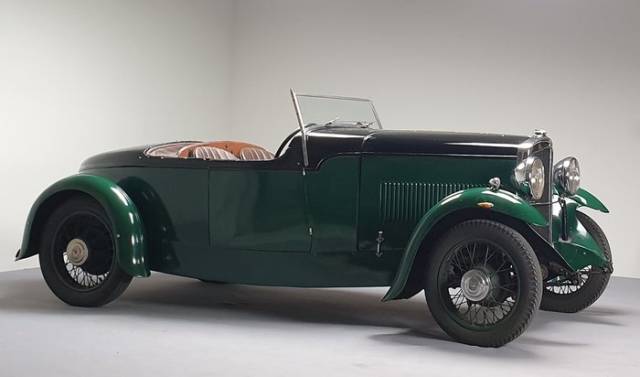
1931 | Rover 10/25 Sportsman's Coupé
Rover - Nizam Sport 10/25 - 1931

Create search alert
Let yourself be notified as soon as a listing is published that matches your search filters.
Create listing
Do you have a Rover 10 that you want to sell? Then create a listing now.
Create listingRover 10 Classic Cars: Prices & Market Values
History of the Rover 10
Originally launched in 1927, the Rover 10 occupies a significant place in British automotive history, acting as a bridge between pre-war engineering and the design priorities of the late 1930s. The model's lifecycle reflected both the ambitions and constraints of its era: technical innovation was paired with frequent updates, culminating in the last version introduced in 1939. However, the outbreak of World War II halted production shortly after, with only a limited number of vehicles completed. The Rover 10’s journey, from its inception to its sudden production stop in 1940, mirrors the dramatic historical shifts of its time.
Model History of the Rover 10
The Rover 10 is a prominent member of the Rover P2 family, which also encompassed the 12, 14, 16, and 20 models. The evolution of the 10 saw minor but significant technical and design modifications over the years, with the final iteration featuring an extended wheelbase, engine improvements, and bodywork updates. The introduction of the P2 series marked a clear move toward more refined engineering standards at Rover, with the 10 acting as both a practical family vehicle and a showcase of compact British automotive design until the early 1940s.
Highlights of the Rover 10
The Rover 10’s final version upgraded its four-cylinder engine, boosting output from 44 to 48 bhp with a newly designed cylinder head. The transmission received a modernised synchromesh on the two upper gears for smoother shifting, while the chassis gained an extra half-inch on the wheelbase, enhancing ride comfort. Stylish bodywork in period Rover fashion underscored the marque’s attention to aesthetics and engineering. As a further note, due to the onset of WWII, production numbers remained low, increasing its rarity within the classic car community.
Technical Data
Special Editions and Collectible Models
Although there were no officially designated special editions, the scarcity of remaining examples—produced only in limited numbers before 1940—has elevated later models, especially post-1939 variants with enhanced mechanics and revised bodywork, to a higher status among collectors.
Weak Spots and Common Issues
No official records of typical weak spots have been found. However, buyers of pre-war British cars should routinely assess the condition of chassis, engine components, gearbox, and, due to the low production numbers, verify the authenticity of period-correct parts and original bodywork.
Engine and Performance, Transmission and Handling
The 48 bhp four-cylinder engine provided the Rover 10 with respectable performance for a compact family car of its era. Handling was refined with the adoption of the synchromesh gearbox, allowing for smoother, quieter gear changes, and the extended wheelbase marginally improved ride comfort and stability. The model offered accessible rural and urban mobility, meeting the practical needs of families and professionals in late 1930s Britain. The most notable variant remains the late P2-series Rover 10 Saloon, identifiable by the 1939-upgraded engine and transmission. These models are particularly sought after among enthusiasts for their tangible advancement over previous generations.
Interior, Comfort, Exterior and Design
The Rover 10’s design reflected the classic values of late 1930s British motoring, with bodywork freshly styled by Rover and a focus on restrained elegance. Materials and accessories were specified for durability and comfort, with upholstery and dashboard layouts tailored to contemporary tastes. While factory options for special accessories were limited, the overall finish and detailing set a standard for modest but unmistakably British design, contributing to comfort and everyday usability.
Other Relevant Features
The Rover 10’s limited production run due to WWII and its place at the heart of the P2 series mean survivor cars today often become the centrepiece of private collections dedicated to British pre-war engineering. Its historical placement offers a tangible link between pre- and post-war developments in automotive technology.
Summary
The Rover 10, produced as part of the Rover P2 series between 1927 and 1947, represents a key chapter in British small car engineering. With technical and aesthetic advancements culminating in its final 1939 iteration, and a brief production span intensified by wartime events, the Rover 10 embodies the spirit and innovation of its era for today’s classic car enthusiast.