Rover 75 Classic Car for Sale
The Rover 75 represents the epitome of traditional British automotive design from the late 1990s to mid-2000s. Available as a saloon or estate, the model boasts robust engineering, luxurious finishes, and a diversity of technical options, from efficient four-cylinders to V8-powered rear-wheel-drive variants. It’s renowned for comfort, safety features, and a distinctive appearance. Explore below to see in-depth history, special editions, technical data, and more.
Search results
Currently, there are no matching listings for your search.
Create search alert
Let yourself be notified as soon as a listing is published that matches your search filters.
Create listing
Do you have a Rover 75 that you want to sell? Then create a listing now.
Create listingRover 75 listing references from Classic Trader
Below you will find listings related to your search that are no longer available on Classic Trader. Use this information to gain insight into availability, value trends, and current pricing for a "Rover 75" to make a more informed purchasing decision.
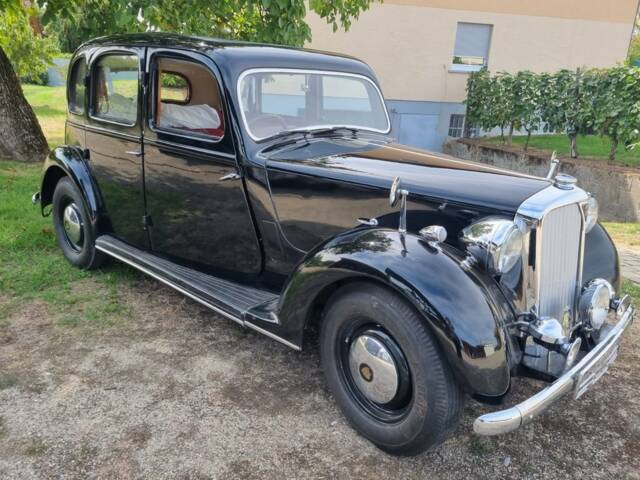
1948 | Rover 75
Rover P3 | 1948 | Route 66 Auctions - For sale by auction. Estimate 13200 EUR

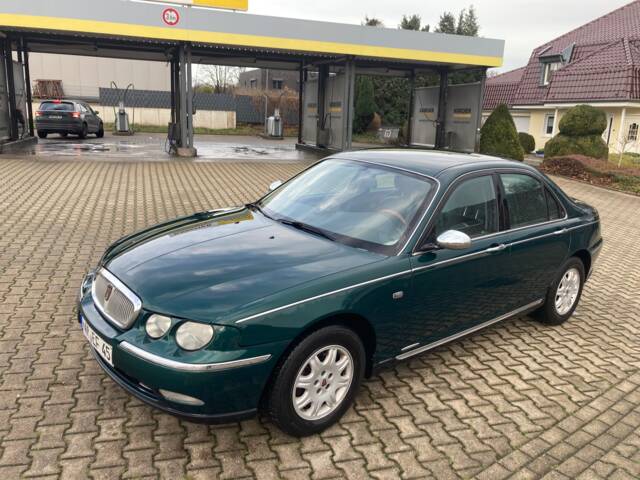
2001 | Rover 75 2.0 V6
Rover 75 2.0 V6 classic car, 215.000 km, dark green metallic MOT/emissions inspection new!

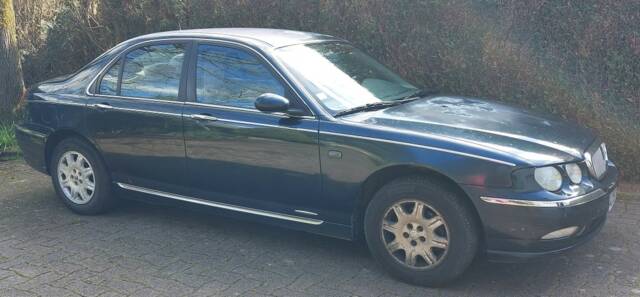
2001 | Rover 75 2.0 CDT
Routière très confortable au charme anglais indémodable

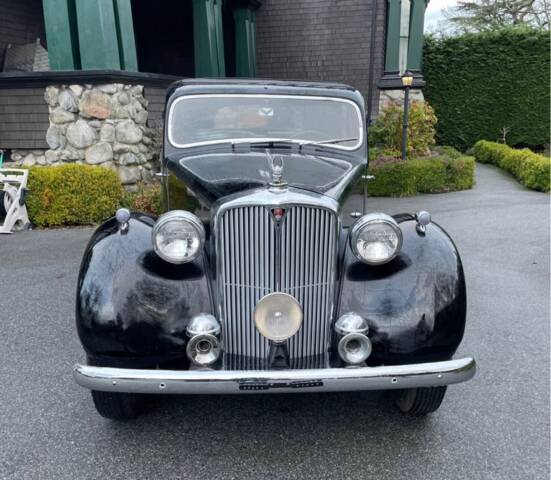
1949 | Rover 75
$28,000
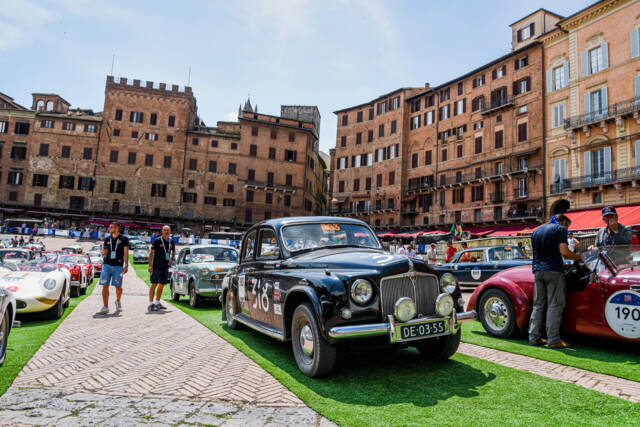
1955 | Rover 75
Registro Mille Miglia car
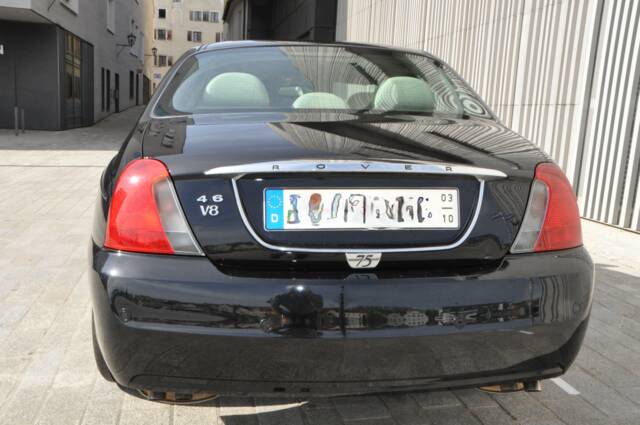
2005 | Rover 75 4.6 V8
Low Milage, Showroom-Quality
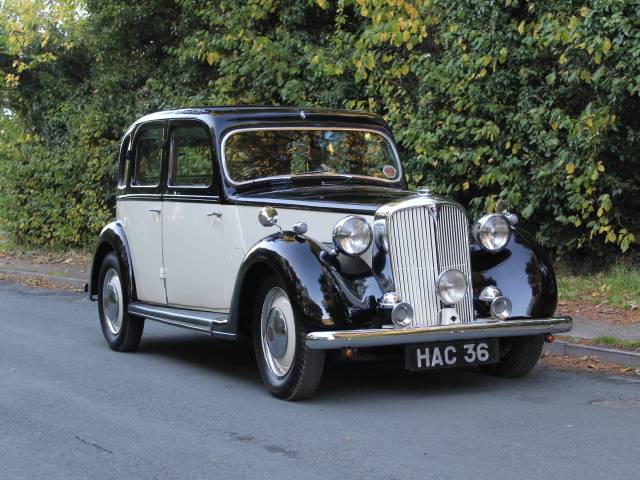
1948 | Rover 75
1948 Rover P3 75 Saloon

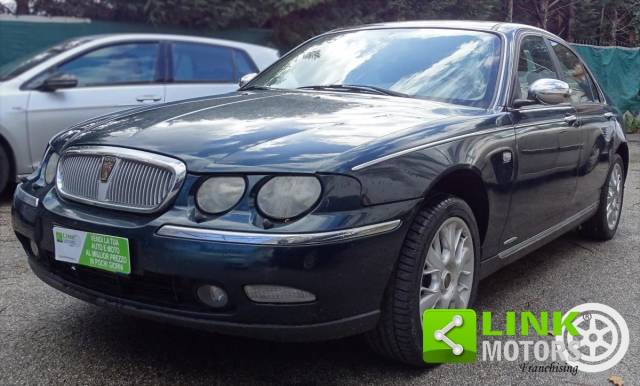
2000 | Rover 75 2.5 V6
ROVER 75 2.5i Connoisseur

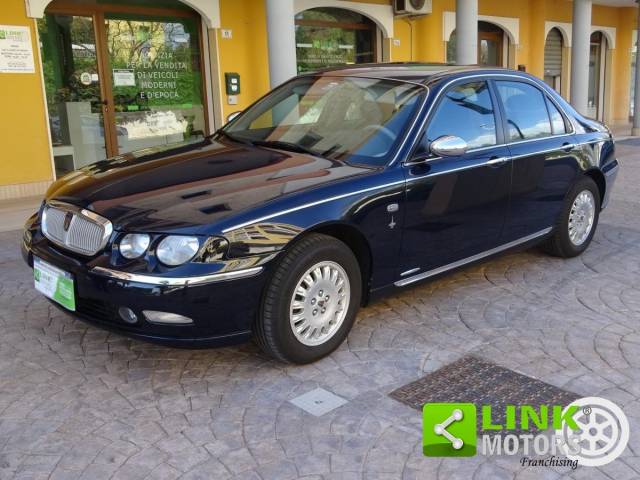
1999 | Rover 75 1.8
ROVER 75 1.8i 16V 120 CV -GPL
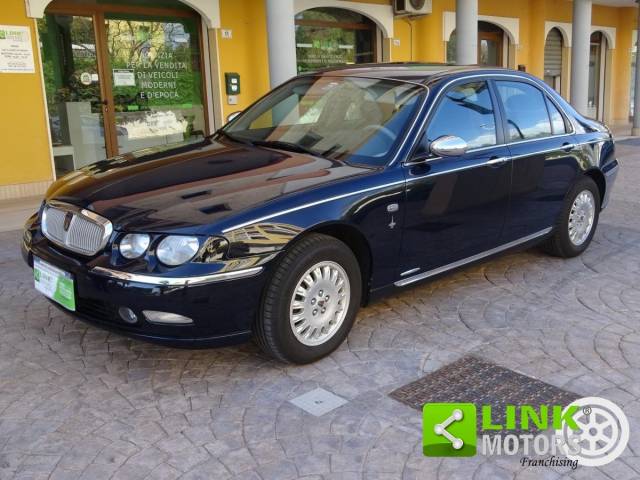
1999 | Rover 75 1.8
ROVER 75 1.8i 16V 120 CV -GPL
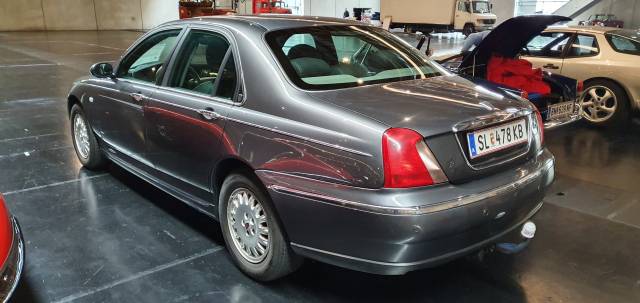
2000 | Rover 75 2.5 V6
Zu besichtigen auf der Classic Expo Salzburg 2021 - Halle 6

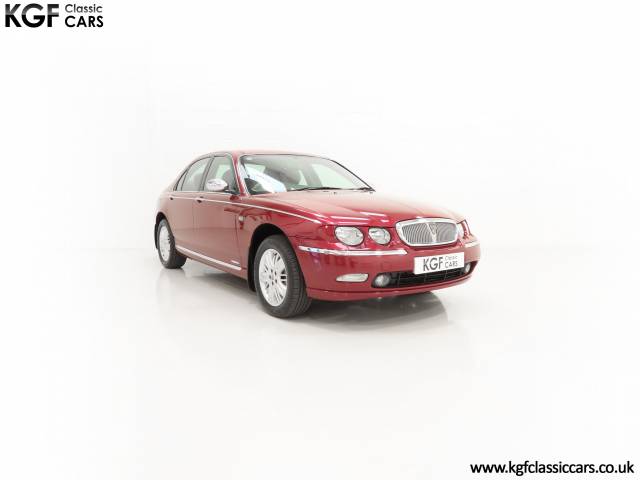
2001 | Rover 75 2.0 V6
An Opulent Rover 75 Connoisseur V6 with an Incredible 8,578 Miles from New
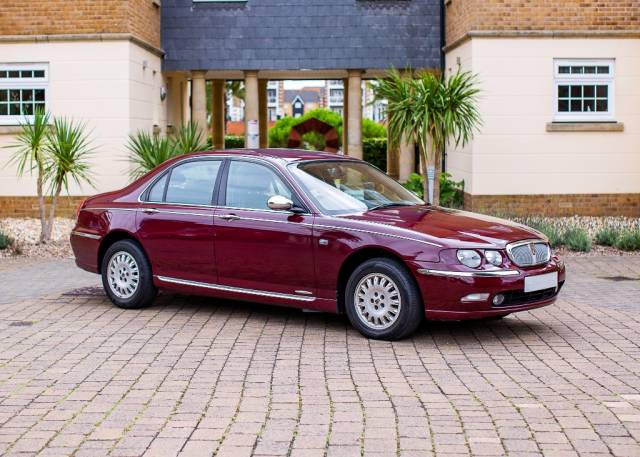
2002 | Rover 75 2.5 V6
Rover 75 Connoisseur SE
Create search alert
Let yourself be notified as soon as a listing is published that matches your search filters.
Create listing
Do you have a Rover 75 that you want to sell? Then create a listing now.
Create listingRover 75 Classic Cars: Prices & Market Values
History of the Rover 75
The Rover 75 first hit the market in 1999 when Rover was part of the BMW Group. Its introduction marked a bold stylistic and technical step forward for the brand, aiming to re-capture the essence of classic British luxury motoring with updated engineering and safety technology. Production began at the iconic Cowley factory in Oxfordshire and later moved to Longbridge, Birmingham after BMW exited the business. The final Rover 75 left the line in April 2005, shortly before the MG Rover Group entered insolvency. Across its lifetime, the 75 range included the standard saloon, an estate variant, a stretched long-wheelbase (LWB) edition, and even a low-volume V8 version with rear-wheel drive, a rare configuration for the brand at the time.
Model History
The 75 model name has roots dating back to the postwar Rover P3 75, launched in the late 1940s, succeeded by the well-regarded P4 series in 1949. The modern Rover 75 was introduced decades later, in 1999, bridging the company's historic craftsmanship with late-20th-century technology. The earlier P3 and P4 models featured separate chassis and advanced-for-the-day suspension and braking, with the P3 produced in 7,837 units and the P4 continuing until 1959. By contrast, the new 75 combined traditional wood and leather interiors with features like ABS, side airbags, and advanced climate control, with engine options ranging from four-cylinder units to a muscular 4.6-litre V8 in late models. A badge-engineered variant, the MG ZT, aimed at sportier buyers, shared mechanicals but differed in styling and character.
Highlights and Features of the Rover 75
The Rover 75 stands out for its reinforced high-tensile steel body shell, comprehensive side-impact protection, and extensive safety equipment—dual front, side, and passenger airbags, as well as ABS with EBD and traction control. Its cabin features real wood veneers, plush full-leather seating, dual-zone automatic climate control, and a range of premium options such as halogen headlights and multi-function aluminium wheels. Chromed mirrors, door handles, and exclusive alloy wheels add to its visual appeal. Recognised for refined ride quality and sound insulation, the early BMW-engineered variants in particular have earned a reputation for robust build and understated luxury.
Technical Data
Special Editions and Collectible Models
Top-of-the-line editions like the 'Connoisseur SE' offered particularly rich amenities, including unique headlining, exclusive woods, and thick luxury carpets. Limited runs such as 'Celeste' and factory options for pearl-effect paint, folding rear seats, and rare left-hand-drive variants largely destined for export markets (like Canada, Australia, South Africa, and India) make certain configurations especially sought-after by specialists and collectors.
Weak Spots and Common Issues
No specific common issues have been supplied for the Rover 75 within the available data. As with any complex late-1990s luxury car, careful attention to electronic systems and regular servicing of the V6 and diesel engines is recommended. Availability of original documentation, correct leather colours, and rare trims can affect value and authenticity.
Engine and Performance, Transmission and Handling
Rover 75 engines range from four-cylinder petrol and diesel units to the refined KV6 (including a 2.5-litre 24V unit with variable intake system). The V6 reaches approximately 210 km/h and accelerates from 0–100 km/h in just over 10 seconds, paired to either a five-speed manual or four-speed automatic gearbox. The chassis provides confident handling with notable ride comfort, matching the model’s 'luxury car' remit. Early P3 and P4 ancestors featured independent front suspension and hydraulic or disc brakes depending on generation, earning praise for quiet and relaxed driving even in period. - Rover 75 V6: 2.5-litre, 148 bhp, 210 km/h top speed, available manual or automatic
- Rover 75 V8: Rear-wheel drive, 4.6-litre, among the rarest configurations
- Diesel variants: Efficient daily classics with robust torque and reliability
Interior, Comfort, Exterior and Design
The Rover 75’s design is unmistakable for its blend of sweeping classic lines, chrome accents, and quintessentially British cues. Inside, owners choose from a palette of leathers—Sandstone Beige, green, red, black, or cream—set off by real walnut veneer trims and a signature analogue clock. Special features like electrically adjustable and heated seats, two-zone climate control, and wood-and-leather steering wheels contribute to an interior ambience compared by period reviewers to far more expensive luxury cars. Popular colours include Copperleaf Red pearlescent and metallic blues, sometimes combined with matching leather. Factory options spanned sunroofs, unique alloy wheels, and multimedia or navigation systems—details that help define the atmosphere and collectability of each example.
Other Notable Features
Genuine original accessories, including Rover-branded floor mats, mud flaps, boot tools, and even leather document cases, are frequently valued by enthusiasts aiming for factory-spec presentation. Export market variants and rare left-hand-drive versions are notable among specialists for their unique features and limited numbers.
Summary
The Rover 75 remains a singular chapter in British automotive history—rooted in tradition but equipped with contemporary engineering. Its high proportion of listings and demand within Classic Trader’s platform shows enduring interest. With its technical diversity, rich build quality, and option for rare trims or collectors’ editions, the Rover 75 offers substantial appeal to those seeking more than just transport—a true British statement on four wheels.