- Car
- Rolls-Royce
- Rolls-Royce Silver Dawn (2 offers)
Rolls-Royce Silver Dawn Classic Cars for Sale
The Rolls-Royce Silver Dawn stands apart as the brand’s first model offered with factory-built bodywork, produced between 1949 and 1955 at Crewe. Sharing its chassis with Bentley but always carrying a distinct Rolls-Royce presence, the Silver Dawn uniquely combines understated luxury and engineering refinement. Models impress with quietly refined performance, lavish interiors with leather and wood accents, and rare features such as comprehensive toolkits and period-correct accessories.
Search results
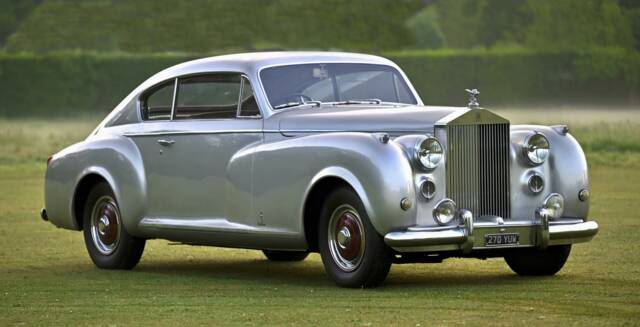

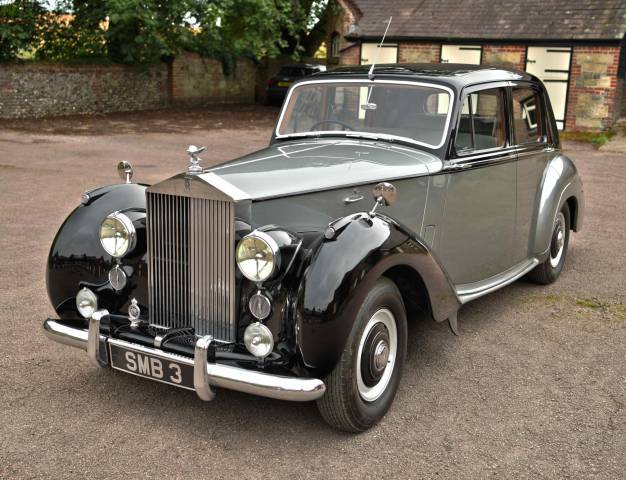
Rolls-Royce Silver Dawn listing references from Classic Trader
Below you will find listings related to your search that are no longer available on Classic Trader. Use this information to gain insight into availability, value trends, and current pricing for a "Rolls-Royce Silver Dawn" to make a more informed purchasing decision.

1954 | Rolls-Royce Silver Dawn
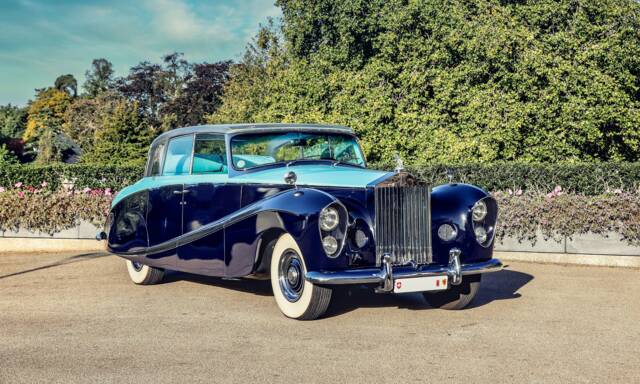
1956 | Rolls-Royce Silver Dawn
1956 Rolls-Royce Silver Wraith LWB Ex-Nubar Gulbenkian 'Perspex Top' Saloon
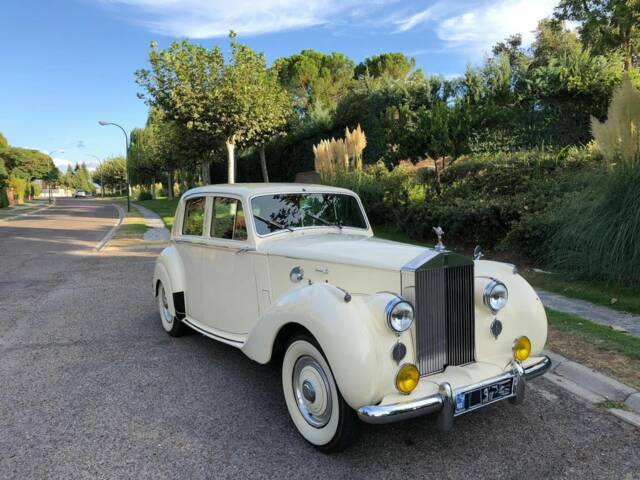
1955 | Rolls-Royce Silver Dawn
Rolls-Royce Silver Dawn | 1955 | Route 66 Auctions - For sale by auction. Estimate 65500 EUR

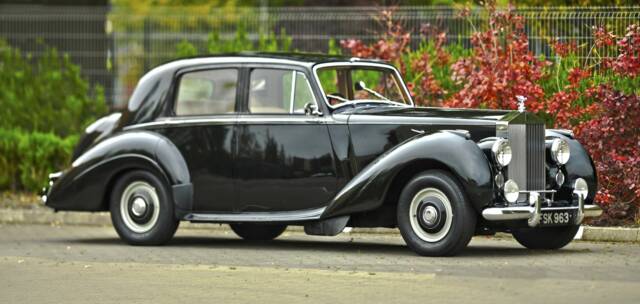
1954 | Rolls-Royce Silver Dawn
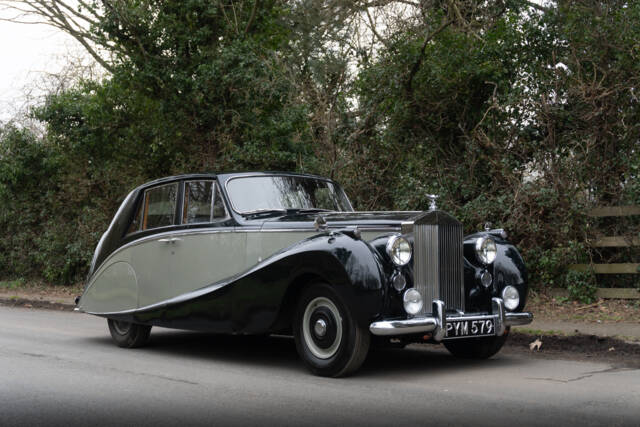
1955 | Rolls-Royce Silver Dawn
1955 Rolls Royce Silver Dawn
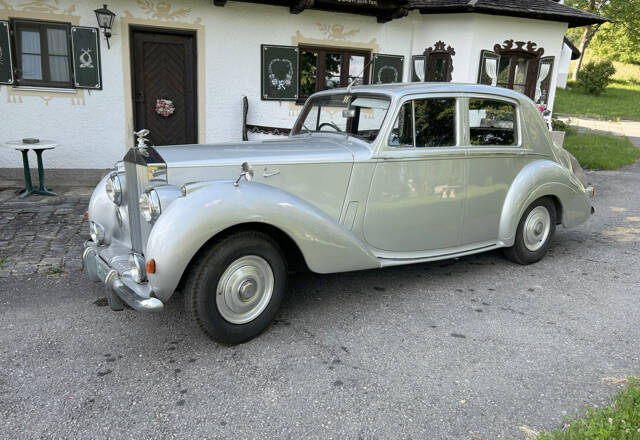
1954 | Rolls-Royce Silver Dawn
Toller Originalzustand mit nur 21.400 Meilen

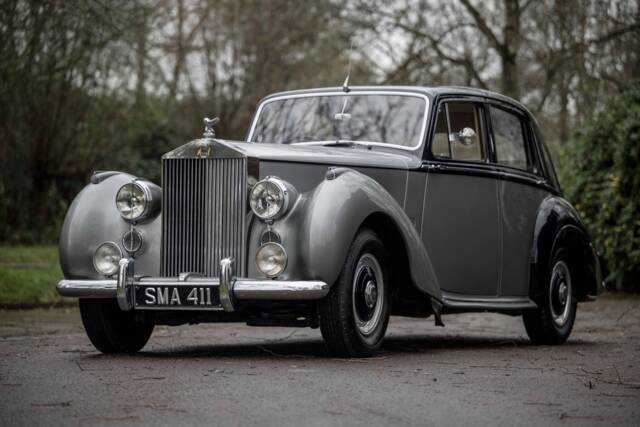
1954 | Rolls-Royce Silver Dawn
Immaculately Cared for by P&A Wood

1951 | Rolls-Royce Silver Dawn
Original LHD, very good condition

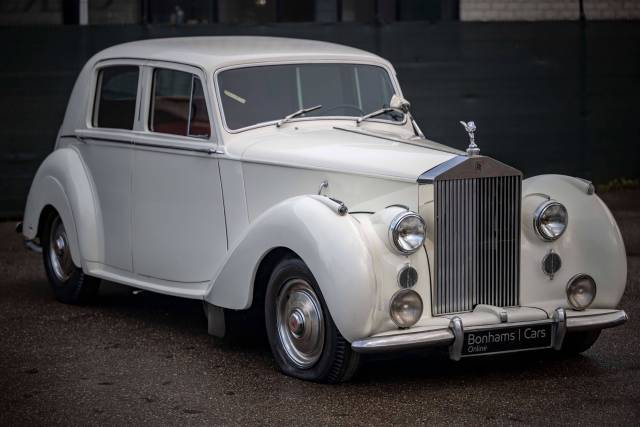
1949 | Rolls-Royce Silver Dawn
Lovely Project - Low Miles
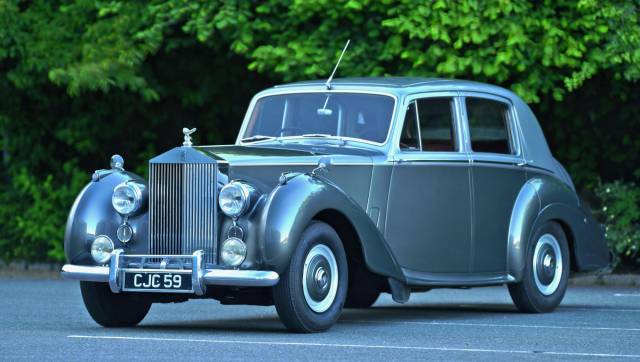
1954 | Rolls-Royce Silver Dawn
Rolls-Royce Silver Dawn Classic Cars: Prices & Market Values
History of the Rolls-Royce Silver Dawn
Produced from 1949 to 1955, the Rolls-Royce Silver Dawn marked a significant milestone for the marque as the first model to be offered with a factory-built body. Initially developed mainly for export markets—and often delivered as left-hand-drive—the Silver Dawn’s history is closely intertwined with the Bentley Mark VI and later the Bentley R Type, sharing not only chassis components but also core engineering, yet always maintaining the distinct Rolls-Royce personality. Early UK availability did not commence until October 1953. Approximately 760 to 785 units were produced during its run, underlining its exclusivity. While most vehicles wore factory saloon bodies, select bespoke coachbuilt examples are known, including creations by Ghia and James Young. The Silver Dawn's blend of technological progress and dignified styling made it a favourite among business figures, dignitaries, and collectors.
Model History and Evolution
The Silver Dawn’s technical base was closely related to pre-war concepts, but with significant post-war upgrades. Early models had a short tail design, later extended for greater luggage capacity and formal presence. Engine displacement increased from 4.3 to 4.6 litres through its lifetime, reflecting continuous refinement. The Silver Dawn’s direct successors in spirit include the Silver Spirit series, with the New Silver Dawn name later reintroduced in 1994, paired with the underpinnings of the Silver Spirit Mk IV. The New Silver Dawn featured higher specification and was only produced on demand, underlining its continuing exclusive appeal.
Highlights and Unique Features
The Silver Dawn introduced several innovations for Rolls-Royce: it was the first available with a standard, in-house completed body, offering both left- and right-hand-drive versions depending on market requirements. Transmission options included a four-speed manual (with gearstick location differing by drive side) and, from 1952, a three-speed automatic. Interior detailing highlights the classic Rolls-Royce standard: leather seats, burr walnut trim, folding picnic trays, and often sunroofs and full toolsets. The car’s reputation for exceptional ride comfort and silent operation made it an ideal choice for self-driving owners as well as chauffeurs.
Technical Data
Special Editions and One-Offs
A small handful of Silver Dawns bore bodies by renowned coachbuilders such as Ghia and James Young, especially early in the production run. These bespoke examples are distinguished by unique styling and interior treatments. The vast majority featured the innovative factory-built steel saloon body, but collector attention often focuses on the rare coachbuilt cars due to their individual histories and craftsmanship.
Weak Spots and Common Issues
While the Silver Dawn’s construction and materials were state of the art for its period, buyers should check for corrosion in body and chassis areas, especially on non-factory coachbuilt cars where different metalwork or joinery may have been used. Routine inspection of the braking system (notably the servo and hydraulics), complete toolkits, sunroof mechanisms, and electrical systems is essential. Availability of spares remains reasonable thanks to a network of Rolls-Royce specialists, but maintenance quality and history should be thoroughly checked, especially for cars spent long periods unused.
Engine, Transmission, and Driving Experience
The Silver Dawn was engineered for a supremely refined driving experience. Equipped with an inline six-cylinder engine—initially 4.3 litres, later increased to 4.6 litres—the model delivers smooth, ample torque rather than outright speed. Its acceleration to 100 km/h in just over 15 seconds and a top speed of 151 km/h (1954 figures) placed it among the fastest luxury saloons of its day. Gear changes are smooth in both manual and automatic forms, with left-hand-drive models utilising a column change and right-hand-drives a floor selector. Suspension and ride setup excel in comfort, with a chassis designed for supple long-haul driving rather than sharp handling. Period road tests lauded its low NVH levels and relaxed, effortless cruising ability. Popular choices among enthusiasts include the earliest export models (short tail, manual transmission), as well as later versions with larger 4.6-litre engines and automatic gearboxes. Highly prized are examples with original luxury features such as sliding sunroof, original tools, and documented history.
Design, Interior, and Comfort
Silver Dawn interiors set class standards with their extensive use of leather upholstery, finely polished burr walnut veneers and thoughtfully designed features like fold-down picnic tables and illuminated vanity mirrors. The factory saloon body’s flowing lines were comprehensively engineered for understated elegance, with subtle two-tone paintwork (period colours like ‘Sand over Sable’ and ‘Shell-grey over Tudor-grey’) emphasising formality and exclusivity. Accessories such as fitted sunroofs, bespoke luggage, and tailored toolkits were frequently ordered. Special coachbuilt variants featured even more individualised interior or exterior configurations. These details reflect a focus on comfort and prestige, rather than showy luxury.
Other Notable Aspects
Many Silver Dawn examples include period accessories such as original handbooks, torch sets in the engine bay, and factory-fitted umbrellas. Some cars were fitted with electrically operated or manual rear blinds. European versions, especially left-hand-drive Silver Dawns, remain especially valued for their suitability to continental driving and classic rally use. The model is eligible for historic registration in Europe, making it a viable choice for classic car events and long-distance touring.
Summary
The Rolls-Royce Silver Dawn brought together pioneering post-war luxury, engineering quality, and practical features in a low-volume, highly individual package. Its outright rarity, model-specific engineering (especially as the first factory-bodied Rolls-Royce), and lasting usability distinguish it from contemporaries. Demand remains strong for both factory and rare coachbuilt examples, supported by thorough specialist maintenance networks and sustained enthusiast interest.