- Car
- Rolls-Royce
- Rolls-Royce 20 HP (12 offers)
Rolls-Royce 20 HP Classic Cars for Sale
The Rolls-Royce 20 HP, produced between 1922 and 1929, stands as an authentic witness to the technical artistry and bespoke coachbuilding of the 1920s. Its sophisticated six-cylinder engine, compact yet elegant chassis, and luxury-focused equipment make the 20 HP a compelling choice for collectors seeking a genuine pre-war motoring experience.
Search results

Newsletter
The best Rolls-Royce listings, straight to your inbox
Get hand-picked Rolls-Royce listings, plus the best of cars, motorbikes, and auctions on Classic Trader — all in one place.
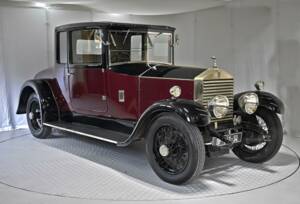
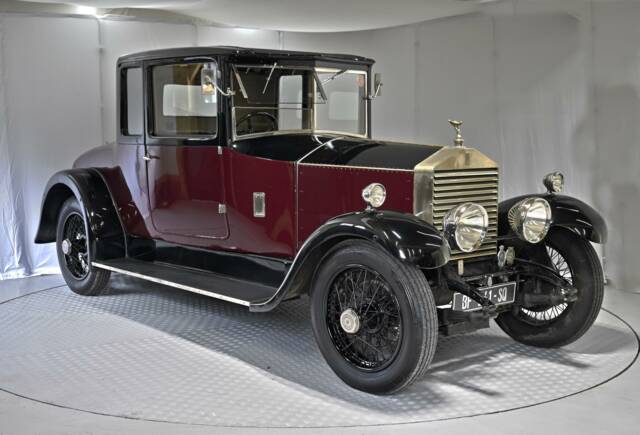

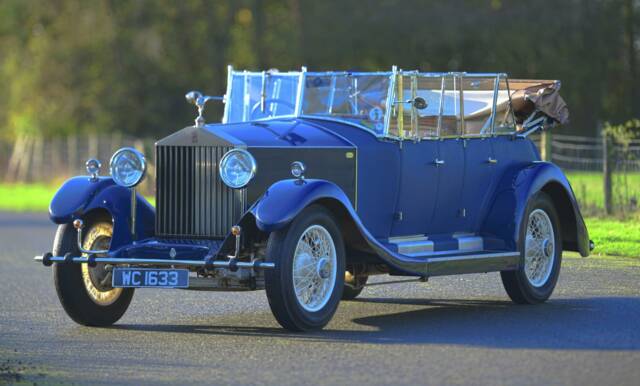
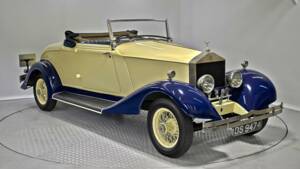
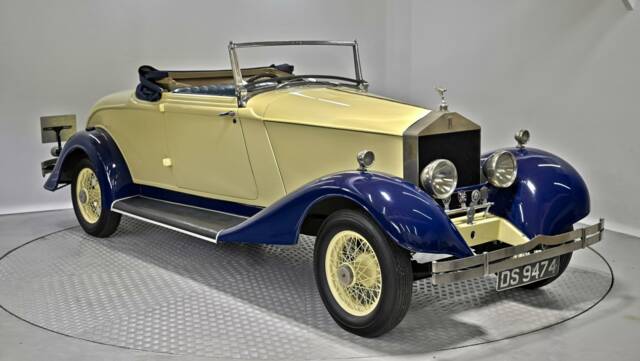
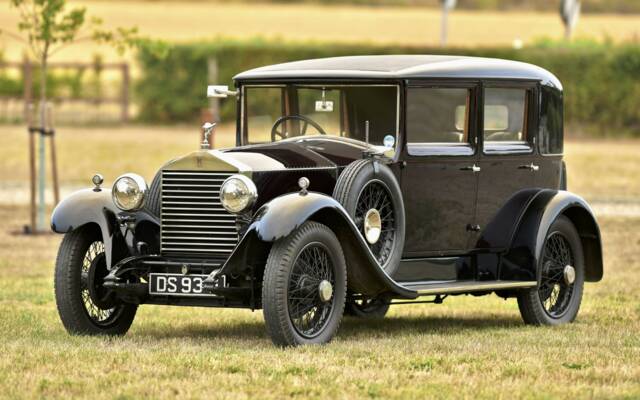
1928 | Rolls-Royce 20 HP
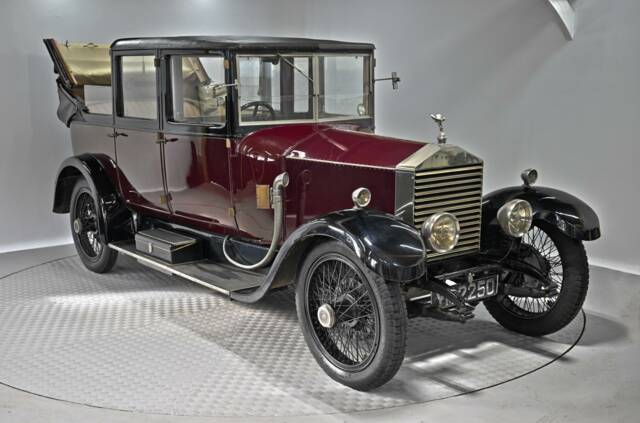
Rolls-Royce 20HP All-Weather Tourer - 7-passenger Weymann saloon body
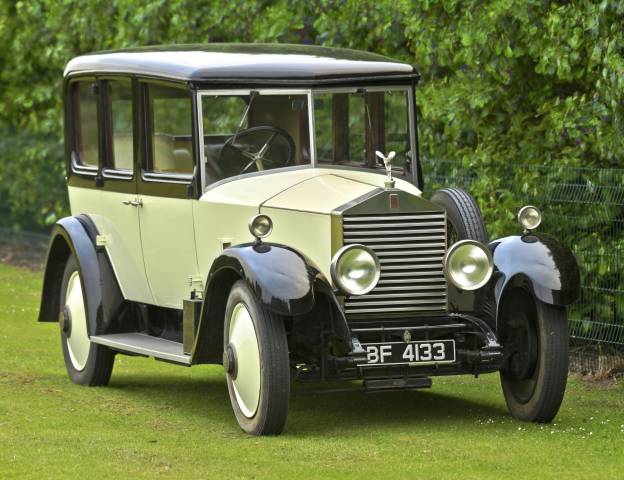
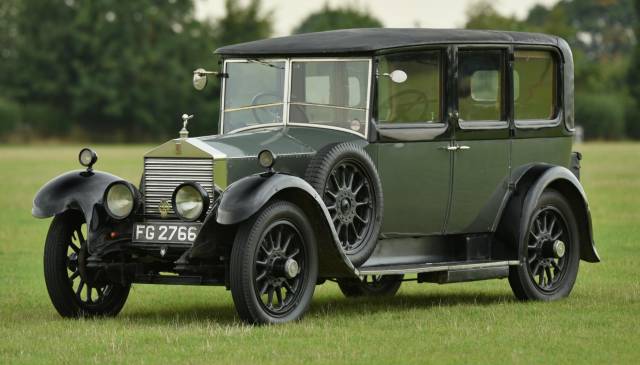
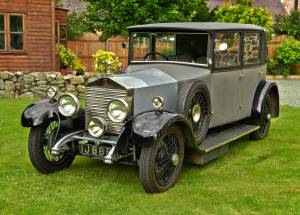
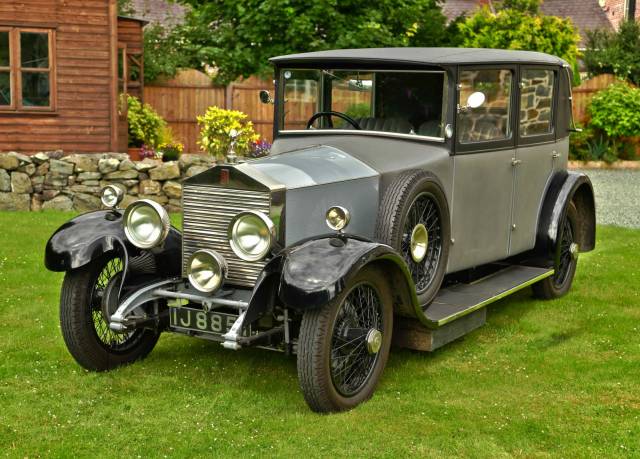
Rolls-Royce 20 HP listing references from Classic Trader
Below you will find listings related to your search that are no longer available on Classic Trader. Use this information to gain insight into availability, value trends, and current pricing for a "Rolls-Royce 20 HP" to make a more informed purchasing decision.
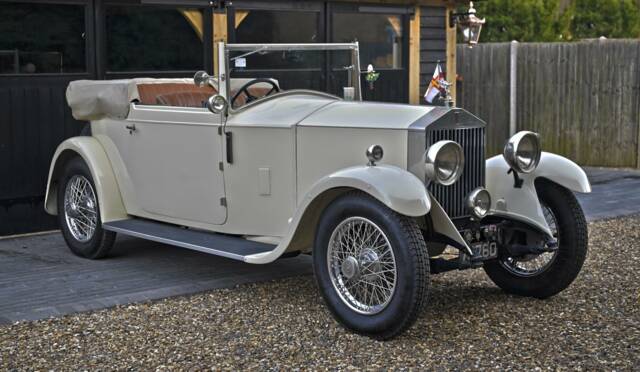
1929 | Rolls-Royce 20 HP
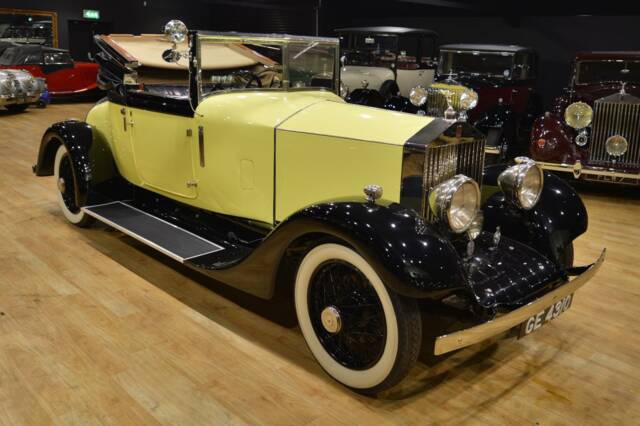
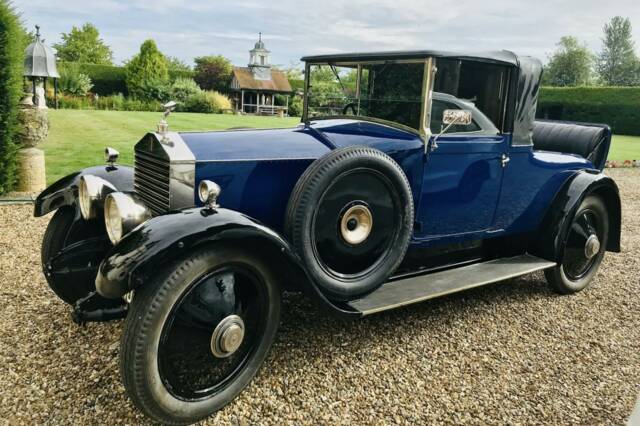
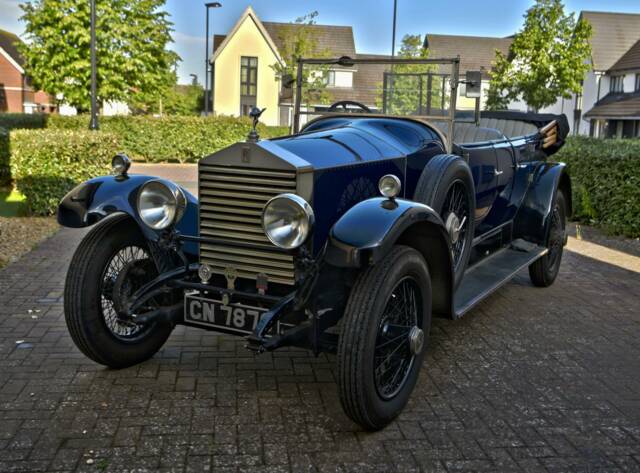
1929 | Rolls-Royce 20 HP Doctors Coupe Convertible
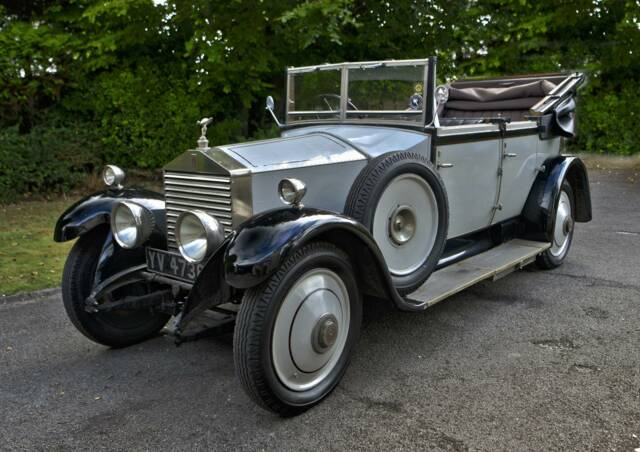
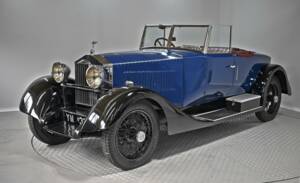
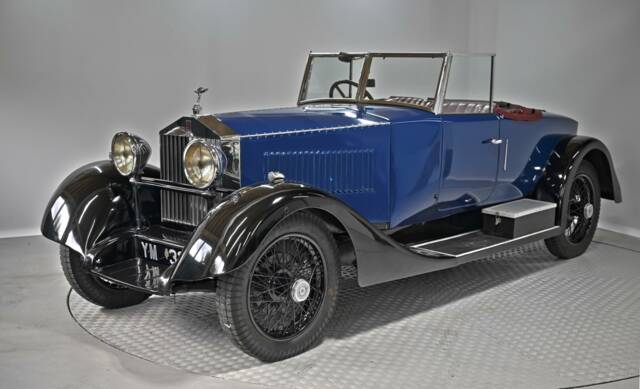
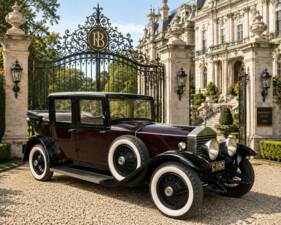
1927 | Rolls-Royce 20 HP
Rolls-Royce 20 HP Classic Cars: Prices & Market Values
History of the Rolls-Royce 20 HP
The story of the Rolls-Royce 20 HP traces back to Rolls-Royce’s early days, starting in 1905 with one of the first models designed after the partnership of Charles Rolls and Henry Royce. Building on a philosophy of supreme mechanical refinement, the first 20 HP (1905–1906) adapted the successful 10 HP in a four-cylinder layout, assembled with robust technology for its time and intended for the upper-class motorist. The initial model saw only a limited run, ceasing after roughly 40 units, with a focus on selling rolling chassis to be bodied by independent coachbuilders.
After World War I, Rolls-Royce revisited the concept in 1922, creating the model now widely known as the "Twenty". This car was developed specifically as a more accessible, smaller alternative to the 40/50 Silver Ghost and the Phantom, while retaining the brand’s standards for precision engineering and exceptional build quality. Offered both to owner-drivers and those preferring a chauffeur, the Twenty introduced innovative features such as an integrated engine-transmission design. Over its production run until 1929, nearly 2,940 examples left the factory, marking a pivotal phase in Rolls-Royce history, until it was replaced by the 20/25 HP.
Model Evolution and Series Overview
The 20 HP’s first era (1905-1906) formed the technical backbone for Rolls-Royce’s reputation, featuring a four-cylinder engine with advanced ignition and practical engineering solutions. The second phase (1922-1929) gave birth to a refined, six-cylinder engine of 3.1 litres, with both three- and later four-speed gearboxes and a flexible chassis platform.
The 20 HP directly succeeded earlier models like the 10 HP and 15 HP, offering a significant step up in smoothness, reliability, and driving comfort. The Twenty’s reputation as an owner-driver’s Rolls persisted with individual chassis numbers and extensive documentation, with luxurious bespoke coachwork from houses such as Hooper, Barker, HJ Mulliner, Gurney Nutting, and James Young. With nearly 2,885 units built, the model attracted significant export interest, finding homes from India to America. Its successor, the 20/25 HP, built directly on its design, updating the concept for the 1930s.
Highlights and Unique Features
The Rolls-Royce 20 HP cemented itself as the brand’s pioneering small chassis model, offering owner-drivers a viable, elegant alternative to larger chauffeur-driven cars. Its compact frame enabled dynamic, bespoke coachwork – including coupes, tourers, doctor’s coupes with dickey seats, and all-weather cabriolets. Customers could specify truly individual interiors with top-grade leather, wood trim, and deluxe carpets, reflecting personal taste and status.
Technical Data
Special Editions and Collector Versions
While the 20 HP was not produced in official factory-limited series, its distinction lay in the coachbuilt bodies by firms like Barker, Hooper, Gurney Nutting, Mulliner, and James Young. Unique details such as split 'ocean liner' windscreens, aluminium dashboards, and period-correct accessories were ordered to client specification, making each car a special piece. Salons, open tourers, and all-weather cabriolets often came with rarities like fold-out seats, bespoke roof mechanisms, and signature paint combinations.
Weak Spots and Common Issues
Potential buyers of the Rolls-Royce 20 HP must be aware that, while robust, these vehicles are now nearly a century old. Key issues include ageing of wood-framed chassis and bodywork, corrosion in the aluminium or steel coachbuilt panels, and wear in original mechanical parts such as transmissions, axles, and braking systems. Attention should be paid to electrical systems, as many early cars used period-specific lighting (carbide and kerosene), and upgrades may or may not have been sympathetically carried out. Only a few cars retain fully original engines and running gear, so history files and restoration records are critical.
Engine, Performance, Transmission and Handling
The 20 HP’s six-cylinder, 3.1-litre engine is lauded for its smoothness and quiet running, with most examples easily able to cruise at contemporary road speeds. Its robust transmission, first three-speed and later four-speed, offers reliability and straightforward maintenance for those familiar with vintage mechanisms. The smaller, lighter chassis results in a more manageable and responsive experience than the marque’s larger contemporaries, while the braking system is generally considered effective for the era. Many specialists regard the 20 HP as more accessible to drive than most other pre-war Rolls-Royces. Highlight: The 'Doctor’s Coupé' and All-Weather Cabriolet, often with special coachbuilt bodies and rare features, are especially admired for their versatility and style. Chassis specs are always individually documented, adding value and uniqueness to each car.
Interior, Comfort, Exterior and Design
Rolls-Royce 20 HP interiors epitomise 1920s craftsmanship, with fine leather seats, high-quality carpeting, and polished hardwood trim standard. Steel, fabric, or aluminium panelling cloaks a hand-finished ash frame, with coachbuilders introducing details such as split windscreens, elaborate luggage trunks, occasional seats, and mother-of-pearl or aluminium dashboards for special orders. From colour-matched paintwork to period-correct driving lamps and fender-mounted tools, the 20 HP demonstrates the era’s attention to detail. Dual tones and unique hues were frequent, while options for bespoke accessories abounded – from folding windscreens to custom picnic sets.
Other Noteworthy Aspects
Documentation is often thorough, with many 20 HP examples accompanied by original build sheets, factory paperwork, FIVA passports, and club memberships. These cars frequently participate in rallies and club meets, often bearing period accessories and details restored or maintained to a high standard. Right- and left-hand-drive variants exist, reflecting the global reach of the marque in the 1920s.
Summary
The Rolls-Royce 20 HP offers a window into the innovative and bespoke automotive era of the 1920s, standing out for its technical refinement, custom coachwork, and enduring build quality. With carefully documented provenance, a lively owner’s scene, and high standards of restoration, the 20 HP is tailored for enthusiasts who value genuine history and the art of classic motoring.