- Car
- Rayton Fissore (1 offer)
Buy Rayton Fissore classic cars
Rayton Fissore made one of the most unusual Italian 4WDs of the 1980s: a square-shouldered, coachbuilt alternative to the mainstream luxury off-roader. Find a rare Magnum with clear provenance, sound chassis structure and an import pathway suited to Australian registration.
Search results
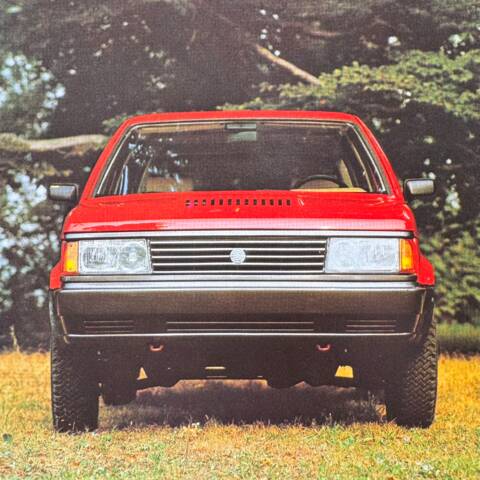

Rayton Fissore listing references from Classic Trader
Below you will find listings related to your search that are no longer available on Classic Trader. Use this information to gain insight into availability, value trends, and current pricing for a "Rayton Fissore" to make a more informed purchasing decision.

1985 | Rayton Fissore Magnum 4x4
Magnum 4x4, Vollrestauration


1991 | Rayton Fissore Magnum 4x4
1991 Rayton Fissore Magnum VIP 2.5 V6 – one of 120 Units!


1987 | Rayton Fissore Magnum 4x4


1987 | Rayton Fissore Magnum 4x4
Geländefahrzeug turbodiesel


1997 | Rayton Fissore Magnum 4x4

1987 | Rayton Fissore Magnum 4x4
Altro Altro Rayton fissore Magnum
Rayton Fissore history and heritage
Rayton Fissore occupies a small but distinctive corner of Italian motoring. The name joined the Turin coachbuilding tradition of the Fissore family with Rayton, the company formed to develop a new four-wheel-drive vehicle at a time when luxury off-roaders were beginning to move beyond farms, armies and remote worksites. Its principal product was the Magnum, introduced during the mid-1980s and sold in a number of markets under different names. In the United States it became the Laforza, while in some export literature it was called the La Forza. That badge variation matters when tracing a car’s past: a Magnum, Laforza and La Forza may share the same basic lineage, but the engine, trim, compliance history and parts sources can differ materially.[1]
The project was ambitious. Rather than adapting a humble estate car into an occasional soft-roader, Rayton Fissore set out to build a tall, comfortable, permanent four-wheel-drive vehicle with Italian styling and a properly substantial chassis. The resulting body was angular and unusually formal: broad glass, a near-vertical grille, a high beltline and an unmistakable square rear. It looked neither like a Land Rover nor a Jeep, and that independence is central to its present appeal. A Magnum has the stance of an executive express from the same decade, merely raised on all-terrain tyres.
The model arrived into a market where the Range Rover had established the formula for a premium 4WD, Mercedes-Benz’s G-Class had a loyal following and Japanese manufacturers were steadily improving refinement. Rayton Fissore could not compete with those firms’ dealer networks, but it offered something they did not: a low-volume Italian coachbuilder’s interpretation of the grand touring utility vehicle. Contemporary road tests commonly concentrated on the car’s imposing road presence, generously appointed cabin and rugged underpinnings, rather than treating it as a delicate styling exercise.[1]
The badge’s history is short, so a make page should not pretend it has the multi-generation complexity of a long-lived manufacturer. The story instead follows three useful threads. First is the Italian coachbuilding connection, which gave the Magnum a body with more character than a conventional commercial 4WD. Second is its Iveco-based mechanical foundation, important to both durability and parts research. Third is the export afterlife, especially the US Laforza, where later cars received different powertrains and a more luxurious market position. A buyer who establishes which thread applies to a particular car is already much closer to an informed purchase.
For Australian enthusiasts, the model is also an appealing counterpoint to the familiar imported 1980s exotica. It is not a low-slung Italian coupé and should not be evaluated as one. A sound Magnum is a specialist, left-hand-drive, coachbuilt 4WD whose rarity is part of the ownership proposition. The right car is one with a documented identity, carefully understood mechanical specification and no surprises hidden under its handsome bodywork.
Highlights that define Rayton Fissore
The first highlight is rarity with a purpose. Rayton Fissore was never a volume manufacturer, and the Magnum’s survival rate is unlikely to be high because many examples were used as real working or all-weather vehicles. A well-preserved example therefore feels genuinely uncommon without relying on a contrived limited-edition story. It is a car for a collector who enjoys explaining what it is, rather than one who wants every service counter to recognise the badge.
Second is the combination of Italian design and truck-derived architecture. The crisp panels and plush trim promise something far more civilised than a bare utility vehicle, while the chassis and driveline were intended for demanding use. That blend gives the Magnum its particular personality. Its controls, ride and packaging are from an older school of 4WD engineering; its cabin ambience and external detailing aspire to a private-club driveway.
Third, buyers should value the variety of period engines and market specifications without assuming that every car is alike. Italian-market Magnums were offered with petrol and diesel engines, including Alfa Romeo petrol units and VM Motori diesels; specifications varied by year and destination.[1] US-market Laforzas developed on a separate path with American V8 power in later years. A listing that merely says “Rayton Fissore Magnum” is not enough. The engine number, VIN, original sales market and compliance plate deserve the same attention as the paint and leather.
Finally, the Magnum rewards an owner prepared to manage a small network of suppliers. Common service consumables may relate to the underlying donor components, but body, glazing, interior and trim pieces are Rayton Fissore-specific. An existing file of invoices, workshop manuals, parts cross-references and previous-owner contacts adds real practical value. It is more useful than a speculative claim of concours condition.
Technical data and model identification
The following table is a buyer’s orientation, not a substitute for verifying a specific vehicle. Published data varies between Magnum, La Forza and Laforza literature, and changes in engine installation are particularly important. Confirm numbers from the car, original documentation and a marque specialist before ordering parts or arranging an import.[1][2]
The temptation with a rare make is to turn uncertainty into a polished specification. Resist it. Do not accept a power output, gearbox type or production claim simply because it appears in an old advertisement. There are cars advertised as Magnums that have received engine conversions, trim changes or later Laforza components during long lives in several countries. A correct inspection starts by photographing all identification plates and comparing them with factory or period documentation.
On an original early car, look closely at the relationship between the engine installation and the rest of the vehicle. Neat factory-style mounts, cooling plumbing, exhaust routing and wiring are good signs, but they are not proof on their own. A conversion can be extremely well executed and still affect engineering approval, insurance and registration. For an Australian buyer, this distinction is more than academic: the state registration authority and insurer will care about the vehicle actually presented, not its romantic description in an overseas listing.
Market overview and buying tips
Rayton Fissore values cannot responsibly be reduced to a neat price ladder. Public transaction evidence is sparse, cars vary greatly by engine and country, and asking prices are not sale prices. A buyer should therefore treat a Magnum as a condition-and-documentation market, not as a model with a universally reliable price guide. This is also why this page does not repeat unverified advertised figures as if they were completed sales.
Start with the car’s identity. Request the full VIN, the chassis stamping, engine number, photographs of all plates, registration documents from its country of residence and evidence of when it entered that country. Ask whether it is a Rayton Fissore Magnum, a La Forza export car or a Laforza, and whether the present engine and gearbox match its original specification. A seller who is open about the answer is not necessarily selling a perfect car; they are giving you the evidence needed to judge it.
Rust and structure deserve a thorough inspection. The body’s size and the vehicle’s working-4WD role make corrosion far more consequential than a few bubbles around brightwork. Have a workshop inspect the chassis rails, body mounts, floorpan, sills, suspension pick-up points, wheel arches, lower tailgate area, door bottoms, screen surrounds and the junctions where mud and moisture can linger. Remove or lift carpets where possible. Look underneath after a wash, not only at a freshly detailed vehicle with heavy underseal. Fresh coating can be good preservation, but it can also conceal the condition you most need to see.
Then assess the driveline as a system. On a road test, listen for axle, transfer-case, universal-joint and wheel-bearing noise; check for vibration under acceleration and overrun; and ensure the four-wheel-drive controls engage and disengage as intended. Slow-speed tight turns can reveal wind-up, binding or a tyre mismatch. Inspect differential and transfer-case oil for contamination, and confirm that tyre sizes and rolling circumferences are matched across each axle. A heavy 4WD can appear acceptable on a brief straight-line drive yet reveal expensive issues when loaded, turning or travelling at highway speed.
Engine work must be judged for the particular installation. A period diesel needs clean cold starting, healthy cooling, controlled exhaust smoke and evidence that fuel-system maintenance has not been deferred. A petrol engine needs stable oil pressure, clean hot running, correct charging and no improvised wiring. On any engine, examine the radiator, hoses, fan operation, heater circuit and evidence of coolant loss. Parts availability for a basic engine service may be manageable, but bespoke air-conditioning, dashboard, window and trim pieces deserve specific enquiries before buying.
Interior completeness is a financial and practical issue. Check the seat mechanisms, door cards, switchgear, instruments, ventilation controls, glass, seals, badges and exterior lamps. Ask which electrical functions work rather than accepting “needs minor wiring”. Old luxury 4WDs can have many small faults; the parts hunt becomes difficult when the vehicle was made in low numbers. Original manuals, service books, spare keys and a folder of part numbers are valuable signs of long-term stewardship.
For an Australian import, plan before bidding. The Australian Government’s vehicle-import information makes clear that an import approval pathway must be established before shipping, while the Department of Agriculture, Fisheries and Forestry applies biosecurity requirements to vehicles and machinery.[3][4] A 1980s Magnum is normally left-hand drive. Its age may make it eligible for an older-vehicle import option, but eligibility does not equal automatic registration. Check the current requirements with the Commonwealth import authority and the registration authority in the state or territory where you intend to garage the car. Requirements can differ over left-hand-drive use, compliance evidence, engineering certification, modifications, lighting and seatbelts.
Do not leave biosecurity cleaning to the last port. Underbody cavities, tyres, wheel arches, engine bay recesses, cabin filters, luggage spaces and recovery gear can retain soil, plant material, seeds or insects. Arrange a detailed clean before export, retain photographs and invoices, and accept that inspection may still identify further work. Delays, cleaning and inspection costs are part of the import project, not an optional surprise. Before shipment, also obtain marine insurance, verify the vehicle’s identity against the paperwork and make sure the shipping agent understands it is a non-running or low-clearance vehicle if that applies.
Once in Australia, obtain a pre-purchase inspection by a workshop comfortable with older European 4WDs and arrange a state-specific registration conversation early. In some jurisdictions, a left-hand-drive historic vehicle may have conditions of use or additional documentation; modified engines, non-standard wheels and aftermarket lighting can create another layer of engineering scrutiny. A roadworthy certificate is not a detailed restoration report. Budget separately for safety repairs, tyres, brake hydraulics, lamps, glass and the changes genuinely required for lawful registration.
The best prospective owner is patient, mechanically curious and not dependent on immediate dealer support. The wrong buyer is someone seeking a cheap substitute for a modern luxury SUV. Purchase the car because the oddity, scale and story appeal to you—and because its condition is sufficiently well evidenced—not because a rare badge alone seems certain to rise in value.
Driving feel: a formal Italian 4WD
From the driver’s seat, a good Magnum should feel more deliberate than sporty. The upright seating position, broad bonnet and tall roof give a commanding view, while the vehicle’s mass and traditional 4WD hardware encourage measured inputs. It is a machine that rewards leaving space for the brakes, reading the road surface and allowing the steering to settle rather than flicking it through corners like a contemporary hatch.
That is not a criticism. The pleasure is in the contrast: an Italian badge and tailored cabin details paired with the physicality of a robust off-roader. At suburban speeds it can feel almost theatrical, its square glasshouse and raised stance turning ordinary errands into an occasion. On a country road, a sound chassis and correctly aligned tyres should bring a calm, long-legged character rather than the nervousness of a lightly built soft-roader.
The engine changes the emphasis. A diesel suits the Magnum’s unhurried, torque-led nature and makes mechanical sympathy part of the drive. A petrol car can feel more responsive, but should still be driven with an awareness of cooling capacity, gearing and weight. In either case, the best driving experience comes from a sorted example: properly serviced brakes, fresh suspension bushes where required, correct damping, balanced tyres and a cooling system proven in warm conditions. Australian summers are not the place to discover that a rare car’s fan switch or radiator has been marginal for years.
Off sealed roads, use restraint. The Magnum’s architecture was conceived for four-wheel-drive work, but a surviving collector car may have original trim, scarce panels and little underbody protection compared with a dedicated modern trail vehicle. Gentle touring on suitable surfaces is one thing; treating a low-volume 1980s luxury 4WD as a disposable bush-basher is another. Its greatest satisfaction is that it can still look composed arriving at a cars-and-coffee meeting after a long, comfortable road journey.
Design, coachwork and cabin character
The Magnum’s design is its strongest calling card. It is unapologetically rectilinear, with an almost architectural treatment of the windows and pillars. The proportions prioritise presence and interior space over visual lightness. In an era full of rounded, increasingly aerodynamic cars, that seriousness has aged well. The vehicle now reads as a confident expression of 1980s Italian industrial design rather than a failed attempt to imitate a more famous 4WD.
Coachbuilding heritage is visible in the emphasis on appearance and appointment. The grille, brightwork, lamp surrounds, trim textures and upholstery should be examined not merely for cosmetics but for correctness. Replacement can be possible, yet a good repair may require patient sourcing, fabrication or sympathetic restoration. When comparing two cars, an honest original interior with light wear can be a safer proposition than a freshly retrimmed cabin whose original layout, switches or materials have been lost.
The large, upright cabin also makes the Magnum usable as a social classic. Rear-seat access, luggage capacity and high seating distinguish it from many Italian collector cars. It offers a place for passengers and travel gear, which helps explain why a carefully recommissioned example can make sense for club events and regional touring. The caveat is wind noise, age-related sealing and the possibility of water ingress. Test every door, window and roof-area seal, then inspect for damp carpets and electrical corrosion.
Ownership, documentation and reference trail
With a rare marque, reference tracking is part of ownership. Keep a digital and paper file containing VIN photographs, engine numbers, import approval, shipping and biosecurity records, registration history, workshop invoices, parts cross-references and dated images before and after any restoration. Record the source whenever a technical claim or replacement part number is added. This habit prevents a future owner from having to rediscover basic information and makes the car easier to insure, register and sell honestly.
Useful starting references for a buyer’s file are:
- Rayton Fissore Magnum historical overview and contemporary specification summaries, The Automobile Catalog, Rayton Fissore Magnum model pages (accessed September 2026).
- Laforza historical and technical material, Laforza Automobiles archive and model information (accessed September 2026).
- Australian Government, Department of Infrastructure, Transport, Regional Development, Communications, Sport and the Arts, Importing a vehicle (current guidance; accessed September 2026).
- Australian Government, Department of Agriculture, Fisheries and Forestry, Importing vehicles and machinery biosecurity guidance (current guidance; accessed September 2026).
These sources establish the historical and regulatory trail; they do not replace written confirmation from the applicable authority or an inspection of the particular car. Regulations, state registration practices and online historical pages can change. Save copies of the version you relied upon, and record the date of any advice received.
Summary: buying a Rayton Fissore
A Rayton Fissore Magnum is a rare, characterful choice for the collector who wants Italian design in a genuinely different format. Its appeal rests on the combination of coachbuilt visual presence, substantial 4WD underpinnings and a compelling export story—not on easy ownership or simple price comparisons. Find a car with a verified identity, solid chassis, complete interior, healthy driveline and a coherent document file.
For Australian buyers, left-hand-drive status, import approval, biosecurity preparation and state registration are integral to the decision. Resolve them before shipping, inspect the actual vehicle deeply and leave room in the budget for specialist recommissioning. With that groundwork done, a Rayton Fissore can be a memorable and unusually practical classic to buy, maintain and enjoy.