- Car
- Rayvolution (0 offers)
Buy Rayvolution classic cars
A Rayvolution is a rare hand-built three-wheeler with motorcycle power, low seating and an unapologetically mechanical character. Find a documented Rayvolution on Classic Trader and plan its Australian import and registration before buying.
Search results
Currently, there are no matching listings for your search.
Create search alert
Let yourself be notified as soon as a listing is published that matches your search filters.
Create listing
Do you have a Rayvolution that you want to sell? Then create a listing now.
Create listingRayvolution listing references from Classic Trader
Below you will find listings related to your search that are no longer available on Classic Trader. Use this information to gain insight into availability, value trends, and current pricing for a "Rayvolution" to make a more informed purchasing decision.
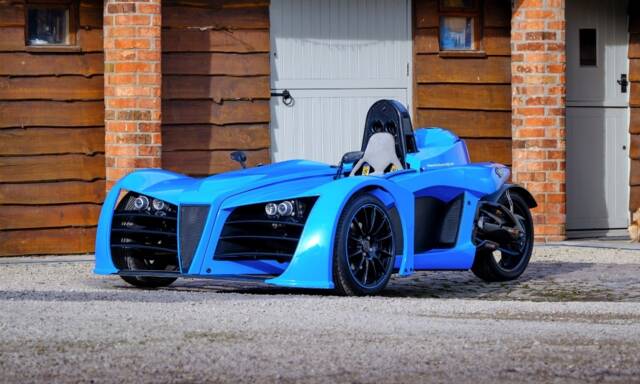
2013 | Rayvolution Evo
2013 Rayvolution EVO

Create search alert
Let yourself be notified as soon as a listing is published that matches your search filters.
Create listing
Do you have a Rayvolution that you want to sell? Then create a listing now.
Create listingHistory and identity
Rayvolution sits well outside the normal collector-car template. This is a tiny specialist marque, built around a three-wheel layout and a high-revving motorcycle engine rather than a series-production automobile platform. Its appeal in Australia is immediate: the car is light, visually dramatic and likely to feel very different from the large-capacity Australian and European classics that dominate local events. Its challenge is equally clear: each example must be assessed on its own construction, documentation and pathway to lawful road use.
The published 2013 Rayvolution Evo is the most visible representative example, but it is a child model rather than this make page's target. Reports associate its design with Tony Lafayette and describe a GRP body, Protech inboard suspension and Wolf Race wheels. Its 999 cc Suzuki GSX-R1000 K9 engine is listed at 185 hp in Classic Trader material. Those details give a useful starting point, not a guaranteed specification for every Rayvolution. A small maker can revise fittings, ratios, brakes, wiring and body details from car to car.
The philosophy is recognisably British: use a known donor engine, design a very light bespoke vehicle around it and favour direct sensation over isolation. A good car has more than a dramatic shape. It has a convincing chassis story, tidy routing of fuel and cooling lines, accessible maintenance points and a folder explaining how the vehicle came to exist. For an Australian buyer, those things are vital because distance makes retrospective problem-solving expensive.
Highlights and character
The defining quality is specific output in a light package. A litre-class Suzuki four delivers its energy high in the rev range and brings sequential motorcycle gearing to a vehicle much lighter than most sports cars. Combined with open bodywork and a low driving position, the effect is vivid even before outright speed is considered. The Rayvolution is better understood as a road-going special than as an alternative to a conventional convertible.
There is also a practical advantage in the Suzuki donor family. Australian motorcycle workshops understand Japanese sportbike engines, and many routine engine parts have a more plausible supply route than parts for an obscure bespoke engine. That does not make the whole car simple. The unique chassis, rear-drive system, suspension links, cooling installation, electrical integration and GRP panels are the areas where the buyer needs records and contacts. Never assume an advertised engine number, output or suspension specification applies without checking the car itself.
Technical data
Confirm the items that the table cannot answer: final-drive design and ratio, reverse arrangement, clutch actuation, wet-sump or modified lubrication, radiator capacity, fan switching, brake bias and actual mass. Australian heat and distance make cooling-system evidence particularly valuable. Inspect hose routing, expansion tank, shielding from exhaust heat and the condition of every electrical connector. A claimed performance figure is less useful than a car which starts cold, holds temperature, charges properly and shifts cleanly through a full road test.
Market overview and buying tips
The international market is too small for a dependable Australian price guide. A 2025 UK asking reference of £14,995, a continental asking reference near €16,000, and a Historics catalogue statement of roughly £35,000 build cost for a 2013 car are useful context only. They are not sale results and they exclude the real Australian acquisition costs: overseas inspection, inland transport, shipping, marine insurance, customs processing, biosecurity cleaning, compliance work, state registration and future parts freight.
Before bidding or transferring a deposit, establish the import route with the relevant Australian authorities and the registration authority in your state or territory. A three-wheeler can be classified differently from a passenger car depending on its construction and jurisdiction; do not rely on the seller's description or another state's registration. Ask whether the vehicle can be imported under the applicable scheme, what evidence will be needed for age and identity, and whether engineering certification or an individual approval will be required. Requirements change, so confirm them in writing before shipment.
Biosecurity deserves the same attention as mechanical condition. An open, low-built car has many places for soil, plant material and road debris to remain: undertrays, wheel arches, suspension pockets, radiator ducts and the chassis underside. Request detailed underside photographs immediately before loading and arrange professional cleaning where needed. A car delayed for cleaning after arrival is inconvenient; a car that arrives with hidden corrosion, contaminated cavities or incomplete paperwork is worse.
For the physical inspection, use a workshop accustomed to kit cars, race specials or motorcycle-engined conversions. Match VIN or chassis marks to the registration papers, verify the engine provenance and ask for build-stage photographs. Examine welds, suspension pickups, steering joints, brake lines, wheel bearings, chain or shaft hardware as fitted, fuel tank security and the condition of the GRP around mountings. Check date codes on tyres and condition of flexible brake hoses. A fresh repaint or powder coat should prompt a request for photographs of the metal beneath, not suspicion by itself.
Plan parts by category. Suzuki mechanical servicing may be manageable locally, while Rayvolution body, screen, lamp and chassis components may need to come from Britain or be remade. Obtain names of prior builders, suppliers and clubs before purchase. Allow for freight time when considering how practical the car will be in a regional location. A complete binder, spare lamps, service parts and a known contact network can be worth more to an Australian owner than a fashionable cosmetic upgrade.
Driving feel
The Rayvolution's great strength is that it makes a drive feel deliberate. The driver sits close to the road, hears the four-cylinder engine climb through its range and works a sequential gearbox instead of relying on the soft responses of an automatic sports car. On a cool, open country road it should feel light, alert and intensely exposed. On a hot day, in traffic or on coarse-chip surfaces, the same qualities can become tiring. This is a car to buy for the route and season you enjoy, not for anonymous commuting.
During a test drive, assess more than acceleration. Let the engine warm fully, watch the temperature at low speed, test the brakes progressively and note stability on cambers and broken surfaces. Confirm that the steering self-centres, the car tracks straight and the suspension controls rebound rather than bouncing. Practise the reverse system only where safe. A three-wheel specialist rewards smooth inputs; it is not the place for a rushed first drive or an assumption that motorcycle power makes it a beginner's machine.
Design and construction
The GRP bodywork and exposed-wheel stance are not decoration. They make the Rayvolution appear as compact and purposeful as it is, while allowing a low nose, flowing wheel arches and access to a bespoke chassis. Reported inboard Protech suspension supports the same engineering-led theme. The most persuasive examples look coherent underneath as well as above: brackets are neatly fabricated, panels are securely mounted, heat shields are present and routine checks do not require dismantling half the car.
Originality means coherence, not blind preservation. A documented improvement to cooling, weather sealing, lighting or fuel plumbing may suit Australian use better than an untouched early solution. Reject undocumented structural modifications, badly terminated wiring and changes that conflict with the vehicle's approval evidence. In a rare hand-built car, craft quality is a major part of value.
Ownership and provenance
Speak to a specialist insurer before committing. Explain the construction, agreed value, garaging, annual kilometres and the precise registration category anticipated in your state. Store the car dry, keep its battery and fluids attended, and exercise it sufficiently to expose heat-cycle, charging and clutch issues. Maintain a digital and paper archive: invoices, import documents, photographs, engineer reports and registration correspondence will be central to eventual resale confidence.
Use an Australian ownership budget that includes distance. Before the car leaves the seller, obtain a list of engine consumables, belt or chain references where applicable, brake-pad part numbers, damper details and the names of body or screen suppliers. Order small critical spares before they are urgently required: filters, plugs, relays, fuses, hoses and a compatible tyre repair solution are easier to carry than to locate during a trip. If a part must come from Britain, include freight, time and the possibility of a second order in your maintenance planning.
Heat management should be tested in the conditions that matter locally. A car that behaves perfectly during a short English-road demonstration may need careful assessment on a warm Australian day at low speed. Confirm fan cut-in, inspect the radiator for damage and check that insulation protects fuel, wiring and GRP from exhaust heat. Do not add vents, ducting or electrical fans casually: retain photographs, invoices and engineering advice so that later owners understand what changed and why.
Registration evidence must remain with the car. Keep import approval, shipping documentation, biosecurity records, receipts, engineer certificates, registration papers and photographs of identification marks in one copyable file. When moving interstate, check requirements anew rather than assuming the prior registration transfers without question. Notify the insurer of any changes to engine, chassis, wheels or declared use. These disciplines are not bureaucracy for its own sake; they make an unusual imported special easier to use, insure and sell.
Finally, choose storage and touring plans that respect the layout. A low three-wheeler needs care around steep driveways, unsealed verges and aggressive speed humps. A weather cover, secure dry storage and regular inspections of fasteners, suspension joints and electrical terminals are sensible. The pleasure comes from using the car on the right day and road, with the knowledge that the next service, spare part and registration query are already manageable.
For a remote purchase, commission two reports where possible: one on construction and mechanical condition, another on the documents and import feasibility. Video helps, but it cannot show every crack in a GRP mounting, every imperfect weld or the feel of a gearbox when fully warm. Build the purchase timetable around those answers. The best Rayvolution for Australia is not necessarily the cheapest car at the dock; it is the one whose condition, compliance path and support network are understood before it is loaded.
Have the inspector photograph fasteners, identification marks, fluid levels and all underside corners. These images provide a baseline after the voyage and help identify any shipping damage or deterioration before the first Australian service.
Keep copies offsite as well as in the car's file; rare-vehicle provenance is difficult to recreate once papers disappear.
That protection matters.
Summary
A Rayvolution offers Australian enthusiasts a genuinely unusual route to motorcycle-engined performance and hand-built design. Buy documentation and engineering quality first, then budget honestly for import, biosecurity, certification and parts logistics. Find Rayvolution classic cars on Classic Trader and choose an example whose identity and future road-use path are already clear.