NSU Sport-Prinz classic cars for sale
The NSU Sport-Prinz, introduced in the late 1950s, combines compact German engineering with Italian design by Bertone. This two-seater coupé is notable for its distinctive styling, air-cooled twin-cylinder engine, and efficient performance tailored for the era. Its rarity and well-balanced lines make it a stand-out choice for enthusiasts interested in 1960s sporty compact cars.
Search results
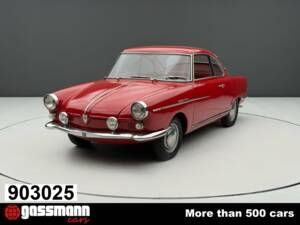
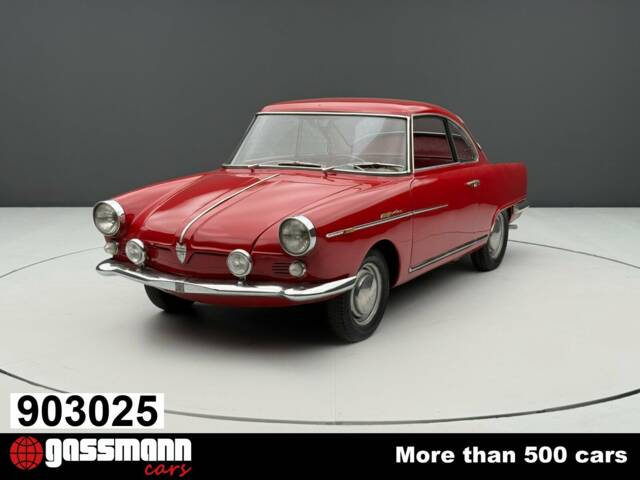
1960 | NSU Sport-Prinz
NSU Prinz Sport Coupe Bertone

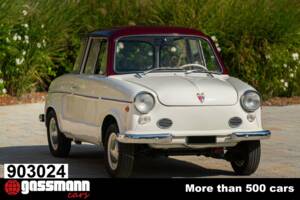
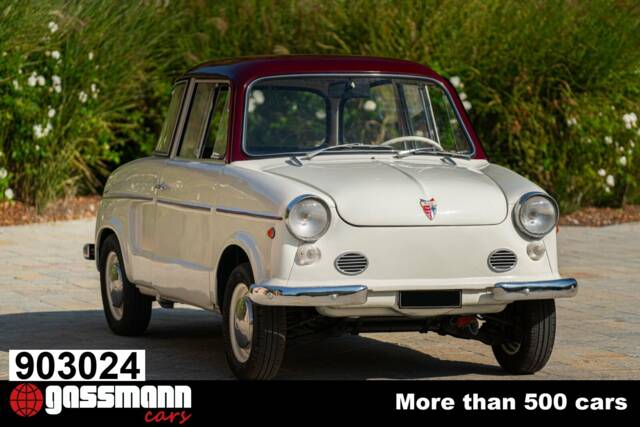
1961 | NSU Sport-Prinz
Prinz 30
Auctions ending soon

Loading…
Loading…
Loading…
Loading…
NSU Sport-Prinz listing references from Classic Trader
Below you will find listings related to your search that are no longer available on Classic Trader. Use this information to gain insight into availability, value trends, and current pricing for a "NSU Sport-Prinz" to make a more informed purchasing decision.

1966 | NSU Sport-Prinz
Museumsstück
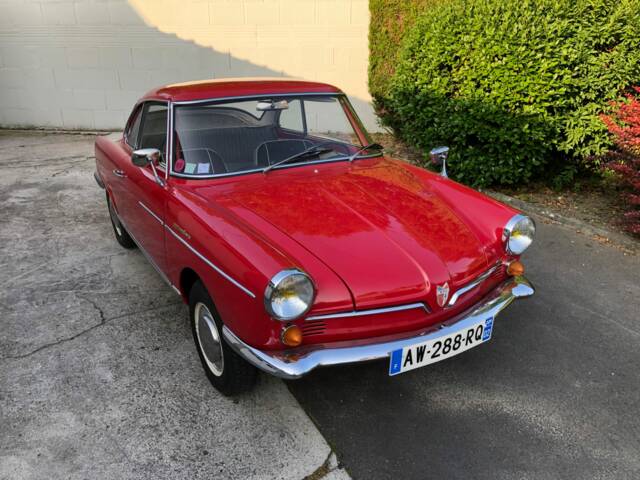
1967 | NSU Sport-Prinz
NSU Sport Prinz | 1967 - For sale by auction. Estimate 14950 EUR
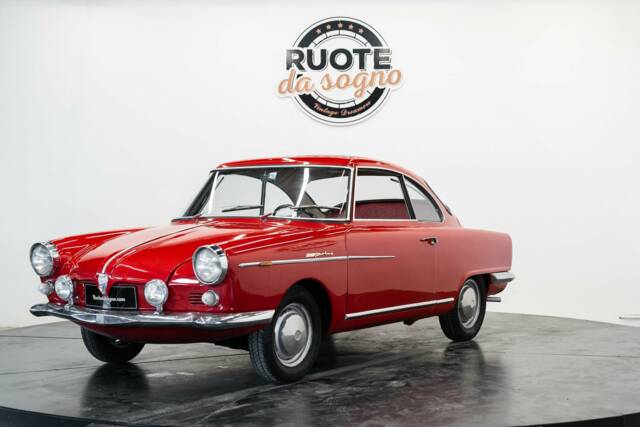
1960 | NSU Sport-Prinz
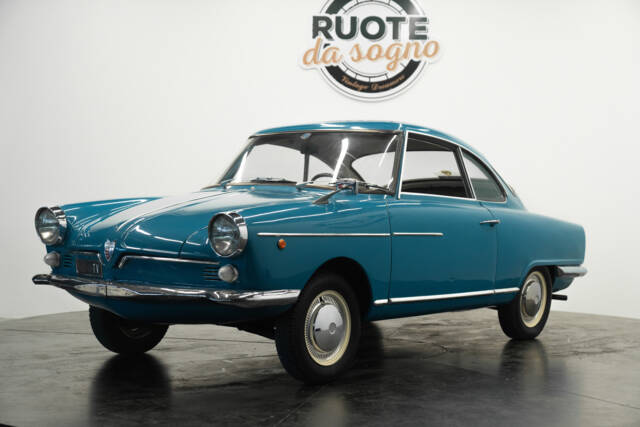
1964 | NSU Sport-Prinz
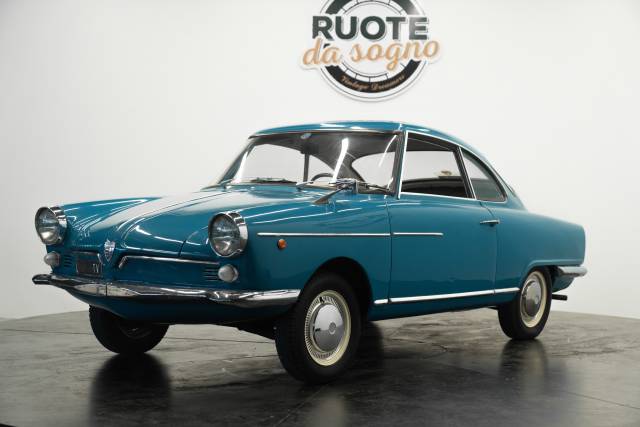
1964 | NSU Sport-Prinz
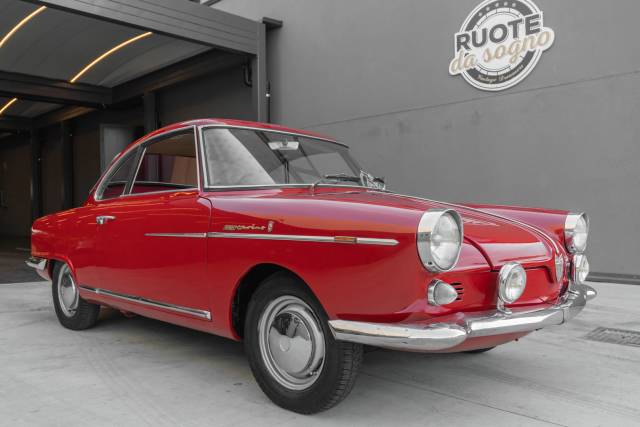
1960 | NSU Sport-Prinz
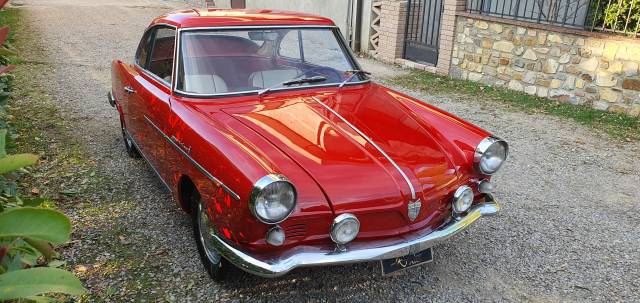
1960 | NSU Sport-Prinz
ONE OF THE VERY FEW BERTONE BUILT !!!!! WONDERFUL !!!!
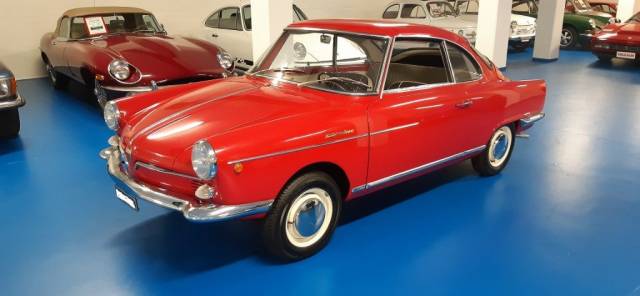
1966 | NSU Sport-Prinz
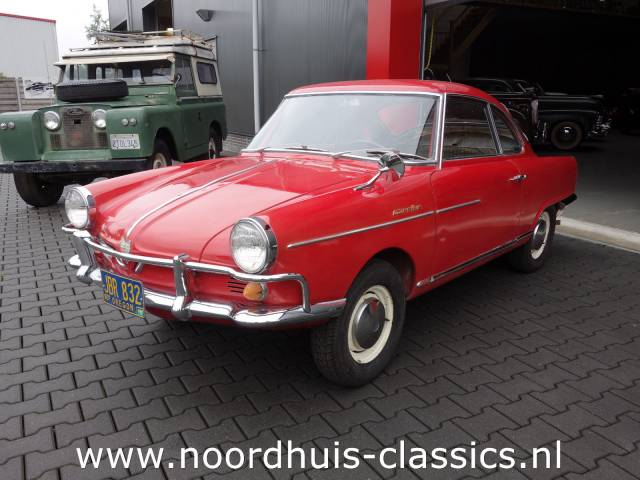
1965 | NSU Sport-Prinz
NSU nsu sport prinz USA Export Model
NSU Sport-Prinz Classic Cars: Prices & Market Values
History of the NSU Sport-Prinz
The NSU Sport-Prinz made its debut in 1959, at a time when compact and sporty personal vehicles were gaining popularity across Europe. Designed by renowned Italian designer Franco Scaglione at Bertone, the car marked NSU’s intent to offer a more dynamic alternative to their utilitarian Prinz. Initial production of 250 vehicles took place at Bertone’s Italian facilities, but strong demand in Germany led to a shift of manufacturing to NSU’s Neckarsulm plant, where nearly 21,000 units were built over about a decade. Despite its stylish coupe lines, the Sport-Prinz never saw high sales in Italy due to its elevated price and limited practicality. Its development was directly influenced by NSU’s experience in motorcycle engineering, shaping both its powertrain and lightweight philosophy.
Model History
The original NSU Prinz Sport (also known as Sport-Prinz) was based on the compact Prinz platform. Its predecessor was the standard NSU Prinz, while its successor is considered to be the models employing the updated 598 cm³ engine, similar to the Prinz IV. Production started in 1959 and concluded in 1967. Improvements through its lifecycle included an engine upgrade and minor detail changes, but the core concept of a lightweight, stylish two-seater coupé remained constant.
Highlights of the NSU Sport-Prinz
- Italian-styled coupé designed by Franco Scaglione at Bertone, distinctive among German compact cars of its era.
- The early cars (first 250 units) were handcrafted in Italy before mass production in Germany.
- The model is powered by a motorcycle-derived, air-cooled two-cylinder engine with hemispherical combustion chambers, reflecting NSU’s dual expertise in cars and motorcycles.
- Efficient and economical, with a declared fuel consumption of 16.1 km/l.
- The NSU Sport-Prinz accounts for 100% of classic NSU listings on Classic Trader, highlighting its dominance within NSU classic car interest.
Supply and Demand Statistics:
- The Sport-Prinz represents 100% of current NSU supply and demand on Classic Trader. No model from NSU attracts more attention—every NSU listing and view is focused fully on the Sport-Prinz.
Technical Data
Special Editions and Collectible Models
No specific factory special editions of the NSU Sport-Prinz are widely referenced, but the earliest batch of 250 cars built directly by Bertone in Italy are of particular collector interest due to their hand-crafted construction and early features. These Italian-built examples are often considered more desirable due to their rarity and origin.
Weak Spots and Common Issues
No specific weaknesses or recurring problems are outlined in the available data. However, classic car buyers should pay attention to typical age-related issues such as body corrosion, the condition of the unique air-cooled twin-cylinder engine, and the integrity of the drivetrain, especially since parts unique to the Sport-Prinz can be scarce. The compact rear window can also make parking challenging for some drivers.
Engine and Performance, Transmission and Handling
The NSU Sport-Prinz is powered by a motorcycle-derived twin-cylinder engine, known for brisk response at its displacement and a characteristic air-cooled soundtrack. With up to 30 HP from 598 cm³, its top speed was officially rated at 130 km/h, competitive for its class in the early 1960s. Steering is light and precise, aided by a soft suspension setup that ensures surprisingly good road holding for a car in this category. However, its small rear window restricts rear visibility, complicating low-speed manoeuvres and parking. Models to highlight:
- Early Italian-built Sport-Prinz examples for their hand-crafted details.
- Post-1961 variants with the 598 cm³ engine, offering improved performance and reliability.
Interior, Comfort, Exterior and Design
Franco Scaglione’s influence is evident in the balanced proportions and clean lines of the Sport-Prinz. The cabin offers basic equipment: a VDO speedometer with integrated odometer and nighttime illumination, five indicator lights for vehicle status, and minimalistic driver controls. Luggage compartments are ingeniously arranged both behind the seats and under the front bonnet. Exterior details, such as the Bertone badge on early models, further distinguish these coupés from their contemporaries. Special paint colours or trim options were not widely documented, aligning with the model’s focus on simplicity and sporty elegance.
Other Relevant Features
The Sport-Prinz is a direct reflection of NSU’s connection to both the motorcycle and small-car market of post-war Europe. Its blend of Italian design finesse with German technical execution provides an authentic period driving experience. For drivers in search of a compact, well-engineered 1960s coupé that stands apart from British or French contemporaries, the Sport-Prinz occupies a distinct niche.
Summary
The NSU Sport-Prinz stands out for its Italian styling, efficient engineering, and historically significant production run between 1959 and 1967. With its concentrated focus among NSU collectors, robust supply and demand on Classic Trader, and enduring mechanical straightforwardness, it remains a compelling choice for enthusiasts desiring a 1960s German coupé with a design pedigree traced directly to Bertone.